
Industrial Bread Production Line - Chinese Manufacturer, Factory, Supplier
Commercial bakeries depend on sophisticated industrial bread production line systems to deliver consistent, high-quality loaves at unprecedented volumes. These automated installations seamlessly integrate multiple processing stages, transforming raw ingredients into finished products through precisely controlled mechanical and thermal processes.
The foundation begins with ingredient dosing systems. Advanced industrial bread production line configurations feature automated flour silos, liquid ingredient tanks, and pneumatic conveying networks that deliver exact quantities to mixing stations. Gravimetric scales ensure precise formulation control, while temperature monitoring prevents ingredient degradation during storage and handling phases.
High-capacity spiral mixers represent the heart of dough development. These machines incorporate specialized agitation patterns that develop gluten matrices through controlled mechanical energy input. Bowl speeds, spiral rotation velocities, and mixing duration parameters are programmed to achieve optimal dough consistency while preventing overworking that could compromise final texture.
Dough conditioning occurs through automated resting chambers where temperature and humidity levels remain constant. This fermentation phase allows enzymatic reactions to proceed while yeast organisms generate carbon dioxide and flavor compounds essential for proper bread characteristics.
Dividing and shaping mechanisms within modern industrial bread production line installations utilize volumetric or weight-based portioning systems. Hydraulic dividers create uniform dough pieces that feed into molding stations equipped with pressure plates and forming belts. These components shape dough into desired configurations while maintaining consistent density throughout each loaf.
Proofing chambers provide controlled environments where shaped dough undergoes final fermentation. Steam injection systems maintain optimal humidity levels while temperature control prevents surface skinning that could inhibit proper oven spring development.
Continuous tunnel ovens represent the thermal processing core of any industrial bread production line. These systems feature multiple heating zones with independent temperature control, allowing precise heat application throughout the baking cycle. Radiant heat panels, convection systems, and steam injection capabilities ensure uniform heat transfer and crust development.
Cooling conveyors utilize ambient air circulation to reduce product temperature gradually, preventing moisture condensation that could compromise crumb structure or encourage microbial growth. Spiral cooling towers maximize cooling efficiency within minimal floor space requirements.
Slicing and packaging operations complete the production sequence through automated blade systems that create uniform slice thickness while maintaining loaf integrity. Packaging machinery wraps products in protective films that extend shelf life while preserving freshness.
Modern industrial bread production line systems achieve production rates exceeding 2,000 loaves per hour while maintaining stringent quality standards and food safety compliance throughout all processing phases.
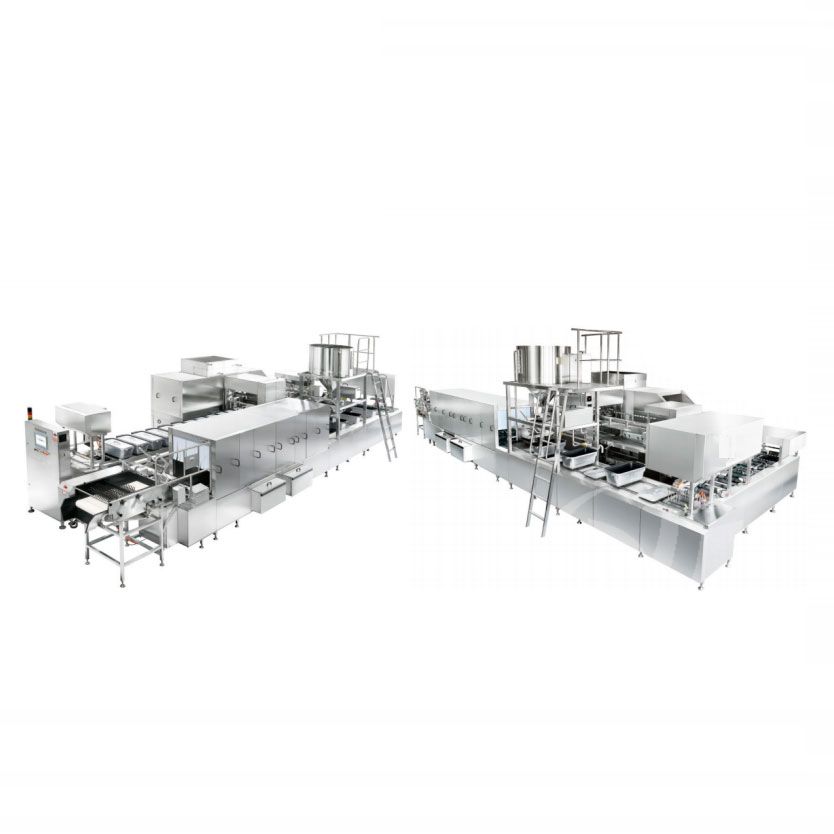
 Cold Chain Rice Production Line
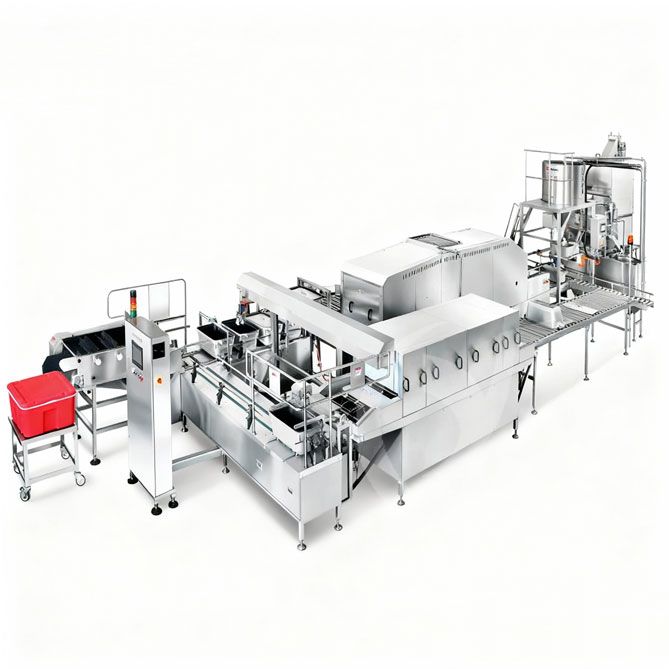
 Unmanned Intelligent Rice Production Line
 Robotic Rice Production Line
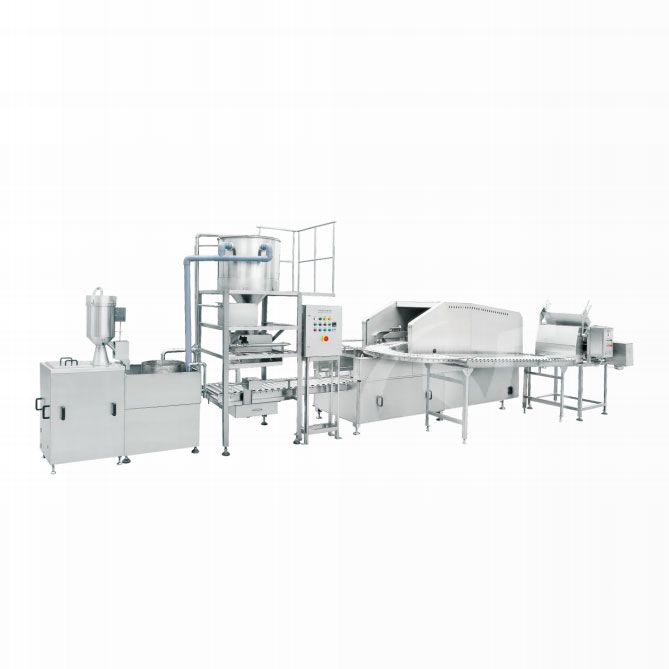 Automatic Rice Production Line
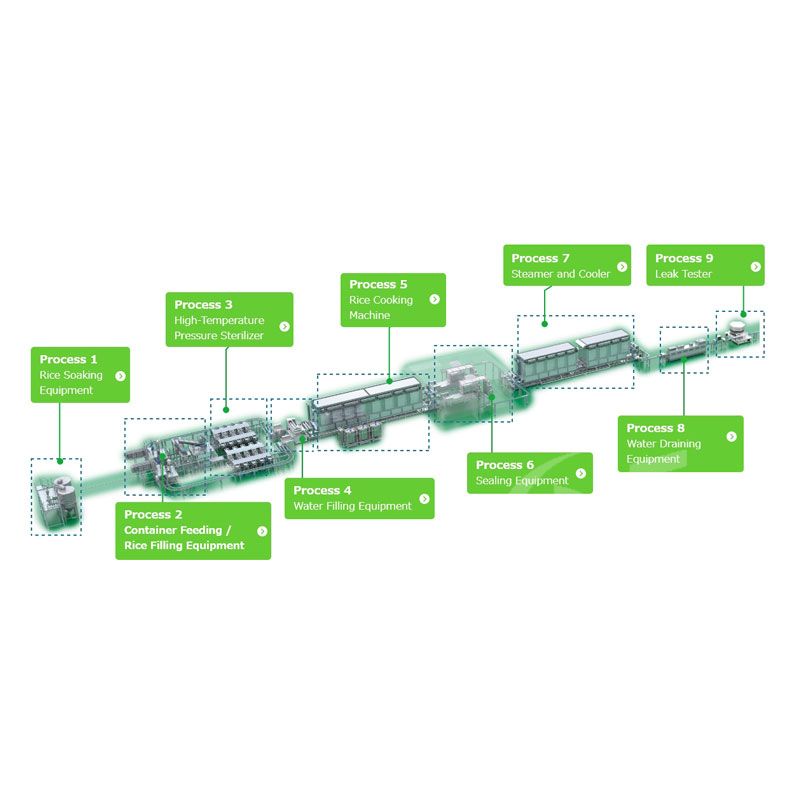 Aseptic Rice Production Line
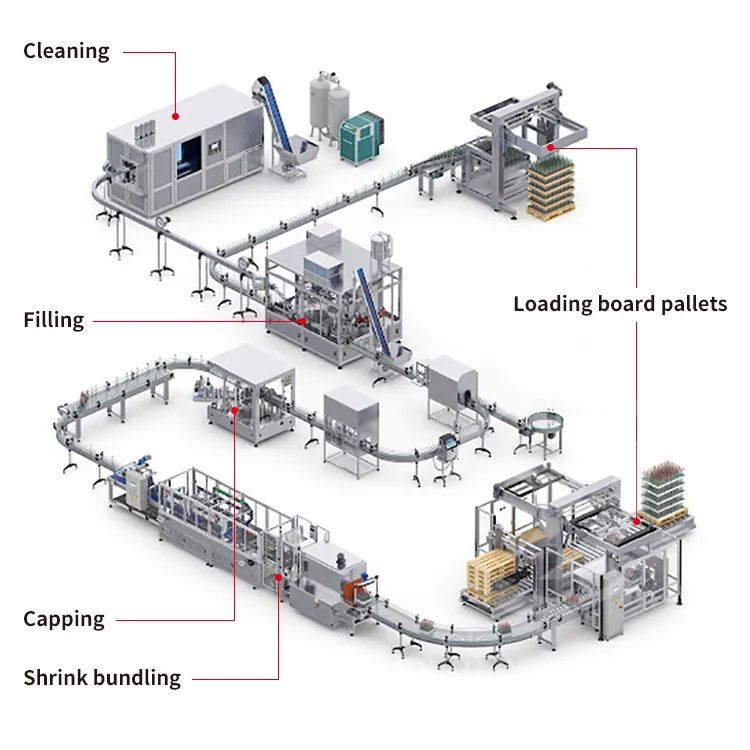 Aseptic Canning Production Line Equipment
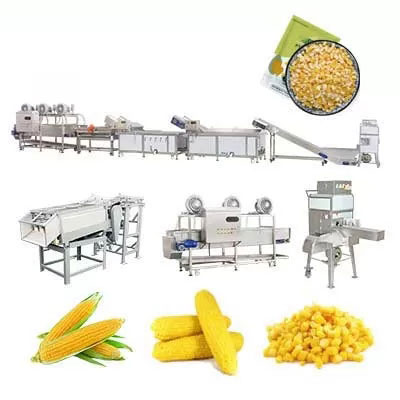 Sweet Corn Canning Production Line
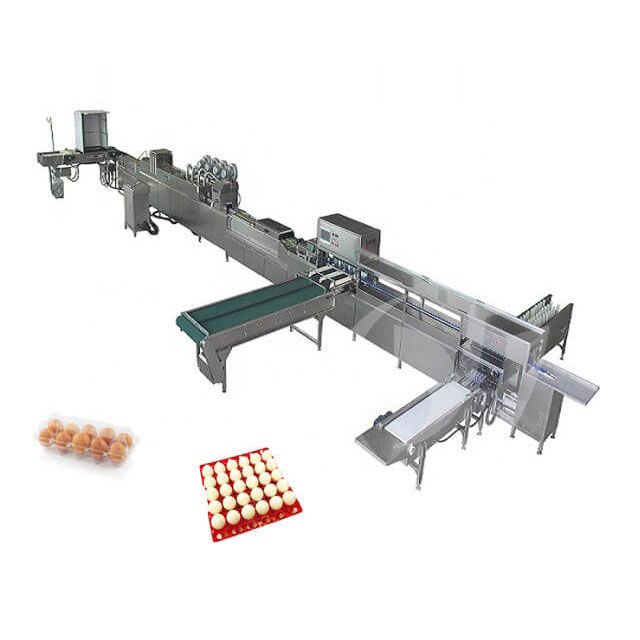 Egg Canning Production Line
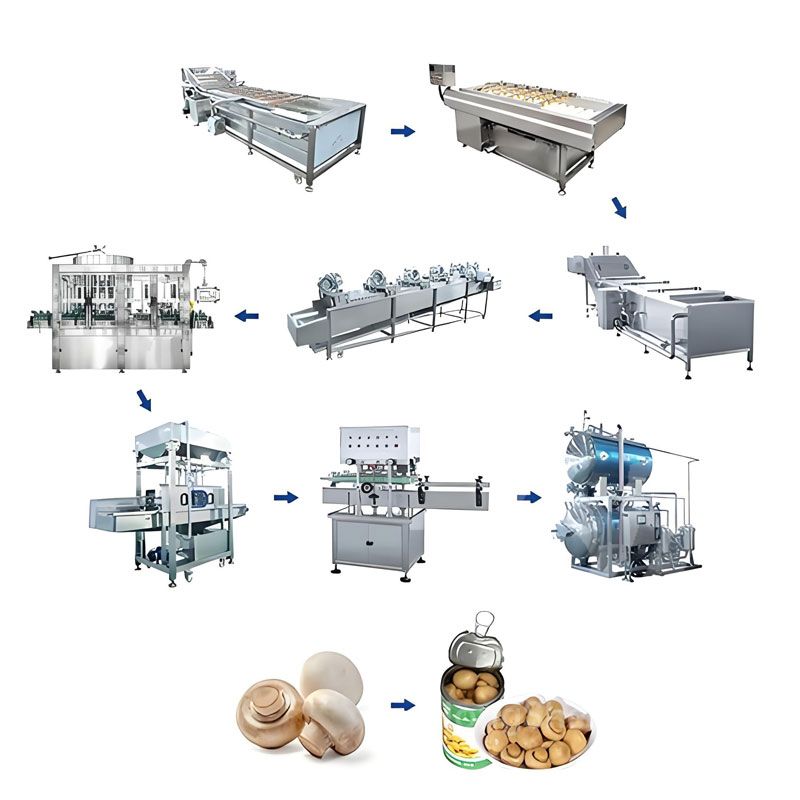 Button Mushroom Canning Production Line
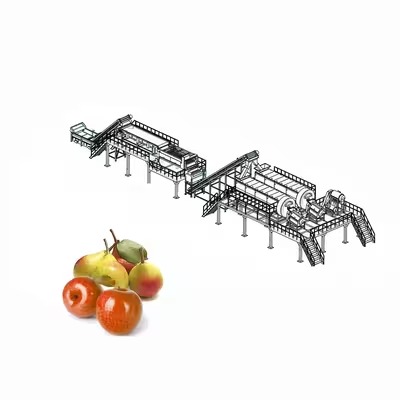 Apple Canning Production Line
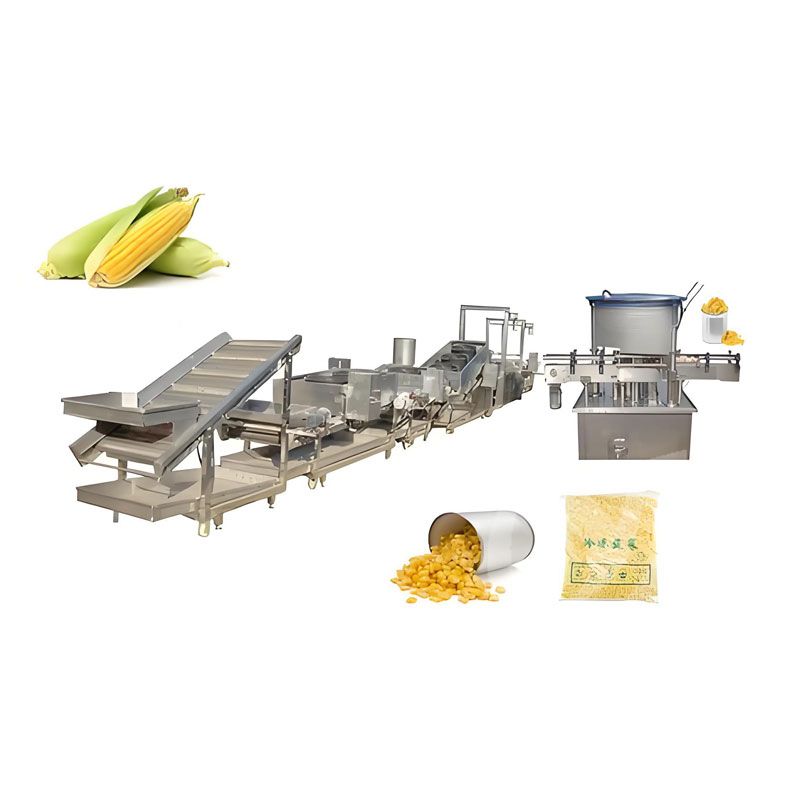 Corn Canning Production Line
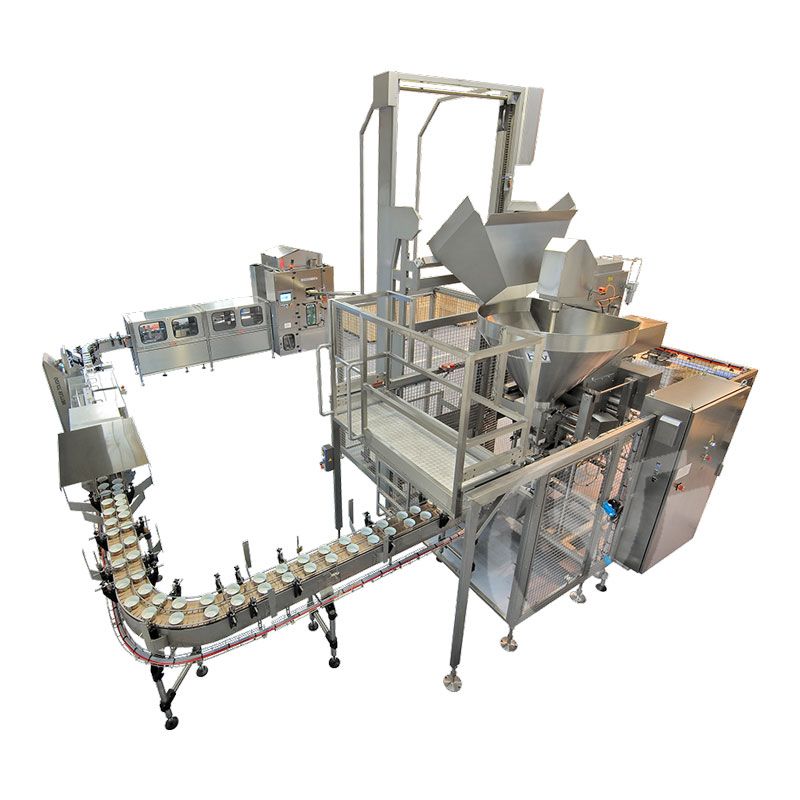 Meat Canned Food Production Line
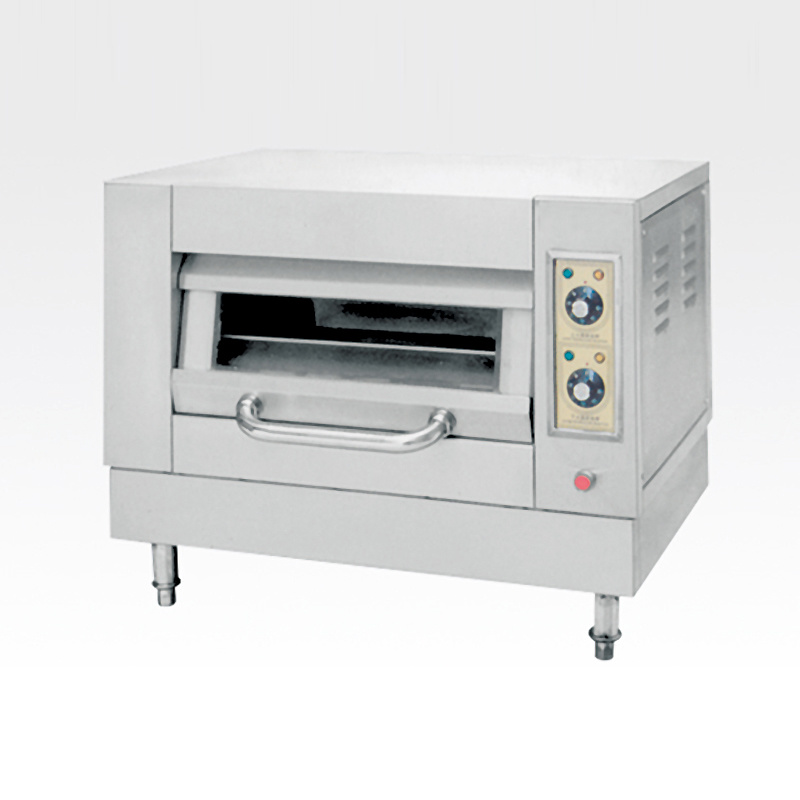 Full-View Electric Oven
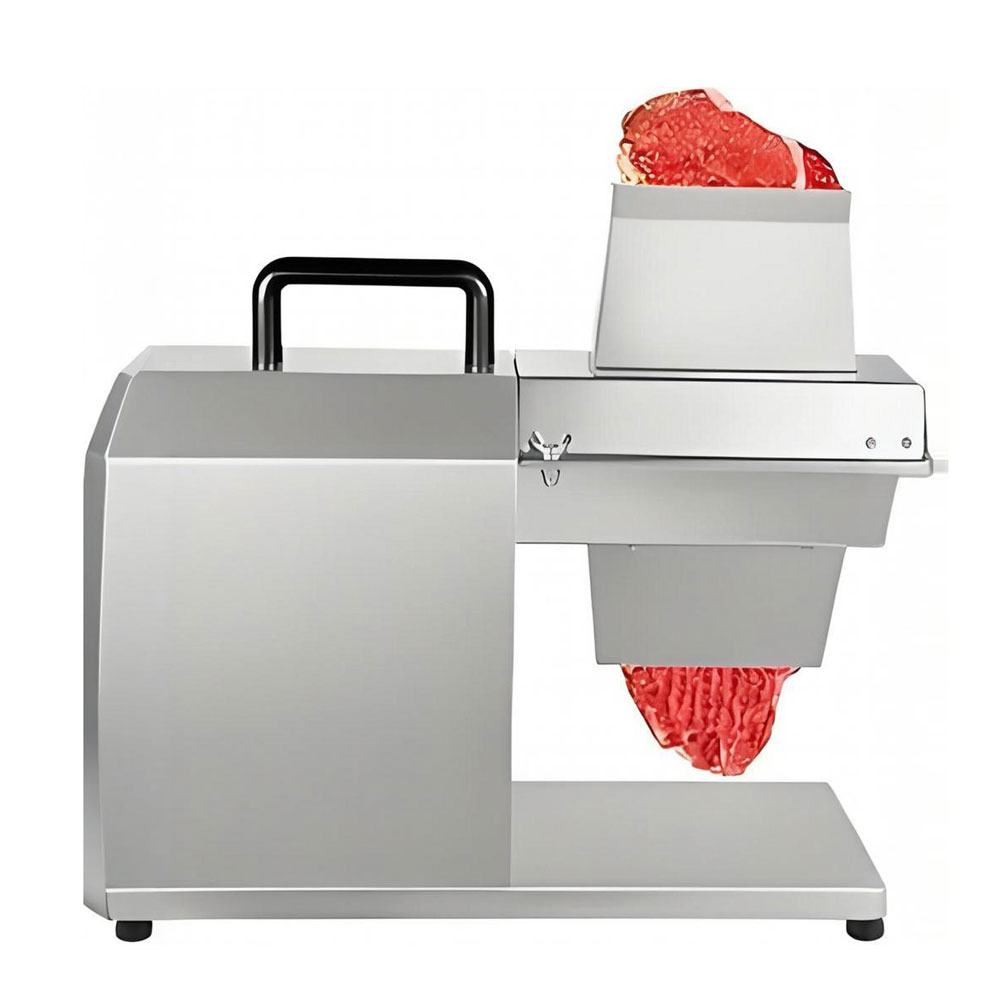 Meat Cuber Machine
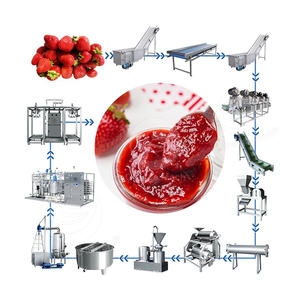 Jam Making Equipment
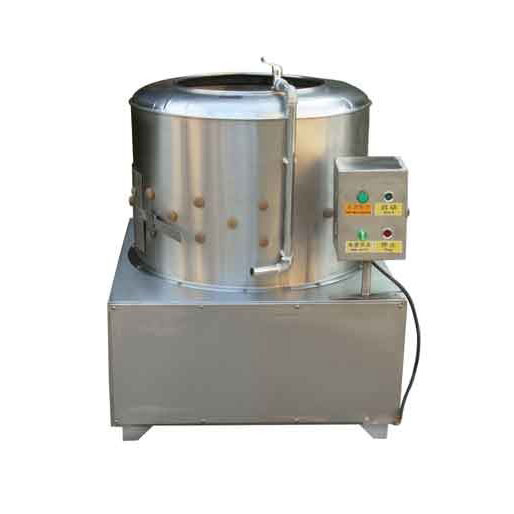 Small Chicken Feet Peeling Machine
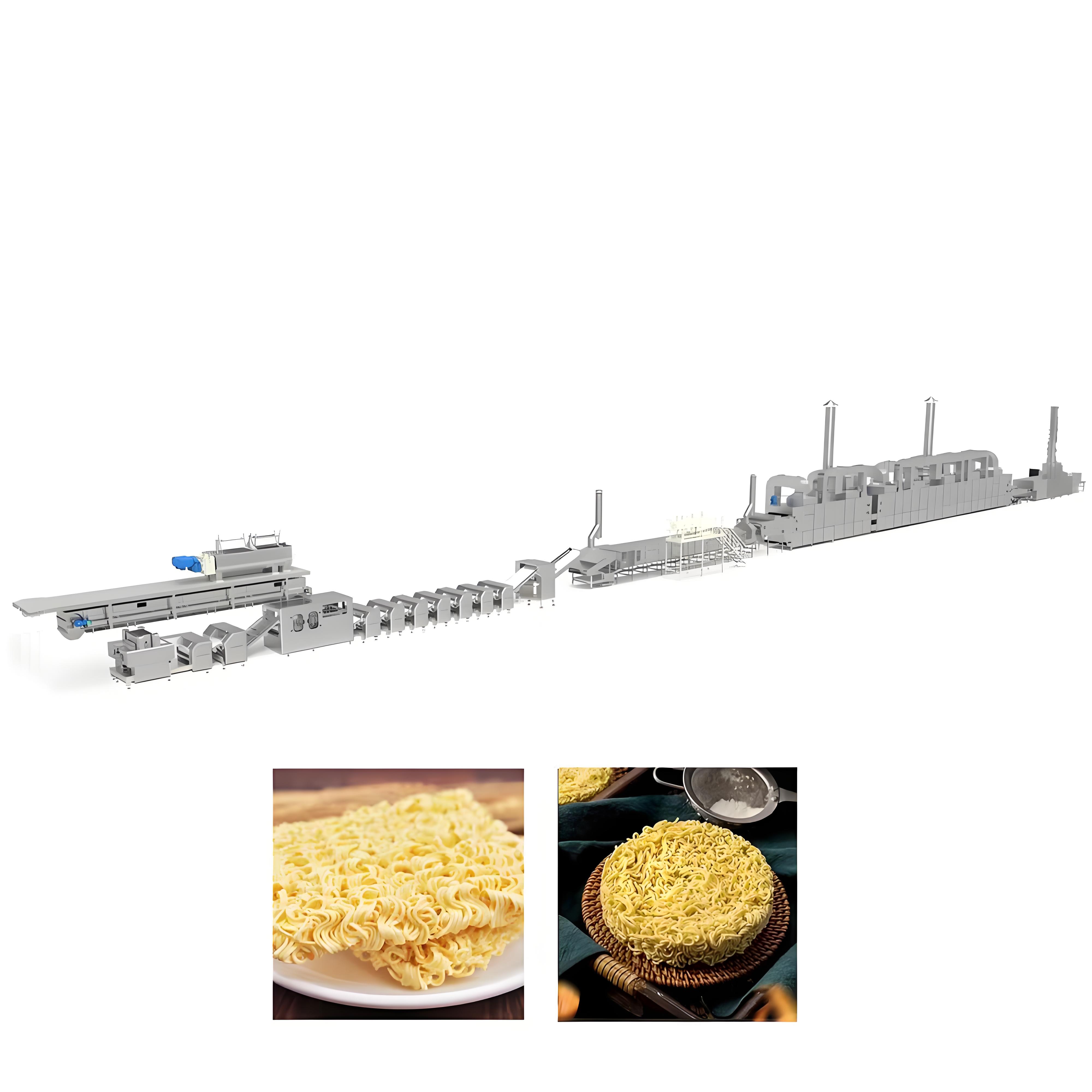 Deep-Fried Instant Noodle Production Line
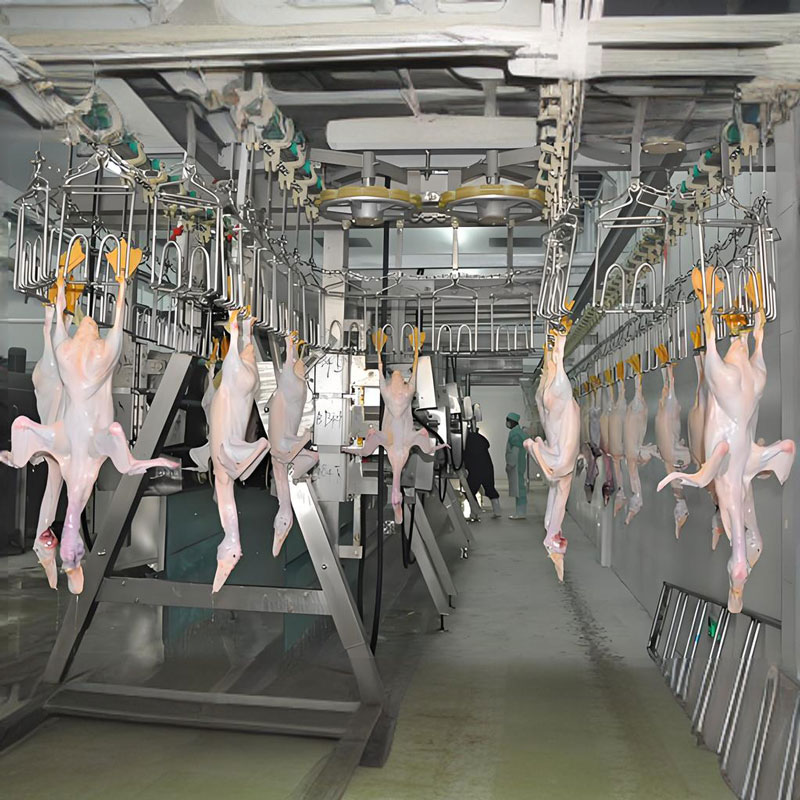 Poultry Slaughtering Line
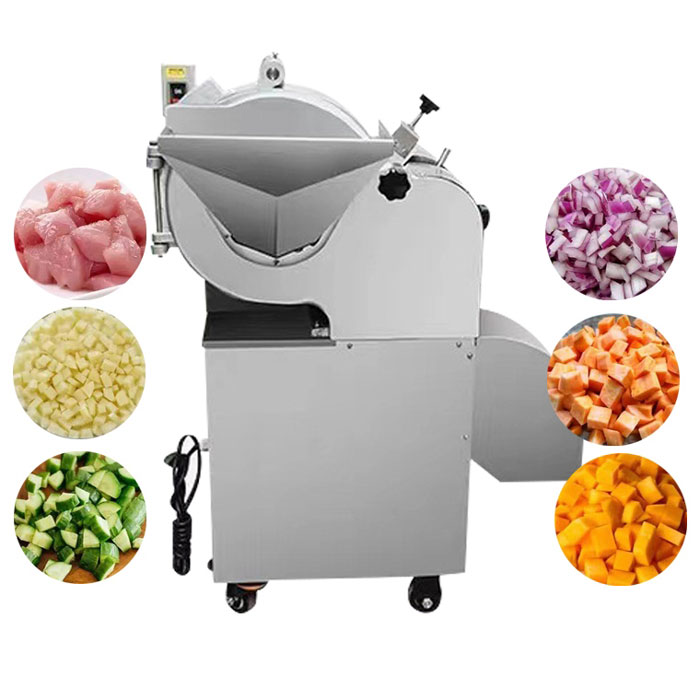 Vegetable Dicing Machine
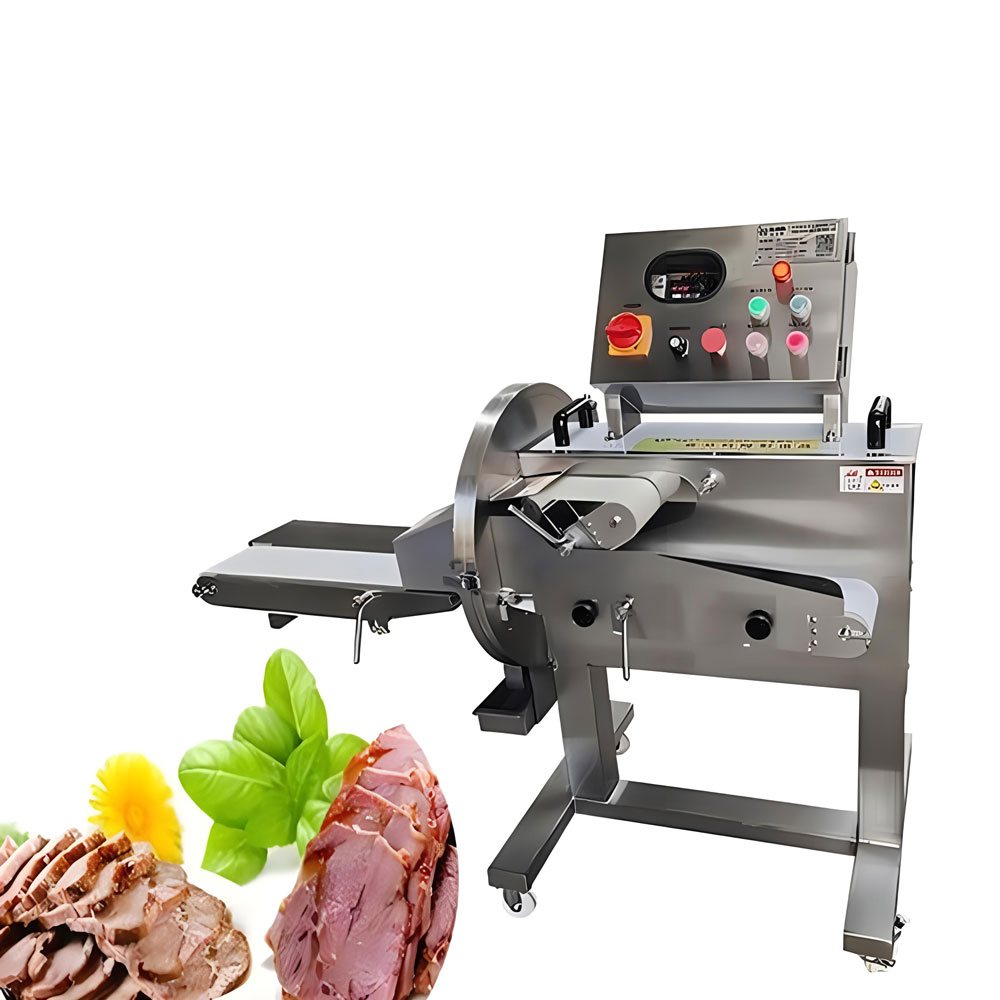 Electric Cooked Meat Slicer