
Peach Canned Food Production Line - Chinese Manufacturer, Factory, Supplier
The peach Canned Food Production Line is a specialized system designed to process fresh peaches into high-quality, shelf-stable canned products. It integrates advanced automation with rigorous food safety standards, ensuring efficiency, consistency, and product excellence from raw material intake to final packaging.
The process begins with raw peach receiving, sorting, and washing to eliminate impurities. Automated peeling and pitting machines ensure precision and speed, reducing manual labor while preserving fruit integrity. Peaches are then cut into halves, slices, or cubes according to product specifications. Once prepared, the fruit is blanched to maintain color, texture, and nutritional value before moving to filling. Modern filling systems dispense peaches along with syrup, juice, or light brine into cans or jars with high accuracy, ensuring uniform quality across each batch.
After filling, the sealing equipment creates airtight closures, preventing contamination. The sterilization phase, typically conducted with advanced retort technology, ensures microbial safety while preserving the natural sweetness and aroma of the peaches. The final steps—cooling, labeling, and packaging—complete the process, preparing the finished canned peaches for domestic distribution or export.
Flexibility is a key advantage of the peach canned food production line. It accommodates multiple formats, including whole peaches, halves, slices, or fruit cocktails, as well as various packaging types such as tin cans, glass jars, and retort pouches. The modular design allows manufacturers to scale production capacity, catering to both small-scale specialty processors and large industrial producers.
Efficiency and compliance are central to the line’s design. Stainless steel construction ensures hygiene and ease of cleaning, while automated monitoring systems maintain precise control over filling, sealing, and sterilization parameters. Compliance with HACCP, ISO22000, and GMP guarantees that the final product meets stringent global food safety regulations.
With rising consumer demand for convenient, natural, and long-shelf-life fruit products, investing in a peach canned food production line enables manufacturers to capture market growth opportunities, reduce production costs, and enhance competitiveness. By delivering high-quality canned peaches that retain their natural flavor and nutrition, processors can build strong brand credibility and expand into both domestic and international markets.
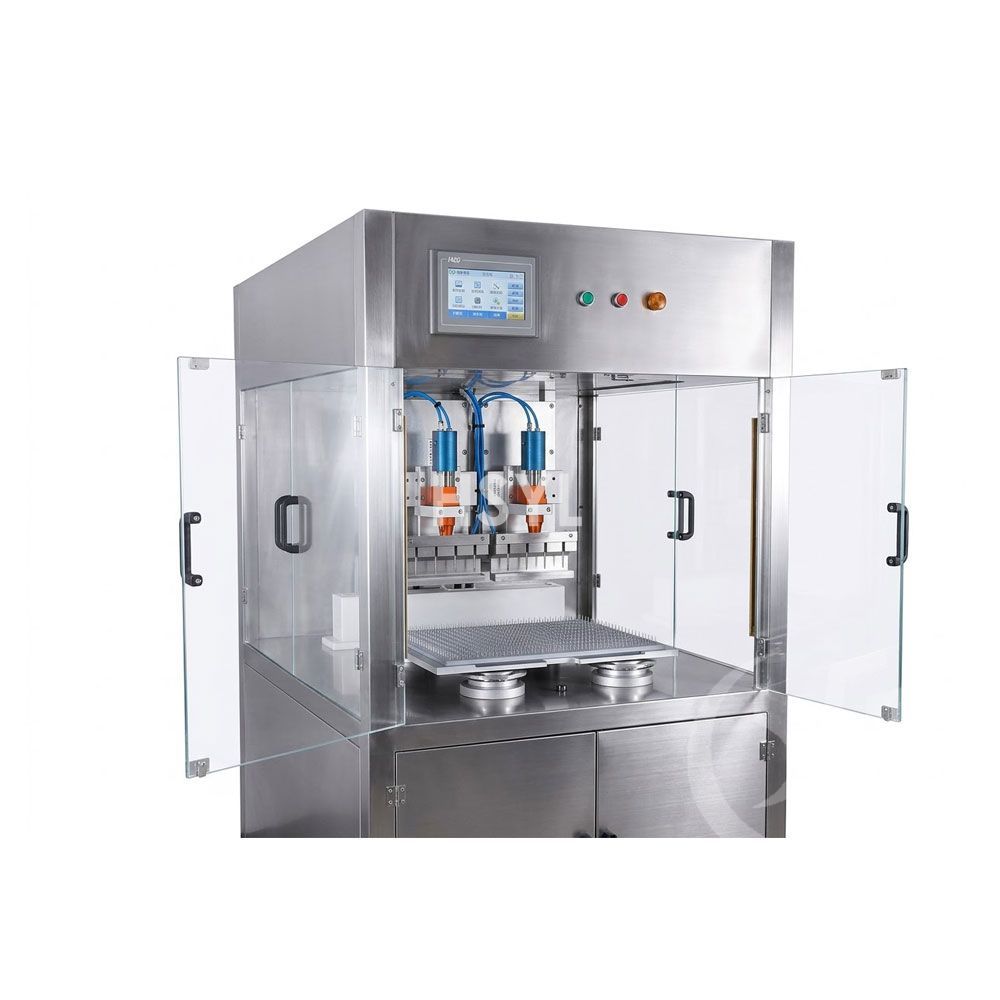 Cookies Biscuits Ultrasonic Cutting Machine
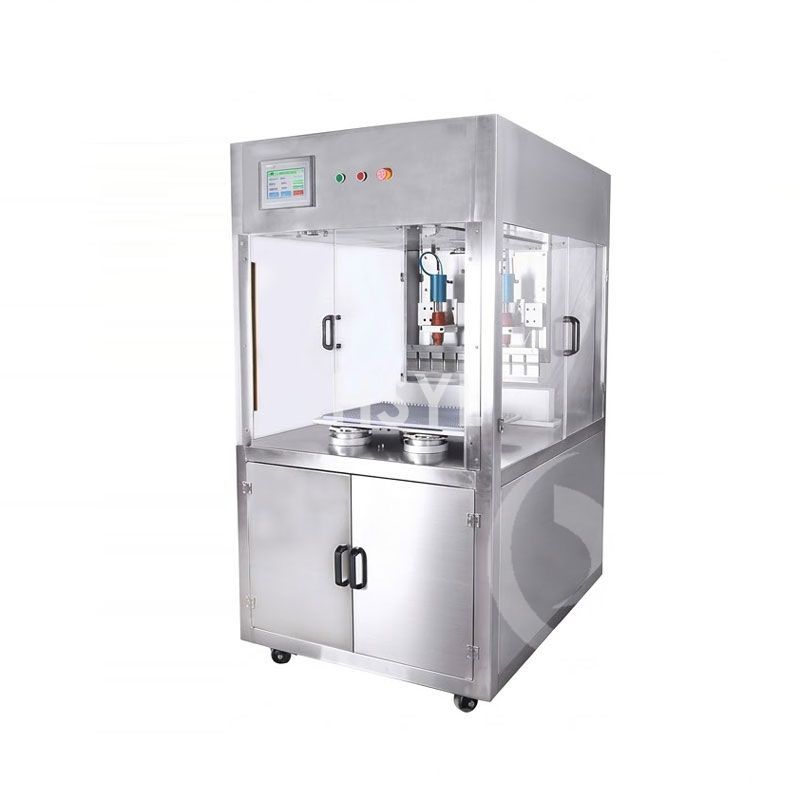 Automatic Ultrasonic Frozen Cake Cutting Machine
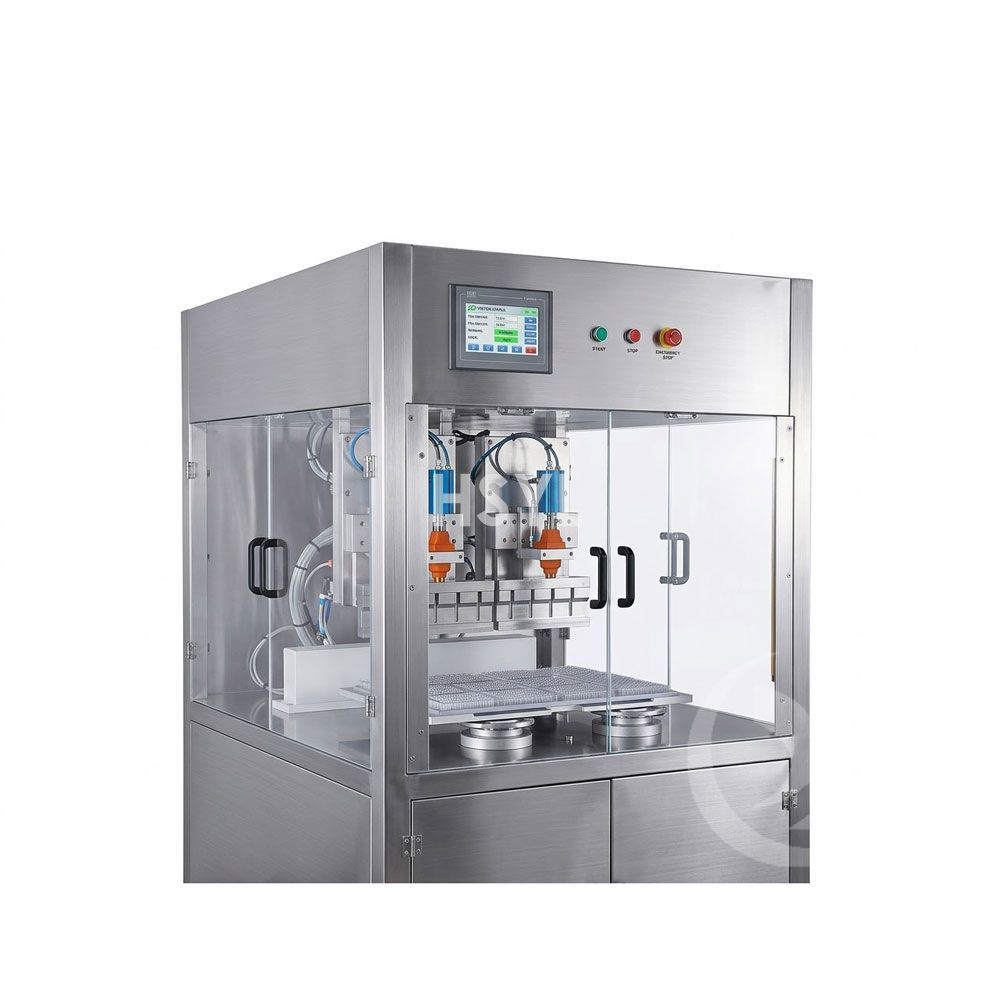 Small Ultrasonic Cutting Machine
 Cold Chain Rice Production Line
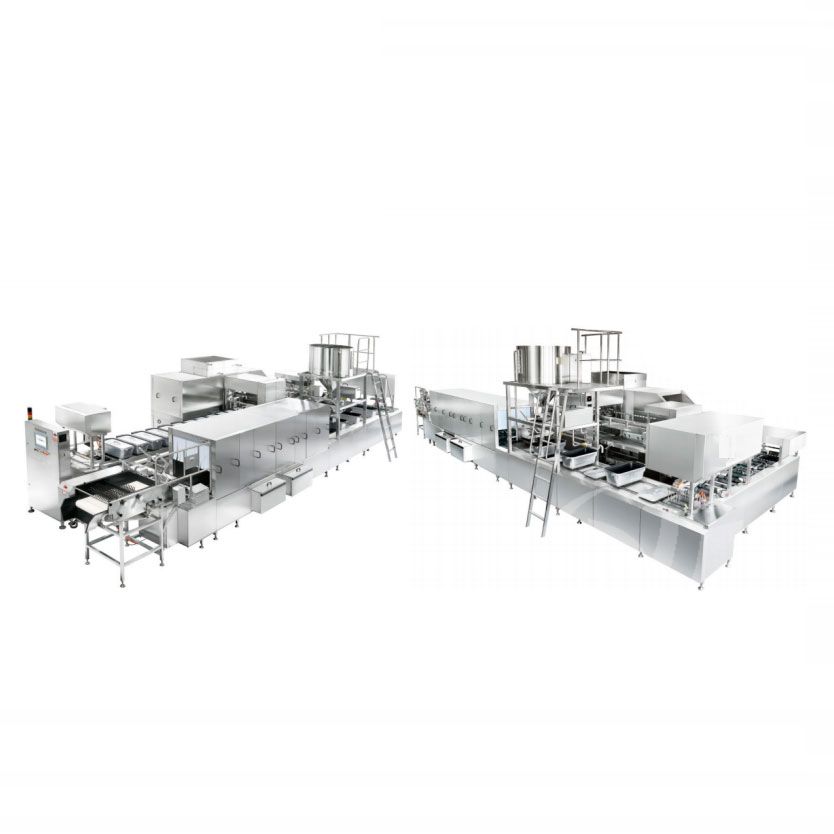 Unmanned Intelligent Rice Production Line
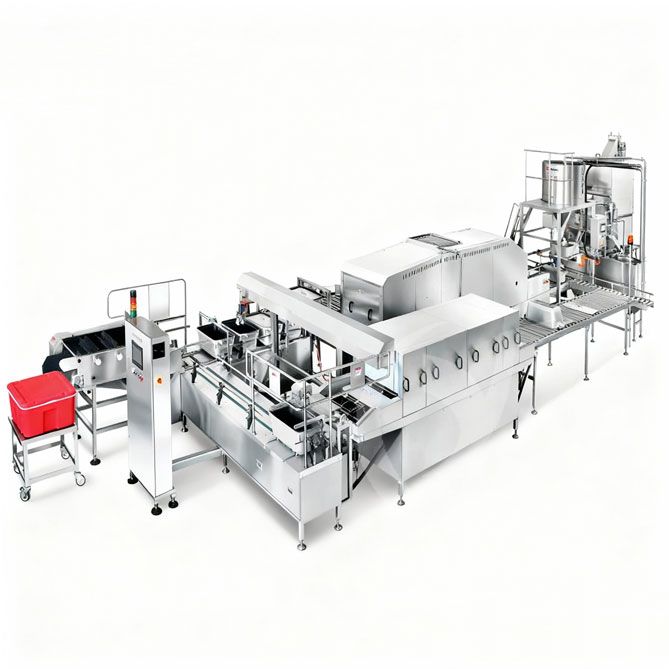 Robotic Rice Production Line
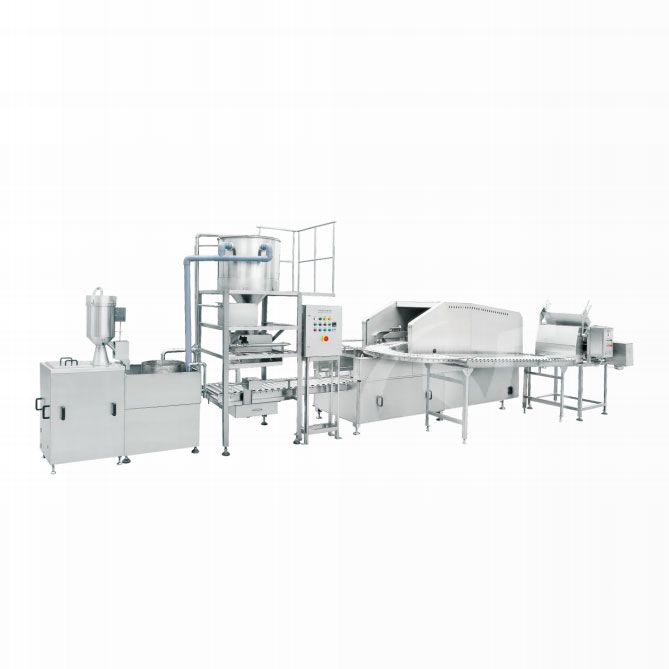 Automatic Rice Production Line
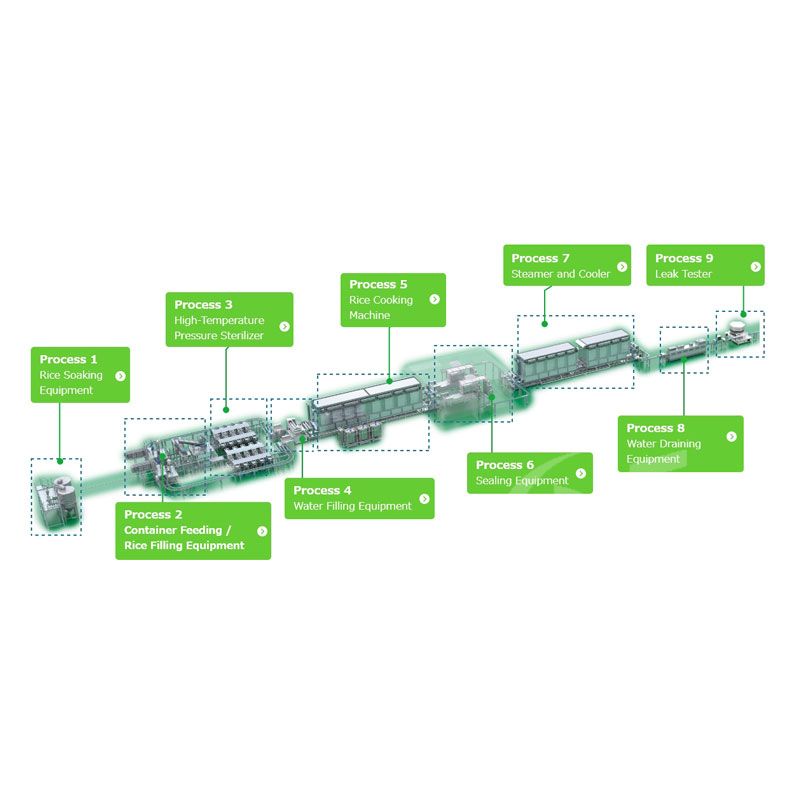 Aseptic Rice Production Line
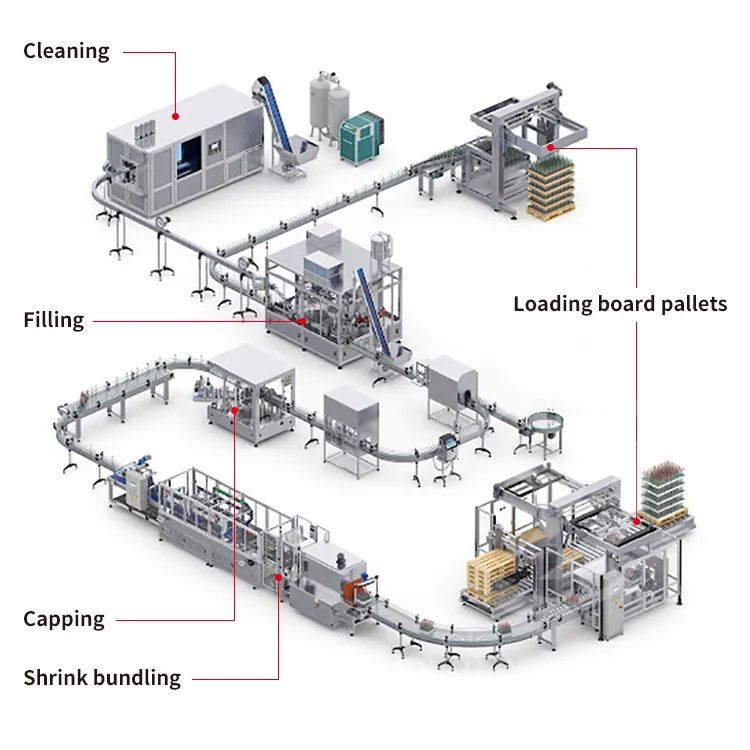 Aseptic Canning Production Line Equipment
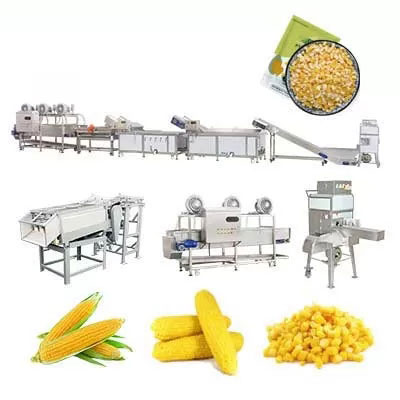 Sweet Corn Canning Production Line
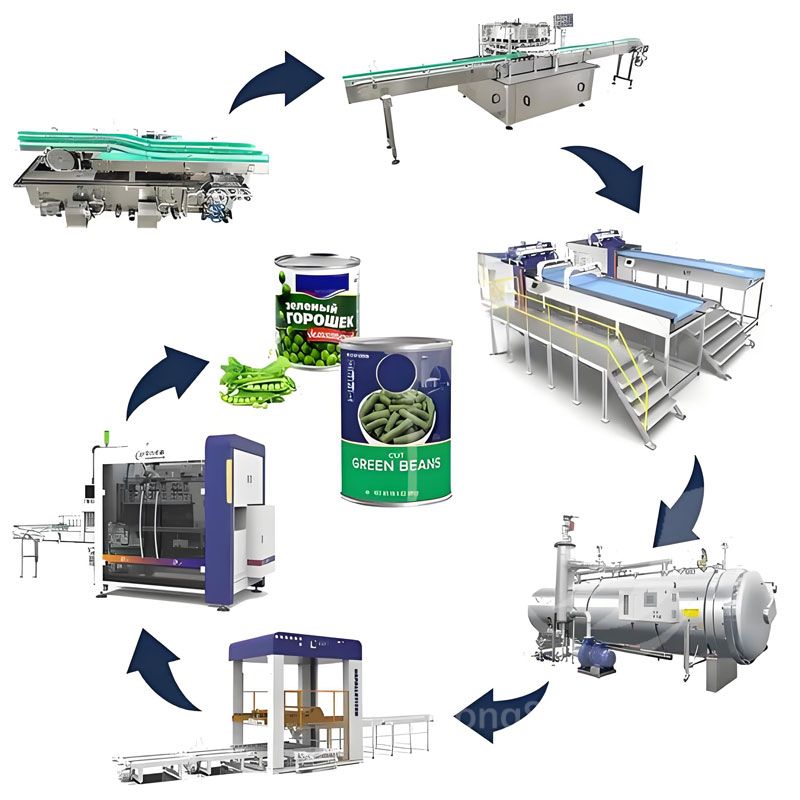 Green Bean Canned Food Production Line
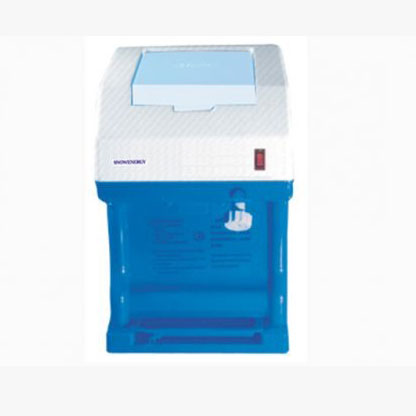 SY-168 / SY-158 Commercial Ice Shaver Machine
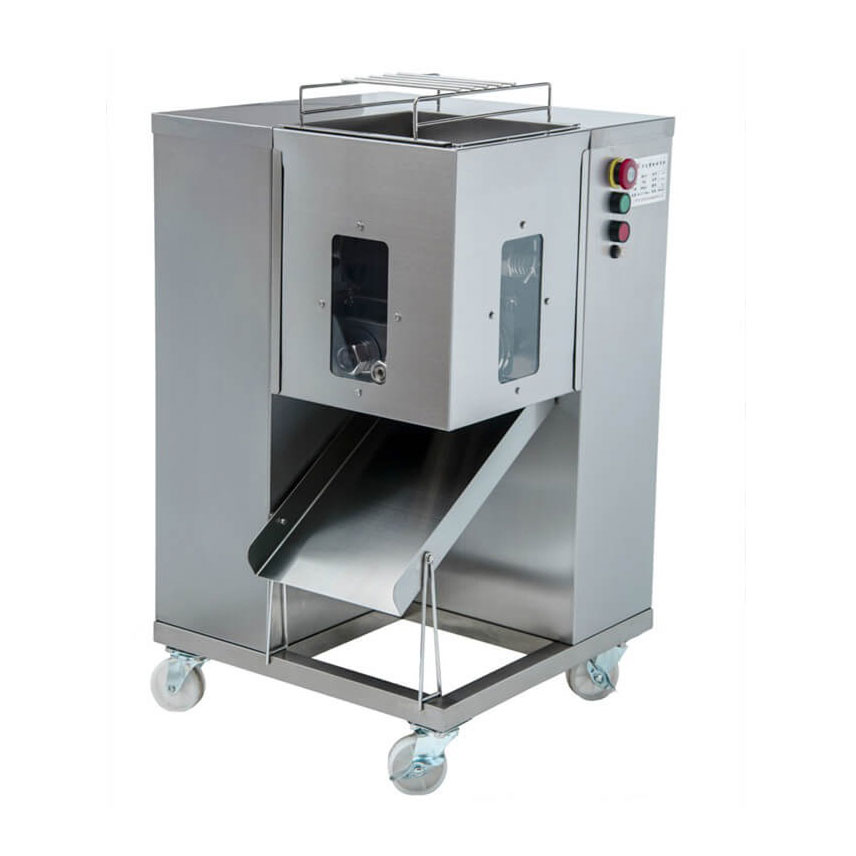 Meat Shredder Machine
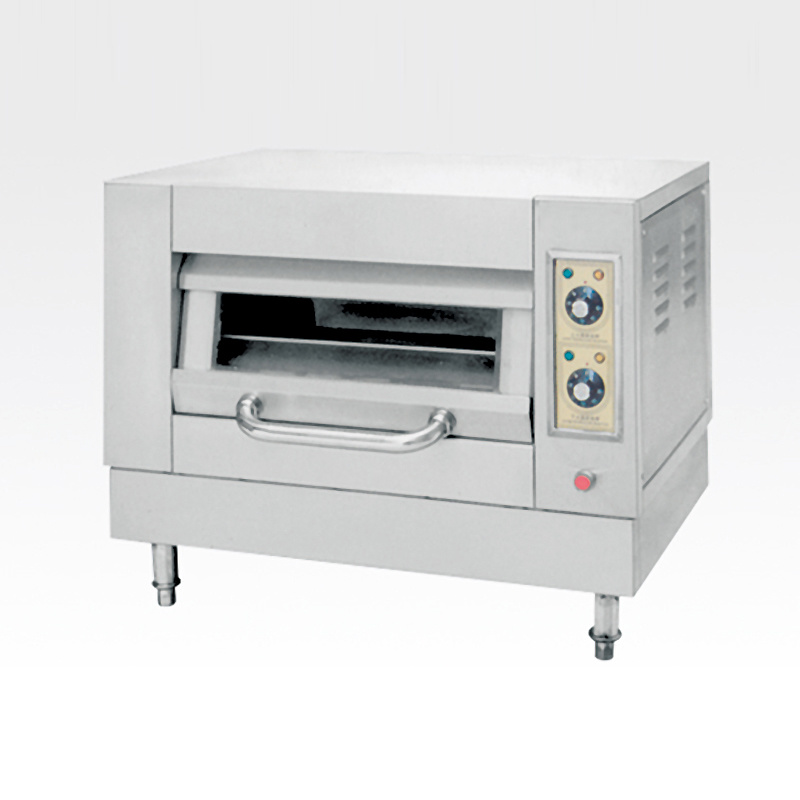 Full-View Electric Oven
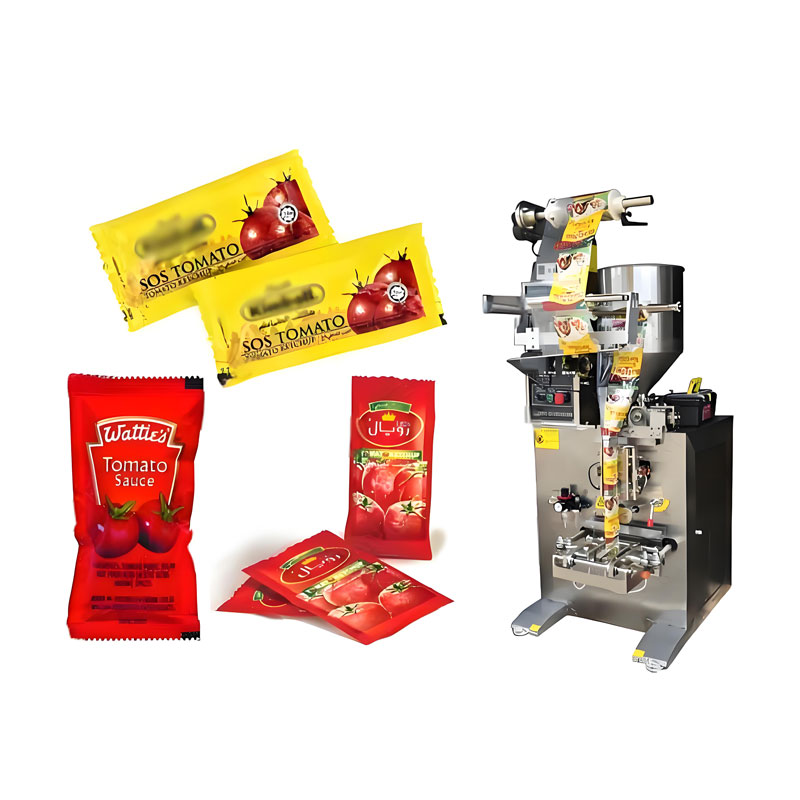 Tomato Sauce Packaging Machine
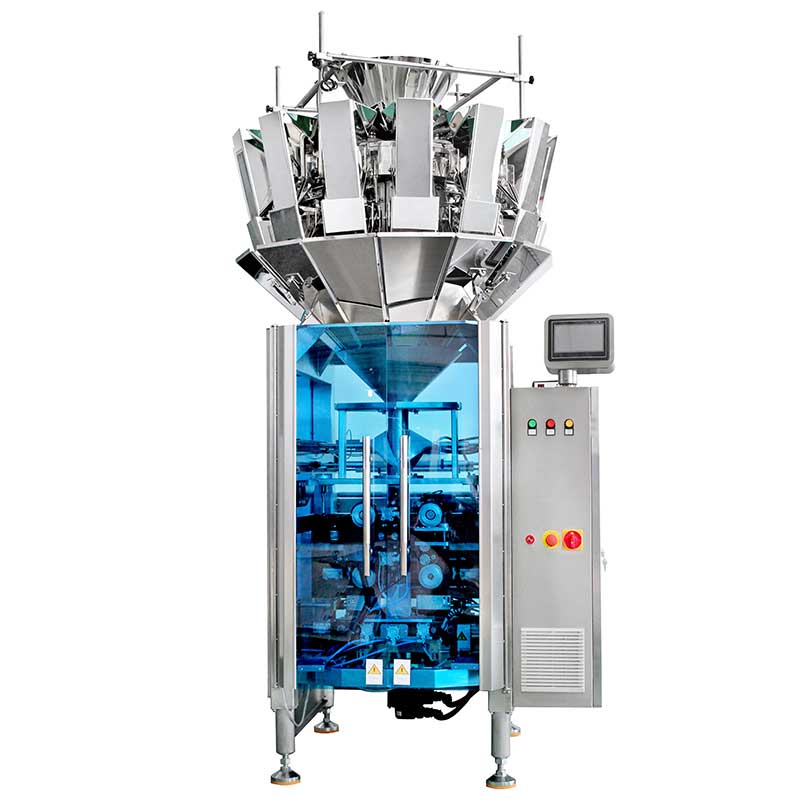 Standard Integrated Weighing and Packaging Machine
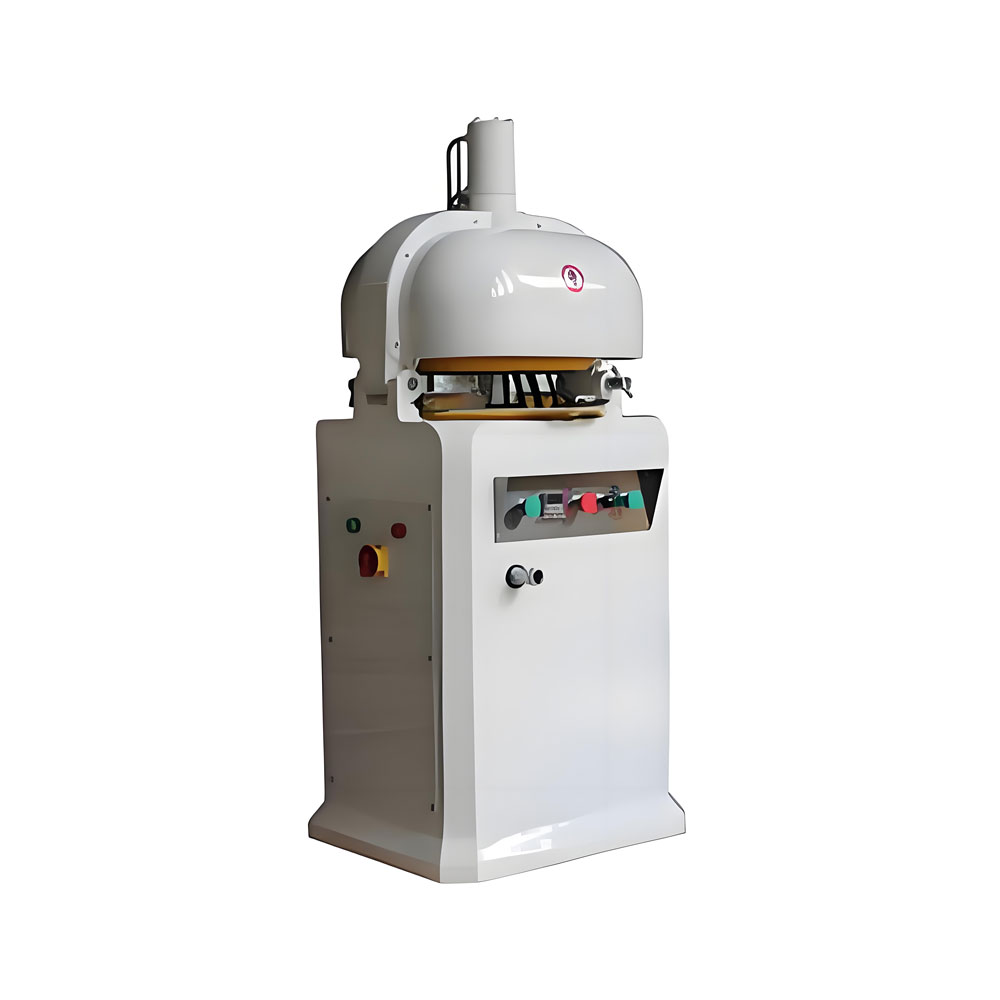 Dough Divider Rounder