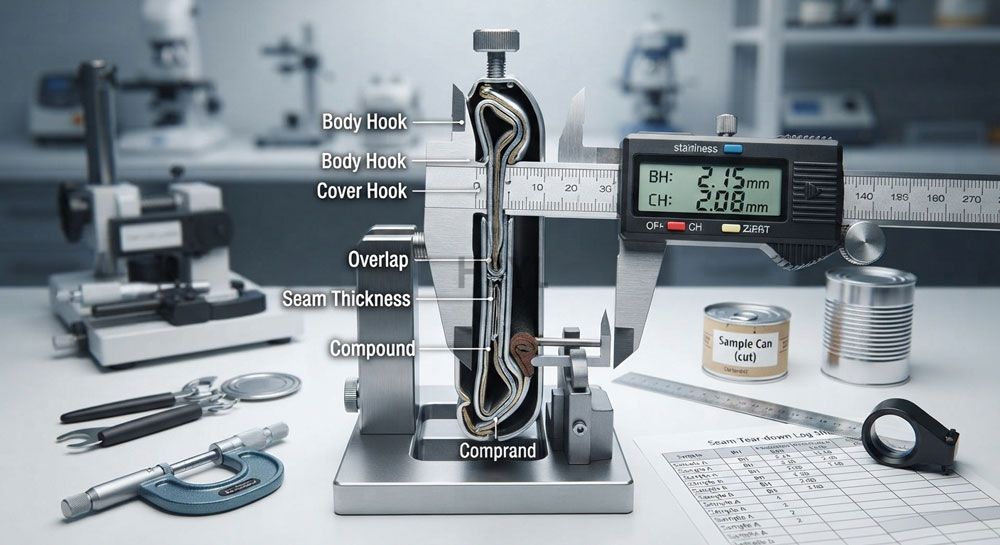
Double-Seam Defect Root Causes: Droops, False Seams, Jumped Seams and Cut Seams
A double seam that looks closed is not necessarily a seam that holds. The four most common seam defects in fish canning — droops, false seams, jumped seams, and...

A double seam that looks closed is not necessarily a seam that holds. The four most common seam defects in fish canning — droops, false seams, jumped seams, and...
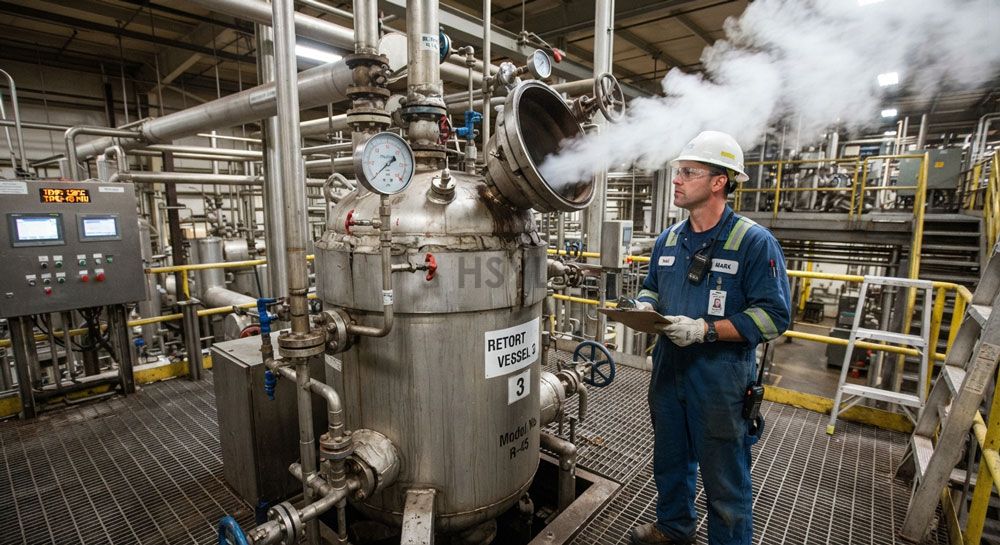
When a retort takes too long to reach setpoint, the instinct is to check the steam supply. Often the steam is fine — the problem is air trapped in the retort th...
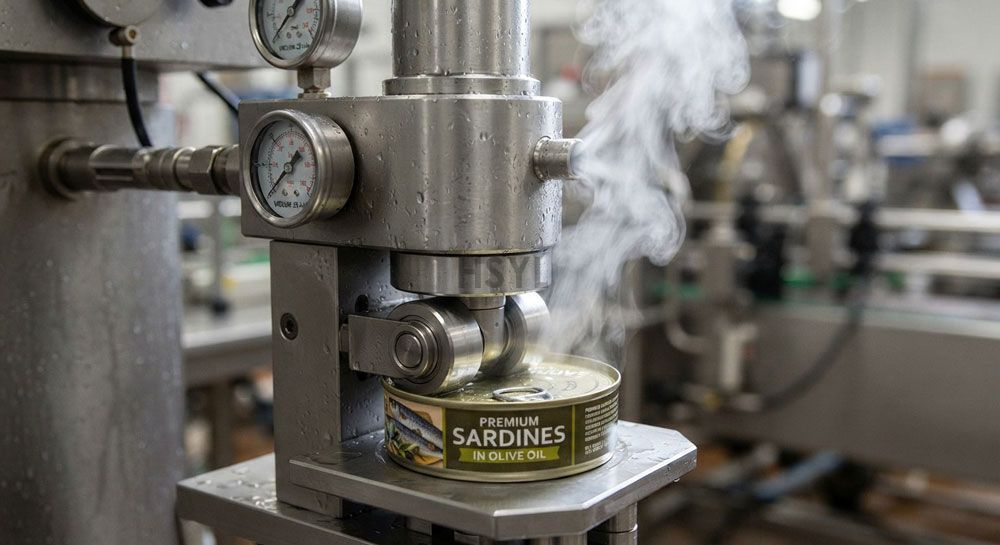
Understand vacuum, exhausting and headspace in fish can seaming: how residual air changes retort pressure, paneling risk and can quality, with a causal diagnost...
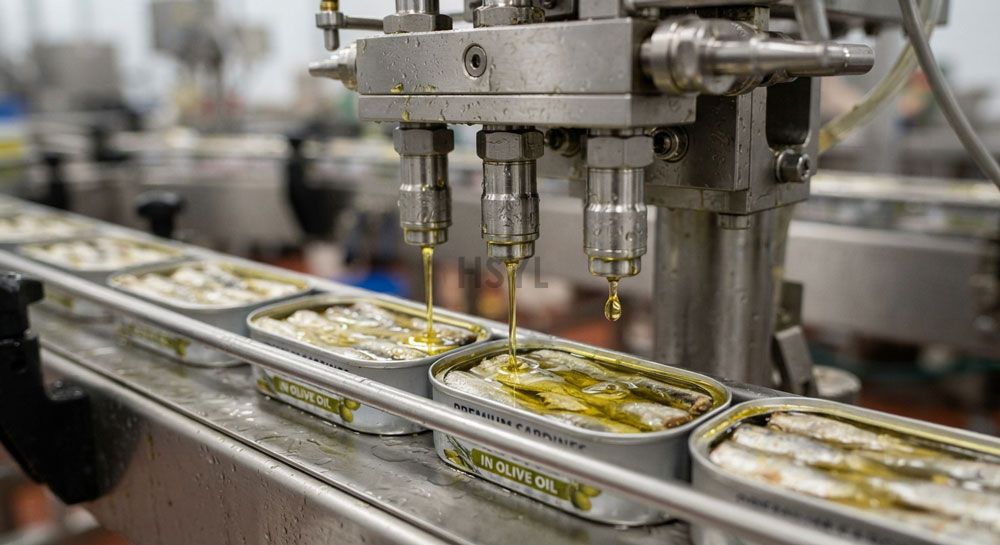
Control brine and oil dosing for canned fish: dosing accuracy, salt uptake, drained weight and net content compliance, with a giveaway cost model and calibratio...
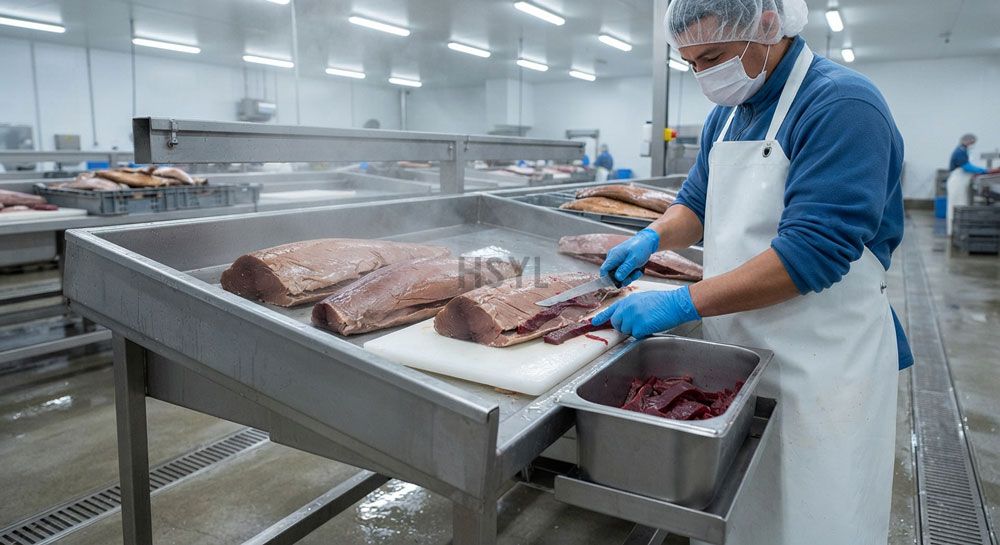
The yield that leaves the precooker does not all reach the can. Between cooked loin and can-ready portion sits the loin cleaning step — where blood meat, skin, ...
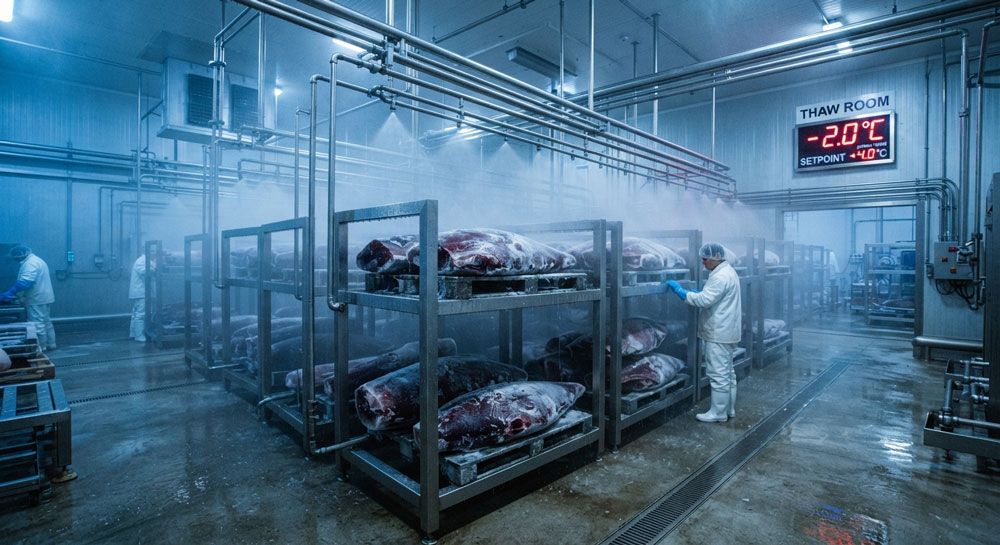
Design a frozen tuna thawing process for a cannery: method comparison, time-temperature control, drip loss measurement, and buffer capacity sizing for continuou...

A food factory project manager sits in a machine supplier's assembly workshop, a stack of blueprints in front of them and a signed contract in hand. The mac...

A plant manager at a newly commissioned sardine cannery conducts a routine inspection and notices faint, reddish-brown stains forming along the corners of the b...

At the start of every shift, a quality control technician at a fish cannery zeros their seam micrometer and prepares to run a teardown. They are not merely fill...
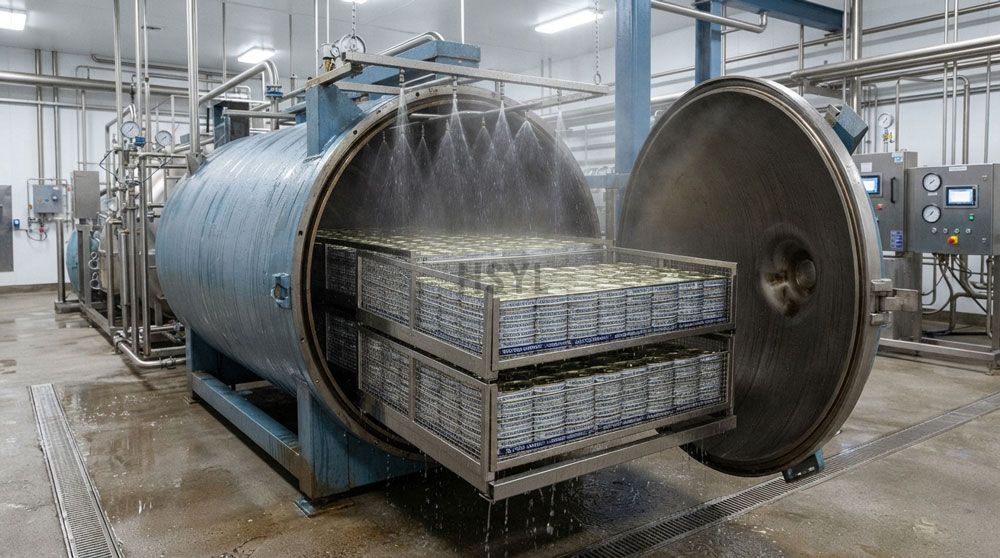
In low-acid canned food manufacturing, the transition from the sterilization hold phase to the cooling phase is the most critical window for product safety and ...
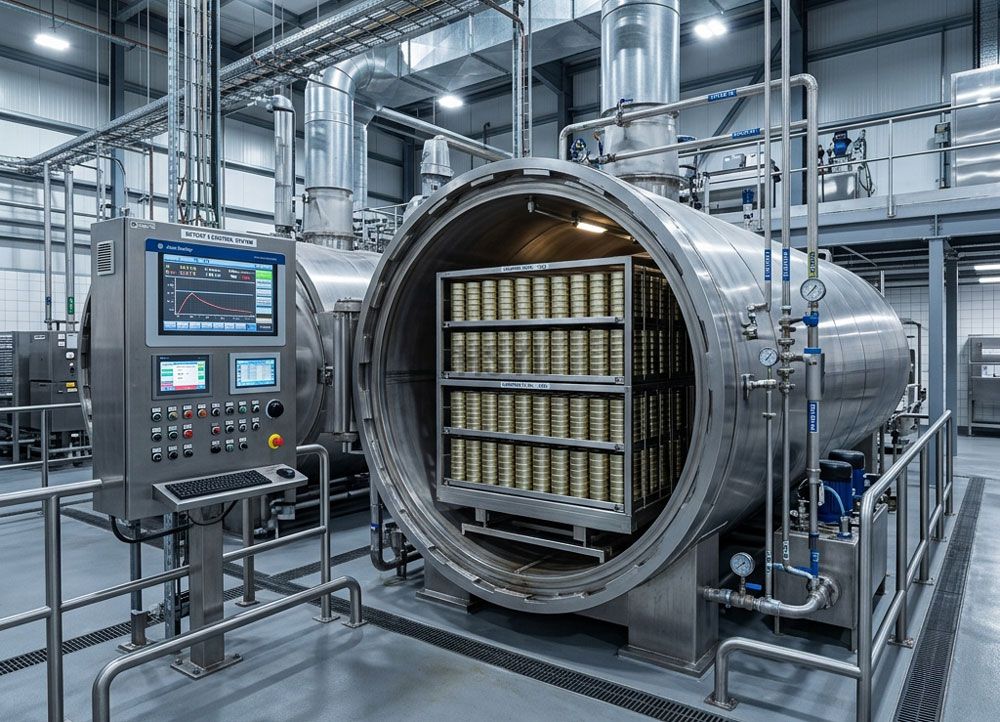
Understand the 5 retort critical factors for canned fish: initial temperature, fill weight, viscosity, headspace, and agitation. Build an audit-ready control pl...
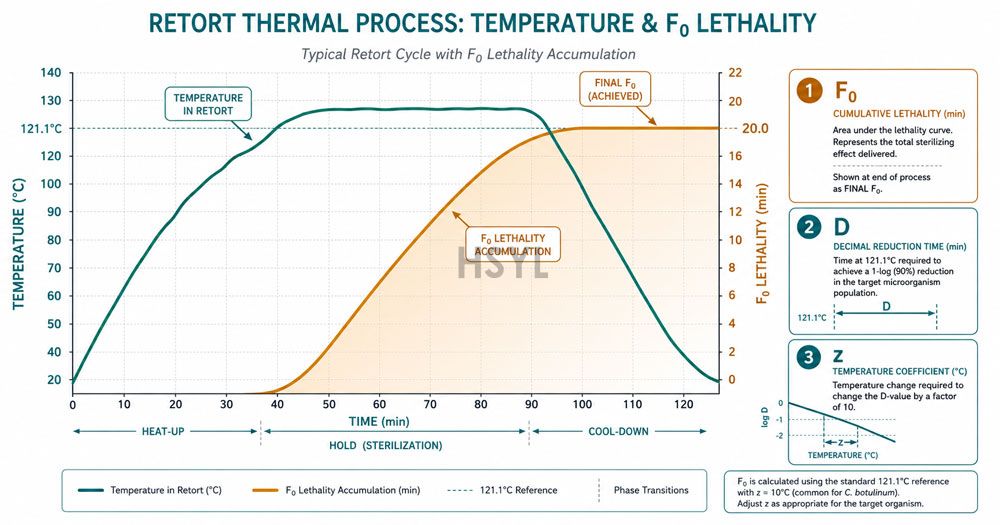
Understand F₀, D-value and z-value in canned fish thermal processing: why 121.1°C is only a reference temperature, how lethality accumulates, and why no univers...