
Brine and Oil Dosing for Canned Fish: Controlling Salt, Drained Weight and Net Content
A can of fish in oil that declares 130 g net weight and 90 g drained weight must contain both — not approximately, but to the tolerance the buyer and the regulator enforce. The dosing step that puts fish, brine, and oil into the can is where net content compliance, salt content control, and giveaway cost are all set. A filler that gives away 4% above declared weight is giving away fish at full can price; a dosing system that cannot hold salt content within spec risks a recall. This article covers dosing accuracy, salt and drained weight control, and a giveaway cost model that quantifies what loose dosing actually costs.

The scope covers brine and oil dosing for canned fish, from the filler to the sealed can. It covers dosing accuracy, salt content, drained weight, and giveaway. It does not cover filling critical factors (covered separately), seaming, or retort sterilization. A canned food filling and sealing line must control fish dosing and medium dosing as separate but linked controls.
Dosing Accuracy and What It Costs
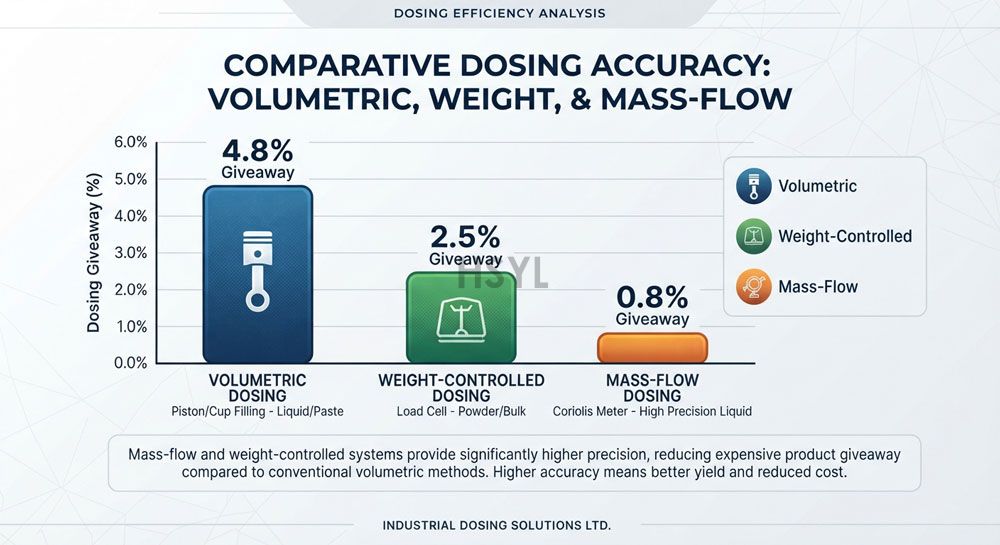
Dosing accuracy is the gap between the declared weight on the label and the actual weight in the can. The gap is called giveaway — the fish and medium the cannery puts in the can above what it charges for. Giveaway is not a defect; it is the price of caution on a filler that cannot hold tight tolerance. But the level of giveaway is an equipment and operating decision, and it has a direct cost.
| Dosing method | Typical giveaway | Capital cost | Best for |
|---|---|---|---|
| Volumetric (fixed volume) | 3–6% | Low | Low-value products, simple lines |
| Weight-controlled (checkweigher feedback) | 1–2% | Medium | Most commercial canneries |
| Mass-flow (coriolis or magnetic) | 0.5–1% | High | High-value products, tight compliance |
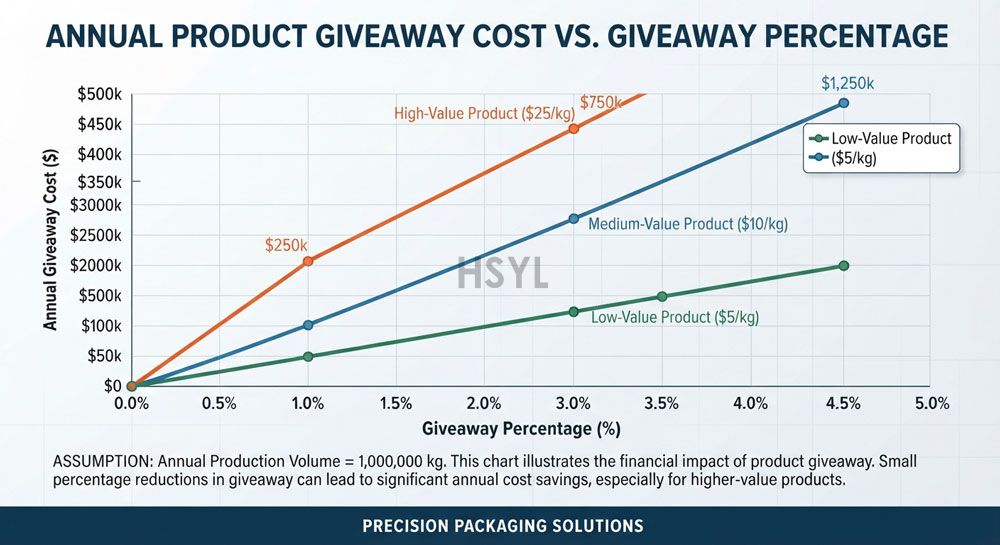
The cost of giveaway is the product of giveaway percentage, annual can volume, and per-can product value. On a line producing 2 million cans per year at 130 g declared weight, 4% giveaway is 10.4 tonnes of fish and medium given away annually — at full can price. Reducing giveaway from 4% to 1.5% on that line recovers 6.5 tonnes per year. The cost of a weight-controlled filler is often recovered in under two years on giveaway reduction alone.
Salt Content Control
Brine dosing controls both the liquid volume in the can and the salt content of the finished product. Salt content is a product specification and, in some markets, a labeling requirement. The dosing system must deliver brine at a concentration and volume that produces the specified final salt content after retorting, when the brine and fish reach equilibrium.
Three variables affect final salt content: brine concentration (percent salt by weight), brine volume (the amount dosed), and fish-to-brine ratio. A change in any one shifts the final salt content. The dosing system must be calibrated for the specific brine concentration and the specific can size, and the calibration must be verified by post-retort salt analysis on a sample of cans.
Drained Weight and Net Content Compliance
Net content compliance has two components: net weight (total can contents) and drained weight (solid fish after liquid is removed). Both must meet the declared value on the label. The dosing step controls both — fish dosing sets drained weight, medium dosing sets the gap between net and drained weight.
Compliance note: Net content regulations vary by market. FDA, EU, and Codex each have rules on minimum net weight, drained weight, and the allowable sampling plan for underweight cans. A dosing program that meets one market may not meet another. Verify the current version of the applicable regulation for every export market.
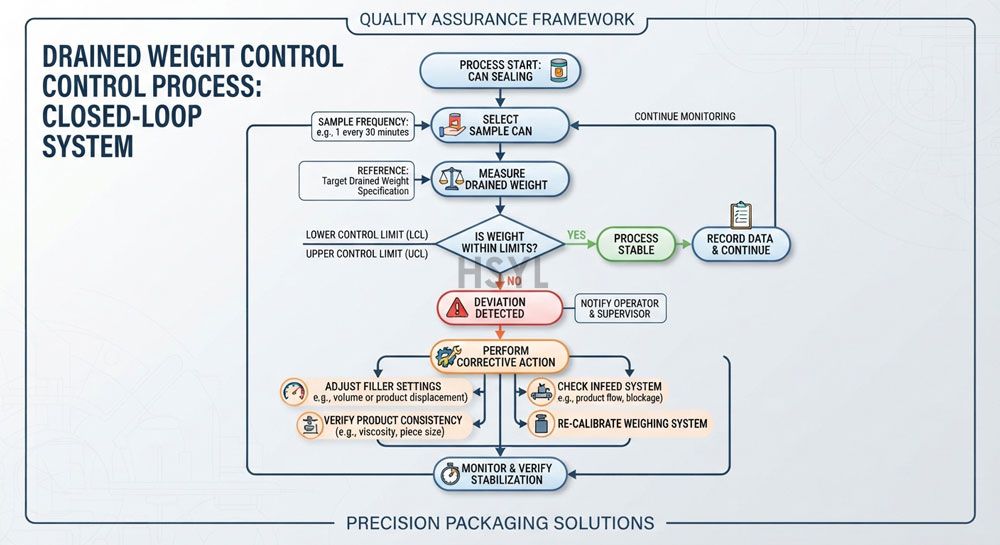
A canned fish production line dosing program should measure net weight on every can (checkweigher) and drained weight on a sample per shift. The checkweigher rejects underweight cans; the drained-weight sample detects drift in fish dosing. Both measurements must be recorded with lot ID and time.
Calibration and Drift Control
Dosing accuracy drifts. Nozzle wear, product viscosity change, brine concentration drift, and temperature change all shift dosing over time. A defensible dosing program includes a calibration schedule and a drift response.
- Pre-shift calibration. Verify dosing against a reference weight at the start of every shift. Record the result.
- In-shift monitoring. Track checkweigher giveaway statistics continuously. Set control limits; investigate when giveaway drifts above the upper limit.
- Post-maintenance verification. After any dosing system maintenance, re-verify calibration before resuming production.
- Periodic drained-weight audit. Sample cans post-retort weekly to verify that fish dosing is holding drained weight within spec.
Scope, Sources and Limitations
Scope. This article covers brine and oil dosing for canned fish, from filler to sealed can. It covers dosing accuracy, salt content, drained weight, and giveaway. It does not cover filling critical factors, seaming, or retort sterilization.
Limitations. All dosing accuracy percentages and giveaway ranges are planning references drawn from publicly available industry material. Actual values depend on can size, product format, dosing method, and operating discipline. HSYL does not publish project-specific dosing accuracy without verified evidence.
Source basis. Dosing and net content principles are consistent with FDA, EU, and Codex net content regulations and food-science literature. Equipment-capability statements refer to HSYL equipment specifications.
Reviewer and date. QA & Process Engineering, HSYL. Last technical review: 2026-07-28.
Brine and Oil Dosing Control Resources
Two resources complement this dosing content. The filling and sealing line page carries the integrated filler-seamer equipment. The canned fish line page anchors the species-level line scope.
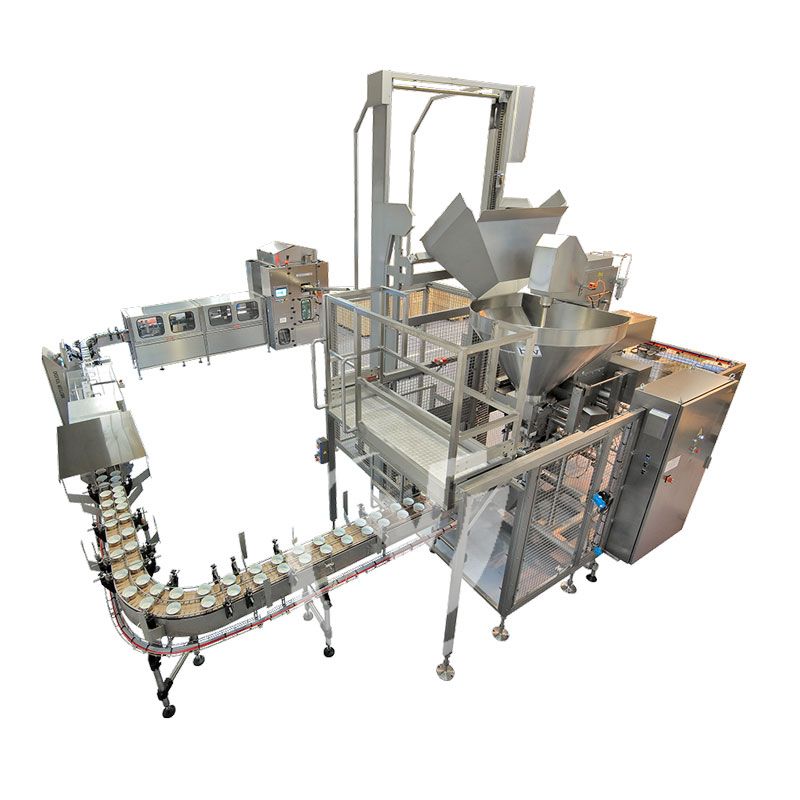
- Canned food filling and sealing line — the integrated filling and seaming equipment that controls fish and medium dosing.
- Canned fish production line — the species-level line scope that the dosing step serves.
Next Step: Build Your Giveaway Cost Model
Send HSYL your can size, declared net and drained weight, annual can volume, current dosing method, and current giveaway percentage. HSYL will return a pre-filled giveaway cost model with the annual cost of your current giveaway and a dosing upgrade review that quantifies the payback of tighter dosing control.
Frequently Asked Questions
What is giveaway in canned fish dosing and why does it matter?
How do I control salt content in canned fish?
What is the difference between net weight and drained weight in dosing?
How accurate is a modern canned fish dosing system?
How often should I calibrate my dosing system?
Must-Read Blogs For Chain Restaurants Owner

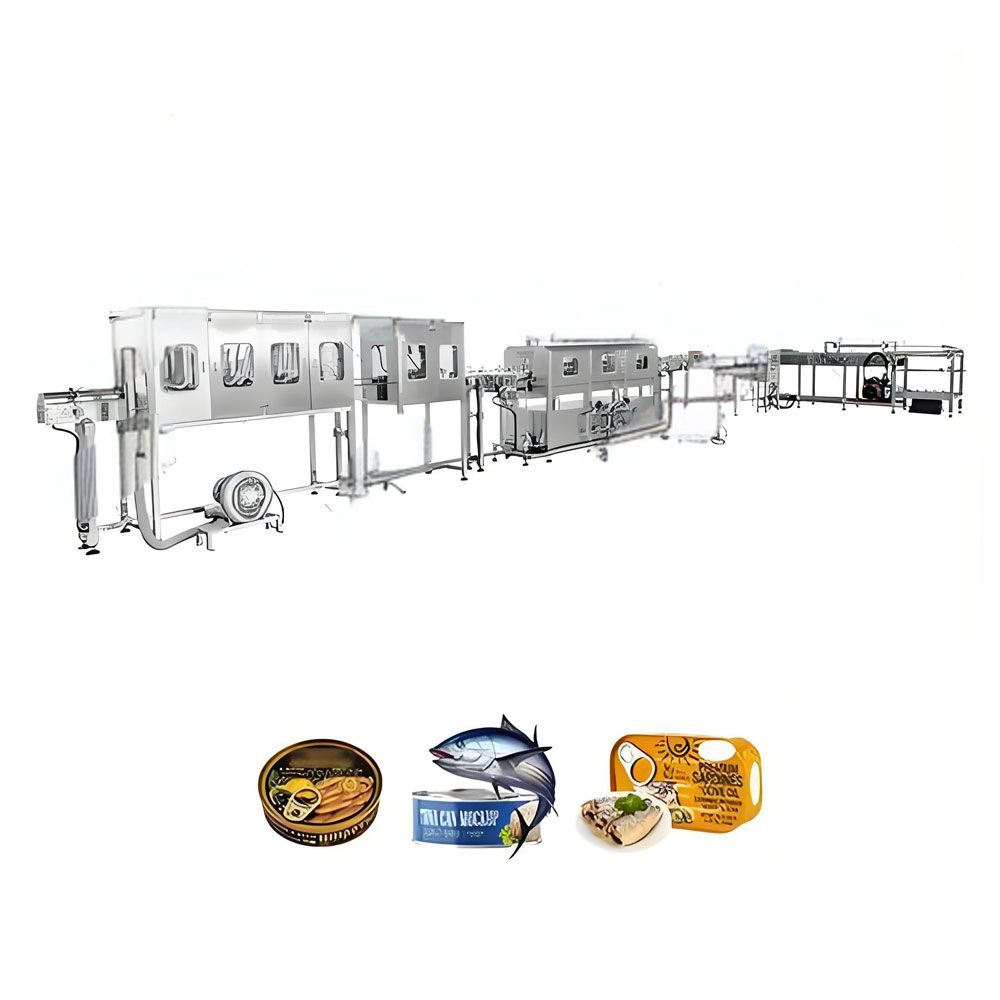 Canned Fish Production Line
 Spinach Canned Canned Food Canning Production Line
Ready to Get Started?