
Small-Scale Meat Canned Food Production Line - Chinese Manufacturer, Factory, Supplier
The Small-Scale Meat Canned Food Production Line is a compact yet efficient solution designed for small and medium-sized meat processing enterprises, startups, or pilot production facilities aiming to produce high-quality canned meat products with lower investment and space requirements. This line integrates advanced food processing technologies into a modular system that maintains industrial-grade performance, hygiene, and safety — ideal for processing beef, pork, chicken, duck, lamb, and mixed meat recipes in oil, brine, or sauce-based formulations.
A complete small-scale meat canning production line typically includes several essential stages: raw meat cutting and trimming, pre-cooking or blanching, weighing and filling, sauce or broth dosing, can sealing, sterilization, cooling, labeling, and final packaging. Each section is made from food-grade stainless steel (SUS304/316) to ensure durability, corrosion resistance, and compliance with international hygiene standards. The line is built according to HACCP, GMP, and ISO22000 requirements, ensuring food safety and long-term reliability.
Unlike large-scale industrial setups, the small-scale meat canning system is optimized for flexible production — it supports both manual and automatic operation modes, making it easy to adjust to different batch sizes and recipes. It’s also highly adaptable to various can sizes and packaging materials, including tin cans and aluminum cans. This flexibility helps manufacturers diversify their product portfolio and respond quickly to changing market needs.
The system integrates PLC or semi-automatic control technology, enabling precise temperature control during sterilization, accurate portioning during filling, and real-time monitoring of critical control points. Optional modules like vacuum sealing, automatic sauce filling, and data recording systems can further enhance automation and quality control.
For B2B buyers, investing in a small-scale Meat Canned Food Production Line provides a balance between cost and performance. It allows food processors to produce export-grade canned meat products while maintaining manageable energy consumption, labor input, and maintenance costs. The compact layout makes it suitable for facilities with limited floor space, pilot R&D centers, or regional production plants focusing on specialty meat products.
In summary, the Small-Scale Meat Canned Food Production Line delivers professional-grade canning performance, food safety, and flexibility in a compact form — making it a strategic investment for businesses that want to enter or expand in the canned meat market with a scalable, efficient, and compliant solution.
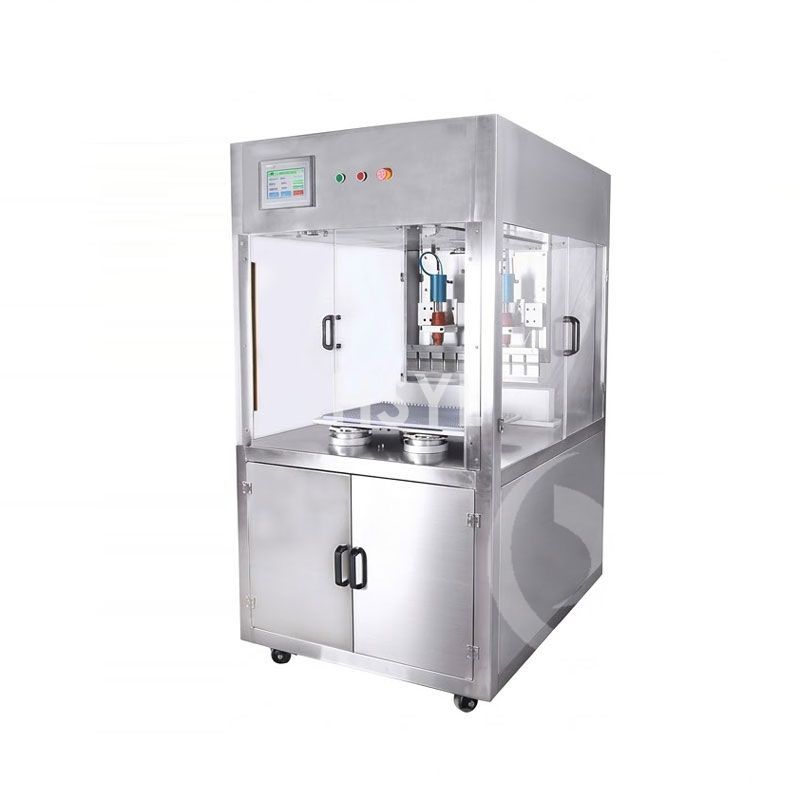 Bakery Ultrasonic Peanut Candy Cutting Machine
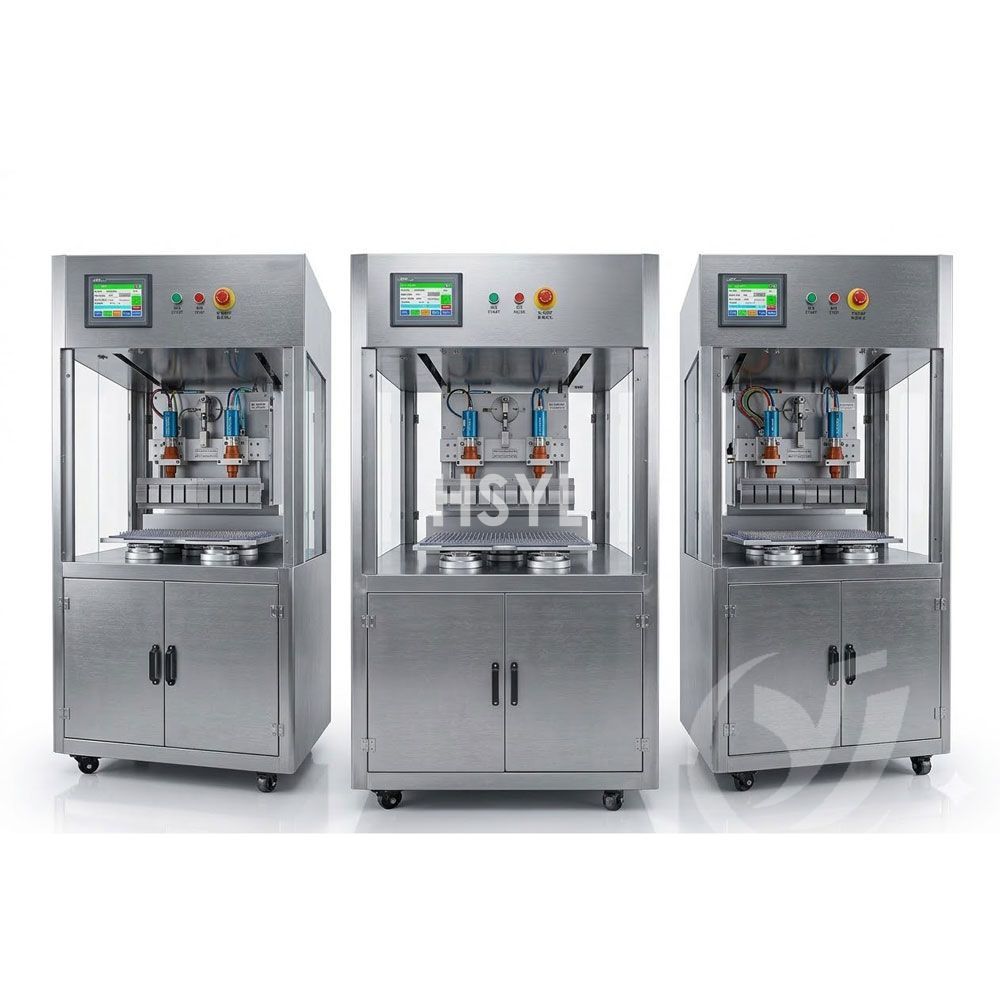 Bakery Ultrasonic Automatic Candy Cutting Machine
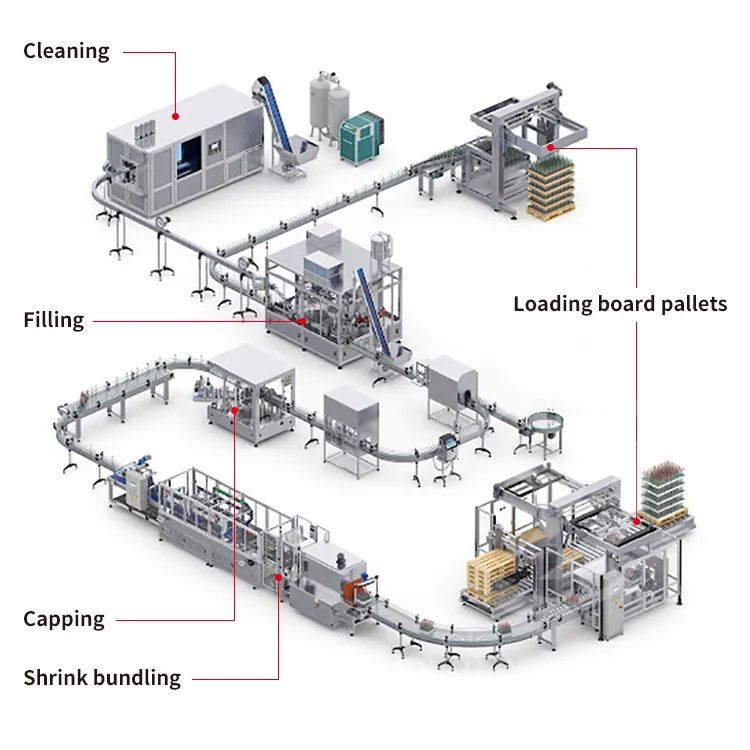 Aseptic Canning Production Line Equipment
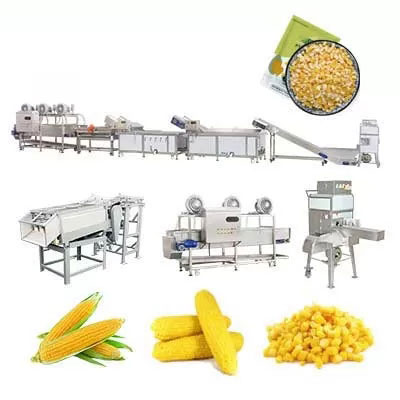 Sweet Corn Canning Production Line
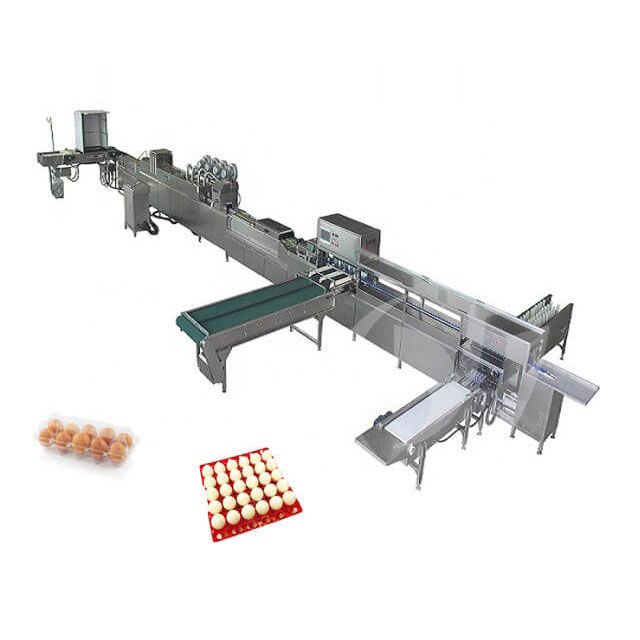 Egg Canning Production Line
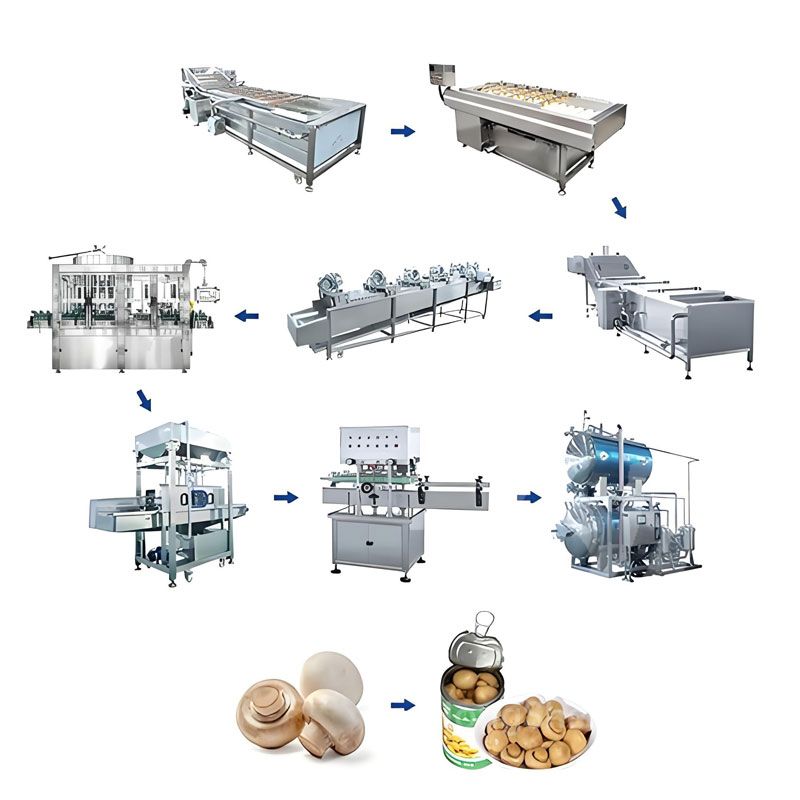 Button Mushroom Canning Production Line
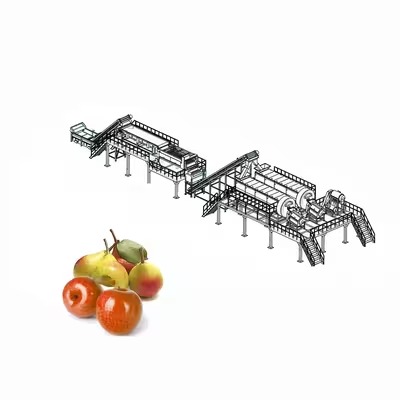 Apple Canning Production Line
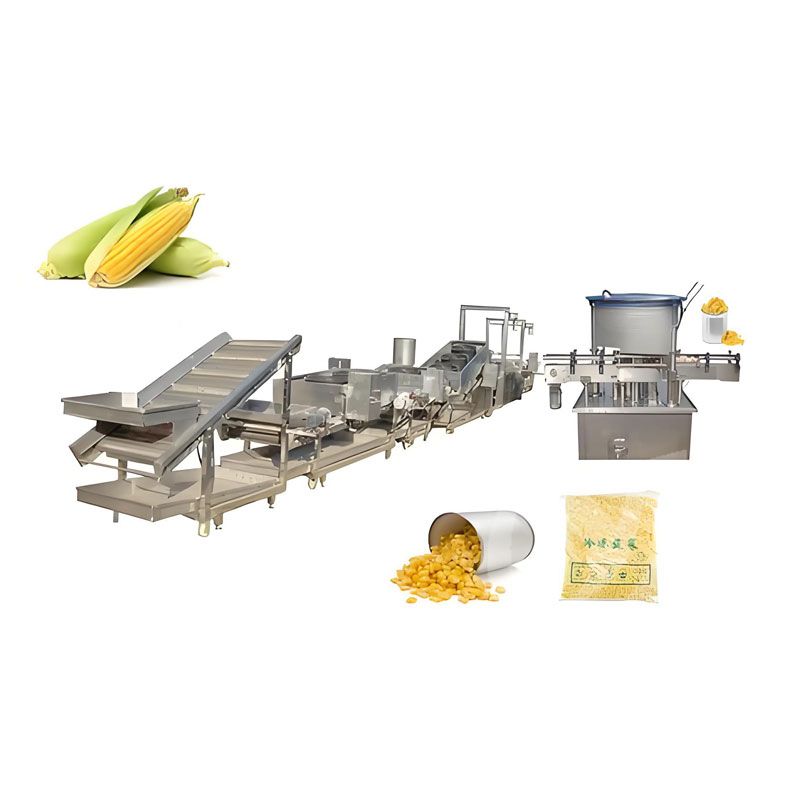 Corn Canning Production Line
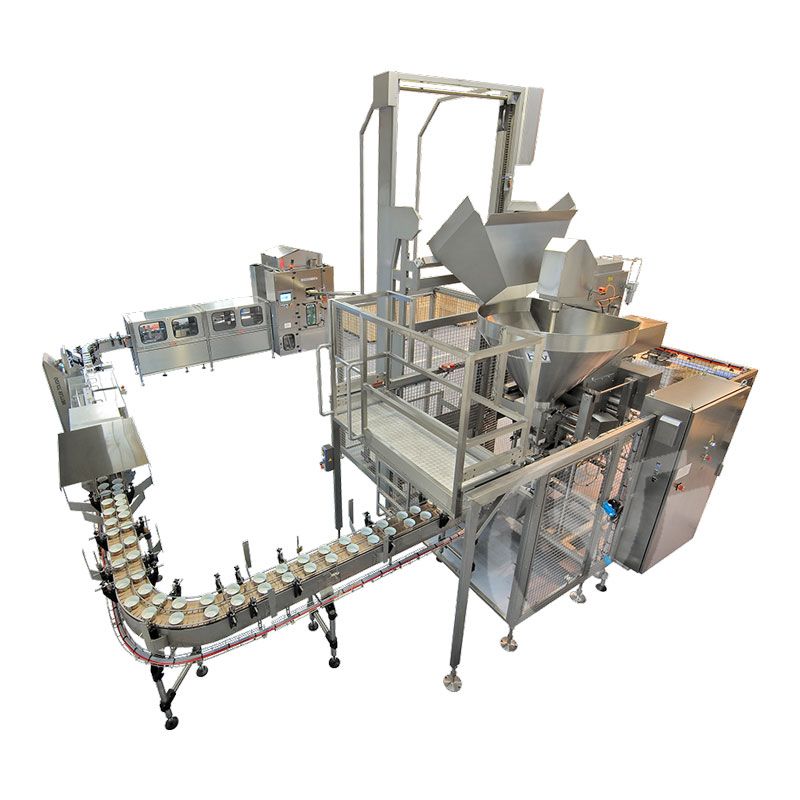 Meat Canned Food Production Line
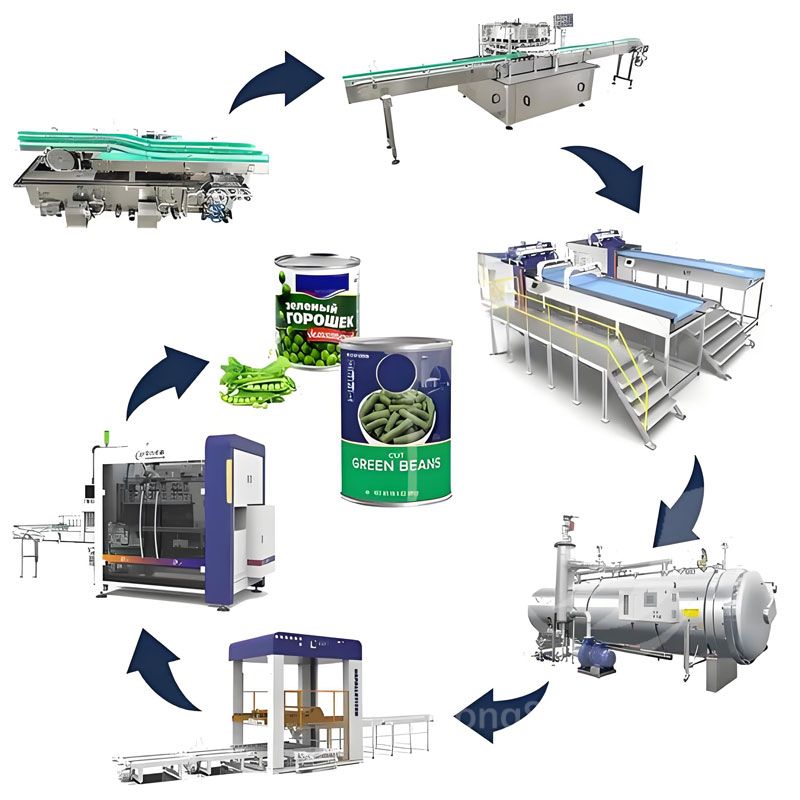 Green Bean Canned Food Production Line
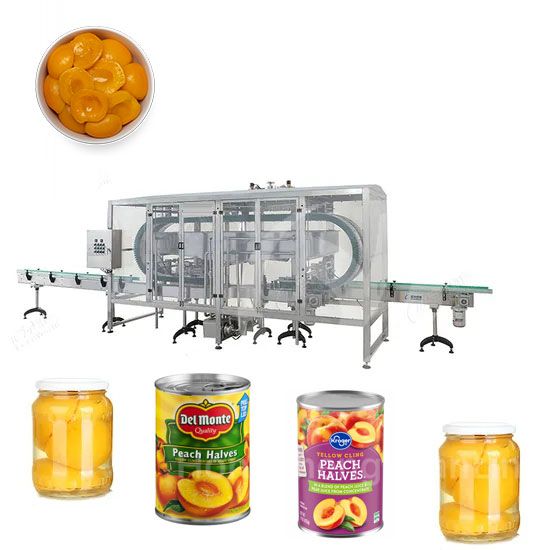 Peach Canned Food Production Line
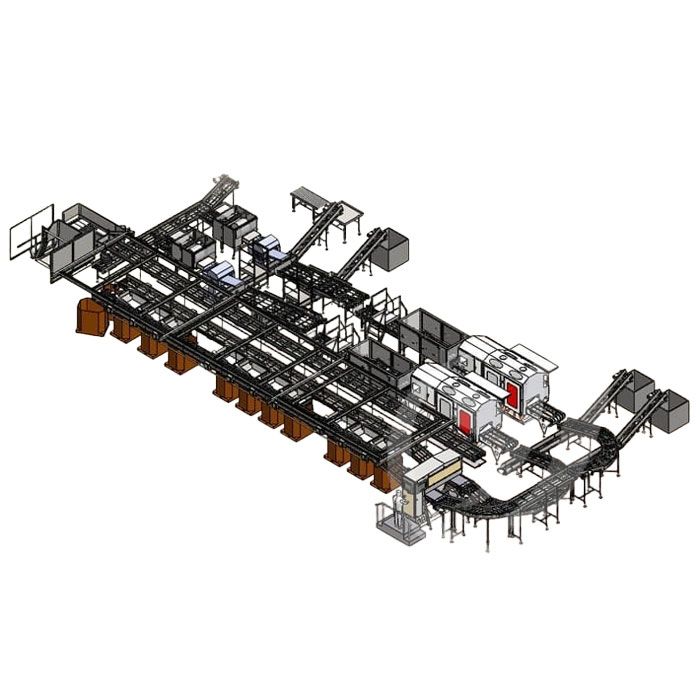 Braised Pork Belly Can Production Line
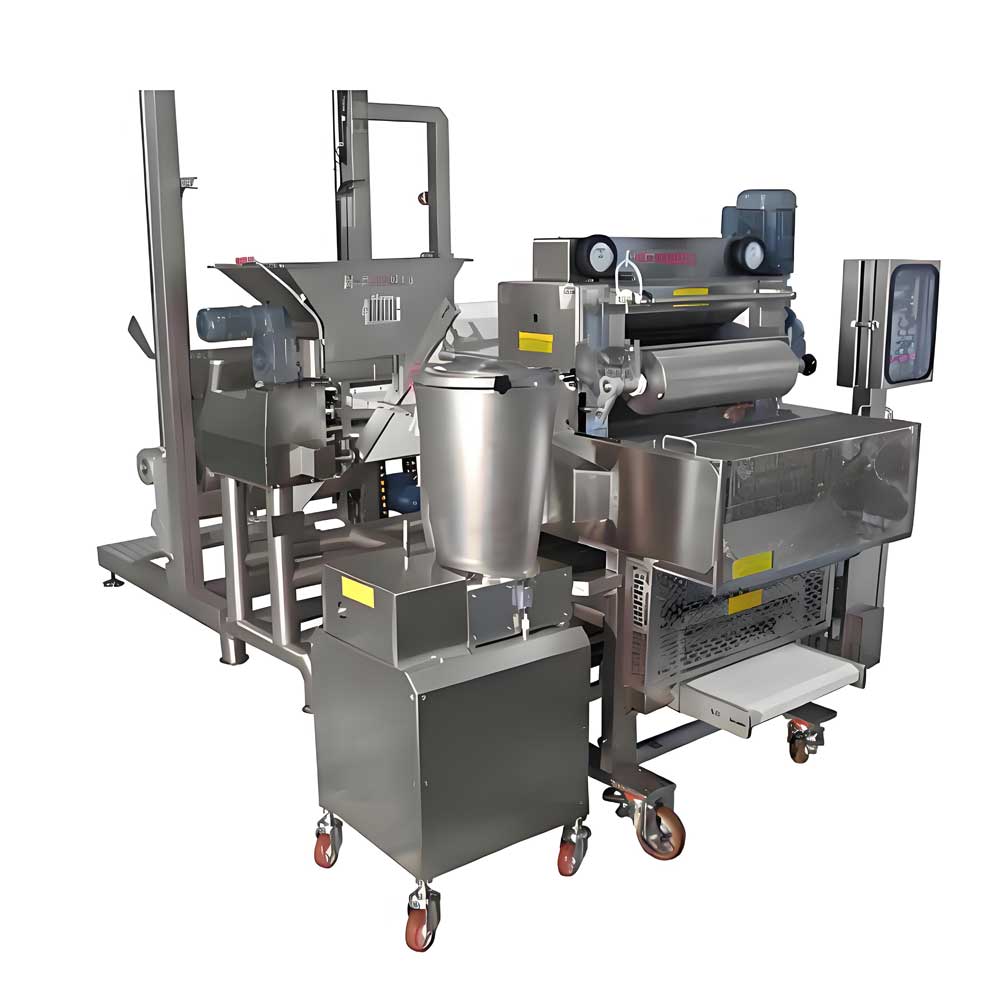 Pelmeni Making Machine
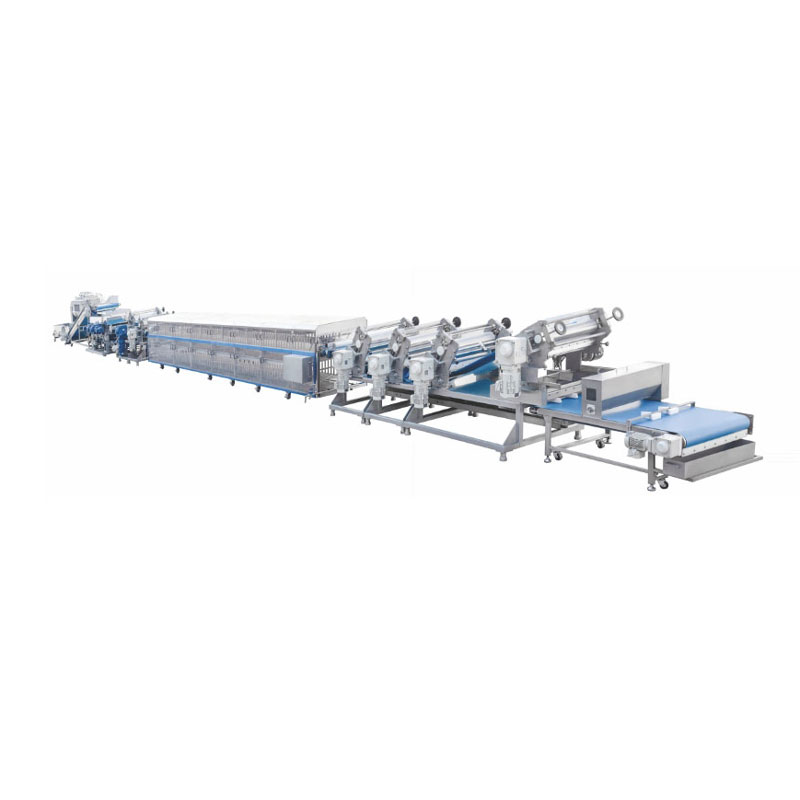 Lamian Noodles Processing Production Line
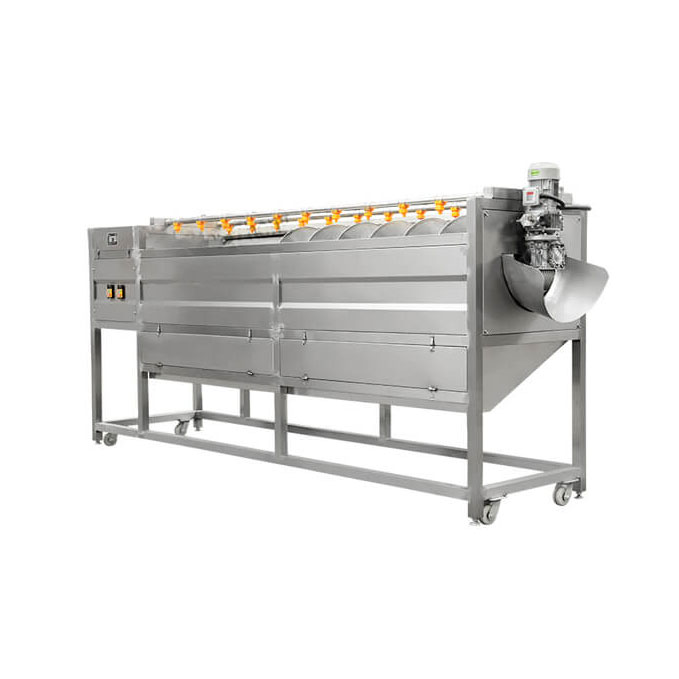 Screw Potato Peeling Washing Machine
 Chocolate Production Line
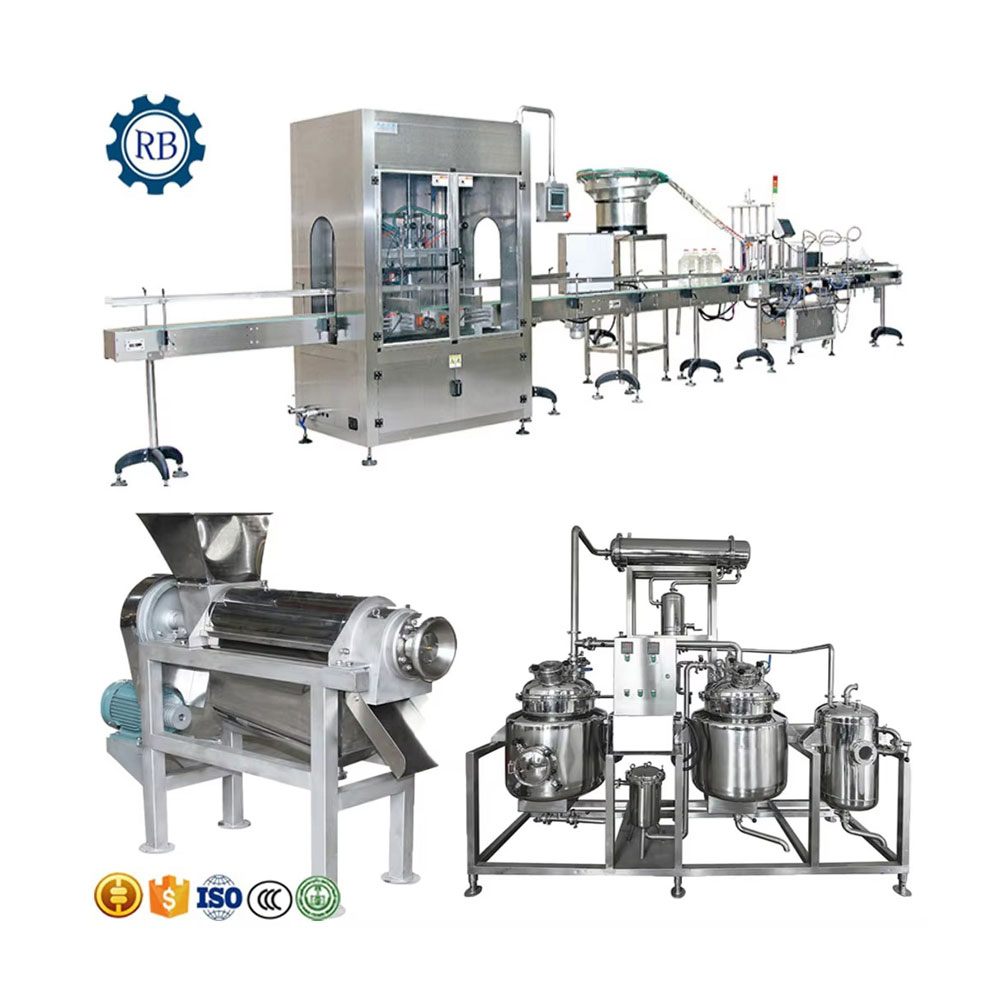 Tomato Sauce Machine
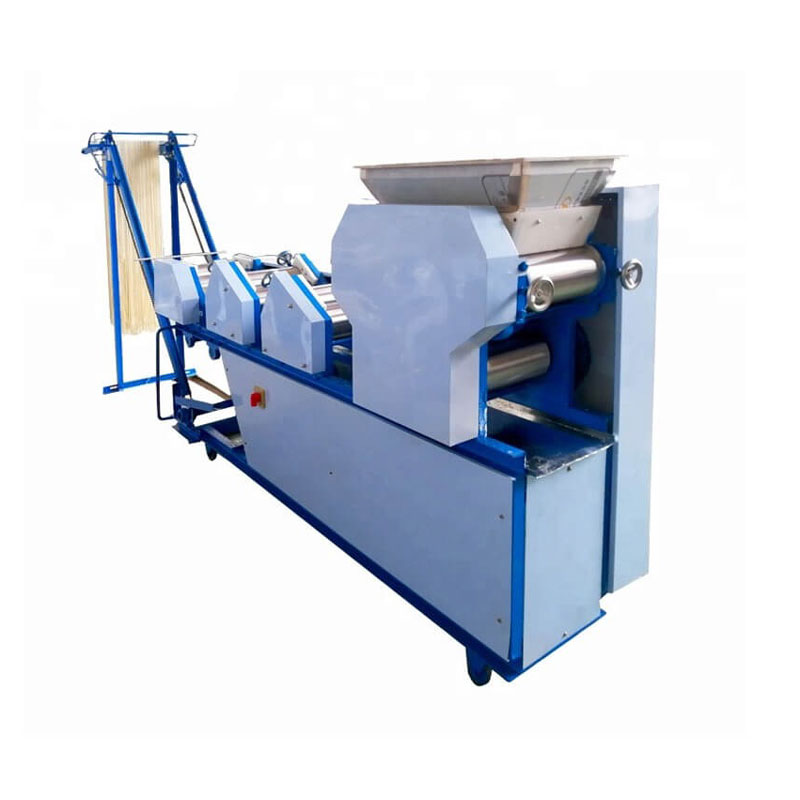 Automatic Noodle Making Machine
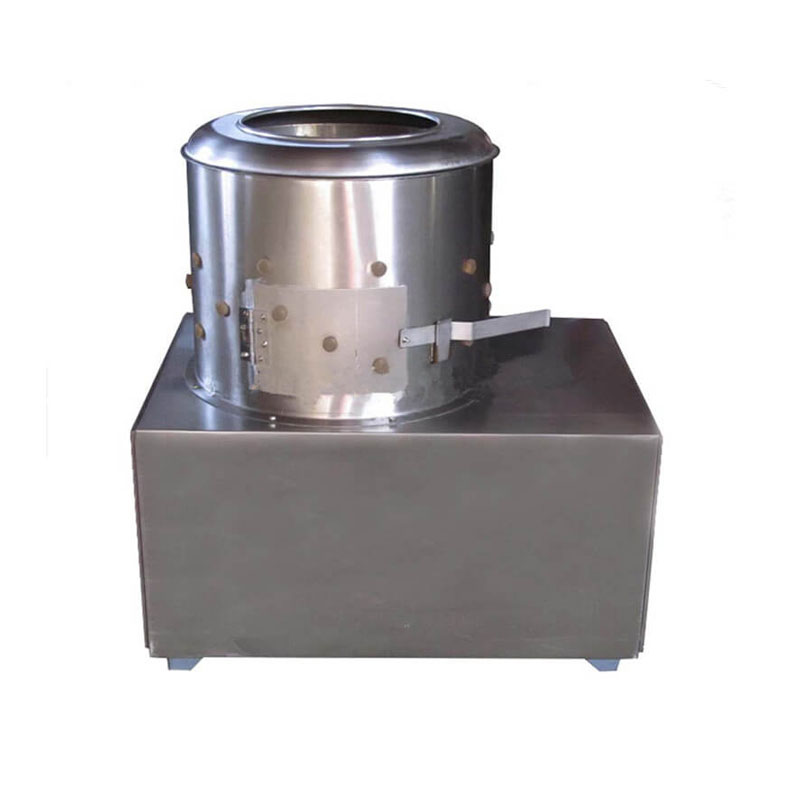 Gizzard Defatter
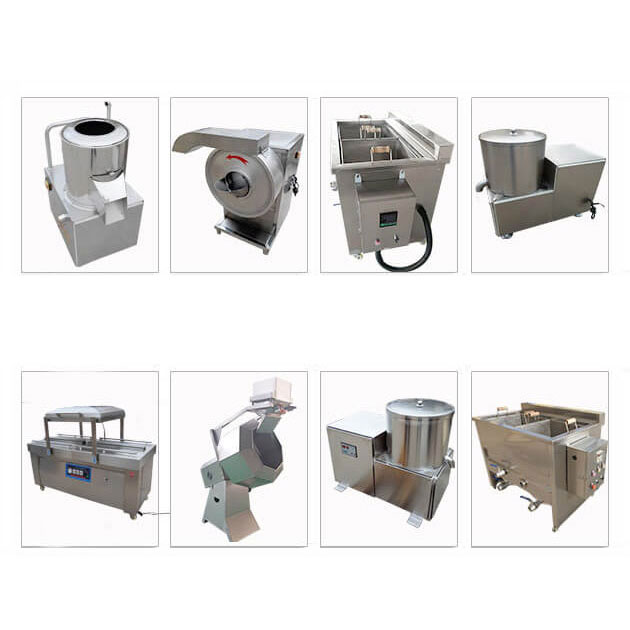 Small Scale French Fries Production Line