
Single Channel Food Process Line Price - Chinese Manufacturer, Factory, Supplier
A single channel food process line is a preferred choice for many food factories, OEM contract manufacturers, and equipment distributors when upgrading production or building new lines. Its price is primarily influenced by several key factors:
Production Capacity – Daily, hourly, or per-batch output requirements directly determine the scale and configuration of the production line. Small to medium-capacity lines are ideal for factories with lower annual output or frequent product changes, while high-capacity lines cater to centralized, high-speed production needs.
Automation Level – Semi-automatic models require some manual intervention, resulting in lower initial equipment investment but higher ongoing labor costs. Fully automated models handle feeding, forming, cooking, cooling, and packaging with minimal human input, which means higher upfront investment but significantly reduced labor and management costs in the long run.
Material and Manufacturing Standards – Food-grade stainless steel 304/316L is the standard material for global food machinery. Grade 316L offers superior corrosion resistance, making it suitable for high-salt or acidic foods. Some high-end lines use special coatings or surface treatments on food-contact areas to enhance hygiene and ease of cleaning.
Functional Module Configuration – Requirements for forming, cooking (steaming, boiling, frying), cooling, and packaging vary among buyers. Specialized products—such as premium frozen foods or functional health snacks—may require additional inspection, weighing, or secondary packaging modules, which add to the total cost.
From a market perspective, Chinese-made single channel food process lines offer a significant cost-performance advantage internationally. For B2B buyers, the investment for a standard configuration typically ranges from USD 18,000 to USD 65,000, while high-end, fully automated systems with advanced control and integrated inspection functions can exceed USD 100,000.
Chinese manufacturers generally provide equipment that complies with CE, ISO9001, and HACCP standards, and can adapt designs to meet specific regulatory requirements in the buyer’s country. In addition, many suppliers offer complete after-sales support, spare parts availability, remote technical assistance, and on-site training—ensuring that clients can install, commission, and start stable production in the shortest possible time. This often allows a return on investment within 12–24 months.
For B2B companies seeking to increase capacity and ensure product consistency within limited space and budget constraints, a single channel production line represents a highly cost-effective investment.
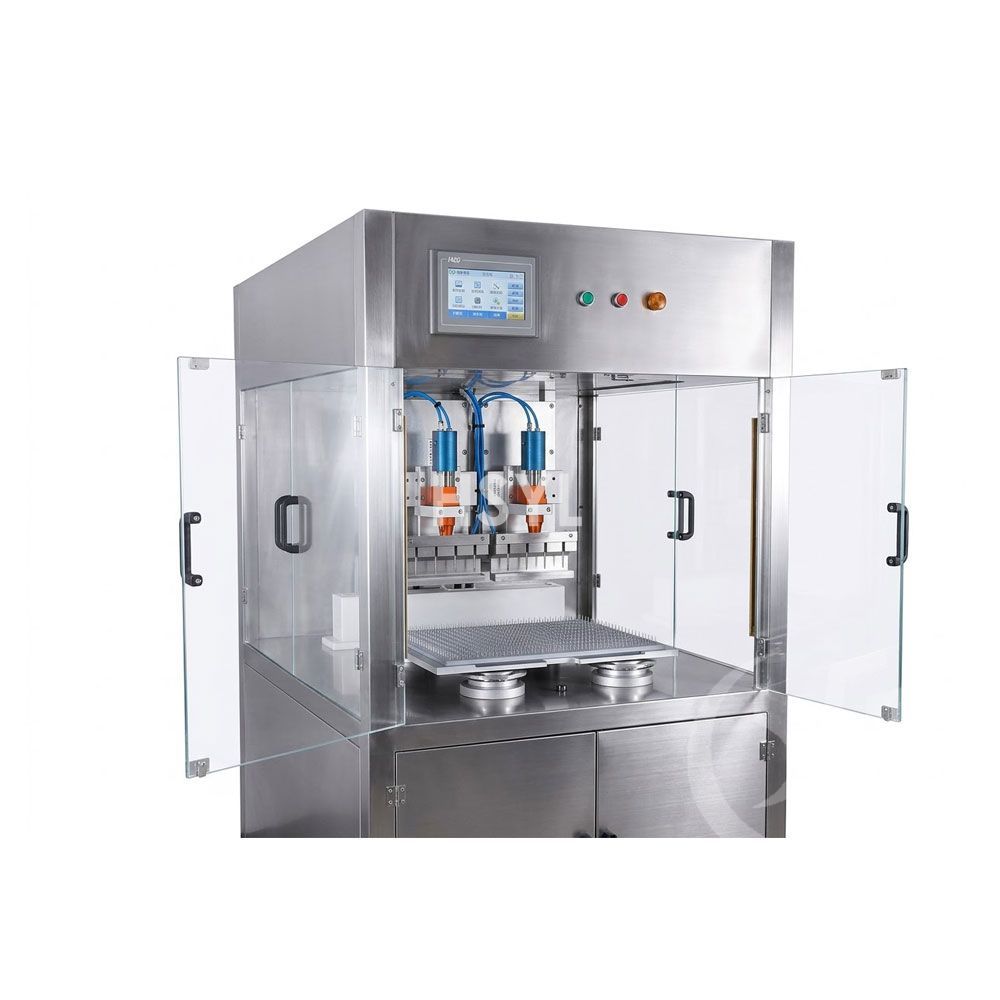 Cookies Biscuits Ultrasonic Cutting Machine
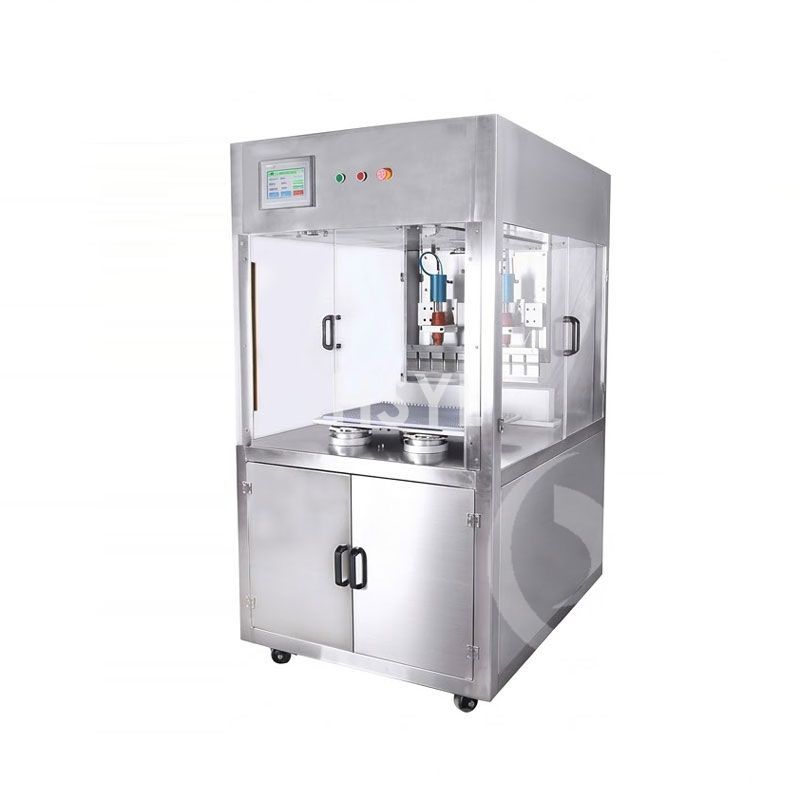 Automatic Ultrasonic Frozen Cake Cutting Machine
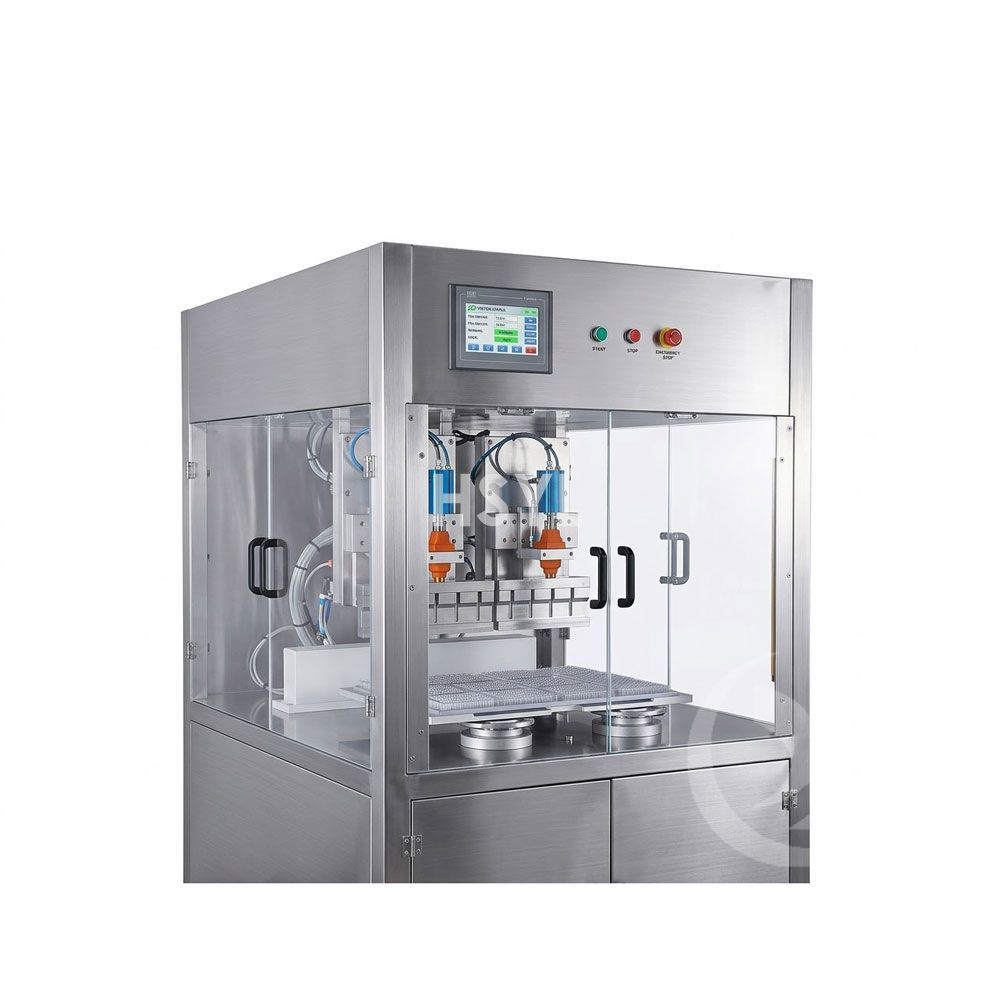 Small Ultrasonic Cutting Machine
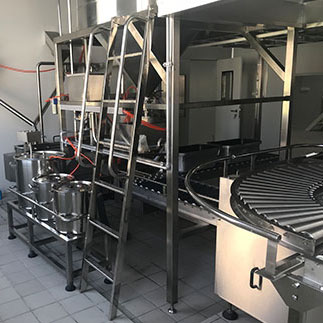 Cold Chain Rice Production Line
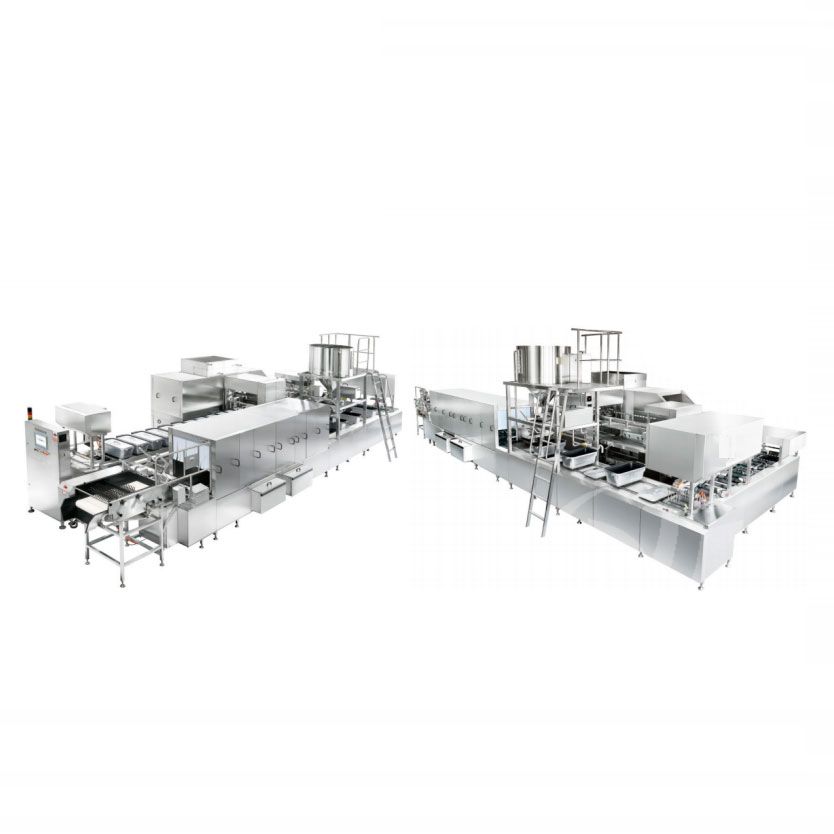 Unmanned Intelligent Rice Production Line
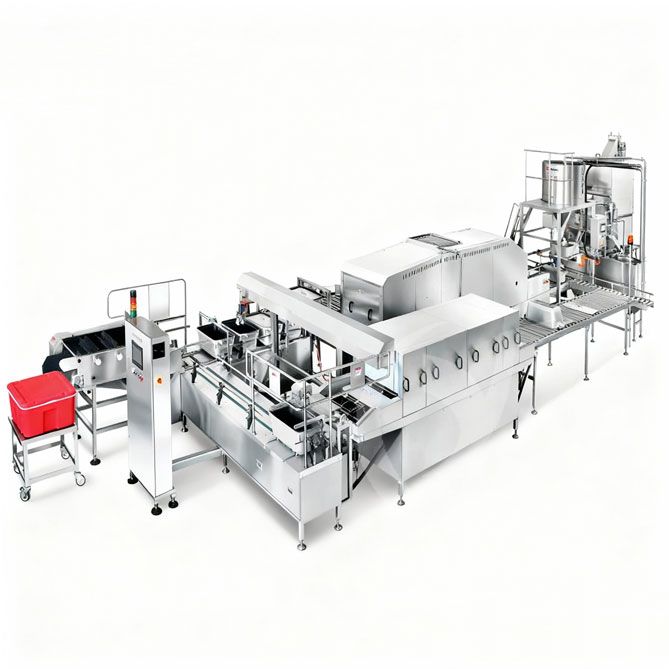 Robotic Rice Production Line
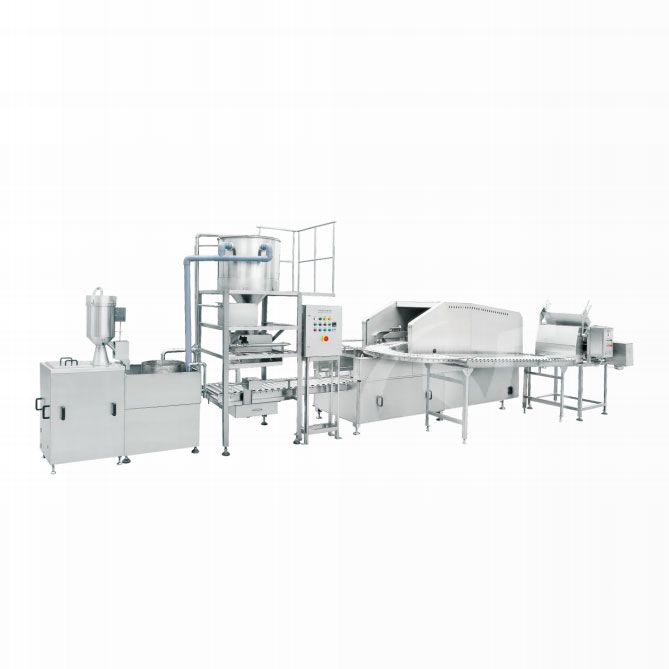 Automatic Rice Production Line
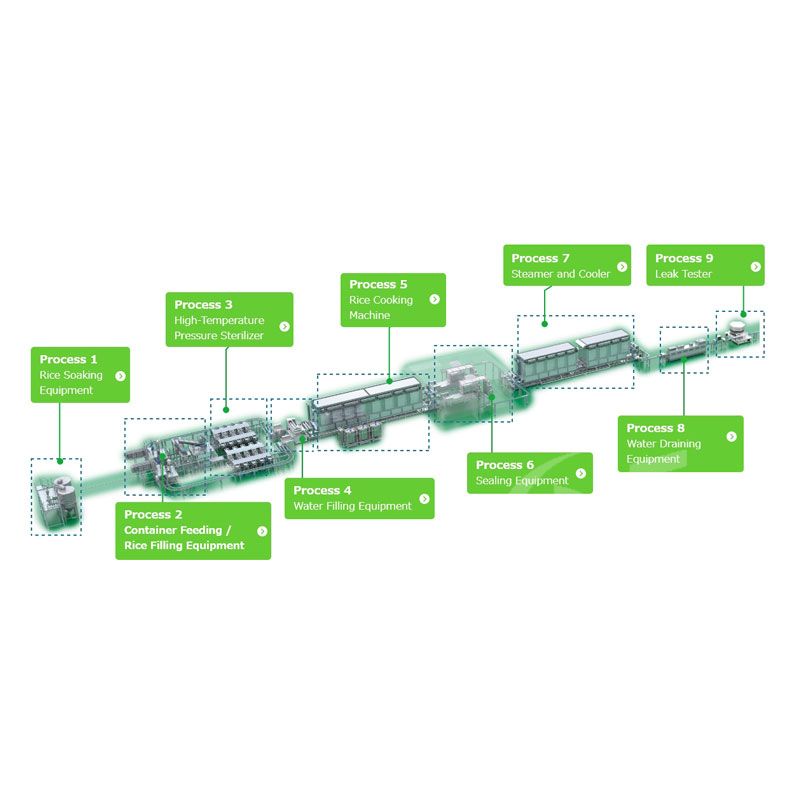 Aseptic Rice Production Line
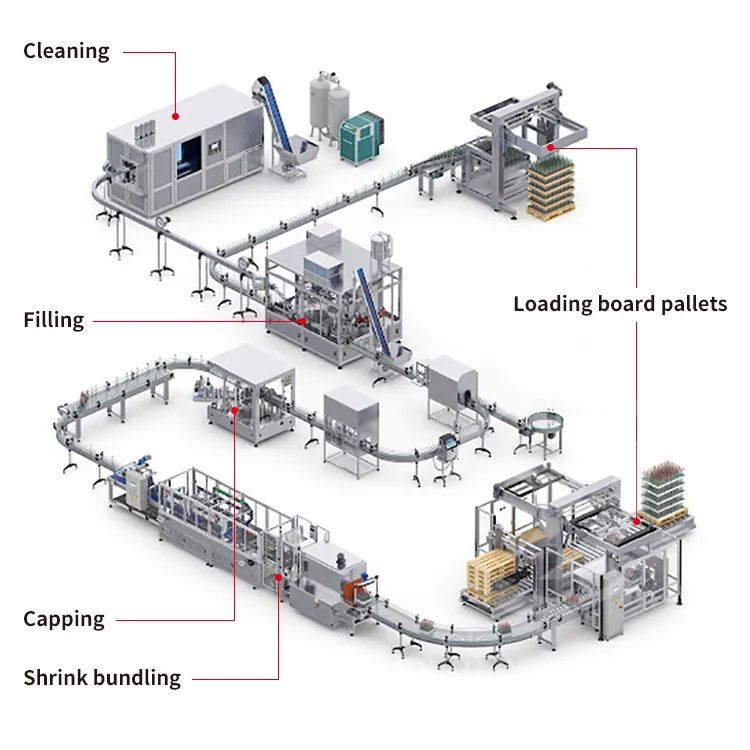 Aseptic Canning Production Line Equipment
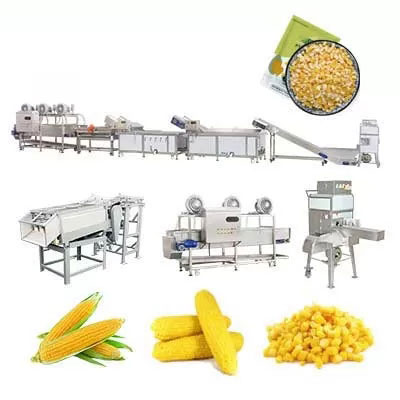 Sweet Corn Canning Production Line
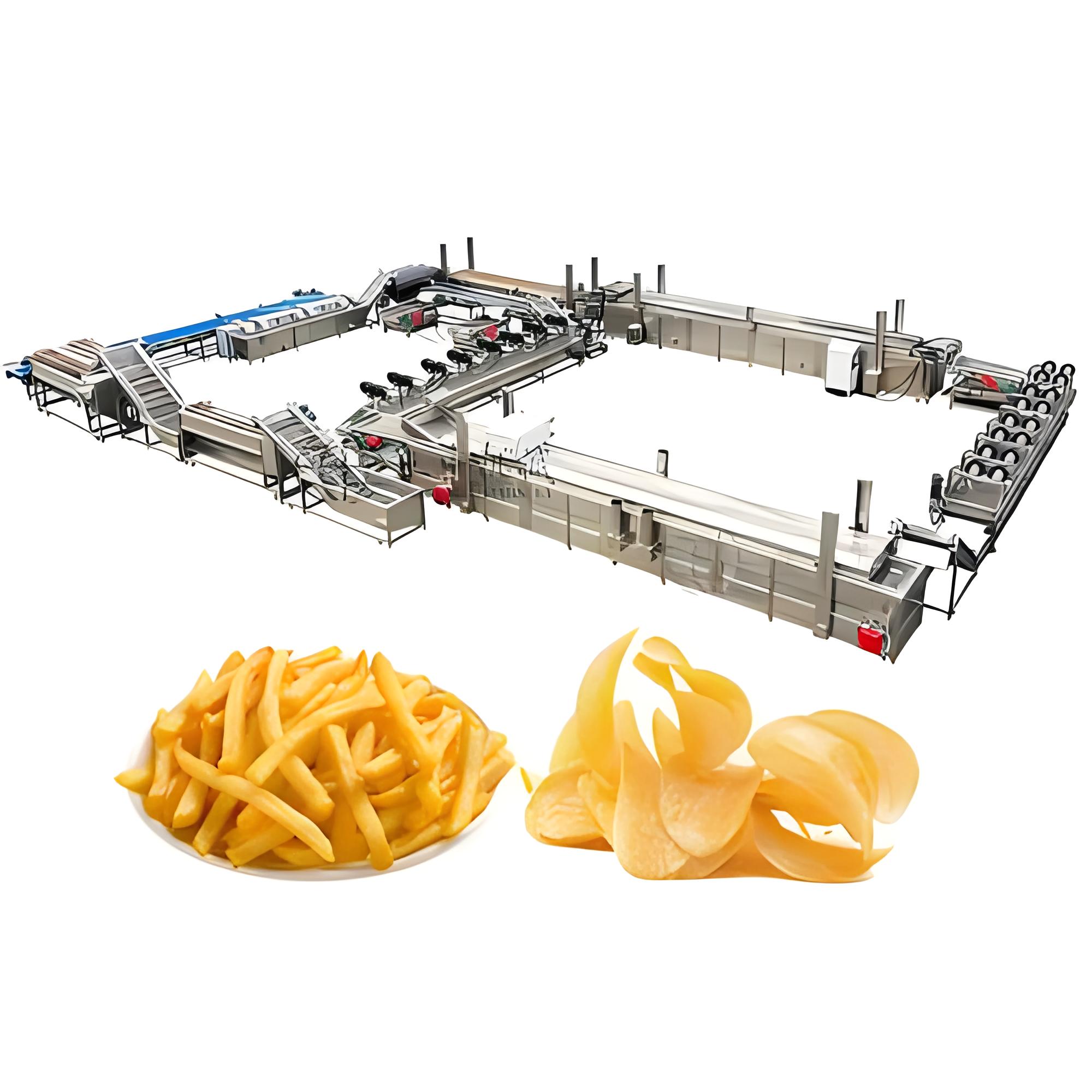 French Fries Production Line
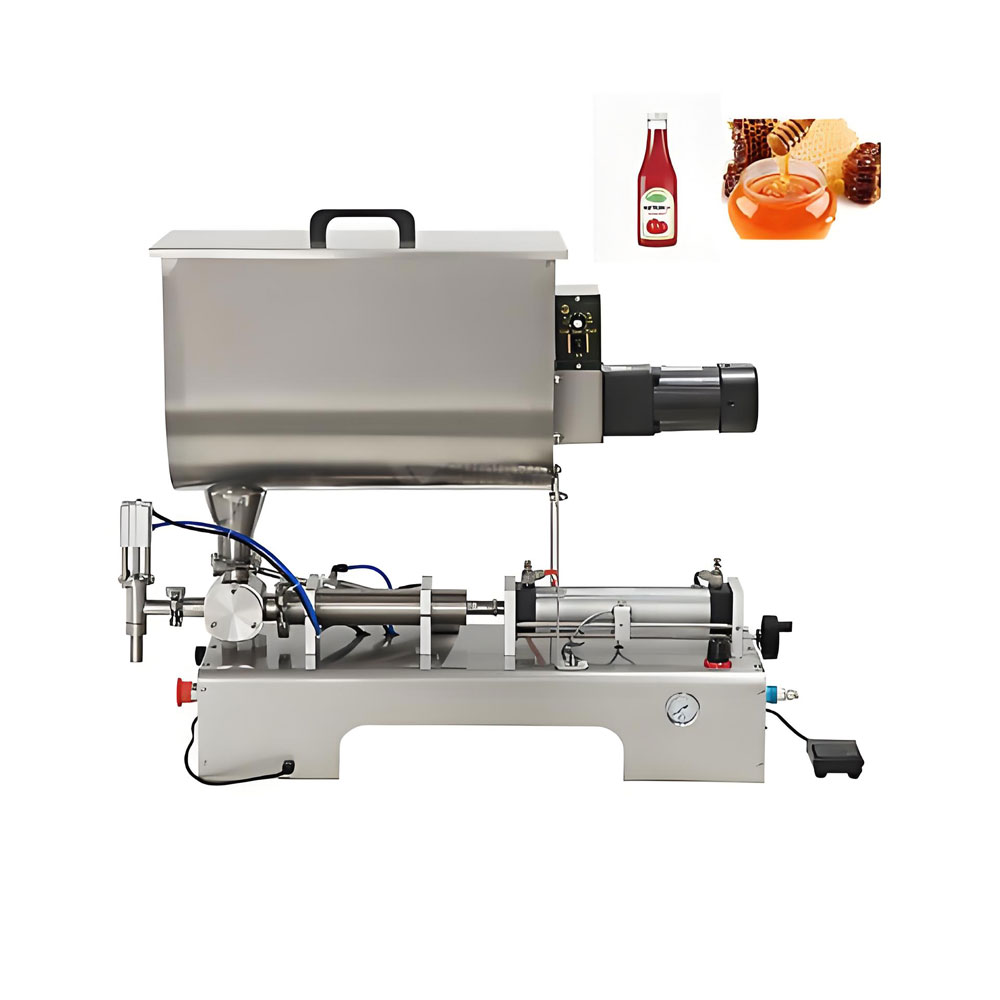 Sauce Filling Machine
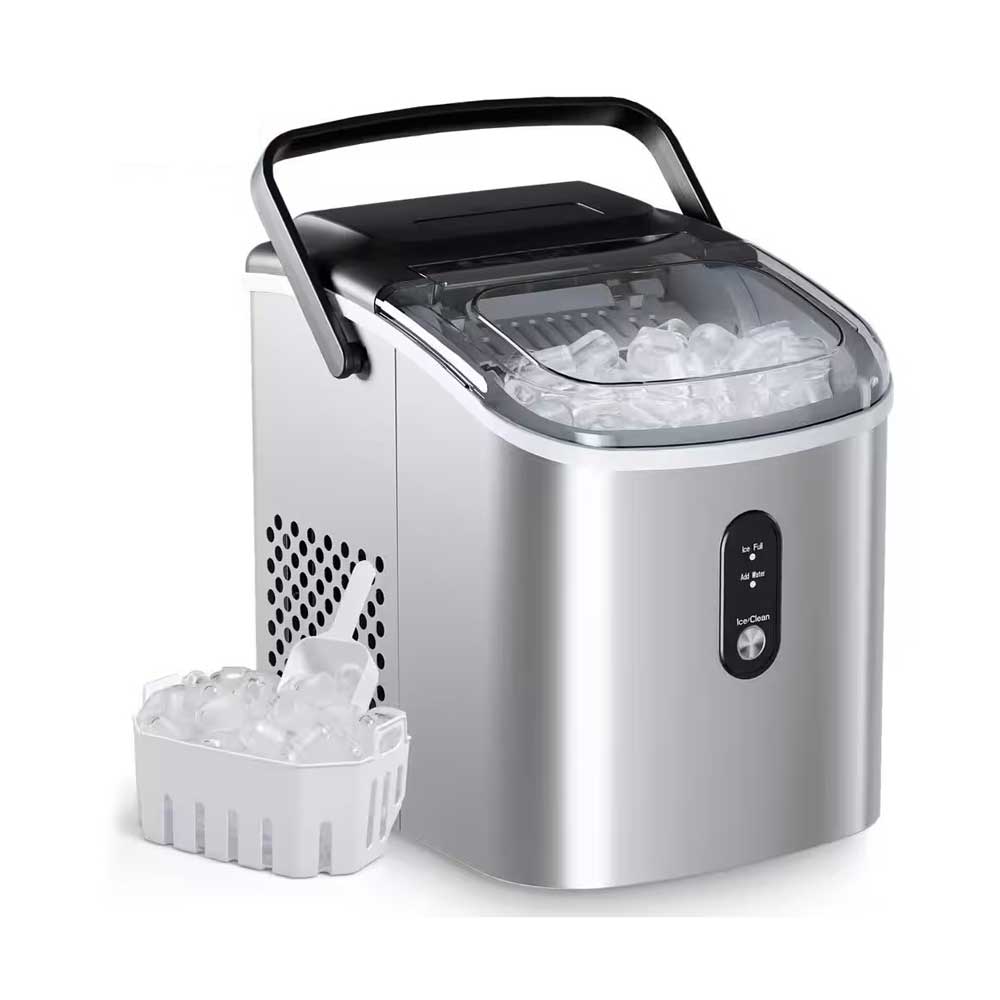 Portable Flake Ice Machine
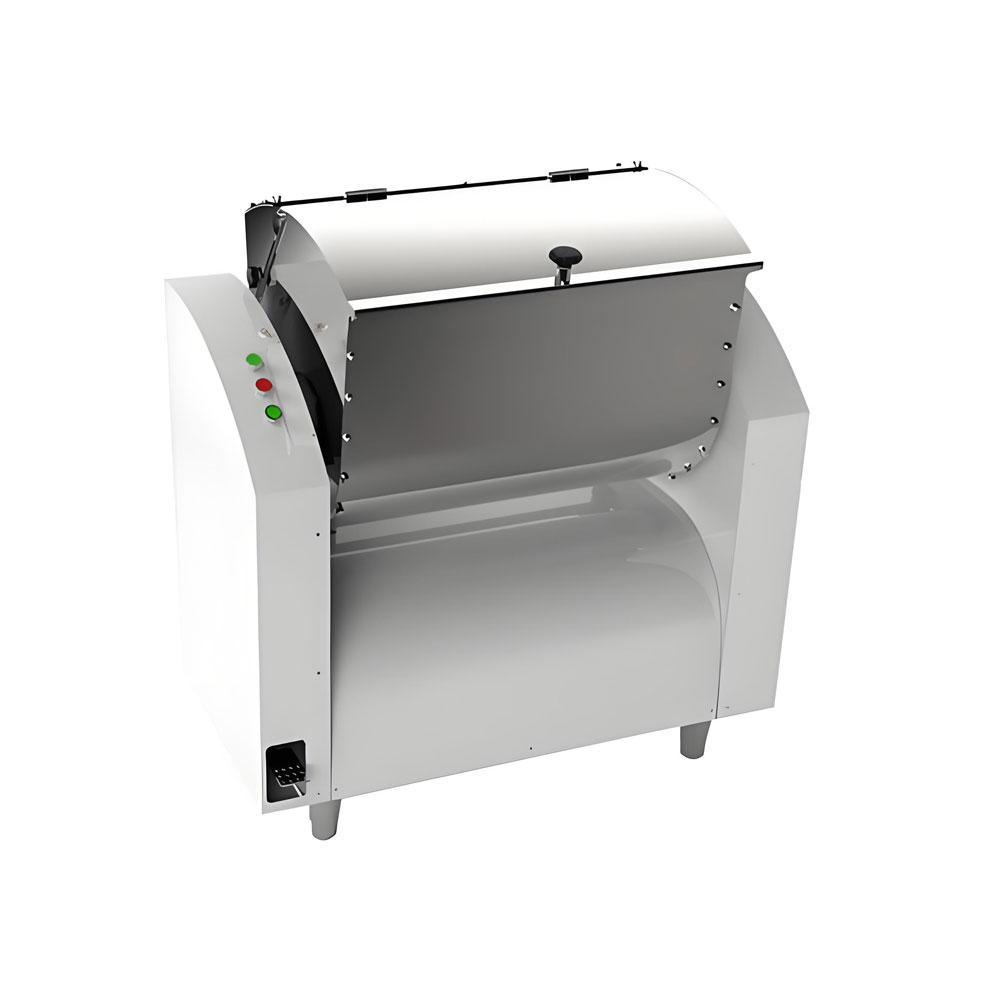 Dough Kneader Machine
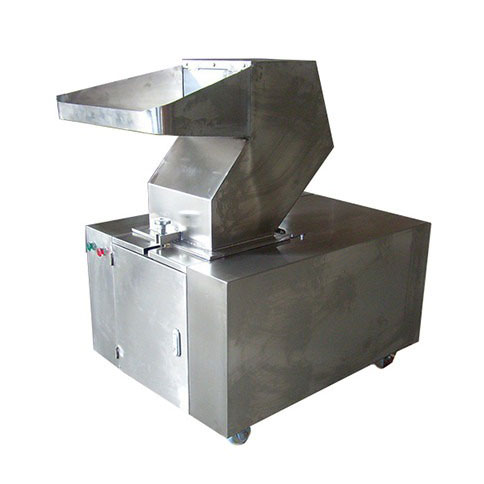 Bone Crusher Machine
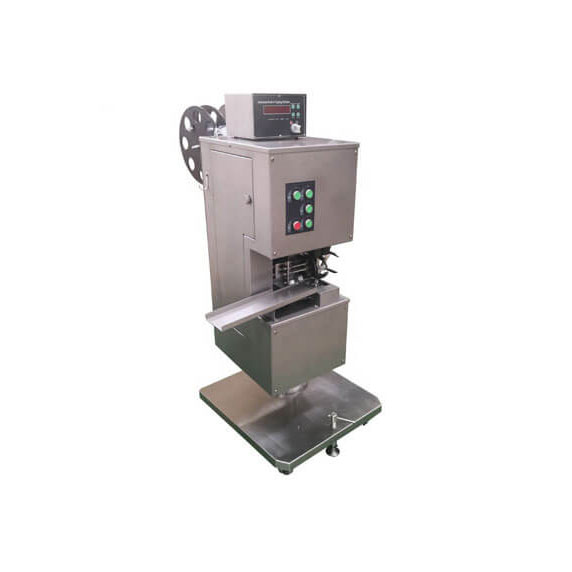 Automatic Sausage Clipper Machine
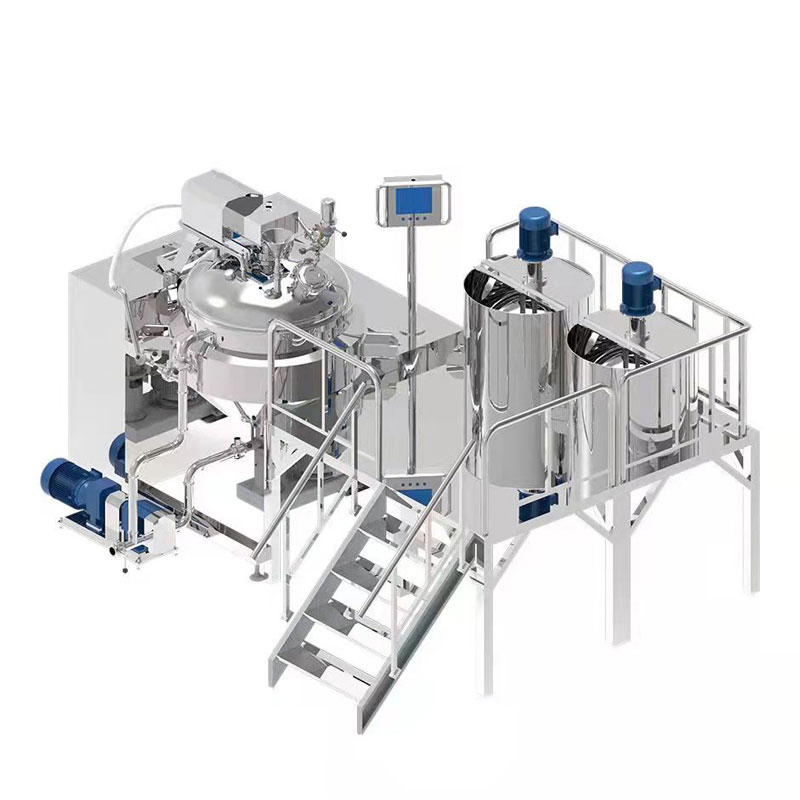 Mayonnaise Production Line
 Carrot Processing Line