
Arabic Bread Production Line - Chinese Manufacturer, Factory, Supplier
The Arabic Bread Production Line is a fully automated system engineered to produce traditional Middle Eastern flatbreads—such as pita, khubz, and Lebanese bread—with consistency, high capacity, and superior quality. This integrated line streamlines the entire baking process, from dough preparation to final packaging, ensuring uniform taste, texture, and shelf life for both small bakeries and large-scale food manufacturers.
The production process typically begins with flour mixing and dough kneading, using precise ingredient ratios for elasticity and hydration control. The dough then passes through dividing and rounding units, ensuring uniform dough balls. Next, the dough sheeting and proofing section flattens the dough to the exact thickness required for Arabic bread styles before it enters the high-temperature tunnel oven, where infrared and convection heat systems guarantee even baking, soft interiors, and lightly browned surfaces.
After baking, the bread is gently cooled and transported through automatic conveyors to stacking and packaging units, minimizing human contact to maintain hygiene. Optional cooling tunnels, moisture control systems, and nitrogen flushing packaging can be integrated to extend freshness for commercial distribution.
Features and Advantages
High Automation: PLC control system for continuous, stable, and precise operation.
Energy Efficiency: Optimized heat utilization reduces fuel consumption.
Flexible Design: Suitable for various Arabic bread sizes and recipes.
Hygienic Production: Food-grade stainless steel construction meets HACCP and ISO standards.
Custom Solutions: Configurable to match production capacity—from small bakeries (500 pcs/hour) to industrial plants (10,000 pcs/hour).
Applications
This line is widely used in industrial bakeries, frozen bread factories, catering suppliers, and food distribution centers across the Middle East, Africa, and Europe. It supports both fresh and frozen production models, making it ideal for export-oriented operations.
Arabic Bread Production Line – Process Flow & Key Equipment
| Production Stage | Main Equipment | Function Description |
|---|---|---|
| 1. Flour Mixing | Industrial Dough Mixer | Mixes flour, water, yeast, and other ingredients to form smooth, consistent dough with precise hydration control. |
| 2. Dough Resting | Dough Resting Conveyor / Tank | Allows the dough to relax and ferment properly, improving elasticity and texture. |
| 3. Dividing & Rounding | Dough Divider and Rounder | Automatically cuts dough into equal portions and rounds them for uniform size and weight. |
| 4. Sheeting & Forming | Dough Sheeter / Roller | Flattens each dough ball into thin, round sheets suitable for Arabic bread styles like pita or khubz. |
| 5. Proofing | Conveyor Proofing Chamber | Controls temperature and humidity to ensure optimal dough rise and internal air-pocket formation. |
| 6. Baking | Tunnel Type Gas / Electric Oven | Rapidly bakes bread at 350–450°C using infrared and convection heating for soft texture and golden color. |
| 7. Cooling | Cooling Conveyor | Reduces bread temperature evenly to maintain moisture and prevent condensation in packaging. |
| 8. Packaging | Automatic Stacking & Packing Machine | Automatically stacks, counts, and packs the finished bread for retail or wholesale distribution. |
| 9. Optional Modules | Metal Detector / Nitrogen Flushing / Coding System | Enhances food safety, shelf life, and traceability for export or long-distance logistics. |
Technical Highlights
Production Capacity: 500–10,000 pieces/hour (customizable)
Power Source: Electric / Gas heating options
Material: Food-grade stainless steel (SUS304 / SUS316)
Automation: Fully PLC-controlled with touchscreen interface
Certifications: CE, ISO9001, HACCP compliance
Turnkey Solutions by Qingdao Hongshengyuanlin Co., Ltd.
Qingdao Hongshengyuanlin Co., Ltd. provides customized Arabic Bread Production Line solutions covering factory layout design, automation integration, on-site installation, and after-sales service. With years of engineering experience and international project cases, the company delivers reliable, energy-efficient, and high-yield systems tailored to industrial bakery operations worldwide.
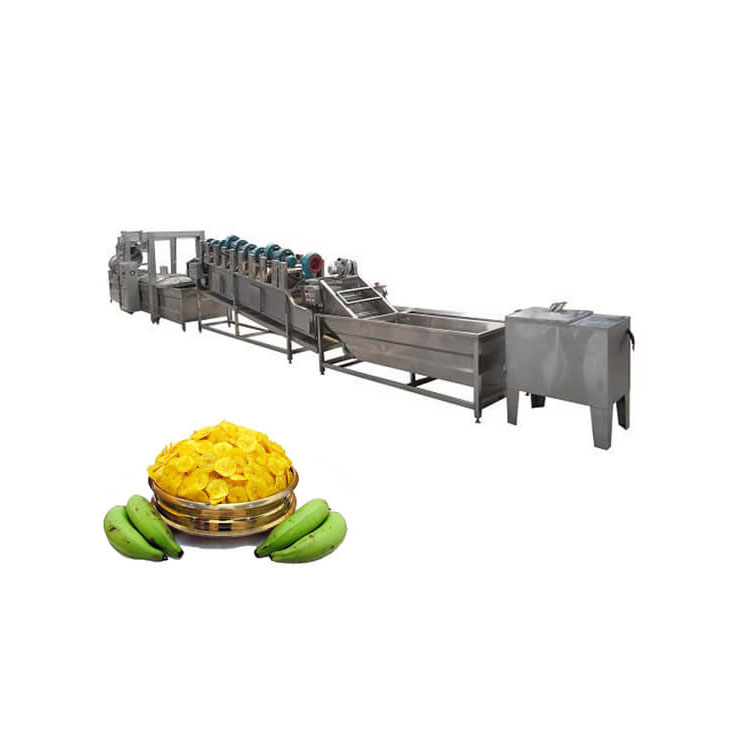 Automatic Banana Chips Production Line
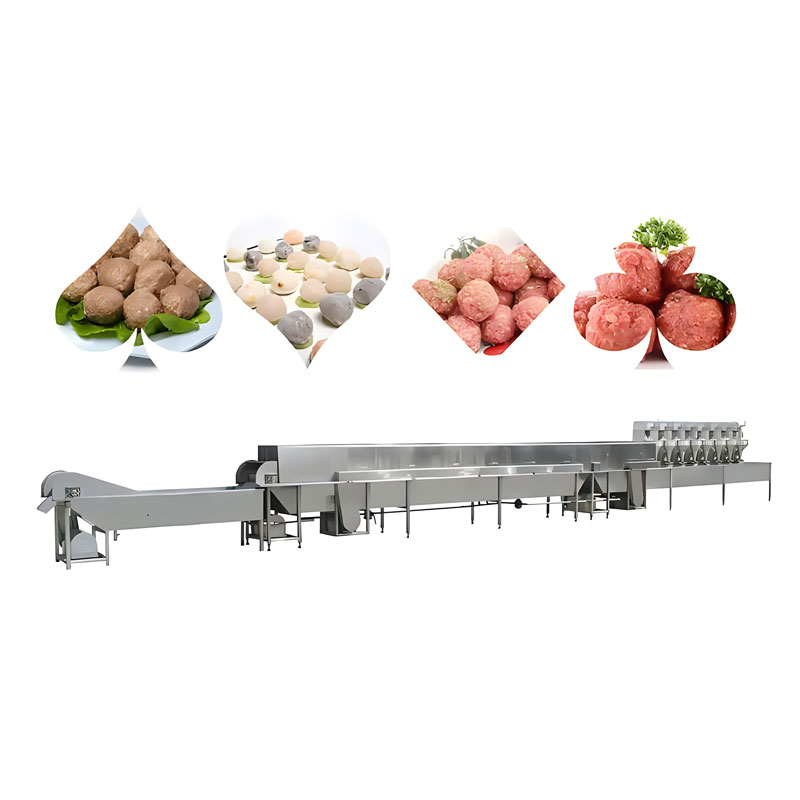 Automatic Meatball Production Line
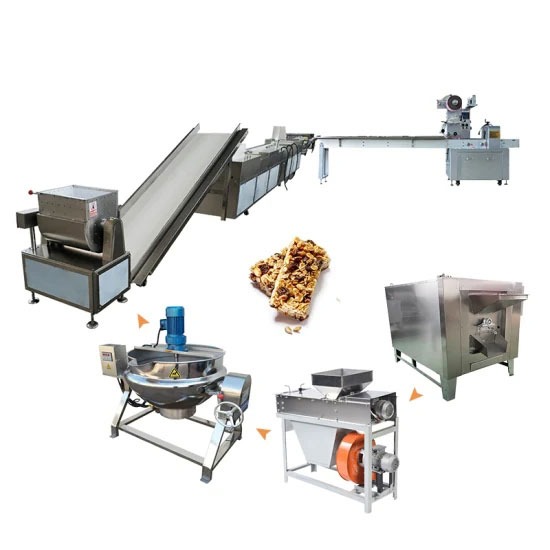 Cereal Bar Production Line
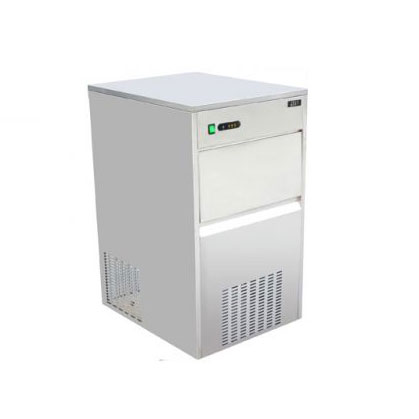 AF Series Flake Pellet Ice Machine
 Cold Chain Rice Production Line
 Chocolate Production Line
 Small Scale Tomato Sauce Making Machine
 Biscuit Line