
Canned Mackerel Production Line Equipment - Chinese Manufacturer, Factory, Supplier
The Canned Mackerel Production Line Equipment is an integrated and automated solution designed to streamline the entire mackerel canning process — from raw fish receiving to final packaging. This advanced system is widely used by seafood processing plants and large-scale canning factories seeking higher production efficiency, consistent product quality, and strict compliance with international food safety standards such as HACCP, ISO22000, and FDA regulations.
A typical canned mackerel production line includes several key stages: fish thawing and cleaning, grading and cutting, pre-cooking, filling, sauce dosing, sealing, sterilization, cooling, and labeling. Each section is built with high-grade stainless steel (SUS304/316) to ensure corrosion resistance, easy cleaning, and long service life — ideal for continuous operation in marine product environments. Automated weighing and filling machines guarantee portion accuracy, while intelligent sterilization retorts ensure food safety and extended shelf life without compromising taste or texture.
Modern production lines feature PLC control systems with real-time monitoring, data logging, and automatic fault alarms, minimizing manual errors and improving overall productivity. The equipment can be customized for different can sizes, fish species (such as mackerel, sardine, or tuna), and recipe formulations (oil, tomato sauce, brine, etc.), providing strong flexibility for diversified product demands in export markets.
For B2B buyers and seafood processors, investing in a fully automated canned mackerel production line offers significant ROI benefits — reducing labor costs, improving production yield, and ensuring stable product quality. It also helps meet growing global market demand for ready-to-eat canned seafood, which values standardization, traceability, and sustainability in processing.
In short, the Canned Mackerel Production Line Equipment is not just machinery; it’s a complete, scalable production solution for food manufacturers aiming to enhance efficiency, hygiene, and competitiveness in the global seafood processing industry.
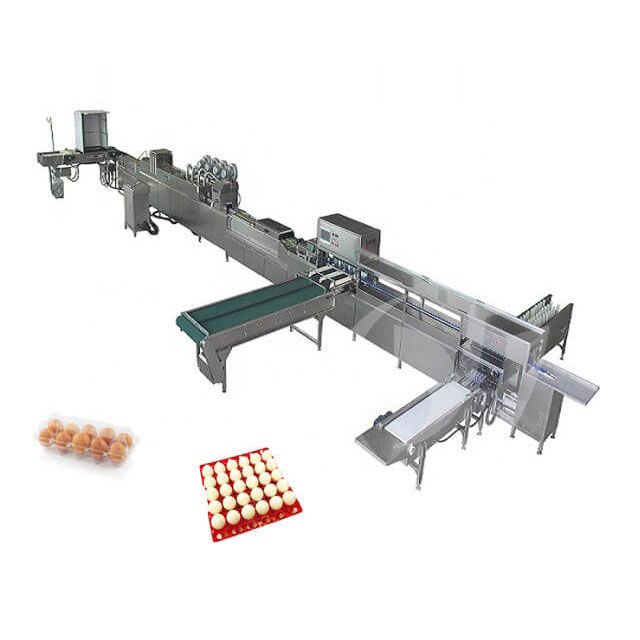 Egg Canning Production Line
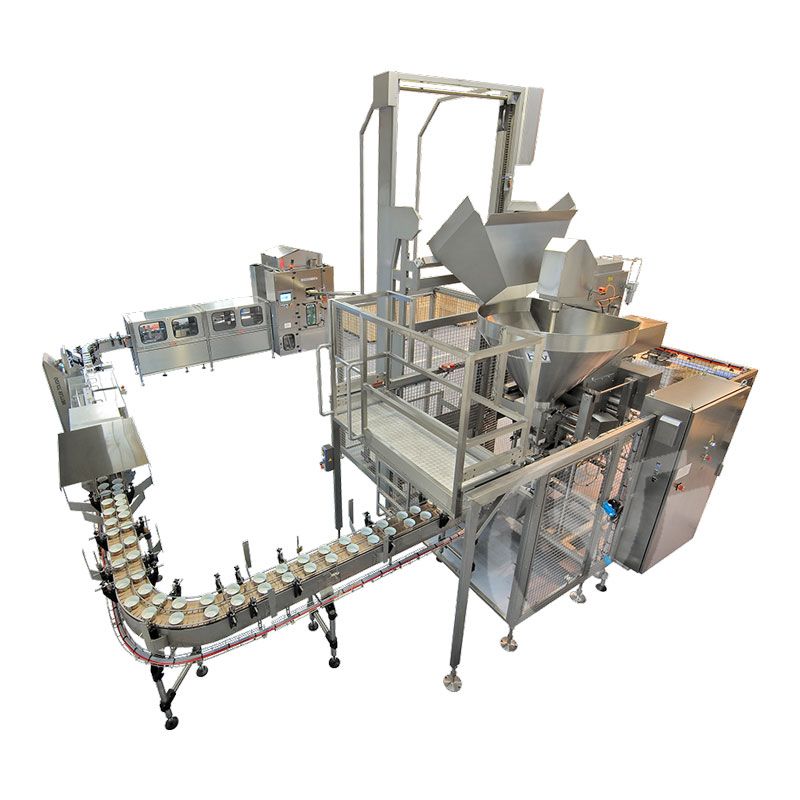 Meat Canned Food Production Line
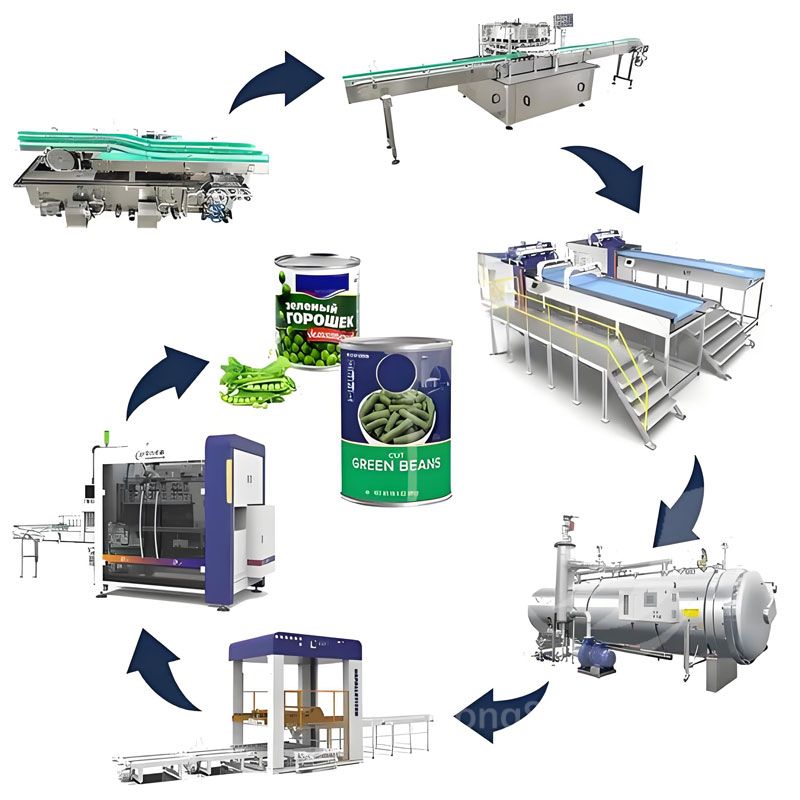 Green Bean Canned Food Production Line
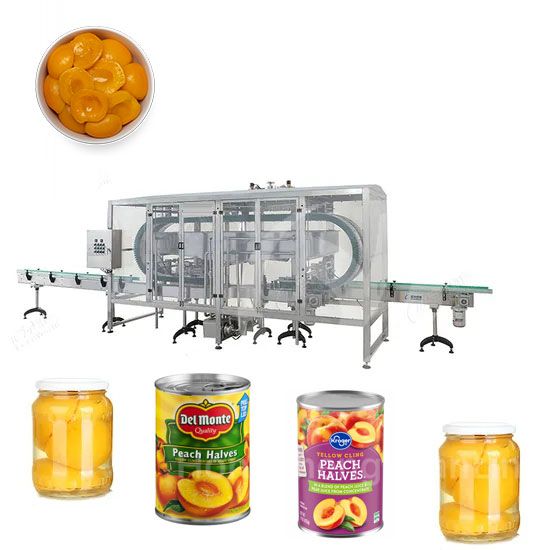 Peach Canned Food Production Line
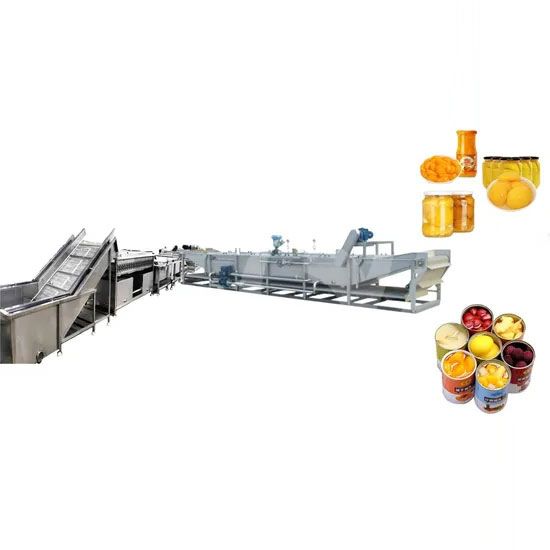 Canned Fruit Production Line Equipment
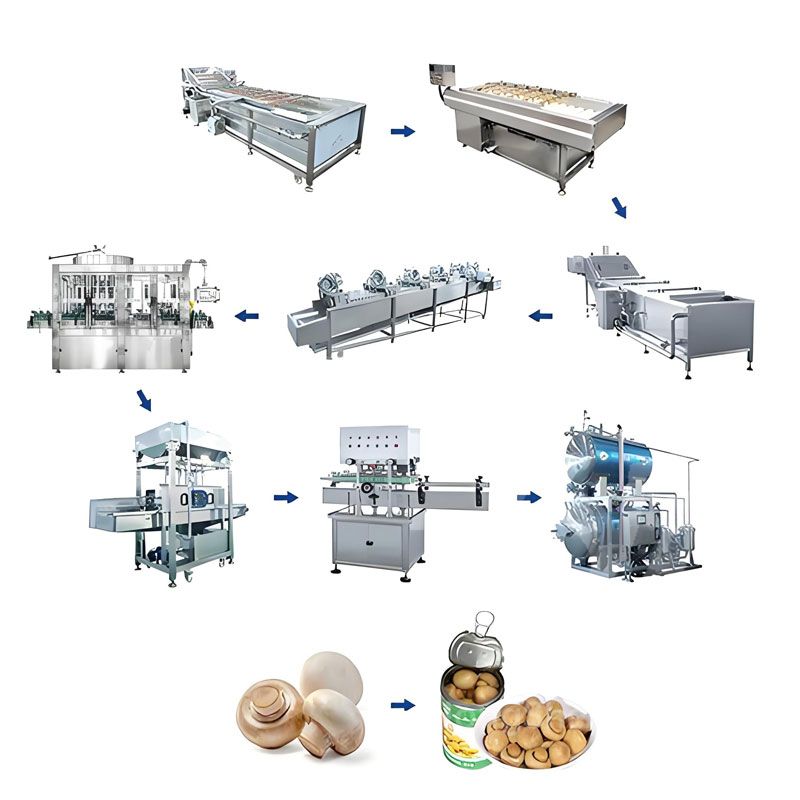 Edible Mushroom Canned Food Production Line
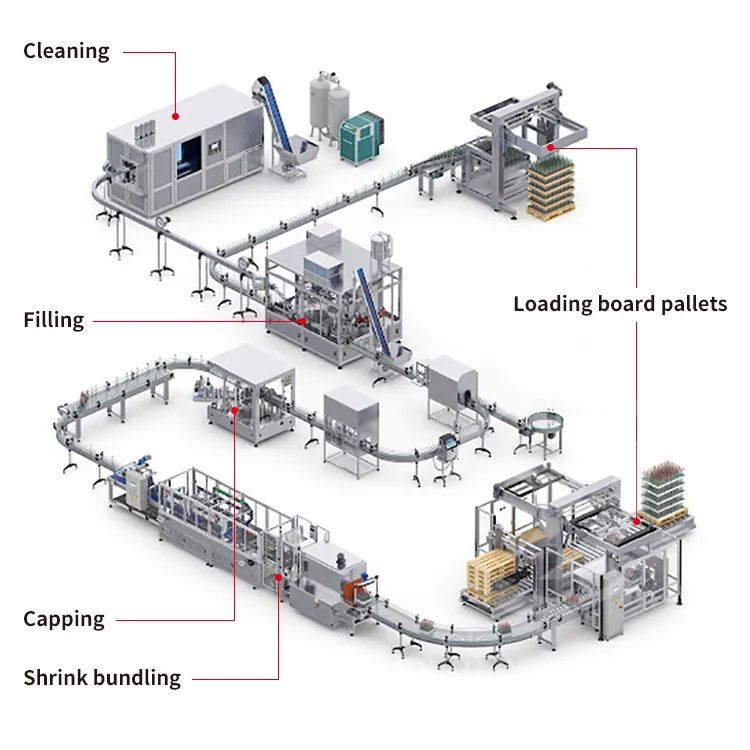 Chicken Soup Canned Production Line
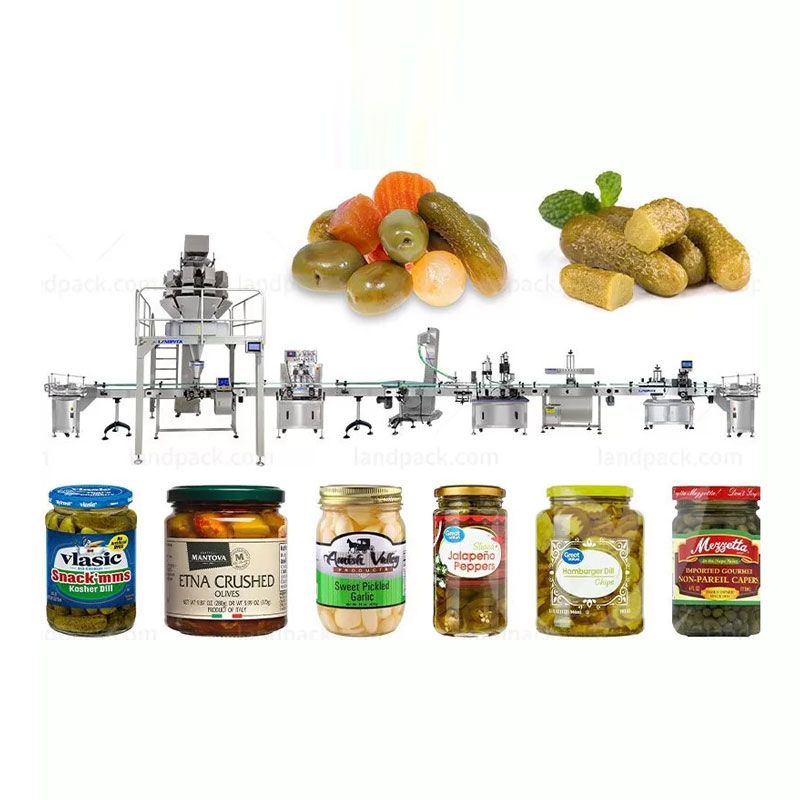 Cucumber Canned Production Line
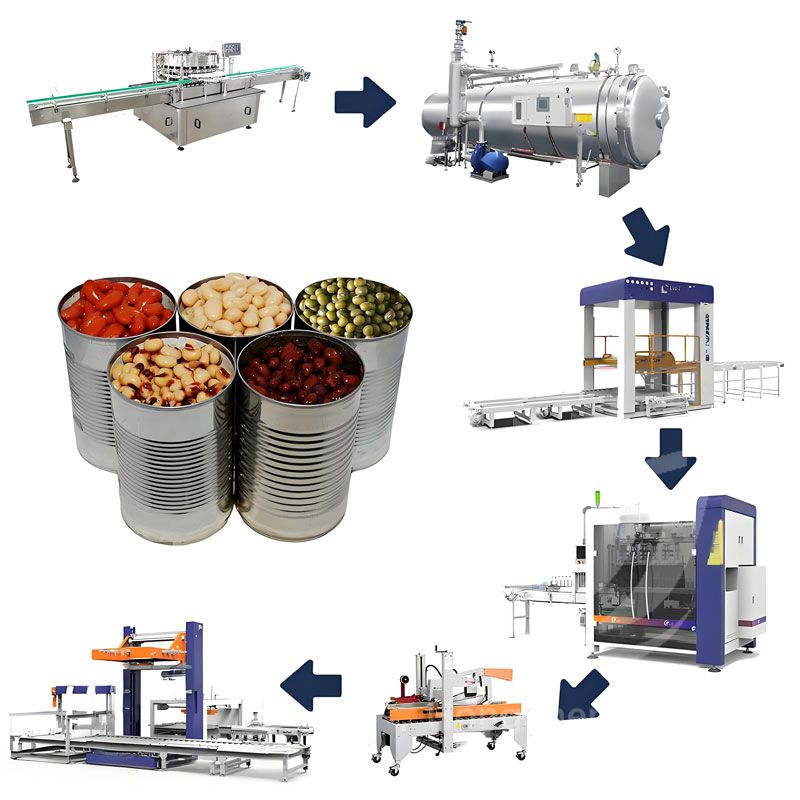 Canned Beans Production Line
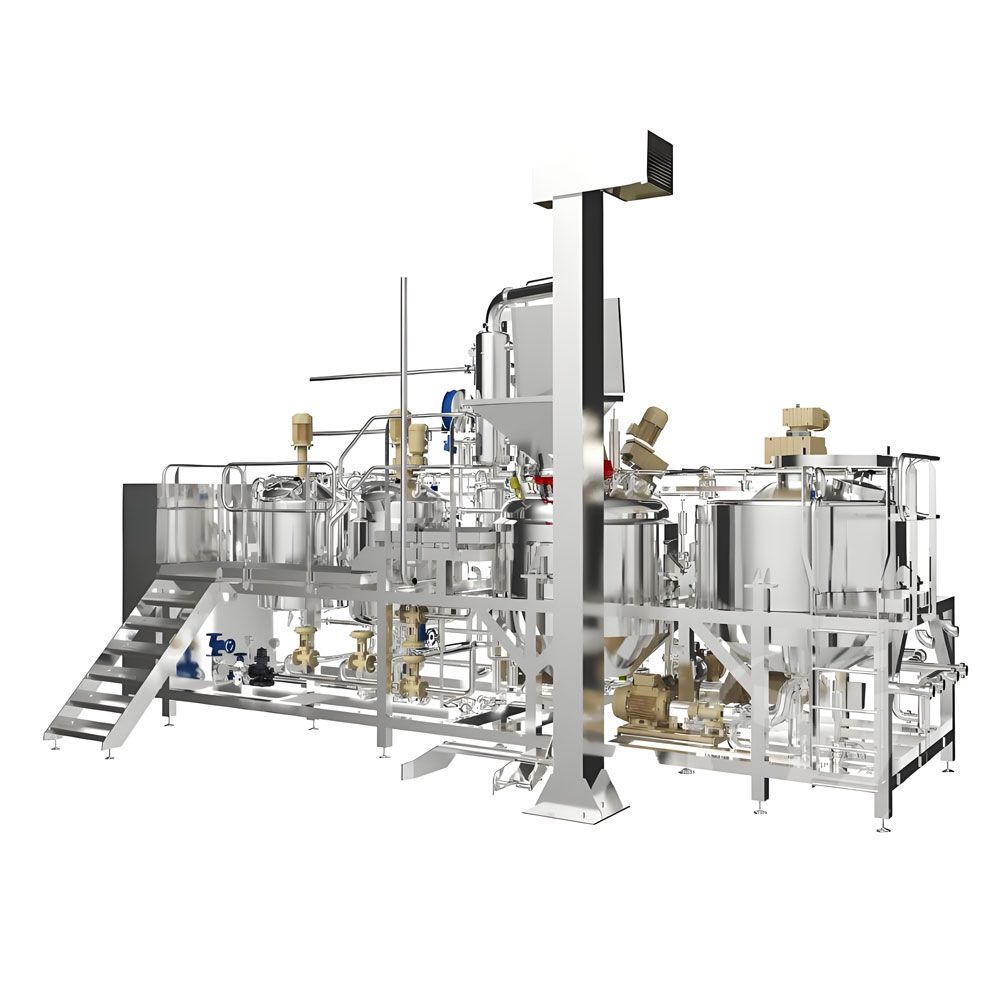 Jam Canned Production Line
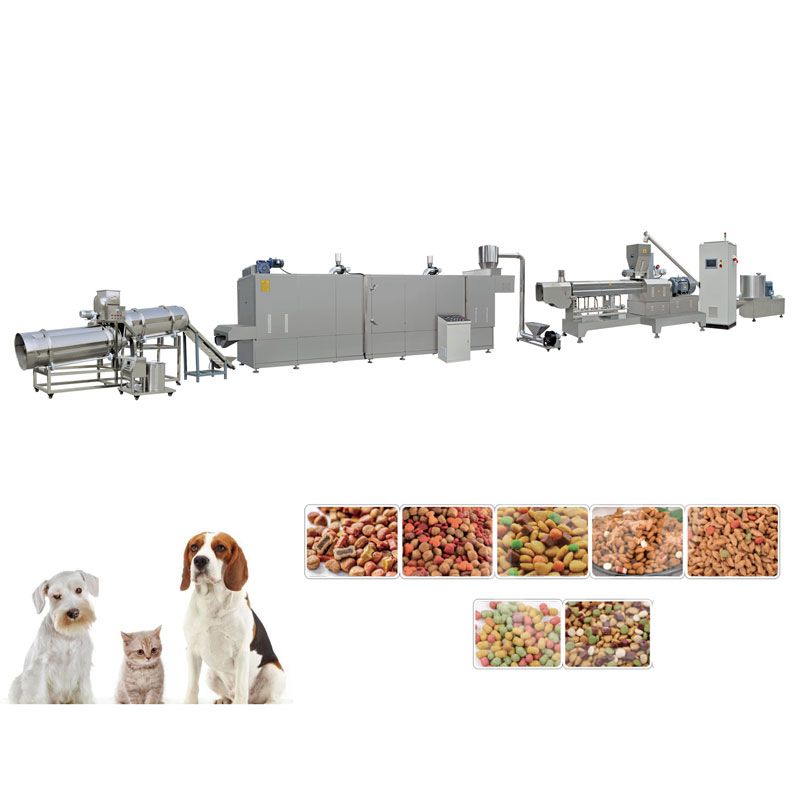 Pet Canned Food Production Line
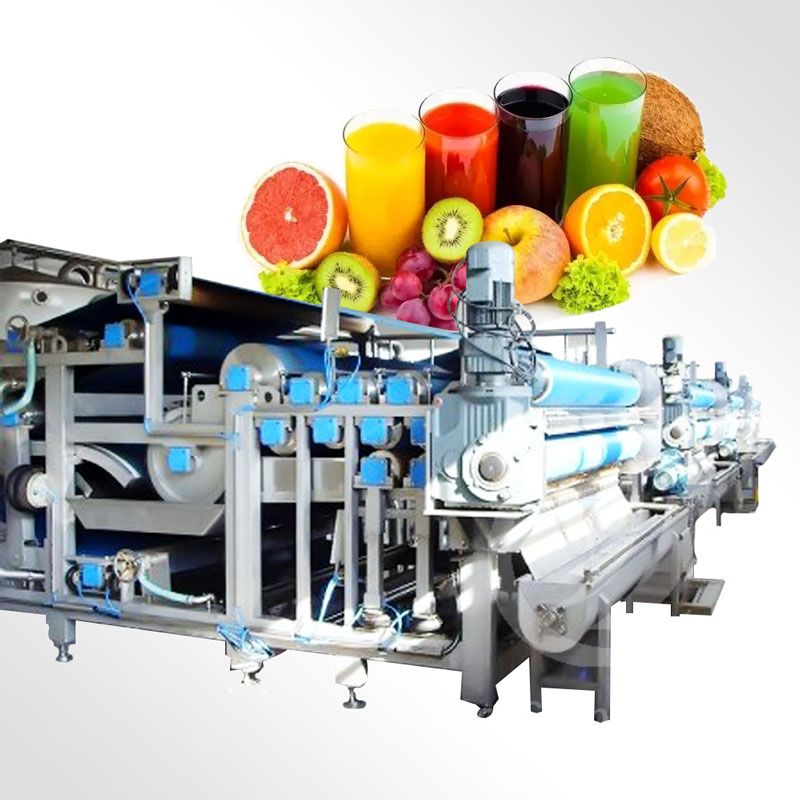 Fruit And Vegetable Canned Production Line
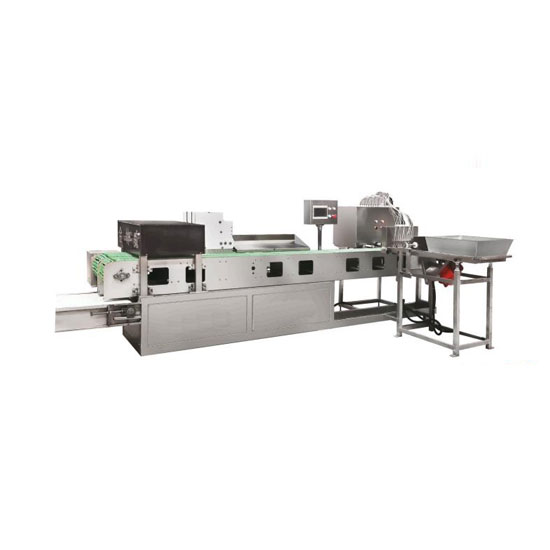 X-Type Cutting And Stringing Machine
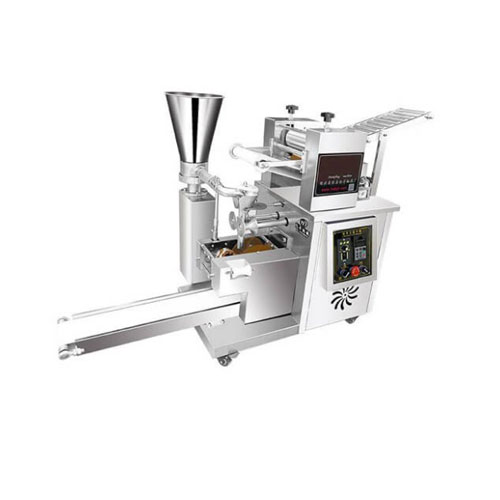 Automatic Dumpling Making Machine
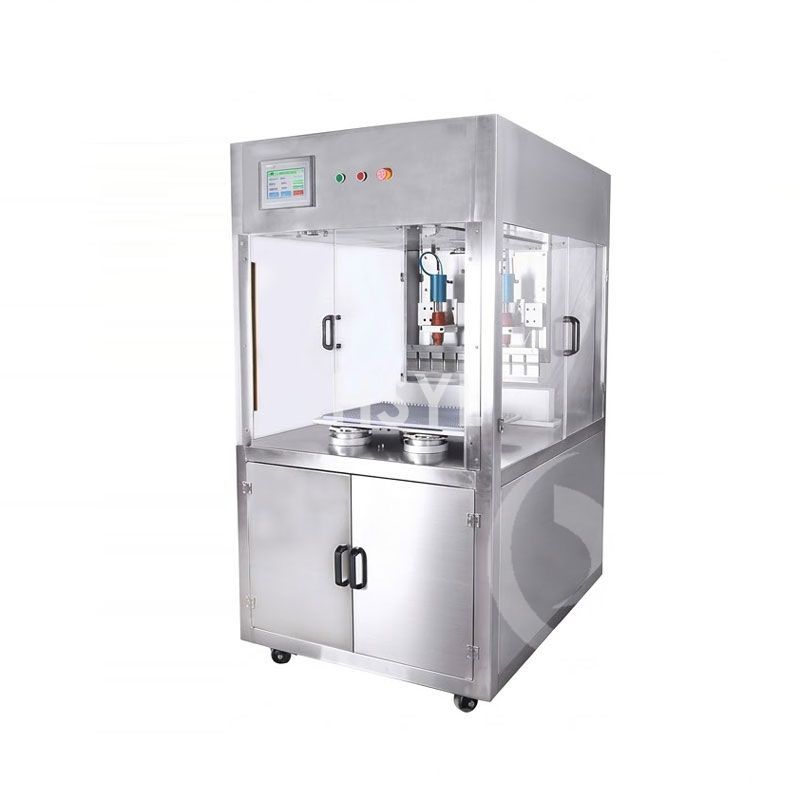 Ultrasonic Cream Sandwich Bread Cutting Machine
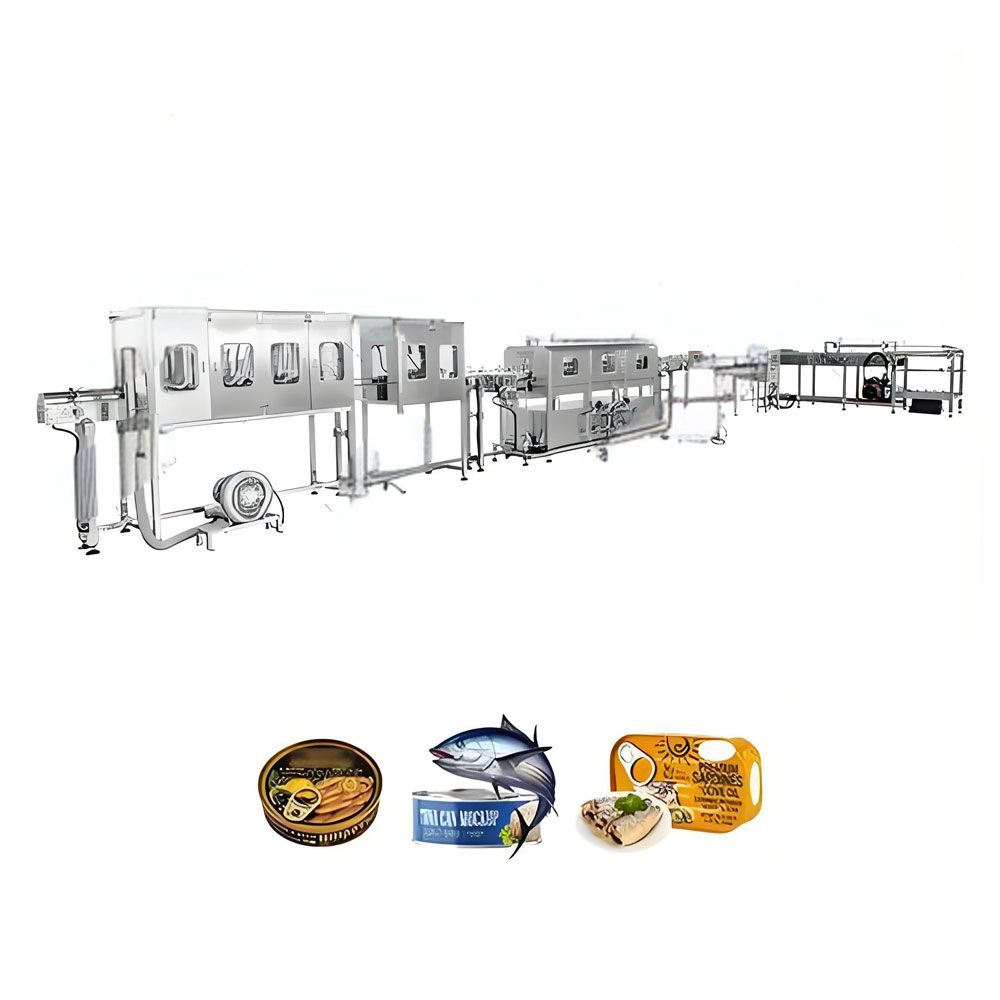 Canned Fish Production Line
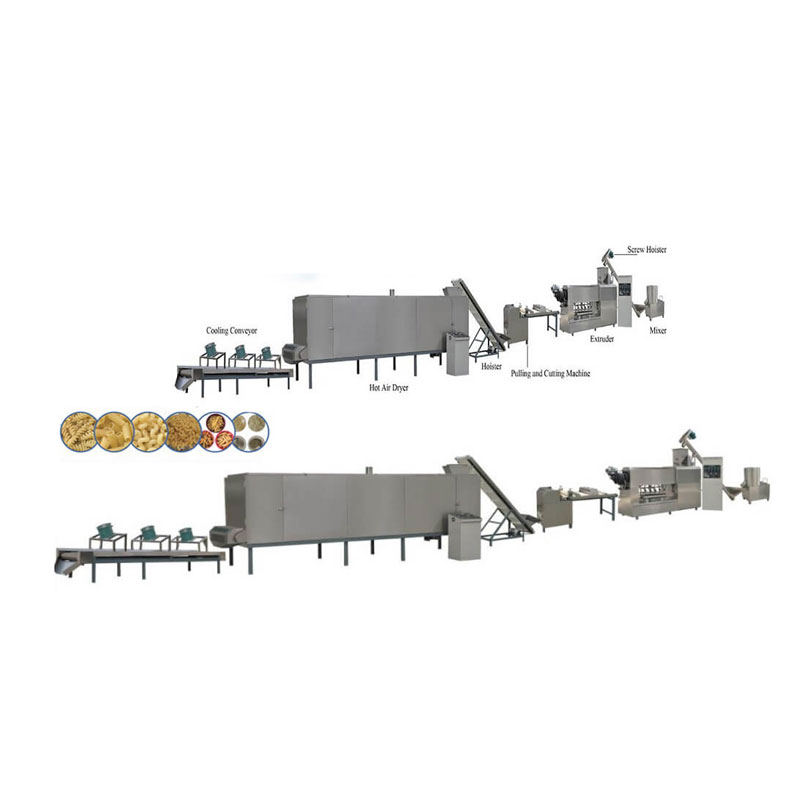 Pasta Production Line
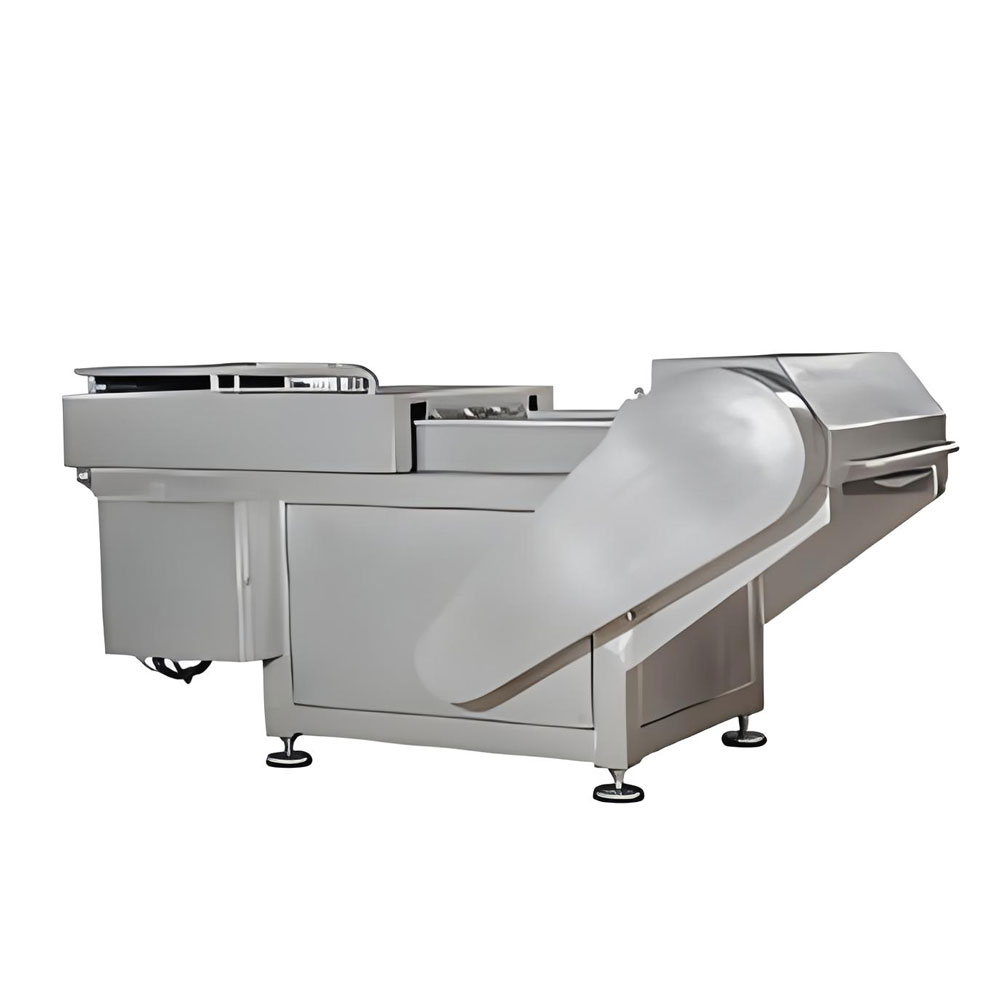 Industrial Frozen Meat Slicing Machine
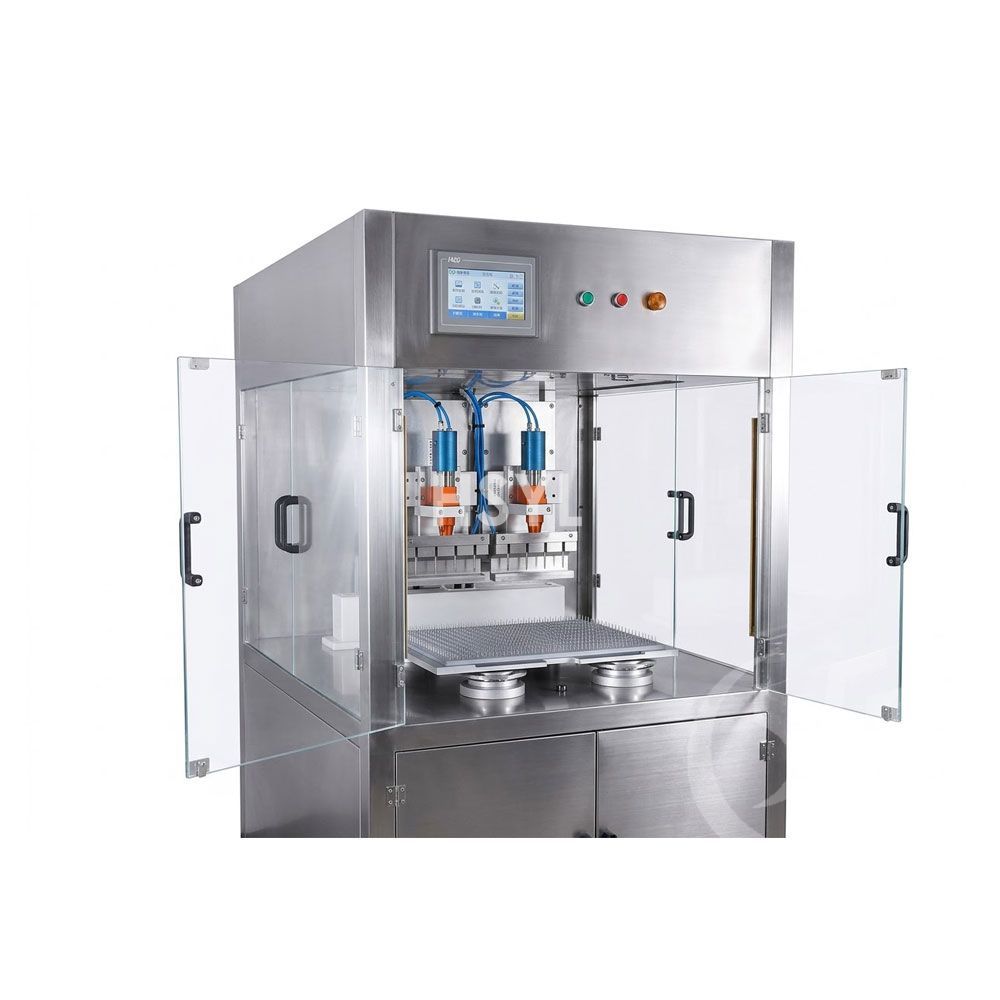 Ultrasonic Bread Cutting Machine