
Chili Sauce Production Line - Chinese Manufacturer, Factory, Supplier
The Chili Sauce Production Line is a specialized system engineered to transform fresh chili peppers into high-quality, commercially packaged chili sauces. This automated production solution is designed to ensure consistency, hygiene, and efficiency across every stage of the manufacturing process. It caters to the growing global demand for spicy condiments, offering manufacturers a reliable pathway to scale production while maintaining flavor authenticity and product integrity.
A standard Chili Sauce Production Line includes several critical stages: raw material selection, washing, sorting, crushing, blending, cooking, sterilizing, filling, and packaging. Each segment of the process is optimized to preserve the natural color, heat level, and aromatic profile of the chilies. Advanced mixing and homogenizing systems ensure that ingredients like vinegar, salt, garlic, and oil are evenly distributed, creating a smooth and balanced final product.
Thermal processing within the Chili Sauce Production Line is conducted with precision to safeguard both food safety and flavor stability. Controlled cooking temperatures and sterilization methods reduce the microbial load while preserving the vibrant taste and texture that consumers expect from premium chili sauces.
Hygienic design principles are fundamental to the Chili Sauce Production Line. Stainless steel construction, CIP (Clean-in-Place) systems, and automated sanitation cycles reduce contamination risks and ensure compliance with international food safety standards such as HACCP and ISO. These features enhance operational longevity and minimize downtime.
Flexibility is another hallmark of the Chili Sauce Production Line. It accommodates variations in viscosity, chunkiness, and spiciness, allowing manufacturers to produce a diverse range of products — from smooth hot sauces to textured chili pastes. This adaptability supports innovation and responsiveness to shifting market trends, helping brands stay competitive in a crowded global marketplace.
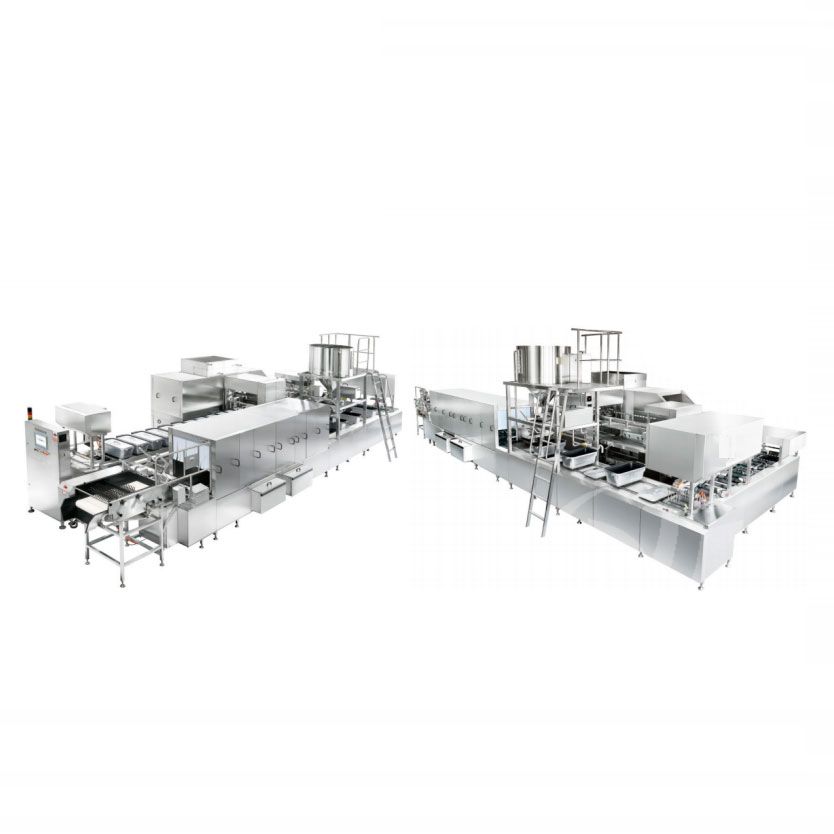
 Cold Chain Rice Production Line
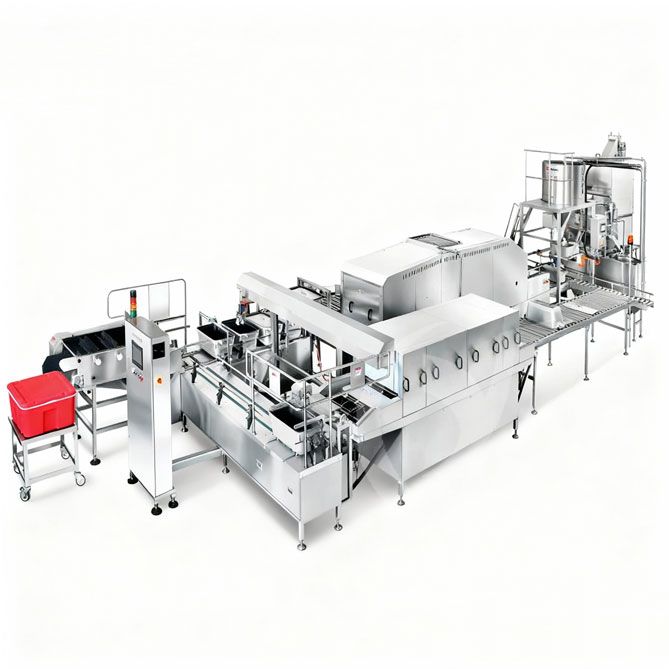
 Unmanned Intelligent Rice Production Line
 Robotic Rice Production Line
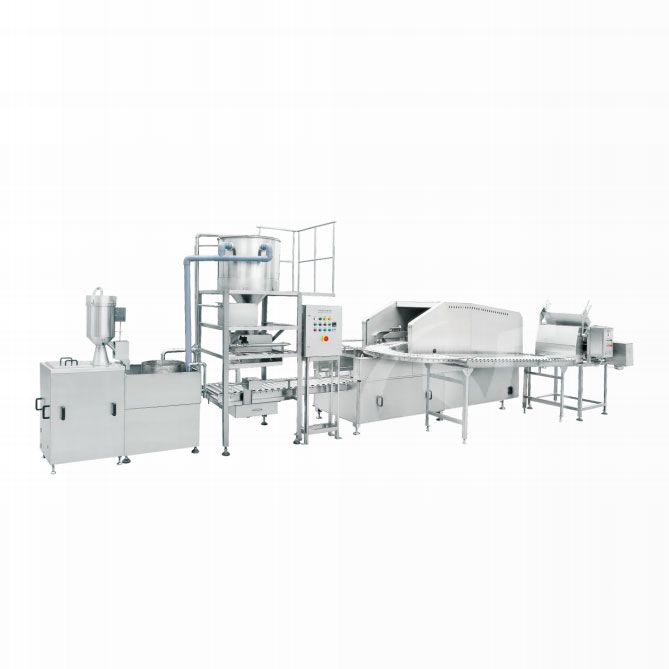 Automatic Rice Production Line
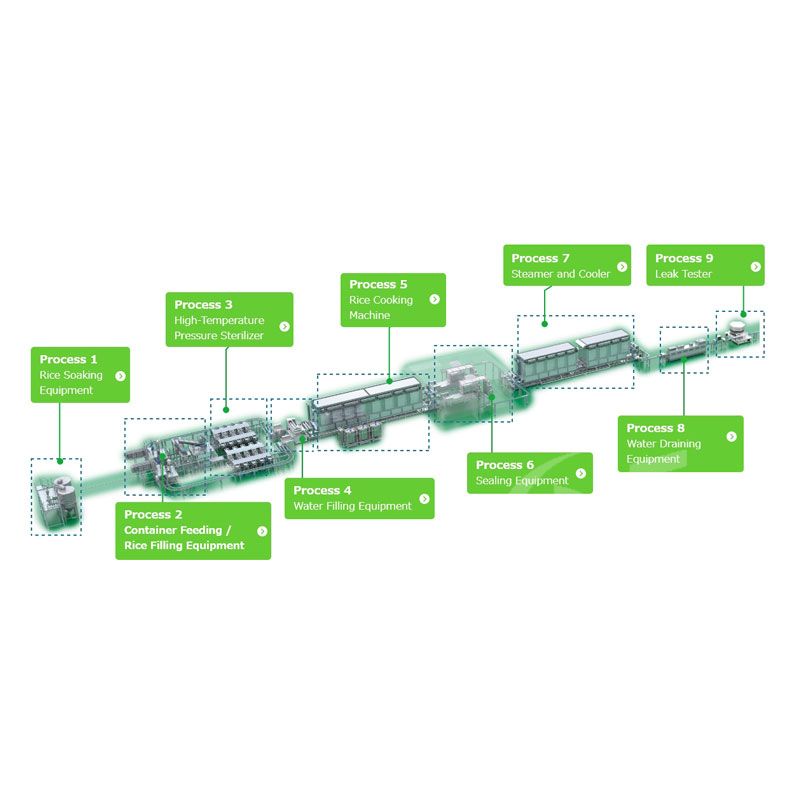 Aseptic Rice Production Line
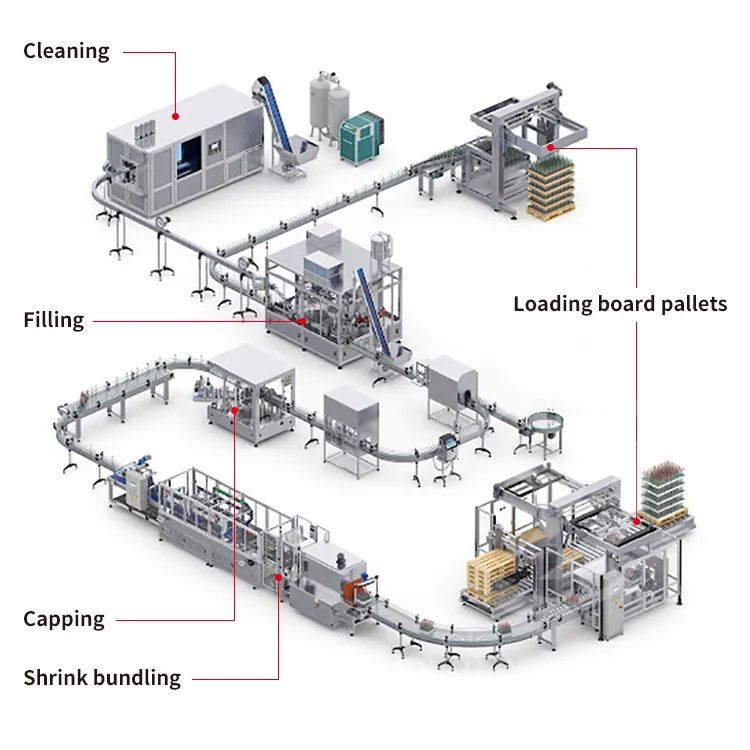 Aseptic Canning Production Line Equipment
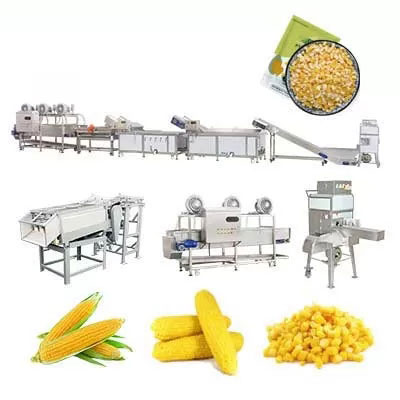 Sweet Corn Canning Production Line
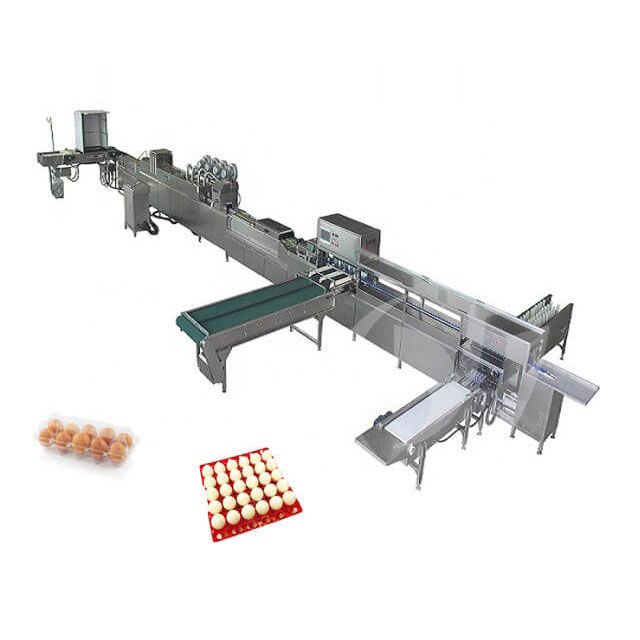 Egg Canning Production Line
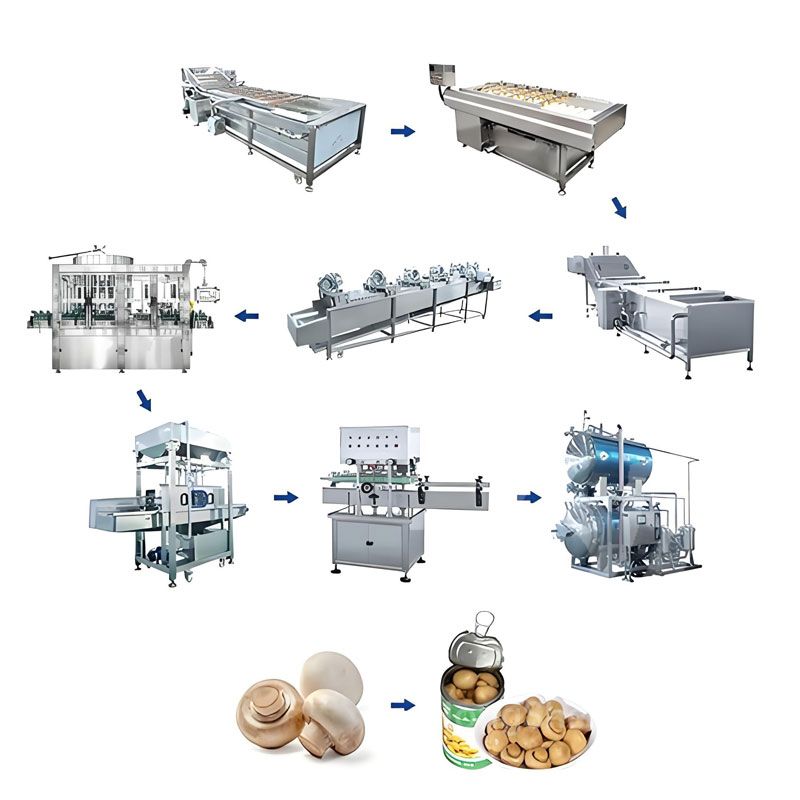 Button Mushroom Canning Production Line
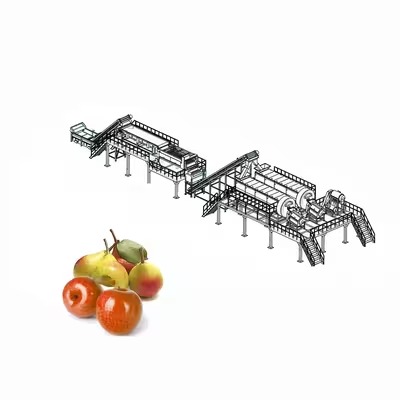 Apple Canning Production Line
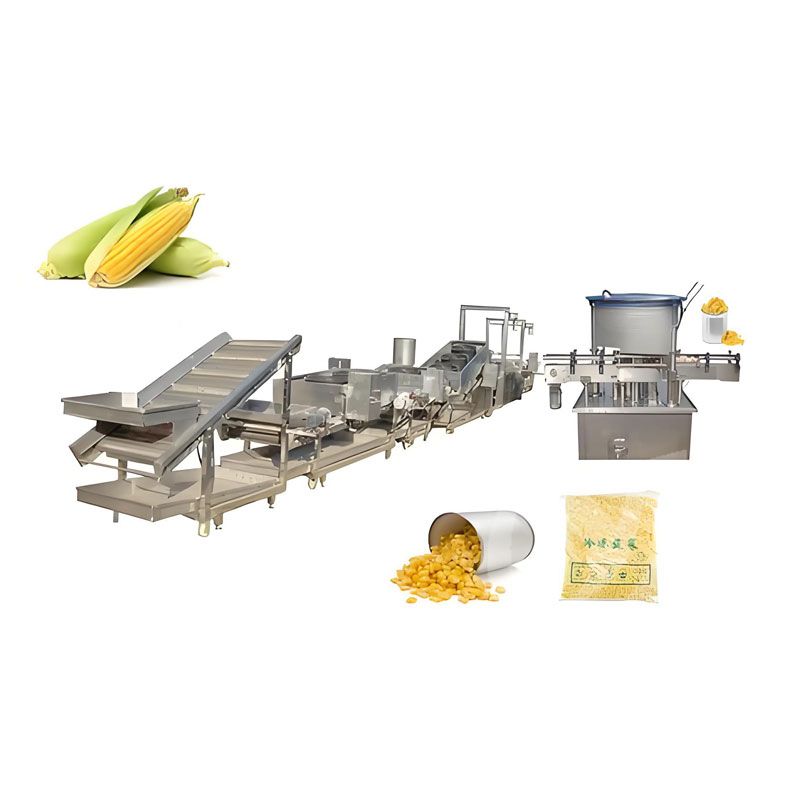 Corn Canning Production Line
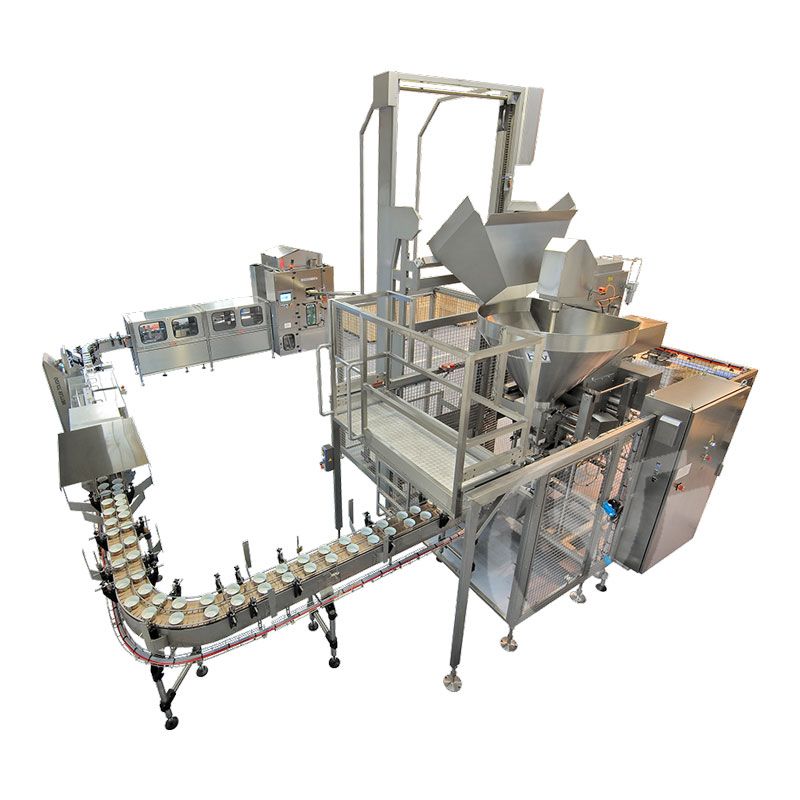 Meat Canned Food Production Line
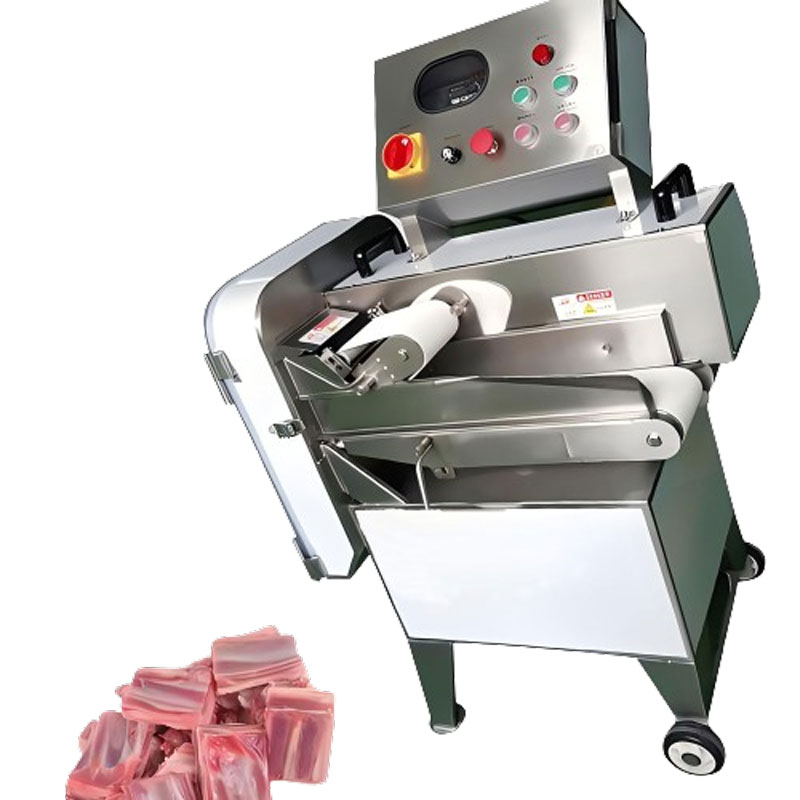 Frozen Meat Ribs Dicing Machine
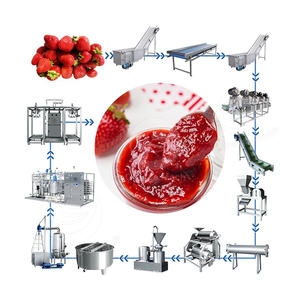 Jam Making Equipment
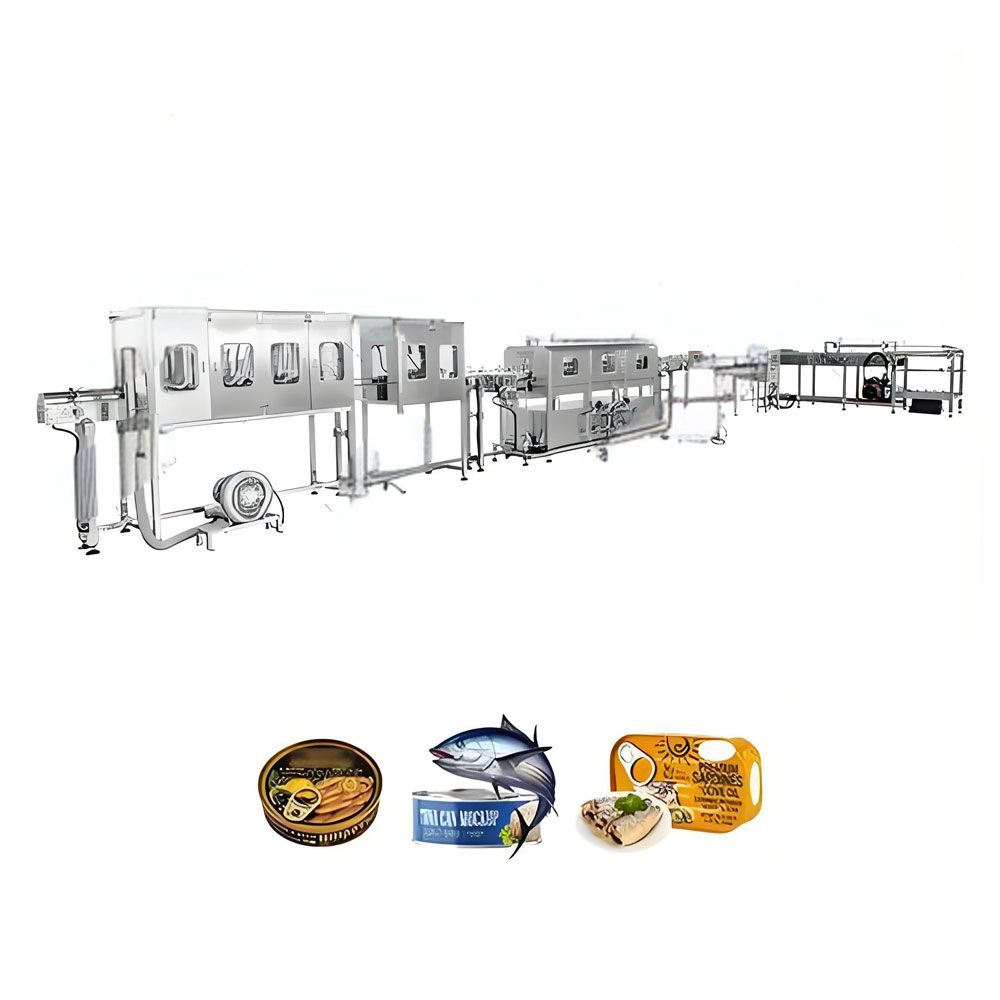 Canned Fish Production Line
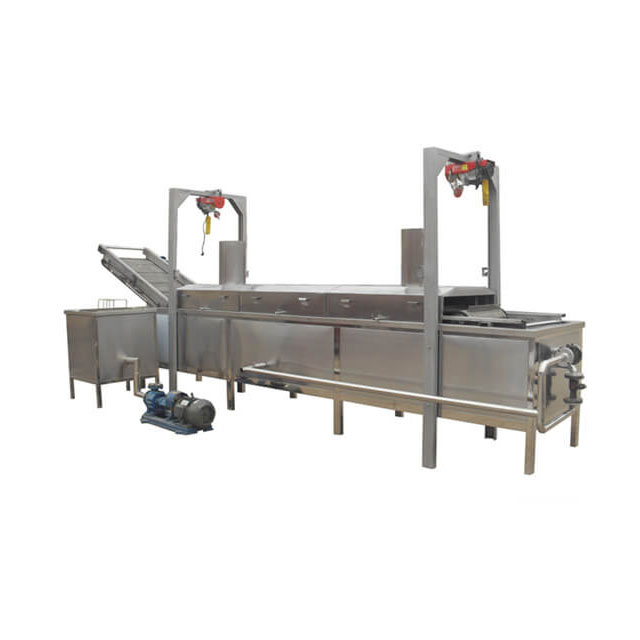 Automatic Belt Frying Machine
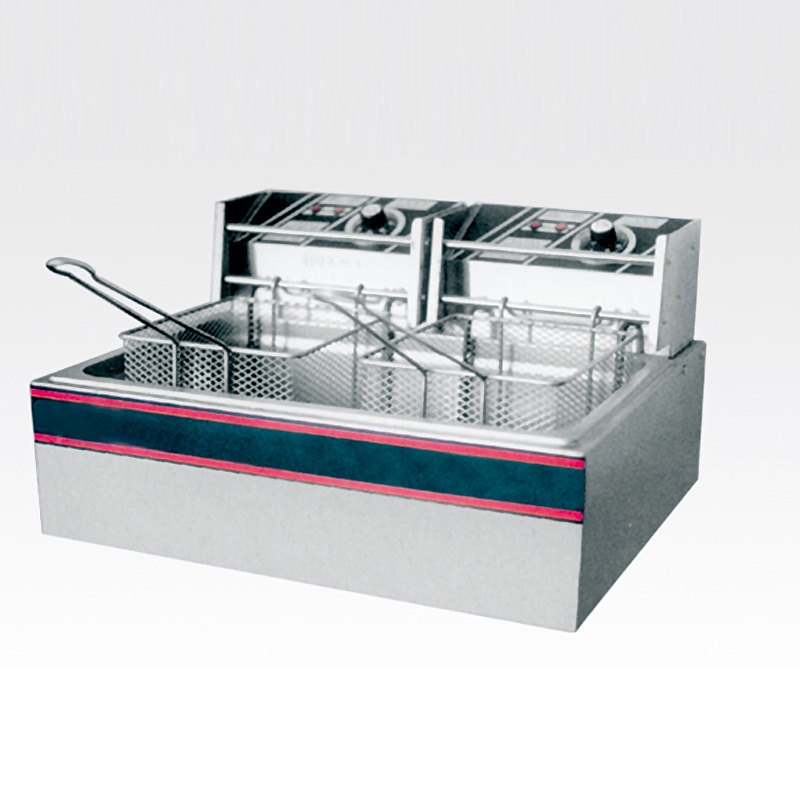 Single Tank Single Basket Electric Fryer
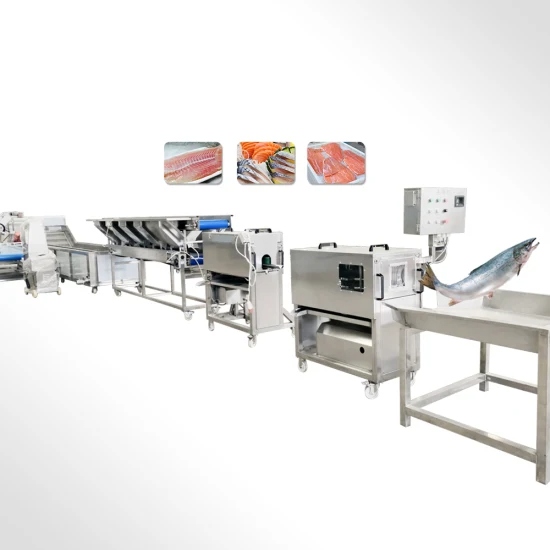 Fish Processing Line
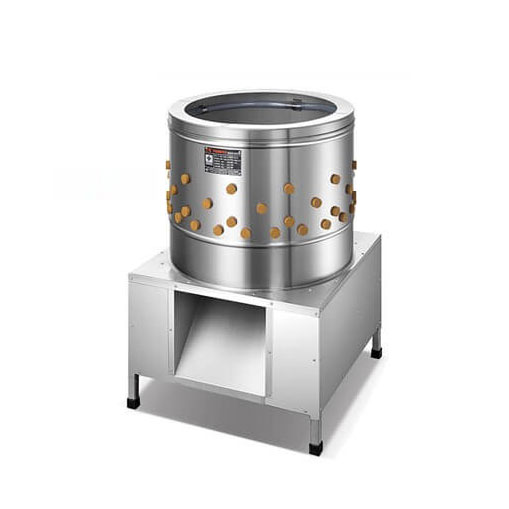 Poultry Feather Removal Machine
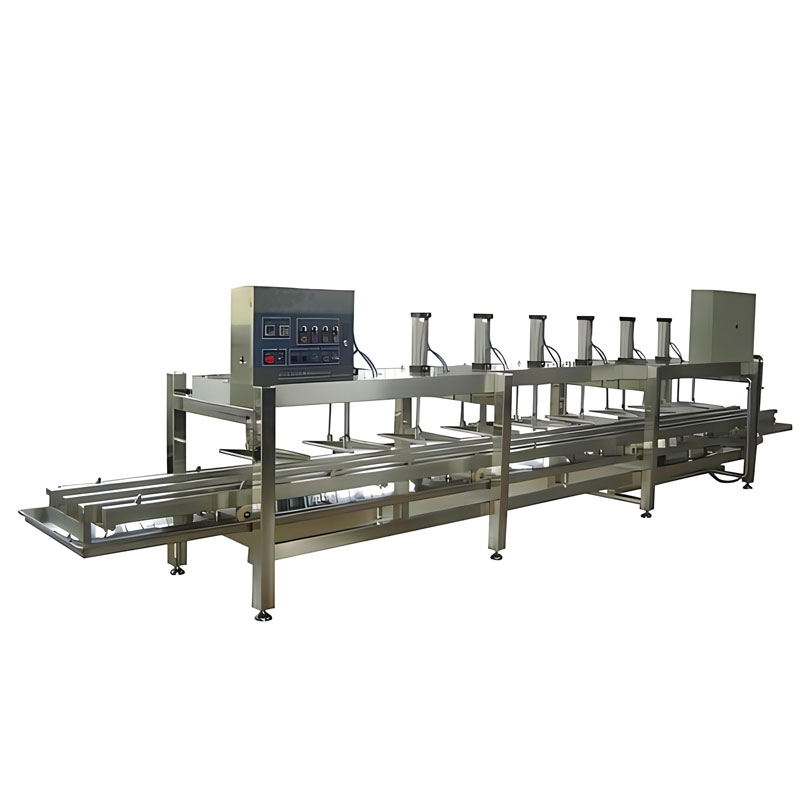 Tofu Production Line