
Food Production Line Factory - Chinese Manufacturer, Factory, Supplier
A food production line factory is a modern industrial facility specifically designed for the large-scale, efficient, and safe processing and packaging of food products. At its core is an integrated “production line” system, which seamlessly links sequential stages—including raw material handling, processing, cooking/mixing, forming, cooling, inspection, packaging, and palletizing—through automated or semi-automated machinery to enable continuous, streamlined operations.
Key advantages of such factories include:
High Efficiency & Scalability: Automated equipment can operate 24/7, significantly boosting output to meet massive market demand while substantially reducing per-unit production costs.
Standardization & Consistency: Precise mechanical controls and pre-programmed settings ensure uniform specifications, weight, ingredients, and quality across every batch and individual product, safeguarding brand reputation.
Food Safety & Hygiene: Facility design strictly adheres to international food safety standards such as HACCP and GMP. Production lines utilize food-grade stainless steel for easy cleaning and sanitation; integrated systems like metal detectors, X-ray machines, and environmental monitoring minimize contamination risks and ensure regulatory compliance.
Flexibility & Traceability: Modern lines often feature modular designs for rapid reconfiguration to accommodate different products or recipes. Integrated data collection systems record critical parameters throughout the production process, enabling full traceability from raw materials to finished goods—facilitating quality management and issue resolution.
Reduced Labor Dependency & Costs: Automation decreases reliance on manual labor, lowering personnel expenses and minimizing human error, while simultaneously improving working conditions (e.g., reducing worker exposure to heat, noise, or repetitive strain).
Food production line factories are widely applied across nearly all food sectors, including baking, beverages, dairy, meat processing, snacks, frozen foods, and condiments. They form the cornerstone of the modern food industry, combining technology and engineering to reliably deliver safe, delicious, and convenient food to consumers worldwide. With the advancement of Industry 4.0 and smart manufacturing, future food factories will become increasingly intelligent, digital, and sustainable.
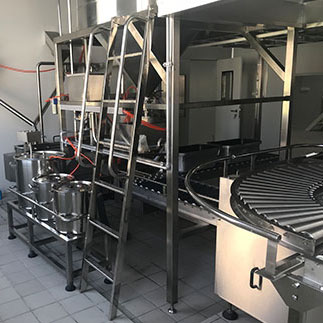 Cold Chain Rice Production Line
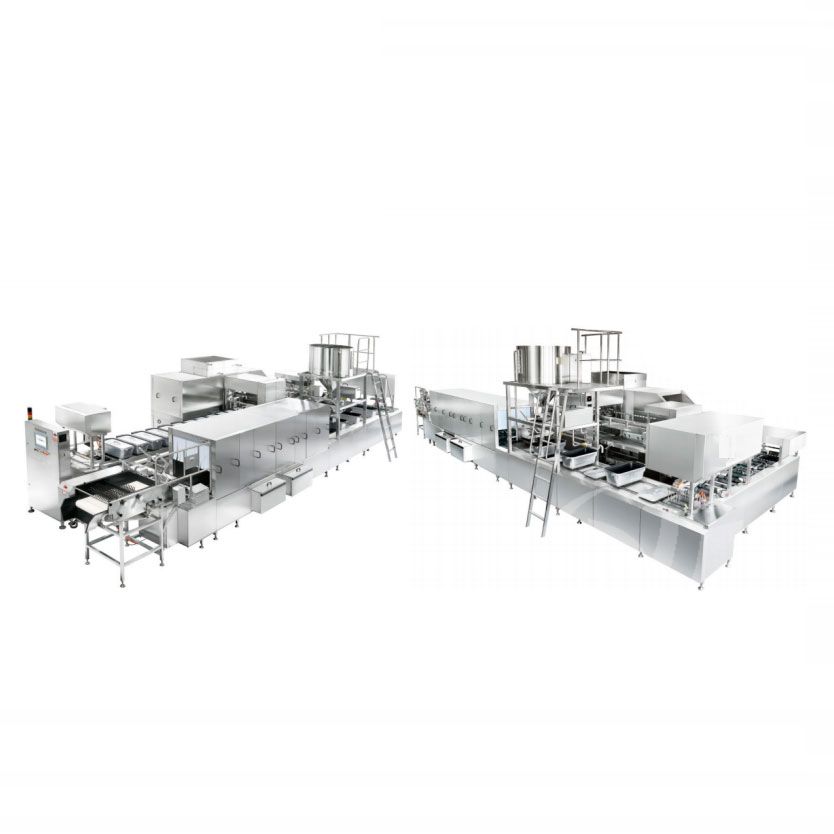 Unmanned Intelligent Rice Production Line
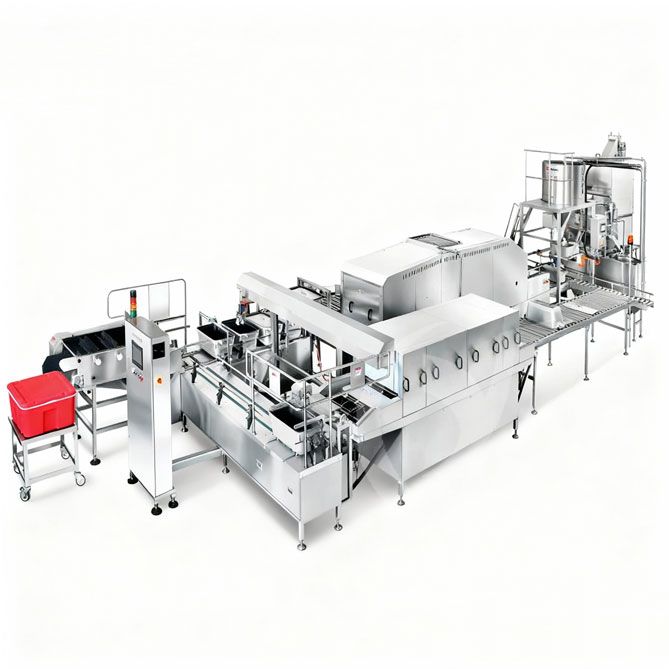 Robotic Rice Production Line
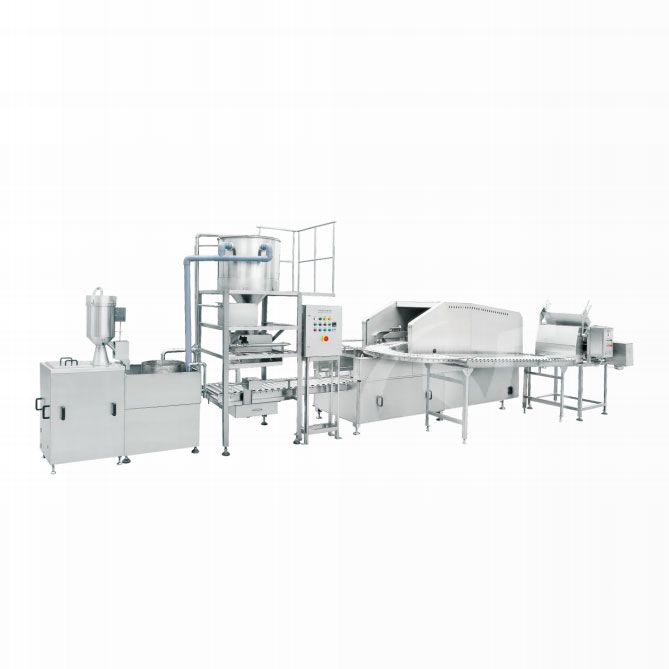 Automatic Rice Production Line
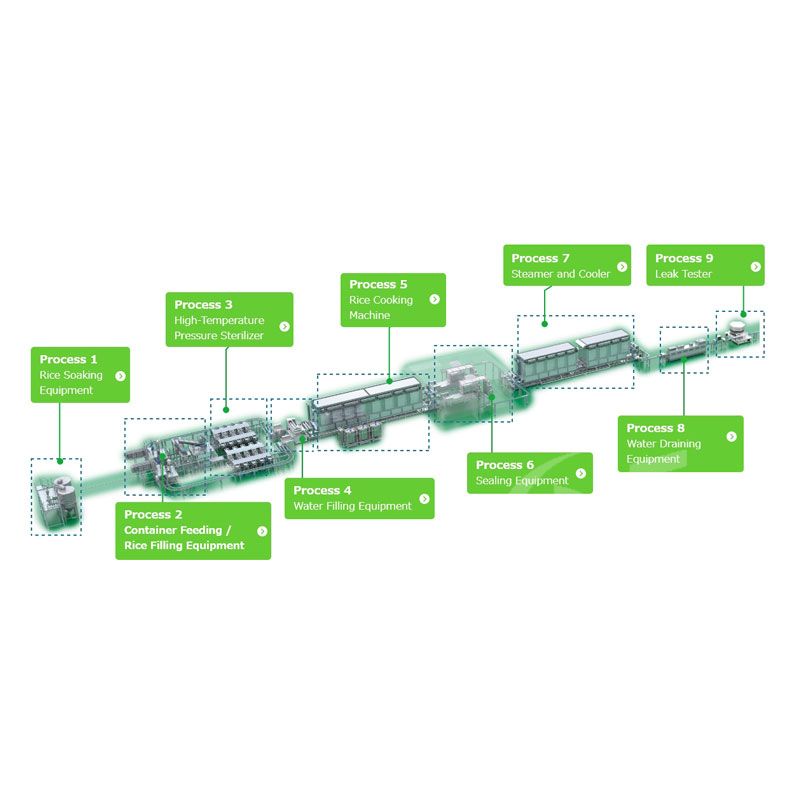 Aseptic Rice Production Line
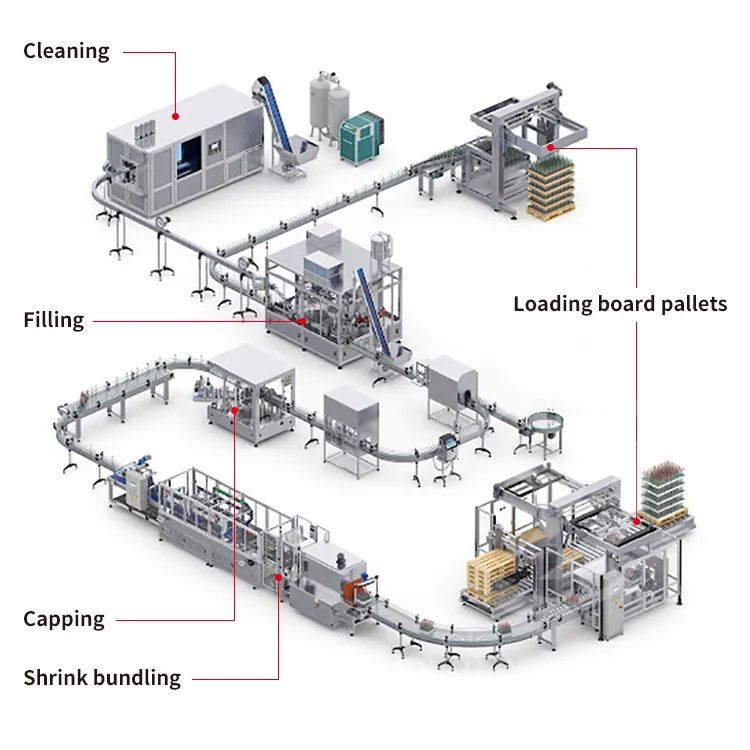 Aseptic Canning Production Line Equipment
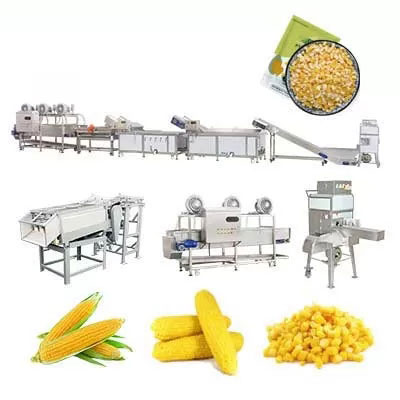 Sweet Corn Canning Production Line
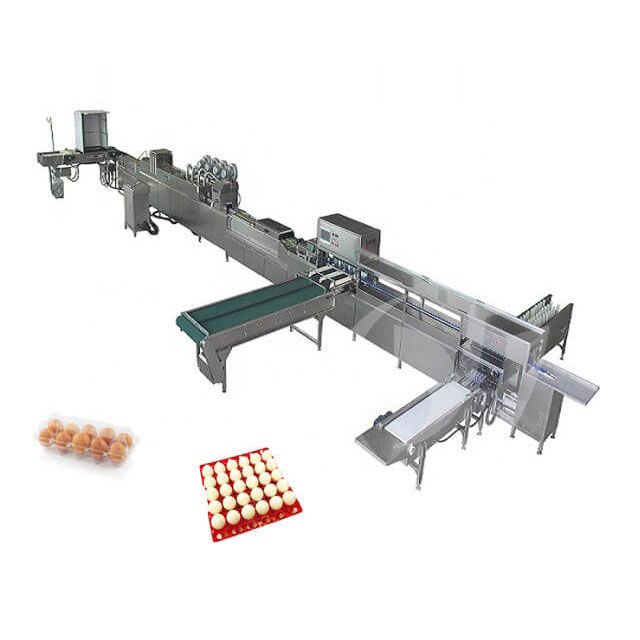 Egg Canning Production Line
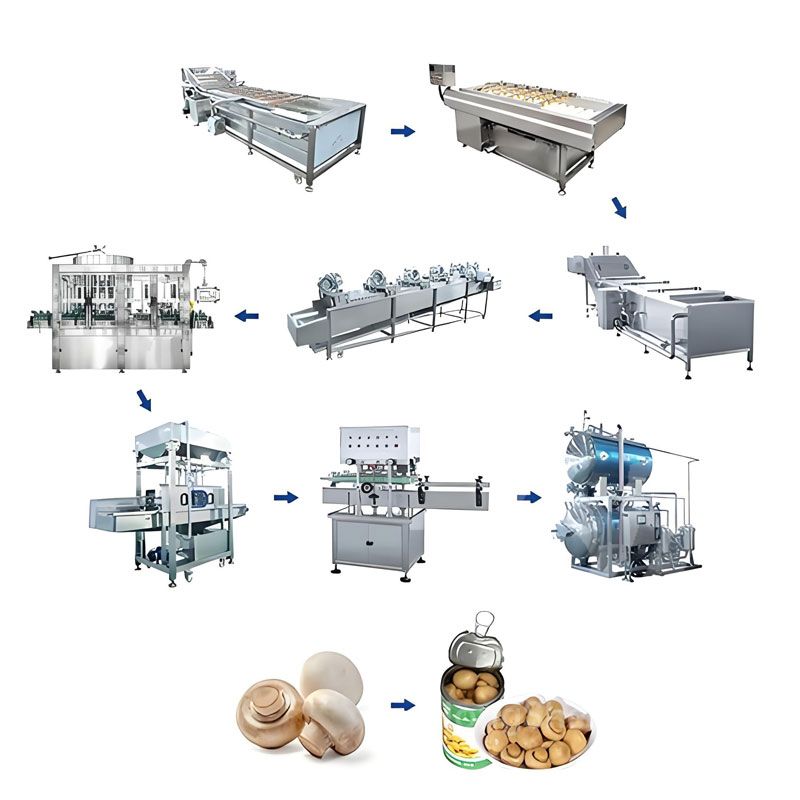 Button Mushroom Canning Production Line
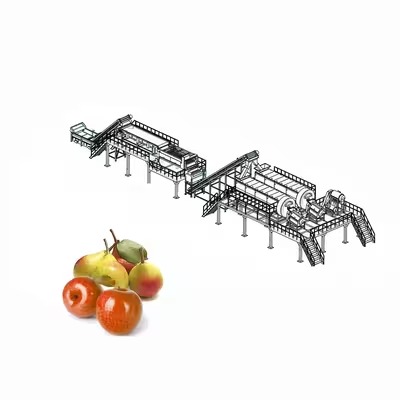 Apple Canning Production Line
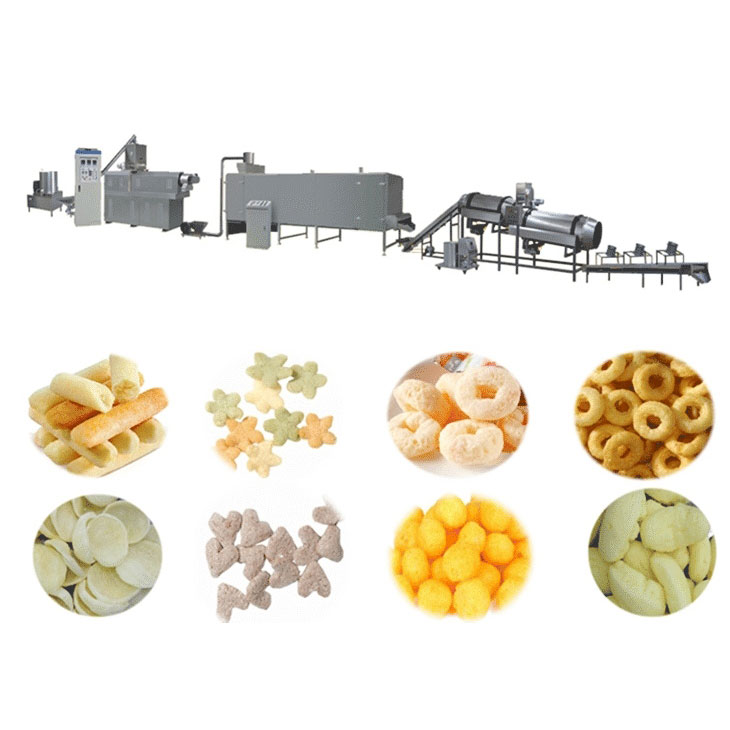 Snack Production Line
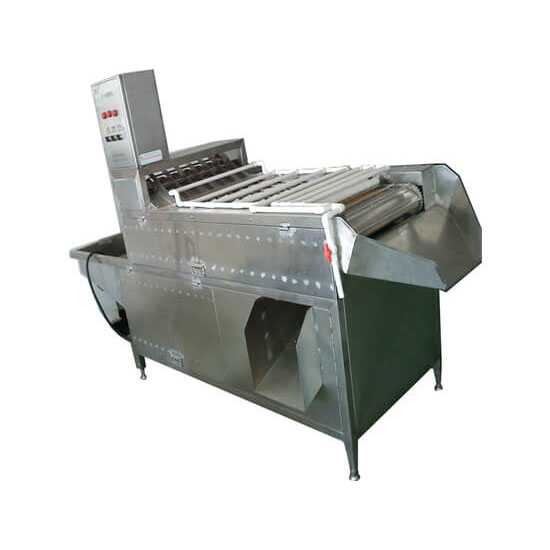 Chicken Egg Peeling Machine
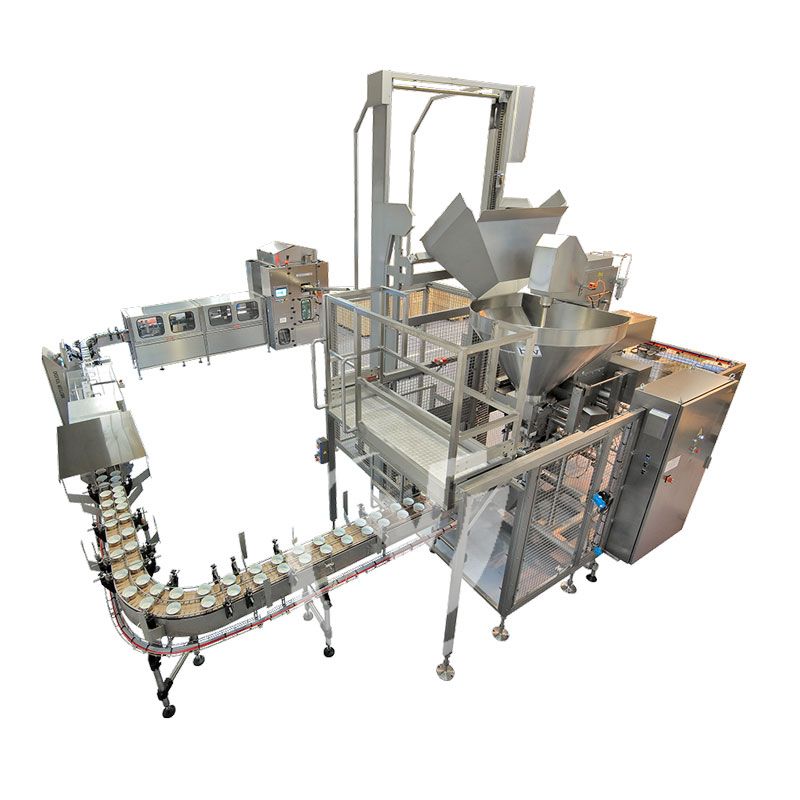 Pet Fish Meat Canning Production Line
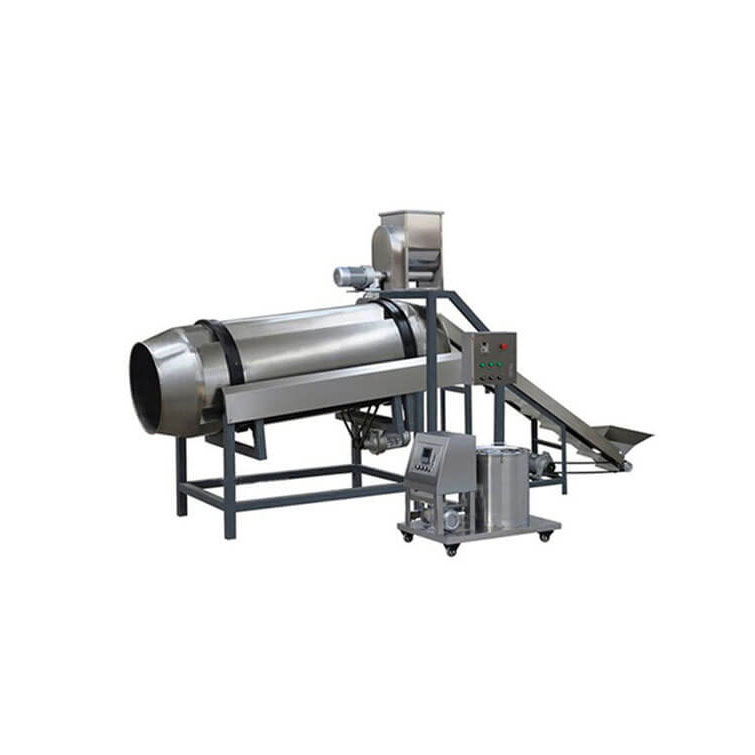 Rotary Drum Potato Chips Seasoning Machine
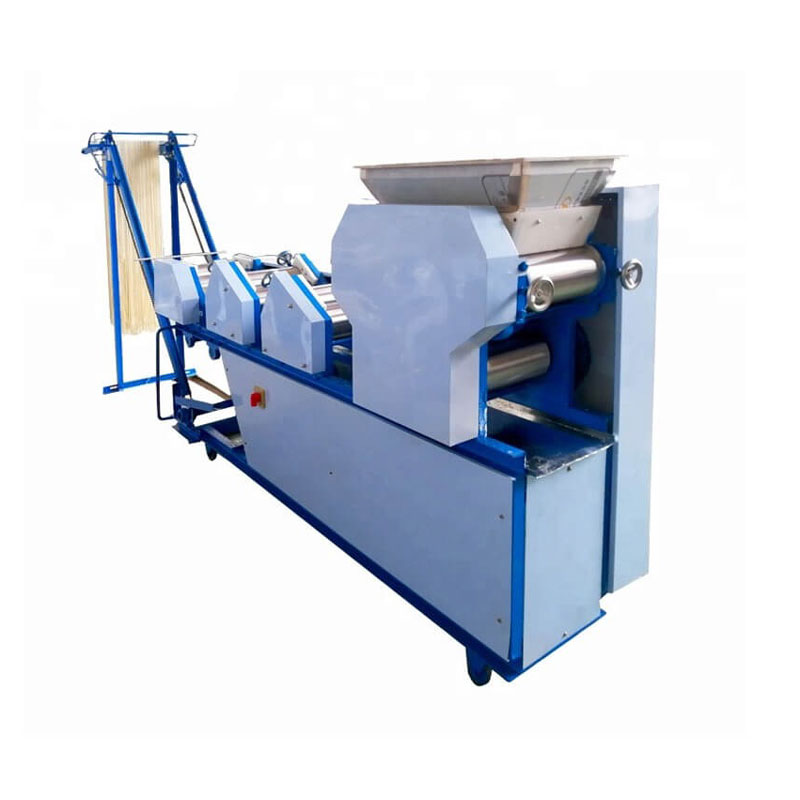 Automatic Noodle Making Machine
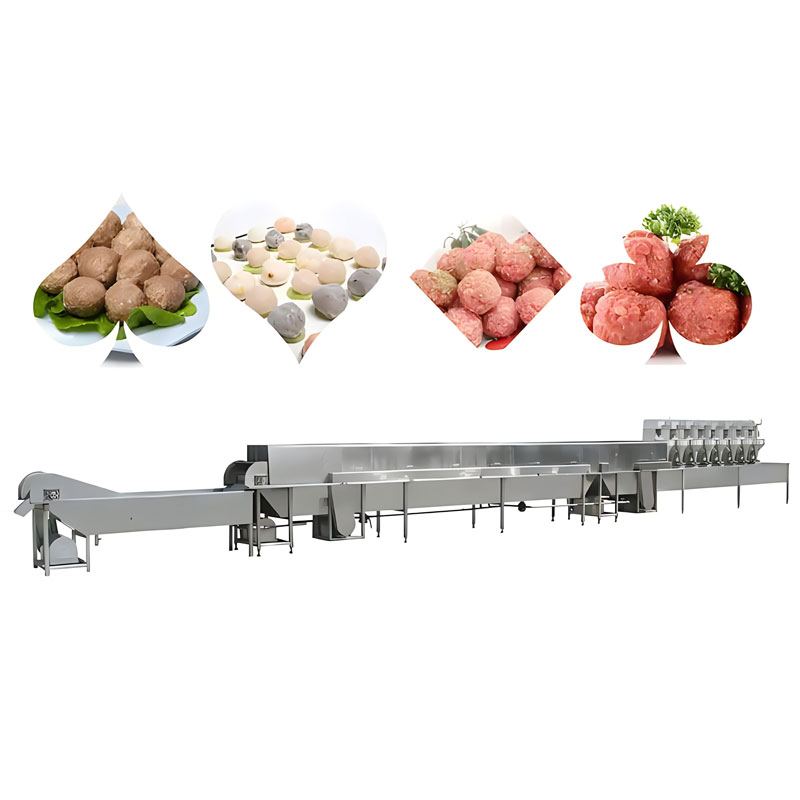 Meatball Production Line
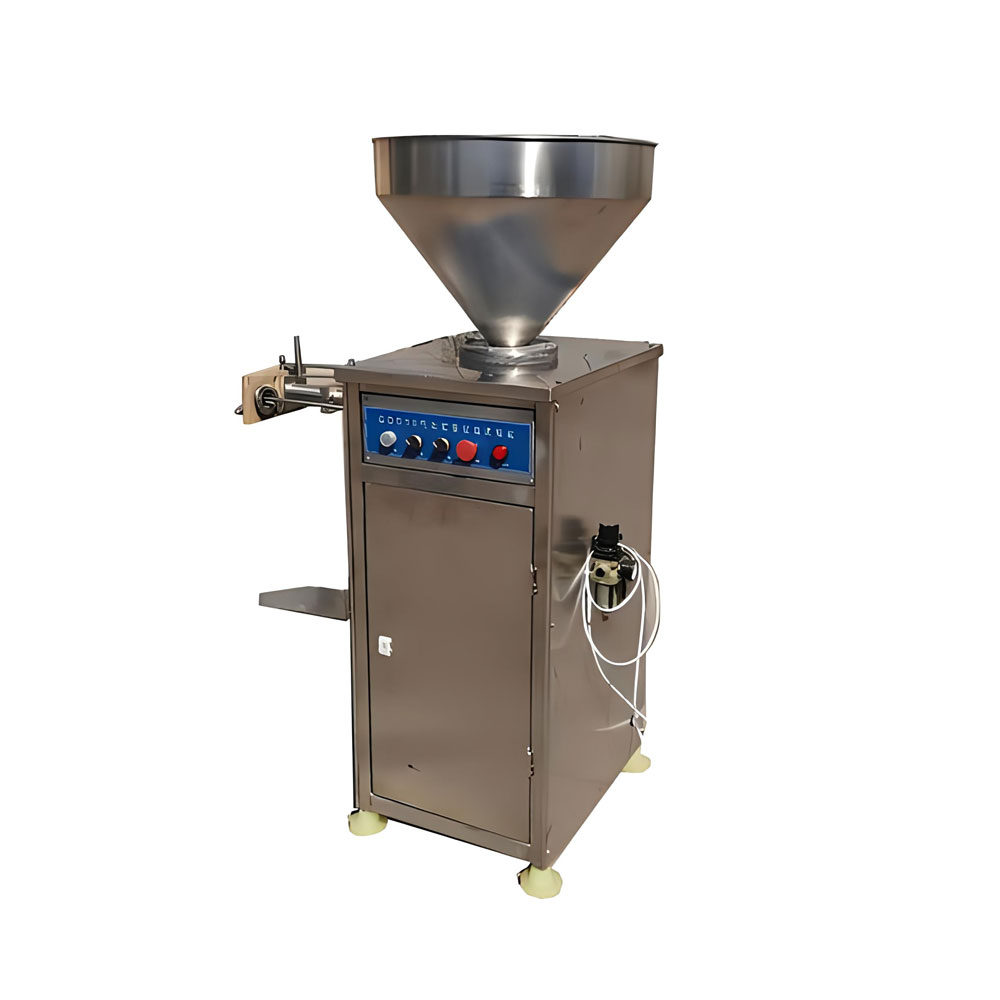 Automatic Twisting Quantitative Sausage Stuffer Machine