
Meat Canned Production Line - Chinese Manufacturer, Factory, Supplier
A meat canned production line is an integrated industrial solution designed for processing and preserving different types of meat, such as beef, pork, poultry, and lamb, into high-quality canned products. The system typically includes raw material preparation, cutting or mincing, cooking or stewing, mixing with gravy or sauce, filling into cans, vacuum sealing, sterilization, cooling, and final packaging. Each step is automated to ensure efficiency, hygiene, and consistent product quality.
This production line is widely used in meat processing factories, food canning enterprises, and ready-to-eat food manufacturers. It enables producers to extend the shelf life of fresh meat while retaining its flavor, texture, and nutritional value. Advanced filling and sealing technology guarantees accurate portioning and airtight can integrity, meeting both domestic and international food safety standards.
Equipped with continuous retort sterilizers, CIP cleaning systems, and automated can handling units, the meat canning line ensures compliance with HACCP, ISO22000, and GMP requirements. Flexible configurations allow adaptation to different can sizes and packaging types, such as tin cans, aluminum cans, or retort pouches.
By adopting a meat canned production line, manufacturers can improve production capacity, reduce labor costs, minimize contamination risks, and meet the growing global demand for safe, convenient, and shelf-stable meat products. This investment not only secures long-term profitability but also strengthens competitiveness in both domestic and export markets.
Raw Meat Receiving & Inspection
↓
Meat Cutting / Mincing
↓
Blanching / Precooking
↓
Mixing with Sauce / Seasoning
↓
Automatic Can Filling
↓
Exhausting & Vacuum Sealing
↓
High-Temperature Sterilization (Retort)
↓
Cooling & Drying
↓
Labeling & Coding
↓
Carton Packing & Palletizing
↓
Finished Canned Meat Products
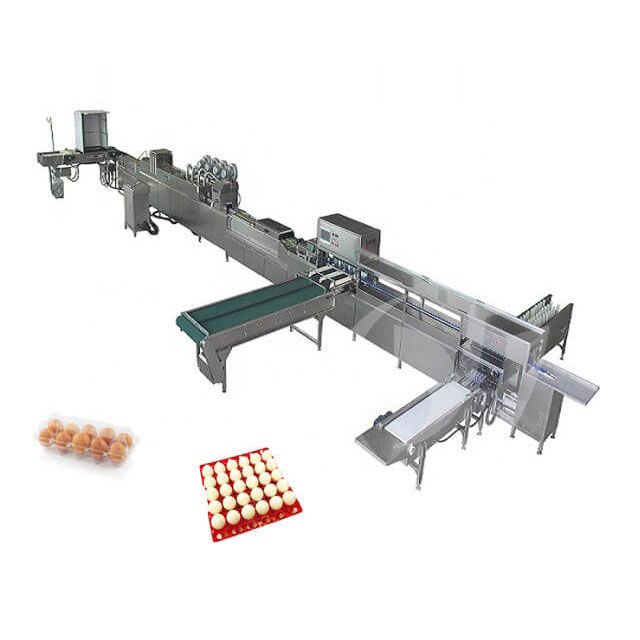 Egg Canning Production Line
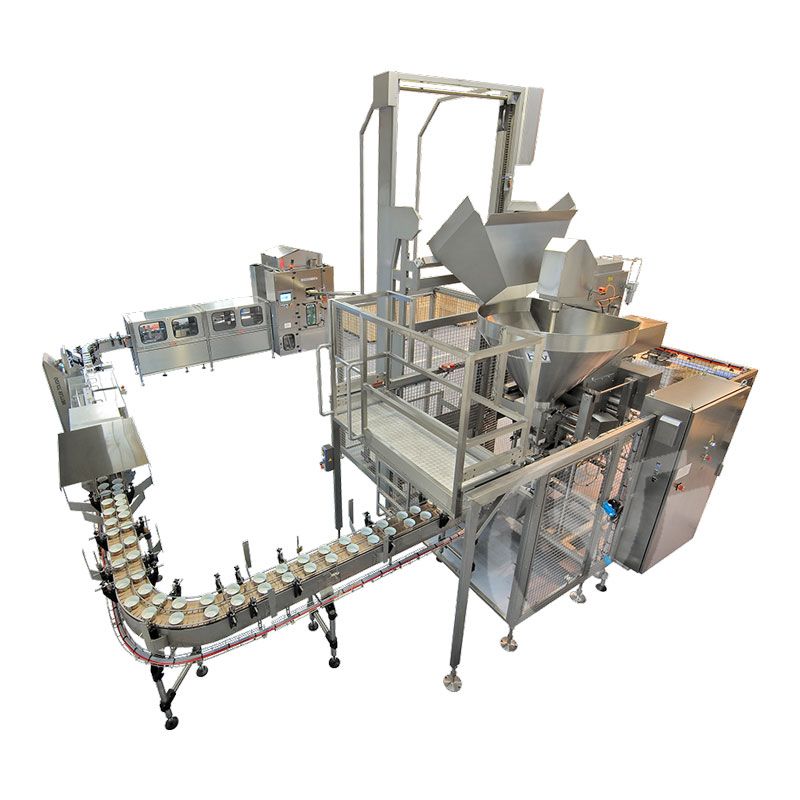 Meat Canned Food Production Line
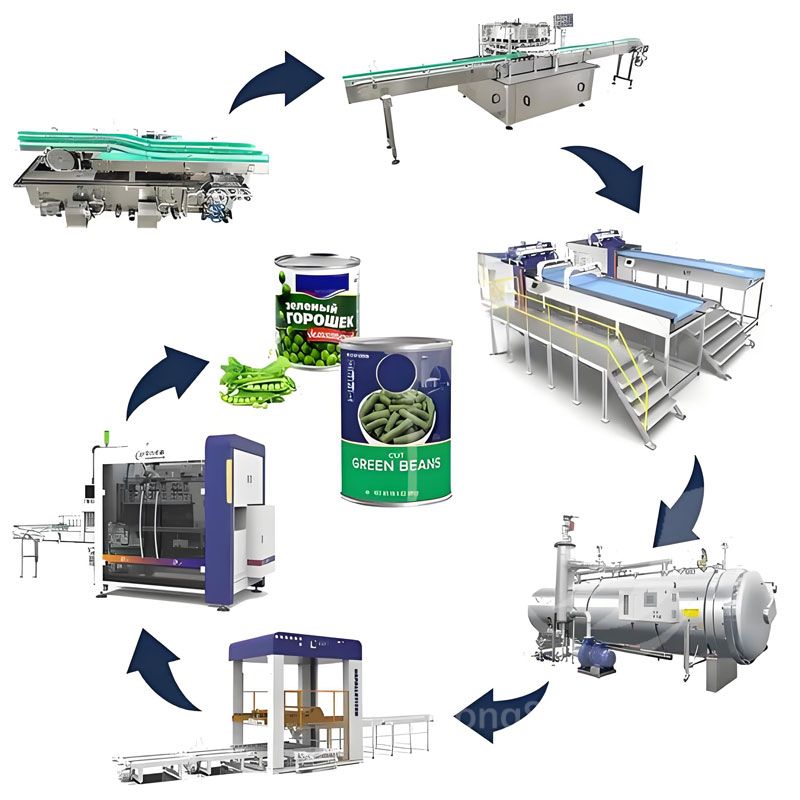 Green Bean Canned Food Production Line
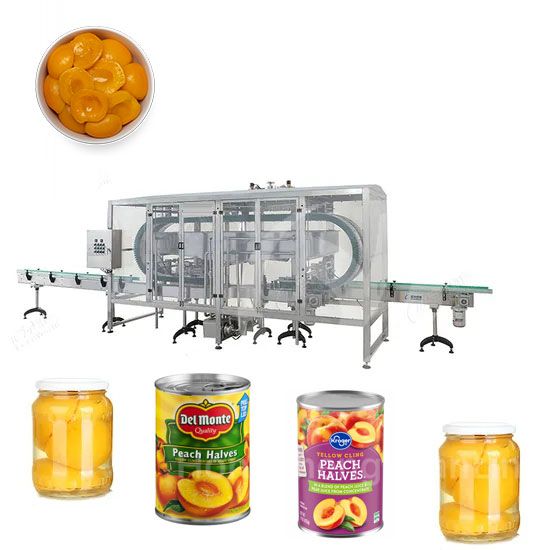 Peach Canned Food Production Line
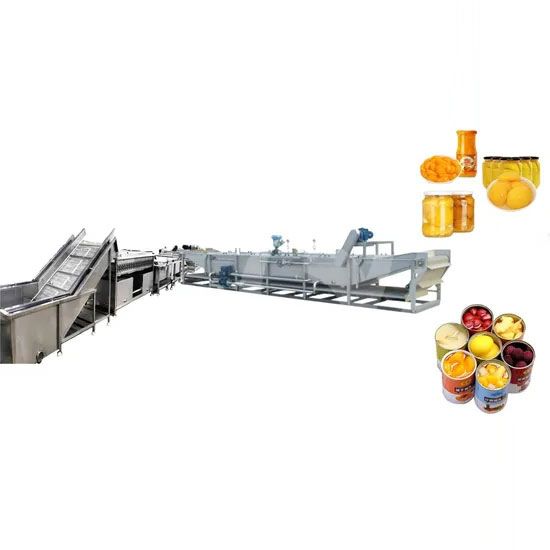 Canned Fruit Production Line Equipment
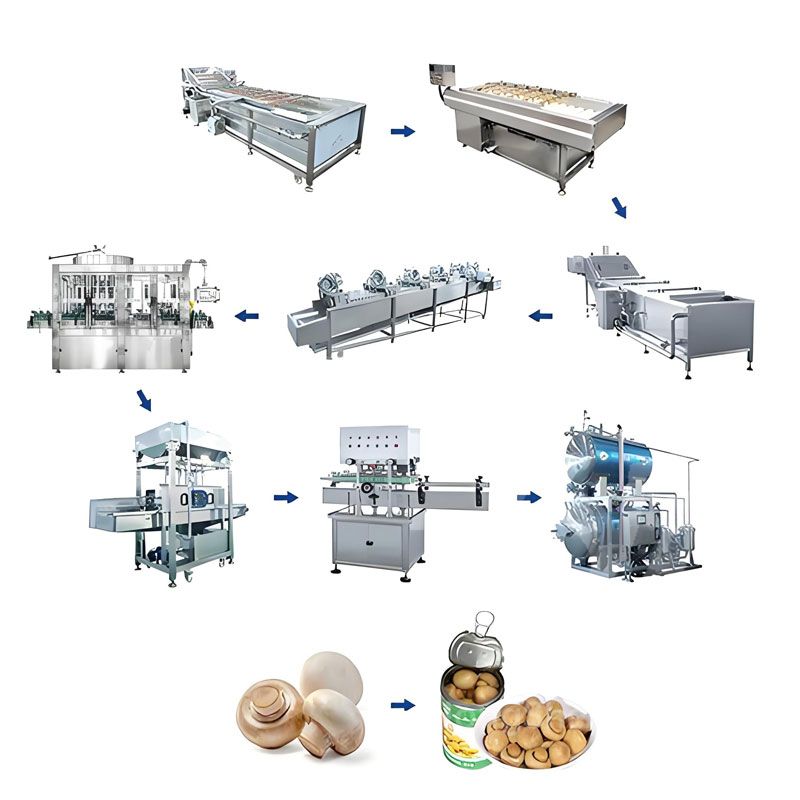 Edible Mushroom Canned Food Production Line
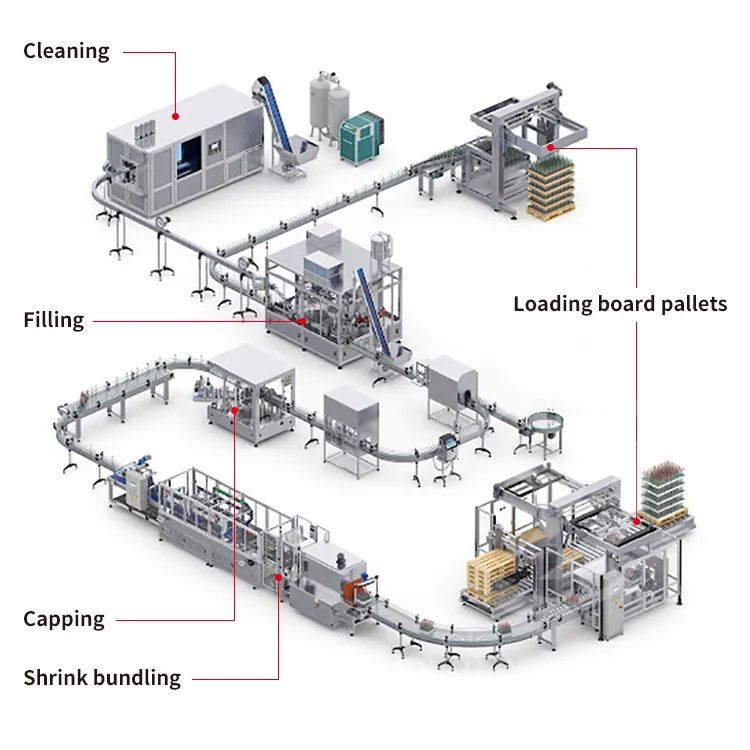 Chicken Soup Canned Production Line
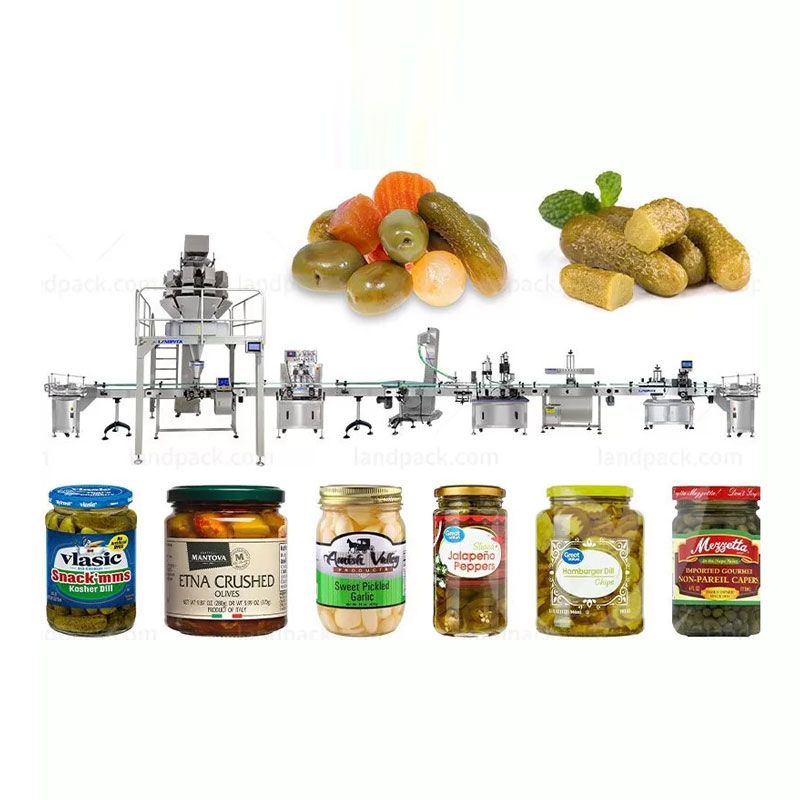 Cucumber Canned Production Line
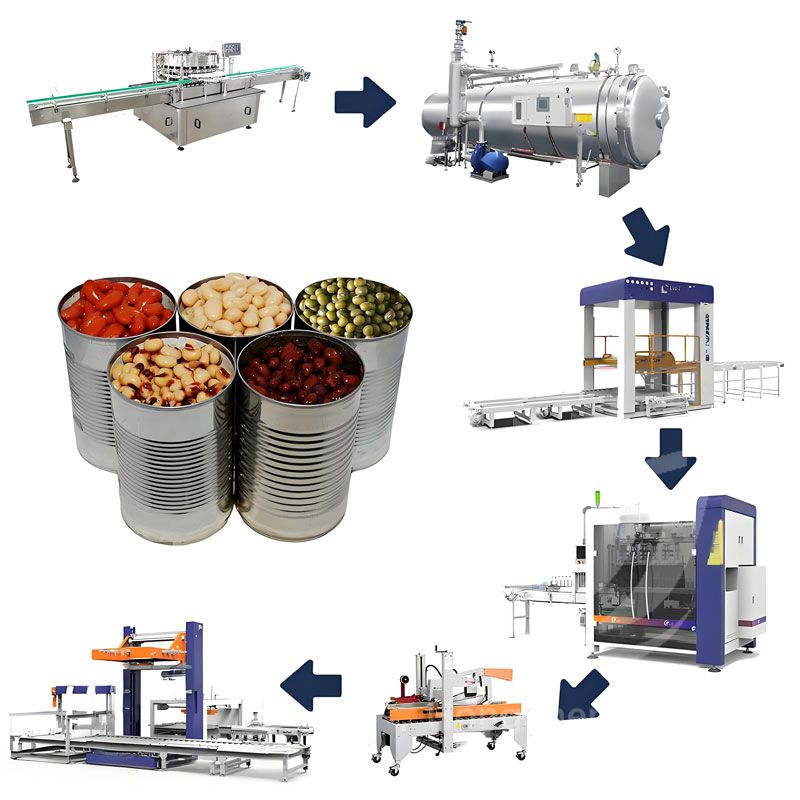 Canned Beans Production Line
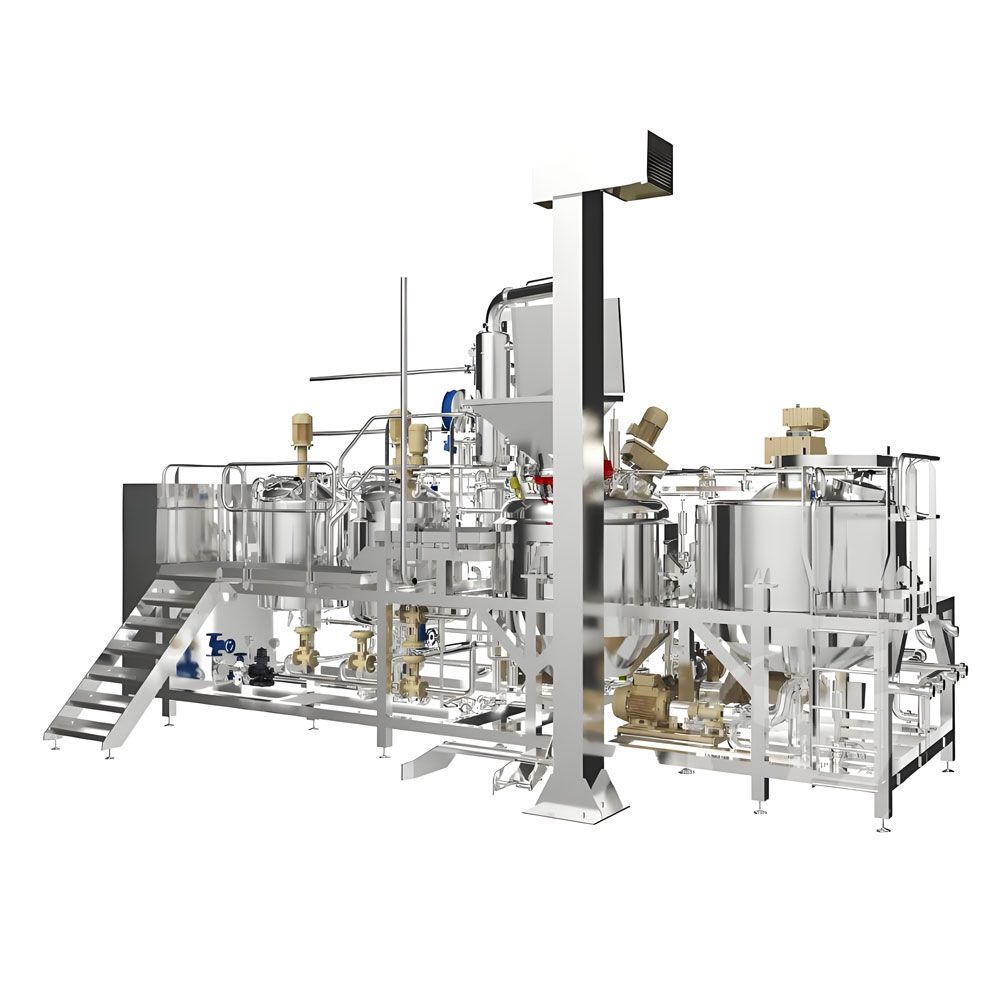 Jam Canned Production Line
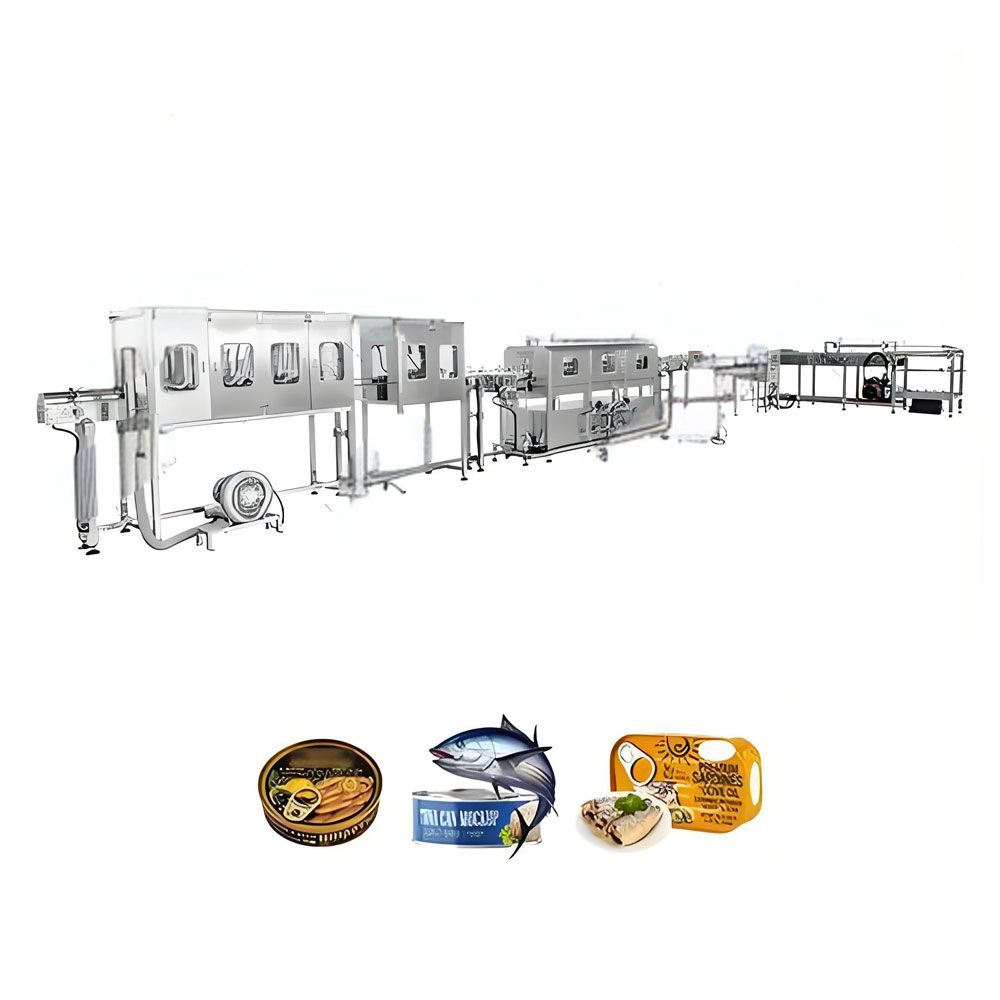 Canned Sardine Production Line Equipment
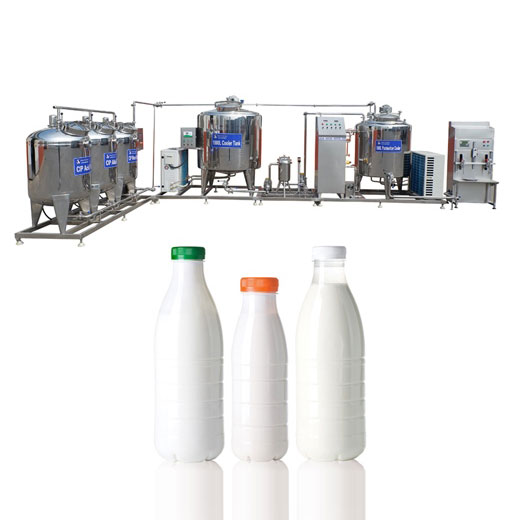 Milk Production Line
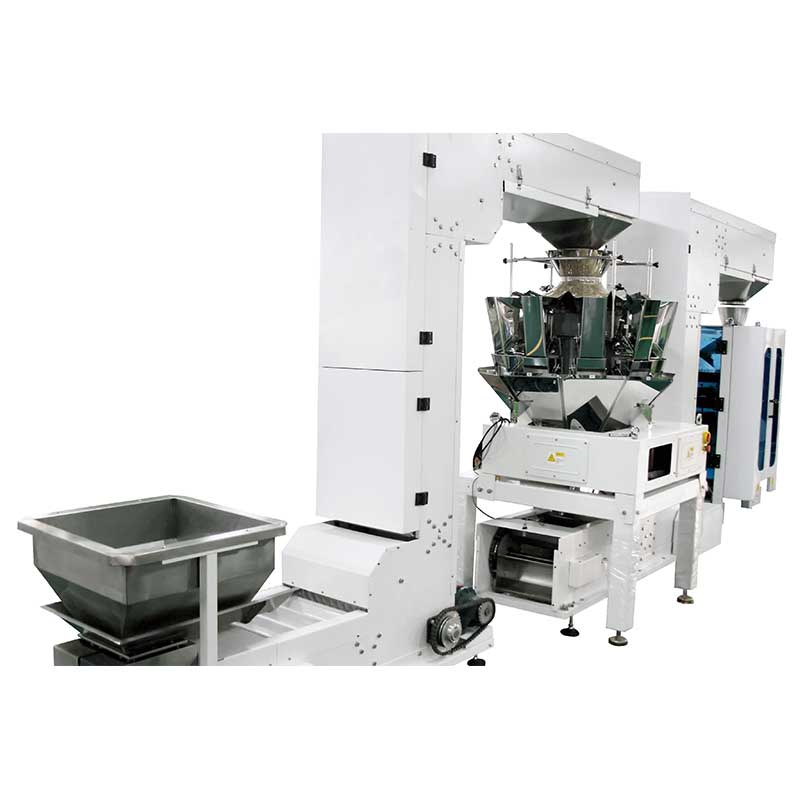 Two-Stage Feeding (Minimum Height) Vertical Packaging System
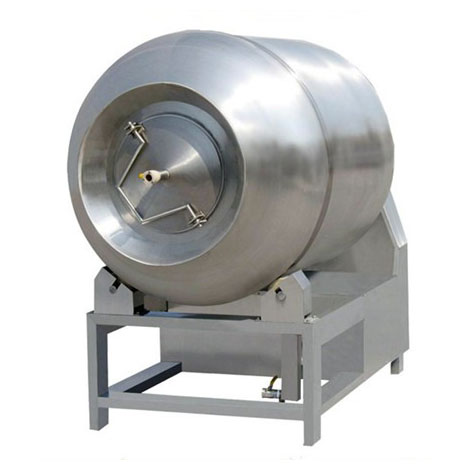 Vacuum Meat Tumbler
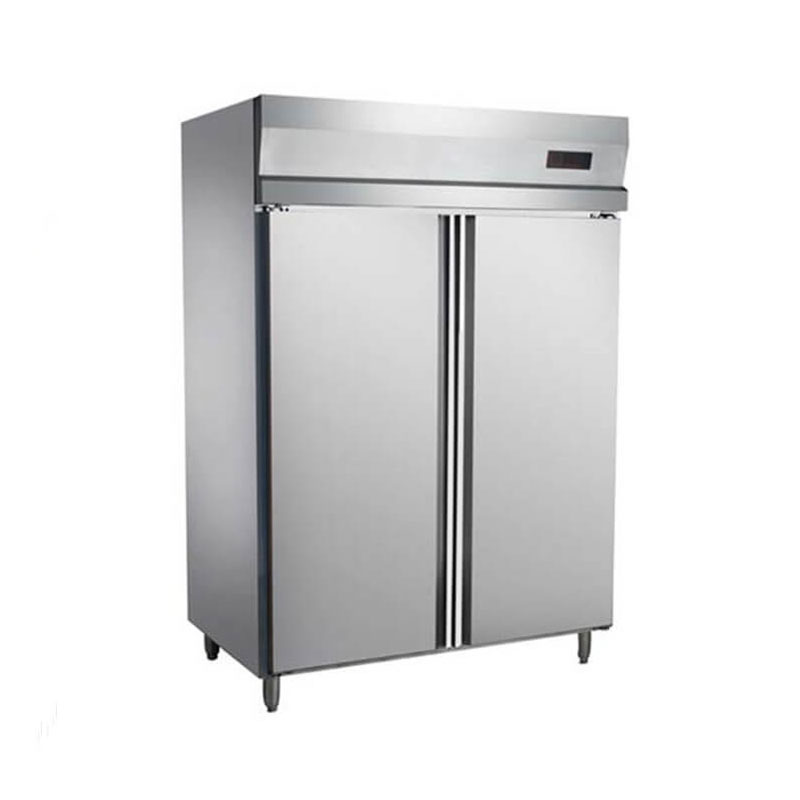 Blast Freezer
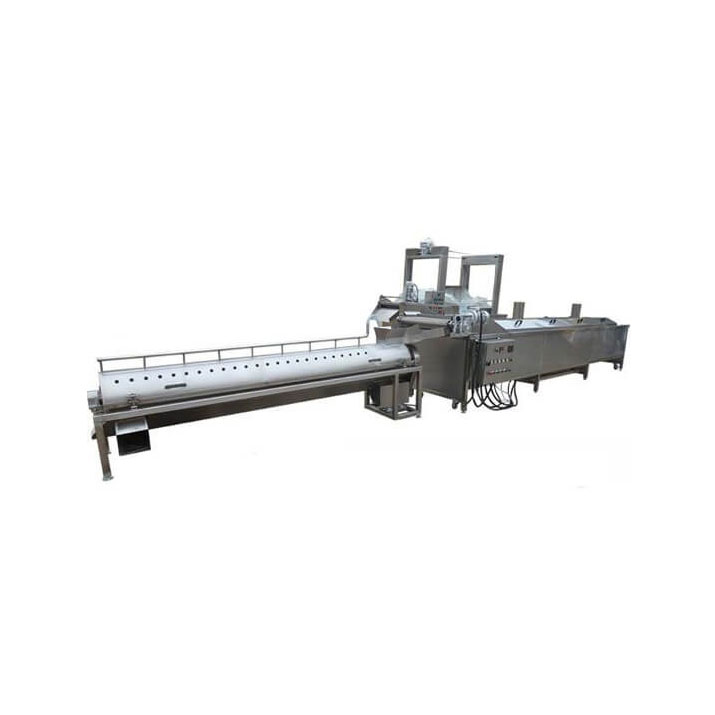 Chicken Feet Peeling Production Line
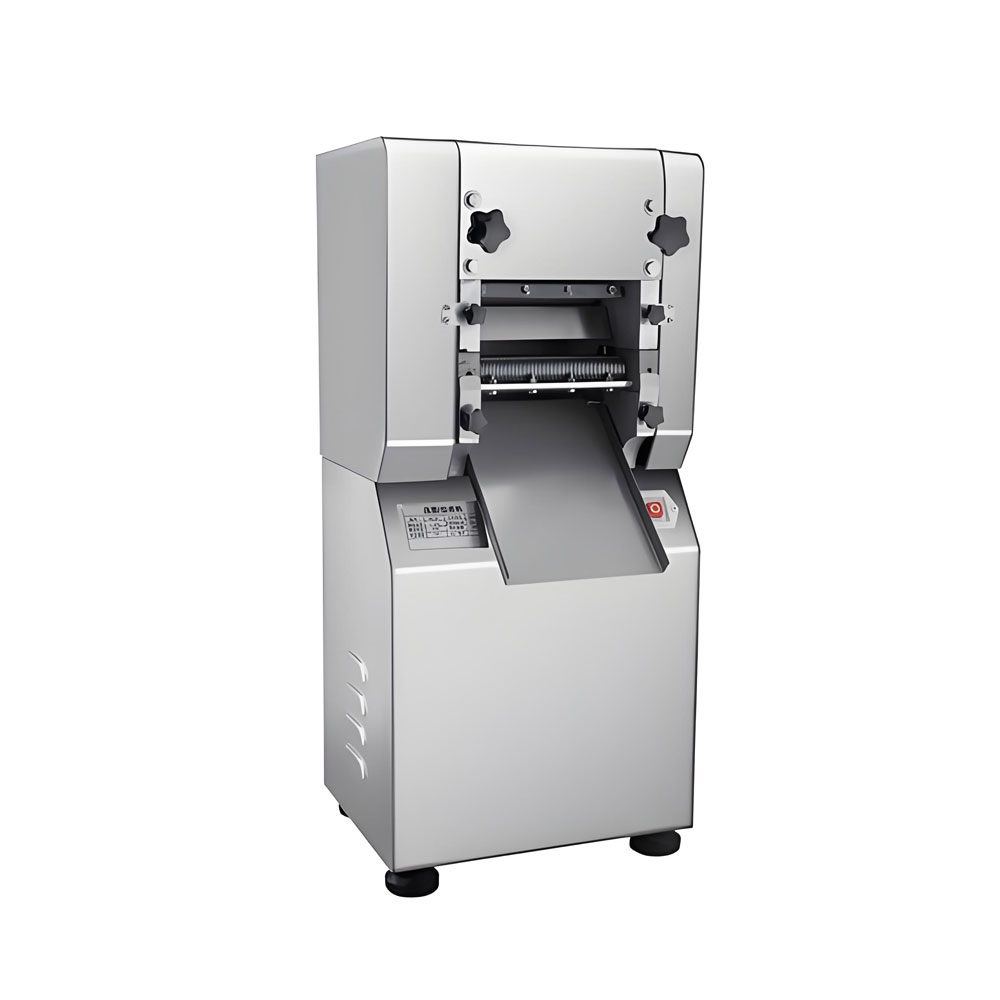 Multifunctional Noodle Making Machine