
Tomato Processing Line - Chinese Manufacturer, Factory, Supplier
Engineering Parameters for High-Concentration Tomato Processing
| Operational Stage | Technical Specification | Engineering Advantage |
|---|---|---|
| Intake Capacity | 2 – 60 Tons per Hour (Raw Material) | Hydraulic Flume Unloading |
| Concentration Target | 28-30% or 36-38% Brix Paste | Multi-Effect Forced Circulation |
| Refining Precision | 0.5mm – 1.2mm Adjustable Screens | Low-Waste Fiber Separation |
| Sterilization Core | 110°C – 125°C UHT Tube-in-Tube | Preservation of Lycopene & Color |
The Core Mechanism of Turnkey Tomato Processing Line Solutions
In high-volume tomato processing, the enzymatic inactivation phase is the most critical stage for determining the end-product's viscosity. HSYL utilizes a sophisticated Hot Break (HB) modular system that rapidly elevates the crushed tomato temperature to 85°C-90°C within seconds. This process completely deactivates the pectin-degrading enzymes, resulting in the high-viscosity "Bostwick" values required for premium ketchup production. By integrating a specialized tomato sauce production plant turnkey layout, we ensure that the distance between the crusher and the pre-heater is minimized, preventing unwanted enzyme activity.
The concentration stage is handled by our multi-effect forced circulation evaporator. Unlike standard thin-film evaporators, our forced circulation design maintains high velocities in the heat exchanger tubes. This creates high turbulence that prevents the "burning" or fouling of the tomato paste, which is the primary cause of downtime and flavor degradation in large-scale plants. Each effect is designed to recycle latent heat, significantly reducing the steam consumption per kilogram of evaporated water.
Overcoming Industry Bottlenecks: Viscosity & Color Preservation
The biggest challenge for plant managers is maintaining the vibrant red color while achieving a 36-38% Brix concentration. Our engineering team addresses this by operating the final evaporation effects under high vacuum (less than 0.2 bar), which lowers the boiling point of the tomato paste. This low-temperature evaporation prevents thermal browning and protects the Lycopene content. Furthermore, the integration of a comprehensive evaporation and concentration equipment for tomato products ensures that the residence time in high-heat zones is strictly controlled through automated flow-meter feedback loops.
For processors targeting the industrial market, our lines feature aseptic filling stations that handle 220L or 1000L bags-in-drums. The filling environment is strictly controlled with steam-injection barriers, ensuring a 24-month shelf life without the need for refrigeration or chemical preservatives.
Material Handling & Sanitary Compatibility
Tomato products are naturally acidic, requiring specialized metallurgy to prevent corrosion and metallic Taint. HSYL employs:
- AISI 316L Stainless Steel: Standard for all high-heat and high-acid zones, including the sterilizer and evaporator tubes.
- Planetary Refining Paddles: Designed for centripetal force optimization to maximize juice yield while separating seeds and skins with 99.5% efficiency.
- Hygienic Centrifugal Pumps: Engineered for soft-handling of pulpy fluids to maintain the integrity of the tomato fibers.
The entire line is synchronized via a centralized PLC interface that provides Real-Time Brix Monitoring. This allows the system to automatically adjust the flow rate into the evaporator based on the raw material's incoming sugar content, ensuring a consistent final product density regardless of harvest variability.
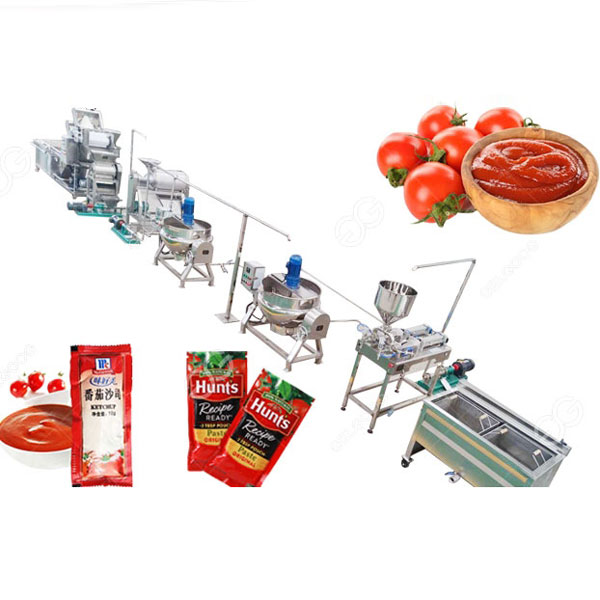 Small Scale Tomato Sauce Making Machine
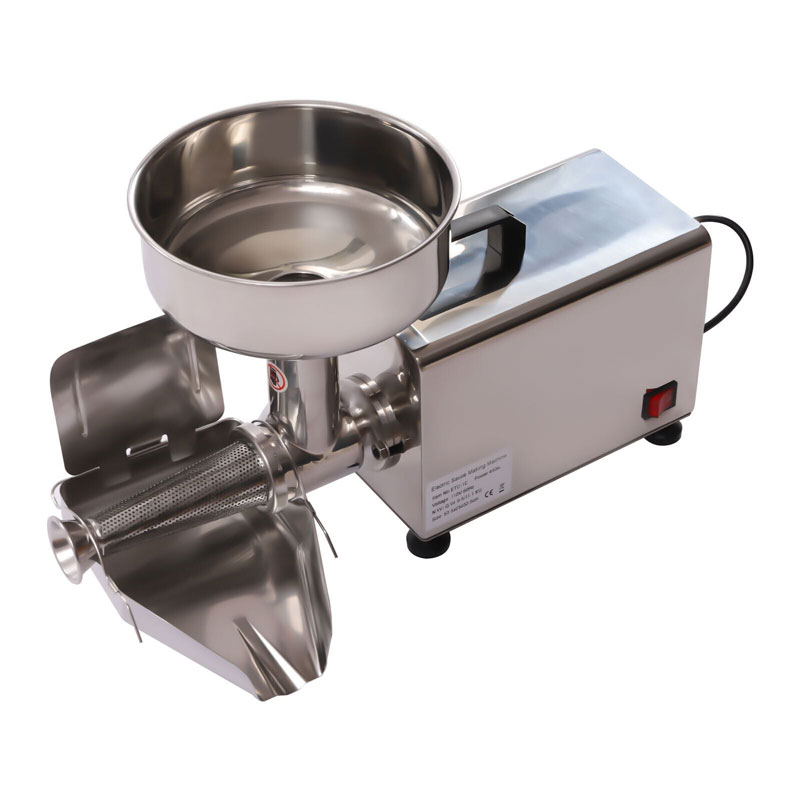 Tomato Sauce Milling Machine
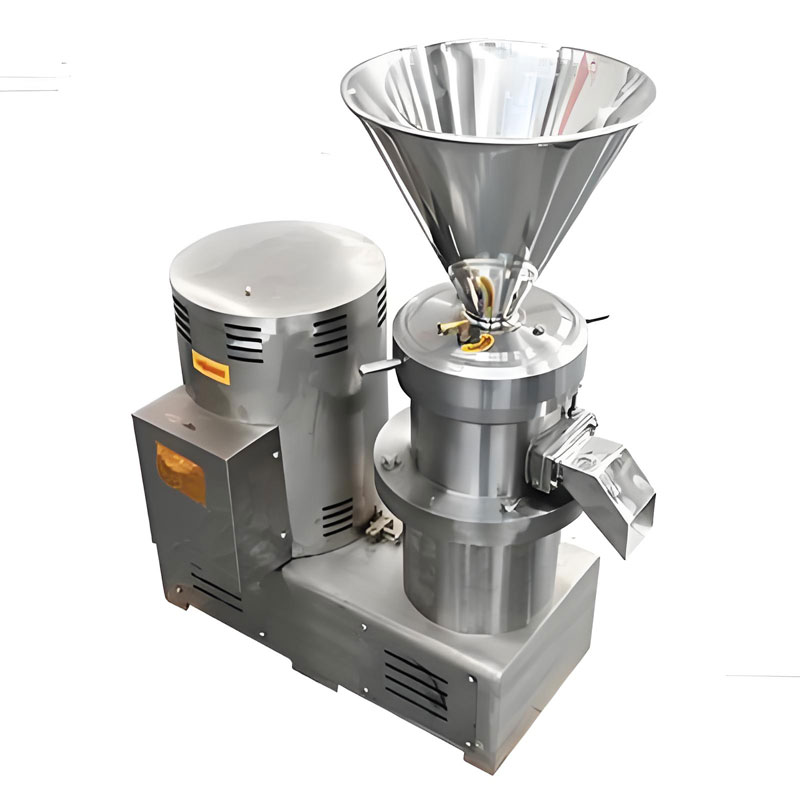 Tomato Sauce Grinding Machine
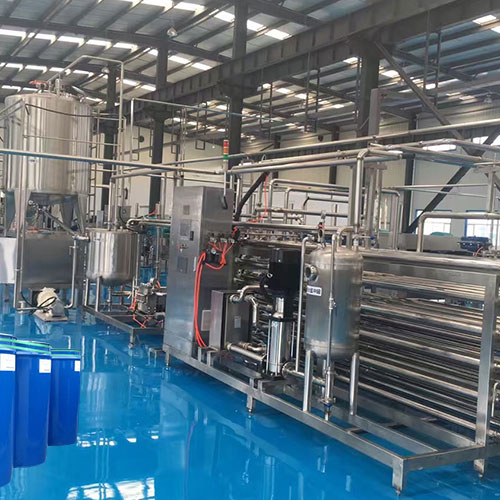 Tomato Juice Processing Production Line
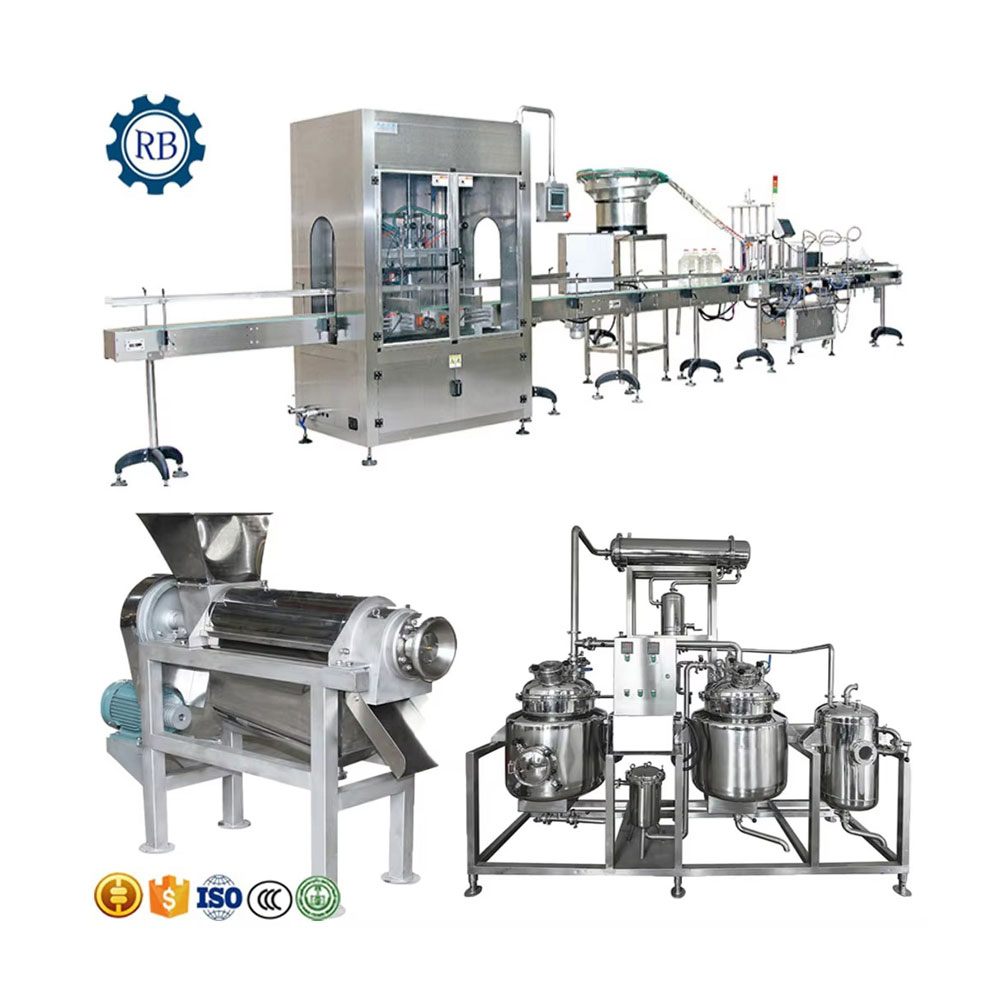 Tomato Sauce Machine
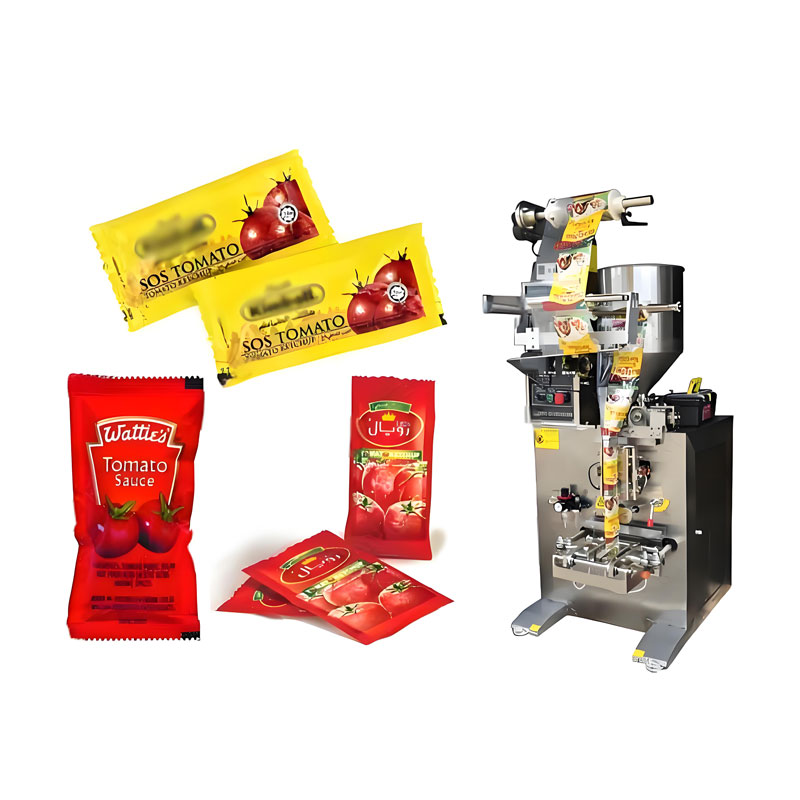 Tomato Sauce Packaging Machine
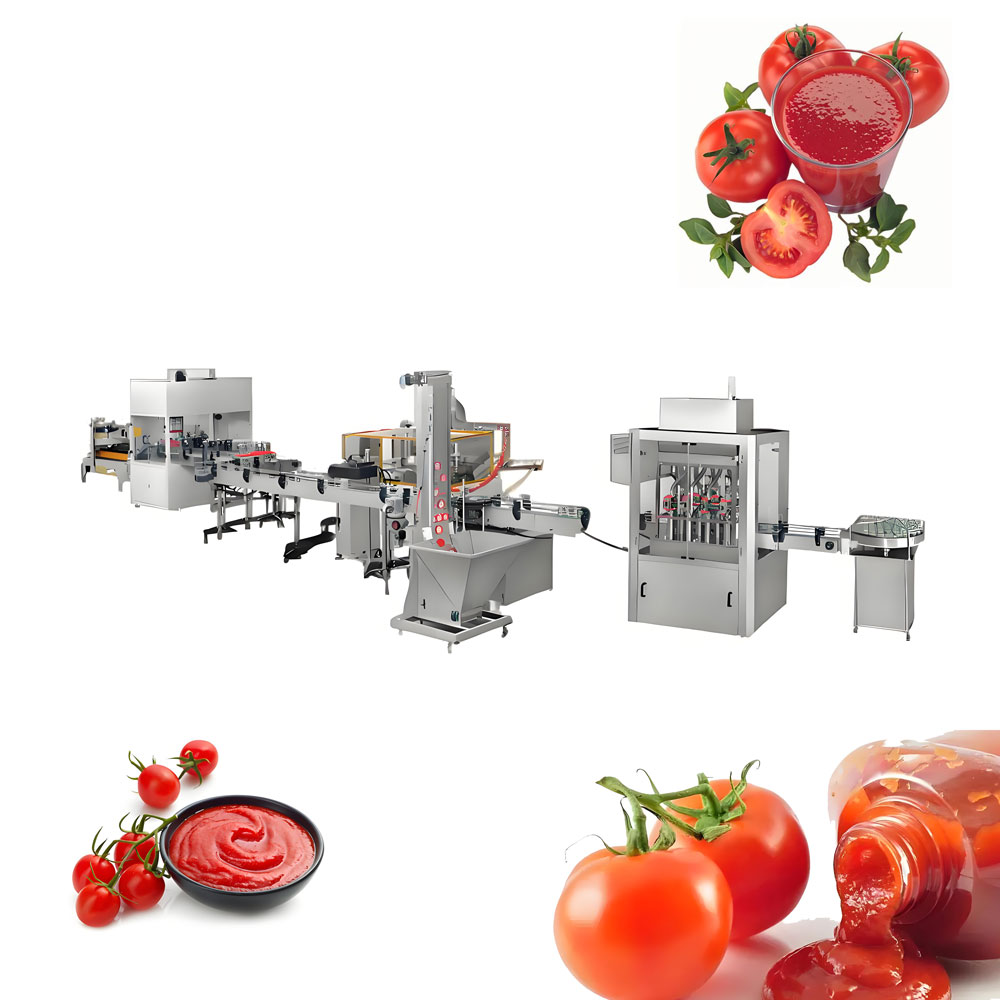 Tomato Ketchup Processing Line
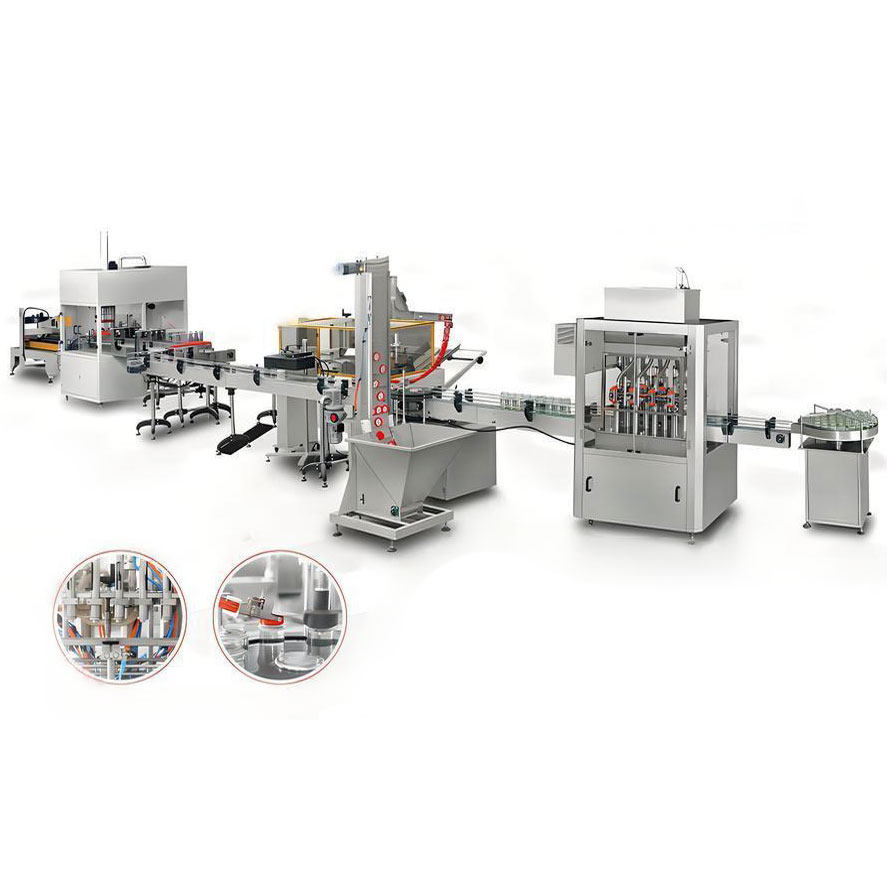 Tomato Paste Production Line
 Sardine Canned Food Production Line
 Frozen Meat Cube Cutting Machine
 Potato Chips Instant Freezer
 Tofu Production Line
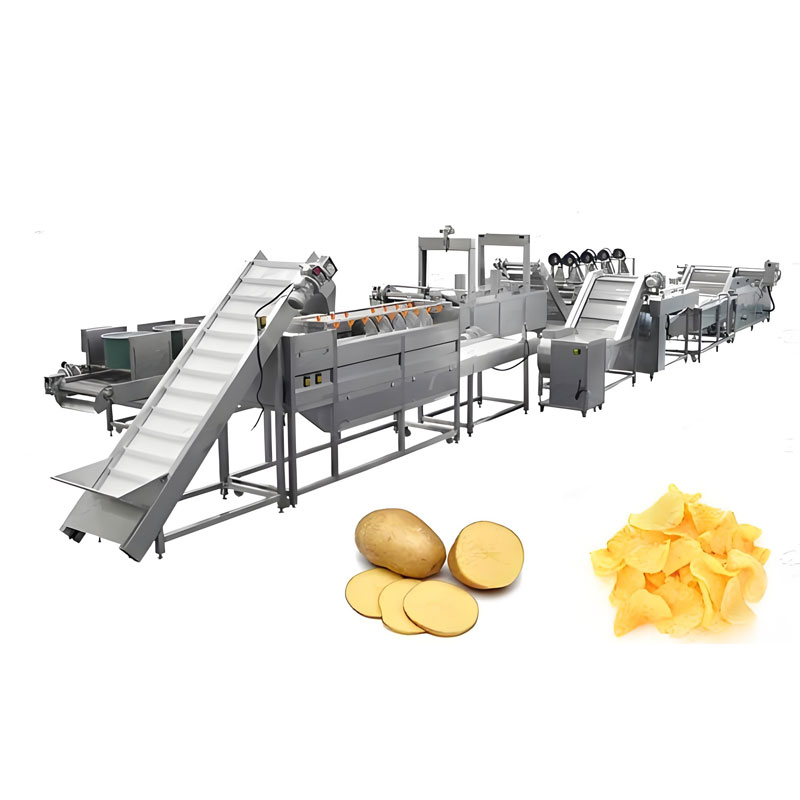 Potato Chip Line
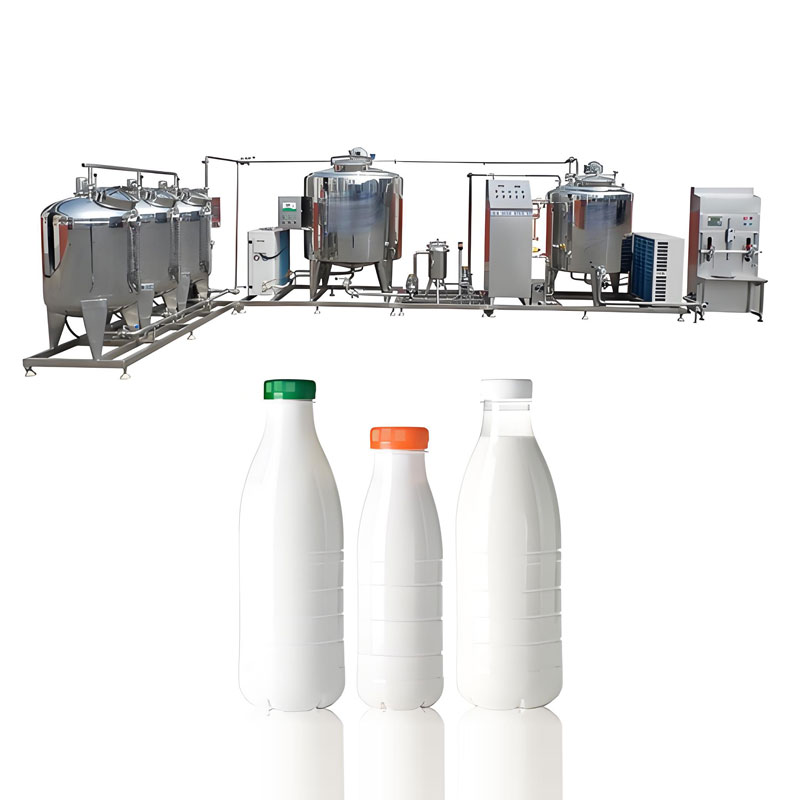 Yogurt Making Machine
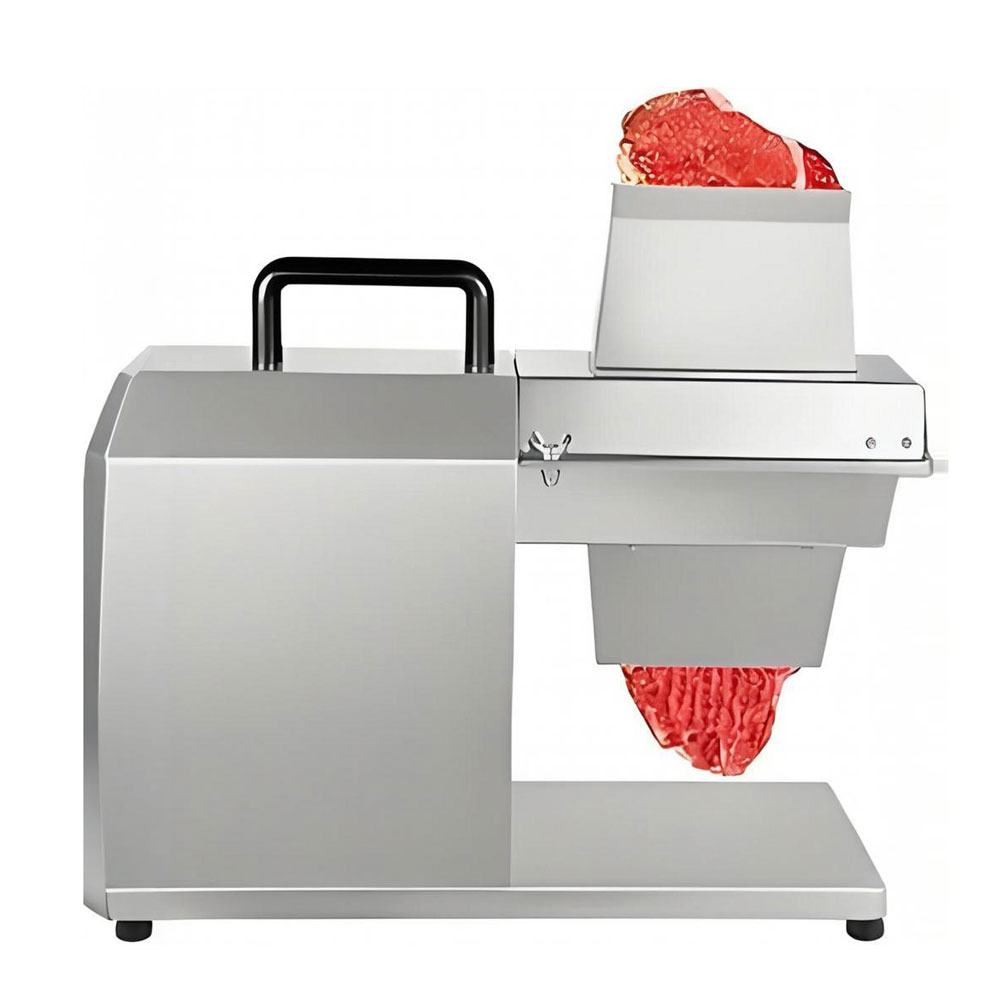 Meat Cuber Machine