
Fish Canning Production Line Supplier - Chinese Manufacturer, Factory, Supplier
Engineering Parameters for Industrial Fish Canning Solutions
| Operational Module | Technical Specification | Engineering Standards |
|---|---|---|
| Production Throughput | 150 – 500 cans per minute (CPM) | Servo-Driven Synchronization |
| Sterilization Core | 121°C Steam-Air or Water-Spray Retort | PLC-Controlled Thermal Maps |
| Filling Precision | +/- 1.5% Liquid/Dose Volume | Magnetic Flowmeter Control |
| Material Grade | SUS316L / SUS304 Stainless Steel | HACCP & FDA Compliant |
The Core Mechanism of Turnkey Fish Canning Production
As a specialized fish canning production line supplier, HSYL focuses on the seamless transition from raw material handling to hermetic sealing. Our lines integrate automated scaling and gutting modules that use high-speed optical sensors to ensure anatomical precision, minimizing meat loss during the portioning phase. The filling station utilizes high-accuracy piston or vacuum-gravity dispensers for oil and tomato sauce, ensuring that the target drained weight is met with a variance of less than 2.0g. By integrating a specialized canned fish production line architecture, we synchronize the inflow of processed proteins with high-speed can seaming, preventing the protein oxidation that occurs during line lag.
Success in large-scale fish processing requires mastering the thermal penetration curve. Our turnkey solutions employ multi-stage retort systems that utilize dual-sensor arrays to monitor the F0 value in real-time. This ensures that every can of sardine or mackerel reaches commercial sterility at 121°C without over-processing the delicate connective tissues of the fish, maintaining the structure and flavor profile required for premium retail markets.
Hygiene & Automation Synergy
Our engineering philosophy revolves around Sanitation-by-Design. Every component in the fluid handling path is constructed from acid-resistant SUS316L stainless steel, specifically chosen to withstand the high-salinity brines used in tuna and mackerel processing. The control architecture is built on a distributed PLC network, allowing for centralized Overall Equipment Effectiveness (OEE) monitoring. We integrate a dedicated sterilization equipment for fish canning production line that features automated cage loading and unloading, significantly reducing the manual labor overhead and eliminating the human error factor in critical thermal processing stages.
The system utilizes Clean-In-Place (CIP) manifolds with automated spray balls, ensuring that fish oils and proteins are completely removed from the filler heads during shift changes. This level of hygiene automation is mandatory for facilities aiming for Global Food Safety Initiative (GFSI) certification or exporting to high-regulation markets like the EU and USA.
Final Configurations & Business Impact
Investing in a fully automated HSYL fish canning line provides immediate business advantages through yield optimization and regulatory compliance:
- Increased Drained Weight Yield: Minimized protein loss during the steam-cooking and filling phases through precision portioning.
- Reduced Utility Overhead: Retort systems engineered for 25% lower steam consumption via advanced heat recovery loops.
- Retail Versatility: Modular seaming heads that allow for rapid changeovers between round, oval, and club cans.
Our role as your solution provider continues through the Factory Acceptance Testing (FAT) and on-site commission. We provide full 3D layout documentation to ensure the utilities, including high-pressure steam and compressed air, are optimized for the specific footprint of your facility.
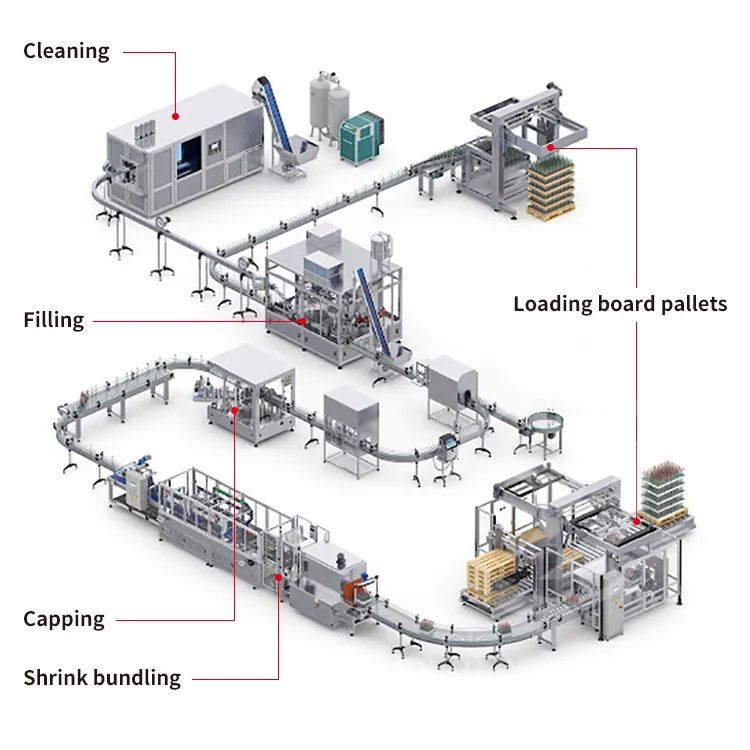 Aseptic Canning Production Line Equipment
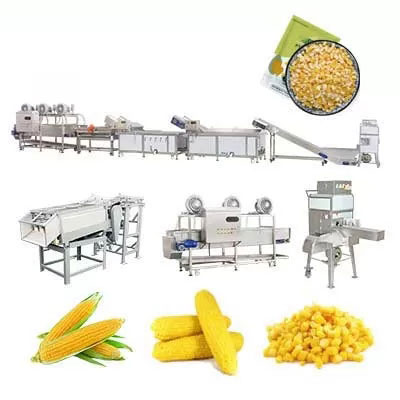 Sweet Corn Canning Production Line
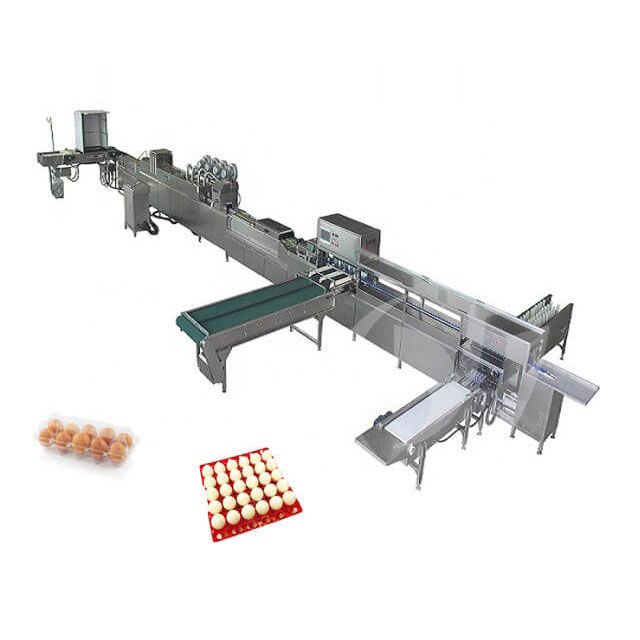 Egg Canning Production Line
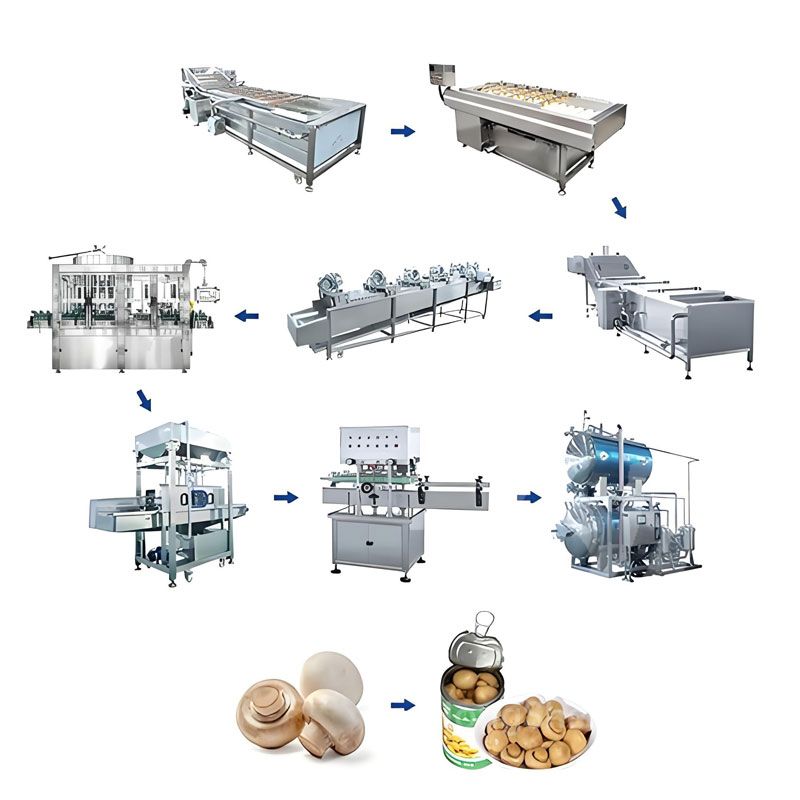 Button Mushroom Canning Production Line
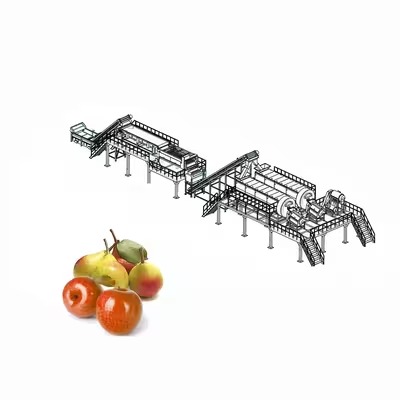 Apple Canning Production Line
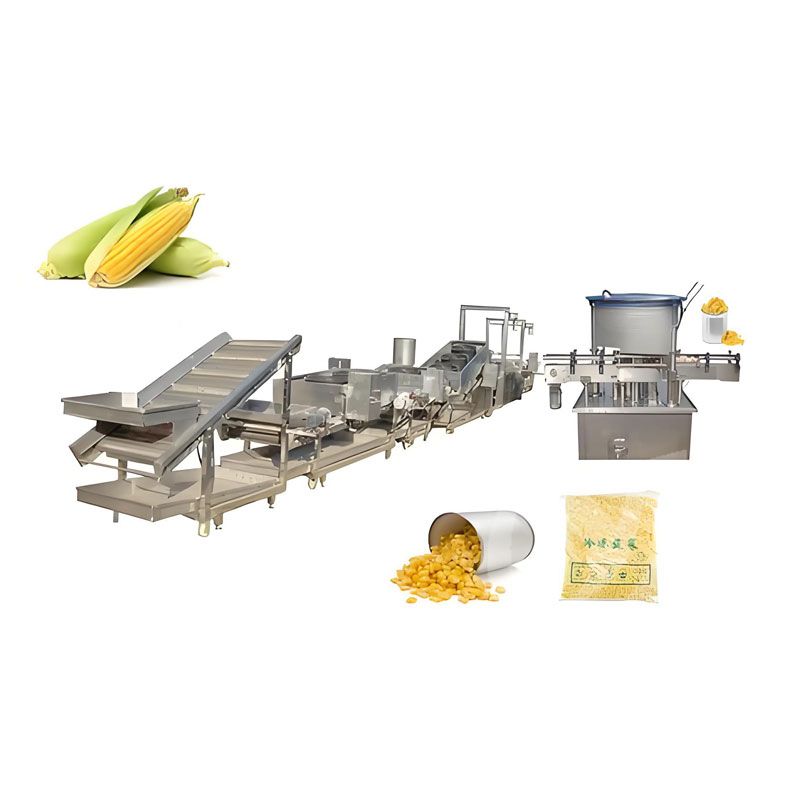 Corn Canning Production Line
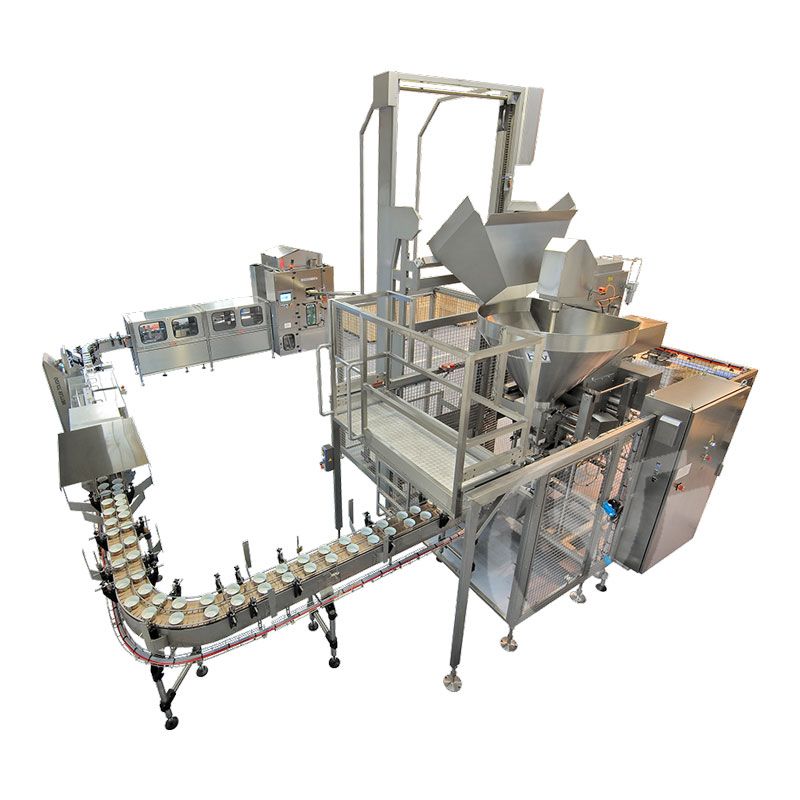 Meat Canned Food Production Line
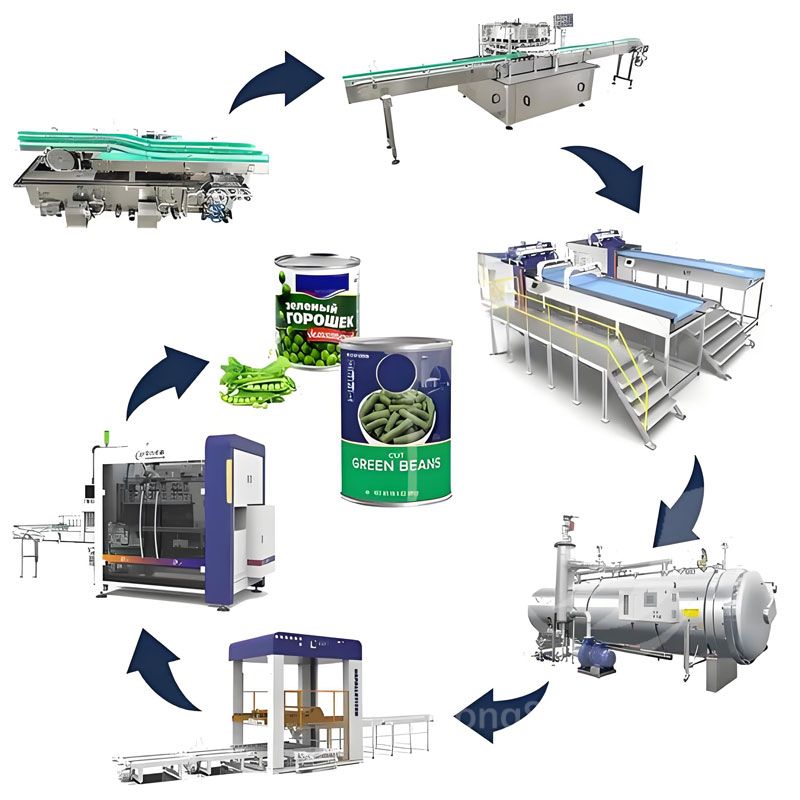 Green Bean Canned Food Production Line
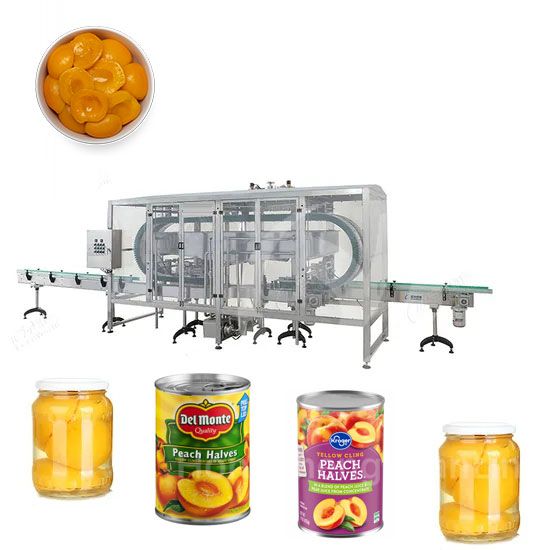 Peach Canned Food Production Line
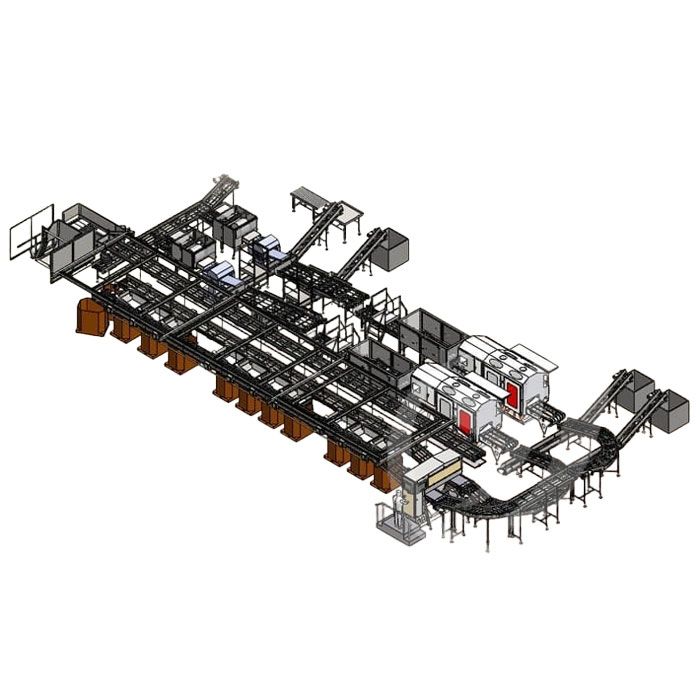 Braised Pork Belly Can Production Line
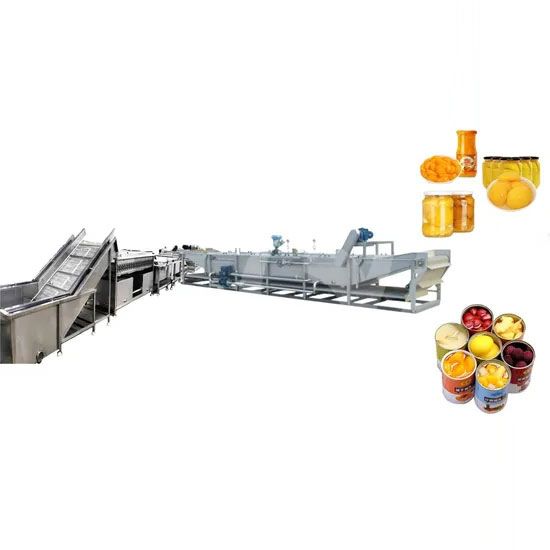 Canned Fruit Production Line Equipment
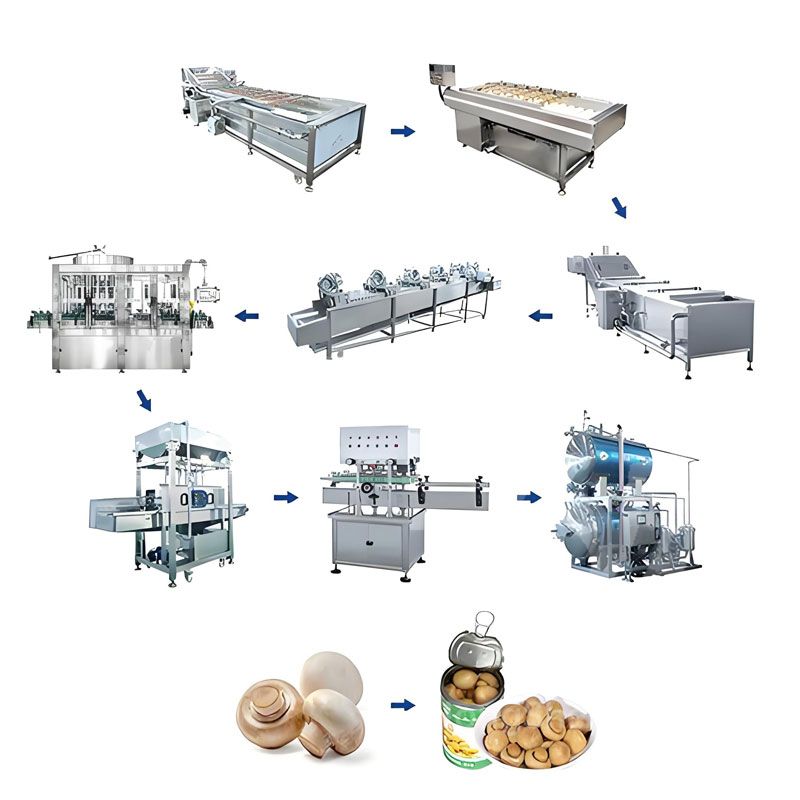 Edible Mushroom Canned Food Production Line
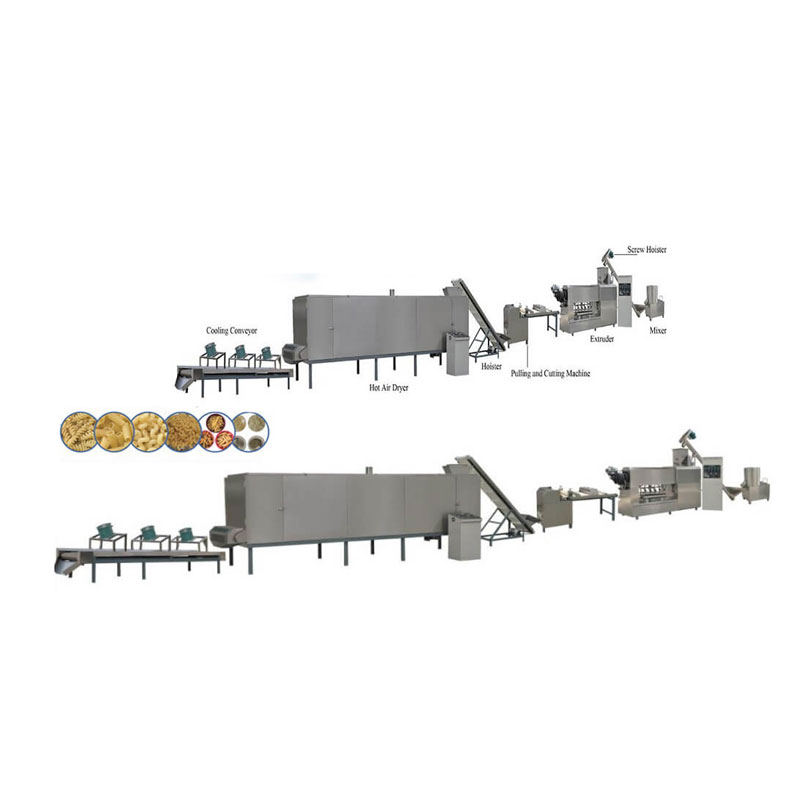 Pasta Production Line
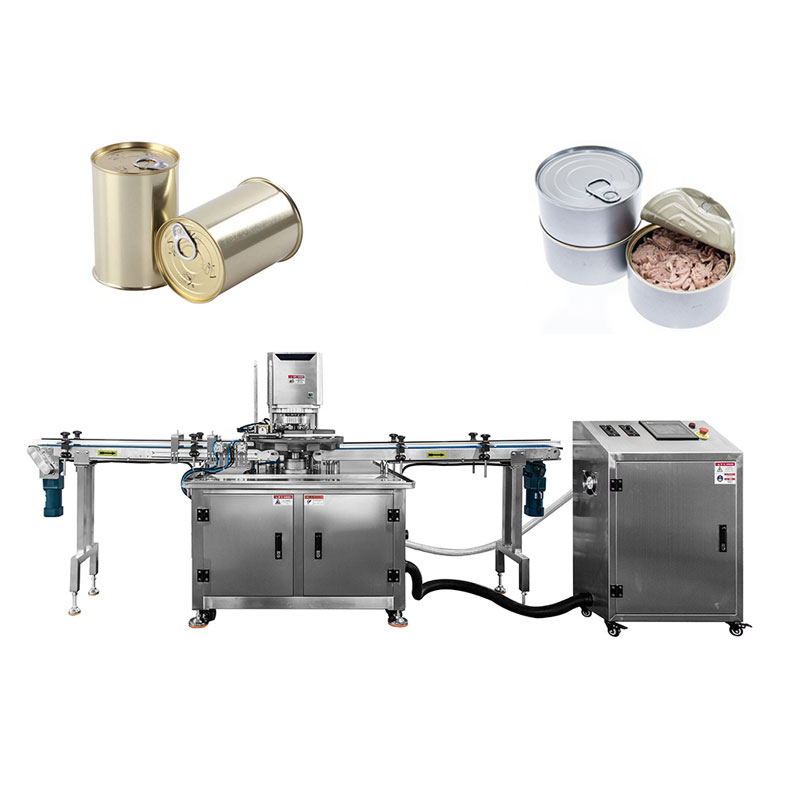 Automatic Can Sealing Machine
 Jam Canned Production Line
 Robotic Rice Production Line
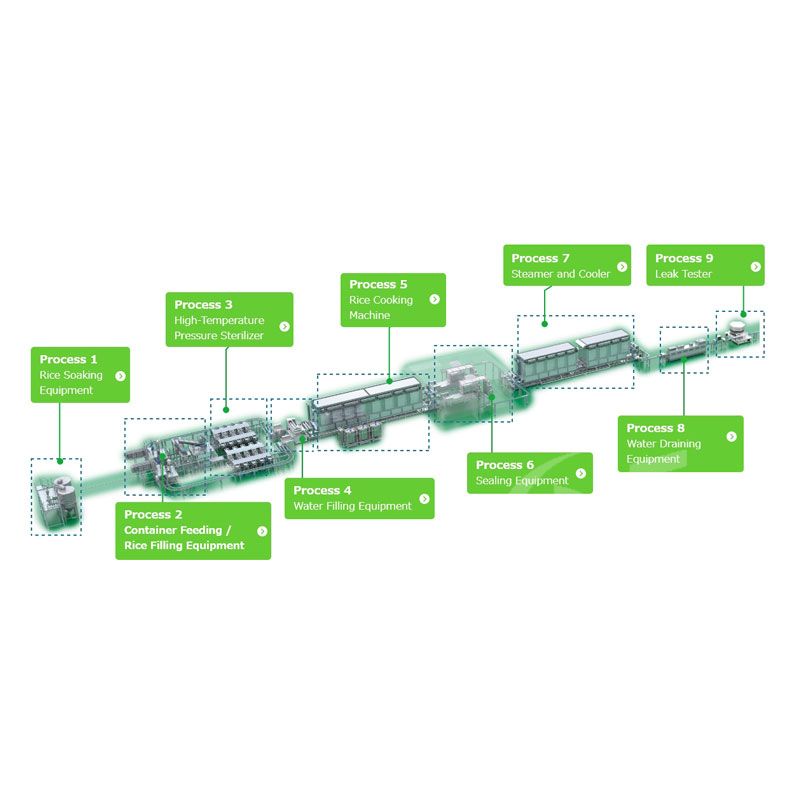 Aseptic Rice Production Line
 Pasteurized Milk Processing Line
 Quail Egg Processing Line