
Automatic Canning Production Line - Chinese Manufacturer, Factory, Supplier
Advanced Engineering Parameters for Industrial Canning
| Specification Category | Technical Details |
|---|---|
| Standard Throughput | 2,000 - 12,000 CPH |
| Contact Material | Food-Grade SUS316L / SUS304 |
| Sealing Method | High-Precision Double Seaming |
| Control Interface | Integrated PLC & HMI Touchscreen |
| Thermal Capacity | Compatible with 121°C Retort Sterilization |
The Core Mechanism: Precise Filling & Hermetic Sealing
The HSYL automatic canning production line is engineered to solve the critical issue of volumetric inconsistency and oxidation. The process begins with a synchronized conveyor system that manages container spacing with micron-level accuracy. As containers enter the filling station, high-speed piston or flow meters dispense the product—whether it be liquid, paste, or solid—ensuring a minimal deviation of ±1.5%.
Following the filling stage, the containers undergo a high-torque seaming process. This stage is critical for creating a permanent, airtight seal that protects the product from microbial ingress. By utilizing optimized mechanical pressure, our system prevents the common "leaky can" failures found in lower-tier equipment, making it a perfect complement to high-standard vegetable processing equipment workflows.
Hygiene & Automation Synergy
Maintaining a sterile environment is the backbone of modern food engineering. Our canning lines are built with a Sanitary Design Philosophy, featuring smooth, welded surfaces and zero dead-angle geometries to prevent product accumulation. The integration of an automated CIP (Clean-In-Place) system allows for rapid, thorough sanitation of the internal filling mechanisms without requiring complete mechanical disassembly.
Furthermore, the entire line is driven by an intelligent PLC control system, allowing operators to monitor real-time pressure and temperature metrics. This level of automation not only reduces manual labor but also ensures every batch meets strict HACCP and FDA compliance standards.
Final Configurations & Commercial ROI
The versatility of our turnkey canning solutions allows for rapid switching between different product categories to maximize factory utility. Depending on your specific market needs, the line can be configured for:
- Canned Seafood: High-speed handling for tuna, salmon, or shellfish in brine or oil.
- Fruit & Vegetable Preserves: Precise handling of delicate items like pineapple slices or corn kernels.
- Meat Products: Robust processing for canned poultry or processed meat products.
By optimizing the transition from raw processing to final packaging, HSYL helps manufacturers achieve higher yields and significantly lower the cost per unit produced.
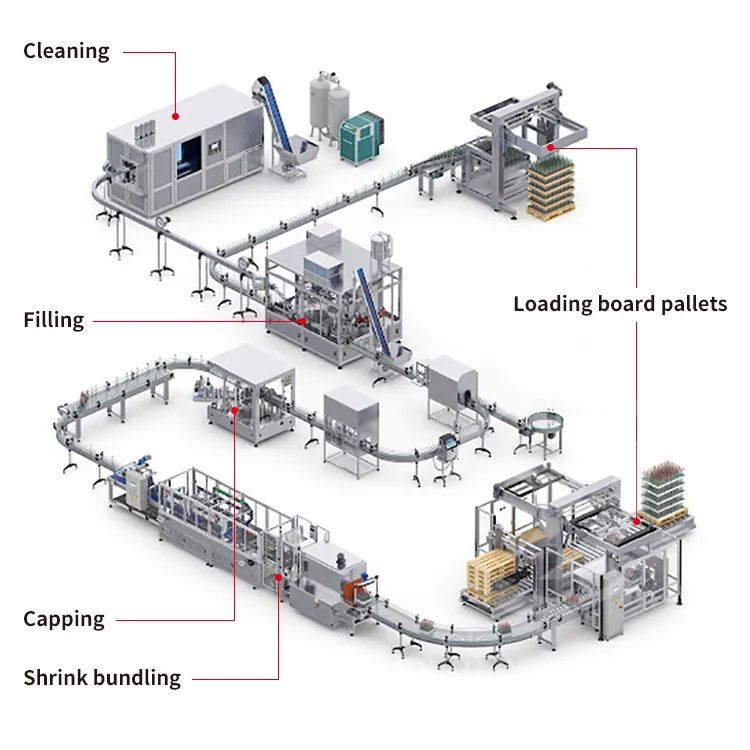 Aseptic Canning Production Line Equipment
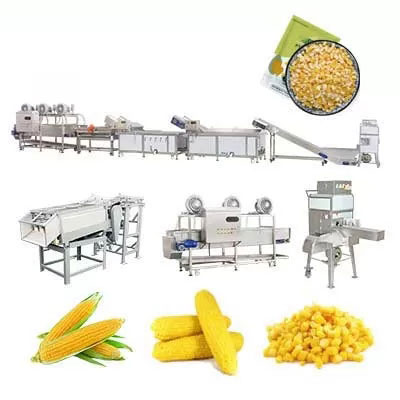 Sweet Corn Canning Production Line
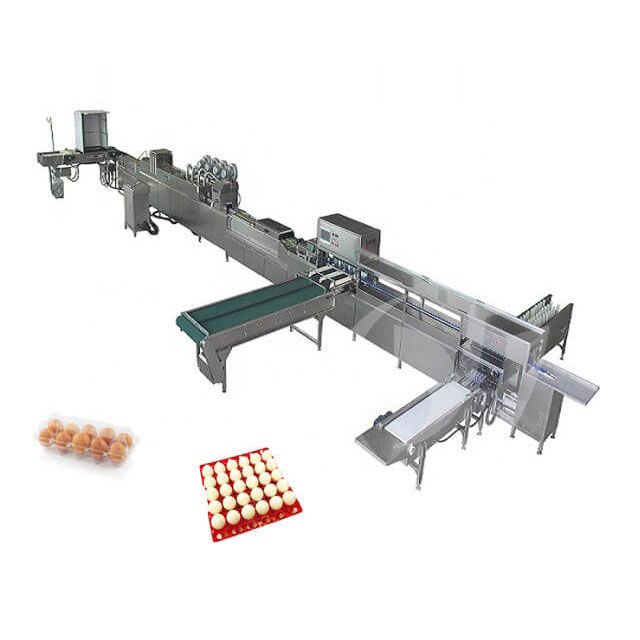 Egg Canning Production Line
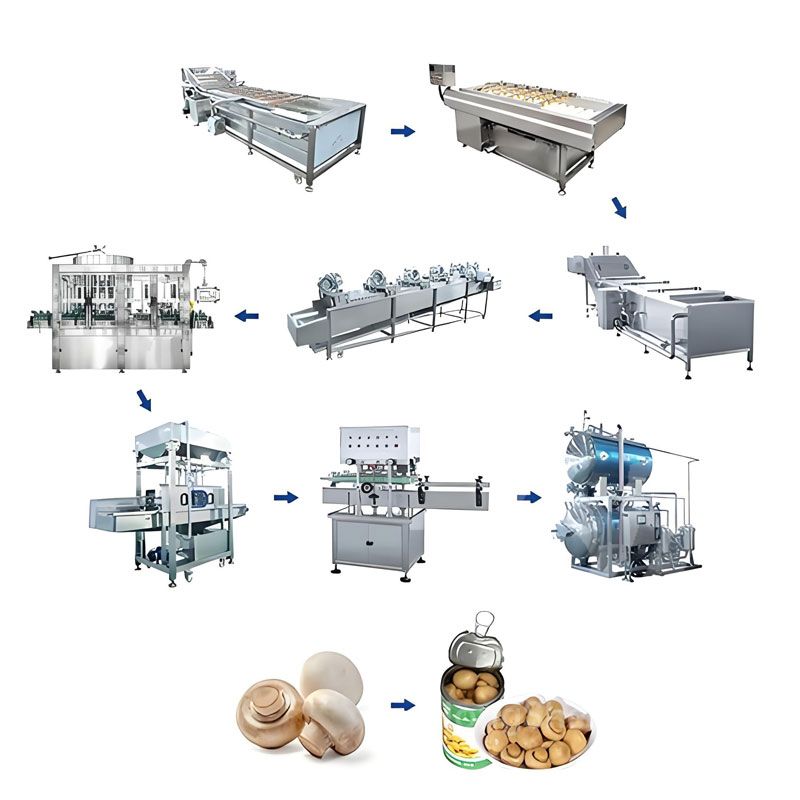 Button Mushroom Canning Production Line
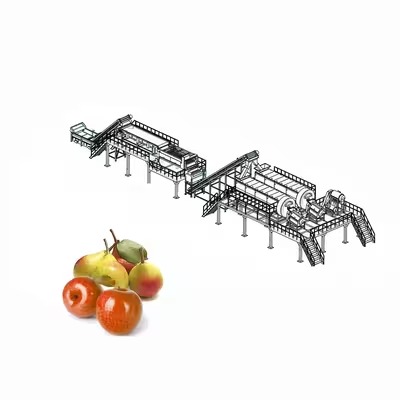 Apple Canning Production Line
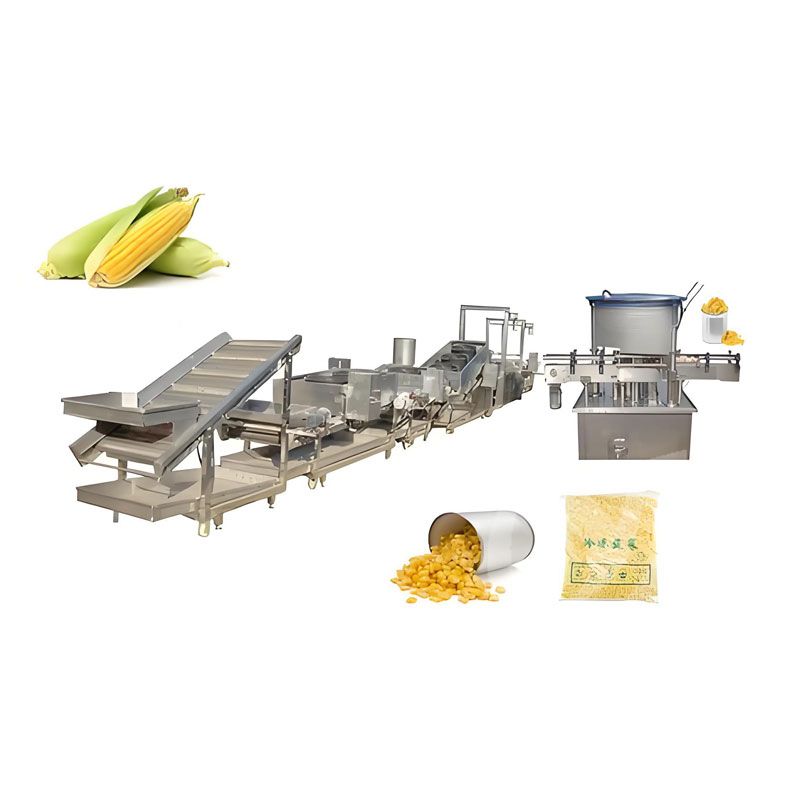 Corn Canning Production Line
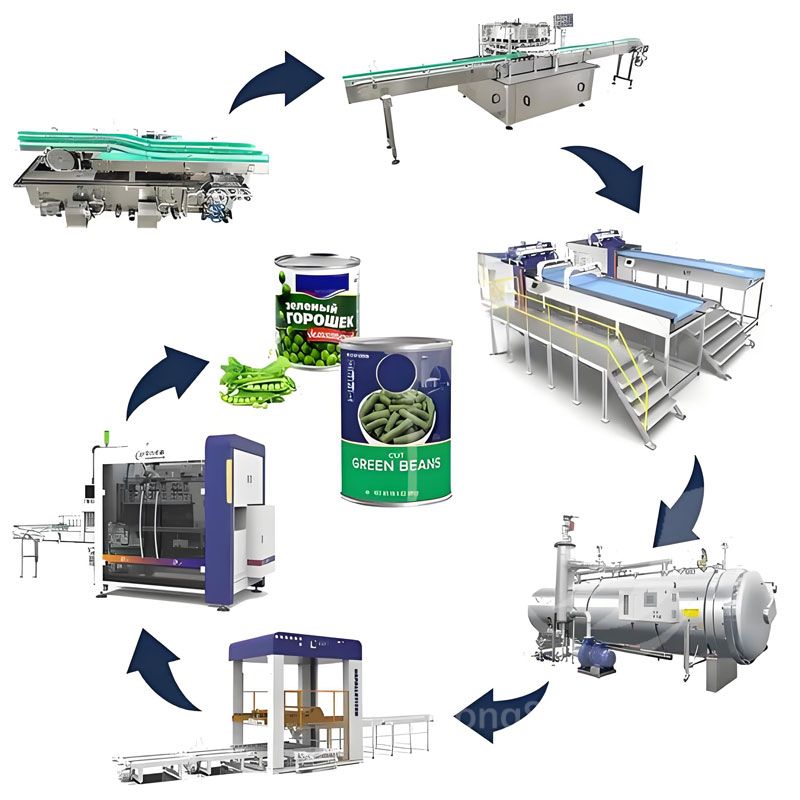 Green Bean Canned Food Production Line
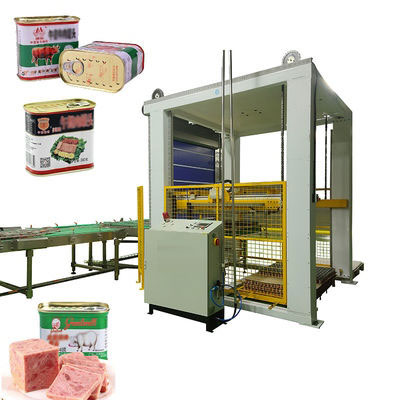 Canned Meat Production Line
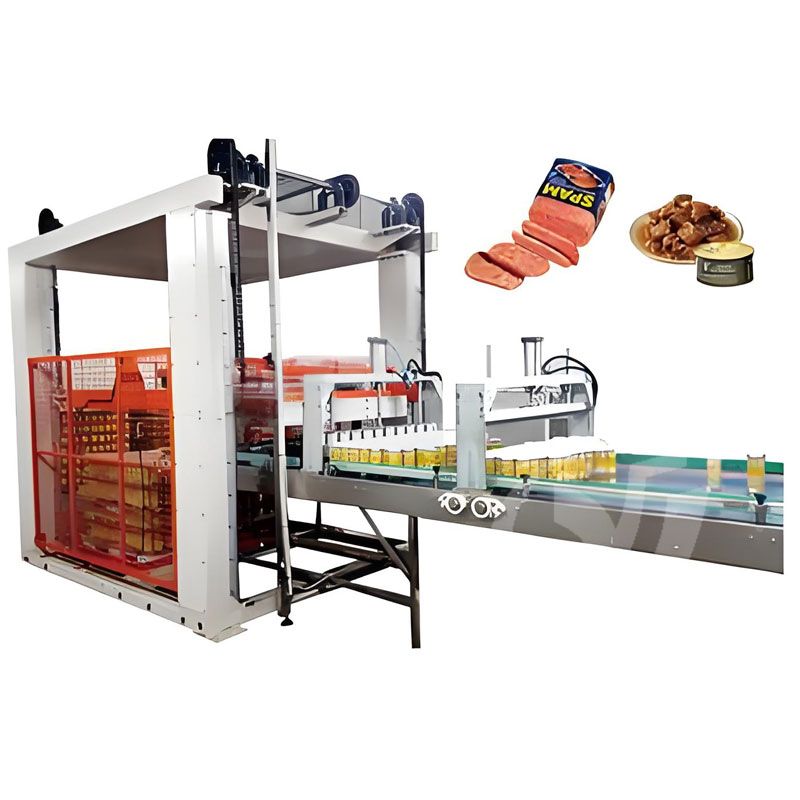 Canned Luncheon Meat Production Line
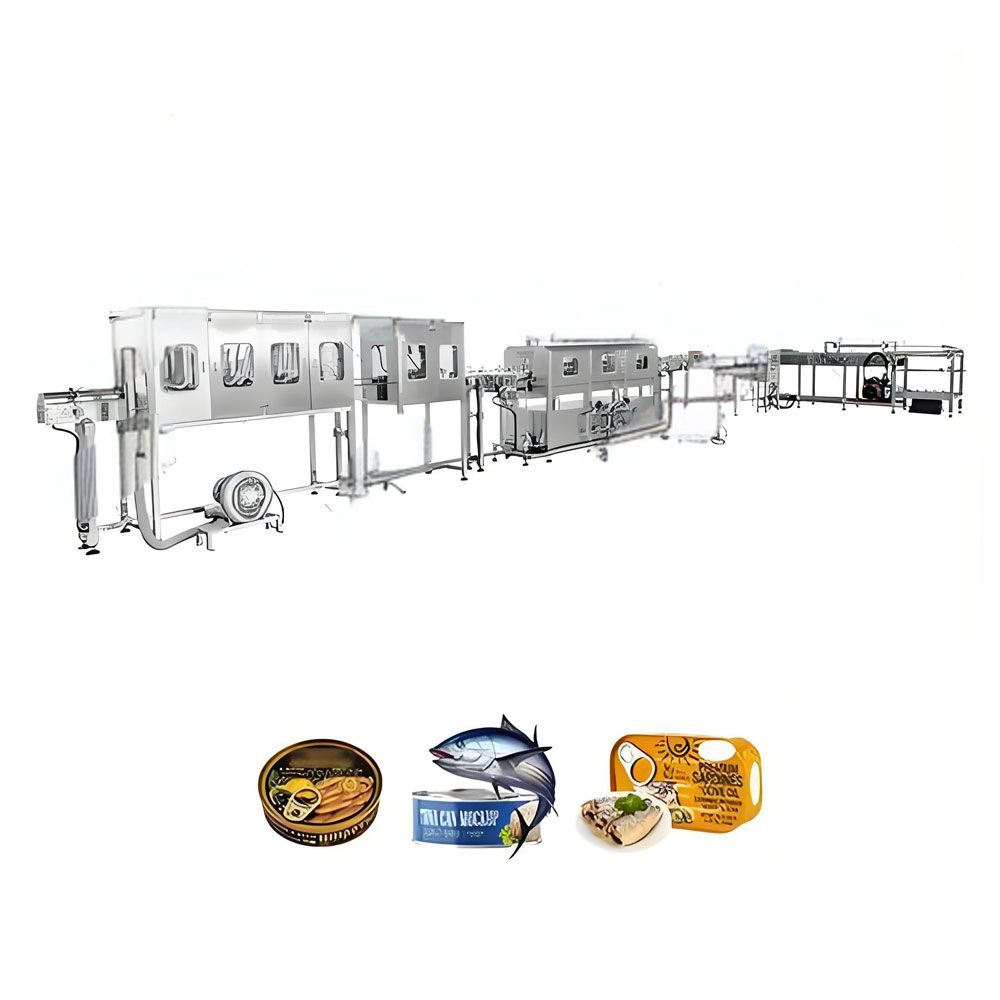 Eel Canned Food Production Line
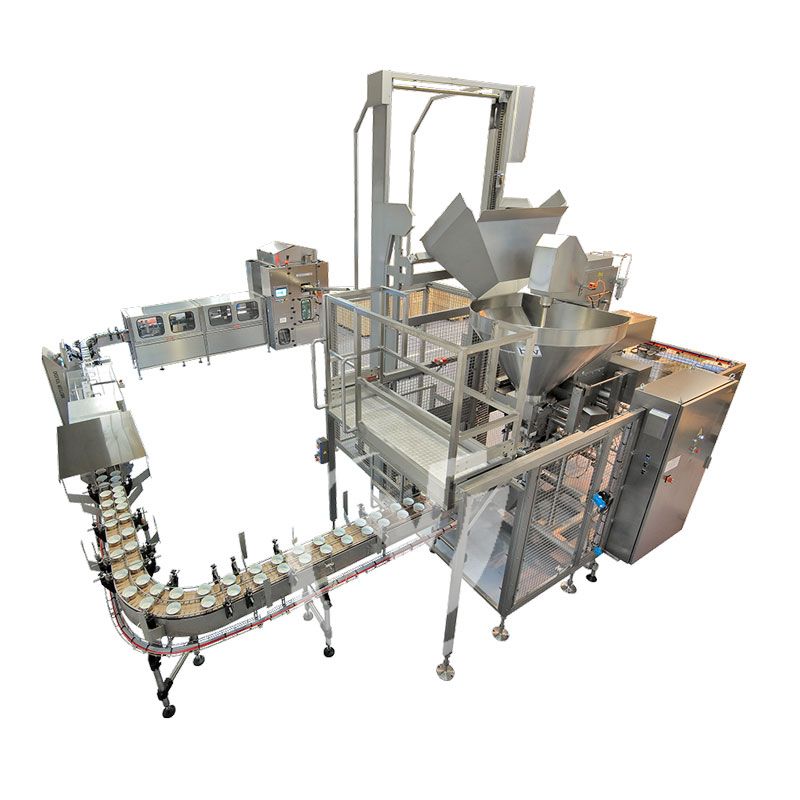 Pet Fish Meat Canning Production Line
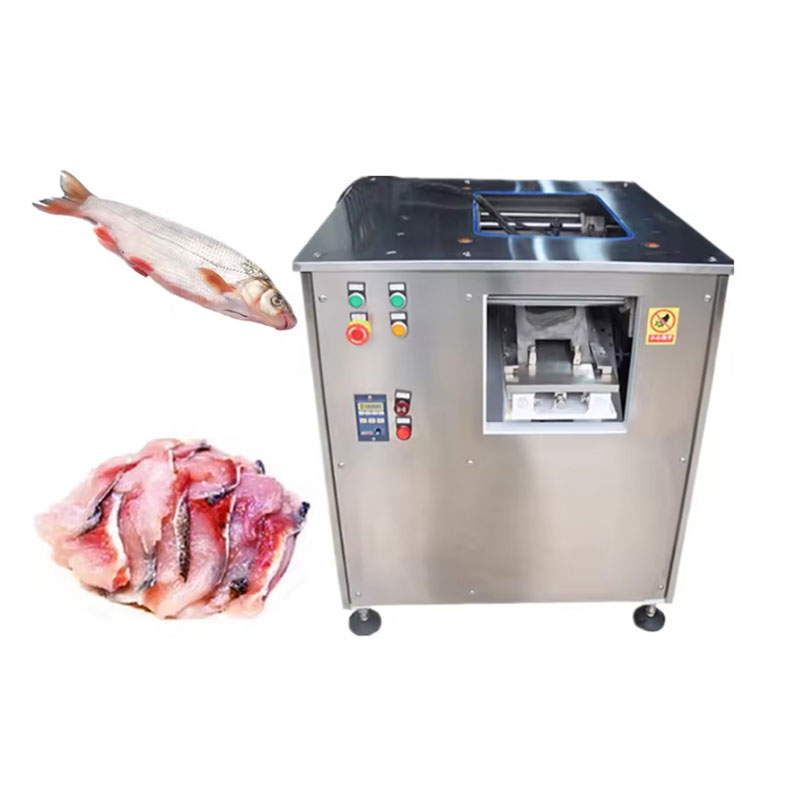 Automatic Fish Filleting Machine
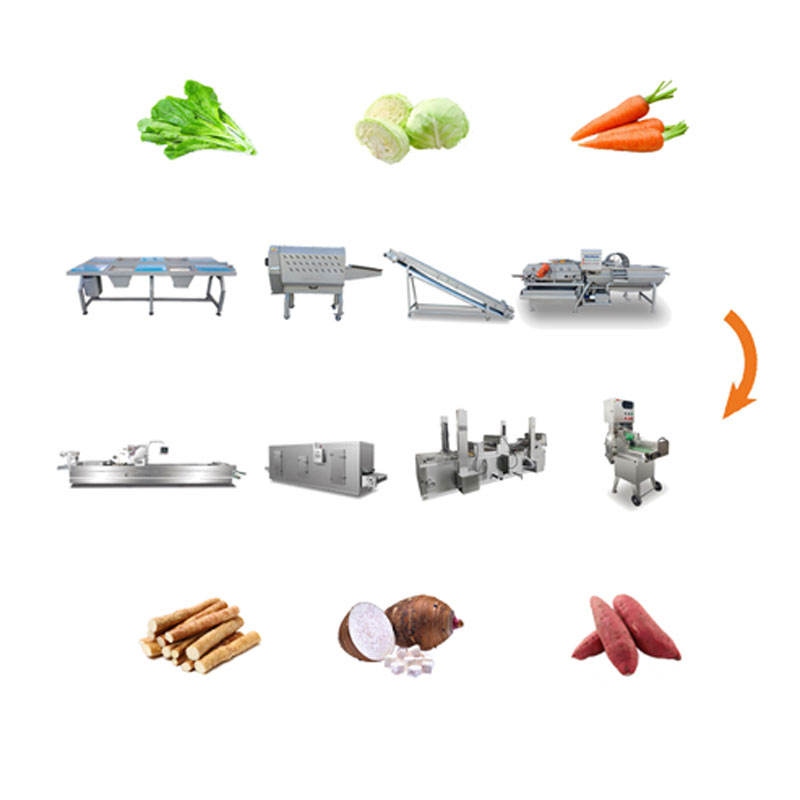 Frozen Food Production Line
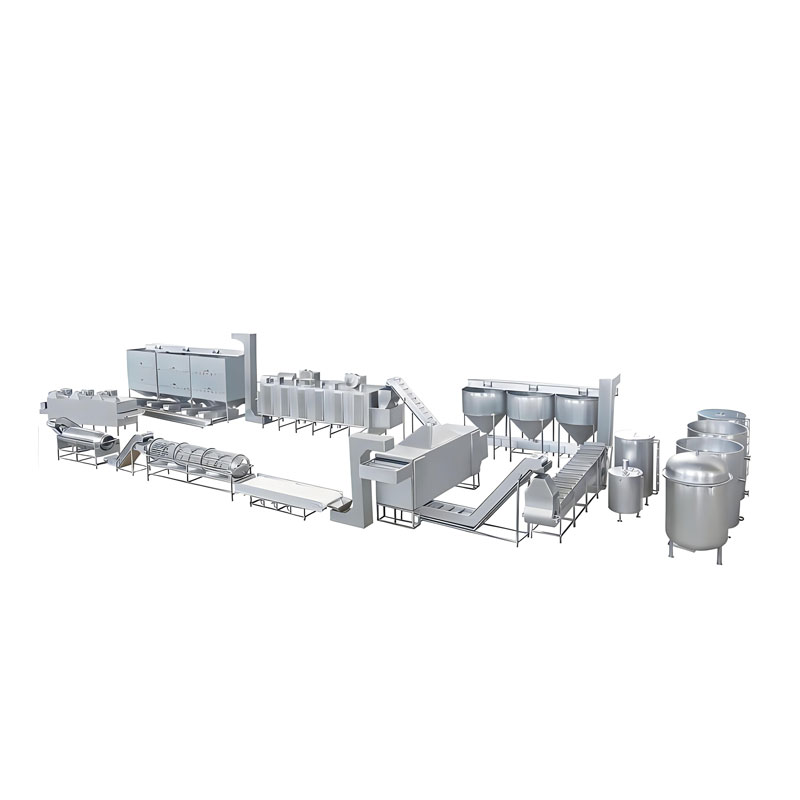 Kimchi Production Line
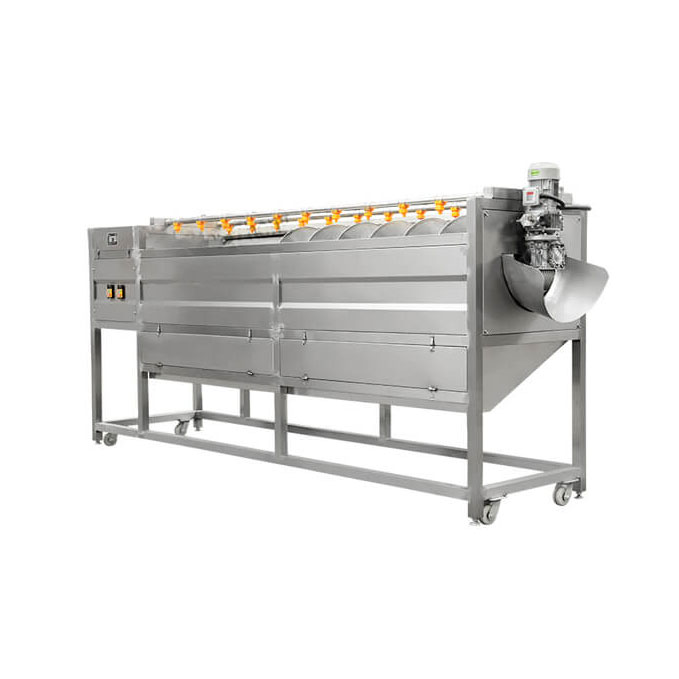 Screw Potato Peeling Washing Machine
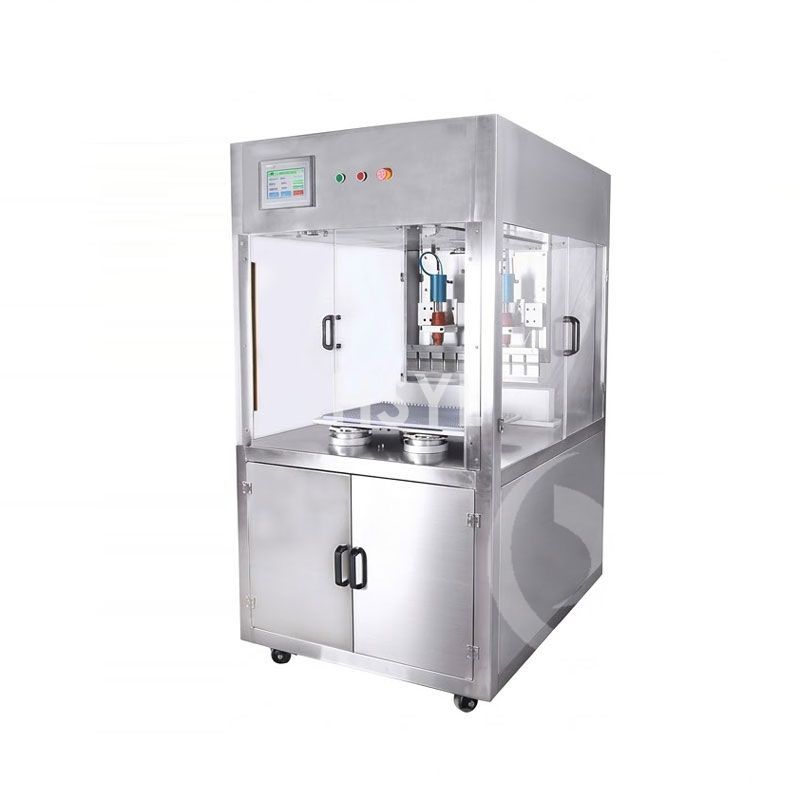 Ultrasonic Cream Sandwich Bread Cutting Machine
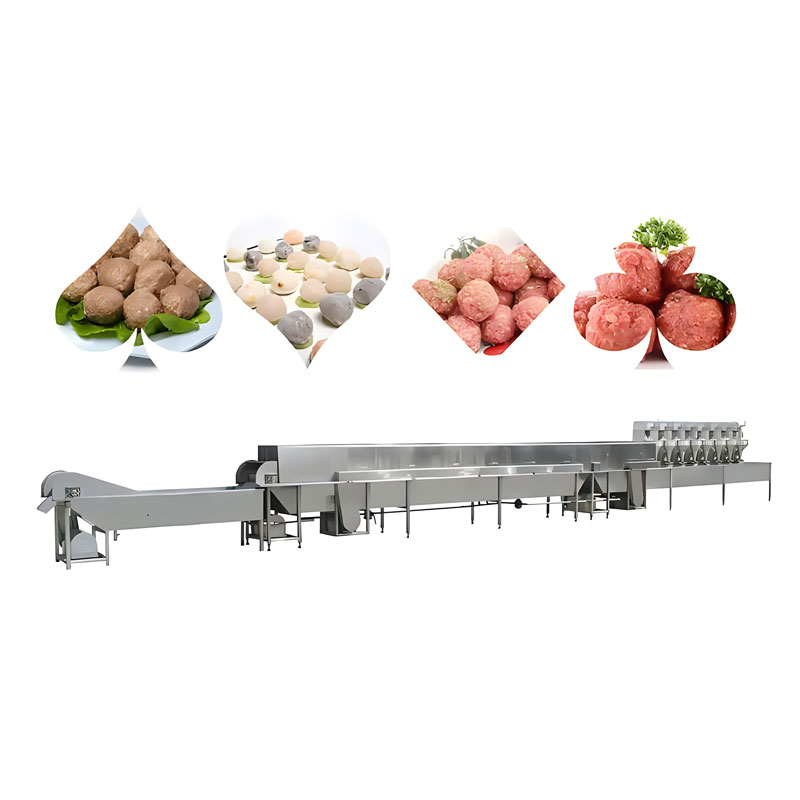 Automatic Meatball Production Line
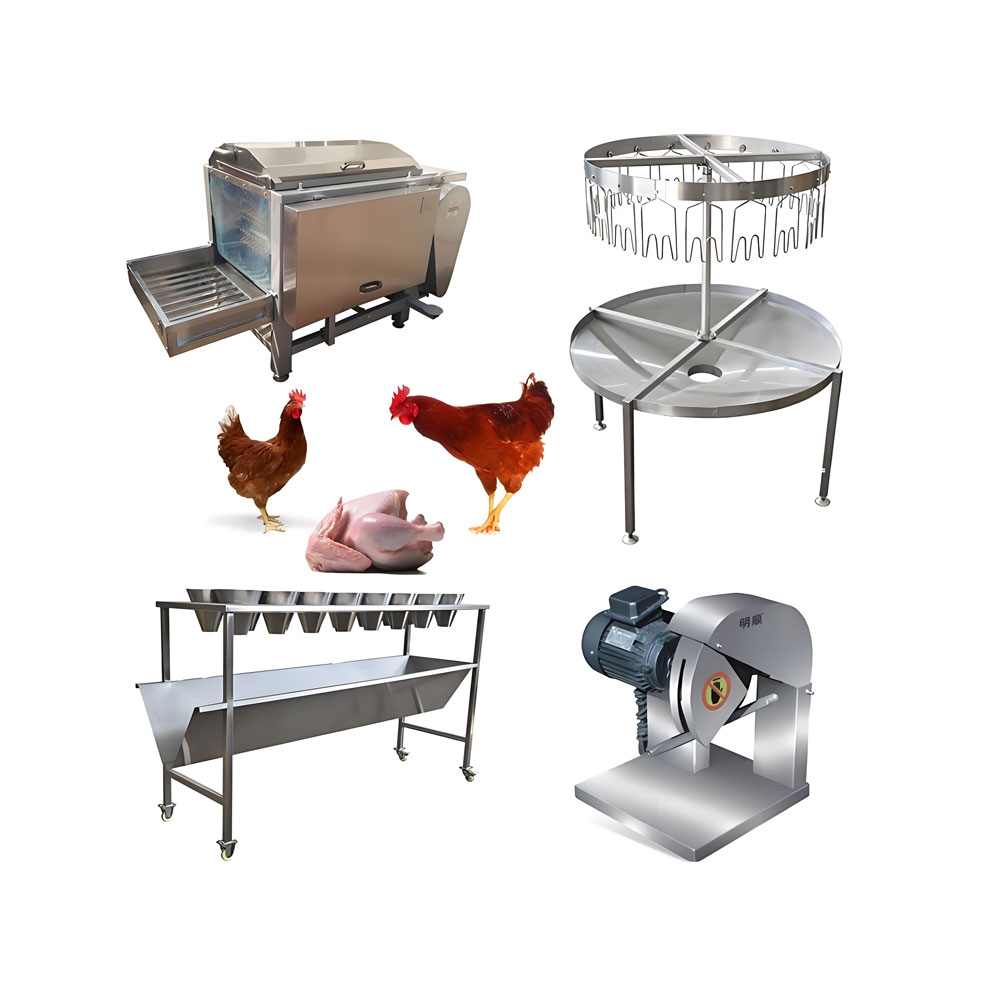 Chicken Slaughtering Machine
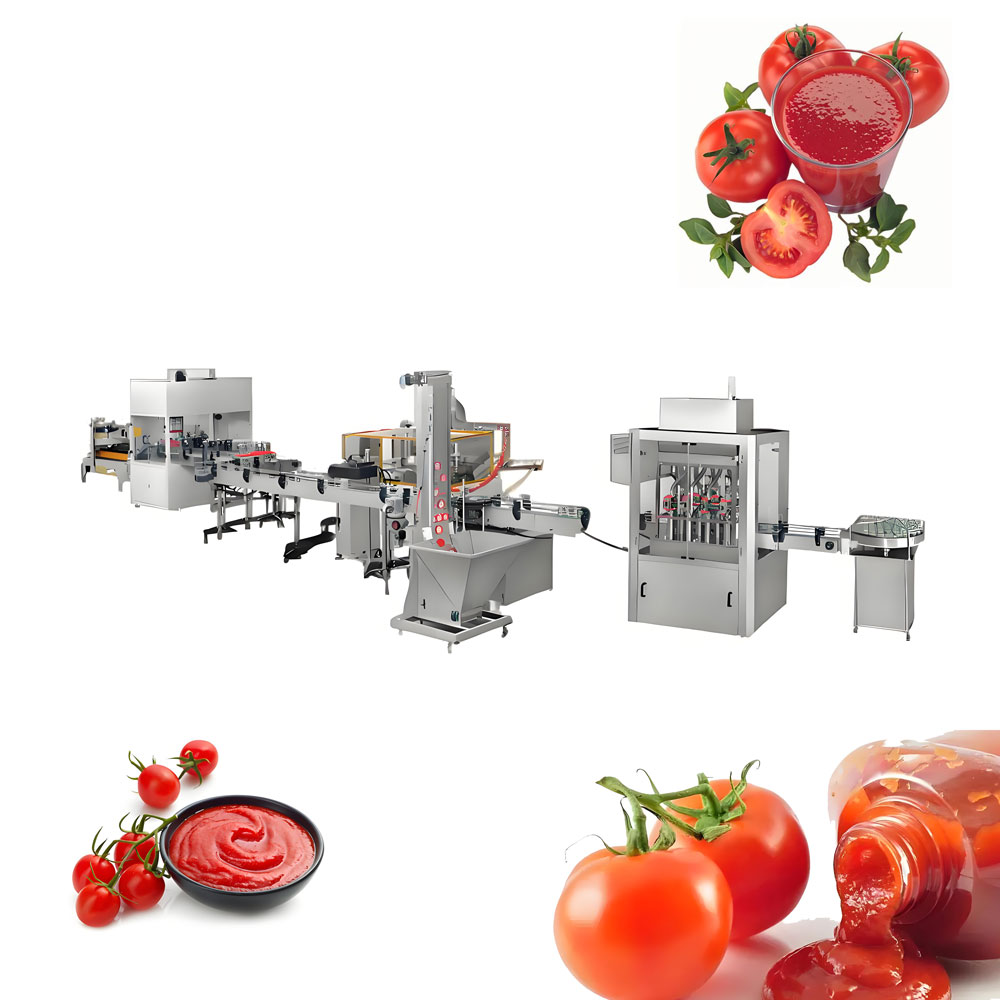 Tomato Ketchup Processing Line