
Fully Automatic Commercial Pasta Production Line - Chinese Manufacturer, Factory, Supplier
Introduction
For food factories and large-scale pasta manufacturers, a fully automated commercial pasta production line is an essential investment to boost productivity, ensure consistent quality, and reduce labor costs. This high-performance solution is designed to meet the demanding needs of large-scale production while providing flexibility and precision.
Key Features of the Fully Automatic Pasta Production Line
High Production Capacity
Our fully automated pasta production line is engineered to handle large volumes of pasta production efficiently. With the ability to produce up to 500 kg of pasta per hour, it is ideal for high-output factories and large food production operations. Whether producing spaghetti, macaroni, or specialty pasta, this line meets the high-volume demands of industrial manufacturers.Complete Automation
This system automates every aspect of the pasta production process, from dough preparation, extrusion, and cutting, to drying and packaging. Minimized human intervention results in reduced labor costs and greater production consistency. The automated control system allows operators to monitor and adjust parameters with ease, ensuring smooth operation and reduced downtime.Customizable Production Capabilities
The line offers full customization options to meet specific production needs. With adjustable settings for pasta shape, thickness, and length, this system is adaptable for various types of pasta, including traditional forms like spaghetti and innovative pasta shapes. The customizable molds ensure flexibility in production, making it suitable for manufacturers offering a diverse range of pasta products.Technical Specifications & Energy Efficiency
Built with high-quality stainless steel, this production line is durable, corrosion-resistant, and easy to maintain. It features energy-efficient motors and heating systems, helping to reduce operating costs while maintaining consistent quality. The intuitive control interface ensures ease of use and reduces training time for operators.
Why Choose Our Fully Automatic Pasta Production Line?
Scalability: Easily scalable to meet the growing demands of large food factories.
Reduced Operational Costs: Automation cuts labor and operational costs.
Consistent Quality: High precision machinery ensures uniform pasta quality.
Sustainability: Energy-efficient design supports environmentally conscious production.
Conclusion & Call-to-Action
Upgrade your pasta production capabilities with a fully automated commercial pasta production line designed for high-output, efficiency, and flexibility. Contact us to discuss your specific production needs and request a detailed quote for this advanced solution.
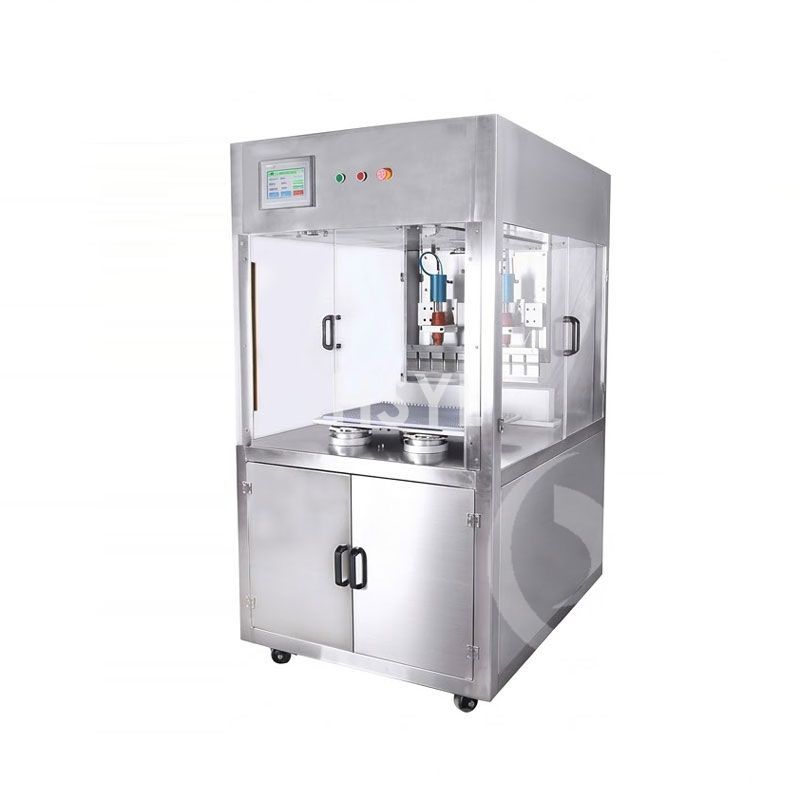 Bakery Ultrasonic Peanut Candy Cutting Machine
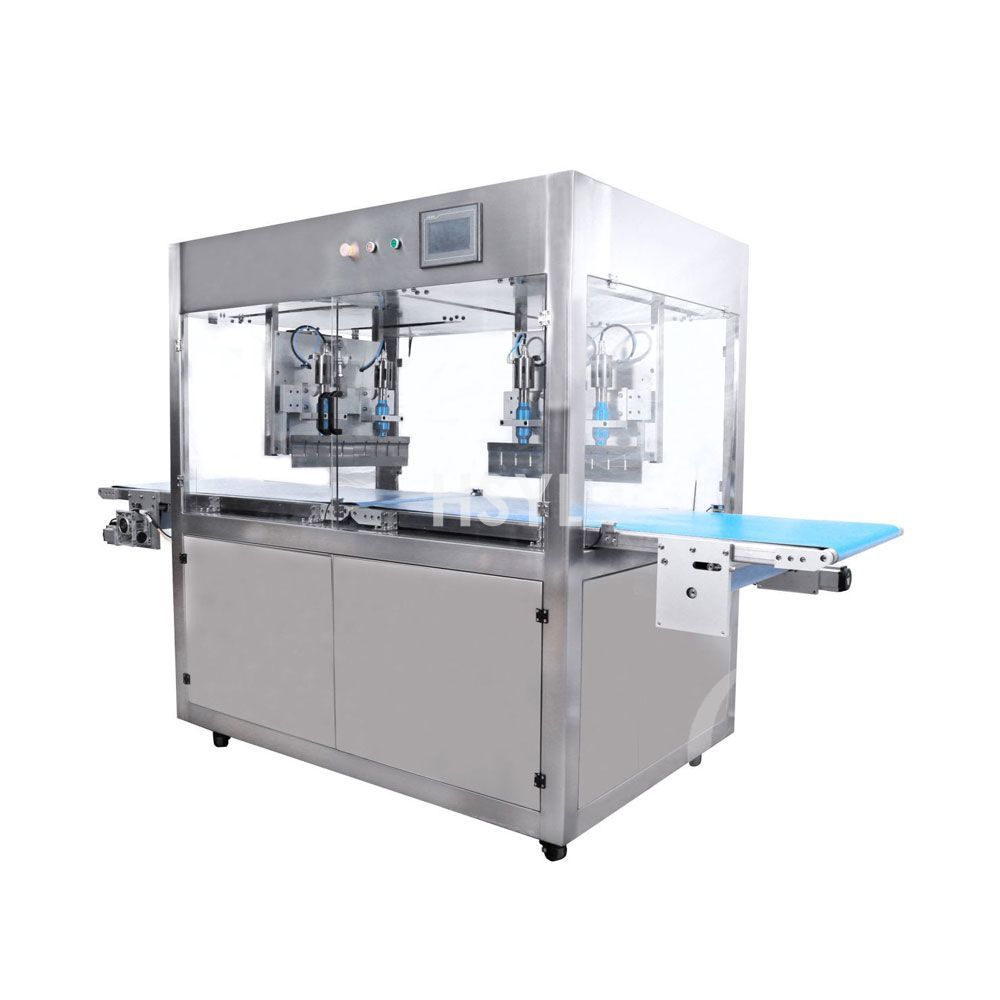 Ultrasonic Swiss Roll Cake Cutting Machine
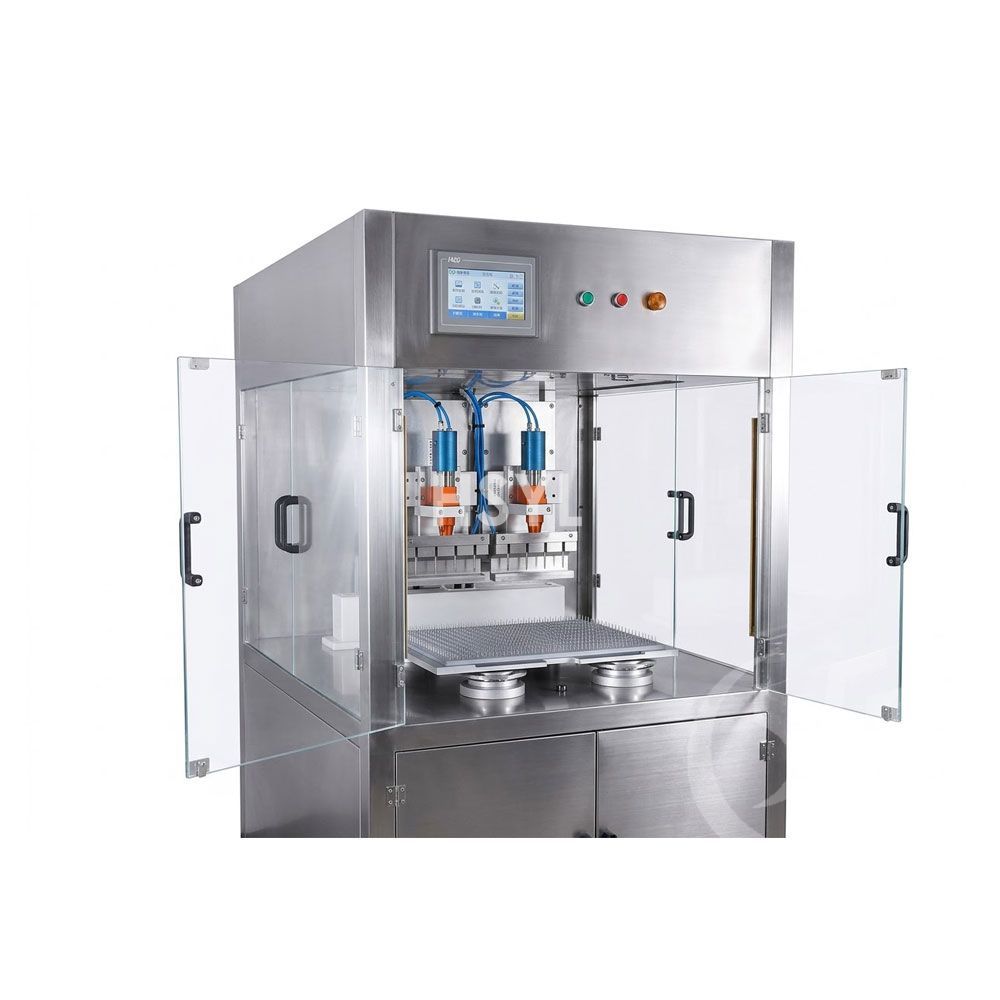 Ultrasonic Bread Cutting Machine
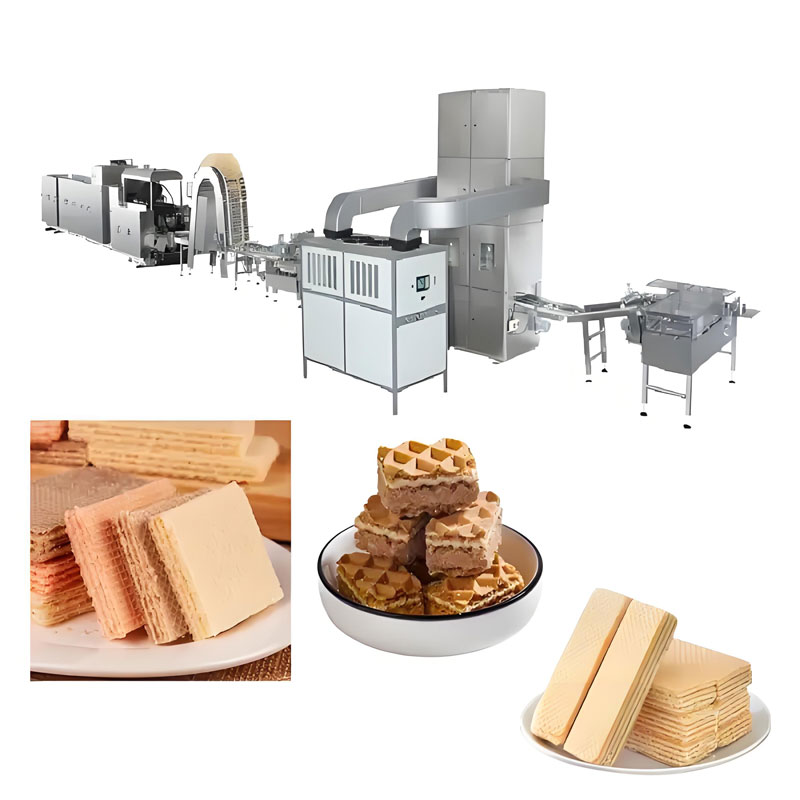 Biscuit Making Machine
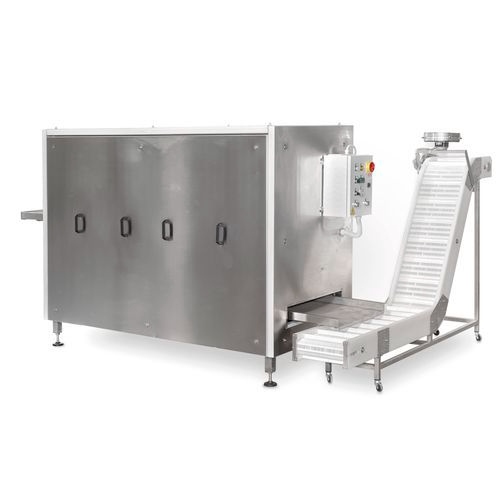 Commercial Dry Pasta Machine
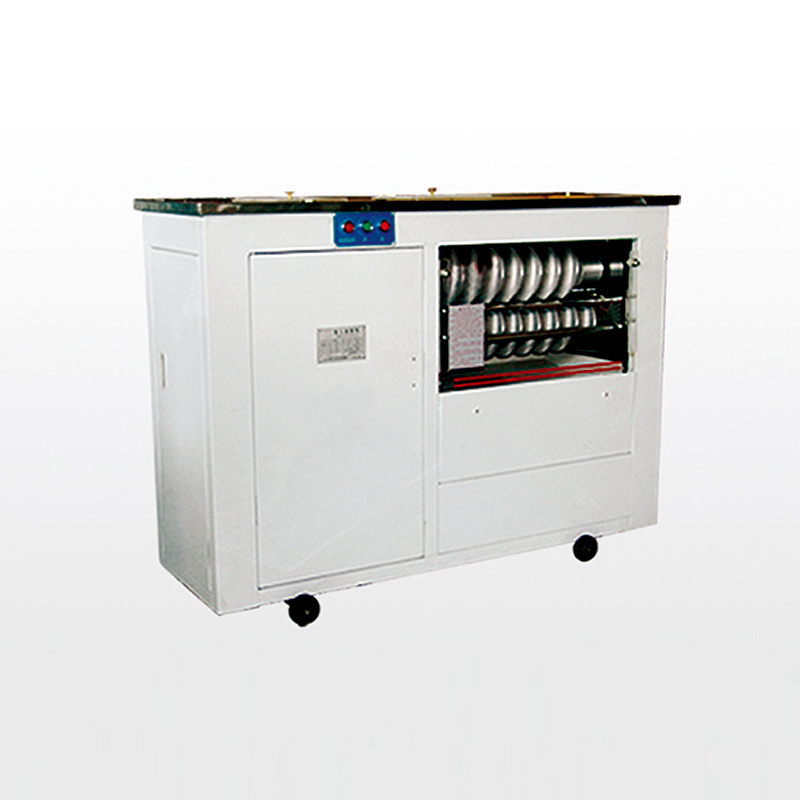 Dual-Roll Steamed Bun Machine
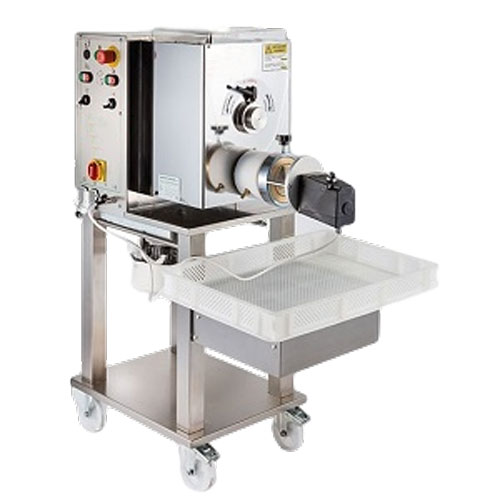 Commercial Pasta Extruder
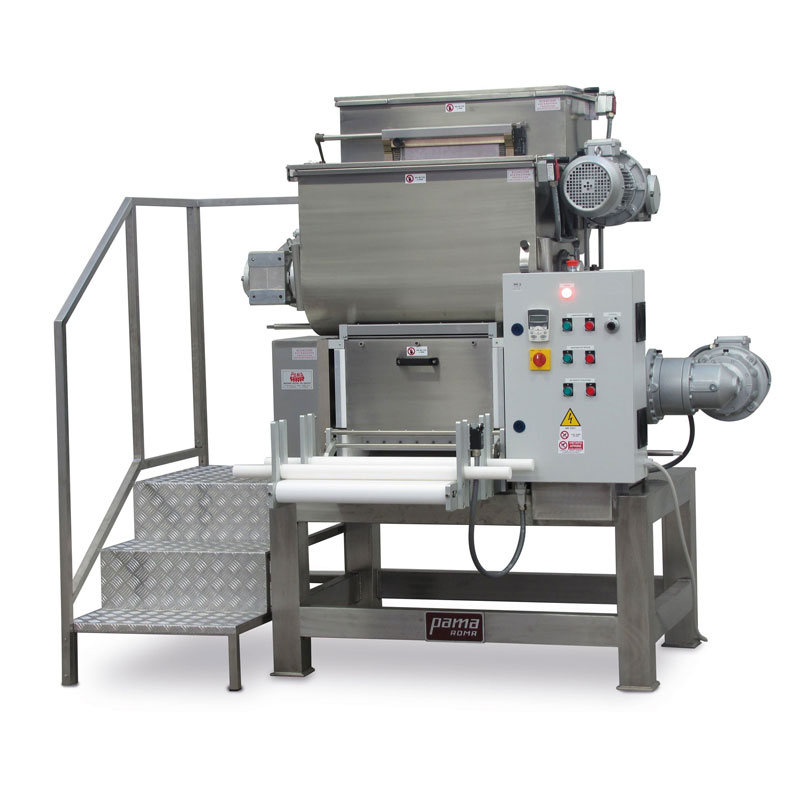 Commercial Pasta Sheeter
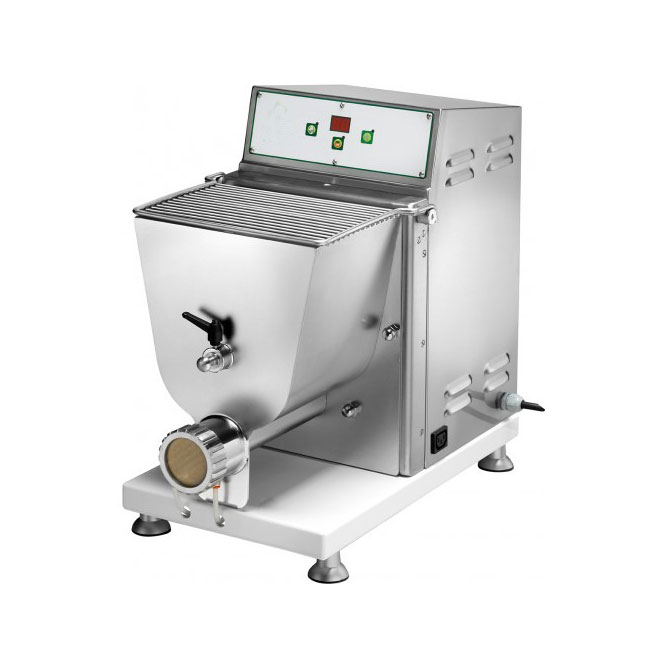 Pasta Machine
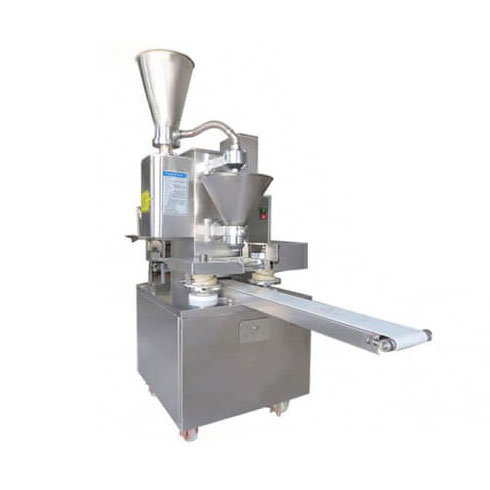 Meat Bun Machine
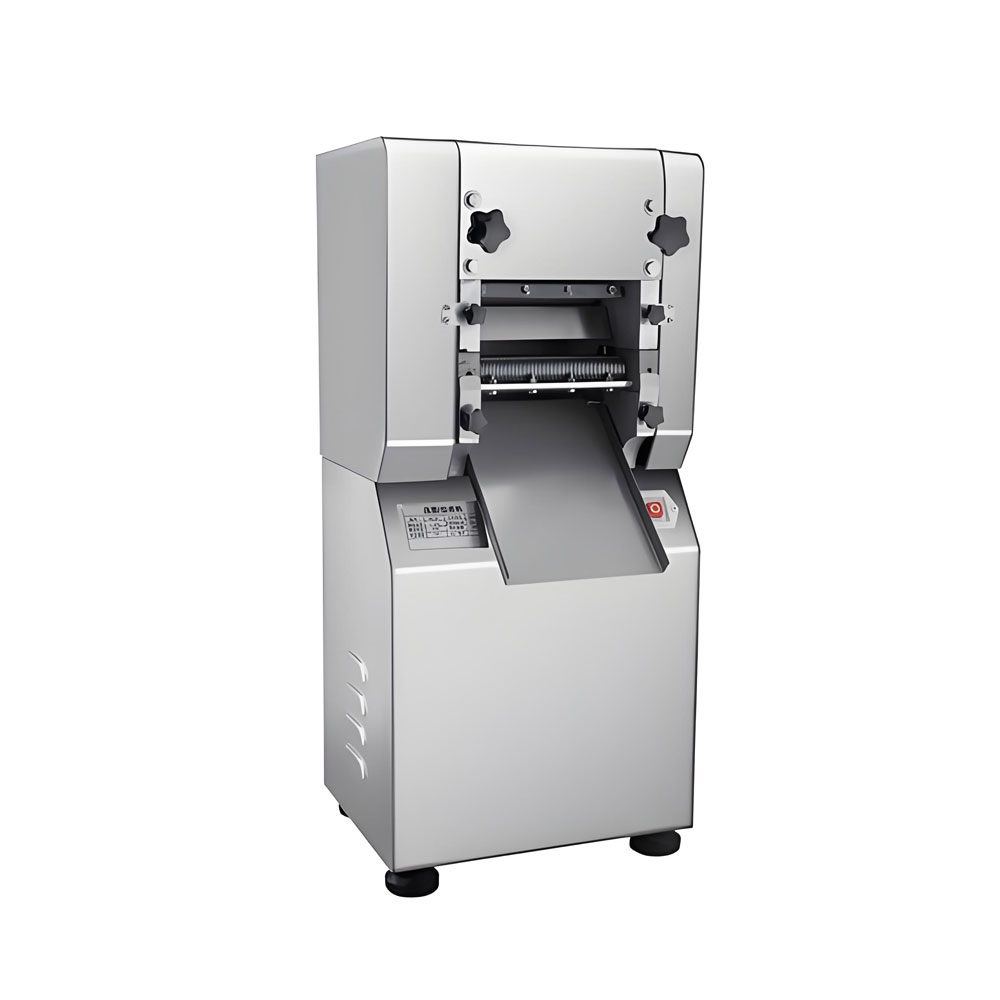 Multifunctional Noodle Making Machine
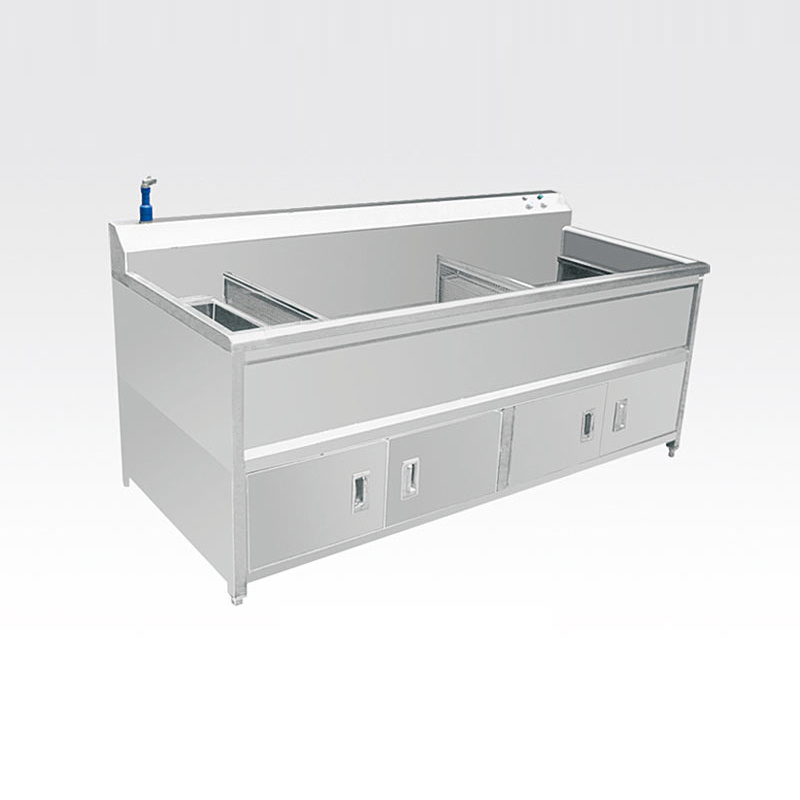 Double-Tank Vegetable Washing Machine
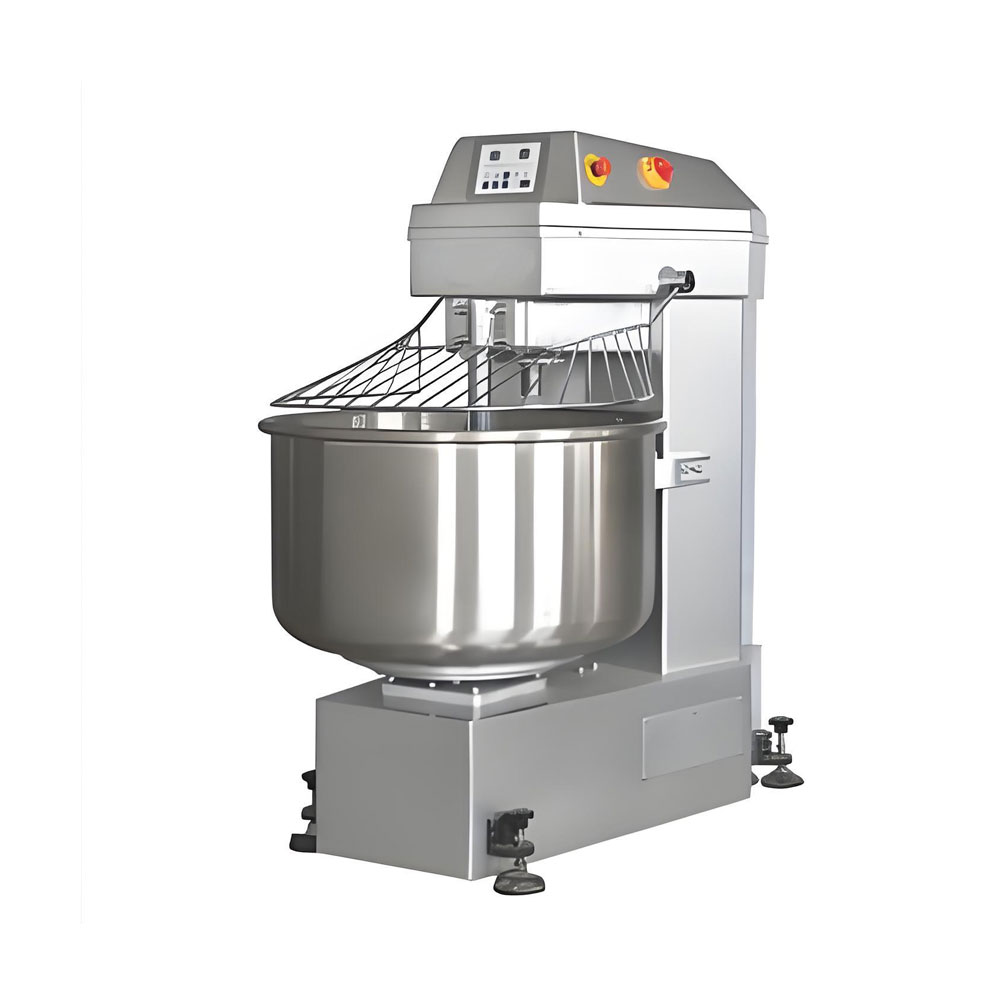 Flour Mixing Machine
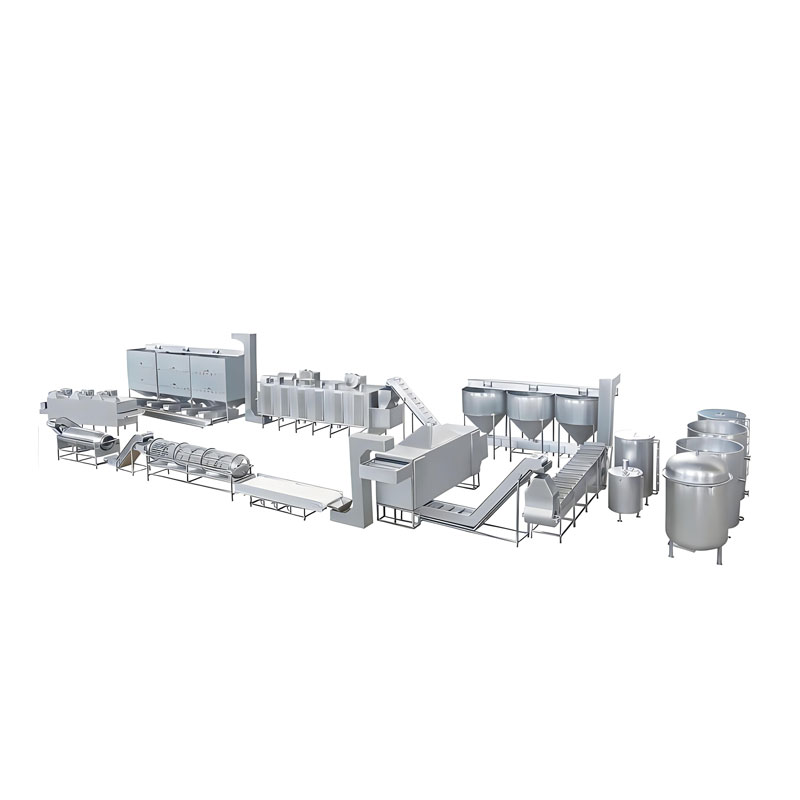 Kimchi Production Line
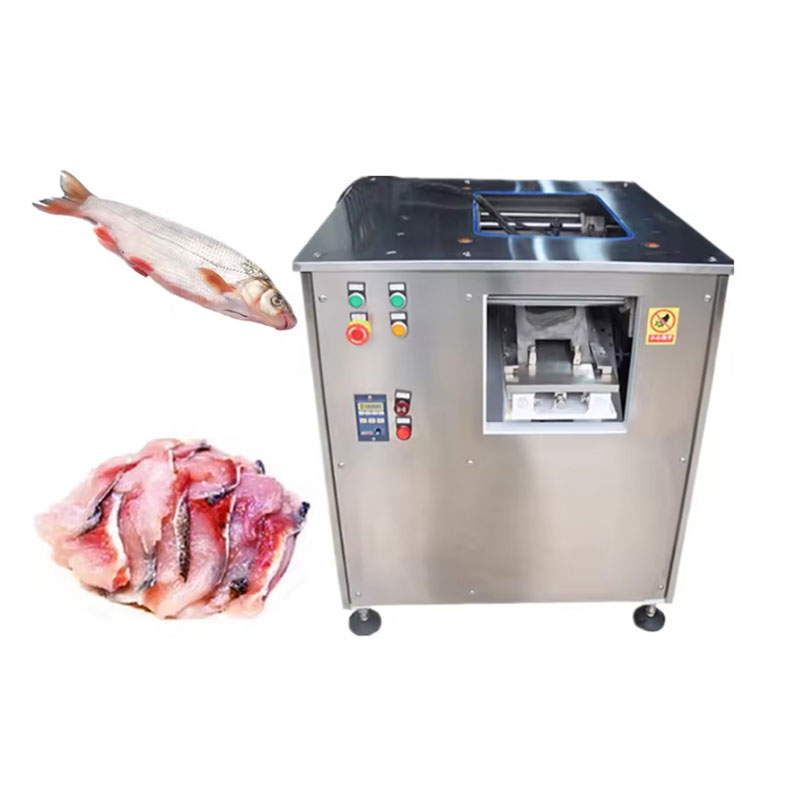 Automatic Fish Filleting Machine
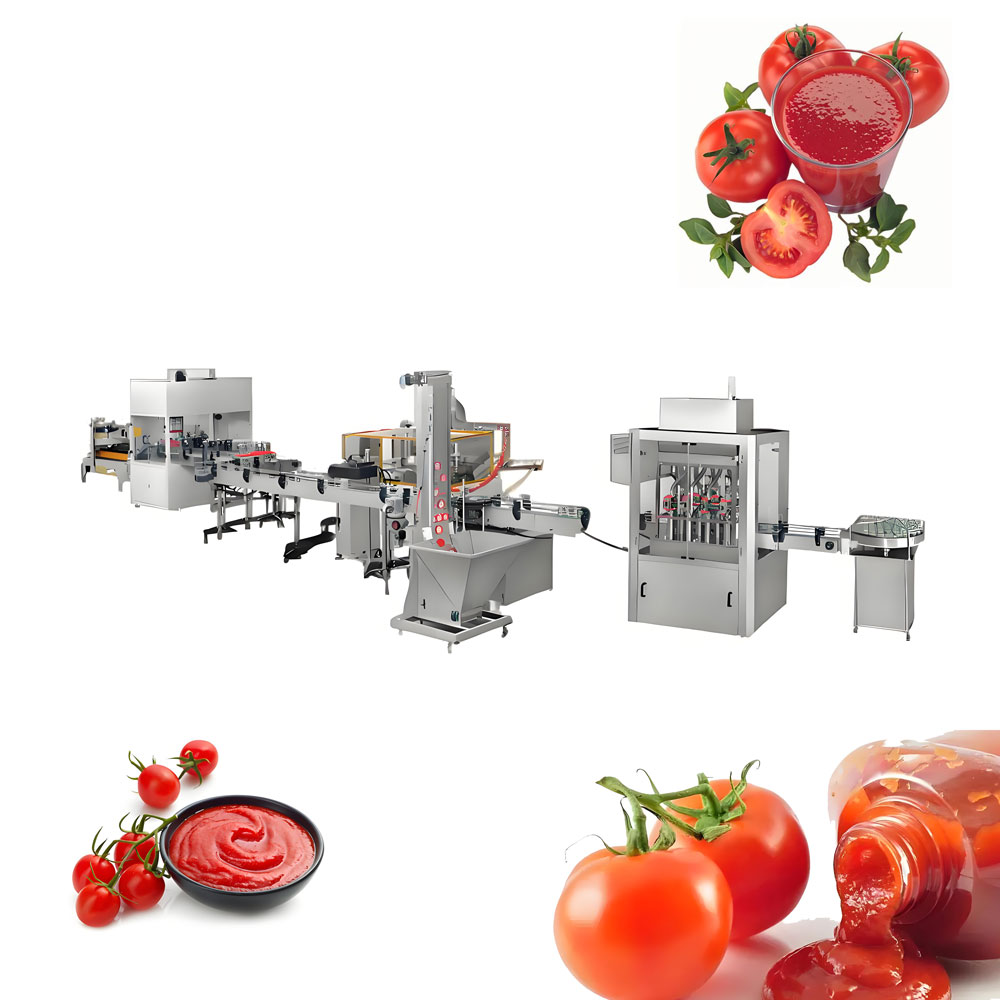 Tomato Ketchup Processing Line
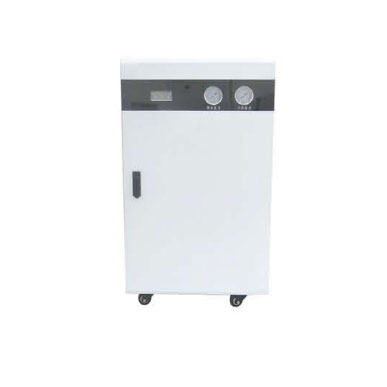 YL-W-01 Commercial Water Purification Equipment
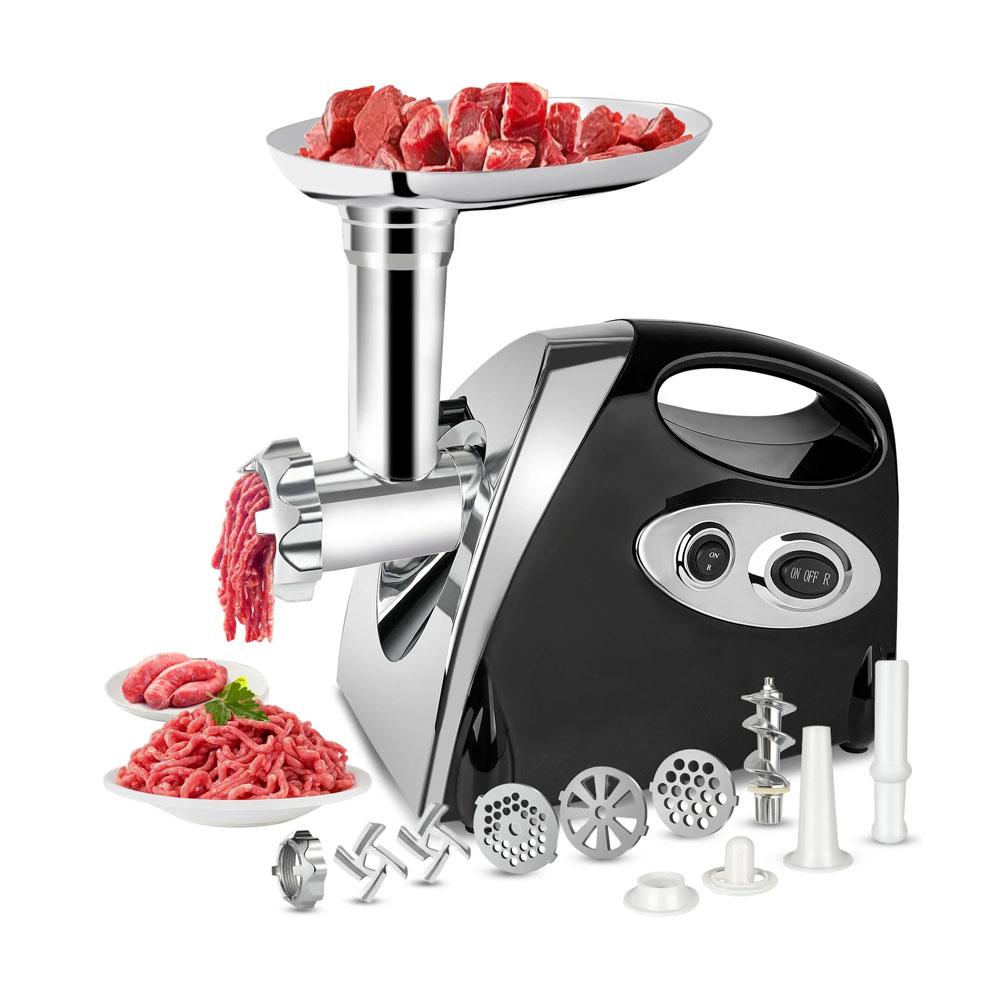 Meat Stuffer Machine
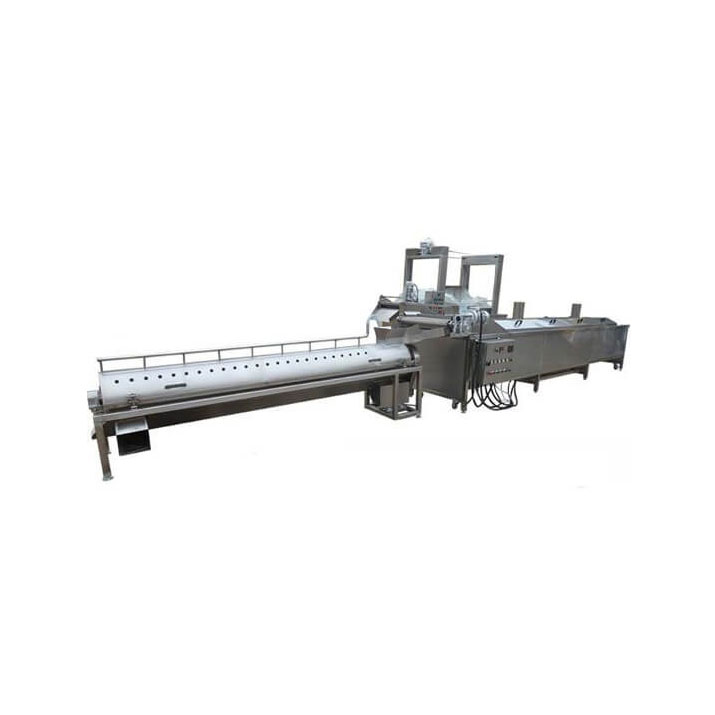 Chicken Feet Peeling Production Line