
Tortilla Production Line - Chinese Manufacturer, Factory, Supplier
Commercial tortilla manufacturing requires specialized tortilla production line equipment that preserves authentic texture while achieving industrial-scale output. These automated systems blend traditional masa preparation techniques with modern processing technology to deliver consistent products that meet growing market demand for Mexican flatbreads.
Masa preparation initiates every tortilla production line through controlled hydration of nixtamalized corn flour or wheat flour blends. Industrial mixers incorporate precise water-to-flour ratios while maintaining optimal dough temperature through jacketed mixing bowls and temperature monitoring systems. Dough consistency directly impacts final tortilla flexibility and shelf stability.
Dividing mechanisms portion masa into uniform weights through volumetric or gravimetric systems. Rotary dividers create consistent portions that feed into pressing stations where hydraulic or pneumatic presses flatten dough balls into circular discs. Press pressure, dwell time, and plate temperature require precise calibration to achieve proper thickness without compromising dough structure.
Modern tortilla production line configurations feature continuous pressing systems that utilize heated platens to simultaneously flatten and pre-cook tortillas during forming operations. These dual-function presses reduce processing time while improving product uniformity through controlled heat application during shaping phases.
Baking occurs within specialized ovens designed for flatbread production. Gas-fired or electric heating systems maintain precise temperature profiles while conveyor belts transport tortillas through multiple heating zones. Residence time and temperature gradients determine moisture content, color development, and textural characteristics essential for quality tortillas.
Cooling systems within tortilla production line installations prevent moisture condensation through controlled air circulation and temperature reduction protocols. Spiral cooling conveyors maximize cooling efficiency while minimizing floor space requirements in production facilities.
Quality control measures include optical inspection systems that identify defective tortillas based on diameter, thickness, color uniformity, and surface irregularities. Automated rejection systems remove substandard products without interrupting continuous production flow.
Stacking and packaging operations complete the tortilla production line sequence through automated counting systems and protective packaging materials. Counter-stackers create uniform product stacks while maintaining tortilla integrity during handling operations. Packaging machinery applies moisture-barrier films that extend shelf life while preserving product freshness.
Advanced tortilla production line systems achieve production rates exceeding 4,000 tortillas per hour while maintaining traditional taste profiles and textural characteristics. These installations incorporate sanitary design principles, automated cleaning systems, and process control technologies that ensure consistent product quality while meeting strict food safety regulations governing commercial food production facilities.
 Cold Chain Rice Production Line
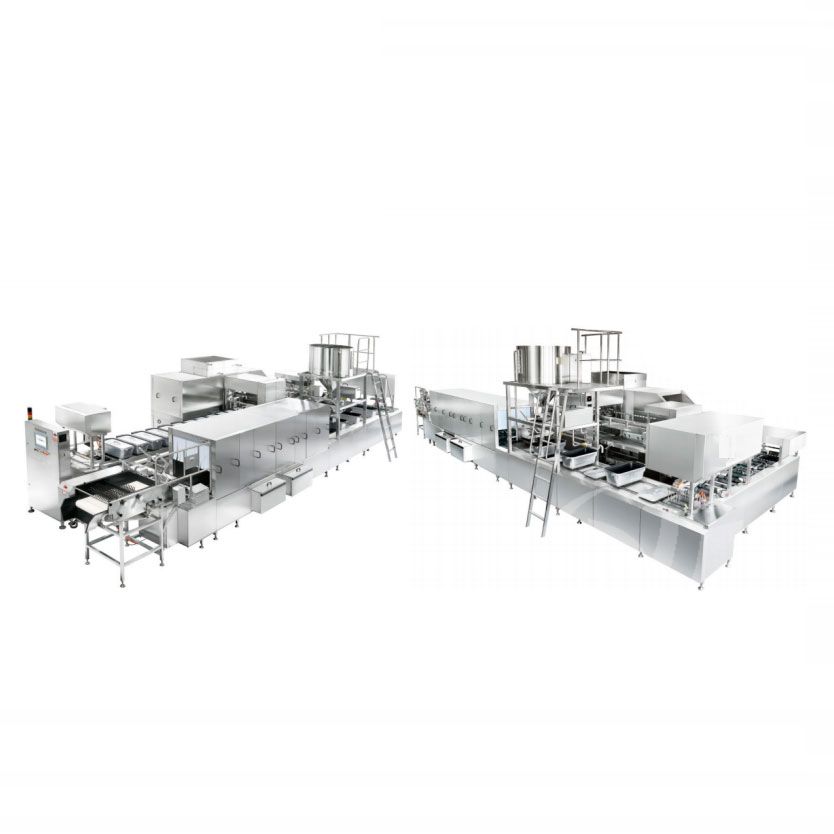 Unmanned Intelligent Rice Production Line
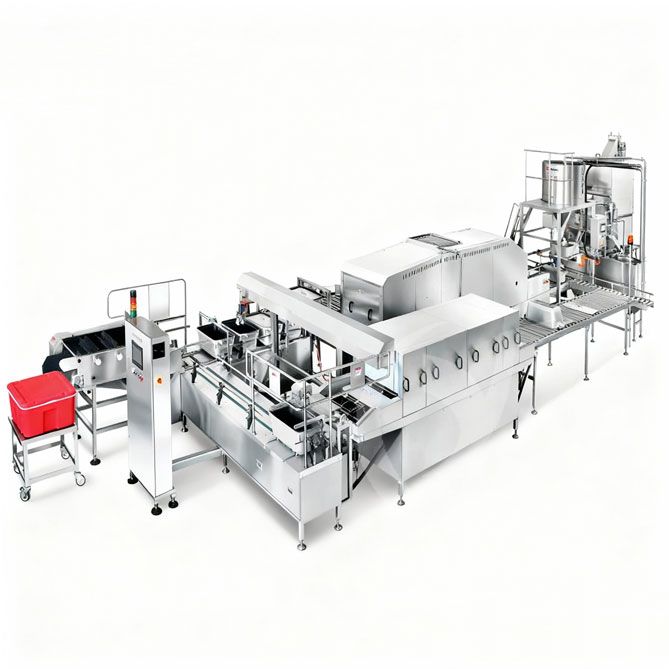 Robotic Rice Production Line
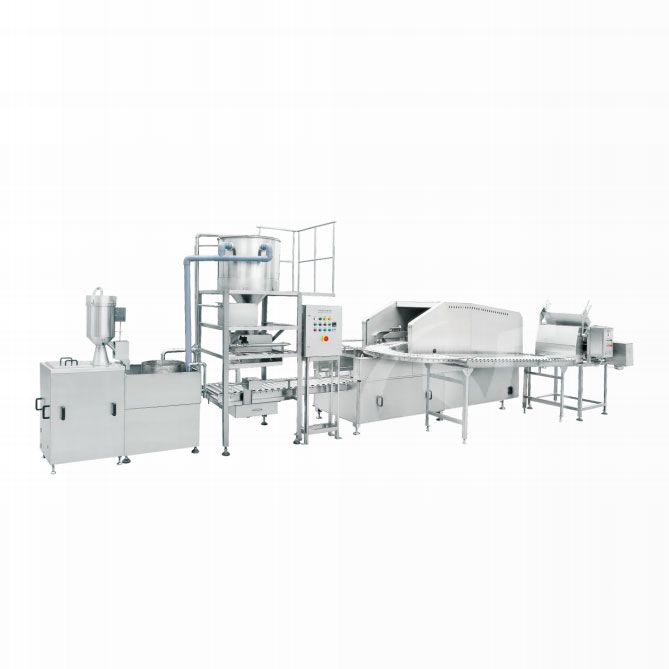 Automatic Rice Production Line
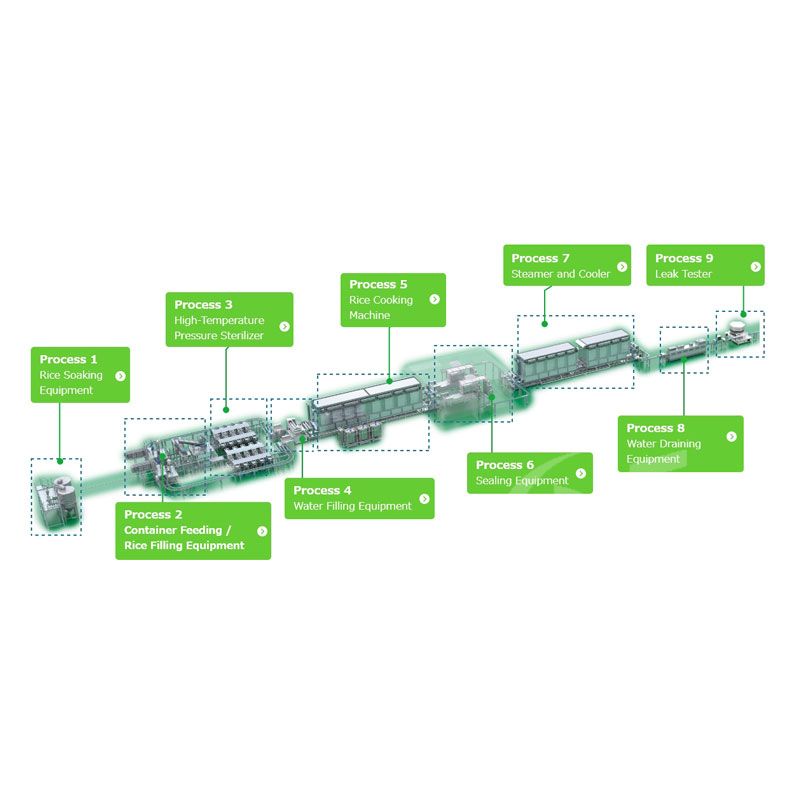 Aseptic Rice Production Line
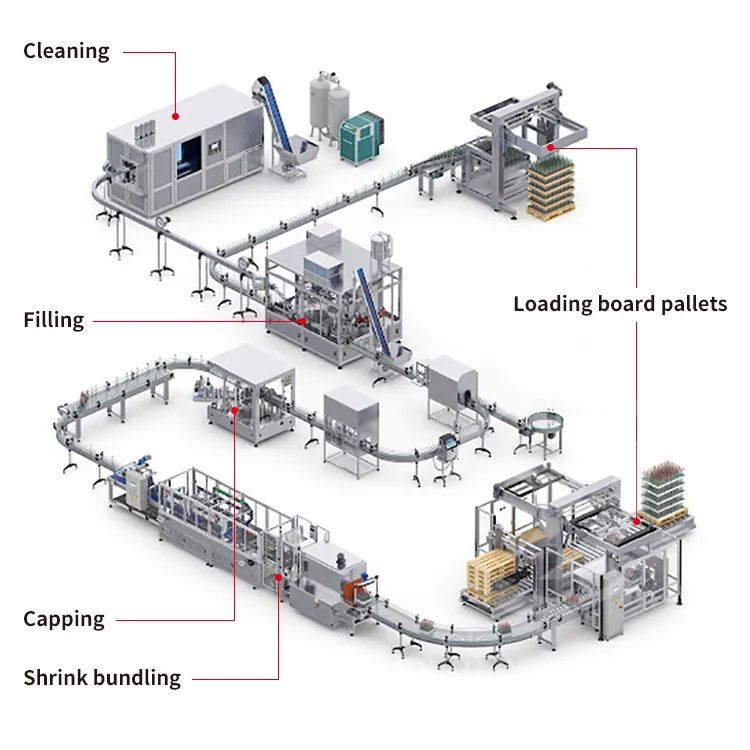 Aseptic Canning Production Line Equipment
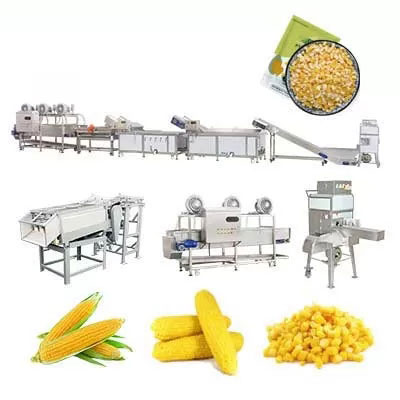 Sweet Corn Canning Production Line
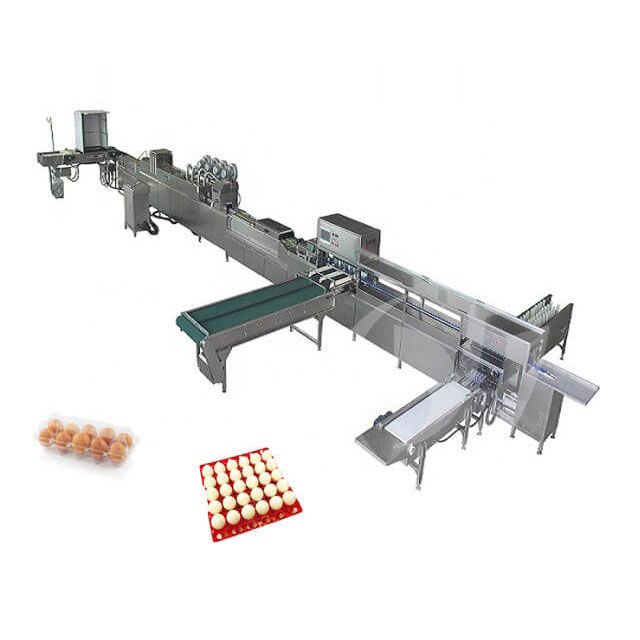 Egg Canning Production Line
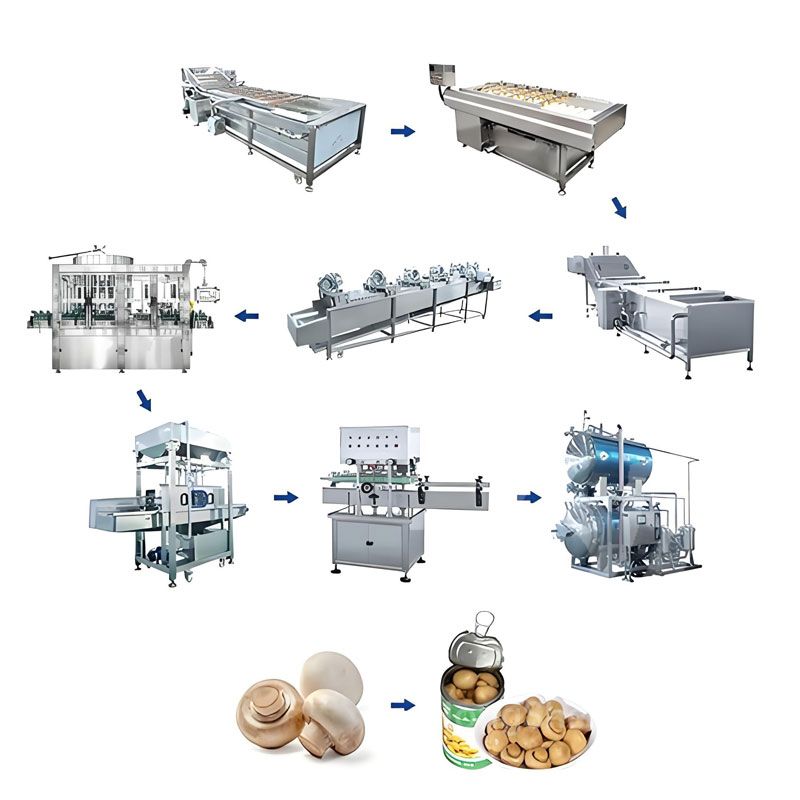 Button Mushroom Canning Production Line
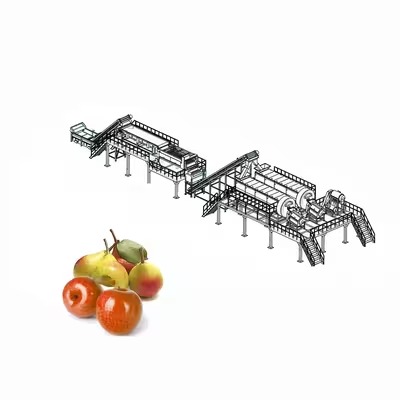 Apple Canning Production Line
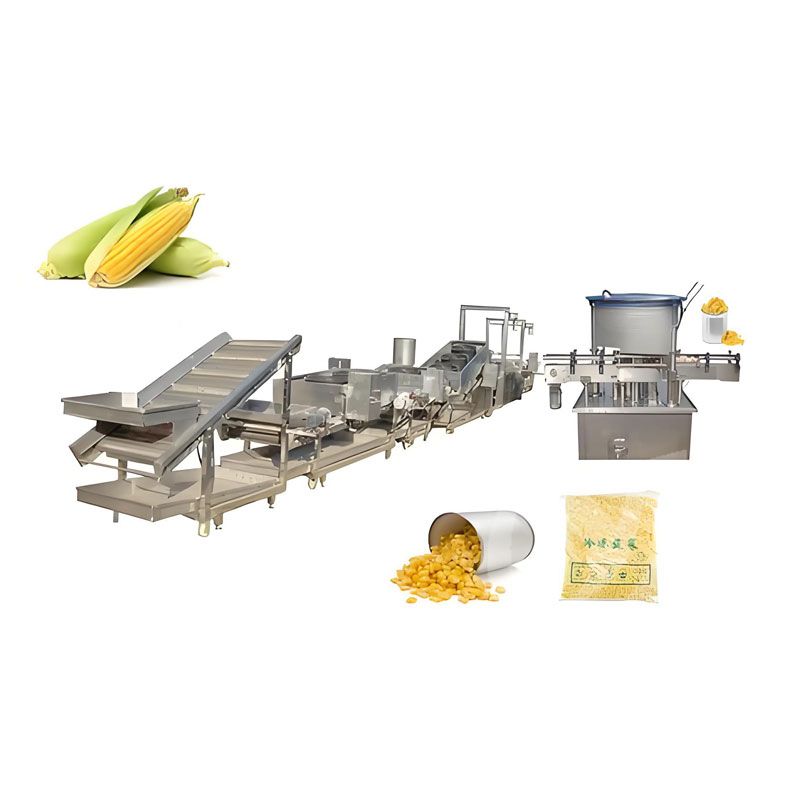 Corn Canning Production Line
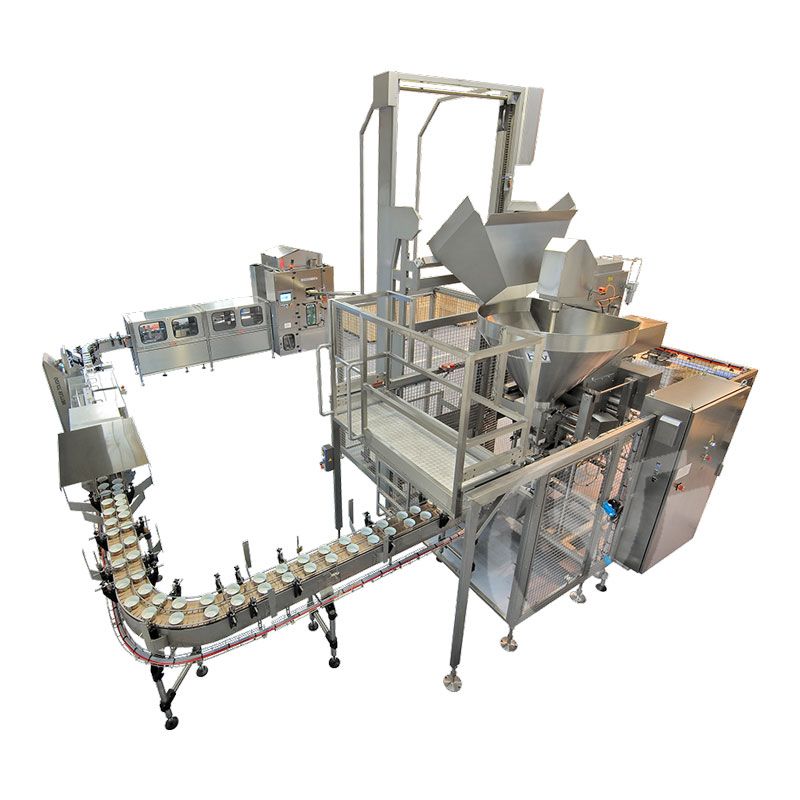 Meat Canned Food Production Line
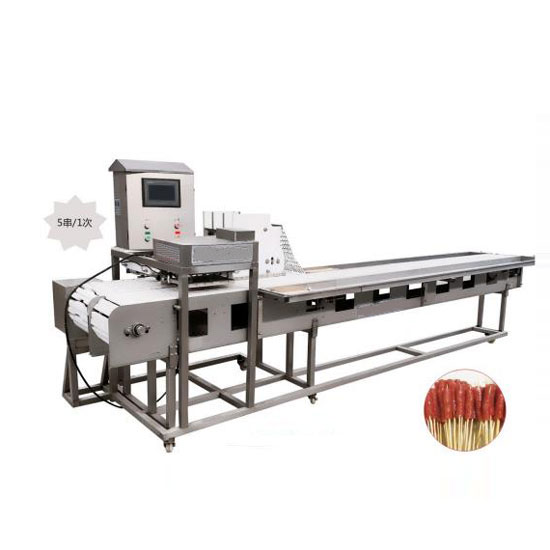 Cutting And Stringing Integrated Machine
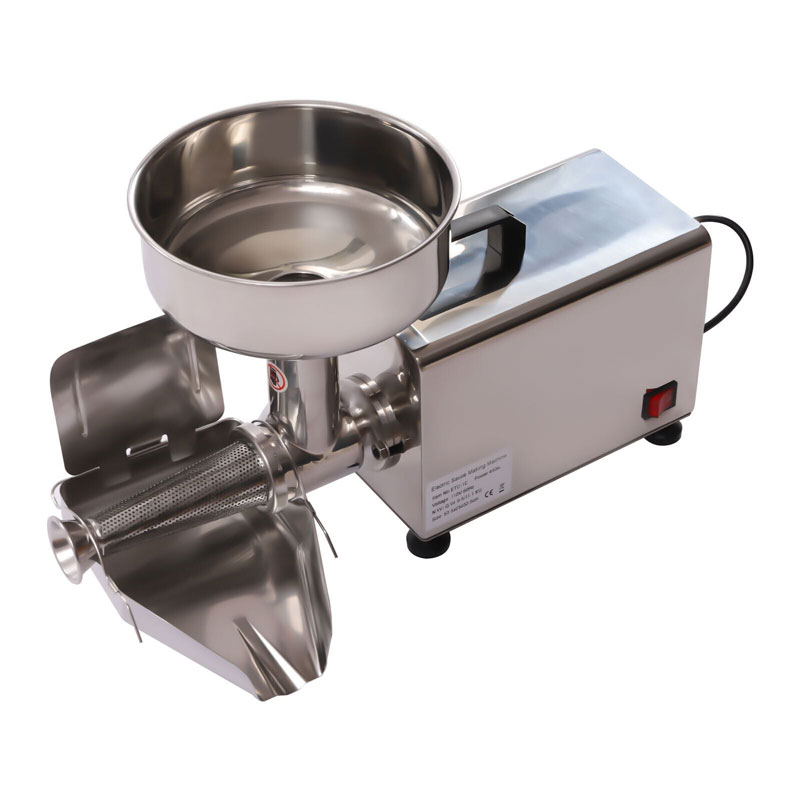 Tomato Sauce Milling Machine
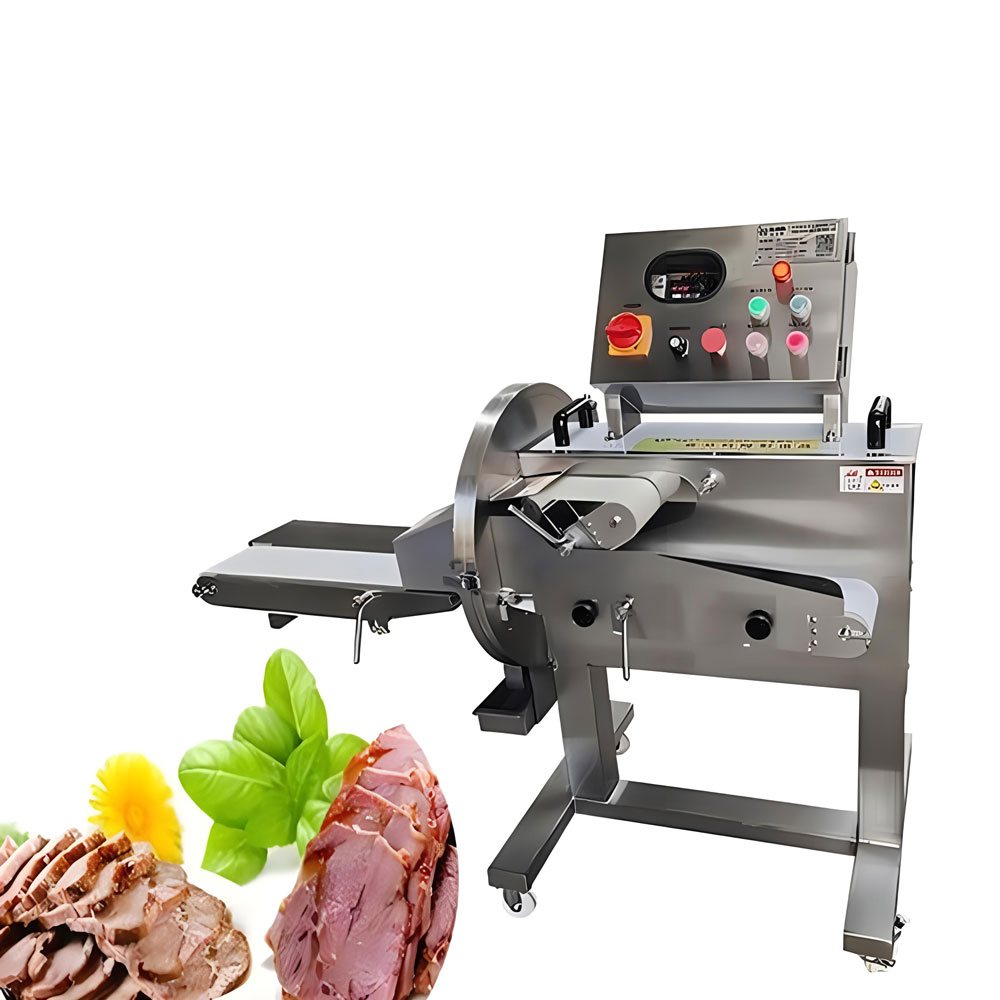 Electric Cooked Meat Slicer
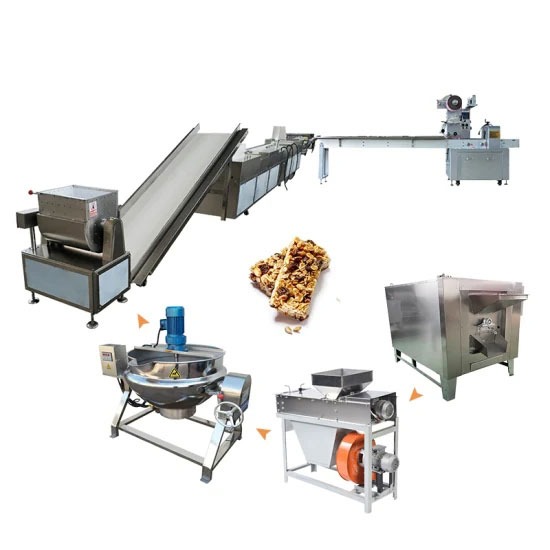 Cereal Bar Production Line
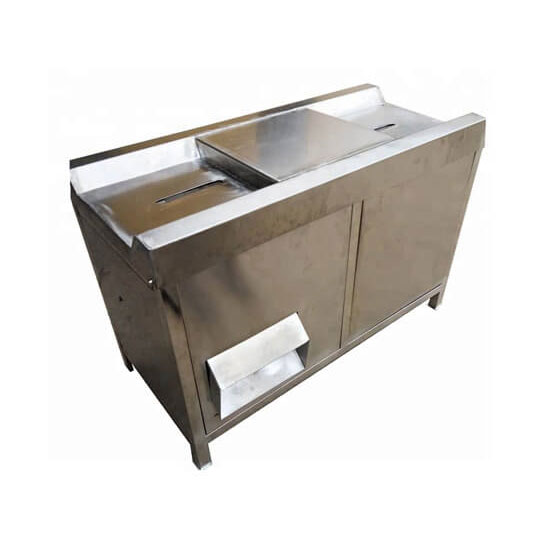 Gizzard Peeling Machine
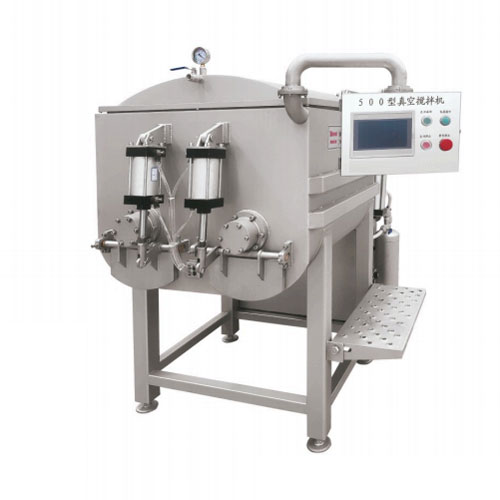 Vacuum Stuffing Machine
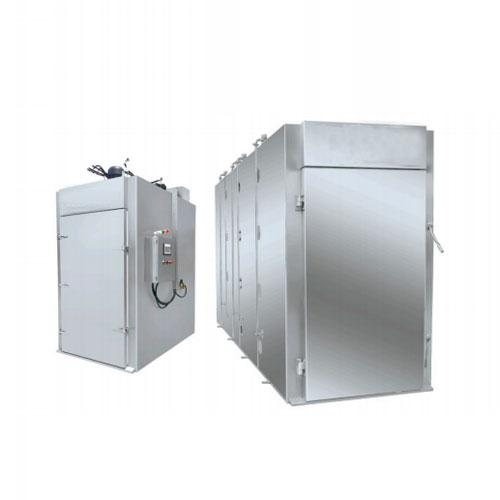 Cooking Drying Oven
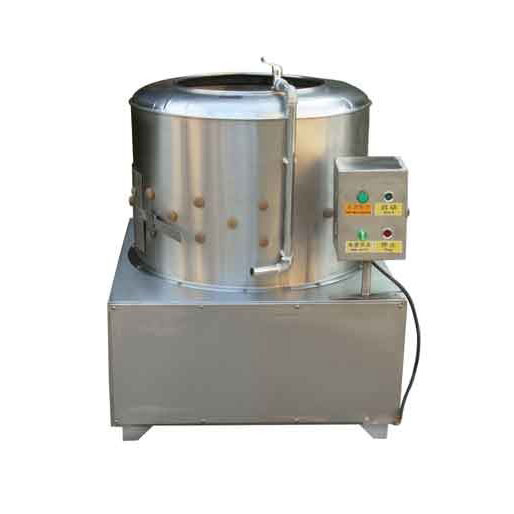 Small Chicken Feet Peeling Machine