
Large Fish Canning Production Line Price - Chinese Manufacturer, Factory, Supplier
A large fish canning production line represents the pinnacle of efficiency in modern seafood processing, designed for enterprises seeking to achieve mass-scale production with minimal labor input. The price of a large fish canning production line varies depending on its automation level, production capacity, configuration of processing modules, and material quality. Typically, a complete system can range from USD 200,000 to over USD 1 million, depending on whether it is designed for sardines, tuna, mackerel, or mixed fish species.
This type of production line integrates multiple processing stages — including fish sorting, washing, cooking, cooling, filling, sealing, sterilization, and packaging — into a continuous automated process. Core equipment such as retort sterilizers, automatic vacuum seamers, oil and brine dosing systems, conveyors, and labeling machines work together under a centralized PLC control system, ensuring precision, food safety, and stable output. The line is constructed from high-grade stainless steel (SUS304 or SUS316L) to meet the strict hygiene and corrosion resistance standards required by international food regulations.
Manufacturers like Qingdao Hongshengyuanlin Co., Ltd. provide customized and turnkey fish canning production solutions, covering plant layout design, installation, commissioning, and after-sales training. Their engineering expertise allows seamless integration of mechanical, electrical, and control systems — ensuring optimal performance, energy efficiency, and ease of maintenance.
For processors handling thousands of cans per hour, investing in a large fish canning production line offers measurable returns in operational cost reduction, product consistency, and throughput. Whether producing 125g sardine cans or 1kg tuna tins, the equipment ensures compliance with HACCP, ISO22000, and CE standards. In today’s competitive seafood market, choosing a reliable supplier ensures not only superior equipment but also a long-term guarantee of production stability and brand reputation.
Large Fish Canning Production Line Price Composition Table
| Module | Main Function | Key Equipment | Estimated Price Range (USD) |
|---|---|---|---|
| 1. Fish Pre-processing System | Sorting, cleaning, cutting, and removing impurities from raw fish. | Fish washer, sorting conveyor, trimming table. | 25,000 – 80,000 |
| 2. Cooking & Cooling Section | Steam cooking, cooling, and preparing fish for filling process. | Steam cooker, cooling conveyor, water chiller. | 40,000 – 120,000 |
| 3. Filling & Dosing Unit | Automatically fills fish, oil, brine, or sauce into cans. | Vacuum filler, oil/brine dosing system. | 50,000 – 150,000 |
| 4. Seaming & Vacuum System | Ensures airtight sealing and vacuum processing of cans. | Vacuum seamer, can lid feeder, control cabinet. | 60,000 – 200,000 |
| 5. Sterilization & Cooling Section | High-temperature sterilization and cooling to ensure food safety. | Retort sterilizer (steam/water spray), cooling tunnel. | 80,000 – 250,000 |
| 6. Labeling & Packaging Line | Labeling, date coding, and final packaging of finished cans. | Labeling machine, inkjet printer, carton sealer. | 20,000 – 70,000 |
| 7. Control & Conveying System | Integrated PLC control, synchronization of equipment, and product transfer. | PLC control cabinet, conveyors, monitoring software. | 30,000 – 100,000 |
| 8. Installation & Commissioning | On-site setup, testing, and operator training. | Engineering services & spare parts. | 10,000 – 50,000 |
💡 Total Estimated Price Range:
For a fully automated large fish canning production line, the total investment typically ranges from USD 200,000 to USD 1,000,000+, depending on production capacity (5,000–20,000 cans/hour), material selection, and customization level.
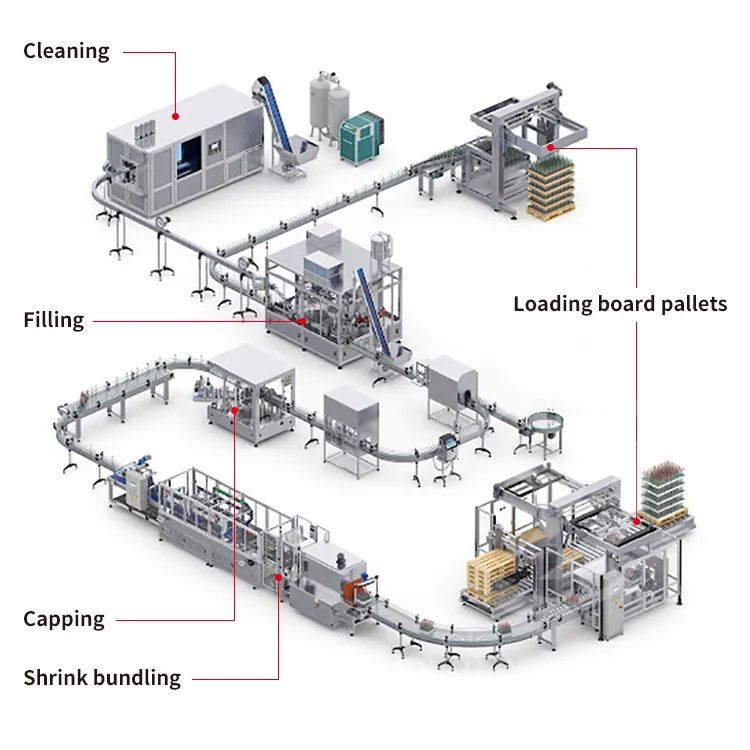 Aseptic Canning Production Line Equipment
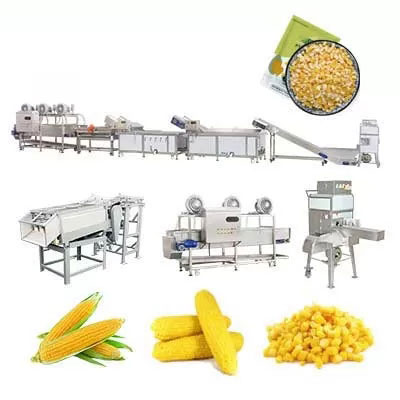 Sweet Corn Canning Production Line
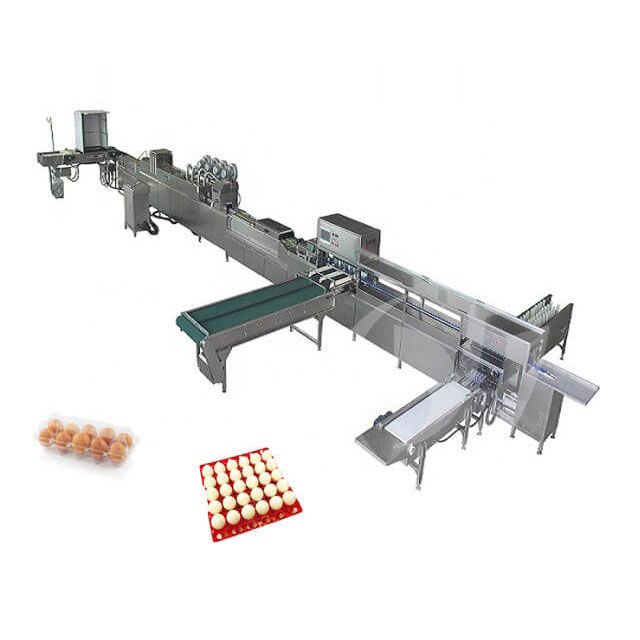 Egg Canning Production Line
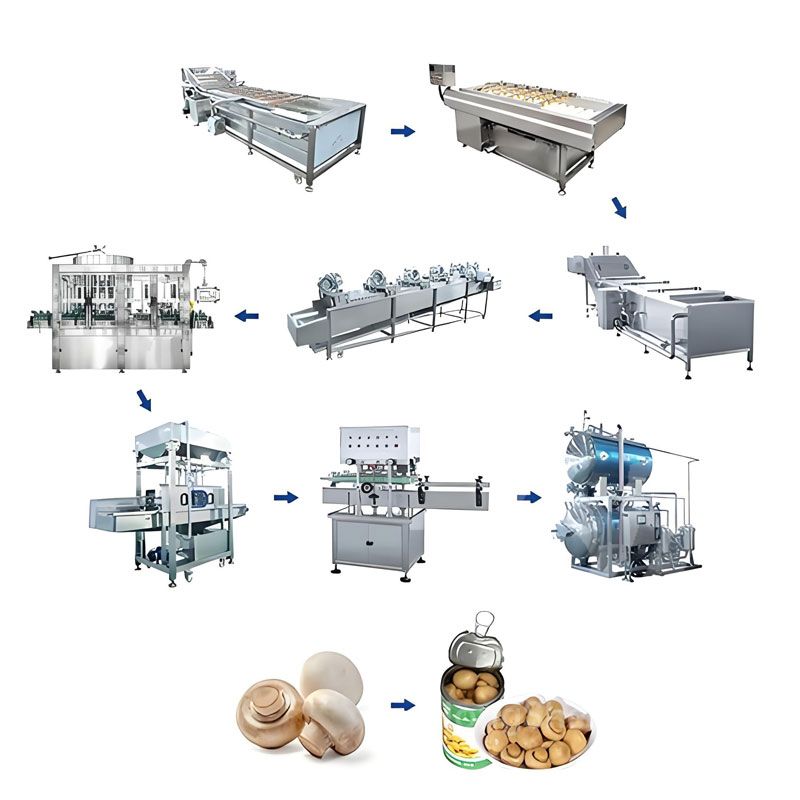 Button Mushroom Canning Production Line
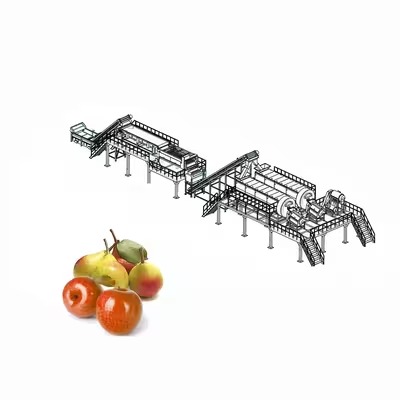 Apple Canning Production Line
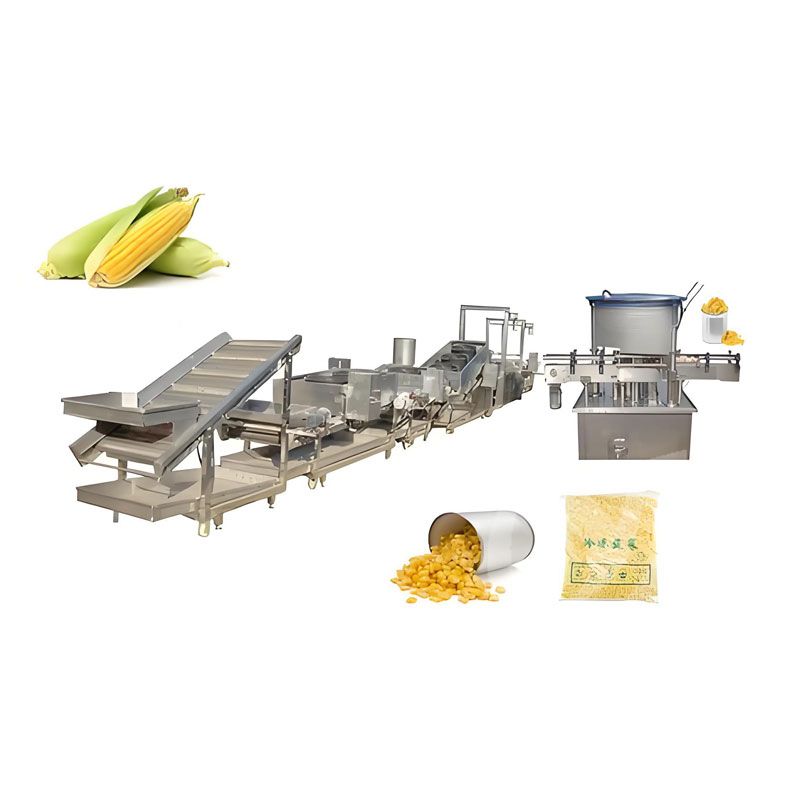 Corn Canning Production Line
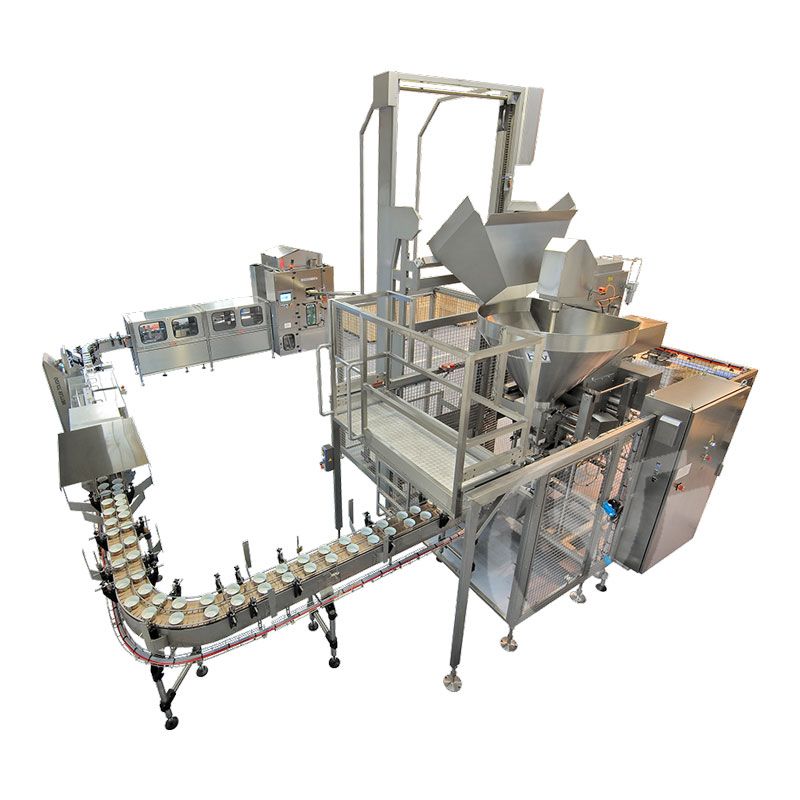 Meat Canned Food Production Line
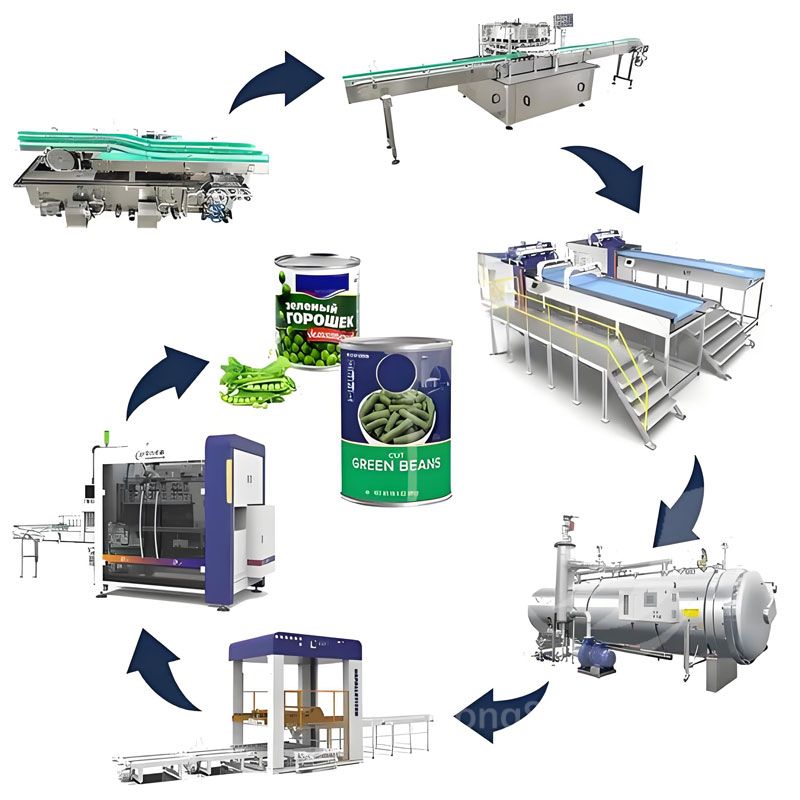 Green Bean Canned Food Production Line
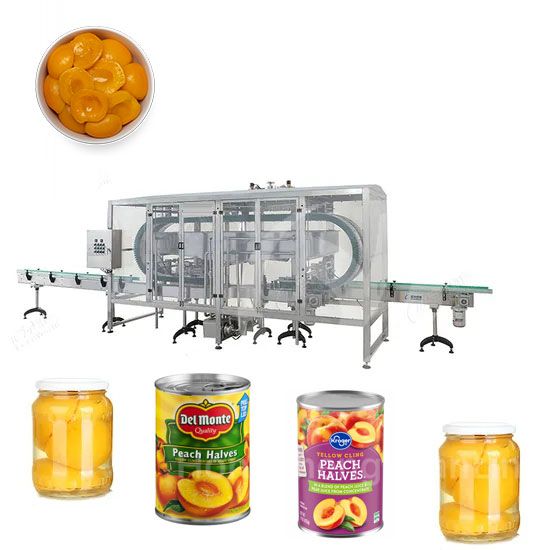 Peach Canned Food Production Line
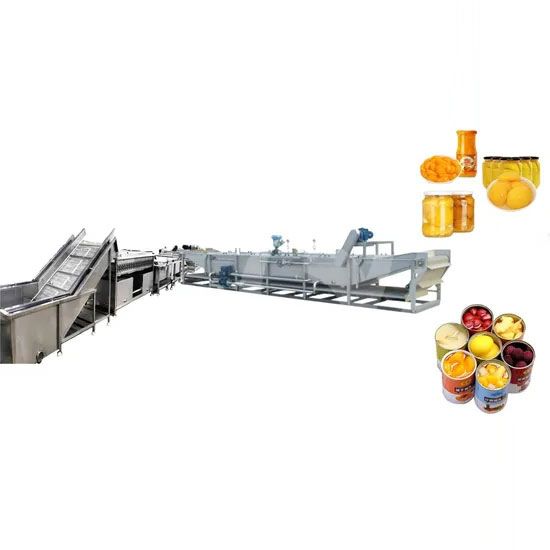 Canned Fruit Production Line Equipment
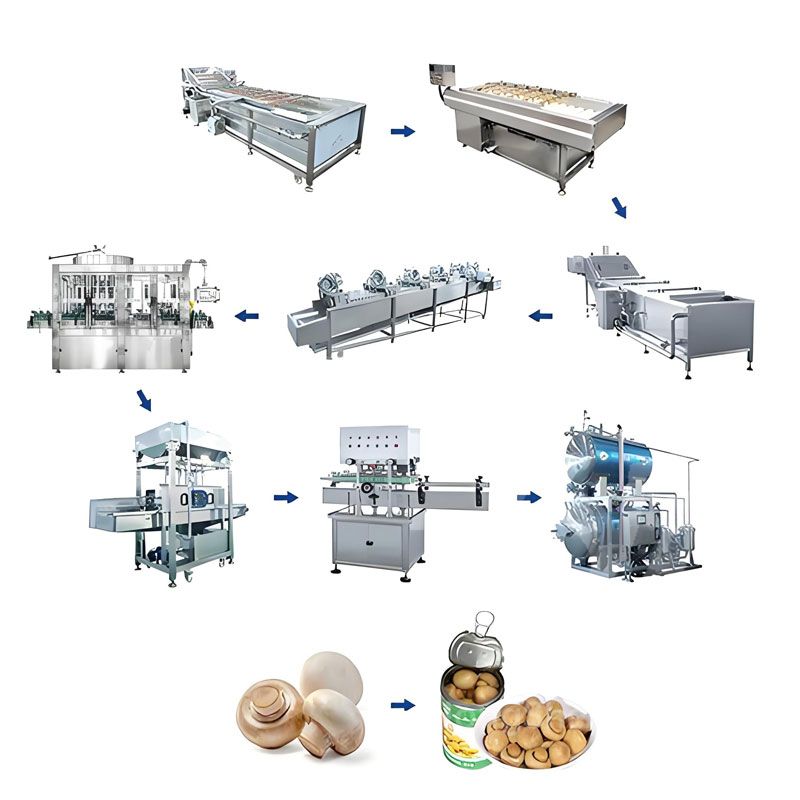 Edible Mushroom Canned Food Production Line
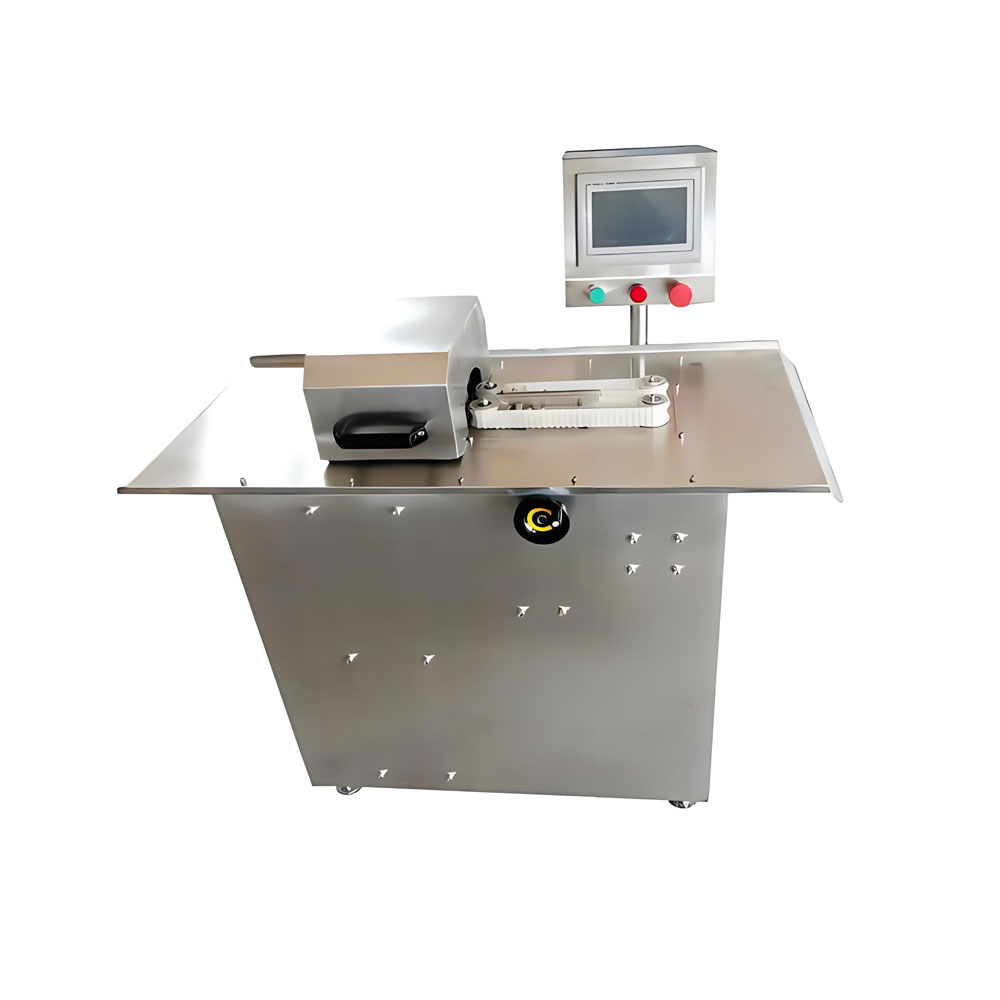 Automatic Sausage Linking Machine
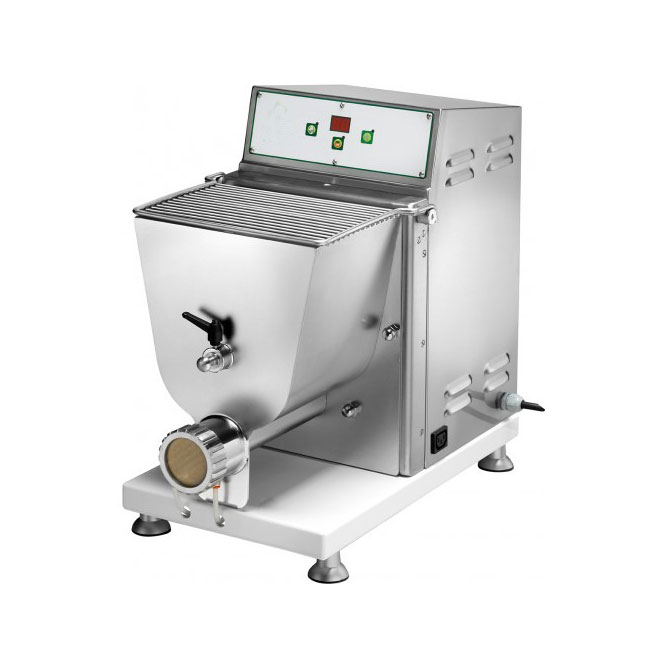 Pasta Machine
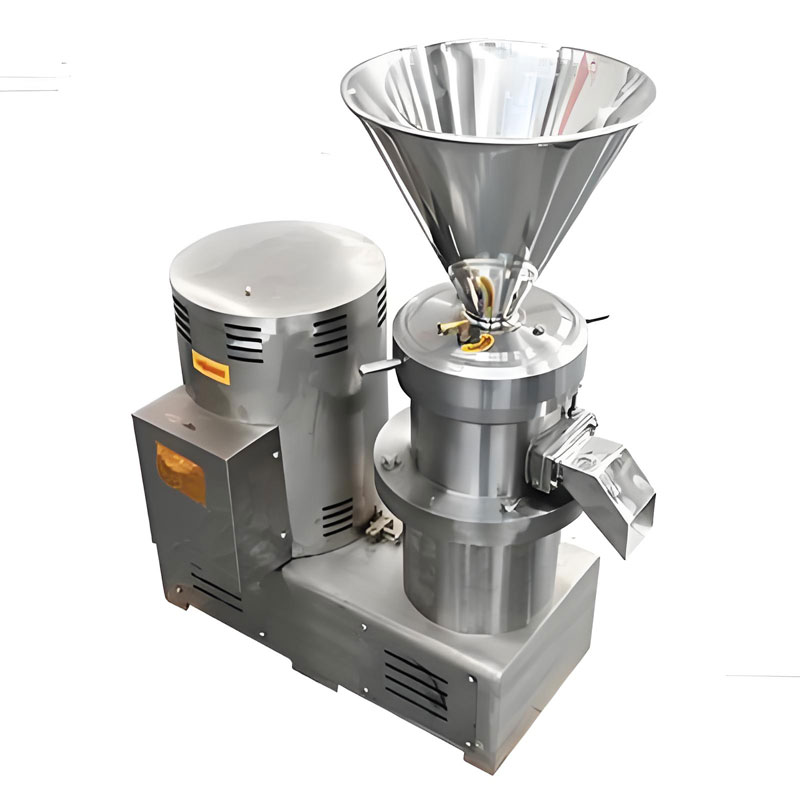 Tomato Sauce Grinding Machine
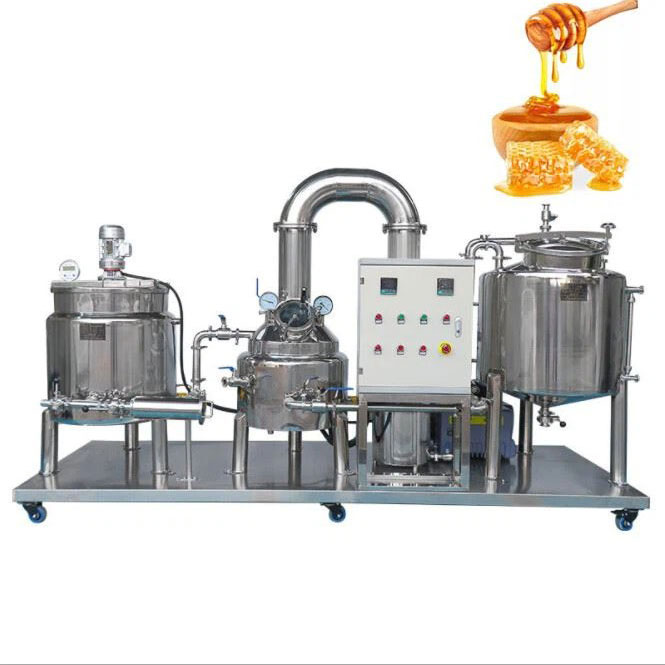 Honey Processing Equipment
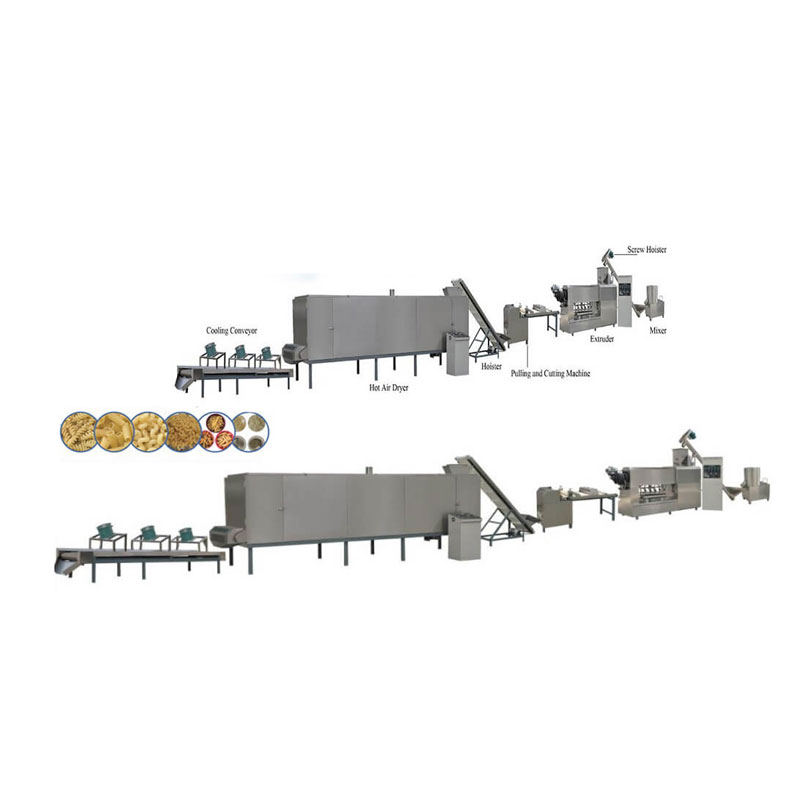 Pasta Production Line
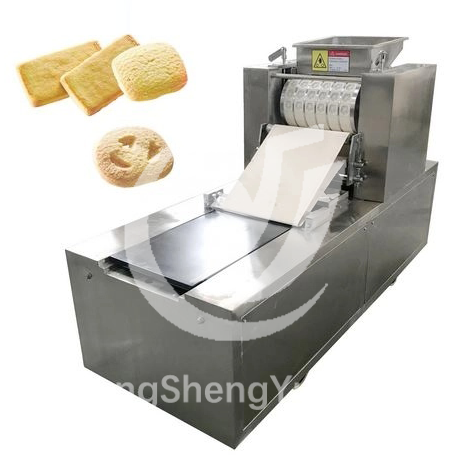 Biscuit Making Equipment
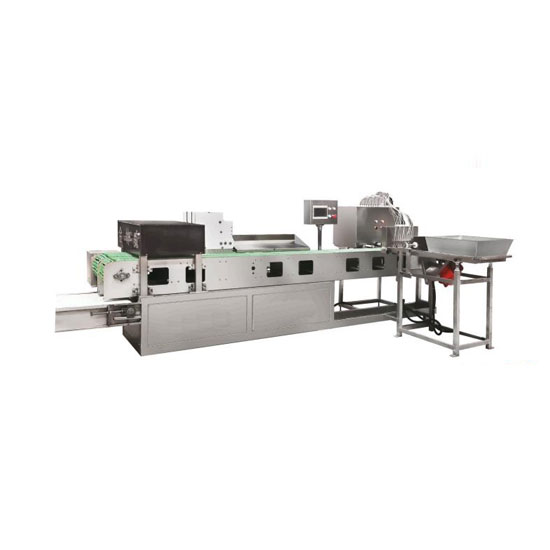 X-Type Cutting And Stringing Machine