
Ice Cream Production Line - Chinese Manufacturer, Factory, Supplier
An ice cream production line is a fully automated system designed to produce a wide range of frozen desserts efficiently and consistently, while maintaining the highest food safety standards. With global consumption of ice cream growing steadily, manufacturers are increasingly adopting these lines to meet market demand for high-quality, flavorful, and visually appealing frozen products.
The process begins with raw material preparation, where milk, cream, sugar, stabilizers, emulsifiers, and flavorings are precisely measured and mixed. Automated dosing and blending systems ensure uniform consistency across every batch, providing a reliable foundation for texture, creaminess, and taste.
Next, the mixture undergoes pasteurization and homogenization. Pasteurization eliminates harmful microorganisms, while homogenization breaks down fat molecules to create a smooth, stable texture. PLC-controlled systems allow precise regulation of temperature, pressure, and processing time, ensuring consistent quality and food safety compliance.
Following pasteurization, the ice cream base enters aging tanks, where it is cooled and stabilized for several hours. Aging improves viscosity and whipping properties, preparing the mix for freezing. Continuous freezers then convert the base into soft or hard ice cream by incorporating air (overrun) and achieving the desired density. Some advanced lines also feature flavor injection or inclusions systems, allowing the addition of chocolate chips, nuts, fruit pieces, or sauce swirls during freezing.
The frozen product is then directed to automated packaging systems, which handle cups, tubs, cones, or multi-pack cartons. These systems include filling, sealing, labeling, and coding, ensuring hygiene, efficiency, and a professional appearance. Large-scale lines may also integrate with cold storage and conveyor systems to maintain product integrity until distribution.
Applications for ice cream production lines are broad, including soft-serve ice cream, hard scoop ice cream, gelato, frozen yogurt, and novelty products. The lines are highly customizable, with options for varying production capacities, product types, and packaging formats. This flexibility makes them suitable for both small artisan manufacturers and large industrial producers.
Investing in an ice cream production line provides multiple advantages: increased production efficiency, consistent product quality, reduced labor costs, and compliance with international standards such as HACCP, ISO, and CE. With the ability to scale production and diversify product offerings, these lines enable manufacturers to meet consumer demand, stay competitive in global markets, and ensure long-term profitability.
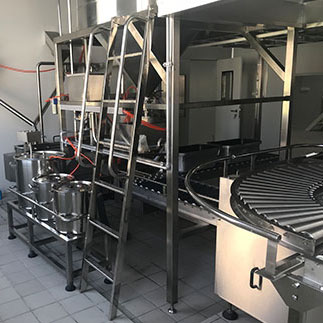 Cold Chain Rice Production Line
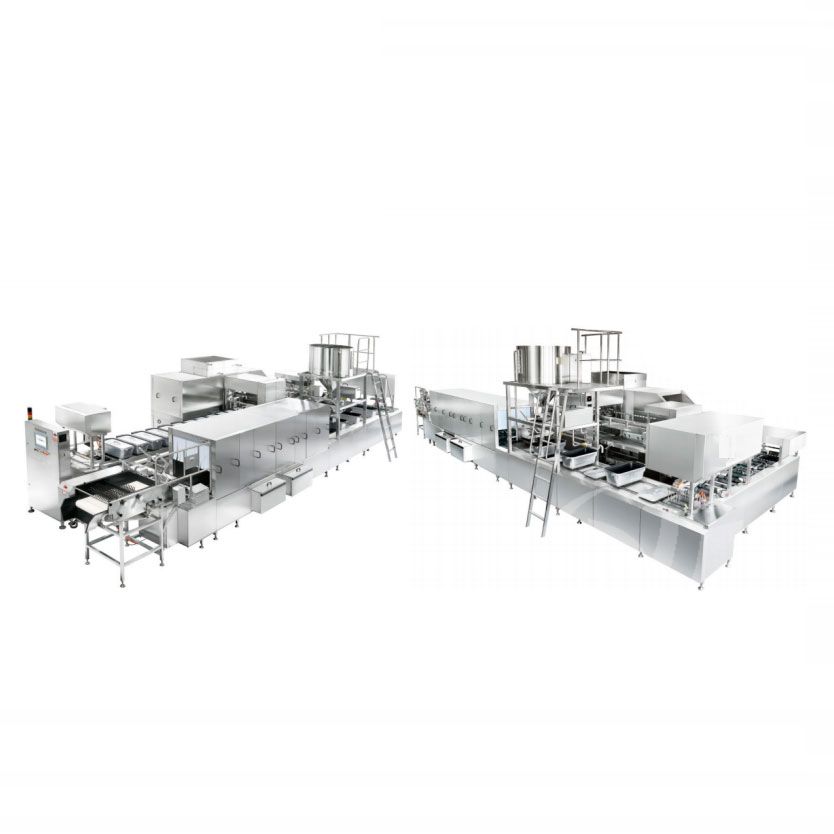 Unmanned Intelligent Rice Production Line
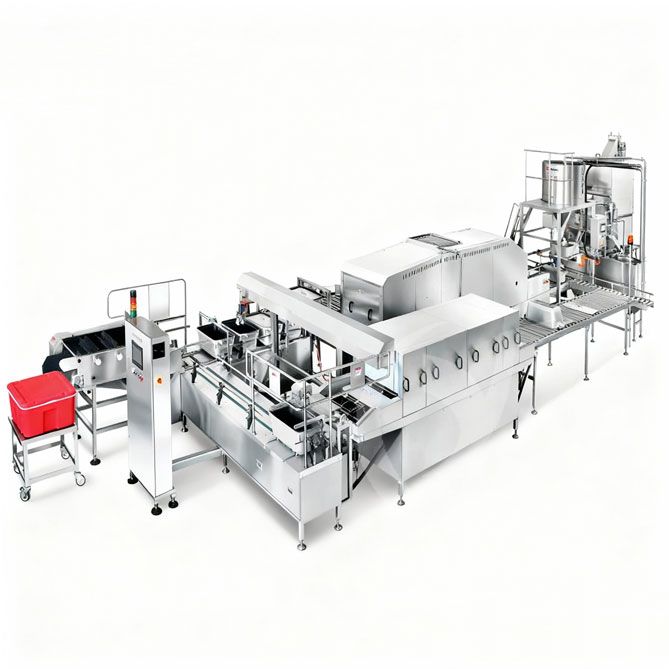 Robotic Rice Production Line
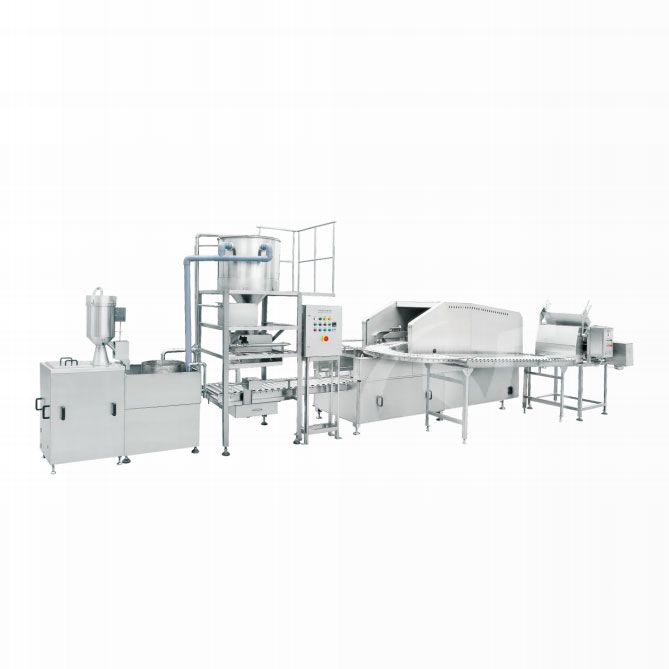 Automatic Rice Production Line
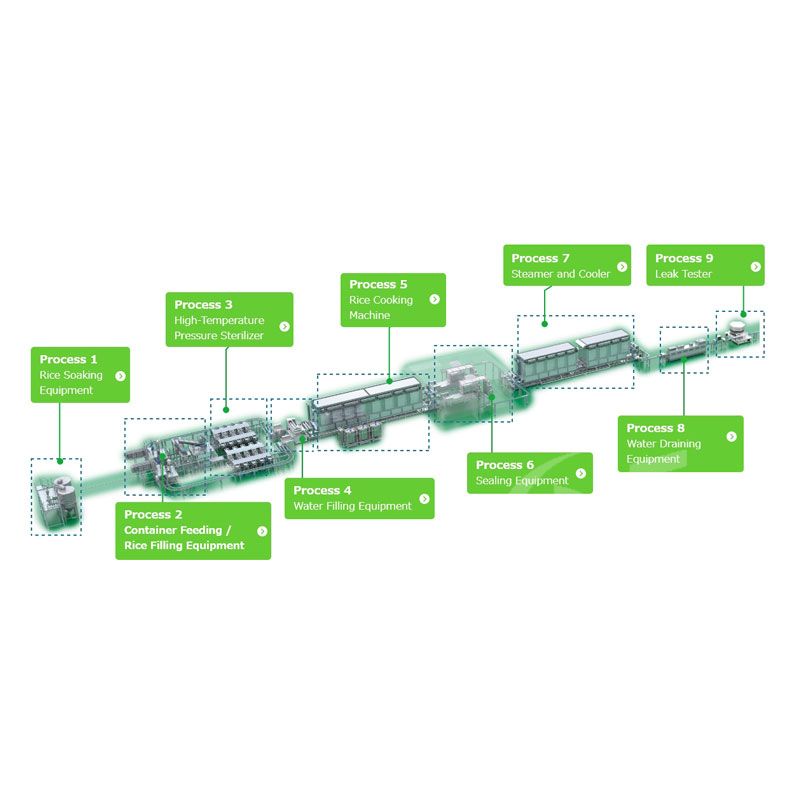 Aseptic Rice Production Line
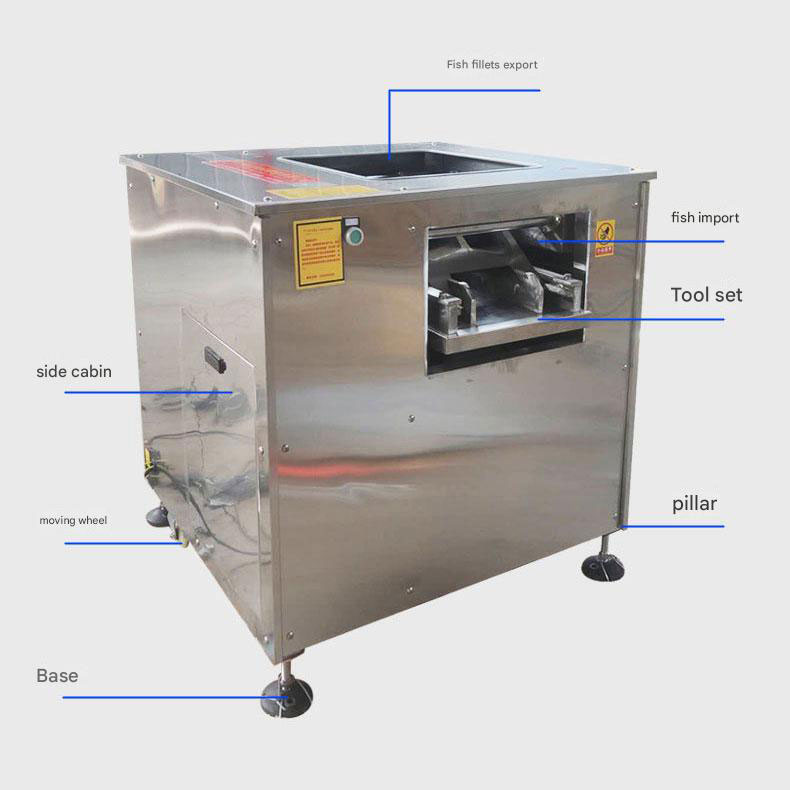 Fish Slicer Machine
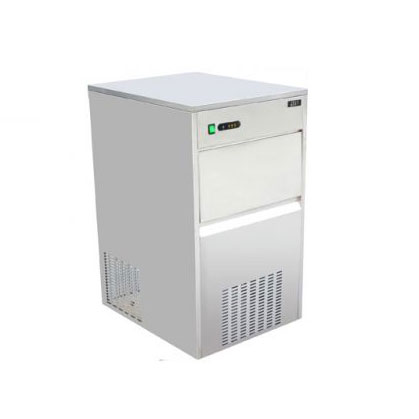 AF Series Flake Pellet Ice Machine
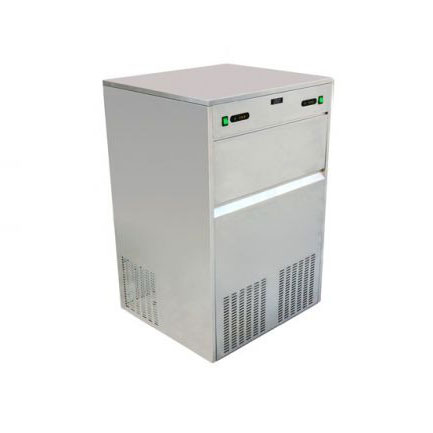 SC Series Bullet Ice Maker
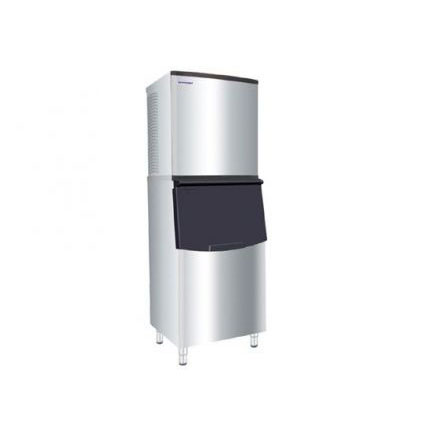 SF Series Snowflake Ice Machine
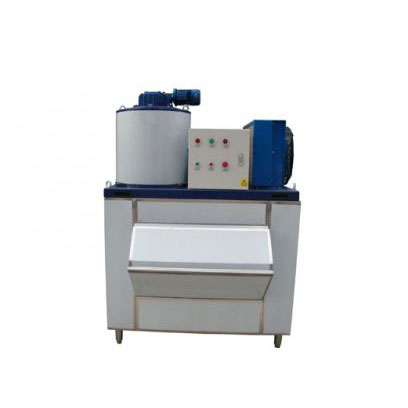 AP Series Flake Ice Machine
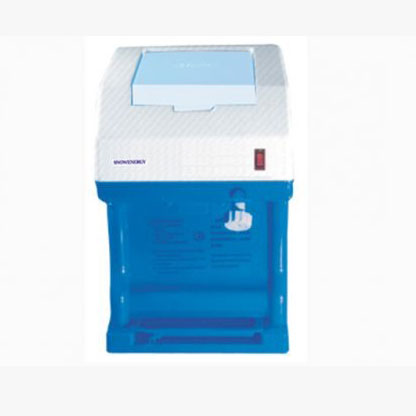 SY-168 / SY-158 Commercial Ice Shaver Machine
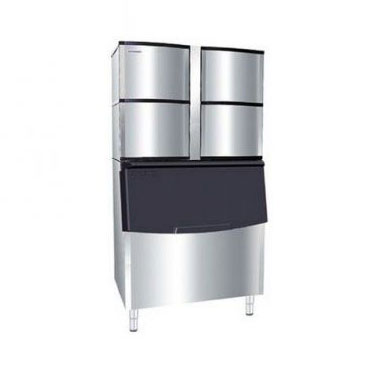 AM Series Crescent Ice Maker
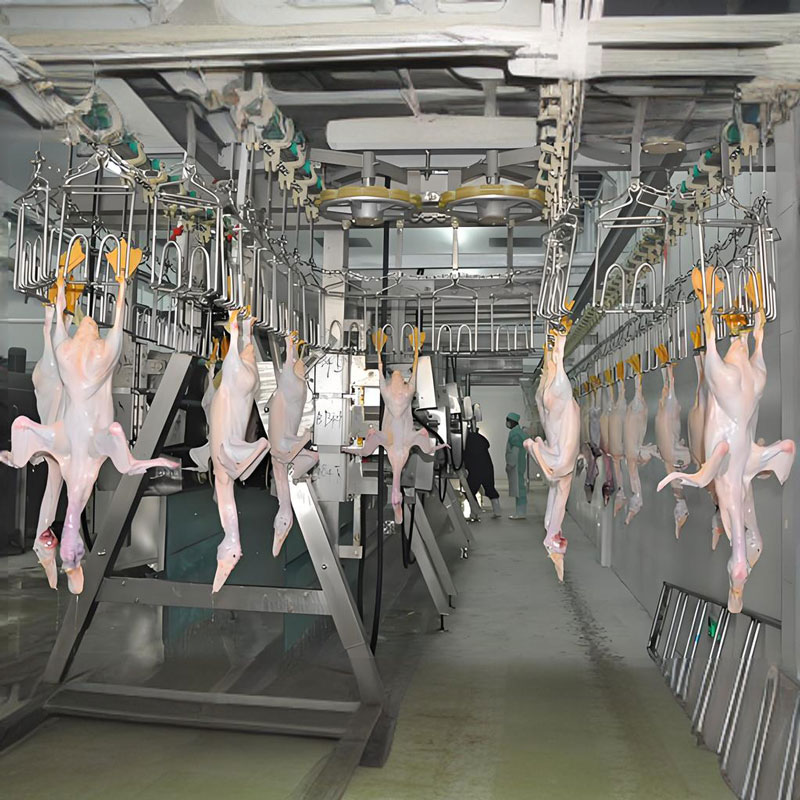 Poultry Slaughtering Line
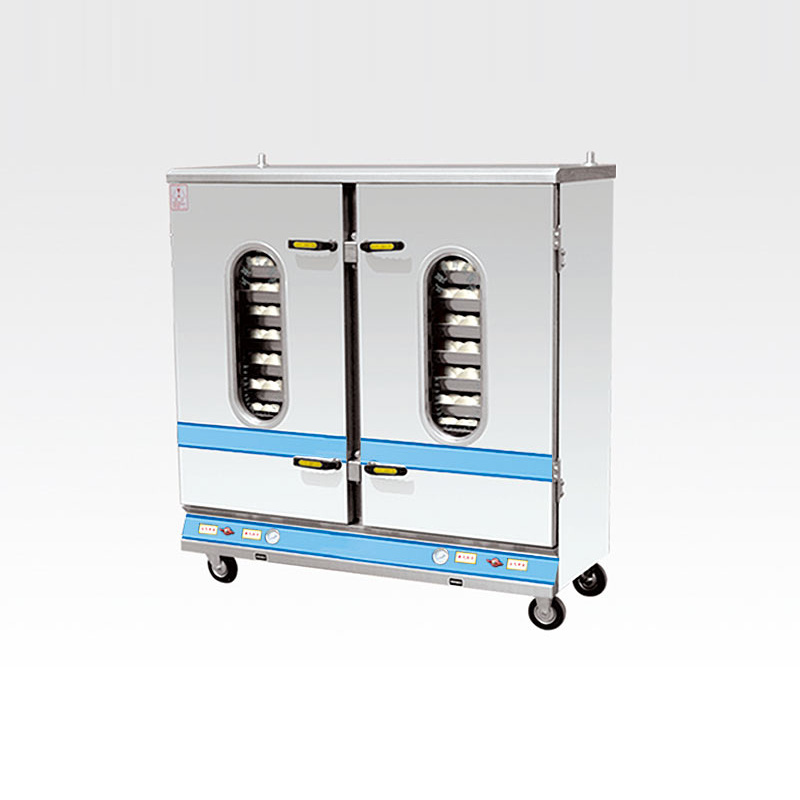 Double-Door Steaming Cabinet with Viewing Window
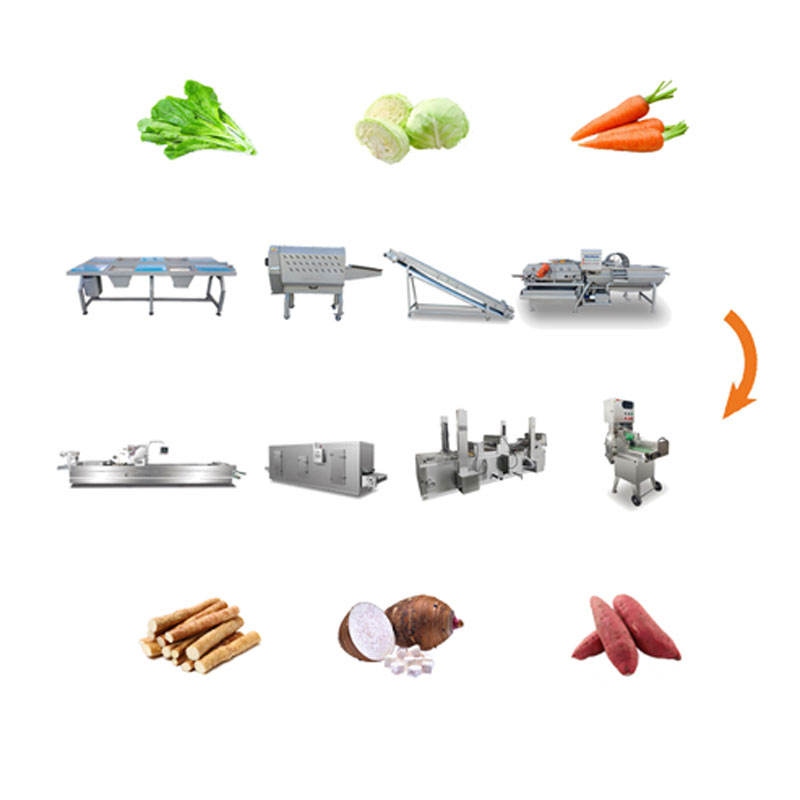 Frozen Food Production Line
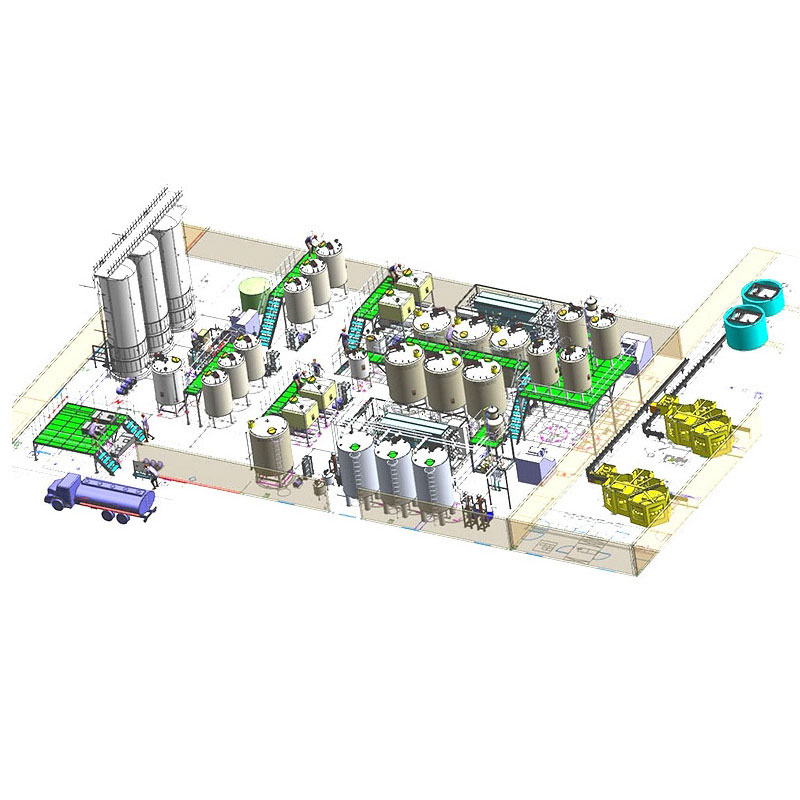 Dairy Processing Lines
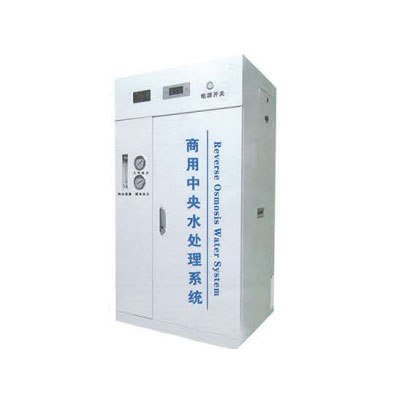 YL-W-03 Commercial Water Purification Equipment
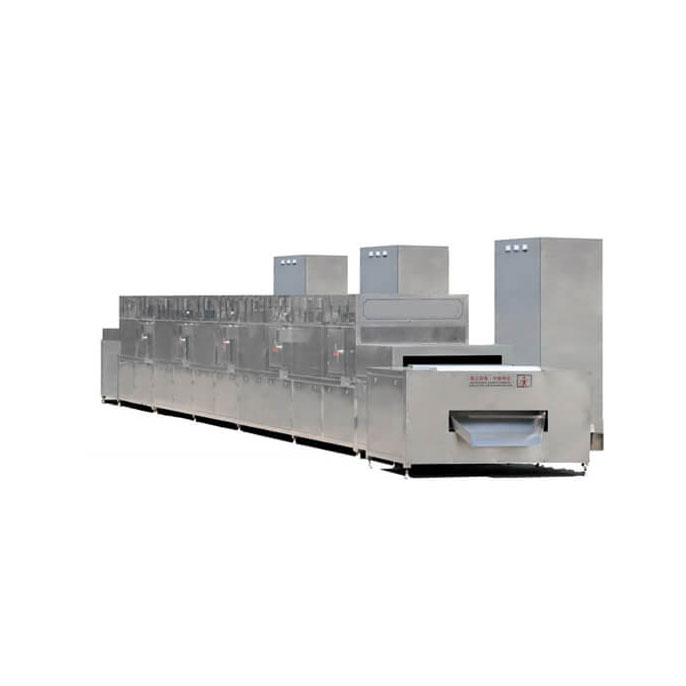 Industrial Microwave Drying Machine
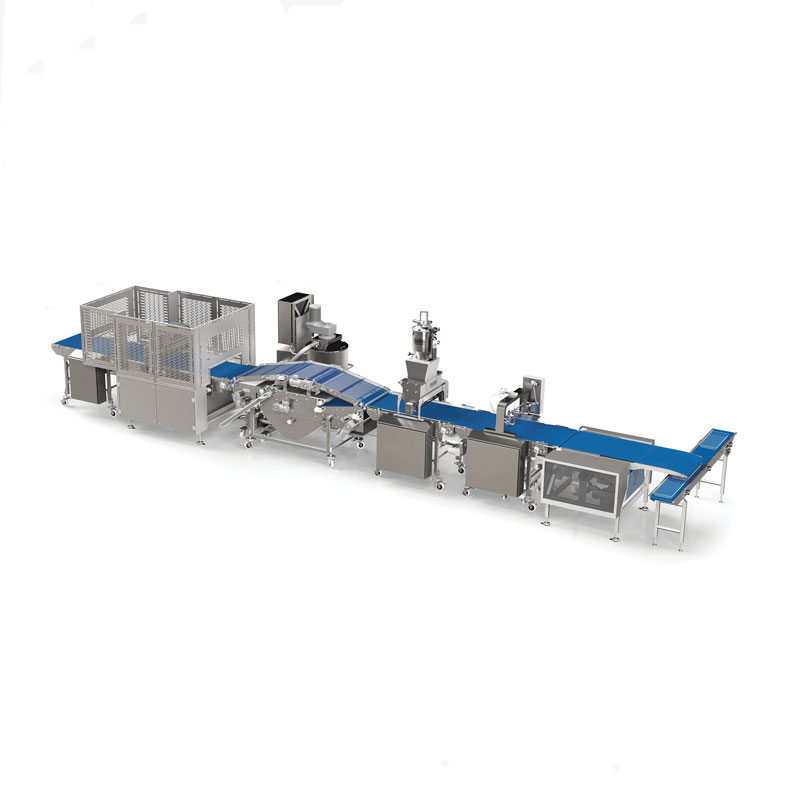 Donut Production Line
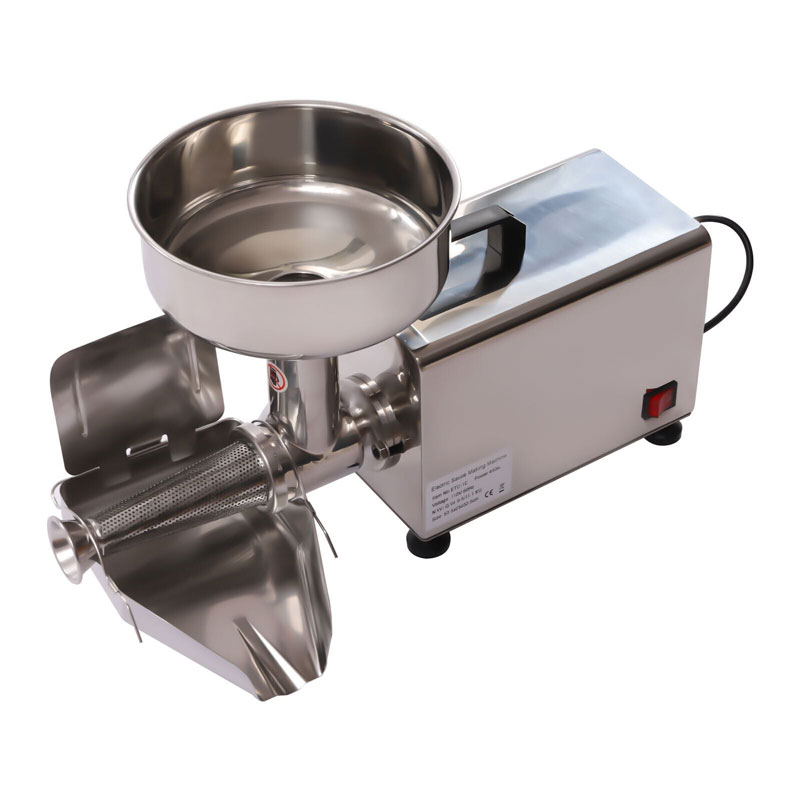 Tomato Sauce Milling Machine