
Small-Scale Fruit Canned Food Production Line - Chinese Manufacturer, Factory, Supplier
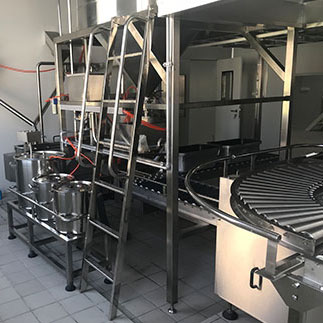
The Small-Scale Fruit Canned Food Production Line is an efficient, compact, and flexible system specifically designed for small and medium-sized fruit processing enterprises, agricultural cooperatives, and startup food manufacturers. It integrates all essential stages of fruit canning — from raw fruit preparation to sterilized, packaged products — offering professional-grade performance, high hygiene standards, and cost-effective operation within a smaller production footprint.
A standard small-scale fruit canning production line typically includes several processing stages: raw fruit receiving and inspection, washing and peeling, cutting and coring, blanching, syrup or juice preparation, filling, sealing, sterilization, cooling, labeling, and final packaging. The entire line is built with food-grade stainless steel (SUS304/316) to ensure durability, corrosion resistance, and easy cleaning, in full compliance with HACCP, GMP, and ISO22000 food safety requirements.
Despite its compact design, the system delivers industrial-level performance through automated or semi-automated modules. It can process a wide variety of fruits such as peach, pineapple, pear, mango, cherry, orange, and mixed fruits, and can be customized for different can sizes, syrup concentrations, and packaging materials (tin, aluminum, or glass jars). The precise filling and vacuum sealing systems guarantee freshness retention, natural flavor, and extended shelf life while maintaining an attractive appearance.
The line’s PLC control system enables easy operation, real-time monitoring, and accurate temperature and pressure control during the sterilization process. Optional equipment like fruit sorting machines, automatic syrup filling systems, and labeling modules can be added to meet specific production demands. These modular features make it ideal for small producers seeking scalability and future automation upgrades.
For B2B buyers, investing in a small-scale fruit canned food production line provides numerous benefits: reduced labor costs, higher production efficiency, consistent product quality, and compliance with export food safety standards. It also supports local fruit farmers by converting fresh produce into value-added canned goods, helping businesses expand into domestic and international retail markets.
In summary, the Small-Scale Fruit Canned Food Production Line offers a practical, hygienic, and scalable solution for businesses looking to enter or expand within the canned fruit industry. It combines automation, efficiency, and flexibility, making it the perfect choice for small-scale producers seeking industrial-level results with manageable investment.
 Cold Chain Rice Production Line
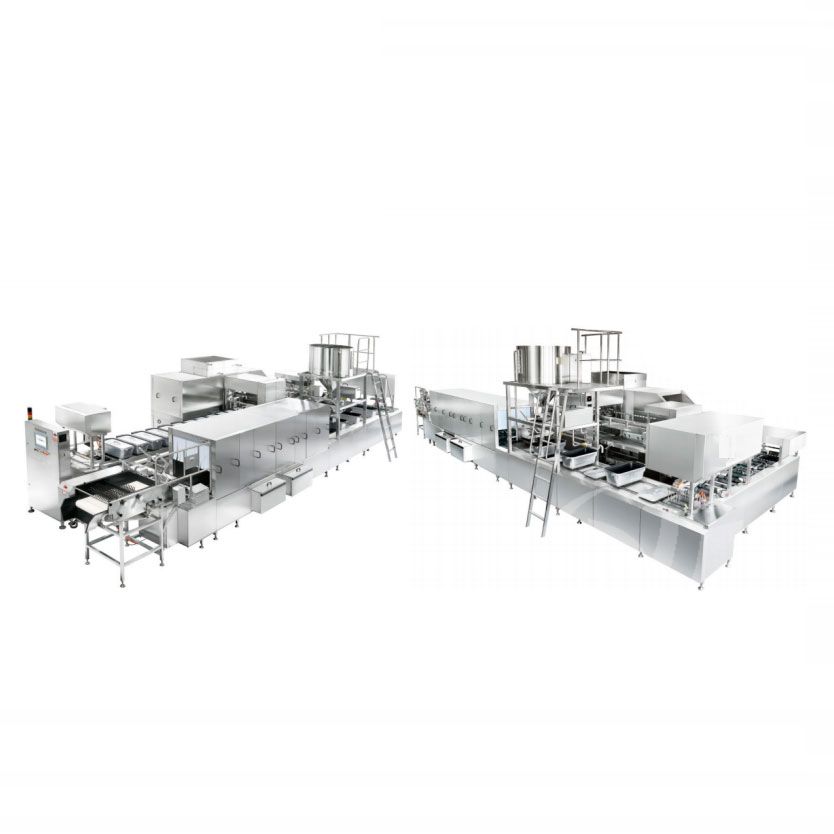 Unmanned Intelligent Rice Production Line
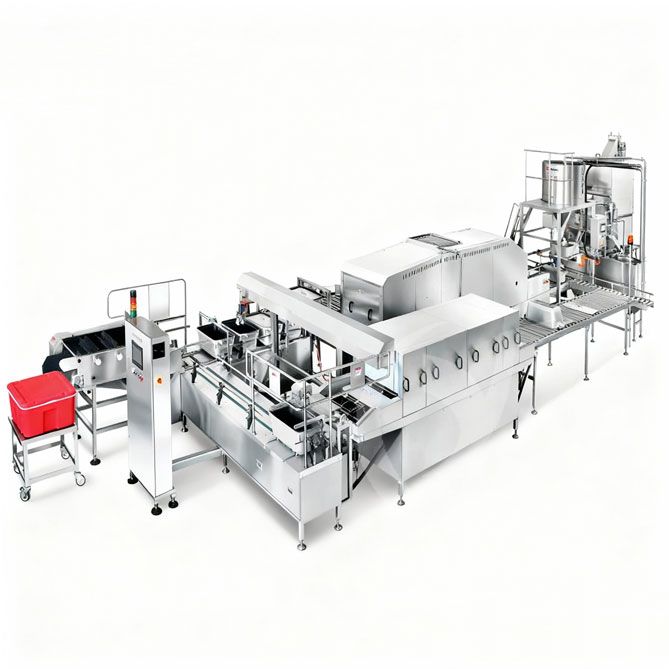 Robotic Rice Production Line
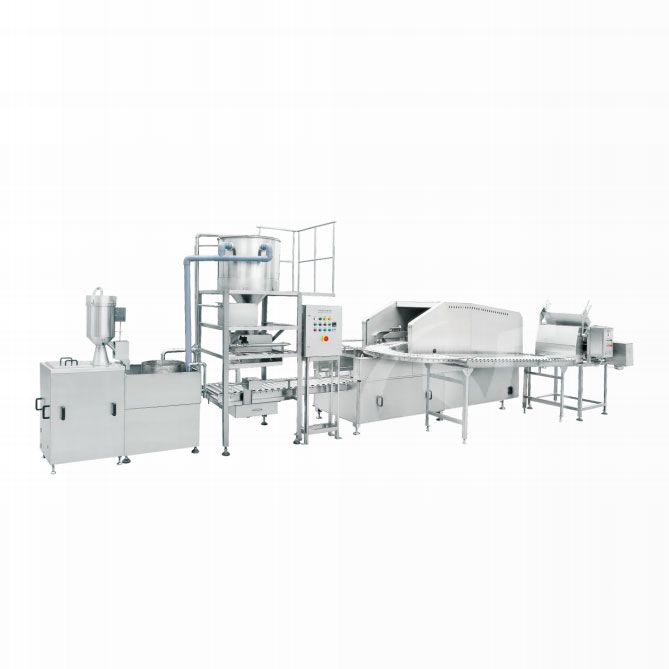 Automatic Rice Production Line
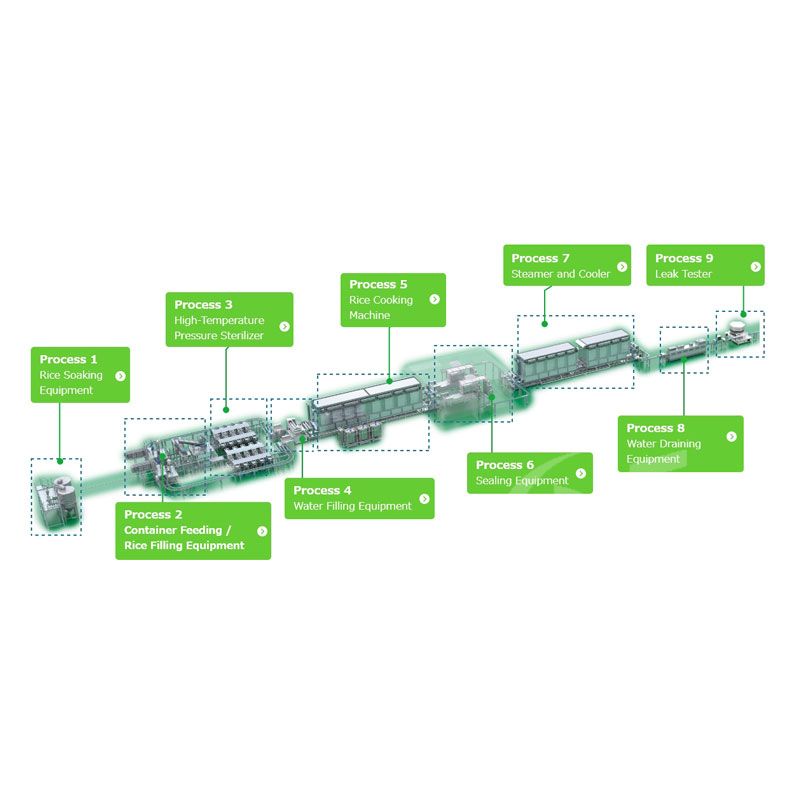 Aseptic Rice Production Line
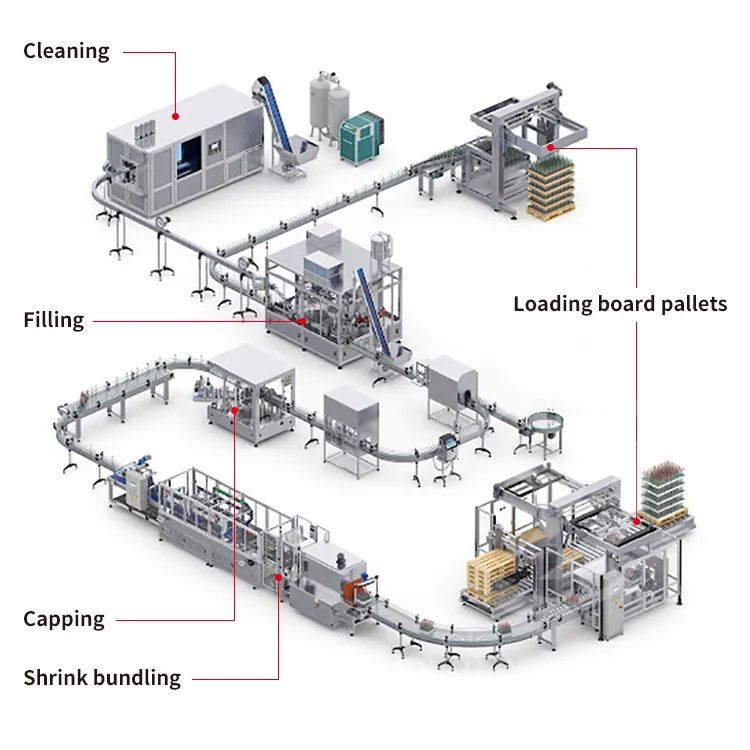 Aseptic Canning Production Line Equipment
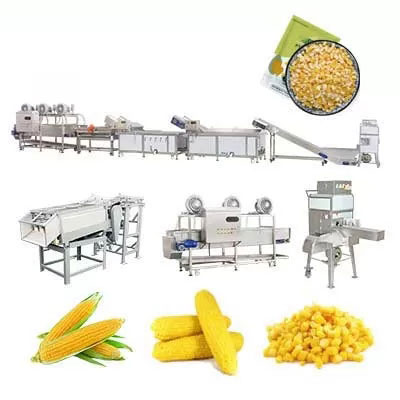 Sweet Corn Canning Production Line
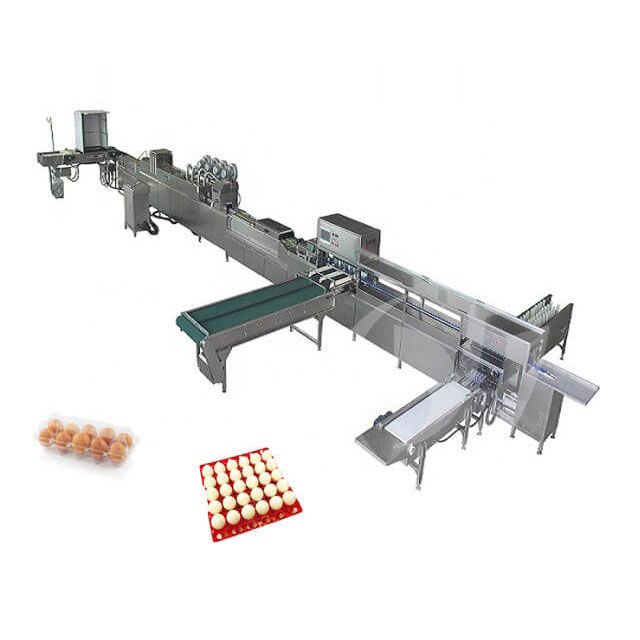 Egg Canning Production Line
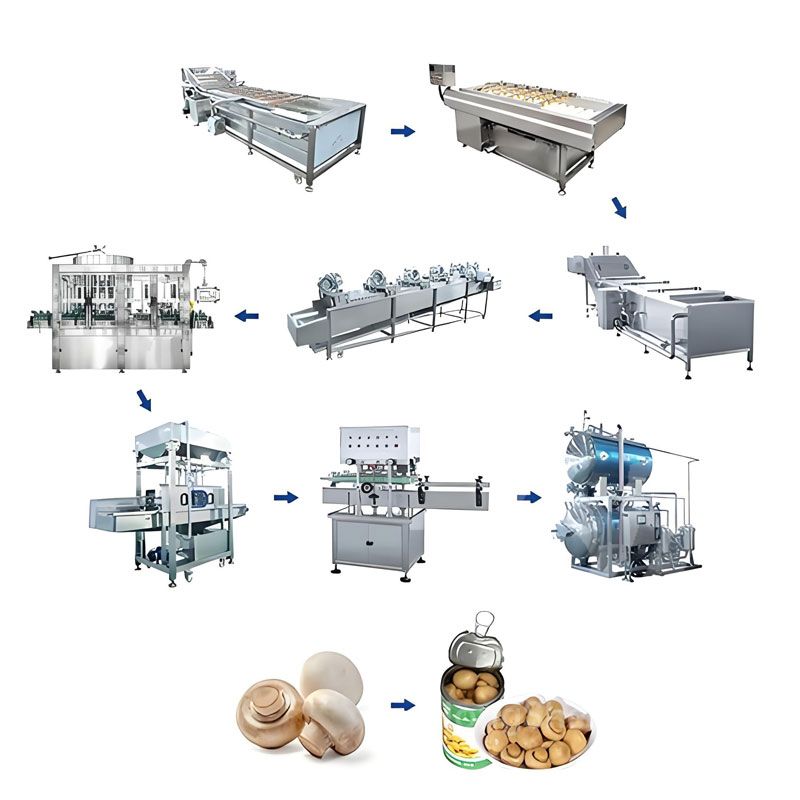 Button Mushroom Canning Production Line
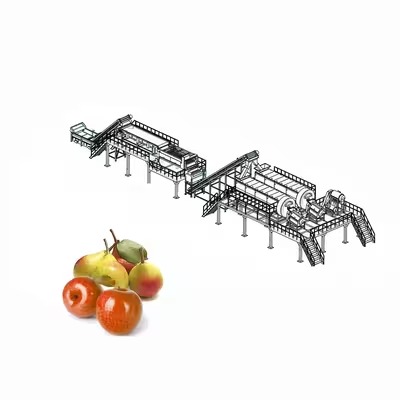 Apple Canning Production Line
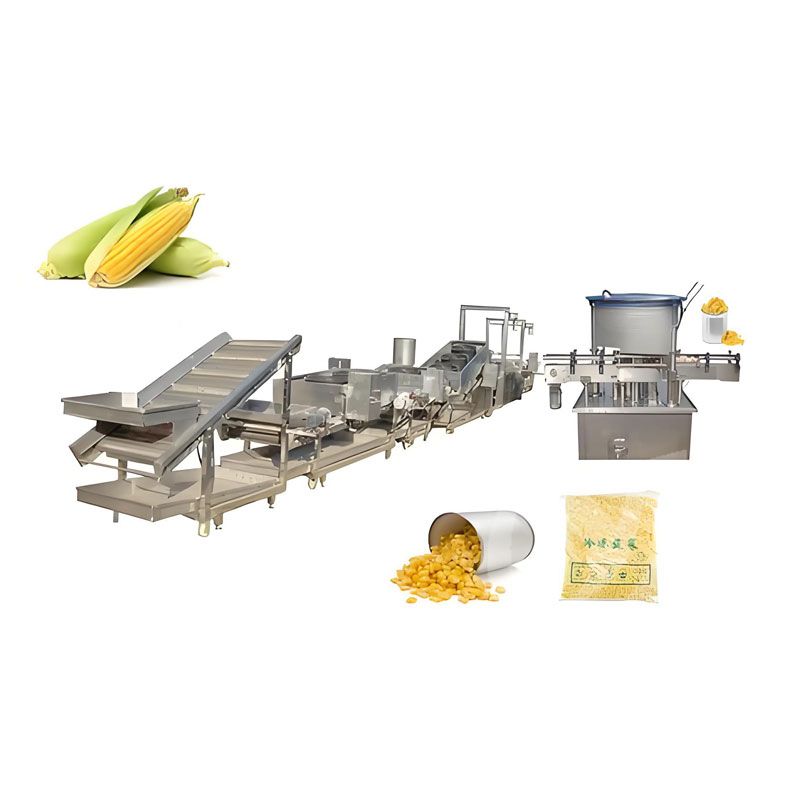 Corn Canning Production Line
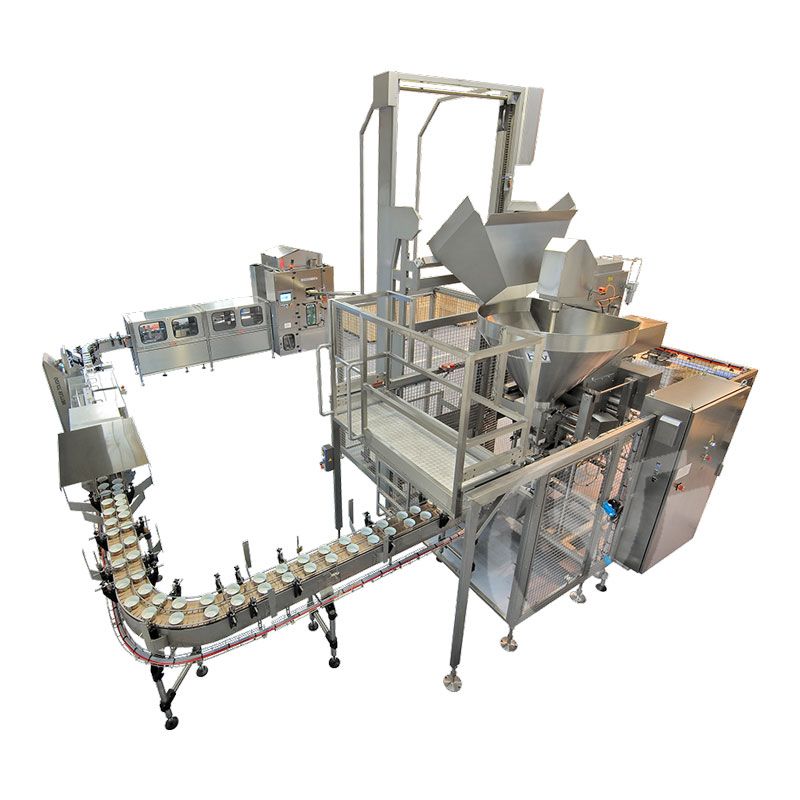 Meat Canned Food Production Line
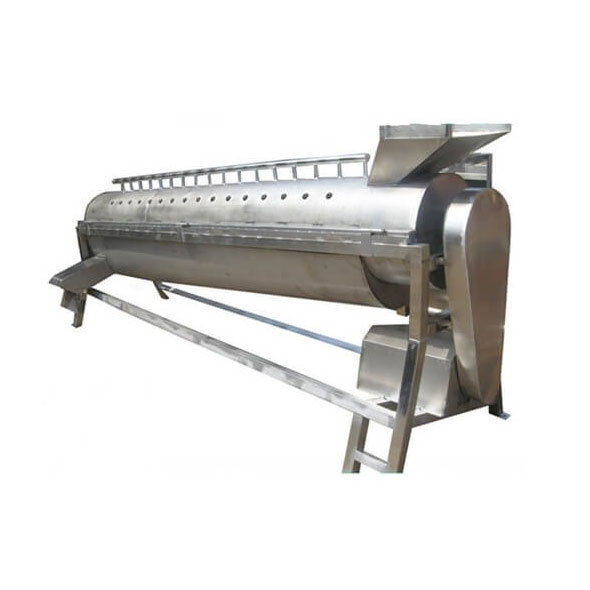 Big Chicken Feet Peeling Machine
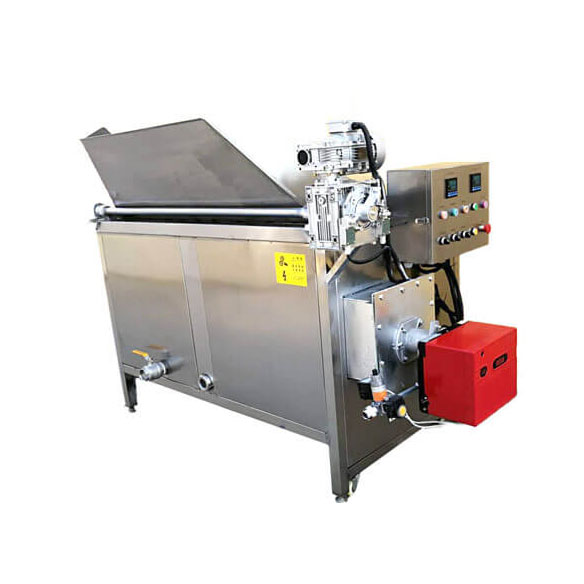 French Fries Frying Machine
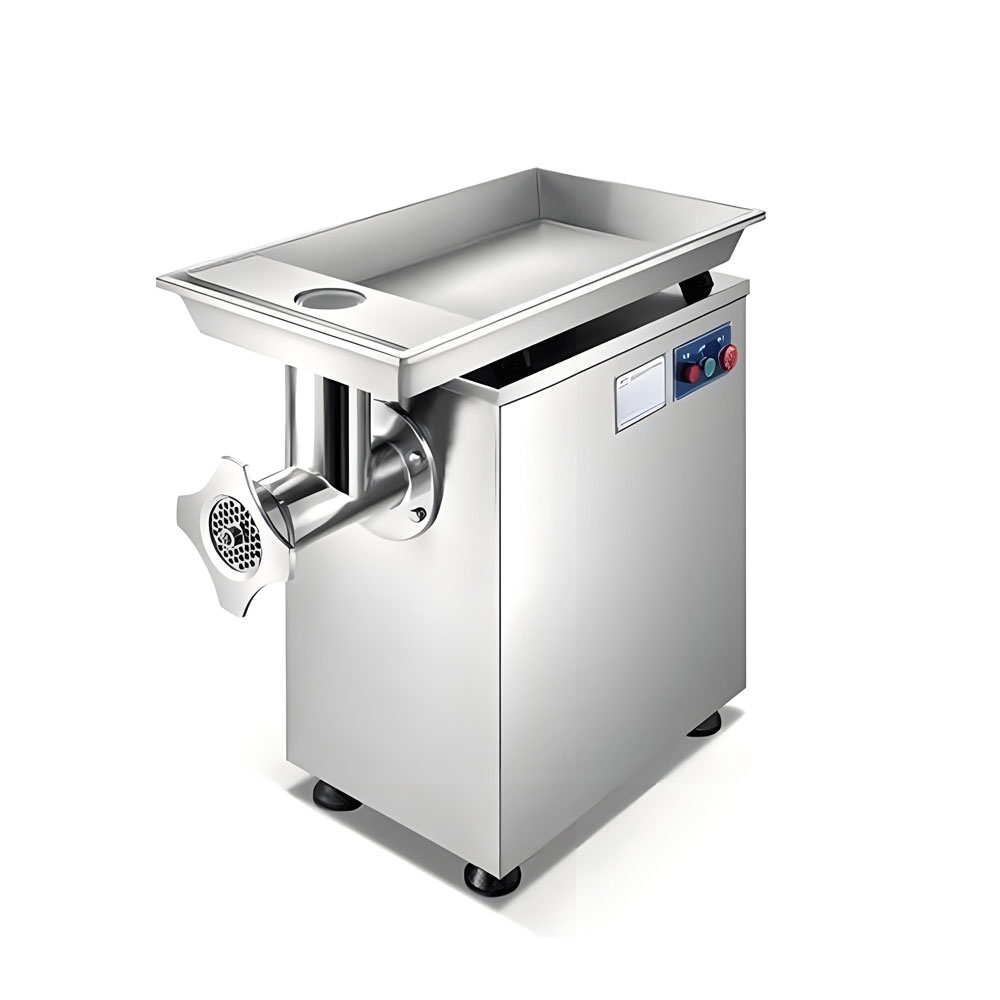 Meat Grinding Machine
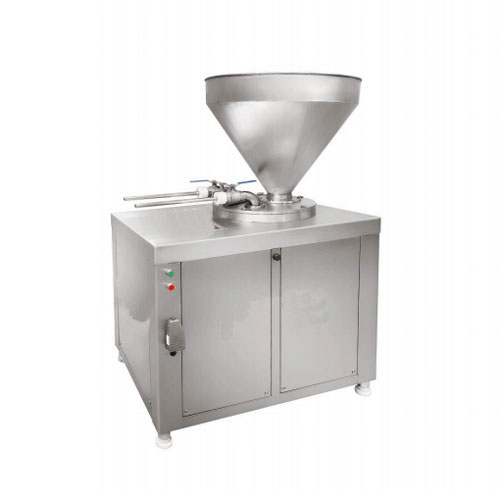 Hydraulic Sausage Stuffer
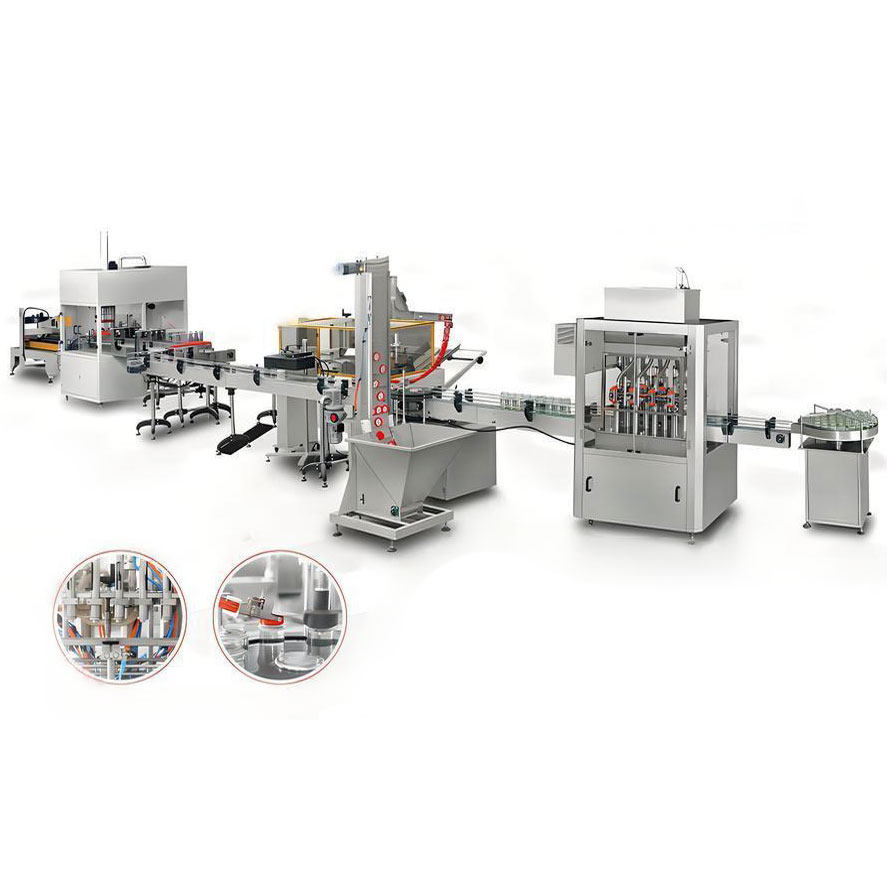 Tomato Paste Production Line
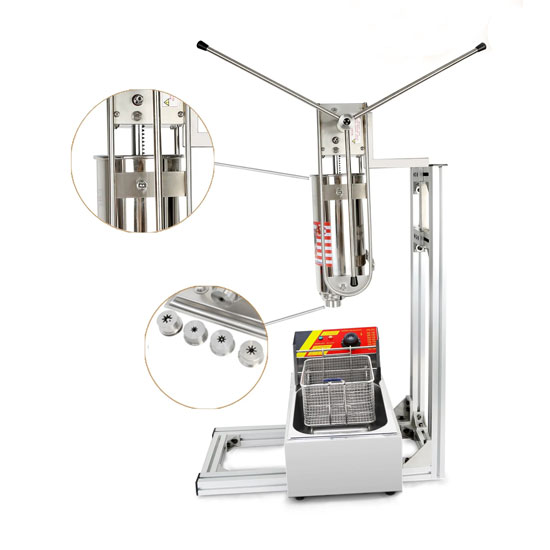 Churros Making Machine
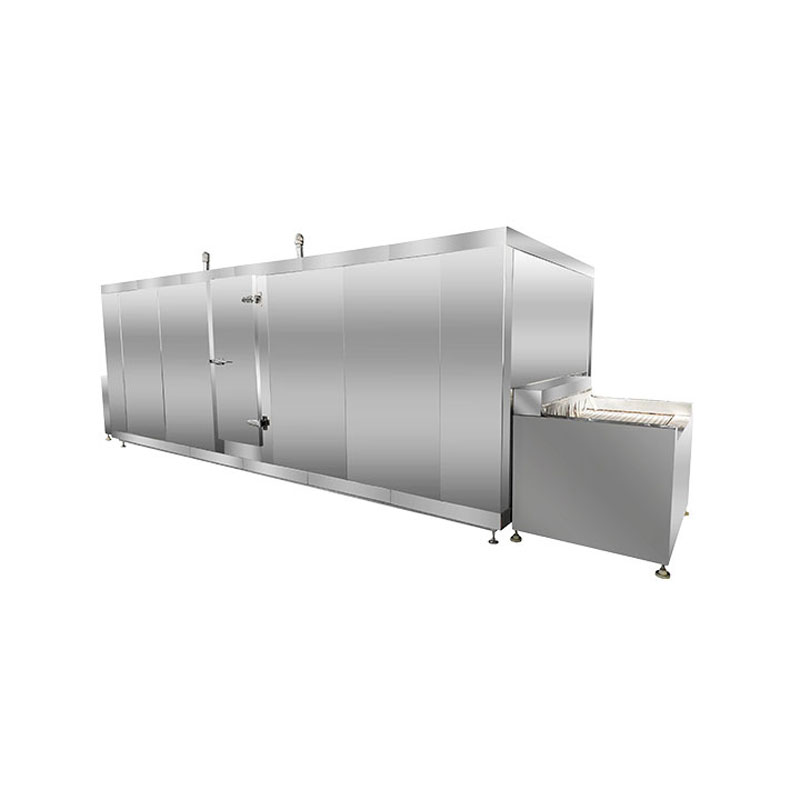 IQF Processing Line
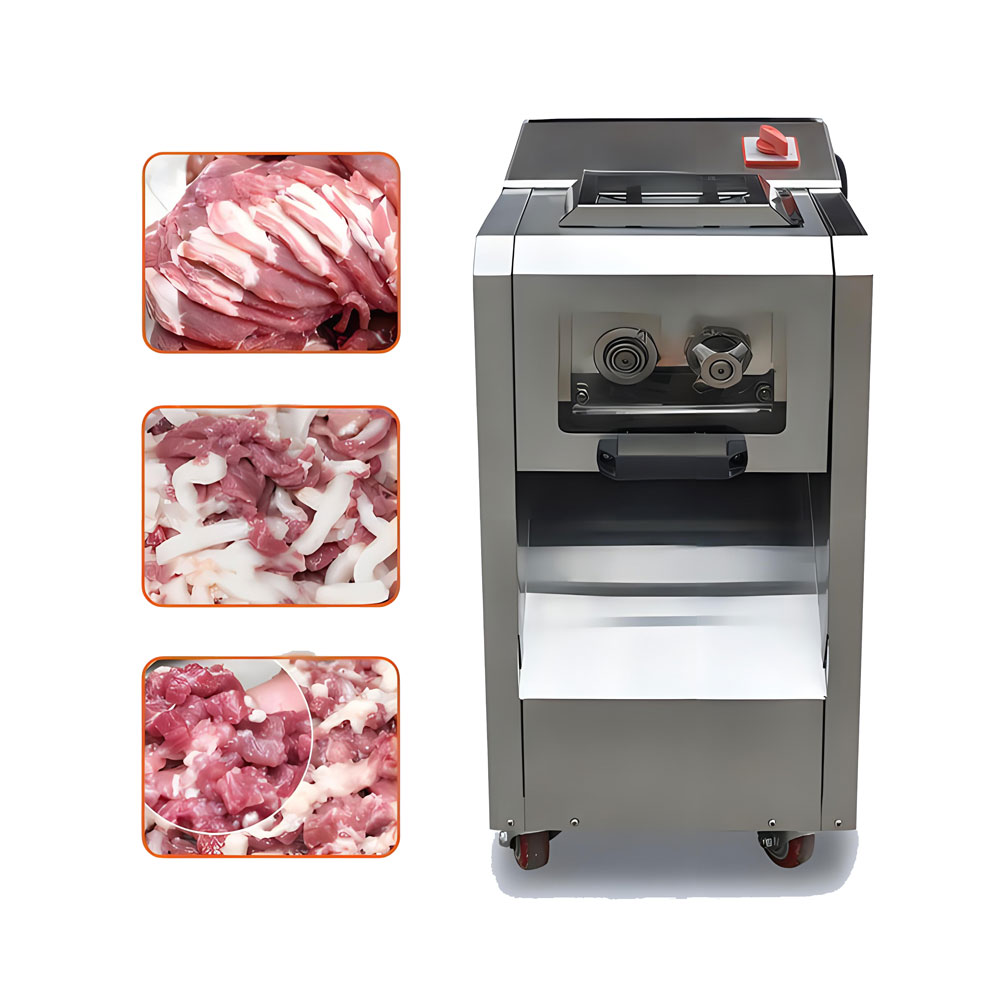 Frozen Meat Cutting Machine