
Food Canning Production Line - Chinese Manufacturer, Factory, Supplier
The Food Canning Production Line is a modern, fully automated processing system designed to produce a wide range of canned foods — including meat, fish, seafood, vegetables, fruits, sauces, soups, and ready meals. It integrates all key stages of the canning process, from raw material preparation to sterilized and packaged finished products, ensuring high efficiency, consistent quality, and full compliance with international food safety standards such as HACCP, ISO22000, and FDA. This production line is widely used by food manufacturers, processing plants, and B2B suppliers seeking to expand production capacity and meet the growing global demand for shelf-stable foods.
A complete food canning production line typically includes the following major processes: raw material receiving and washing, cutting or pre-cooking, weighing and filling, sauce or liquid dosing, can sealing, sterilization, cooling, labeling, and packaging. Each section is constructed from food-grade stainless steel (SUS304/316) to ensure hygiene, corrosion resistance, and long service life. All systems are designed for continuous operation and easy cleaning, minimizing downtime and maintenance costs.
The line is equipped with PLC control systems that provide real-time monitoring, automatic temperature and pressure regulation, and fault detection. This ensures precise process control and consistent product quality. Automatic retort sterilizers guarantee food safety and extended shelf life without compromising taste, color, or nutritional value. The line can handle various packaging types — including tin cans, aluminum cans, glass jars, or retort pouches — depending on product requirements.
One of the main advantages of the Food Canning Production Line is its customization flexibility. It can be tailored to process different food categories, production capacities, and packaging specifications. Optional systems such as vacuum filling, CIP (Clean-In-Place) cleaning, automatic labeling, and robotic palletizing can be integrated to enhance automation and production efficiency.
For B2B buyers, investing in a food canning production line delivers significant ROI benefits. It helps manufacturers achieve labor savings, higher throughput, consistent quality assurance, and export-standard safety compliance. Whether producing canned meats, fruits, or soups, this production line supports large-scale, hygienic, and cost-effective food manufacturing for both domestic and international markets.
In conclusion, the Food Canning Production Line represents a comprehensive, high-performance, and scalable solution for modern food processors. It combines automation, food safety, and production efficiency to help manufacturers remain competitive in today’s global canned food industry.
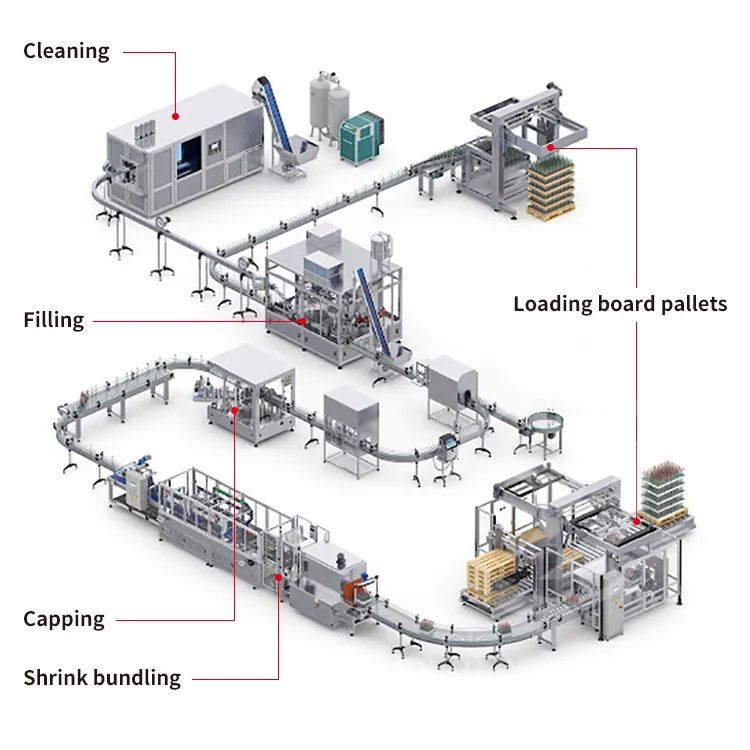 Aseptic Canning Production Line Equipment
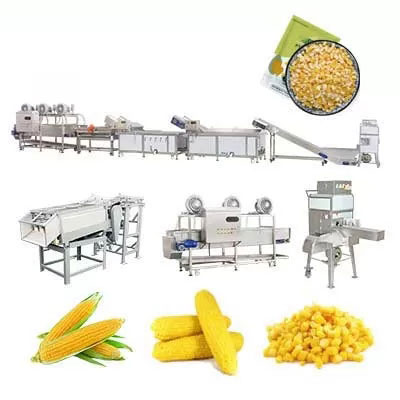 Sweet Corn Canning Production Line
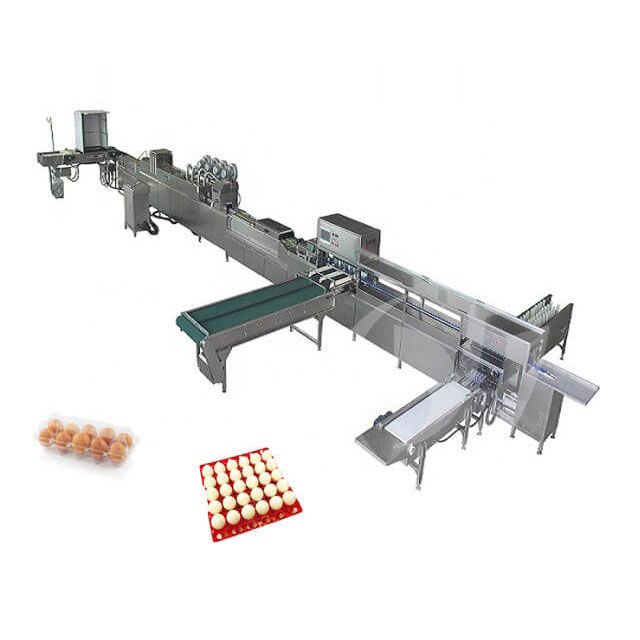 Egg Canning Production Line
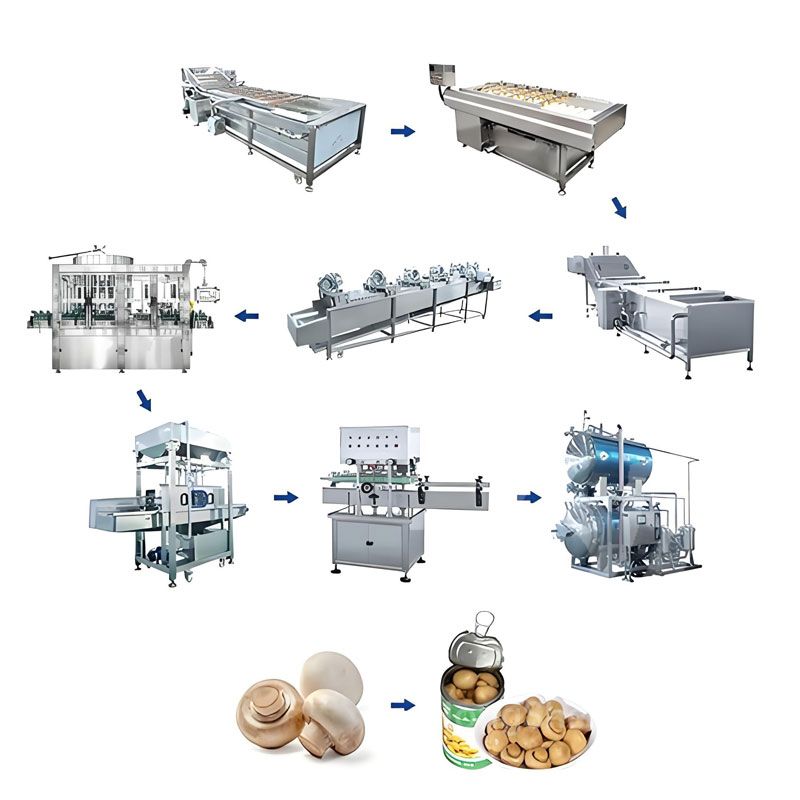 Button Mushroom Canning Production Line
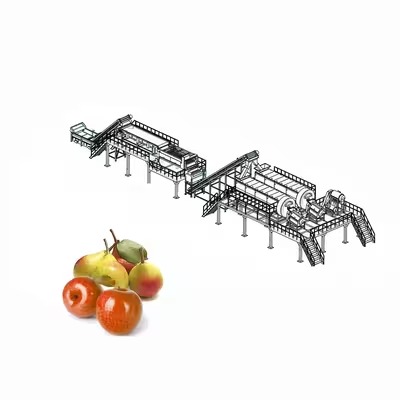 Apple Canning Production Line
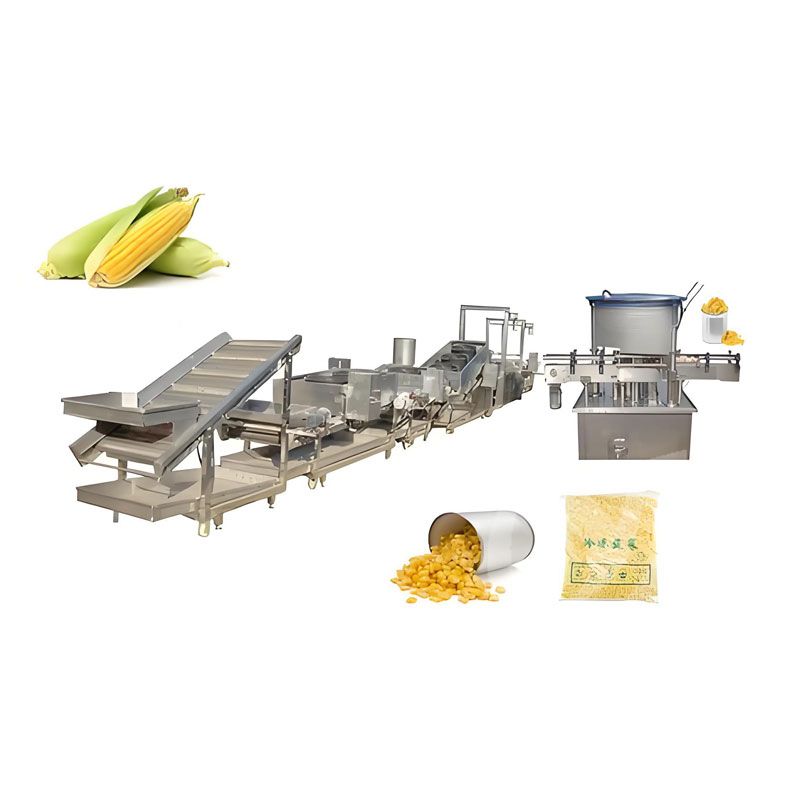 Corn Canning Production Line
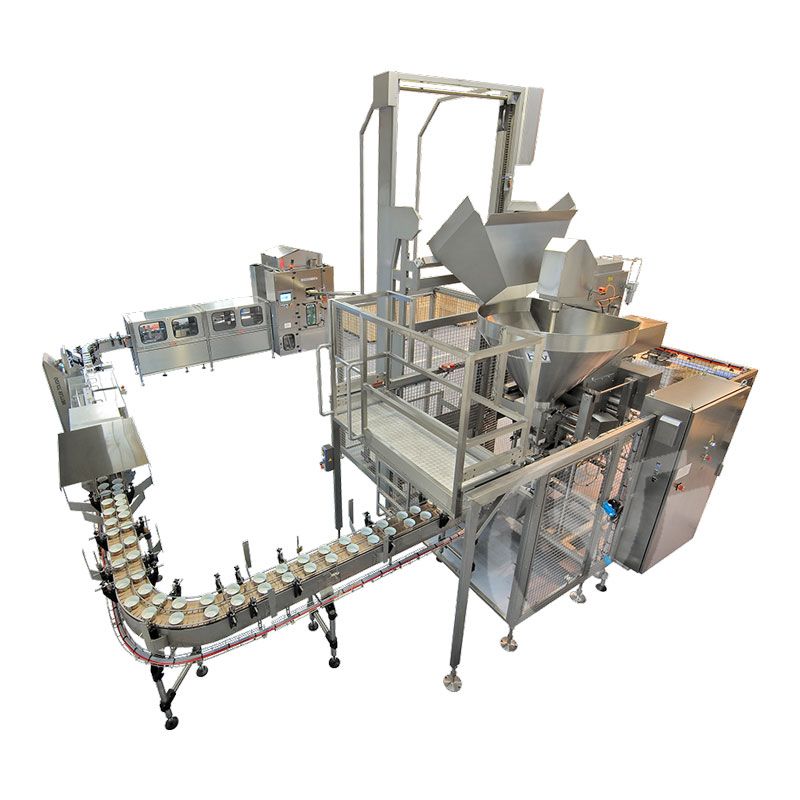 Meat Canned Food Production Line
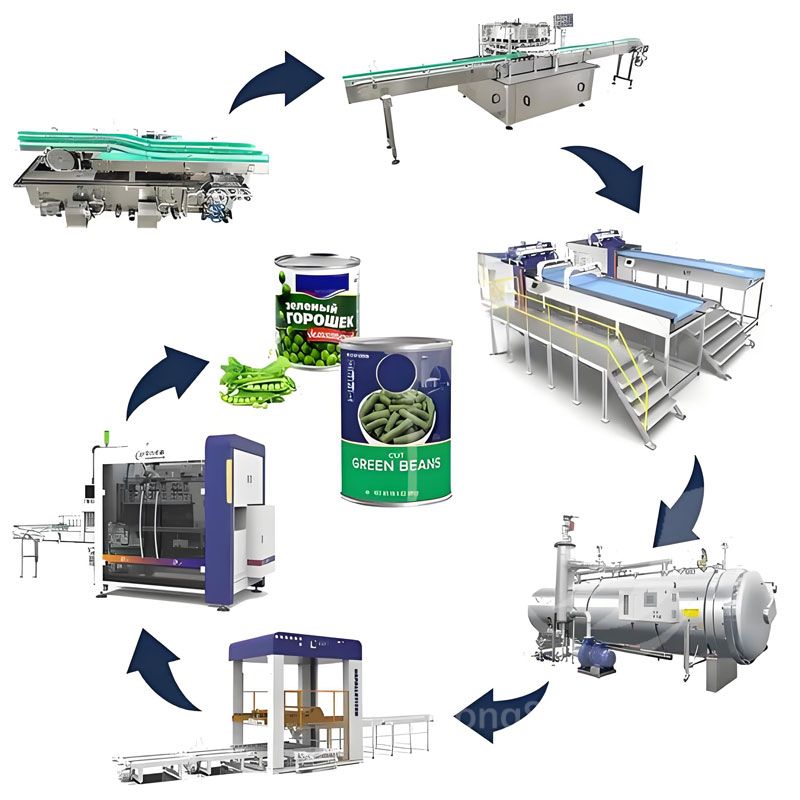 Green Bean Canned Food Production Line
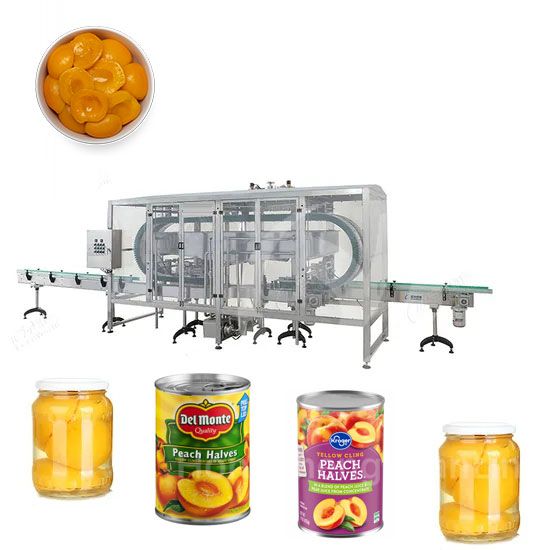 Peach Canned Food Production Line
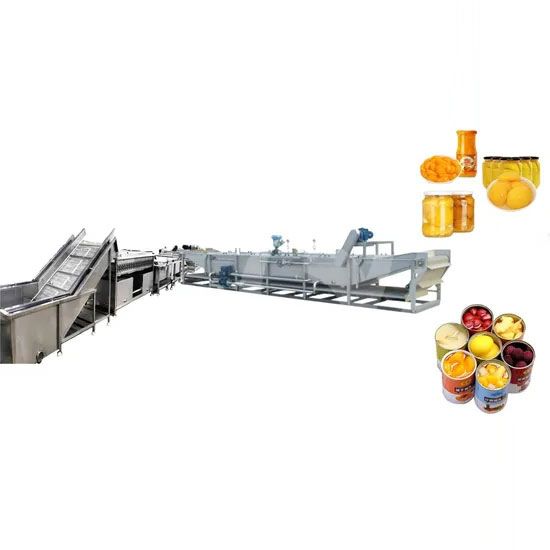 Canned Fruit Production Line Equipment
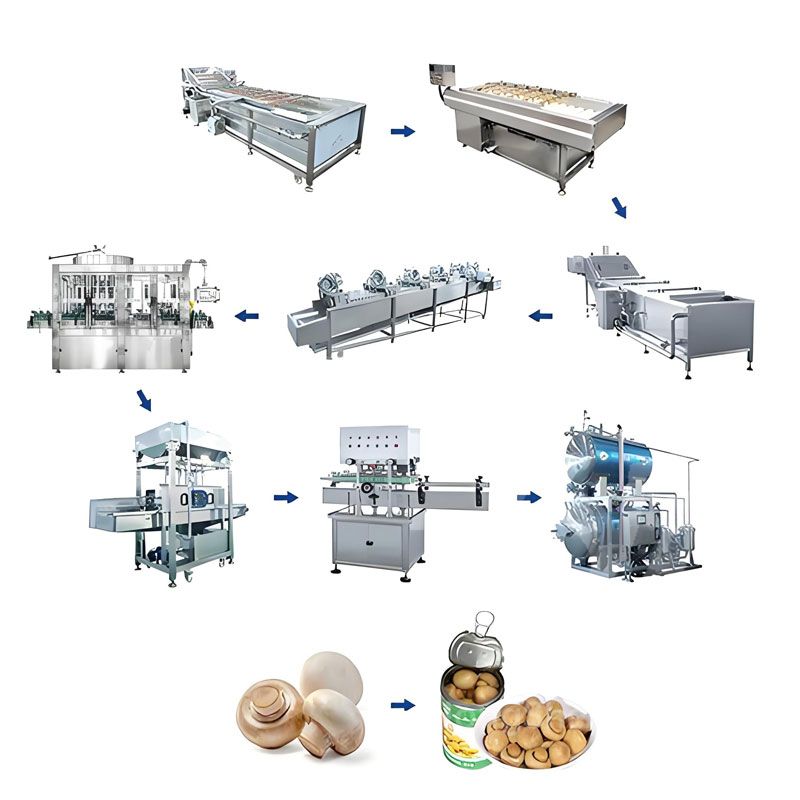 Edible Mushroom Canned Food Production Line
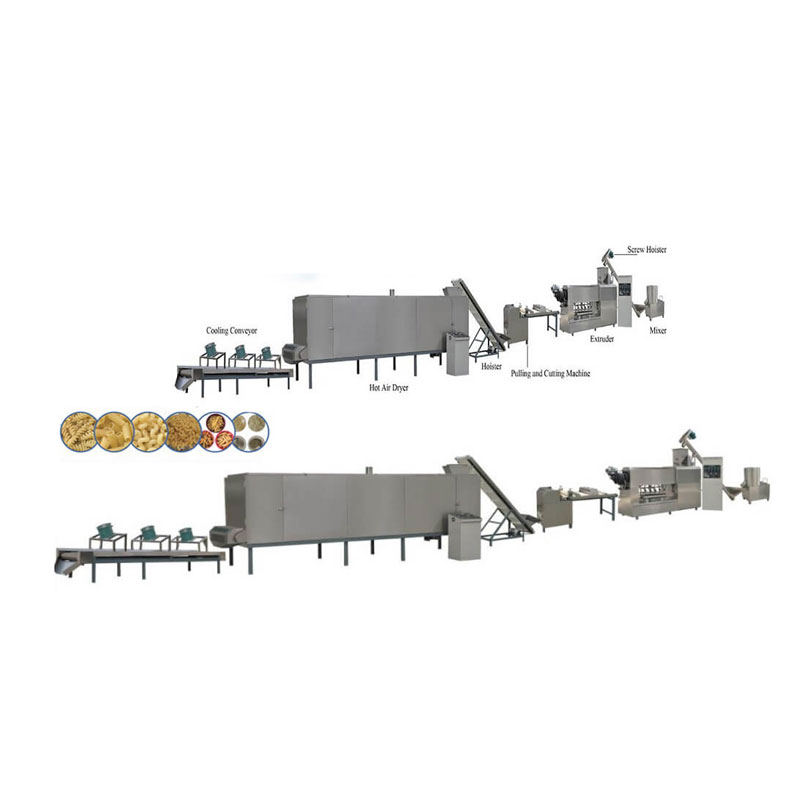 Pasta Production Line
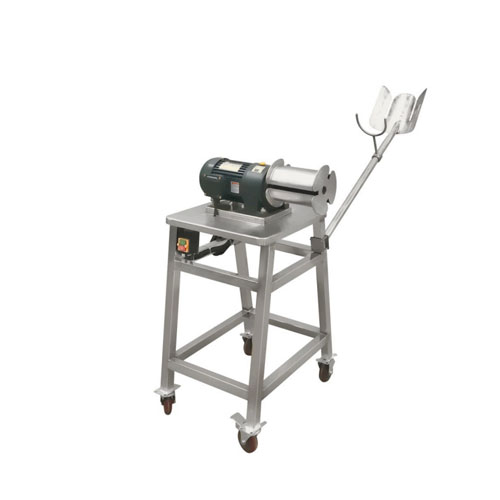 Remove The Machine
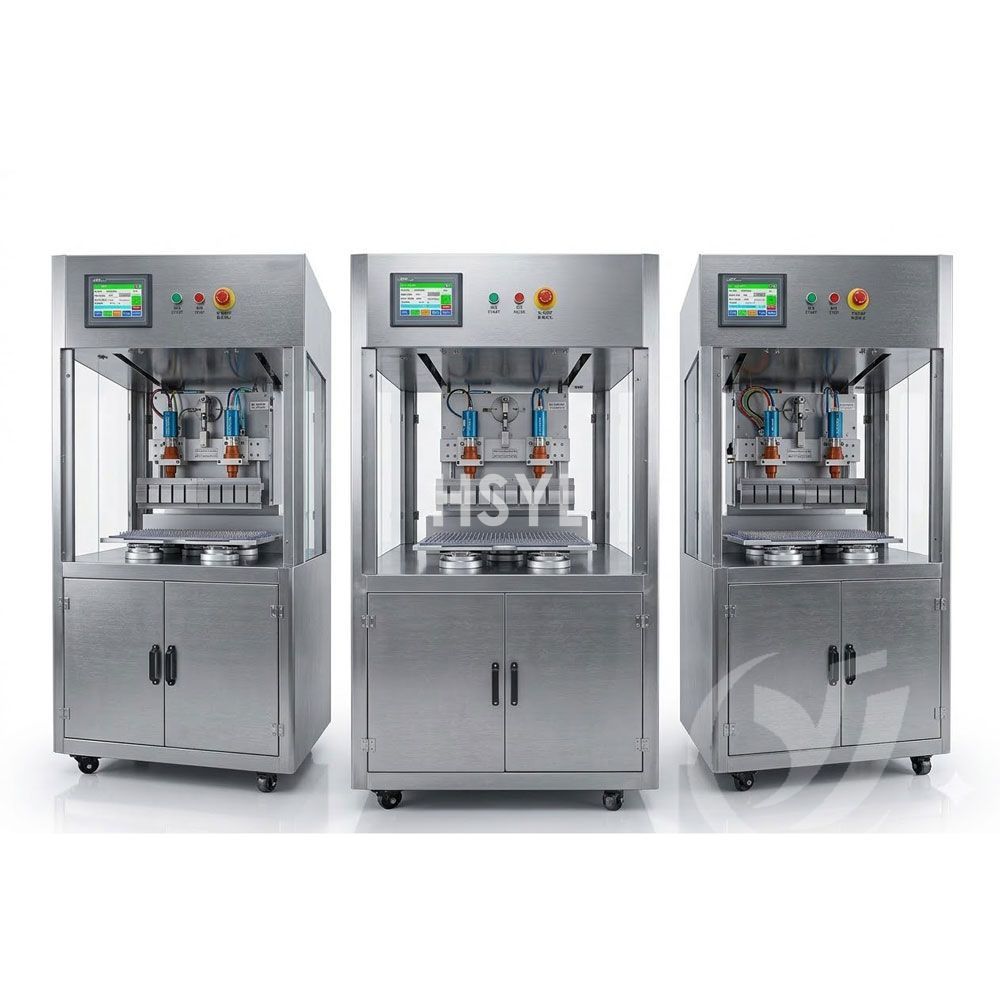 Bakery Ultrasonic Automatic Candy Cutting Machine
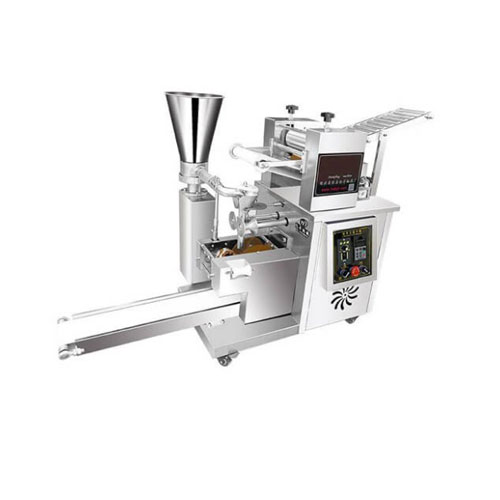 Automatic Dumpling Making Machine
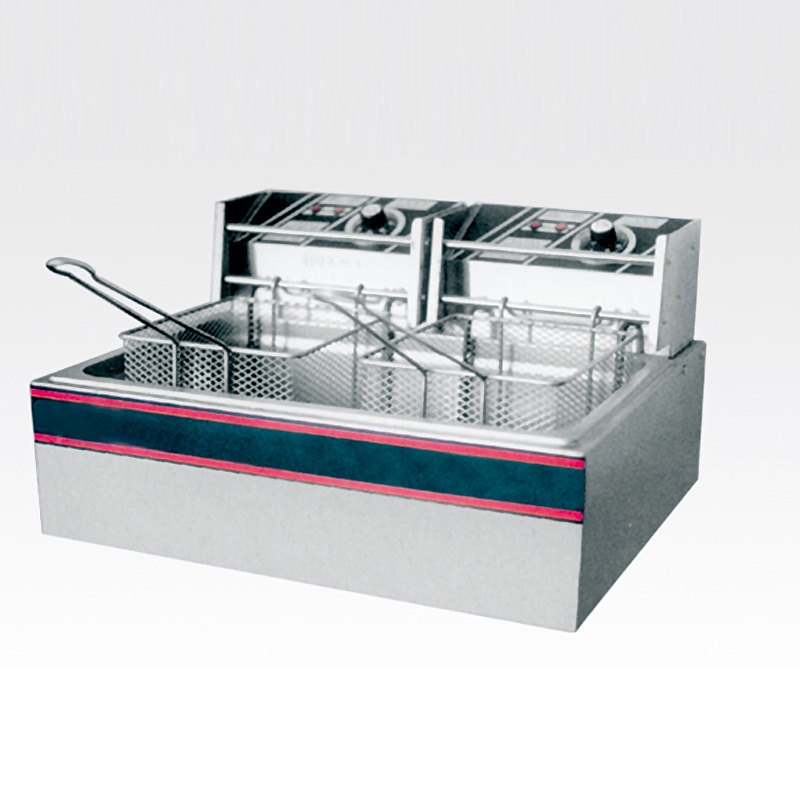 Single Tank Single Basket Electric Fryer
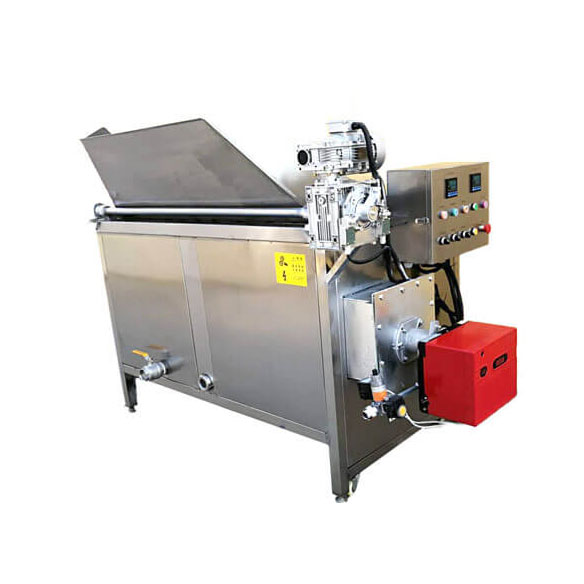 French Fries Frying Machine
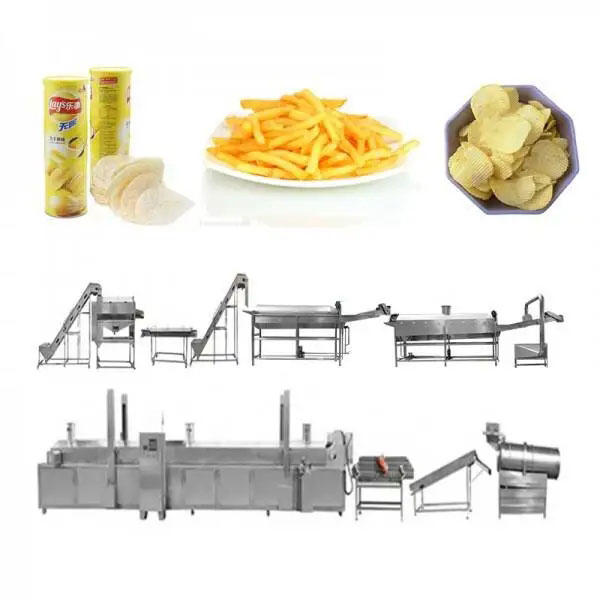 Potato Processing Line
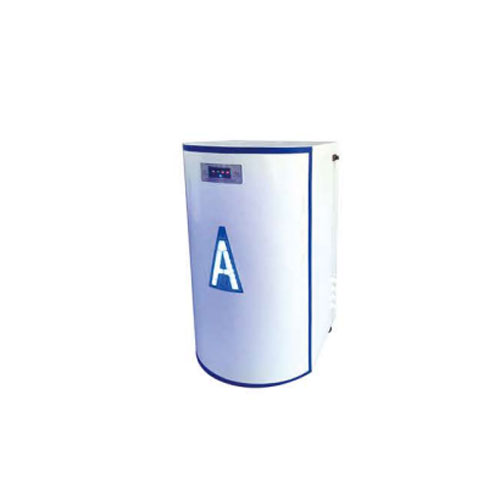 YL-W-04 Commercial Water Purification Equipment