
Tomato Paste Processing Equipment - Chinese Manufacturer, Factory, Supplier
The transformation of fresh tomatoes into the intensely flavored and texturally dense commodity known as tomato paste necessitates a sophisticated array of specialized machinery. Tomato Paste Processing Equipment forms the backbone of this industrial endeavor, enabling the efficient and hygienic production of this versatile culinary ingredient. The journey from field-fresh fruit to concentrated paste involves a series of meticulously orchestrated steps, each requiring purpose-built apparatus.
The initial phase typically involves the reception and rigorous cleansing of the raw tomatoes, often facilitated by industrial washing lines and sorting conveyors. Subsequently, the tomatoes are subjected to maceration, a process wherein they are crushed and pulped to liberate their constituent juices and solids. This is achieved through robust pulpers and finishers, designed to separate the skin and seeds from the nascent tomato slurry. The resultant pomace is often diverted for other applications, exemplifying resource optimization within the processing facility.
The core of tomato paste production lies in the concentration phase. This is predominantly accomplished using multi-effect evaporators, sophisticated thermal processing systems that sequentially boil off water under reduced pressure. This method preserves the organoleptic qualities of the tomato while efficiently increasing the solid content to the desired Brix level, typically ranging from 28% to 36%. These evaporators represent a significant capital investment, reflecting their intricate engineering and crucial role in achieving the characteristic viscosity and flavor profile of tomato paste.
Further refinement may involve the use of vacuum concentrators for final moisture removal and sterilization. Aseptic processing and packaging equipment then ensures the longevity and safety of the finished product. Within this technologically driven sector, manufacturers such as china yuanlin fatory play a pivotal role in supplying a diverse range of Tomato Paste Processing Equipment. Their offerings cater to varying production scales and budgetary parameters, contributing to the global supply chain of this essential food ingredient. The selection and implementation of appropriate processing equipment are critical determinants in the efficiency, quality, and ultimately, the economic viability of tomato paste production.
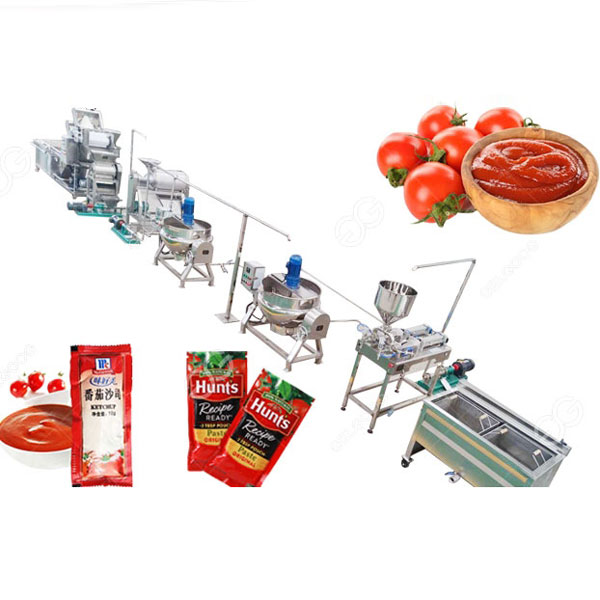 Small Scale Tomato Sauce Making Machine
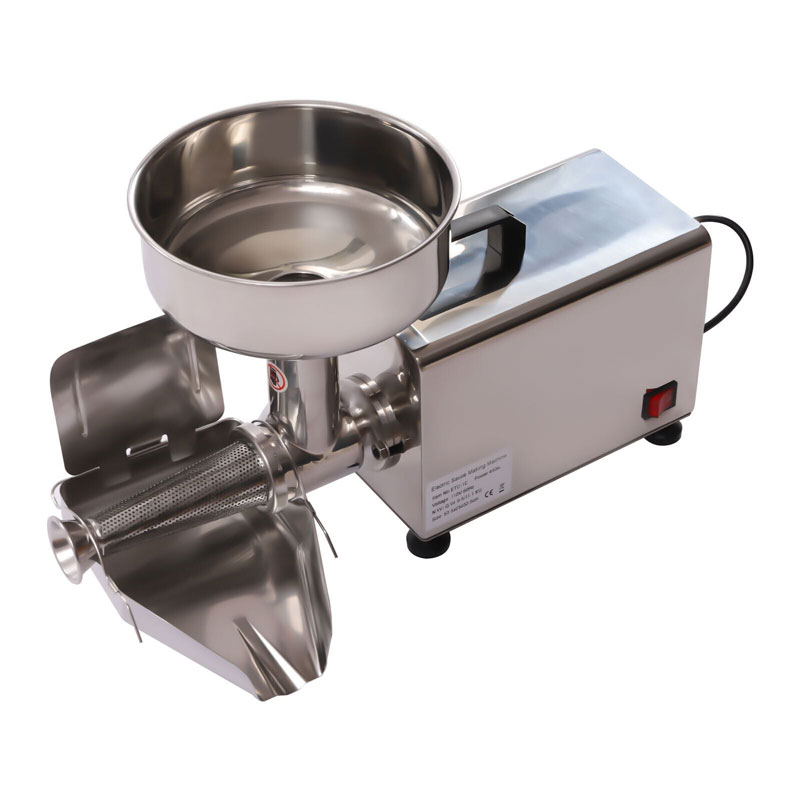 Tomato Sauce Milling Machine
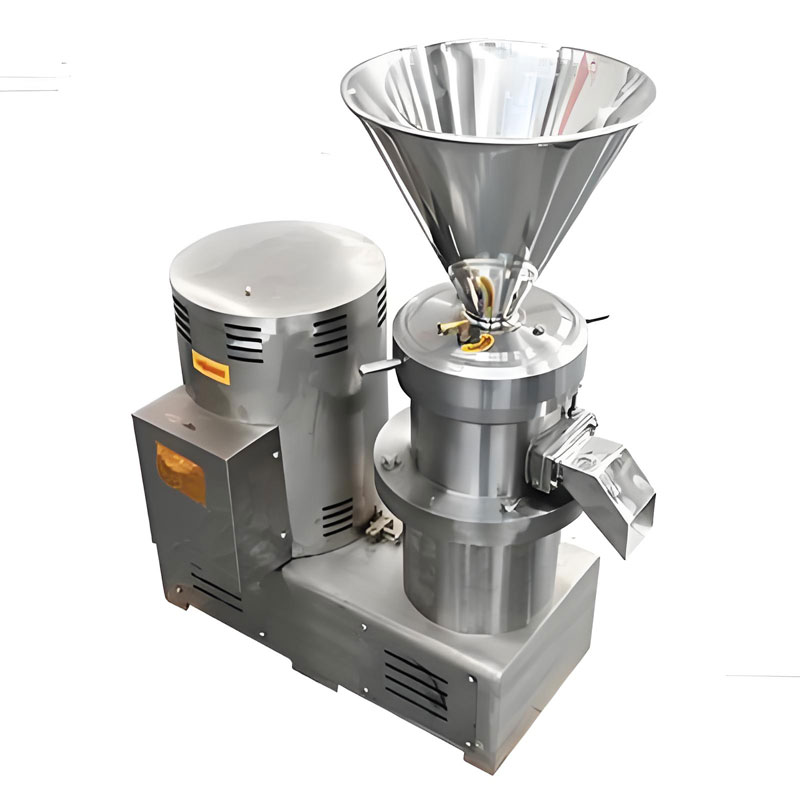 Tomato Sauce Grinding Machine
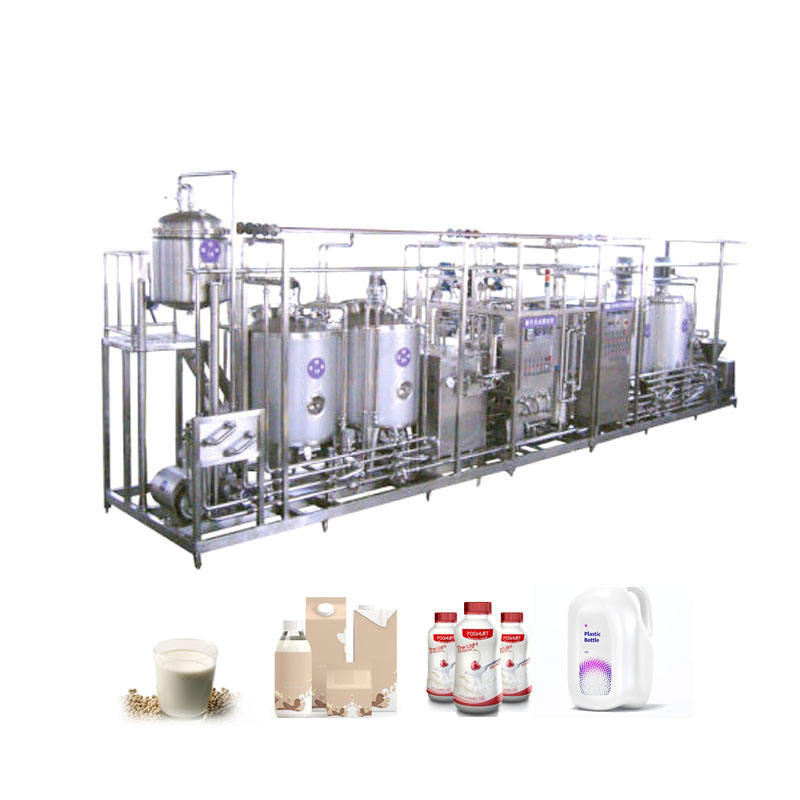 Pasteurized Milk Processing Line
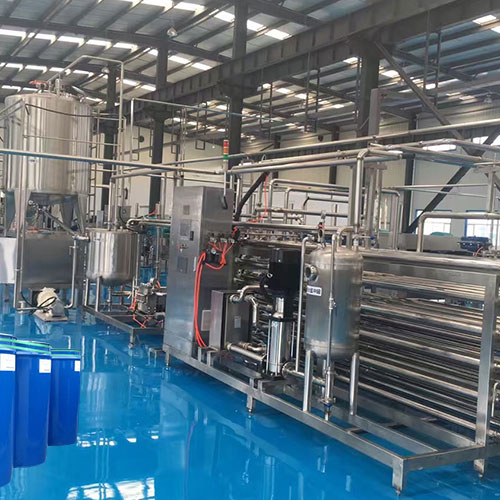 Tomato Juice Processing Production Line
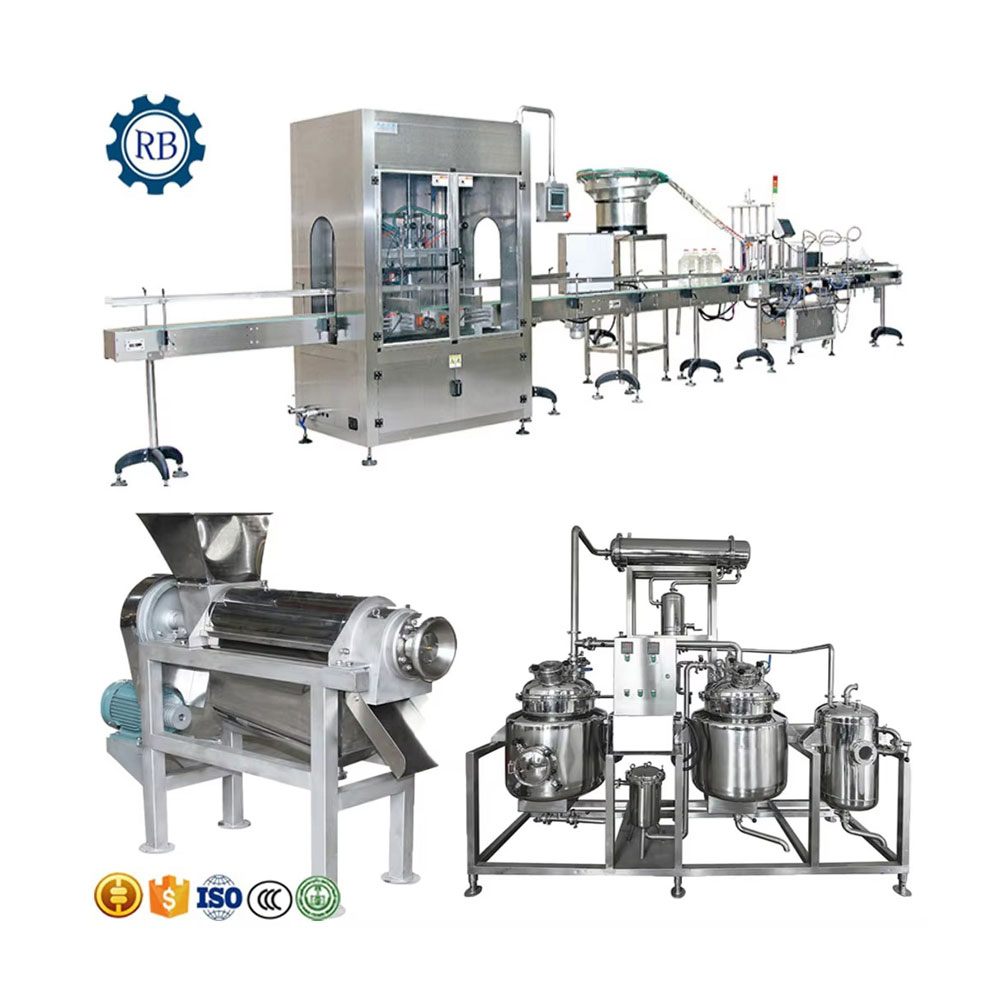 Tomato Sauce Machine
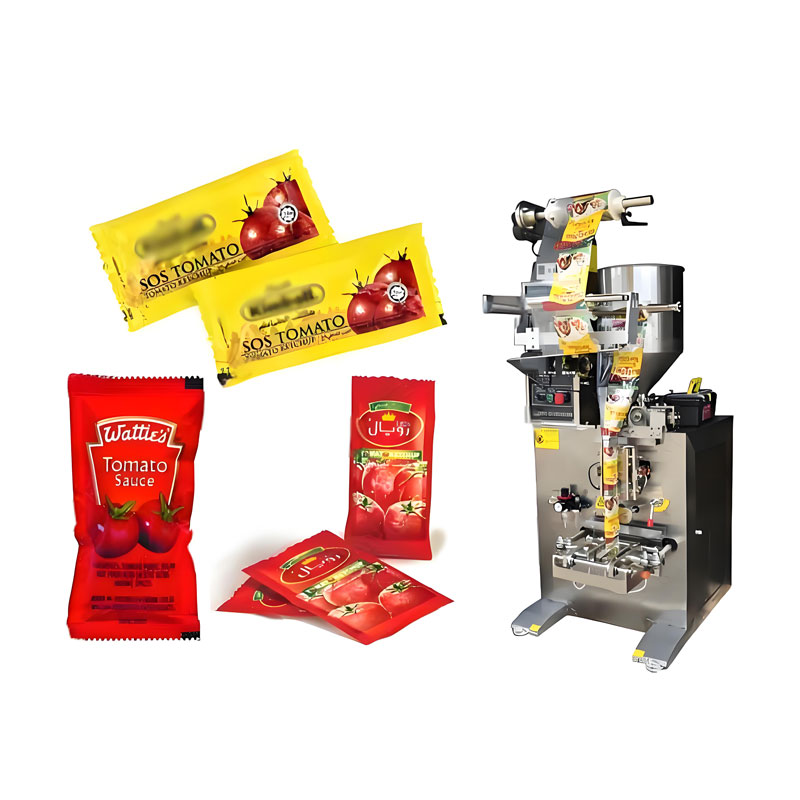 Tomato Sauce Packaging Machine
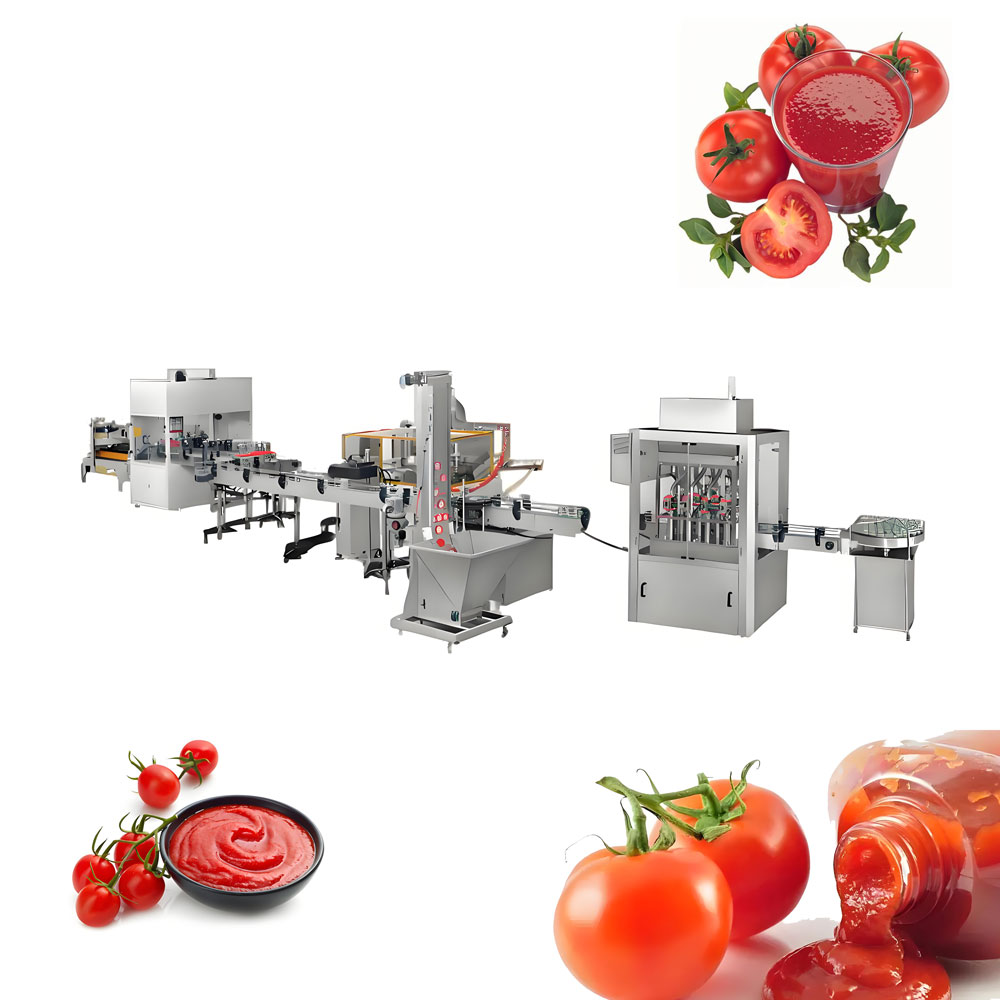 Tomato Ketchup Processing Line
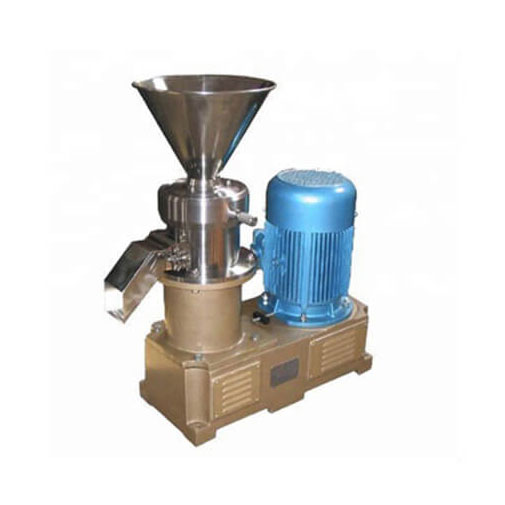 Paste Grinding Machine
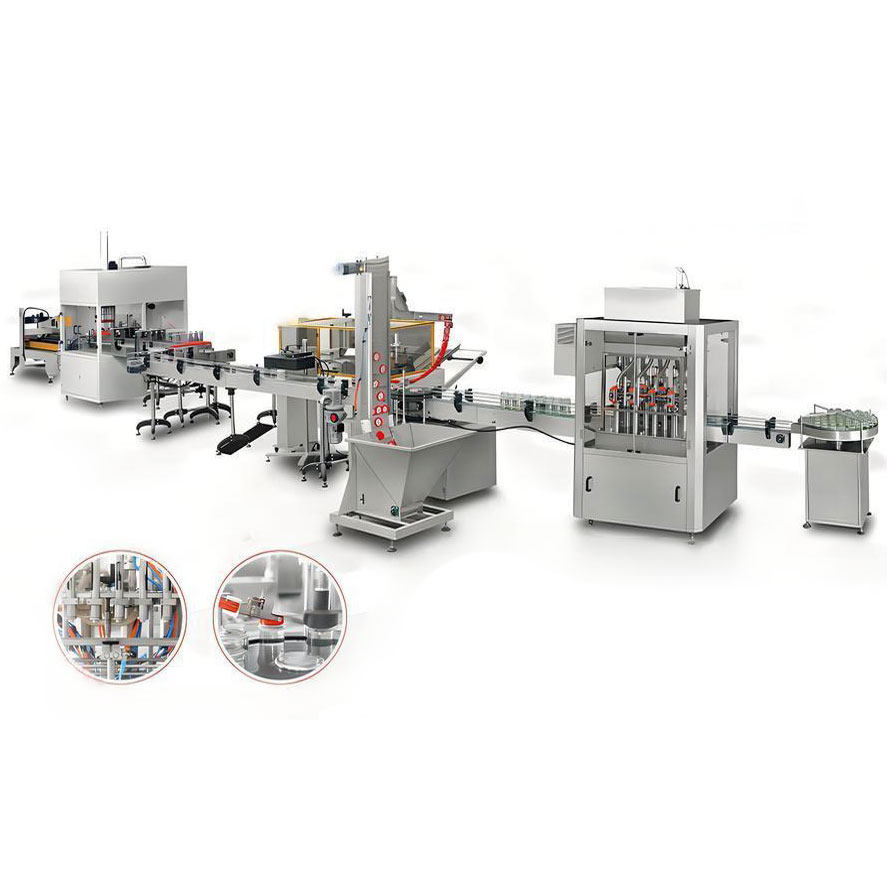 Tomato Paste Production Line
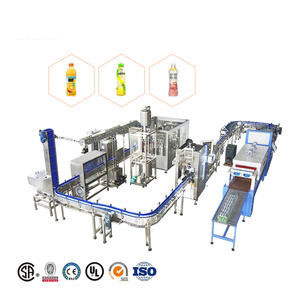 Beverage Production Line
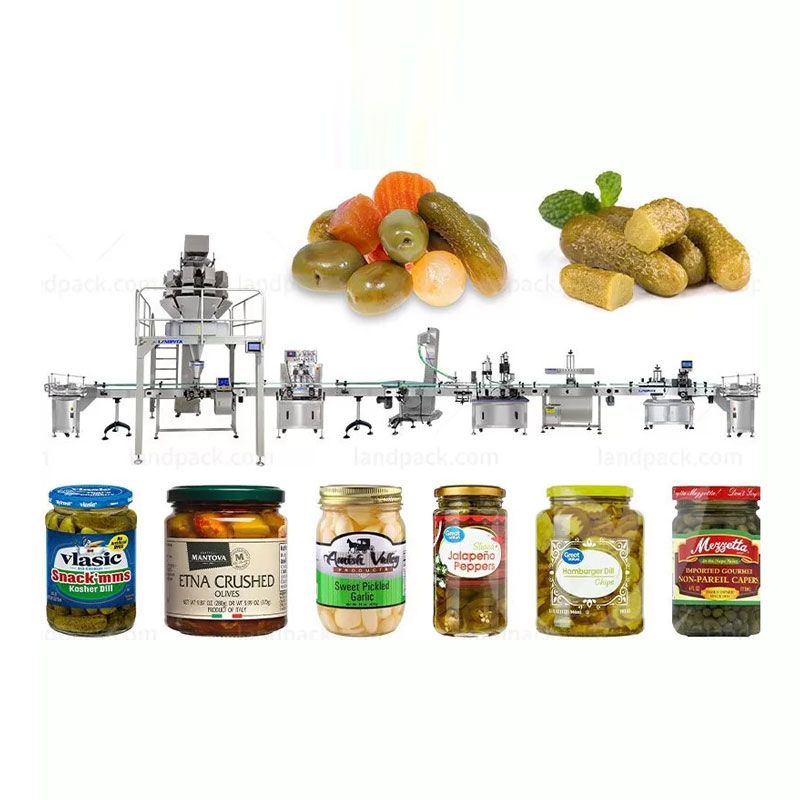 Cucumber Canned Production Line
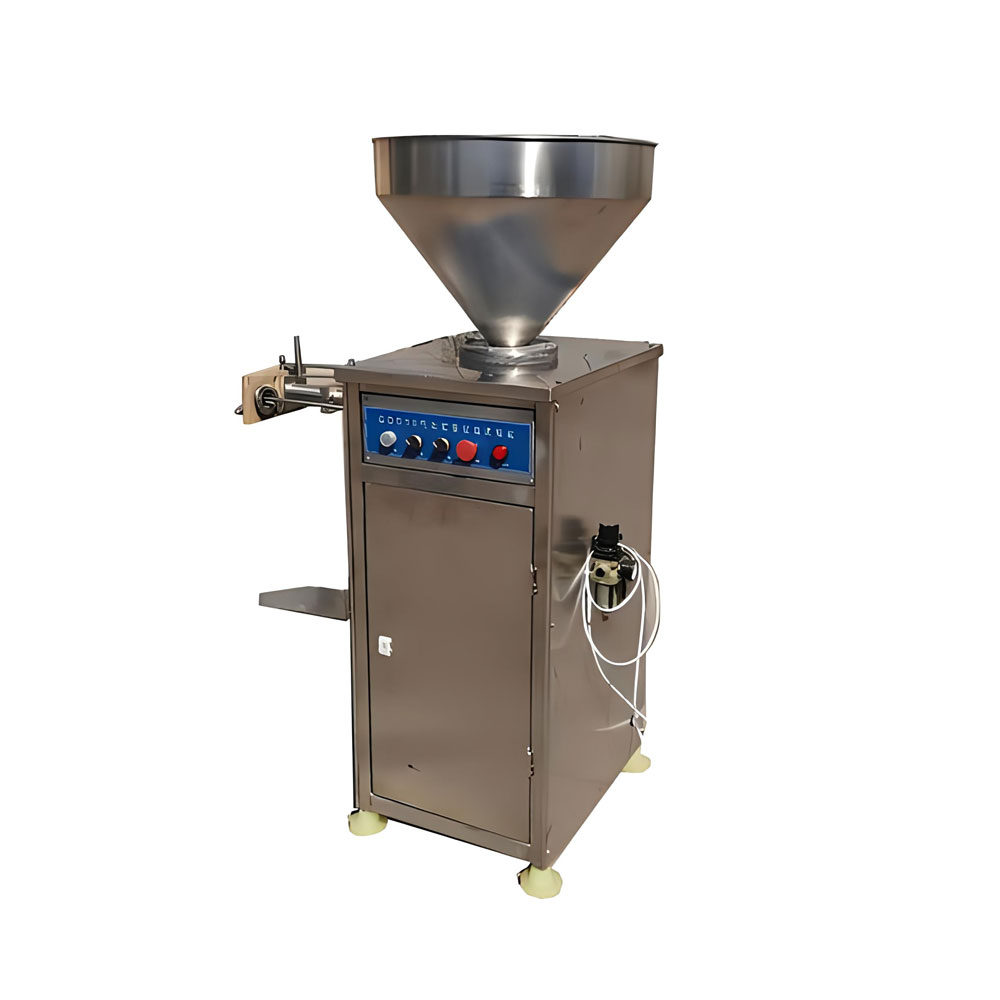 Automatic Twisting Quantitative Sausage Stuffer Machine
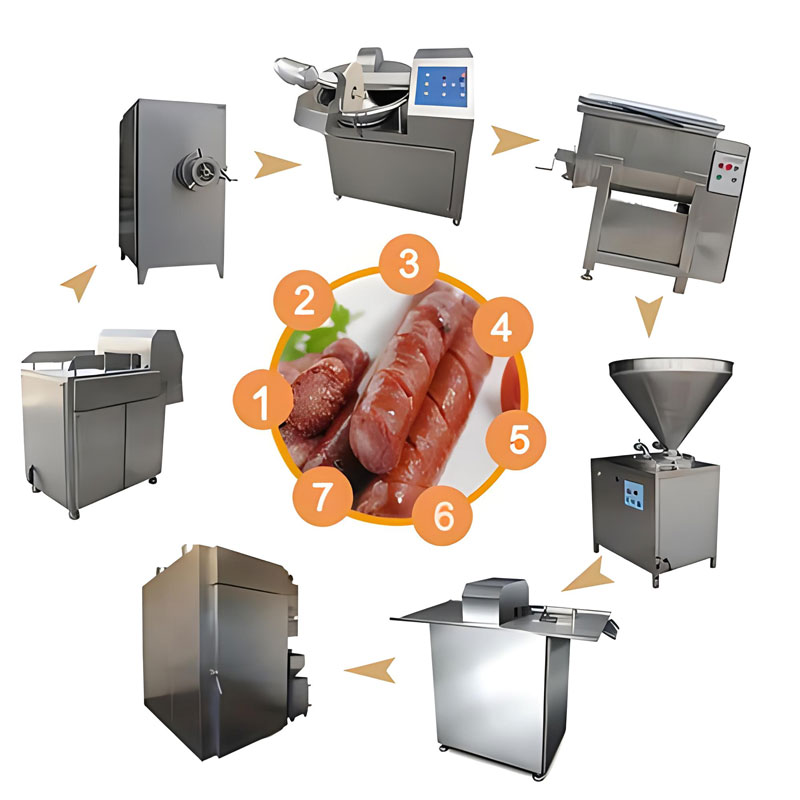 Sausage Processing Line
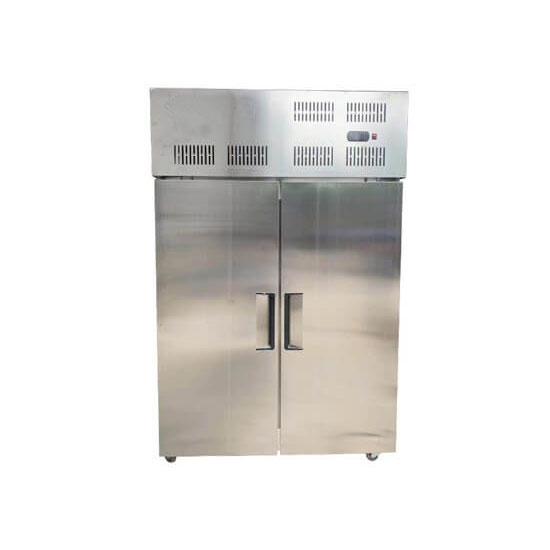 Potato Chips Instant Freezer
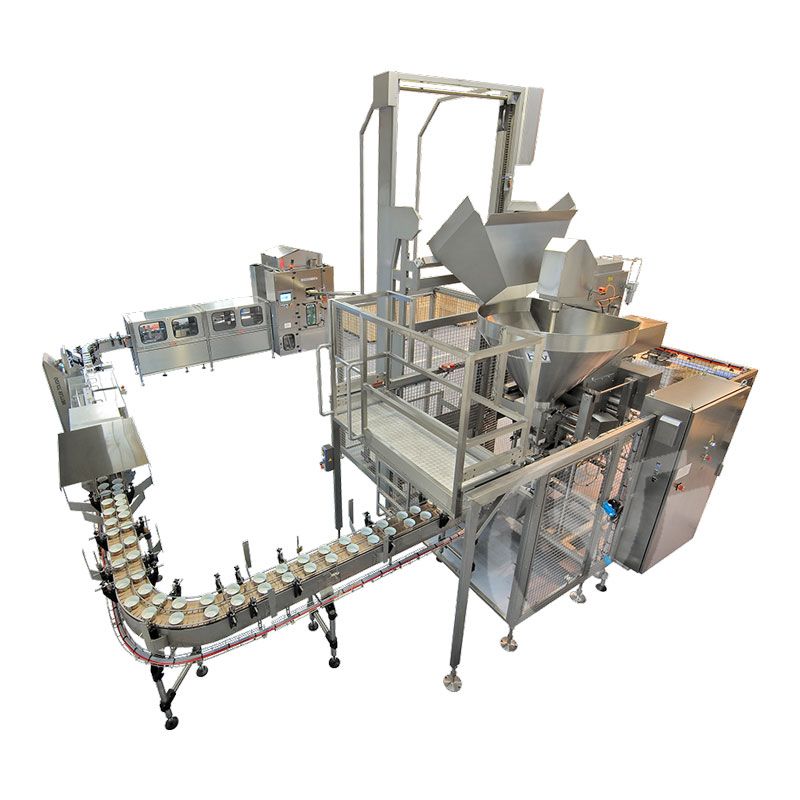 Meat Canned Food Production Line
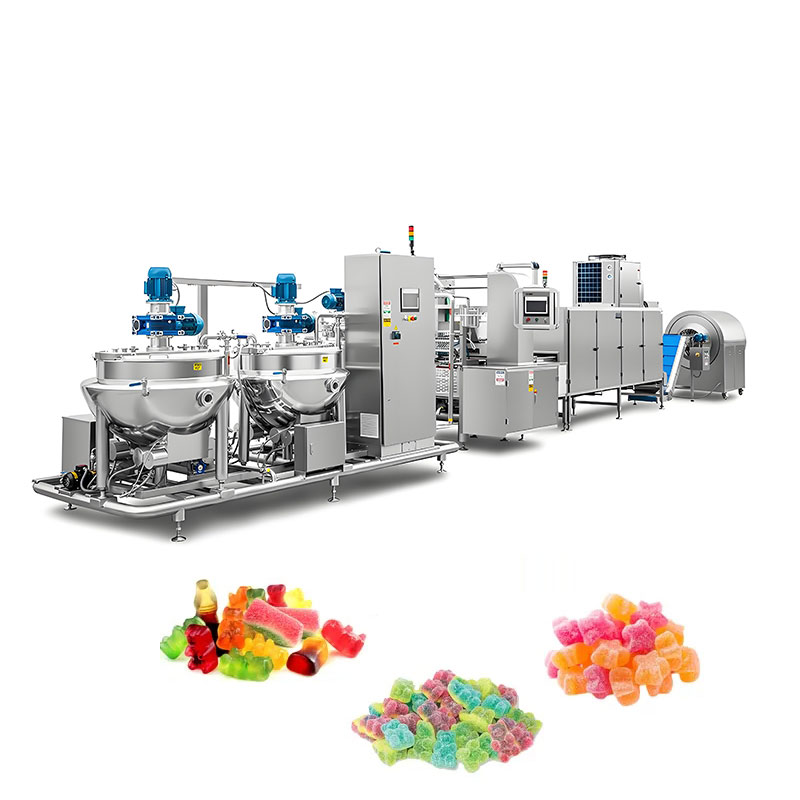 Gummy Candy Production Line
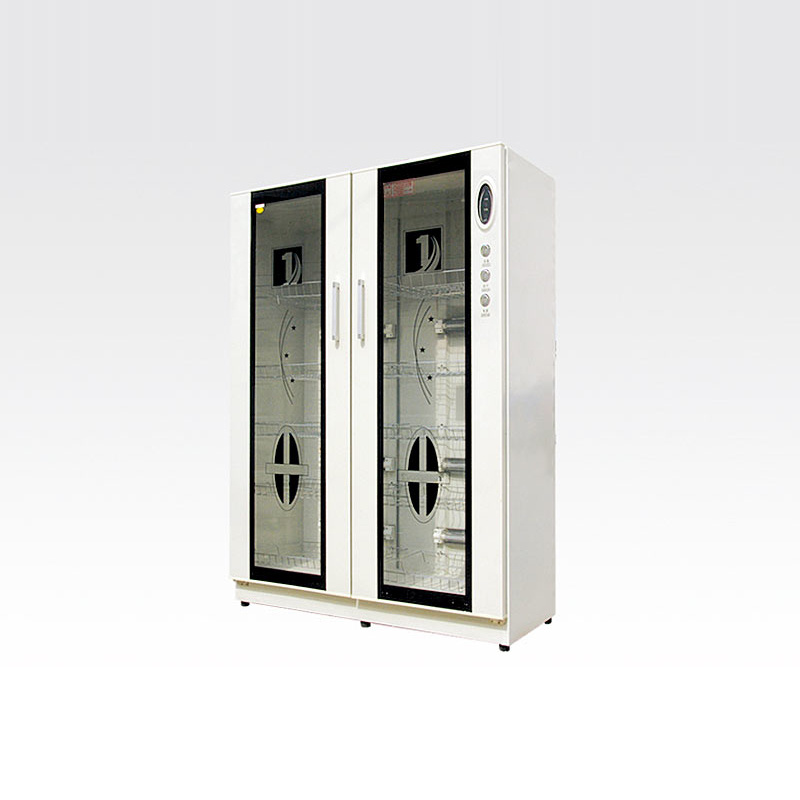 Double-Door Sterilizer