
Bean Canned Food Production Line - Chinese Manufacturer, Factory, Supplier
The bean Canned Food Production Line is a fully automated solution designed to streamline the entire bean canning process, from raw material preparation to finished packaging. It typically includes key stages such as bean sorting, soaking, blanching, filling, brine or sauce dosing, vacuum sealing, sterilization, cooling, and labeling. Each section of the production line is engineered to comply with international food safety standards like HACCP and ISO, ensuring both product quality and consumer safety.
By integrating modern automation technologies, the line significantly reduces manual labor requirements, improves efficiency, and guarantees consistent taste and texture across large-scale production. The sterilization system extends the shelf life of canned beans without compromising nutrition, while precise filling and sealing equipment minimize material waste and leakage.
This production line is highly flexible and can be customized according to different bean varieties—such as kidney beans, chickpeas, black beans, or green beans—as well as packaging formats including tin cans, glass jars, or retort pouches. Its modular design allows manufacturers to scale capacity from small batches to industrial mass production, making it suitable for both emerging processors and established food factories.
With rising global demand for convenient, ready-to-eat, and long-shelf-life foods, investing in a bean canned food production line not only strengthens production capacity but also enhances competitiveness in domestic and international markets. For food manufacturers, it represents a cost-effective, safe, and sustainable solution for producing high-quality canned bean products that meet modern consumer preferences.
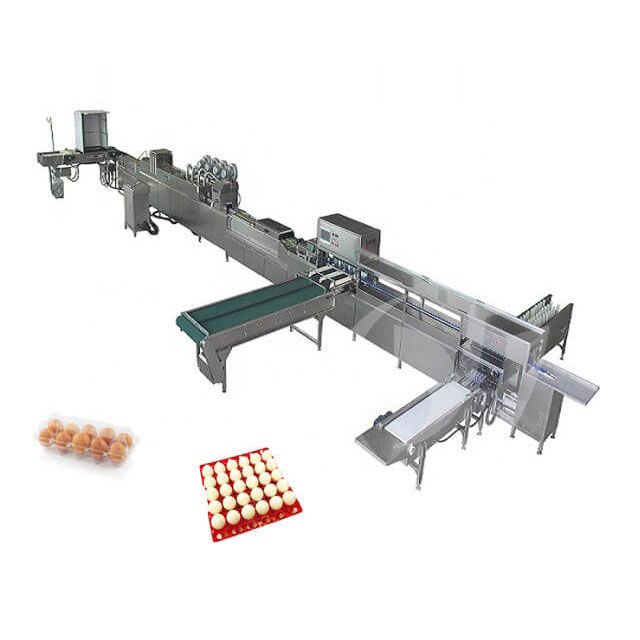 Egg Canning Production Line
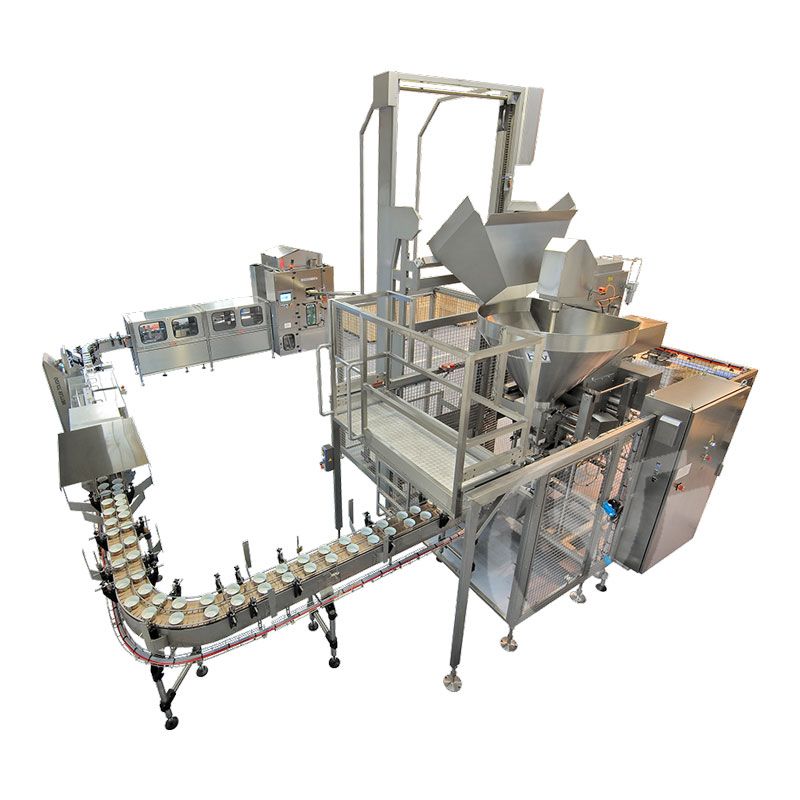 Meat Canned Food Production Line
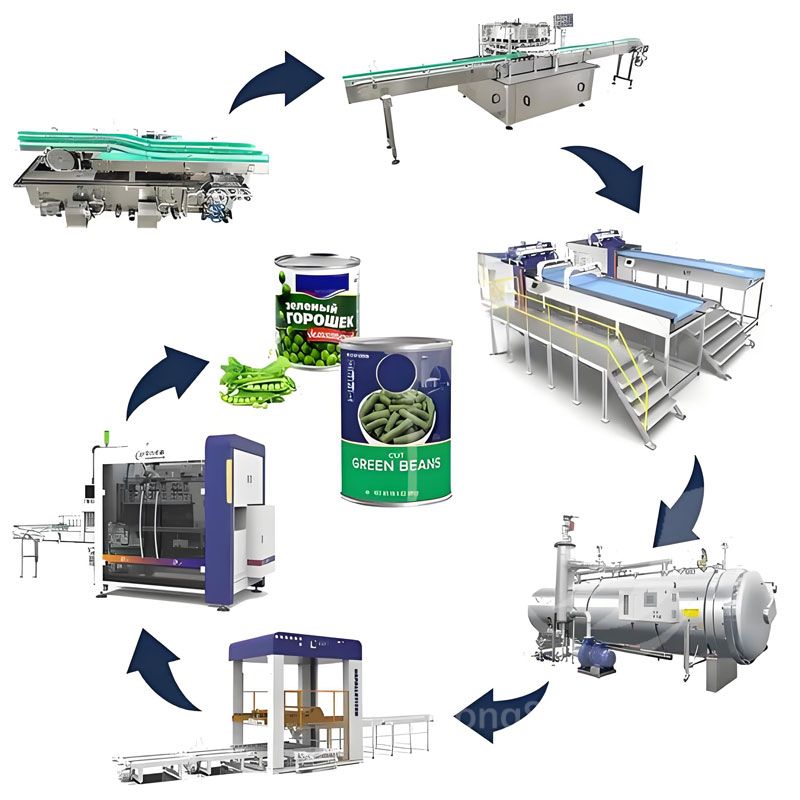 Green Bean Canned Food Production Line
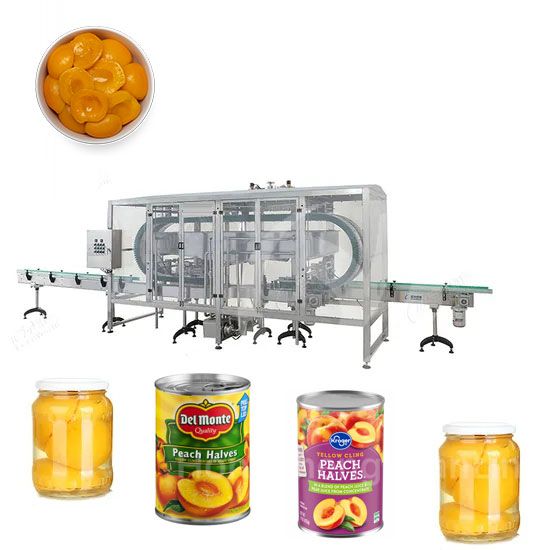 Peach Canned Food Production Line
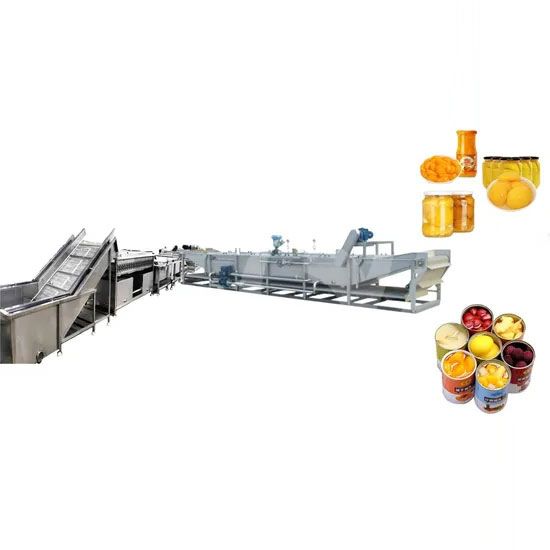 Canned Fruit Production Line Equipment
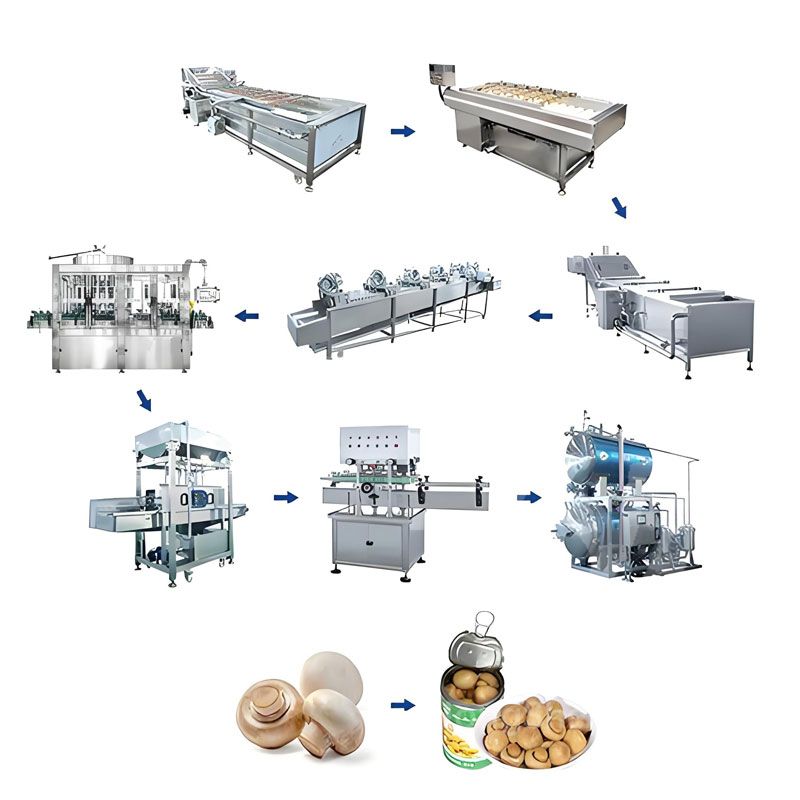 Edible Mushroom Canned Food Production Line
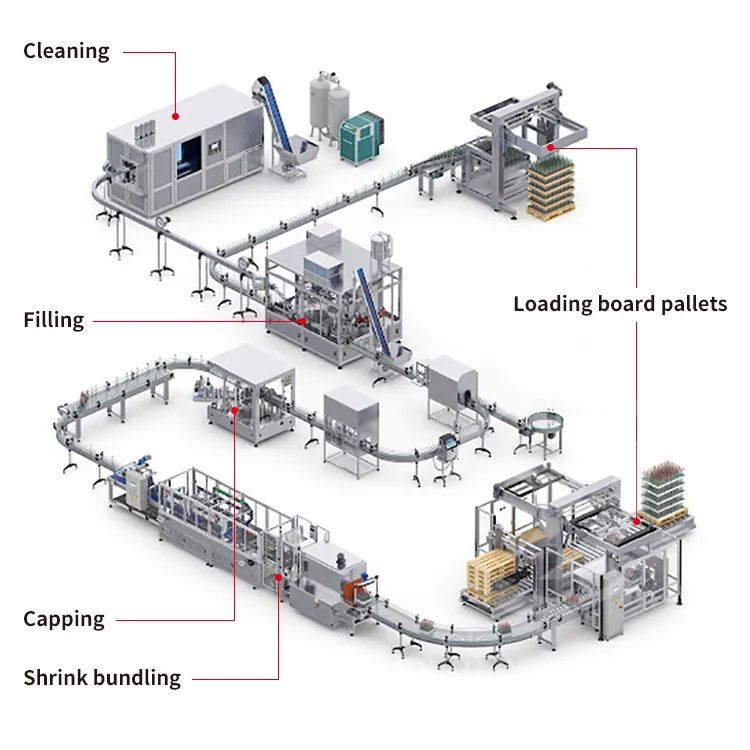 Chicken Soup Canned Production Line
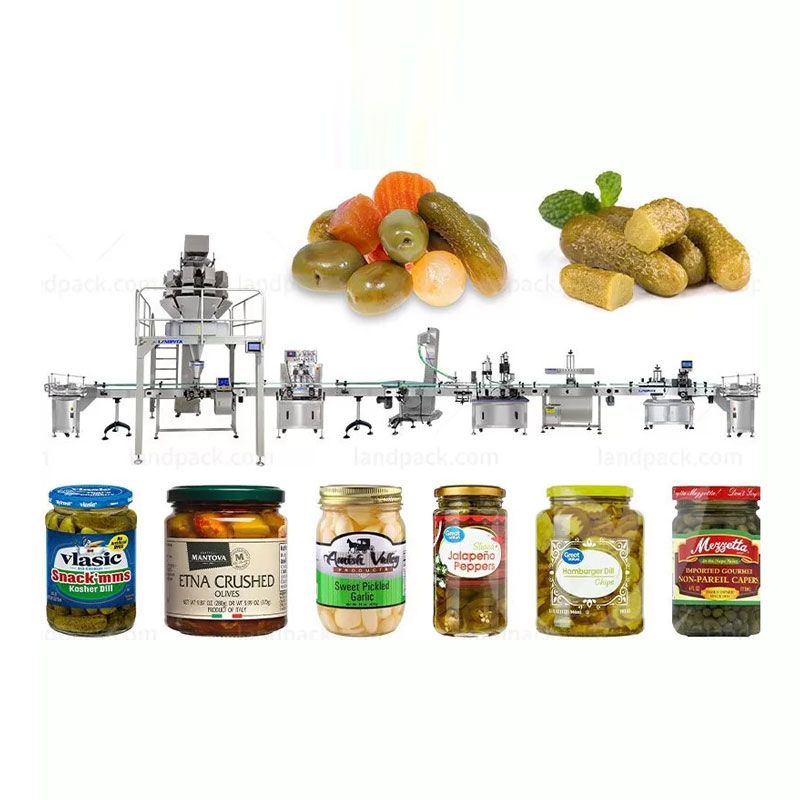 Cucumber Canned Production Line
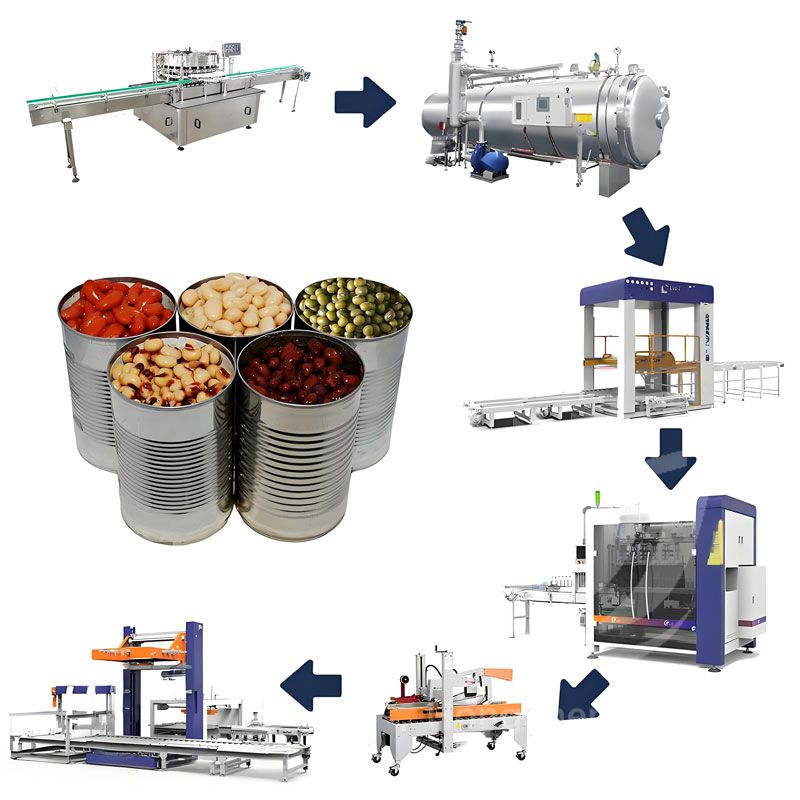 Canned Beans Production Line
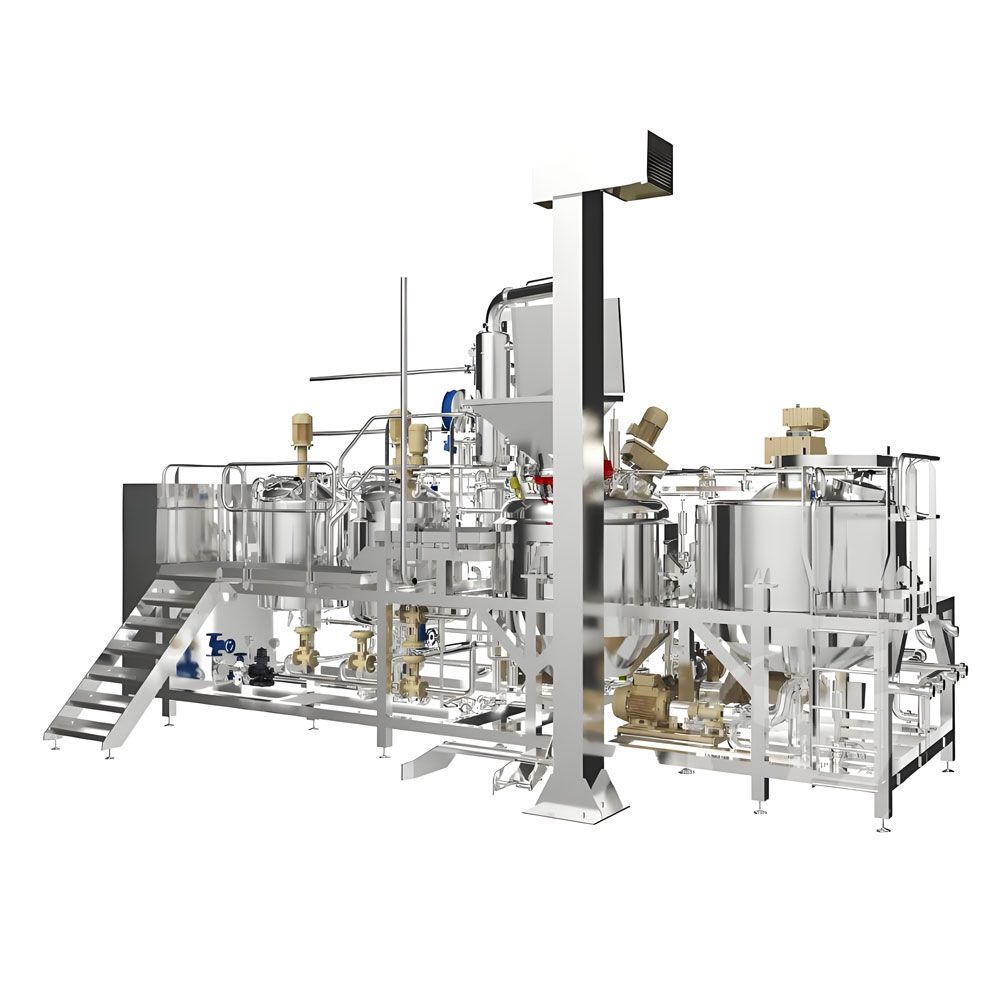 Jam Canned Production Line
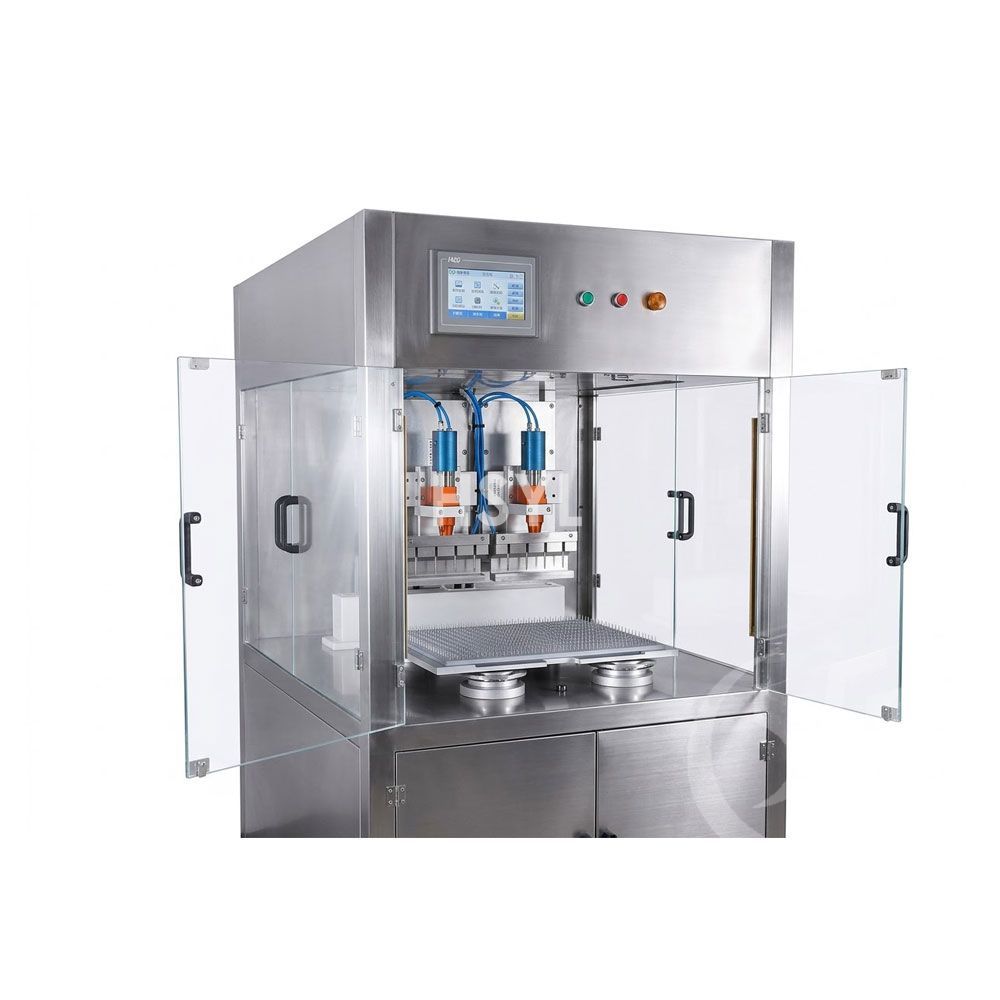 Cookies Biscuits Ultrasonic Cutting Machine
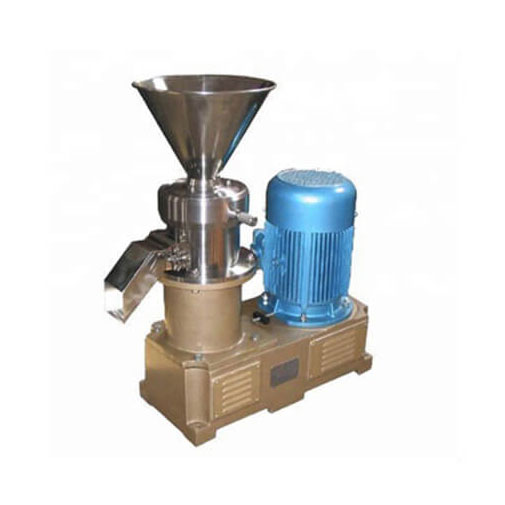 Paste Grinding Machine
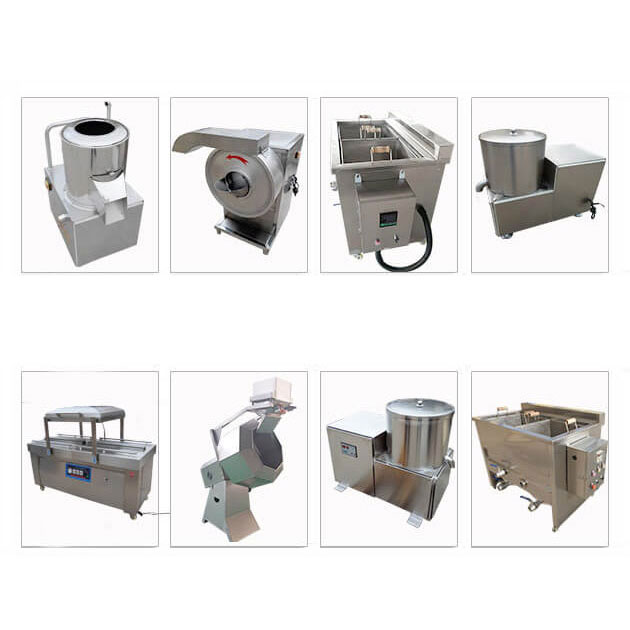 Small Scale French Fries Production Line
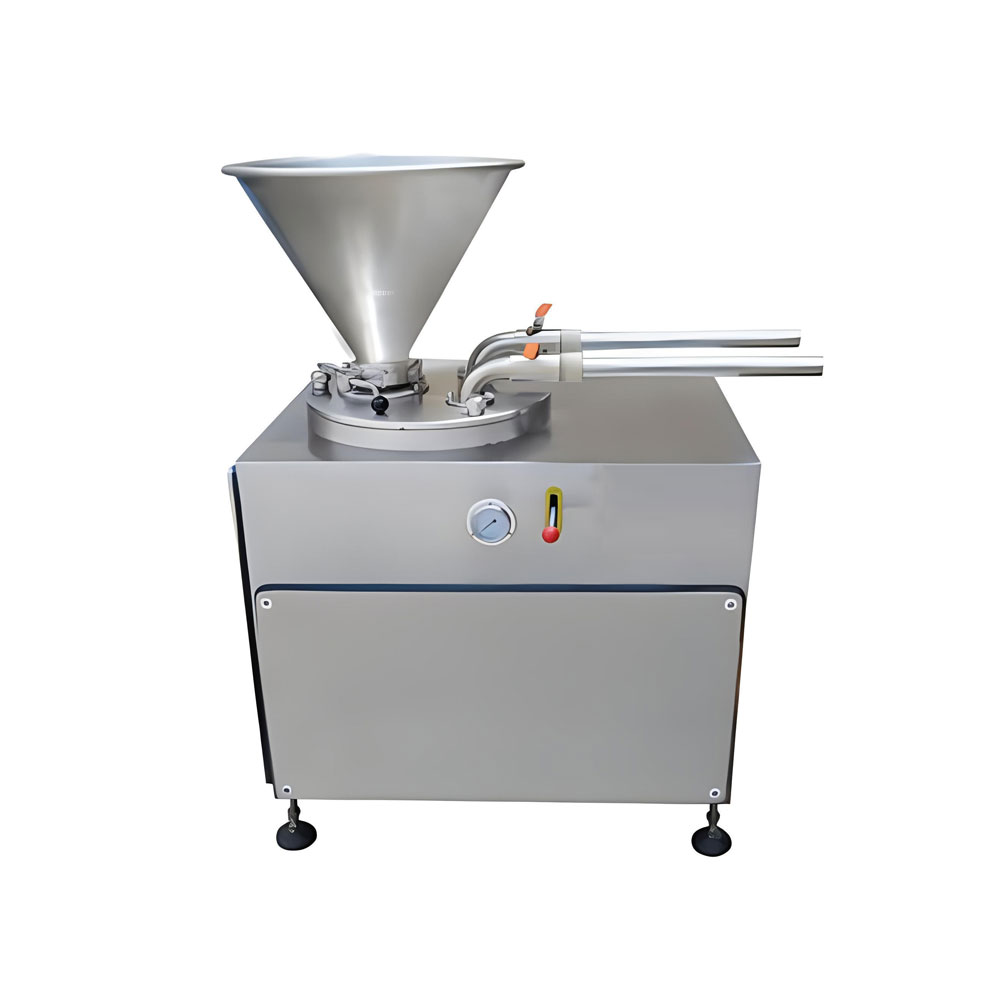 Hydraulic Sausage Filling Machine
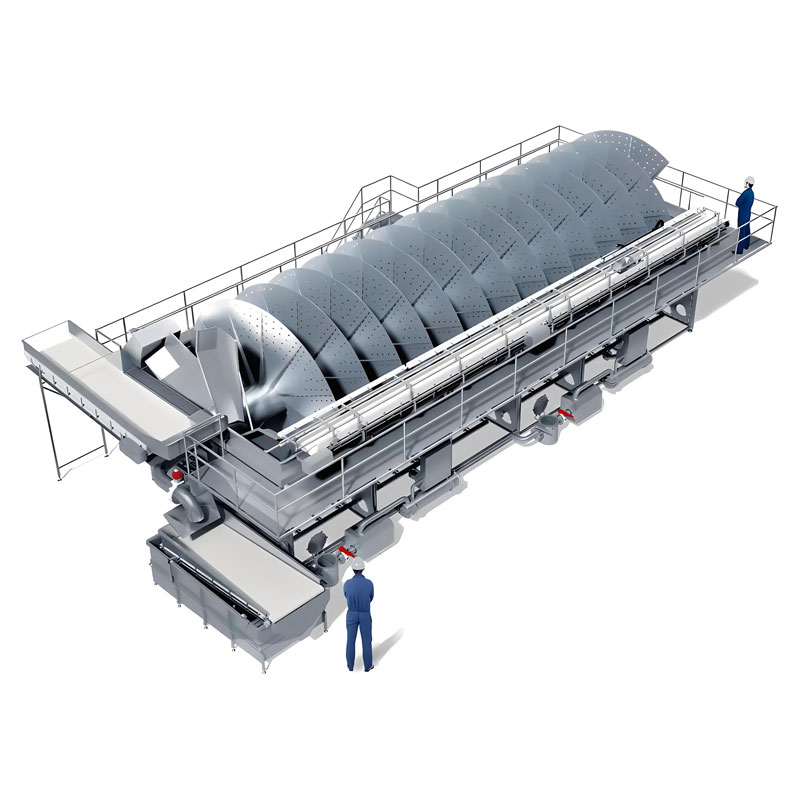 Salmon Processing Line
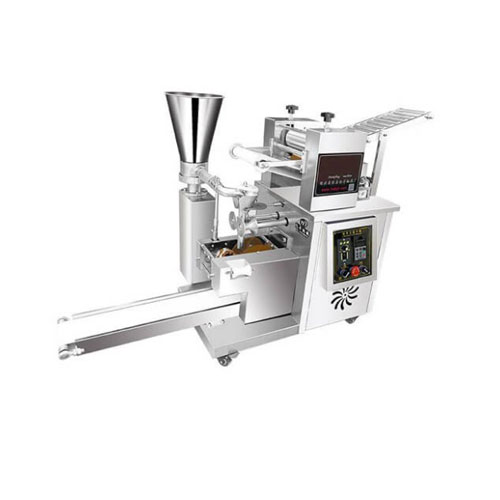 Automatic Dumpling Making Machine
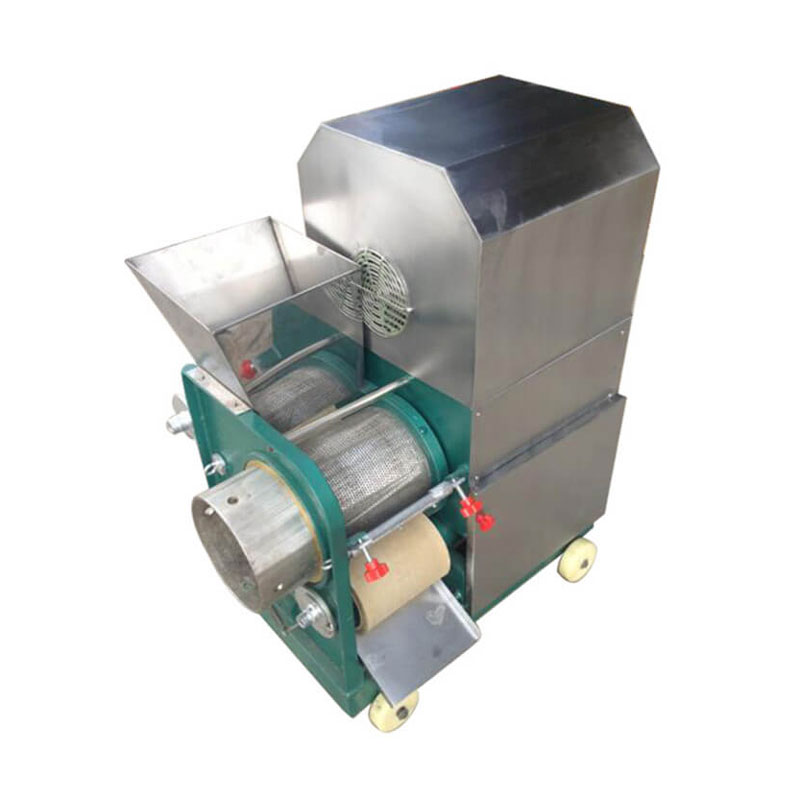 Fish Deboner Machine
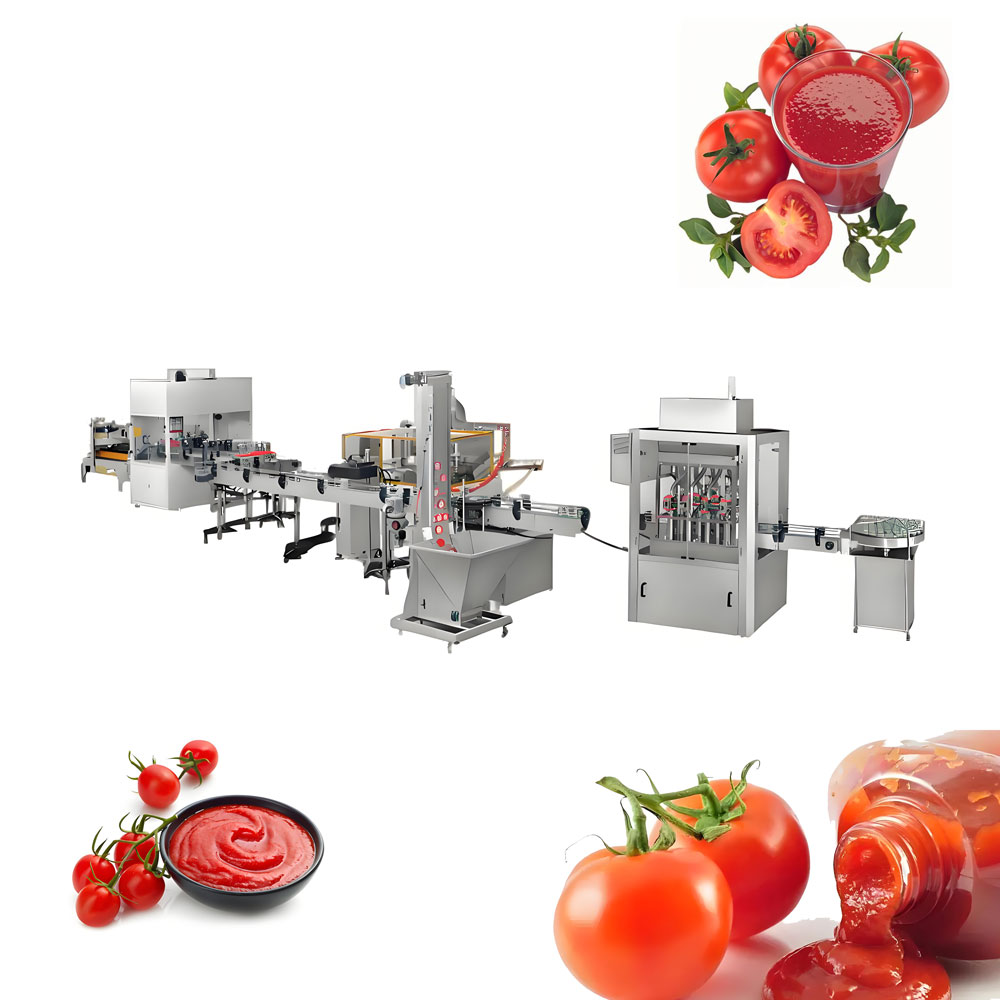 Tomato Ketchup Processing Line