
Ultrasonic Cutting Machine Price - Chinese Manufacturer, Factory, Supplier
When engineering directors and factory owners evaluate the ultrasonic cutting machine price during annual capital expenditure (CapEx) planning, comparing the numerical quote against legacy pneumatic guillotines often creates immediate sticker shock. However, assessing advanced acoustic slicing technology strictly by its upfront acquisition cost entirely ignores the catastrophic operational expense (OpEx) of structural waste. By deploying 20kHz resonant frequencies through forged metallurgical structures, modern bakeries do not just buy a slicer; they purchase a permanent mathematical recovery of their raw material margins.
Eradicating Viscoelastic Smear: How Yield Recovery Offsets CapEx
The primary financial justification for high-end acoustic portioning equipment lies in its absolute refusal to drag. When cutting a multi-layered frozen cheese cake or a high-fat mousse, a standard $5,000 mechanical down-cutter inevitably melts the fat matrix through friction. This wedges chocolate layers into vanilla foundations, forcing stringent Quality Control (QC) teams to reject the smeared slice directly into the scrap bin.
- Frictionless Operation: The titanium sonotrode oscillates 20,000 times per second, creating a microscopic void that prevents fat molecules from establishing surface adhesion.
- Waste Mitigation: Eliminating blade drag organically reduces structural side-wall crumbling, routinely recovering 12% to 18% of previously discarded edge trims.
- Thermal Energy Savings: High-frequency cutting allows factories to slice at -5 degrees Celsius rather than a brick-like -18 degrees Celsius, dramatically cutting the kilowatt-hour load on upstream spiral blast freezers.
Cost-Driving Engineering Parameters for Ultrasonic Slicers
The final quotation for any acoustic slicing equipment fluctuates based on payload volume, the span of the titanium blade, and the sophistication of the digital safety integrations. To completely understand the pricing tiers, buyers must examine the internal sub-components.
| Component Sub-System | Standard Configuration | Impact on Overall Equipment Price |
|---|---|---|
| Piezoelectric Generator | 20kHz / 35kHz Digital Auto-Tuning | High: Dictates the absolute stability of the acoustic wave under heavy resistance. |
| Sonotrode Metallurgy | Ti-6Al-4V Aviation-Grade Titanium | Very High: Custom wide-span blades require massive continuous blocks of rare alloy. |
| Drive Axis Architecture | Multi-Axis Synchronized Servo Motors | Moderate: Replaces cheap pneumatics for absolute millimeter positioning accuracy. |
| Sanitary Ratings | IP65 Enclosures with NEMA 4X Panels | Moderate: Premium sealing required for aggressive chemical washdown compliance. |
Three Primary CapEx Tiers for Industrial Portions
Procurement forecasting requires matching the machine's automation layout to the facility's actual shift throughput. Buying excessive automation limits liquidity, while under-buying artificially caps production ceilings.
- Standalone Semi-Automatic Modules: Representing the entry-level pricing footprint, these isolated stations rely on manual operator loading. They are highly agile for facilities rotating through 30 different SKUs a day but suffer from severe human fatigue bottlenecks once payload exceeds 3,000 portions per shift.
- Conveyor-Integrated Indexing Slicers: The mid-tier financial investment eliminates the manual transfer step. Baked slabs flow continuously onto the cutting deck, where optical sensors pause the belt precisely while the overhead gantry executes the ultrasonic plunge, effectively doubling the hourly throughput.
- Fully Automated Vision-Guided Gantries: The pinnacle of capital expenditure. Utilizing 3D laser topography, the PLC maps the exact uneven edges of incoming baked goods and actively recalculates the X and Y cutting grids on the fly, locking volumetric giveaway strictly below 1.5 percent without any human intervention.
Washdown Compliance and HACCP Integration Value
Beyond blade mechanics, premium facility managers factor sanitation labor into the 60-month Total Cost of Ownership (TCO). Inexpensive machines construct their frames with structural flat points and exposed threading, creating aggressive bacterial harborage risks that require painstaking manual scrubbing.
Industrial acoustic slicers command professional pricing because they are fabricated from continuously welded SUS304 and SUS316L stainless steel tubes, pitched strategically to shed water instantly. The ultrasonic transducer housings are strictly hermetically sealed to survive aggressive Clean-In-Place (CIP) caustic foam blasts. Minimizing the daily shift-changeover cleaning duration from two hours down to forty-five minutes reclaims hundreds of hours of operable, profit-generating manufacturing time annually.
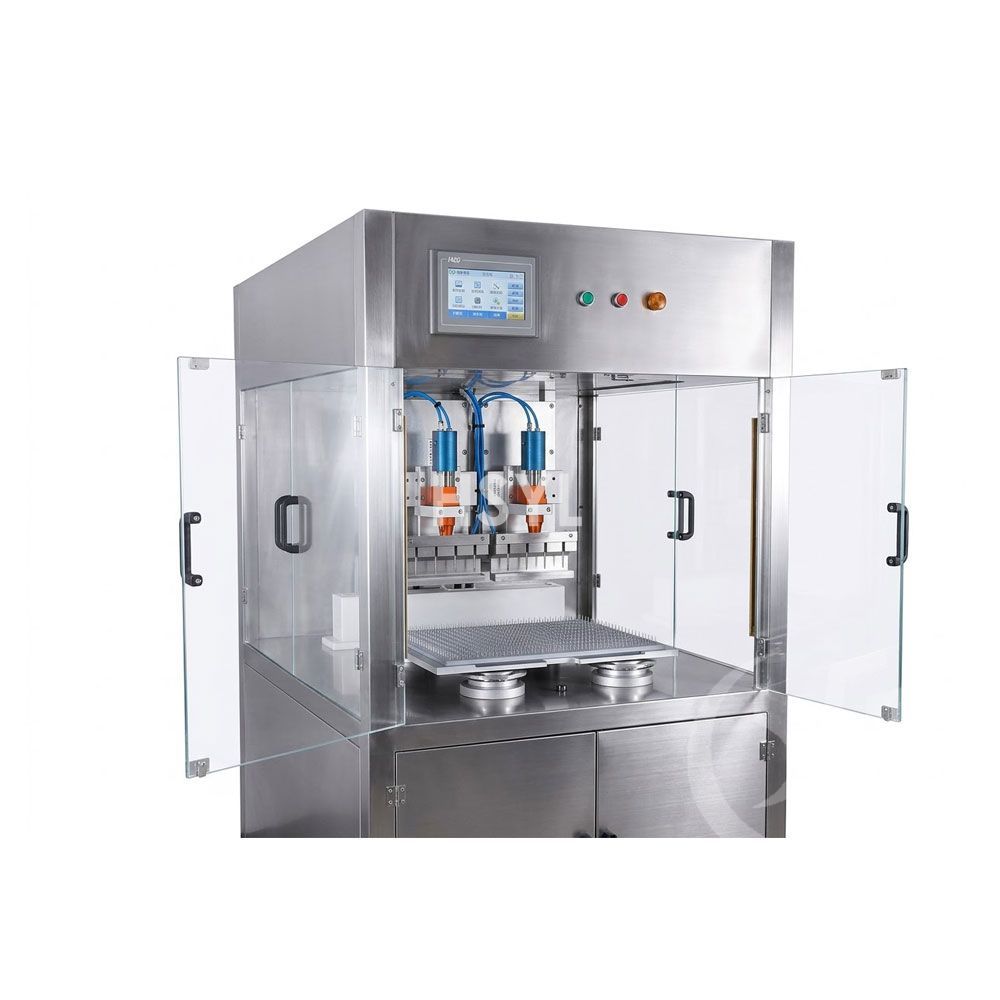 Cookies Biscuits Ultrasonic Cutting Machine
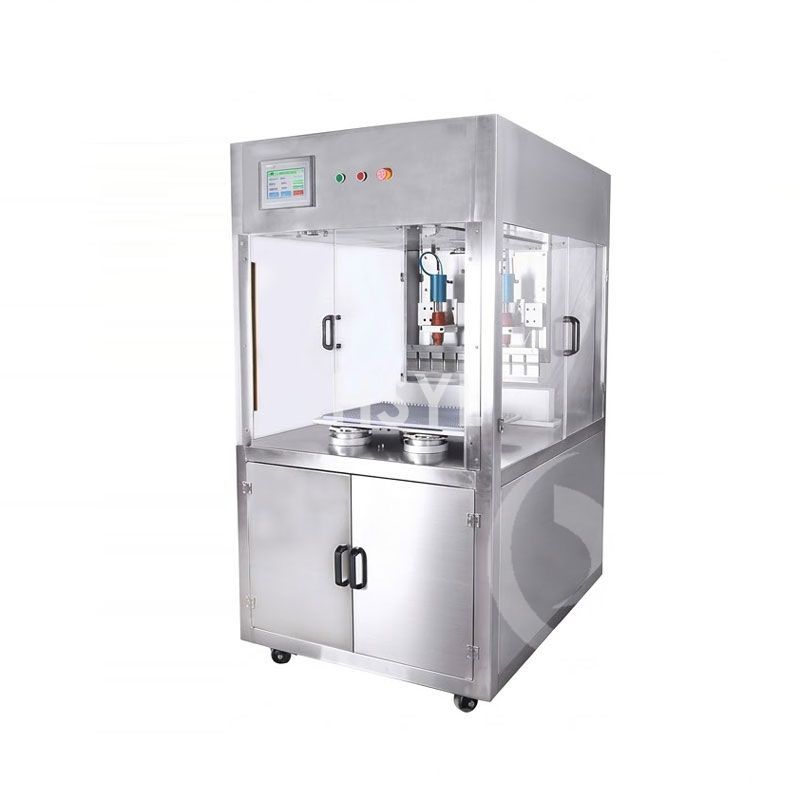 Ultrasonic Cream Sandwich Bread Cutting Machine
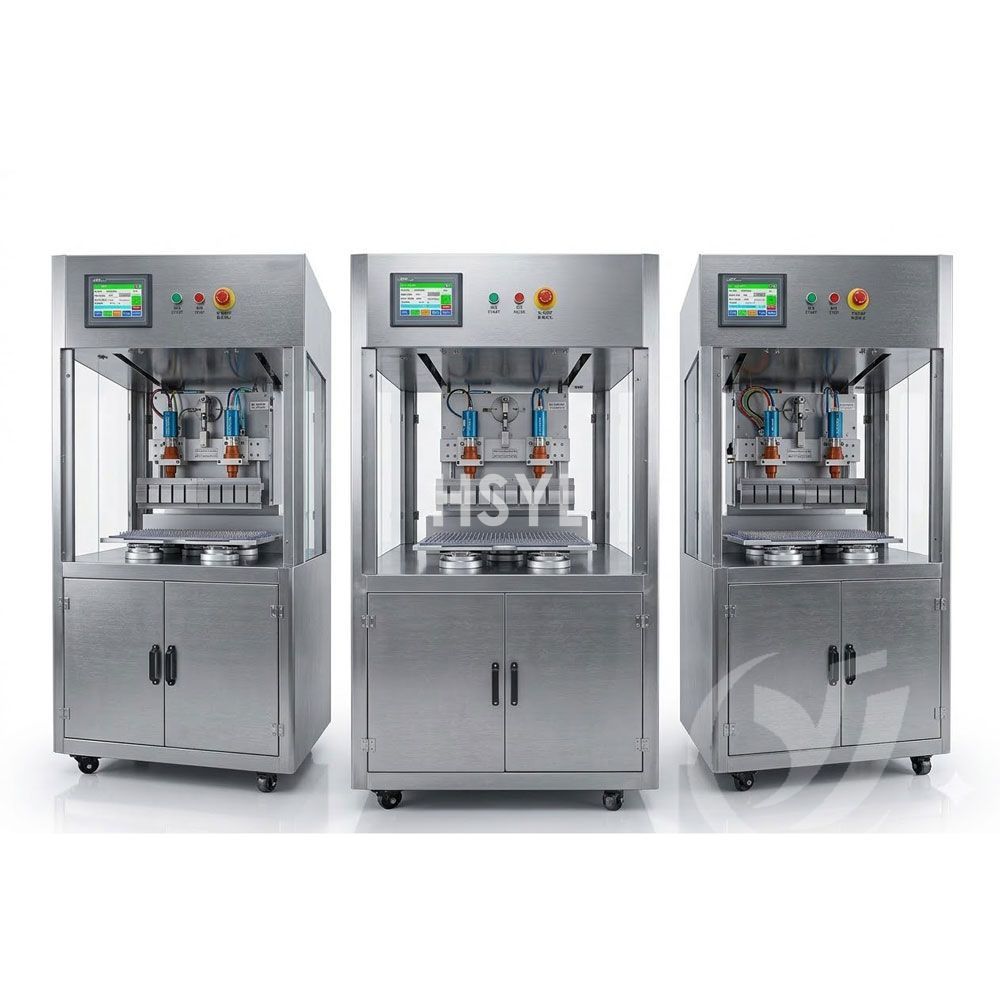 Bakery Ultrasonic Automatic Candy Cutting Machine
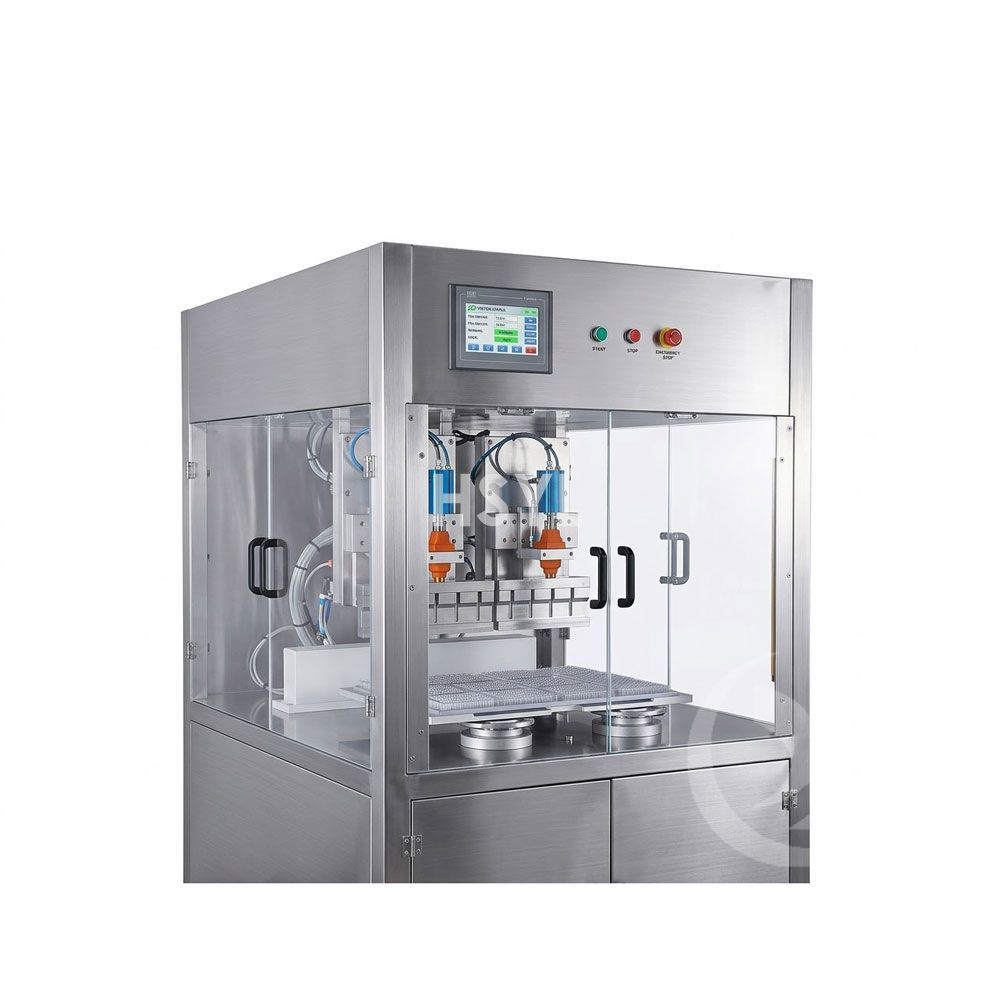 Small Ultrasonic Cutting Machine
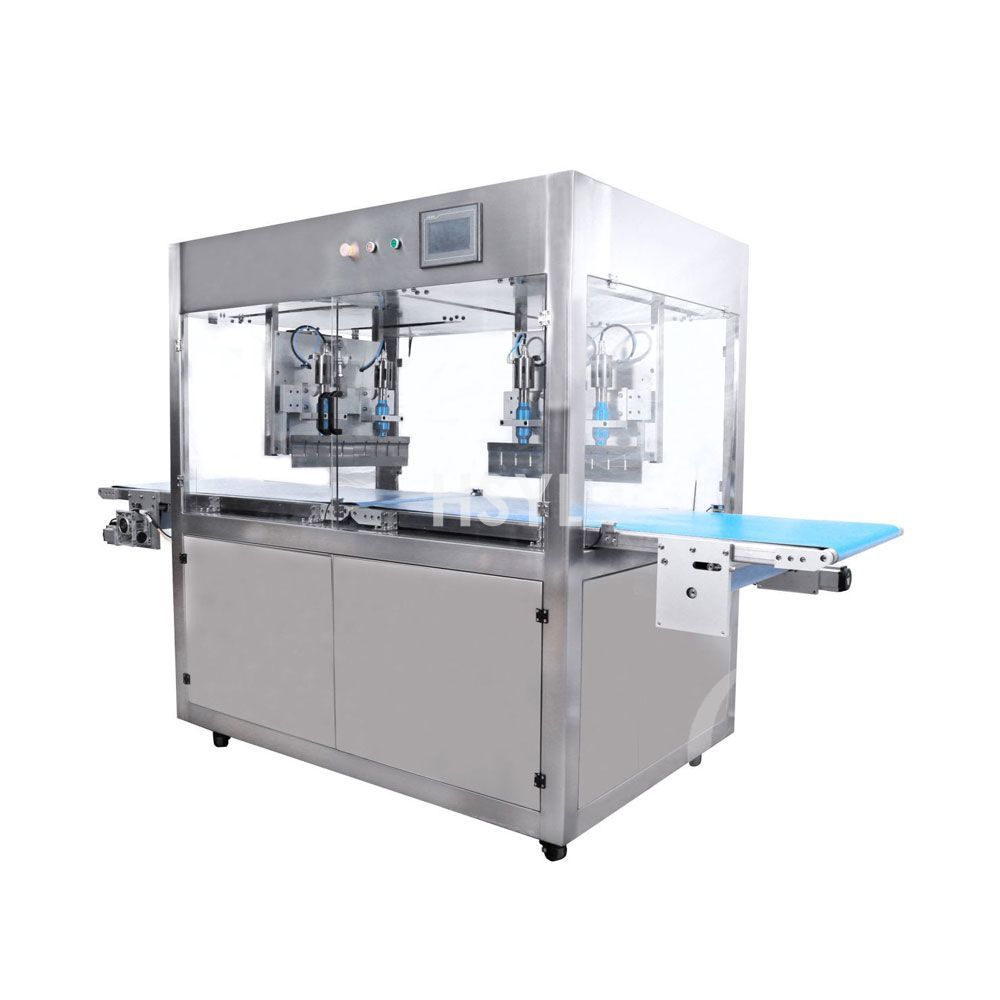 Ultrasonic Swiss Roll Cake Cutting Machine
 Cake Production Line
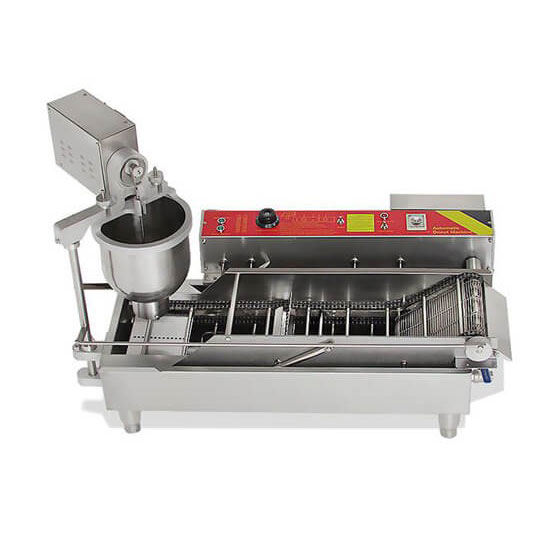 Donut Making Machine
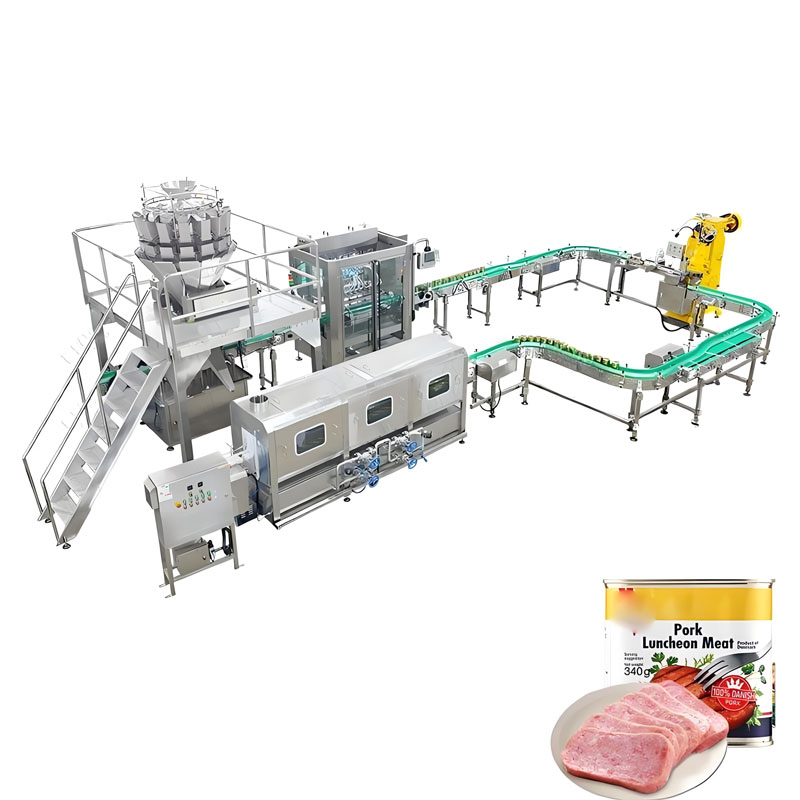 Fully Automatic Meat Can Production Lines
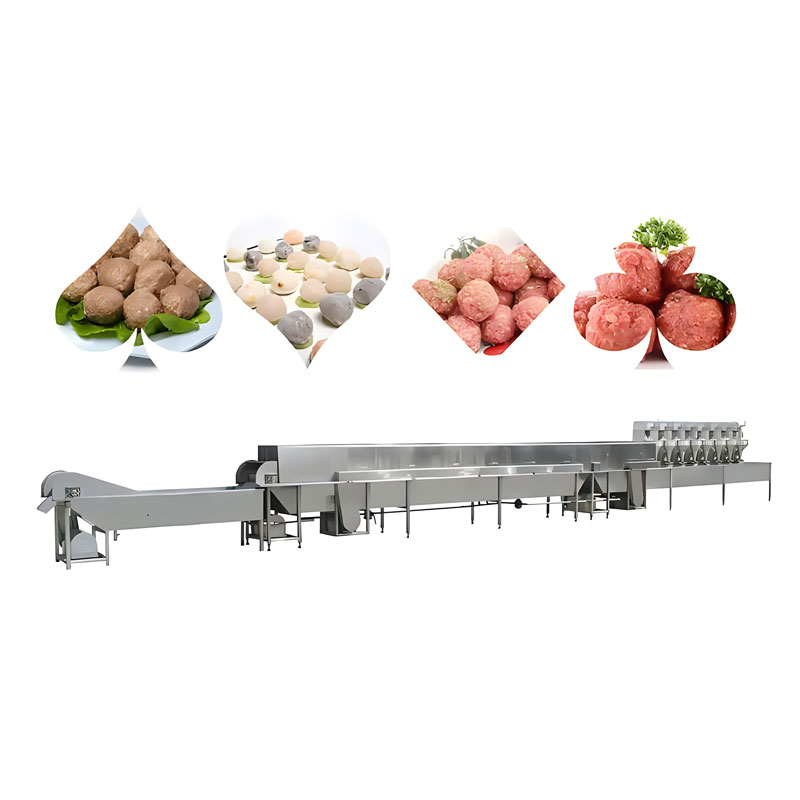 Automatic Meatball Production Line
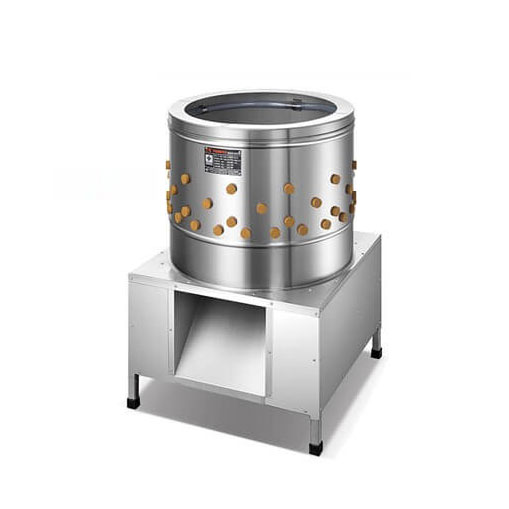 Poultry Feather Removal Machine
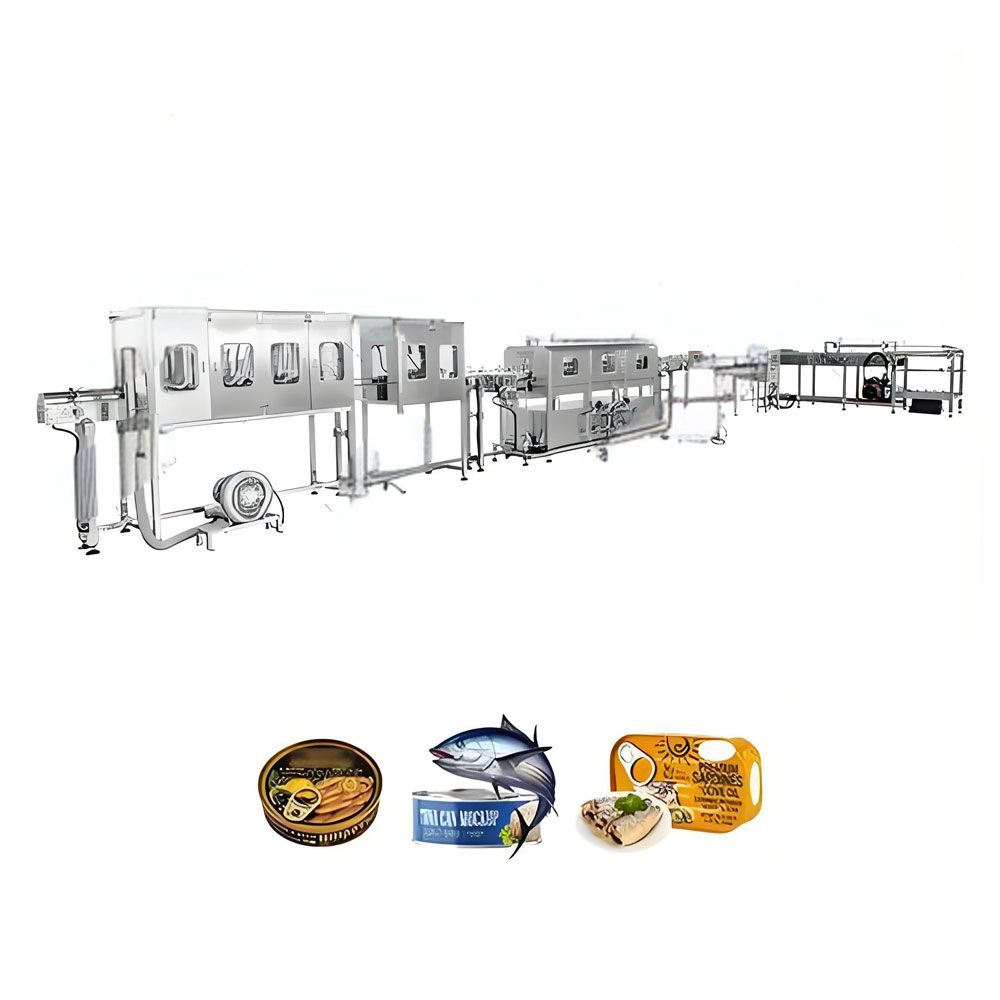 Sardine Canned Food Production Line
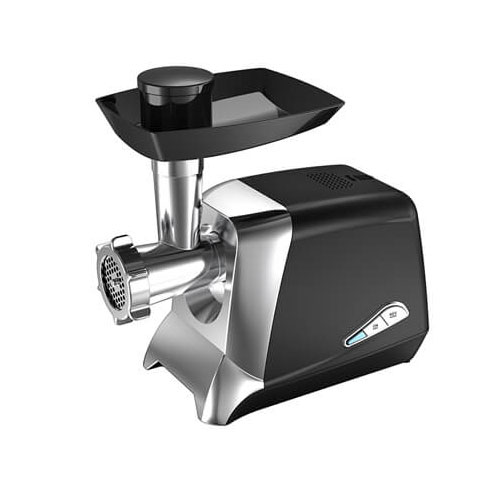 Household Meat Grinder
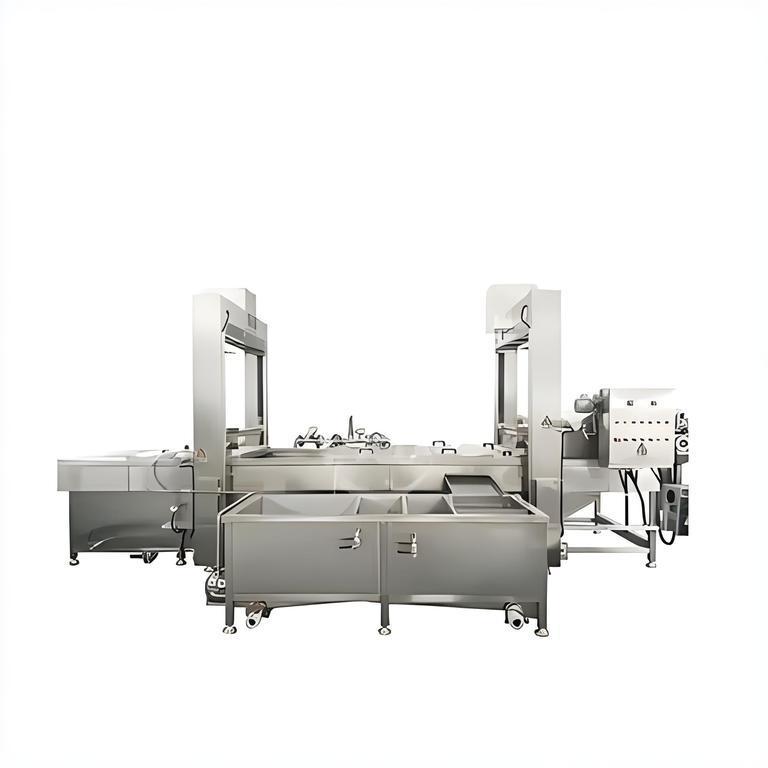 Chicken Processing Line