
155g Canned Sardines Production Line - Chinese Manufacturer, Factory, Supplier
The 155g sardine can production line is a specialized solution designed to meet the growing global demand for ready-to-eat canned sardines. Tailored to the most common consumer packaging size—155 grams—this production line ensures precision, efficiency, and compliance with international food safety standards. From raw fish handling to final packaging, the system integrates advanced technologies to deliver consistency in quality and taste.
At the heart of the process is raw material preparation. Fresh sardines are thoroughly cleaned, sorted, and pre-cooked to maintain nutritional value and natural flavor. The 155g sardine can production line is engineered to handle high volumes with minimal manual intervention, reducing labor costs while improving output speed. Automated conveying systems transfer fish to filling stations, where pre-calibrated equipment ensures each can is filled with exact portions, guaranteeing weight accuracy and portion consistency.
Sealing technology is another critical component. Precision can seamers create airtight seals that preserve freshness and extend shelf life. The line can accommodate tinplate or aluminum cans, depending on customer requirements. Advanced vacuum and steam injection systems help remove oxygen during sealing, protecting the sardines from spoilage and oxidation.
Sterilization is conducted in high-capacity retort systems that meet HACCP, FDA, and EU food safety regulations. These autoclaves ensure that the final product is shelf-stable for extended periods without compromising taste, texture, or nutritional content. After sterilization, cans are cooled, dried, and automatically conveyed to labeling and packaging stations. High-speed labeling machines apply product labels with precision, while automated carton packing units prepare finished goods for shipment.
The 155g sardine can production line is fully customizable, allowing food manufacturers to adjust filling, seasoning, and packaging configurations. Options such as adding sauces (tomato, chili, or oil-based) can be integrated seamlessly. Production capacity ranges from small-scale units for local seafood processors to fully automated industrial systems capable of producing thousands of cans per hour.
Built from food-grade stainless steel and engineered for easy cleaning, the line supports strict hygiene requirements. Its modular design allows integration with upstream operations such as fish cleaning machines and downstream logistics like palletizing systems. Manufacturers like Qingdao Hongshengyuanlin Co., Ltd., established in 2014, provide advanced sardine canning solutions and technical support, ensuring reliable operation and long-term return on investment.
By adopting a 155g sardine can production line, seafood processors can meet consumer expectations for convenience, maintain consistent product quality, and expand into international markets with confidence. This equipment is not just about automation—it is about elevating production efficiency while ensuring food safety and brand credibility.
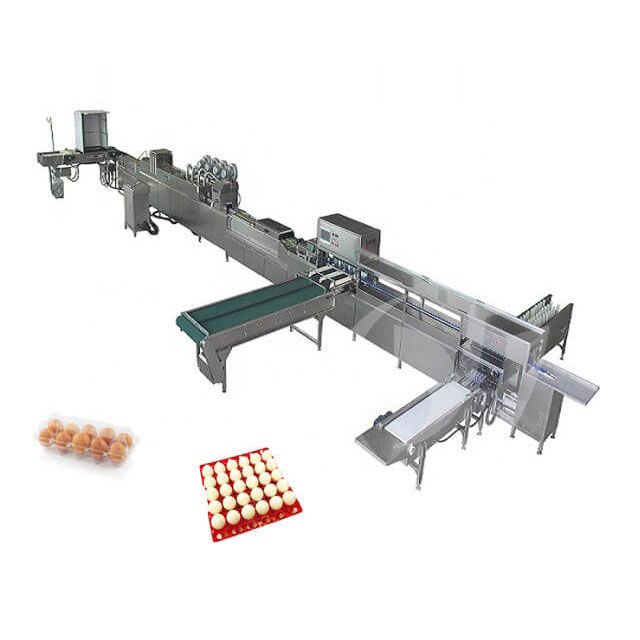 Egg Canning Production Line
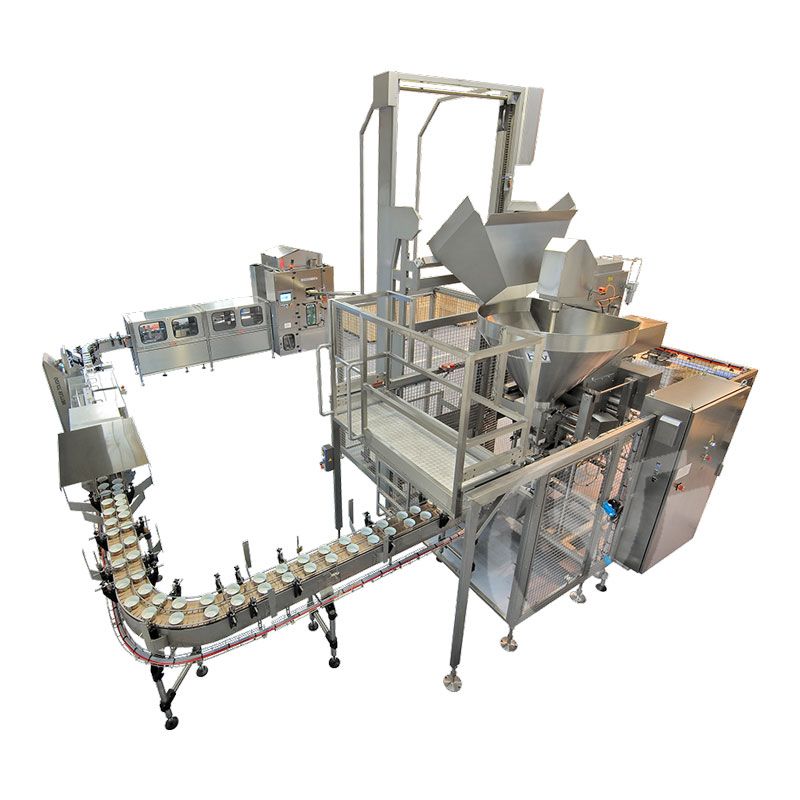 Meat Canned Food Production Line
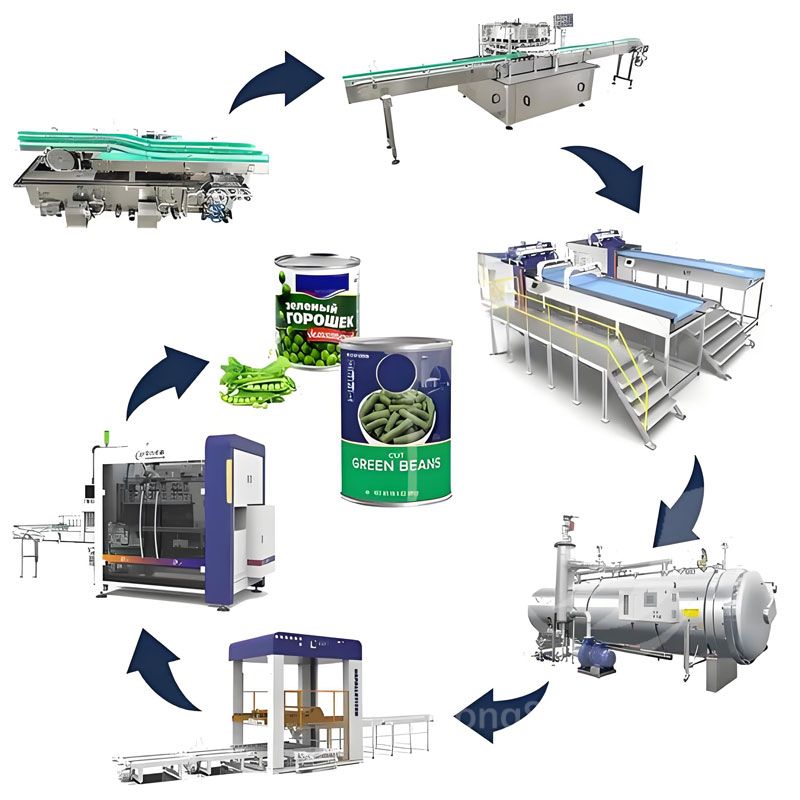 Green Bean Canned Food Production Line
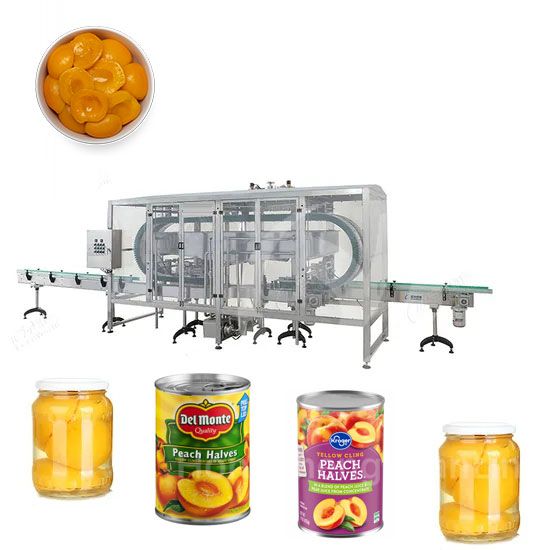 Peach Canned Food Production Line
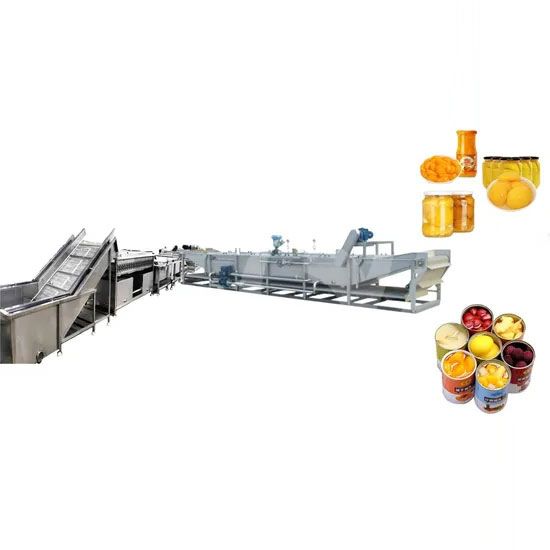 Canned Fruit Production Line Equipment
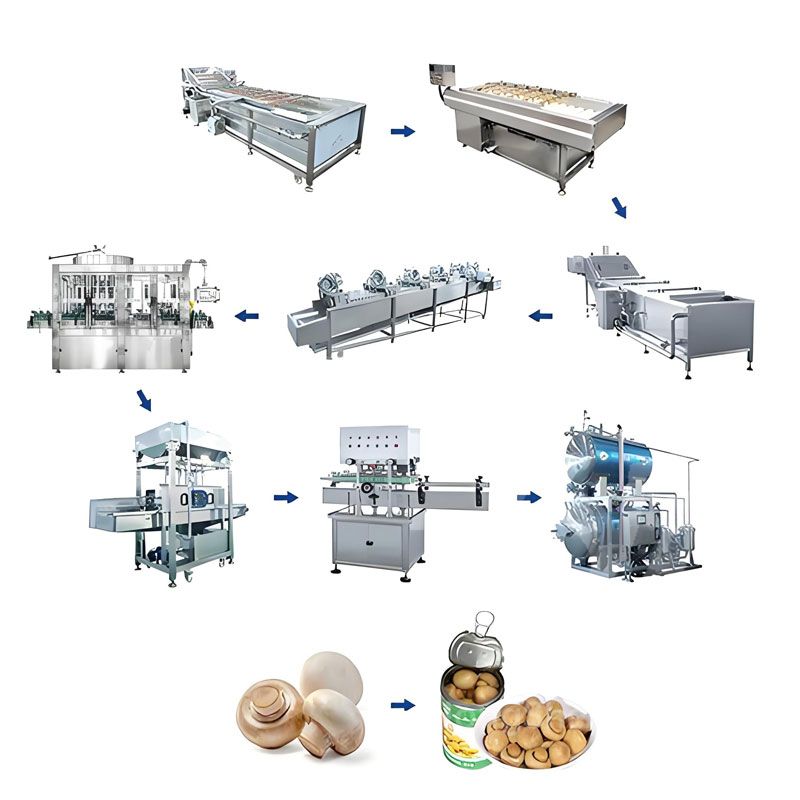 Edible Mushroom Canned Food Production Line
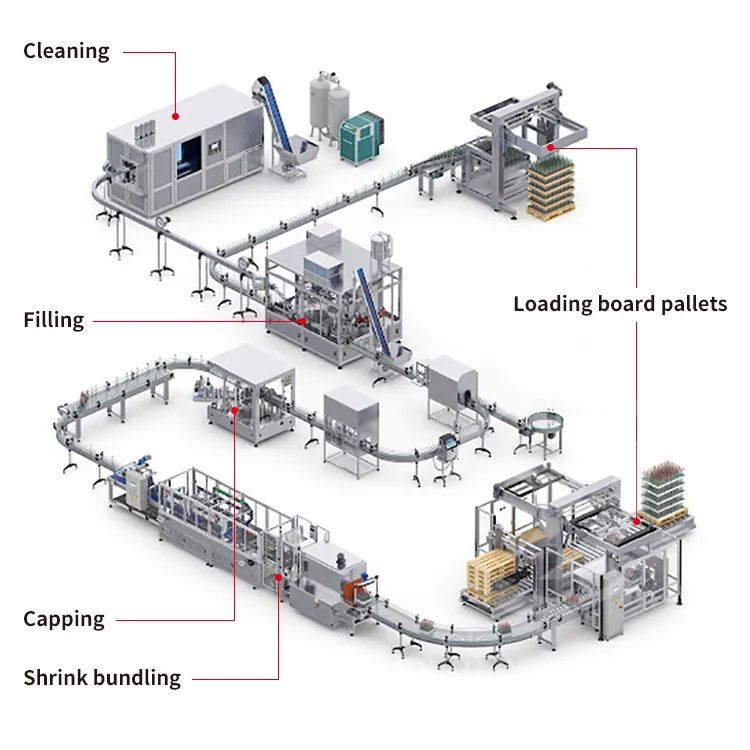 Chicken Soup Canned Production Line
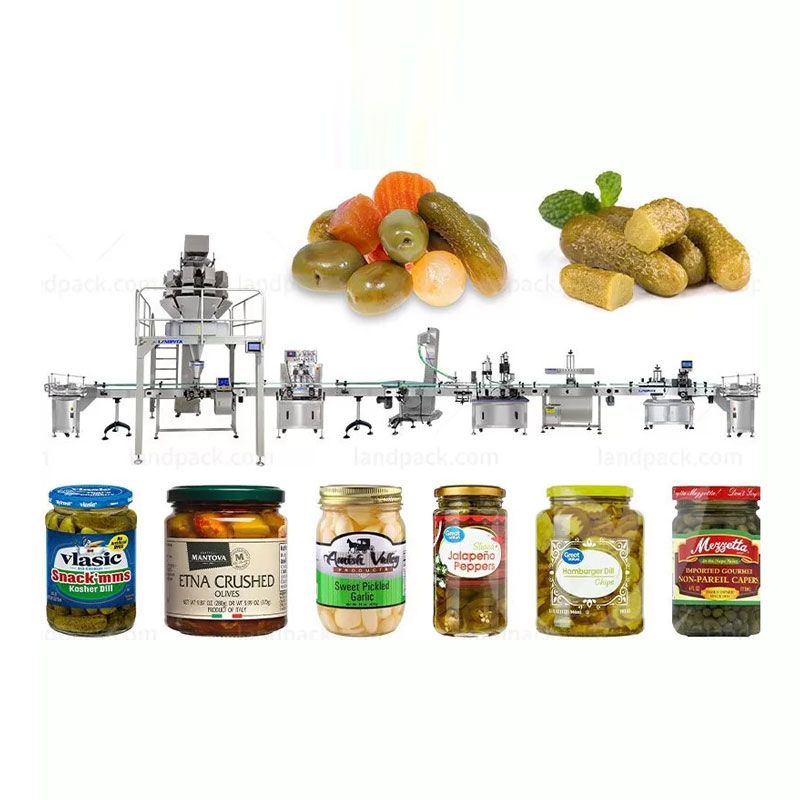 Cucumber Canned Production Line
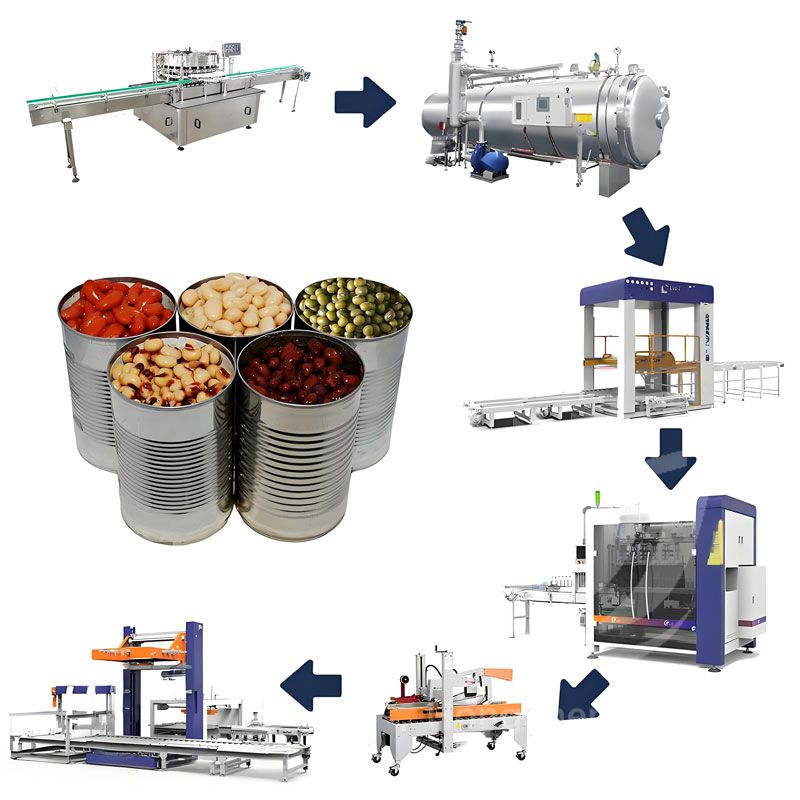 Canned Beans Production Line
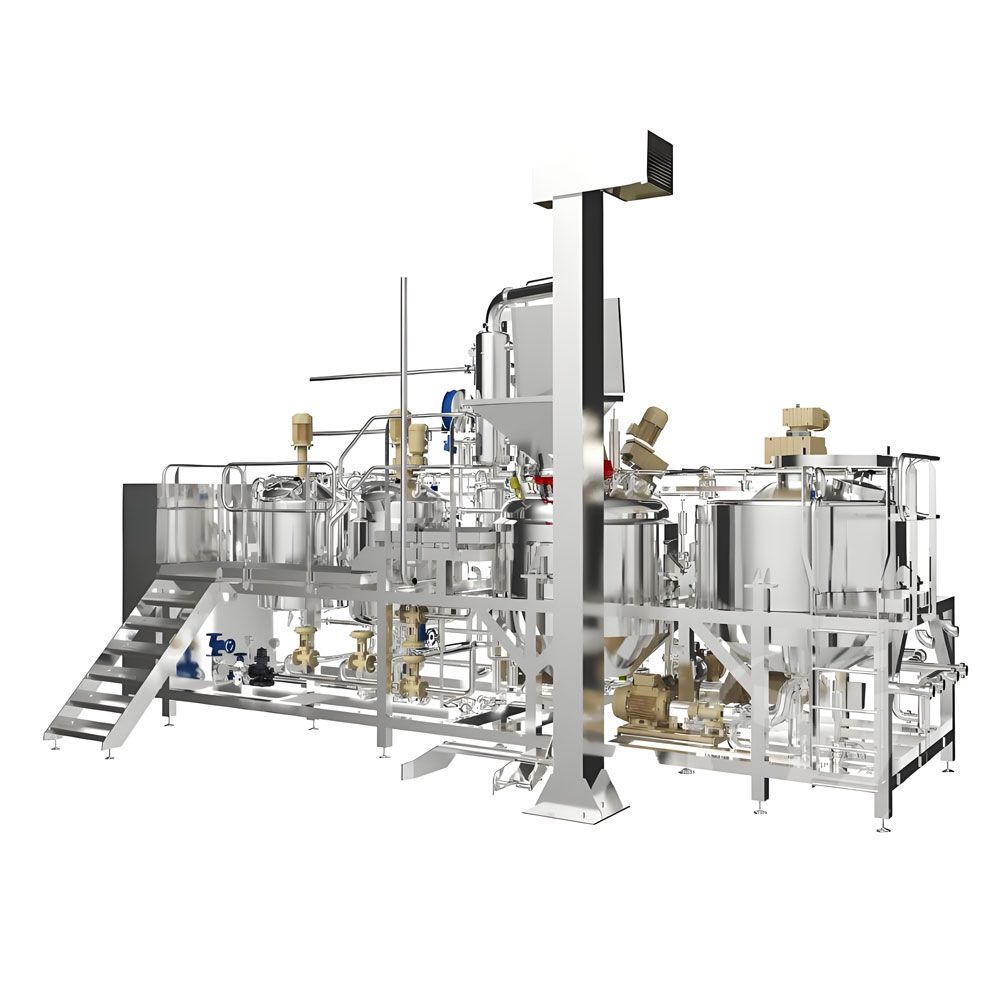 Jam Canned Production Line
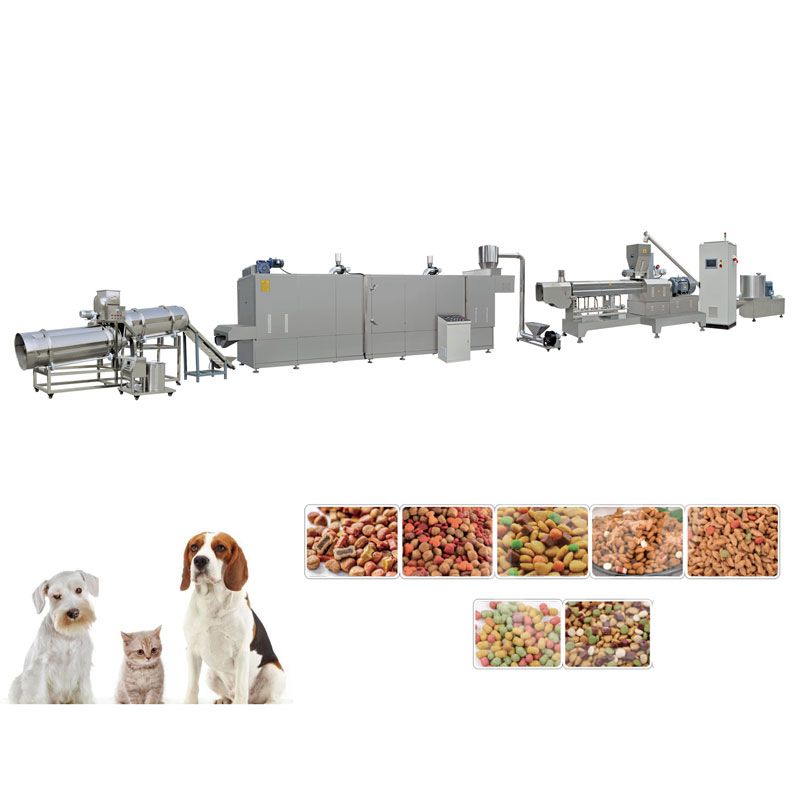 Pet Canned Food Production Line
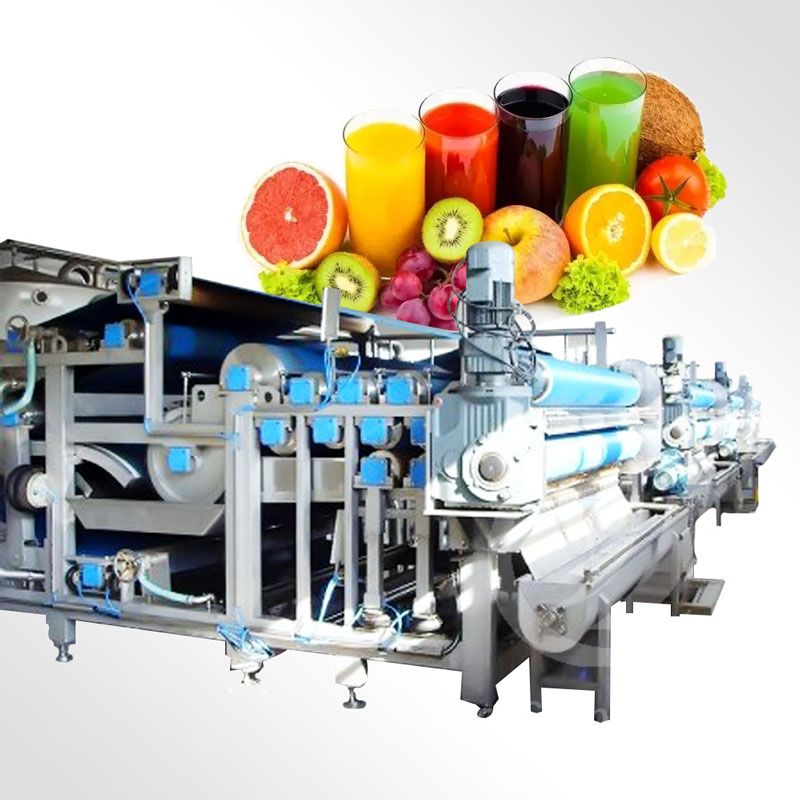 Fruit And Vegetable Canned Production Line
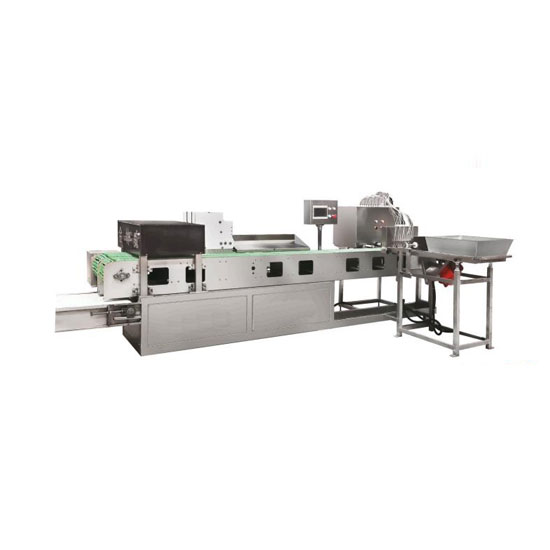 X-Type Cutting And Stringing Machine
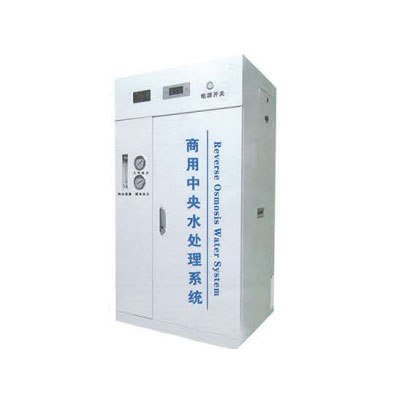 YL-W-03 Commercial Water Purification Equipment
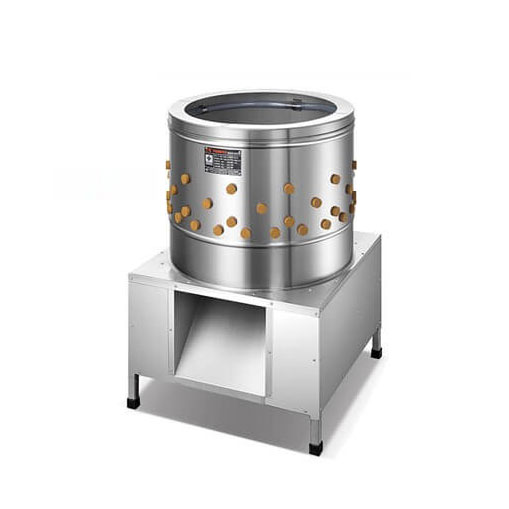 Poultry Feather Removal Machine
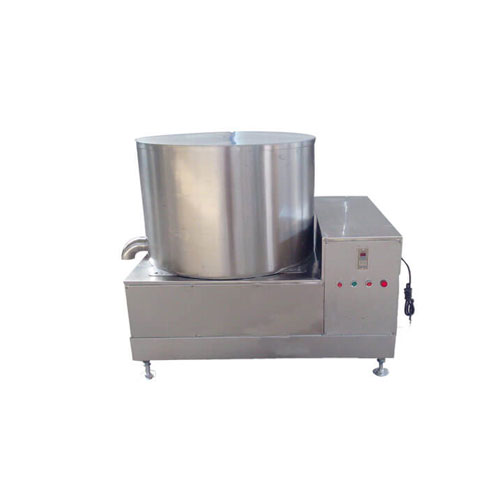 Fried Food Deoiling Machine
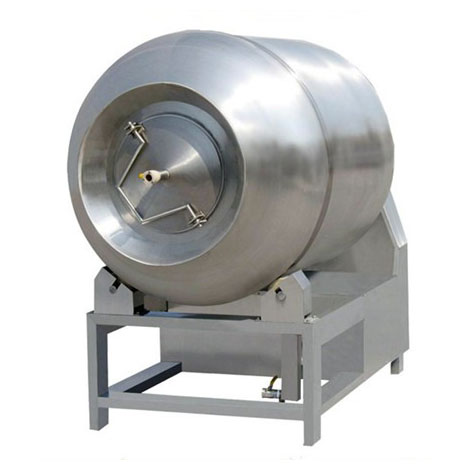 Vacuum Meat Tumbler
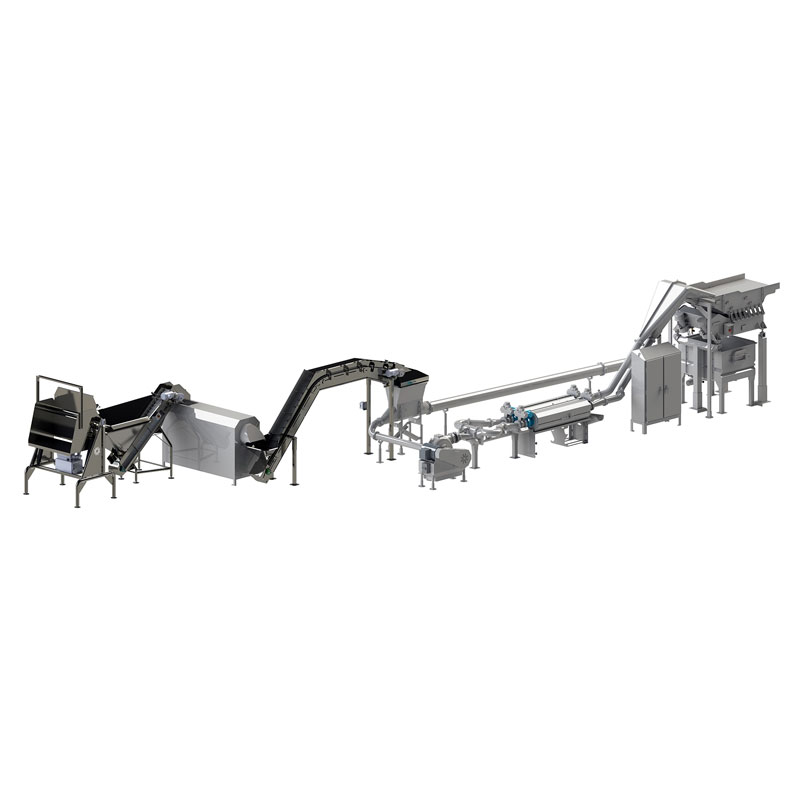 Cucumber Canning Production Line
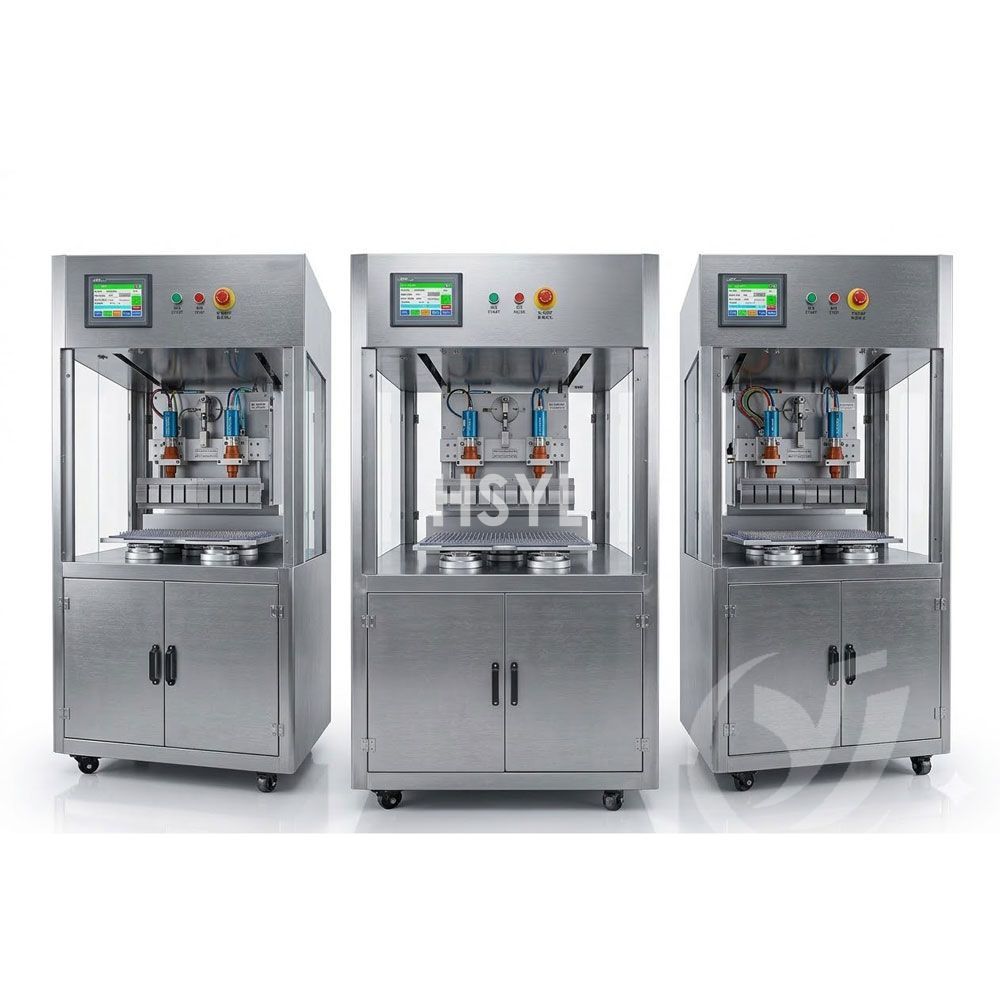 Bakery Ultrasonic Automatic Candy Cutting Machine
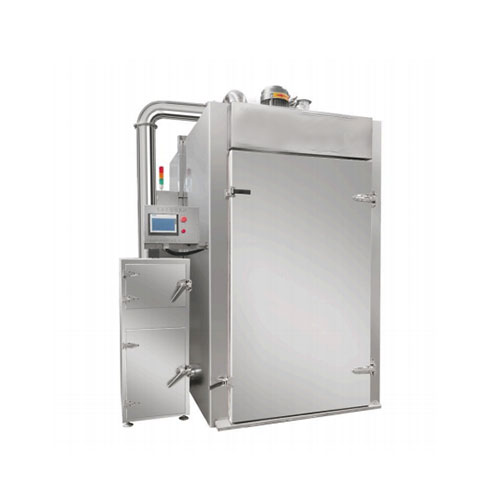 Smoked Furnace