
Fresh Meat Canned Food Production Line - Chinese Manufacturer, Factory, Supplier
The Fresh Meat Canned Food Production Line is a high-efficiency, fully automated system designed to process various types of fresh meat — including beef, pork, chicken, duck, and lamb — into ready-to-eat canned products. It integrates the entire workflow from raw meat handling to sterilized and packaged goods, ensuring consistent quality, long shelf life, and full compliance with international food safety standards such as HACCP, ISO22000, and FDA. This production line is ideal for meat processing plants, food factories, and B2B manufacturers looking to achieve high productivity and hygiene control.
A complete fresh meat canning production line typically includes the following major stages: meat receiving and inspection, trimming and cutting, pre-cooking or blanching, automatic weighing and filling, broth or sauce dosing, vacuum sealing, sterilization, cooling, labeling, and final packaging. All equipment components are made from food-grade stainless steel (SUS304/316) to ensure corrosion resistance, durability, and easy cleaning — essential for maintaining sanitary conditions in meat processing facilities.
The line incorporates PLC-controlled automation systems that provide precise temperature and pressure regulation during sterilization, real-time data monitoring, and automatic fault detection. These features greatly reduce manual errors, enhance production stability, and improve product traceability. Retort sterilizers are used to eliminate microorganisms while retaining the natural texture, flavor, and nutritional value of the meat.
Customization is one of the key advantages of this production line. It can be tailored for different can sizes, meat types, and product formulations (such as in oil, gravy, or brine), as well as for packaging materials including tin cans, aluminum cans, or retort pouches. Optional modules like vacuum filling, automatic sauce dosing, and CIP (Clean-In-Place) systems can be integrated to further increase automation and sanitation efficiency.
For B2B buyers and meat processors, investing in a Fresh Meat Canned Food Production Line offers multiple benefits — including labor cost reduction, increased productivity, stable product quality, and faster market response. It enables food manufacturers to meet global demand for safe, shelf-stable, and convenient canned meat products while maintaining competitive production costs and environmental sustainability.
In summary, the Fresh Meat Canned Food Production Line is a modern, hygienic, and scalable solution that helps meat processors transform raw meat into premium canned products efficiently. Combining automation, flexibility, and food safety, this production line supports long-term business growth and international market expansion.
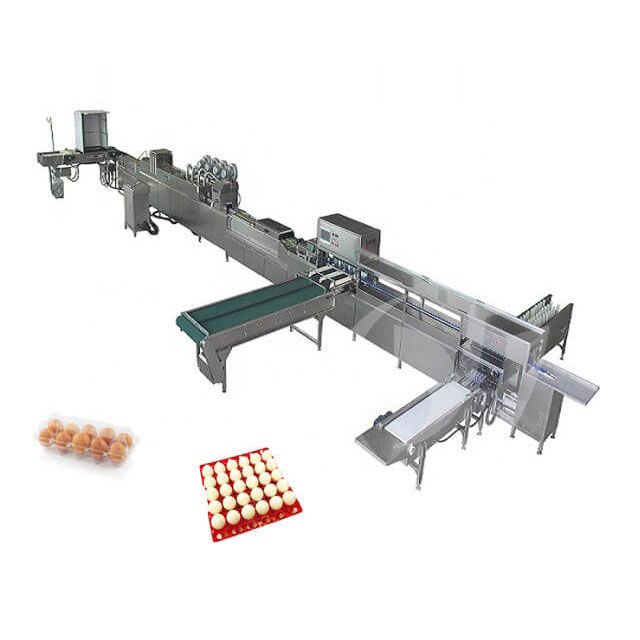 Egg Canning Production Line
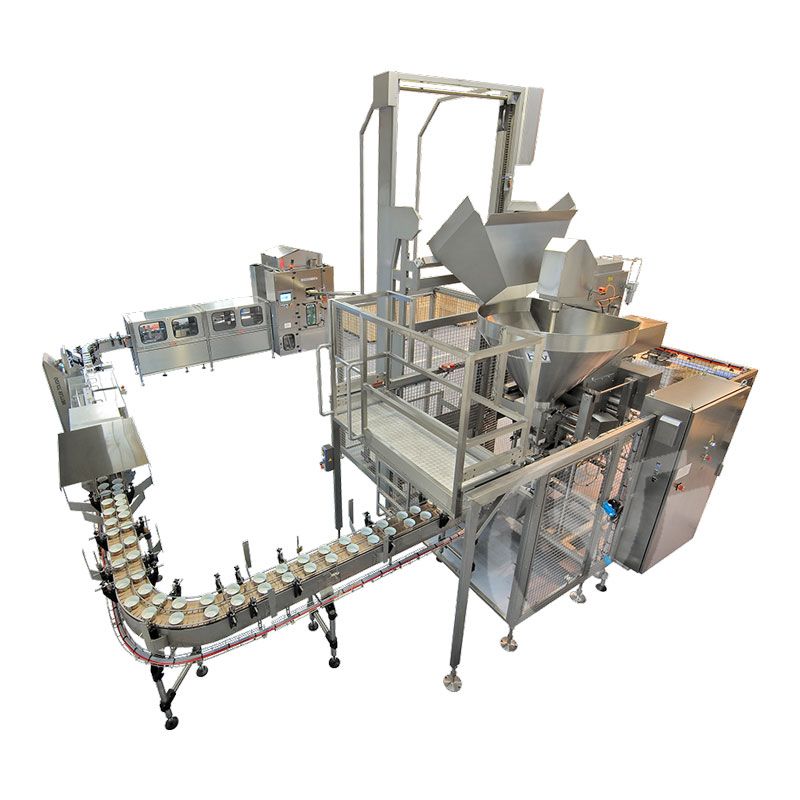 Meat Canned Food Production Line
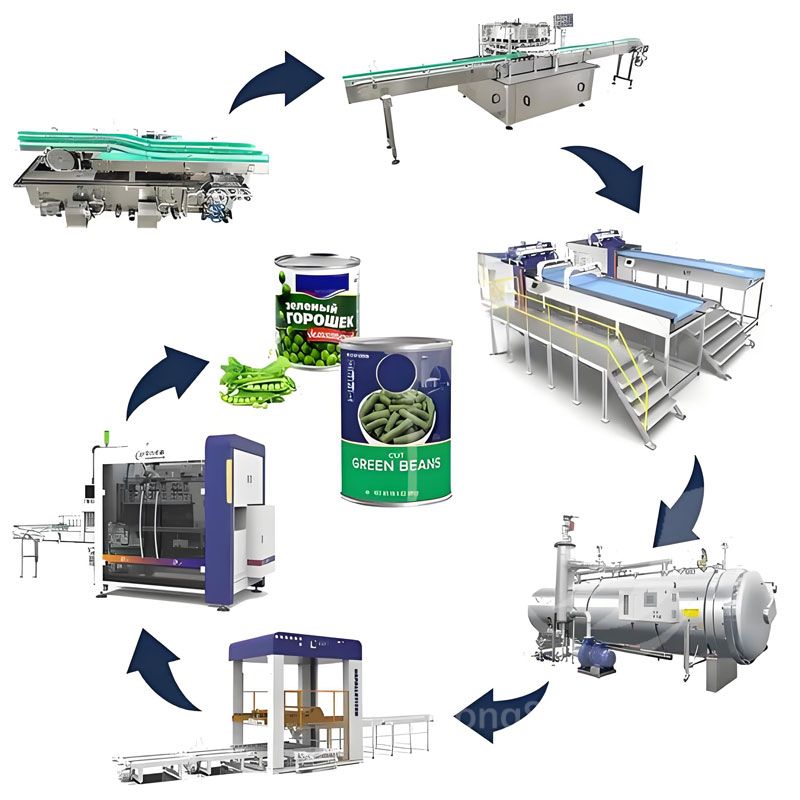 Green Bean Canned Food Production Line
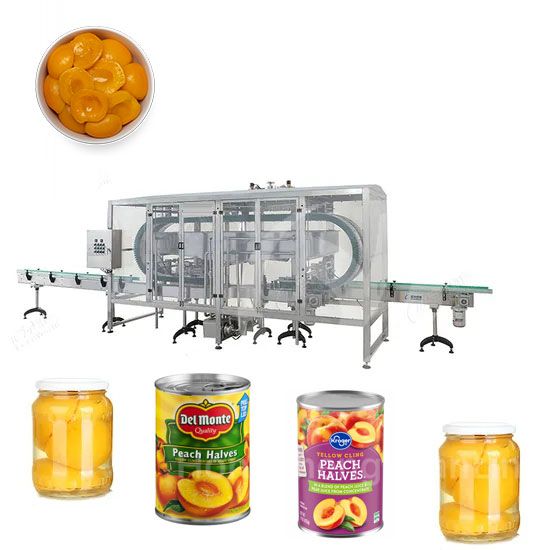 Peach Canned Food Production Line
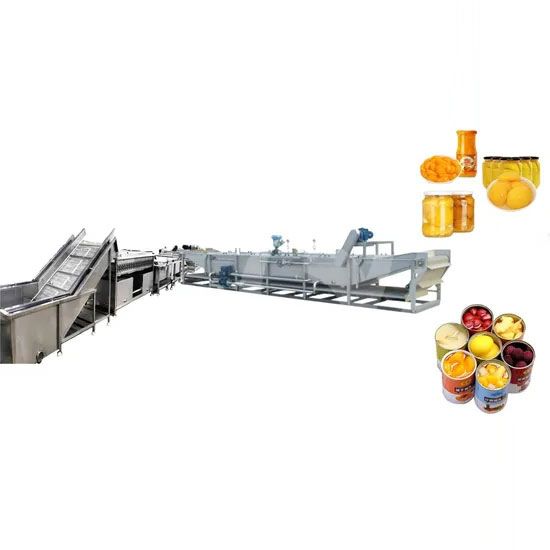 Canned Fruit Production Line Equipment
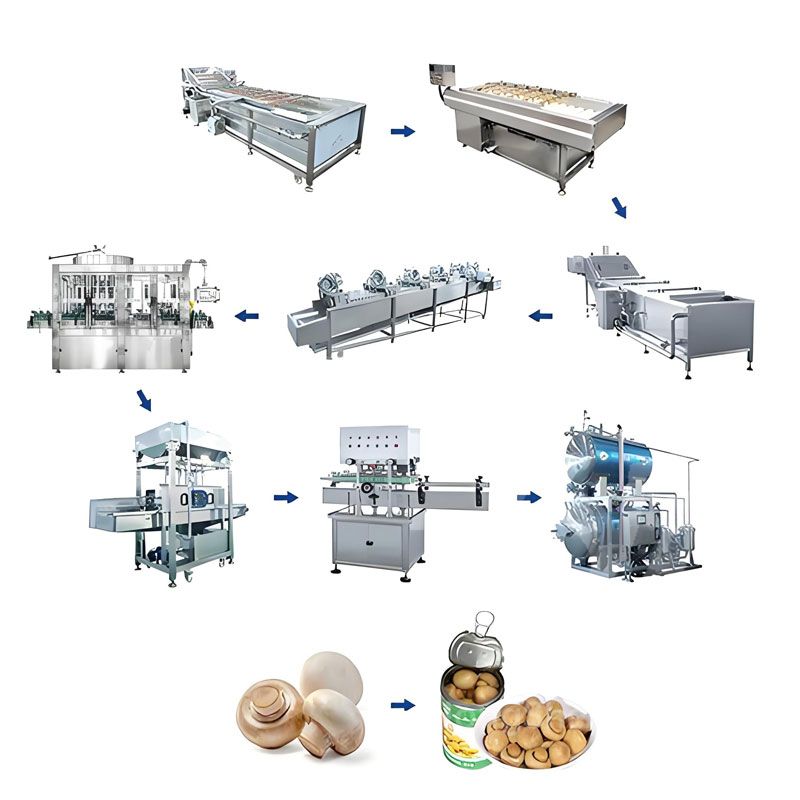 Edible Mushroom Canned Food Production Line
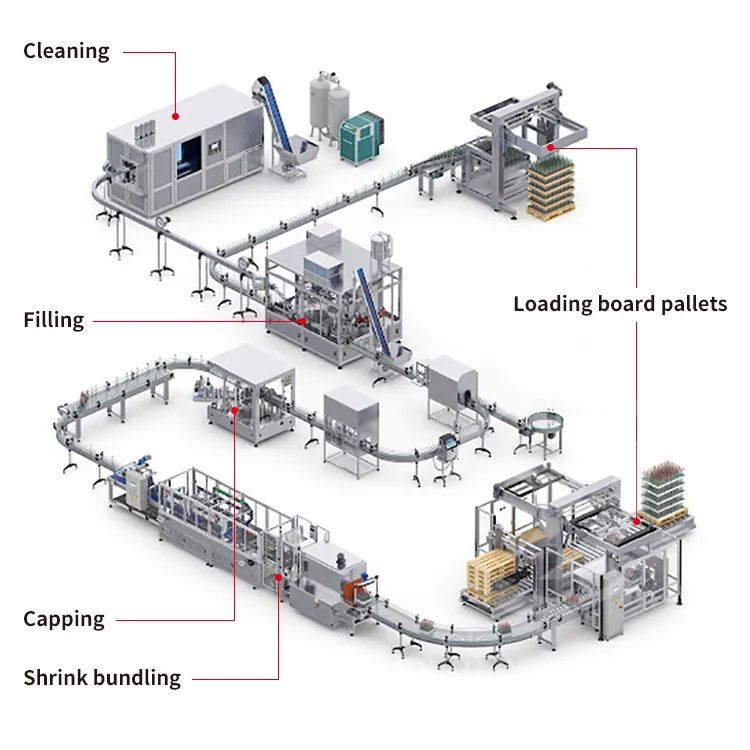 Chicken Soup Canned Production Line
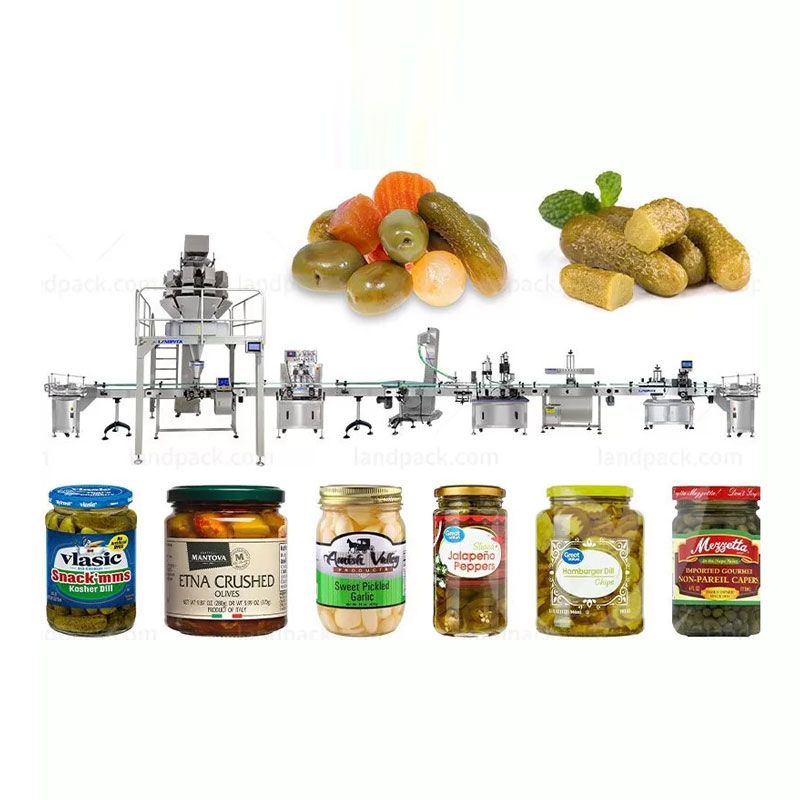 Cucumber Canned Production Line
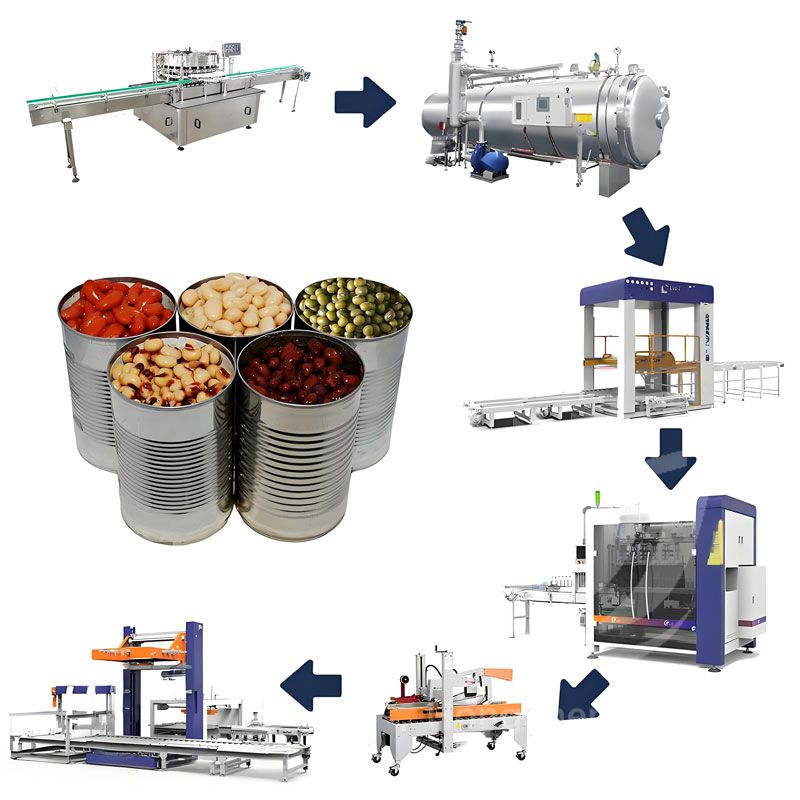 Canned Beans Production Line
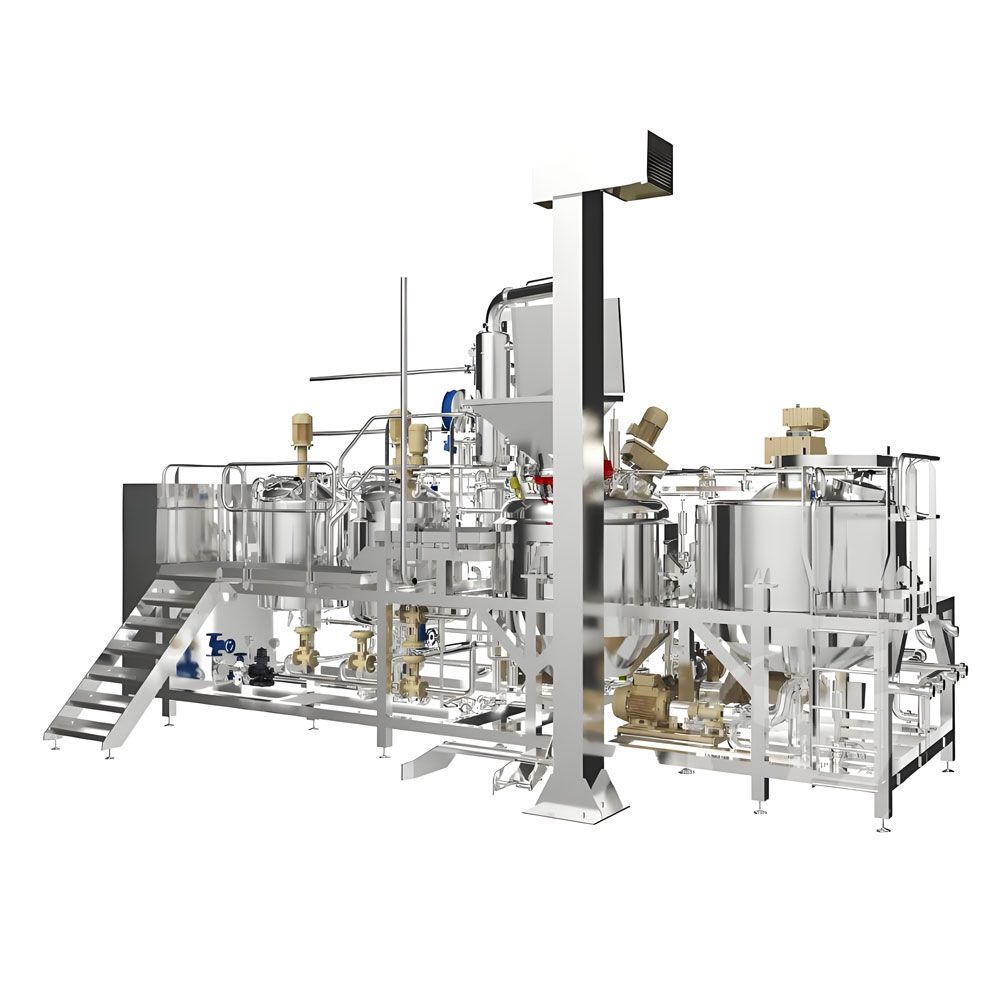 Jam Canned Production Line
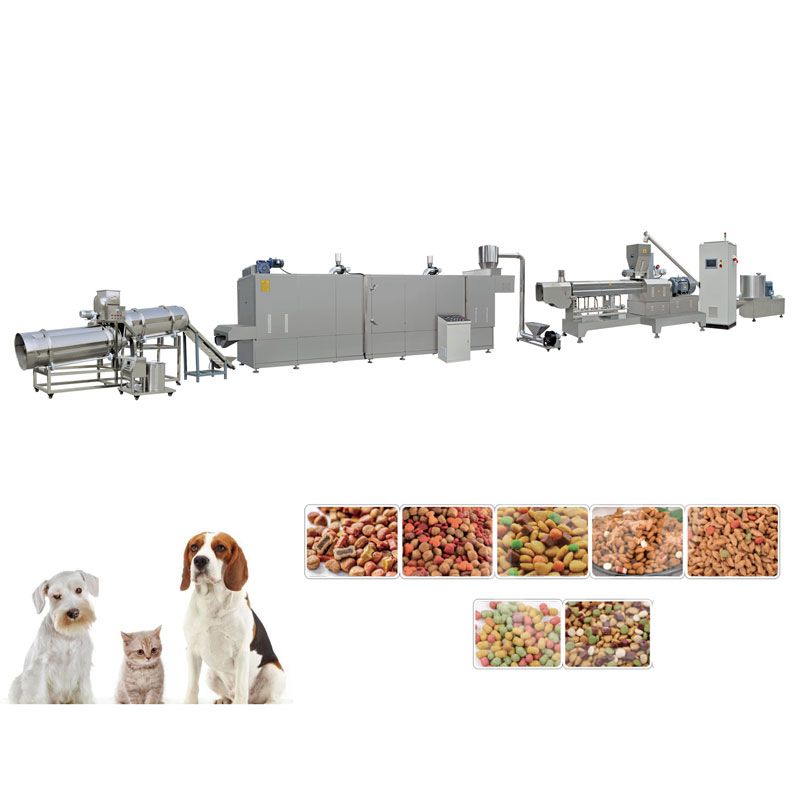 Pet Canned Food Production Line
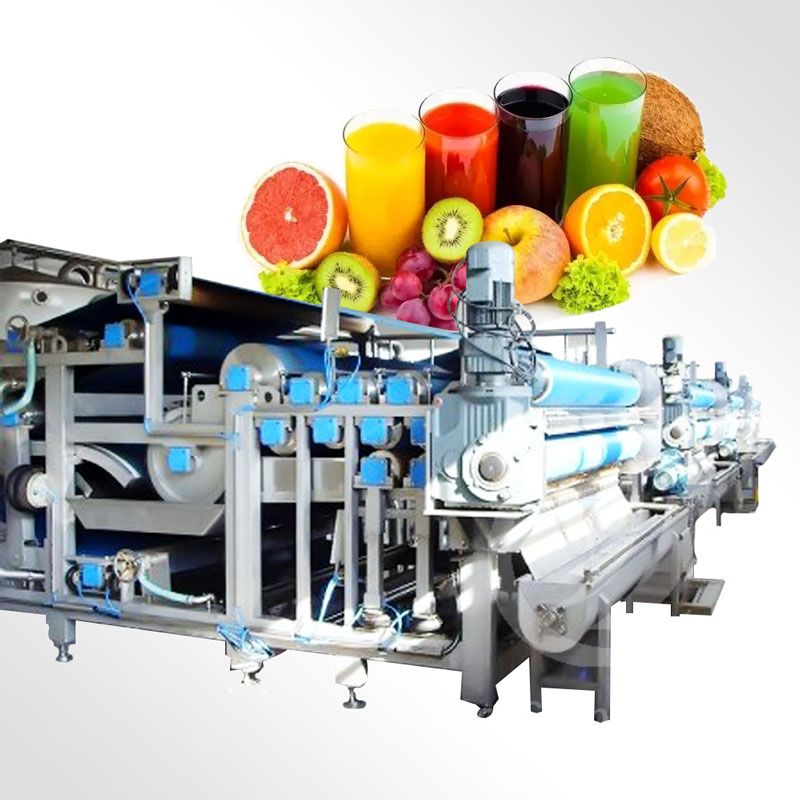 Fruit And Vegetable Canned Production Line
 Hard Candy Production Line
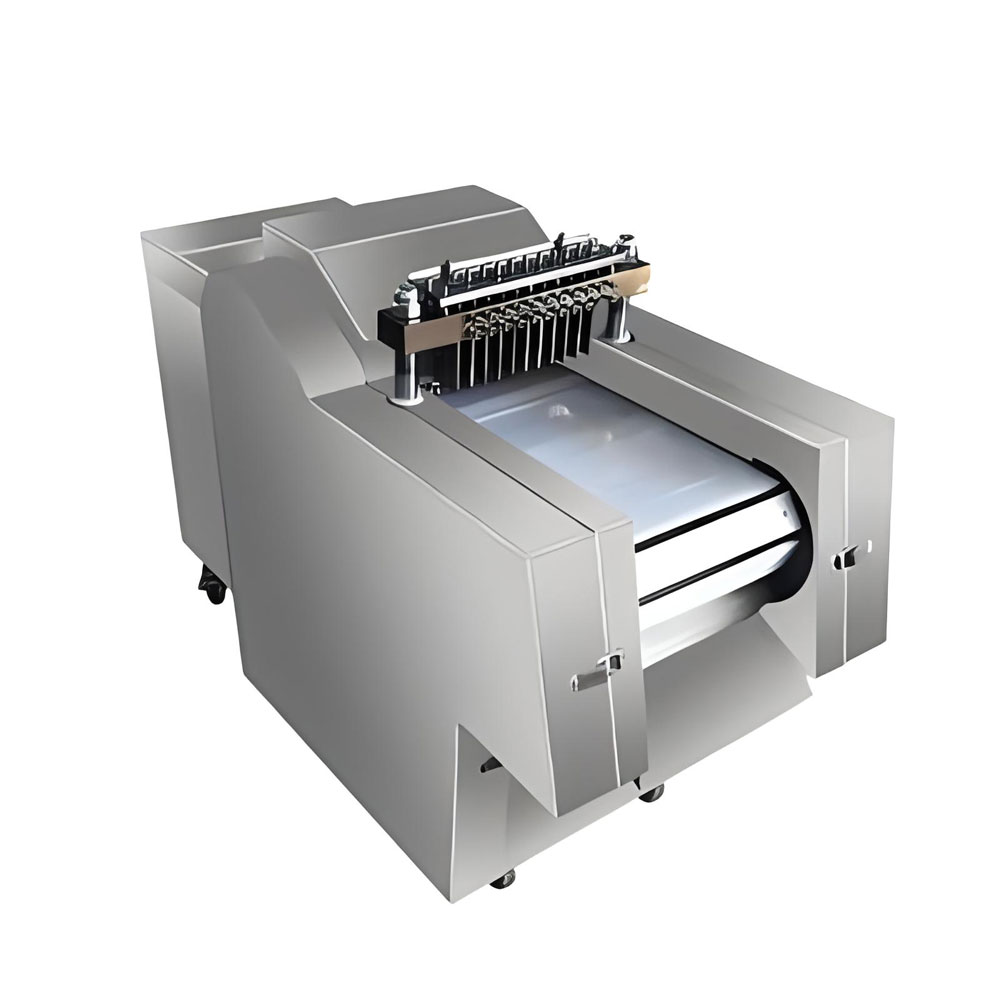 Automatic Chicken Cutting Machine
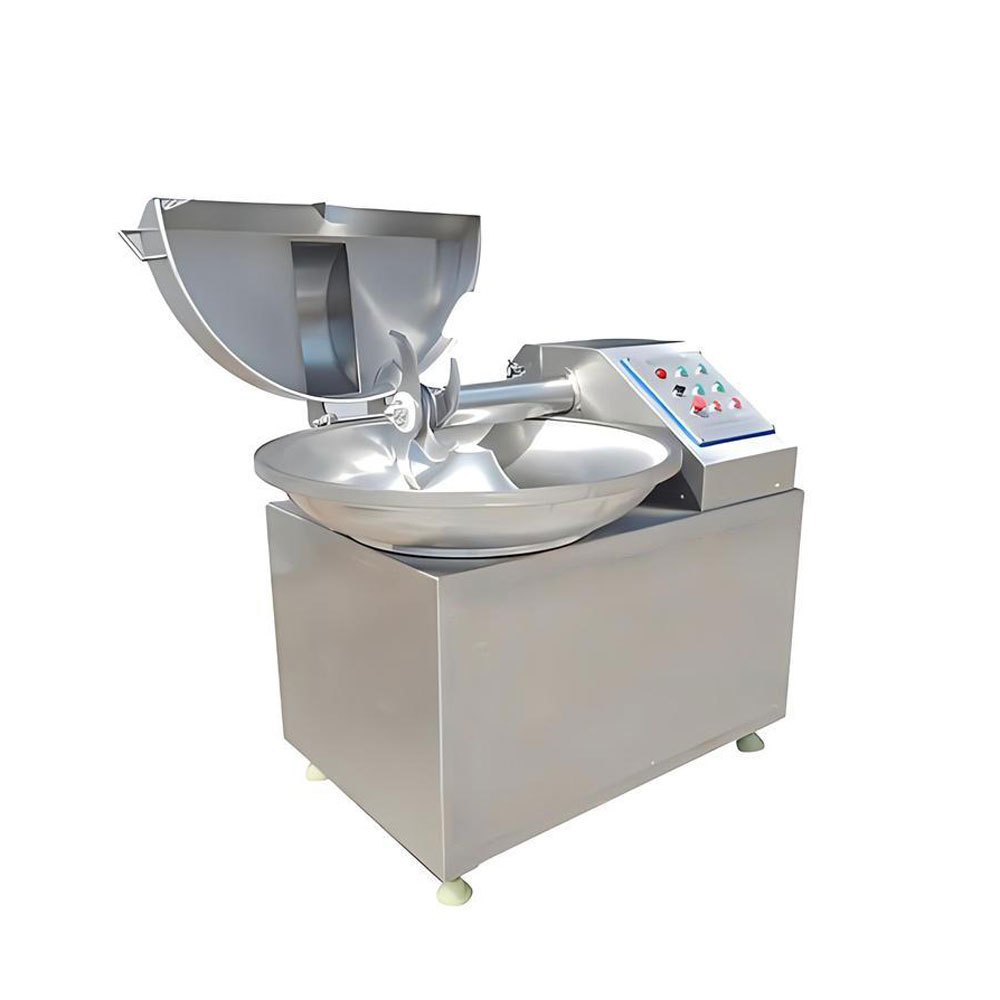 Bowl Cutter
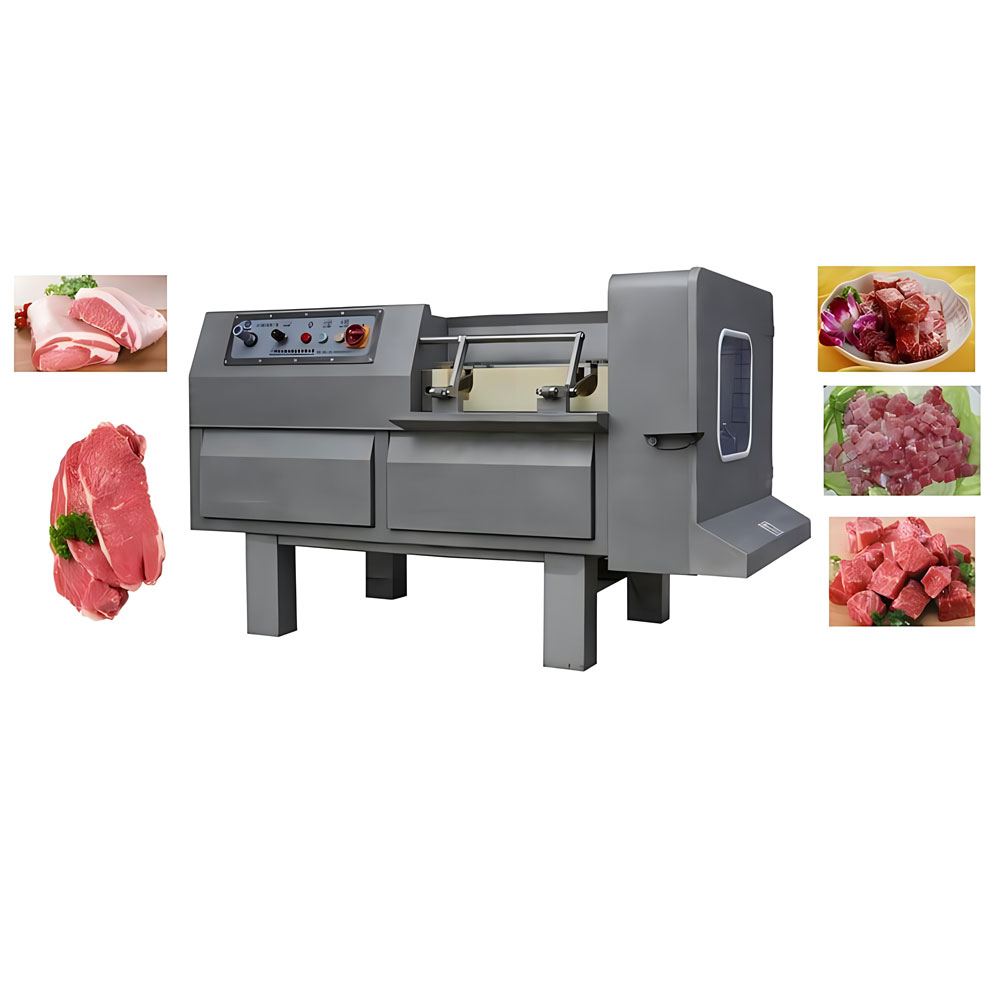 Automatic Fresh Meat Dicing Machine
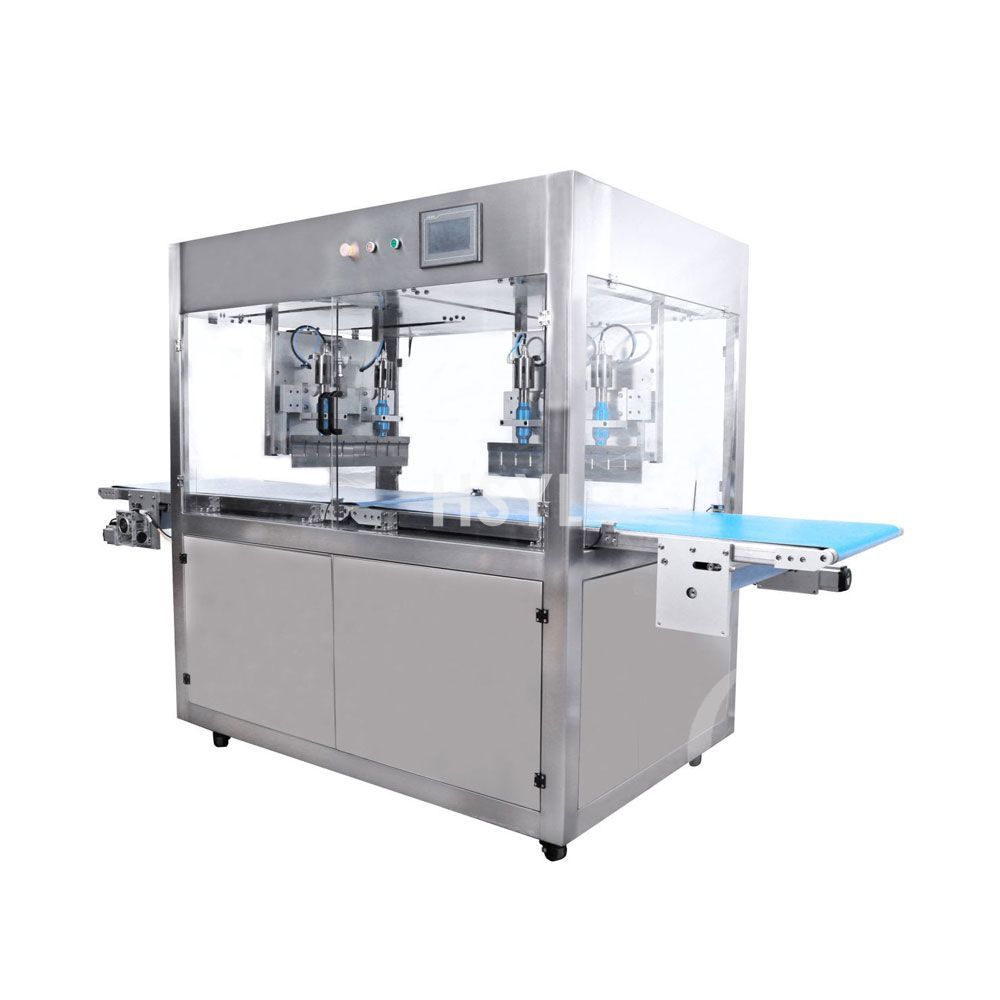 Ultrasonic Swiss Roll Cake Cutting Machine
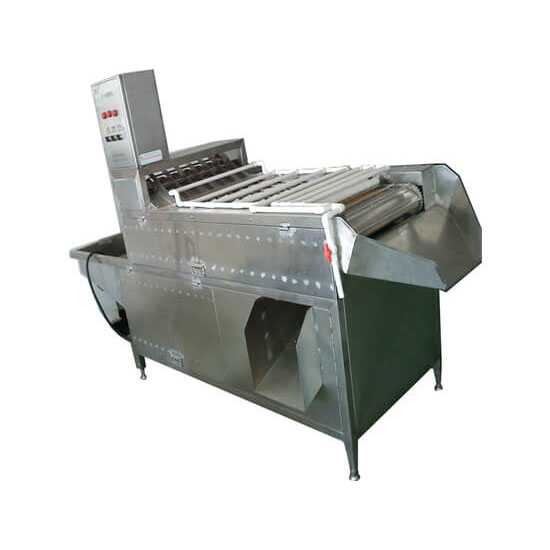 Chicken Egg Peeling Machine
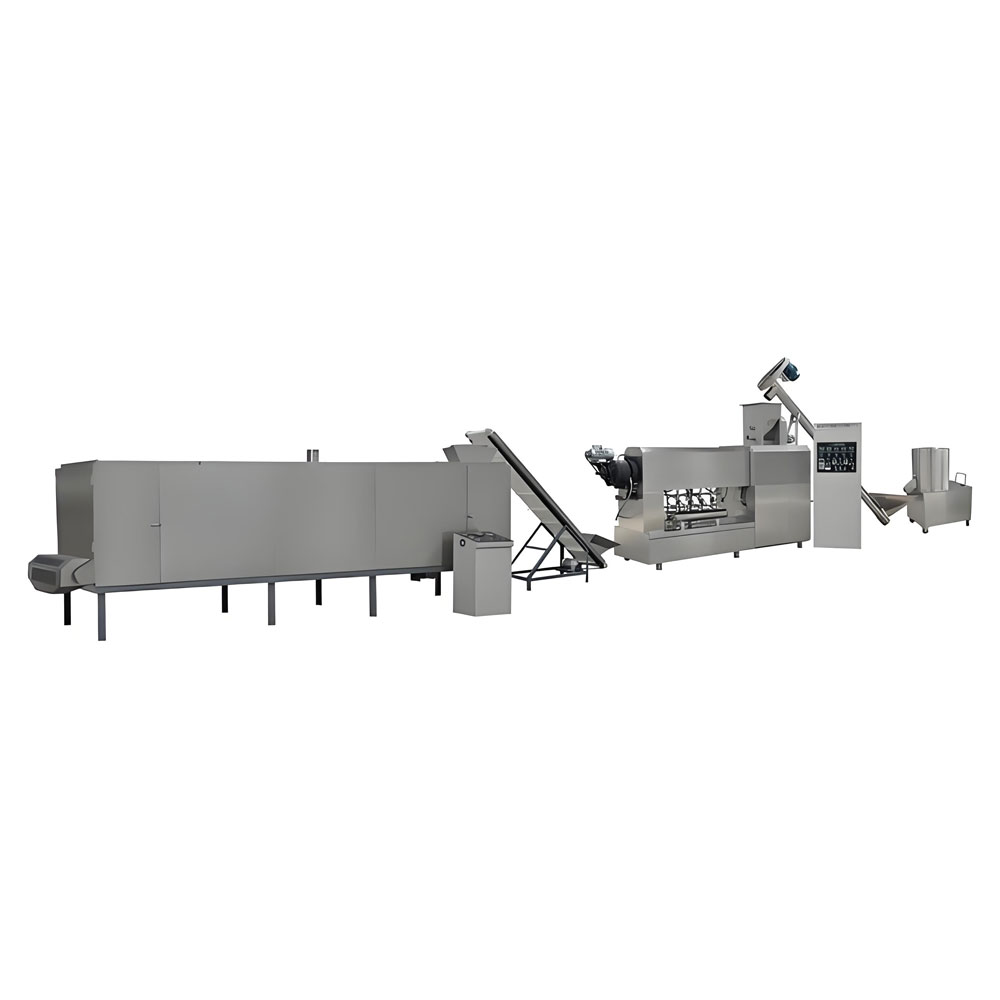 Pasta /Macaroni Making Line
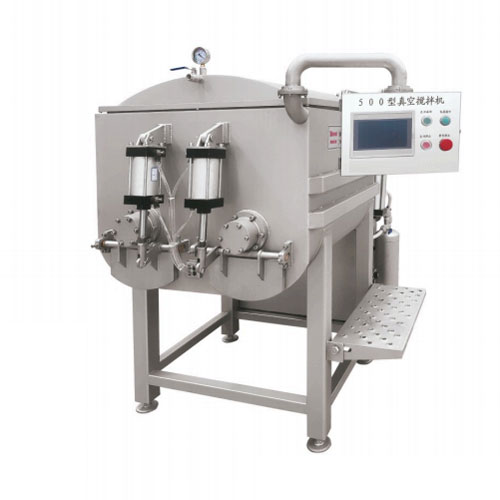 Vacuum Stuffing Machine