
Canteen Pre-Cooked and Reheat: Cook-Chill for Mass Feeding
A canteen that serves 1000 covers at noon does not cook 1000 covers at noon — it reconstitutes pre-cooked food. The cook-chill-reheat model moves cooking off the peak, into a central kitchen or off-peak batch, and the canteen reconstitutes at service. The model multiplies throughput and smooths labor, but it requires reconstitution methods that do not destroy quality, and a cold chain that keeps the food safe from cooking to reheat. This article covers reconstitution methods, the pre-cooked line design, and the reheat quality control that makes mass feeding safe and acceptable.
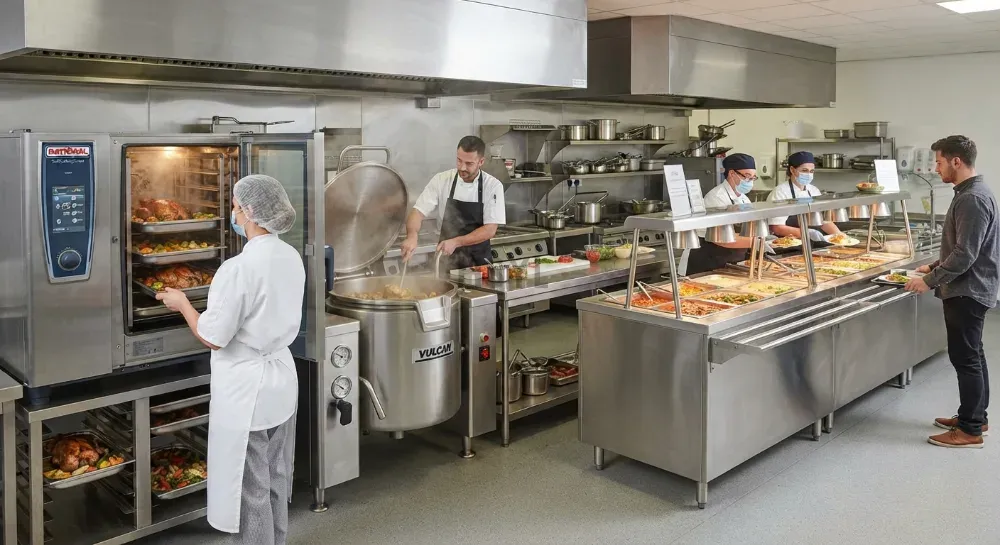
The scope covers pre-cooked and reheat for canteen mass feeding, from cook-chill to service. It covers reconstitution methods, line design, and quality control. It does not cover serving line throughput (covered separately), layout, or cleaning. The commercial kitchen equipment solution scope includes the reconstitution equipment; the electromagnetic cooker, fryer, and steaming cabinet handle reconstitution.
Reconstitution Methods
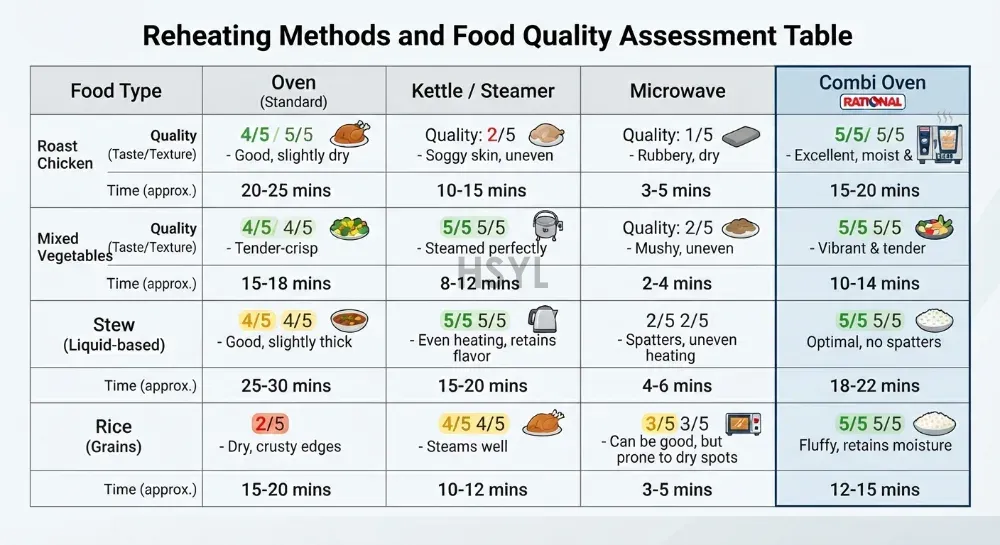
The reconstitution method must match the food type and the quality target. The wrong method — microwave on a roast, oven on a sauce — destroys texture or wastes energy.
| Food type | Oven (convection or combi) | Kettle (reconstitution) | Microwave | Combi (steam + convection) |
|---|---|---|---|---|
| Solid (roast, casserole) | Good — even reheat | Not suitable | Poor — hot spots, texture loss | Best — even with moisture |
| Sauce and soup | Not suitable | Best — direct kettle reheat | Poor — uneven | Not suitable |
| Starch (rice, pasta) | Good — with steam | Good — with stirring | Acceptable — single portions | Good |
| Vegetable | Good — with steam | Good | Poor — texture loss | Best |
| Fried items | Acceptable — texture loss | Not suitable | Poor — soggy | Not suitable — finish fry instead |
Pre-Cooked Line Design
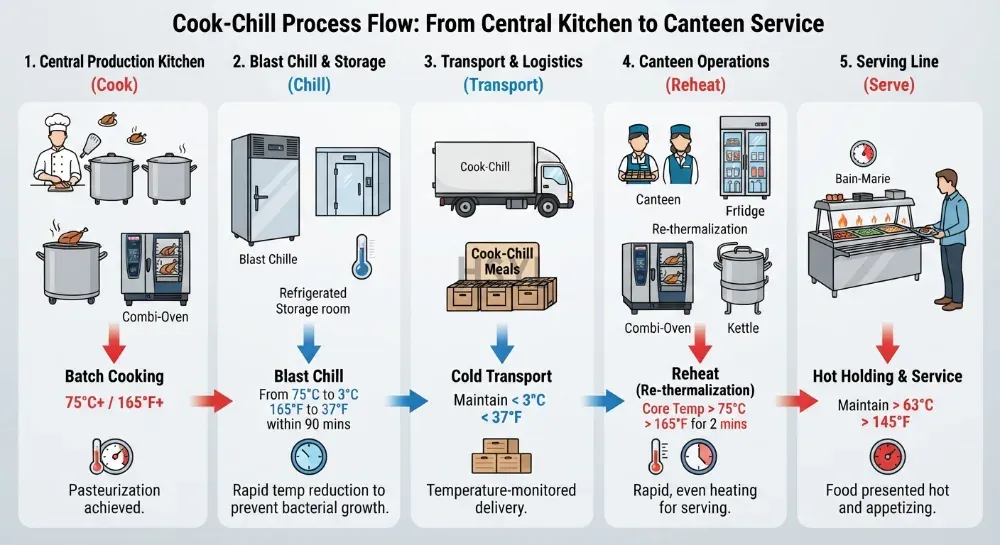
The pre-cooked line runs from central kitchen (or off-peak batch) cooking, through chill, through transport, to canteen reconstitution and service. The line must maintain cold chain until reconstitution, then reheat to serving temperature at the rate the serving line demands. The design balances: batch cooking capacity at central kitchen, blast chiller capacity, chilled transport, canteen reconstitution capacity, and serving line throughput. A bottleneck at any stage — most commonly at reconstitution capacity — caps the whole line.
Operations note: Reconstitution capacity is the most common bottleneck in a pre-cooked canteen line. The canteen has enough pre-cooked food in chilled storage, but the reconstitution equipment cannot reheat it fast enough to match the serving line. The fix is not more pre-cooked food — it is more reconstitution capacity, or a reconstitution method with faster throughput.
Reheat Quality Control
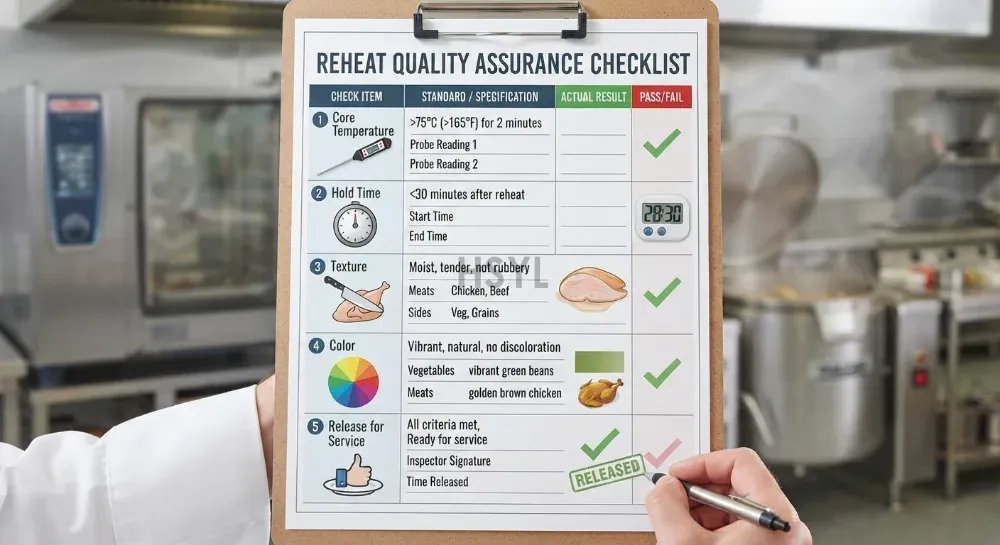
Reheat quality control verifies that the reheated food meets core temperature, texture, color, and flavor targets. Core temperature is a food-safety control — the food must reach the specified core temperature (typically 75 °C or per regulation) to be safe. Texture, color, and flavor are quality controls — the food must not be overcooked in reconstitution. The controls must be documented per batch, with any deviation flagged.
Scope, Sources and Limitations
Scope. This article covers pre-cooked and reheat for canteen mass feeding, from cook-chill to service. It covers reconstitution methods, line design, and quality control. It does not cover serving line throughput, layout, or cleaning.
Limitations. All reconstitution and line references are drawn from publicly available institutional feeding material. Actual method and line depend on menu, volume, and equipment. HSYL does not publish project-specific reconstitution data without verified evidence.
Source basis. Reconstitution and cook-chill principles are consistent with FDA Food Code, HACCP frameworks, and industry institutional feeding material.
Canteen Pre-Cooked and Reheat Resources
Four resources complement this reconstitution content. The kitchen solutions page carries the full scope. The electromagnetic cooker, fryer, and steaming cabinet pages carry the reconstitution equipment.
- Commercial kitchen equipment solution — the full kitchen scope where canteen pre-cooked and reheat apply.
- Commercial electromagnetic cooker — reconstitution equipment for solid and sauce reheating.
- Single tank single basket electric fryer — reconstitution equipment for finish-fry of pre-fried items.
- Double-door steaming cabinet with viewing window — reconstitution equipment for steam reheat of starches and vegetables.
Next Step: Build Your Reconstitution Line
Send HSYL your menu type, cover count, service window, current reconstitution equipment, and cold chain status. HSYL will return a pre-filled reconstitution method framework with the line design for your covers and a reheat quality control checklist for your menu.
Frequently Asked Questions
What is the cook-chill-reheat model for canteen mass feeding?
Which reconstitution method is best for pre-cooked canteen food?
Why is reconstitution capacity the common bottleneck in a pre-cooked canteen line?
What reheat core temperature must pre-cooked canteen food reach?
Can HSYL specify the reconstitution method for my canteen?
Must-Read Blogs For Chain Restaurants Owner

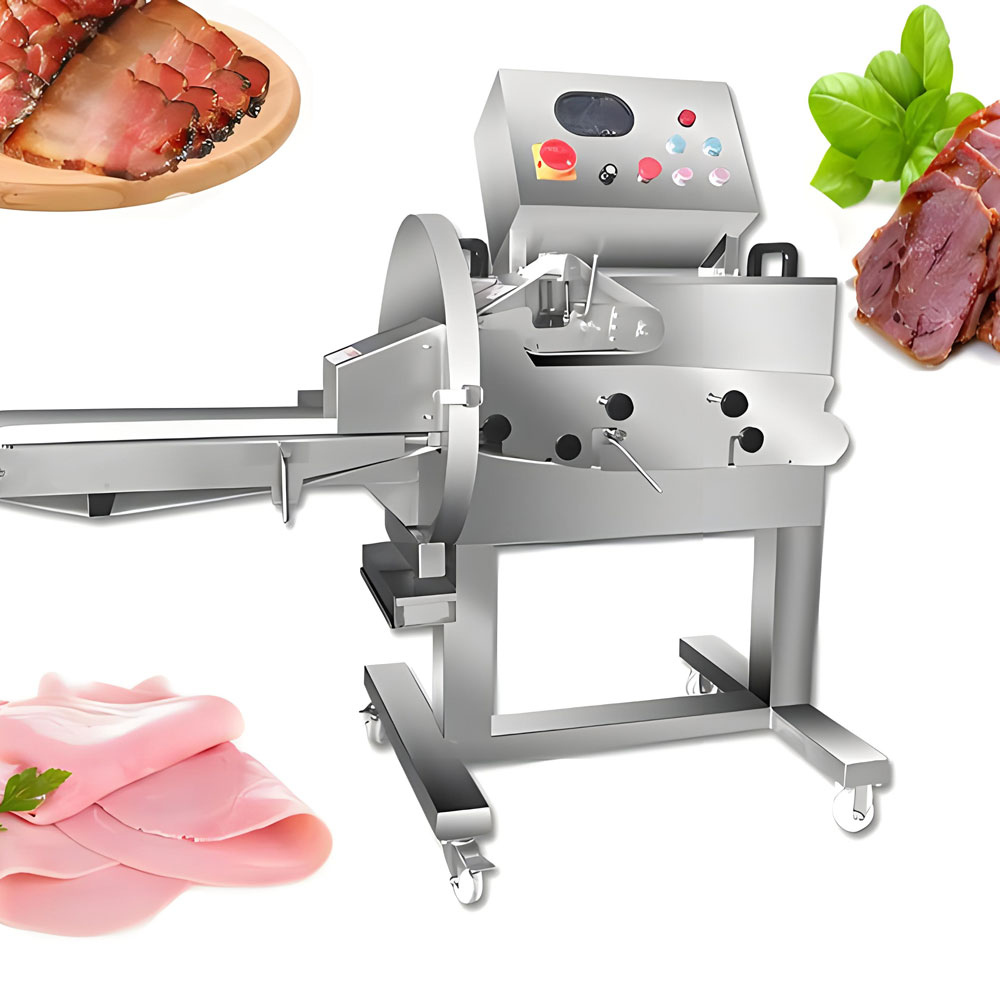 Automatic Cooked Meat Slicing Machine
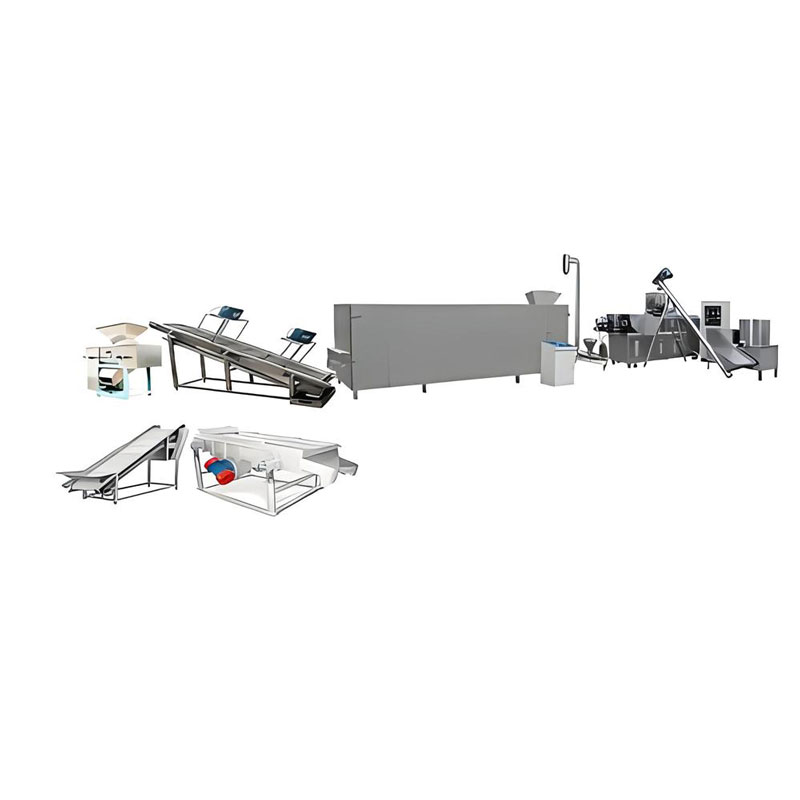 Fish Meal Production Line
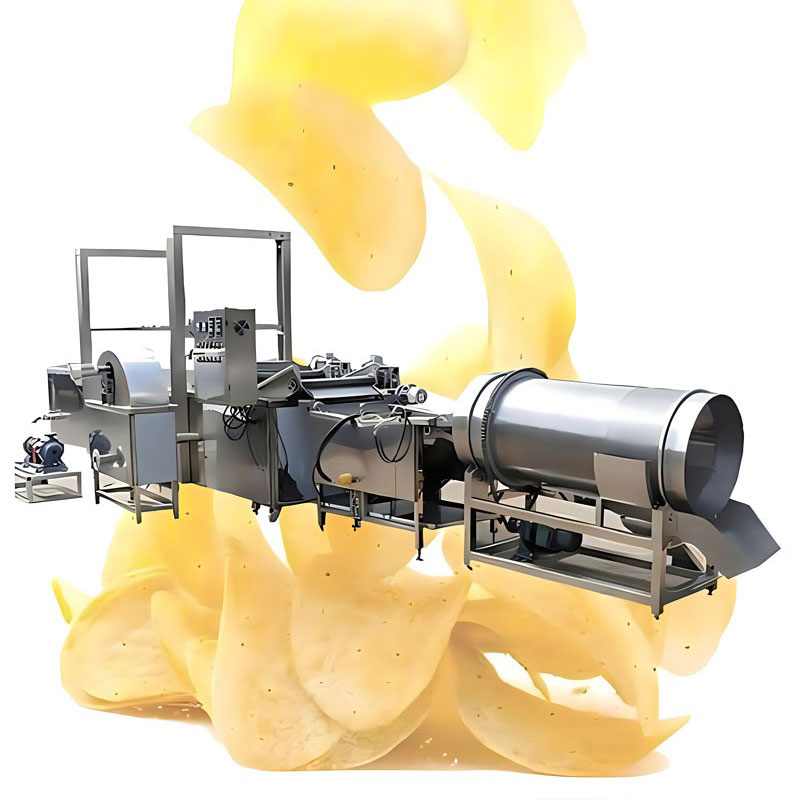 Fully Automatic Potato Chips Line
 Meat Processing Line Equipment
Ready to Get Started?