From A Vacant Site To Full-Scale Production And Profitability — Achieve It All With One Trusted Partner: Hongsheng Yuanlin.

Get A Quote

Home > Fish Processing Machinery​

Fish Processing Machinery​ - Chinese Manufacturer, Factory, Supplier

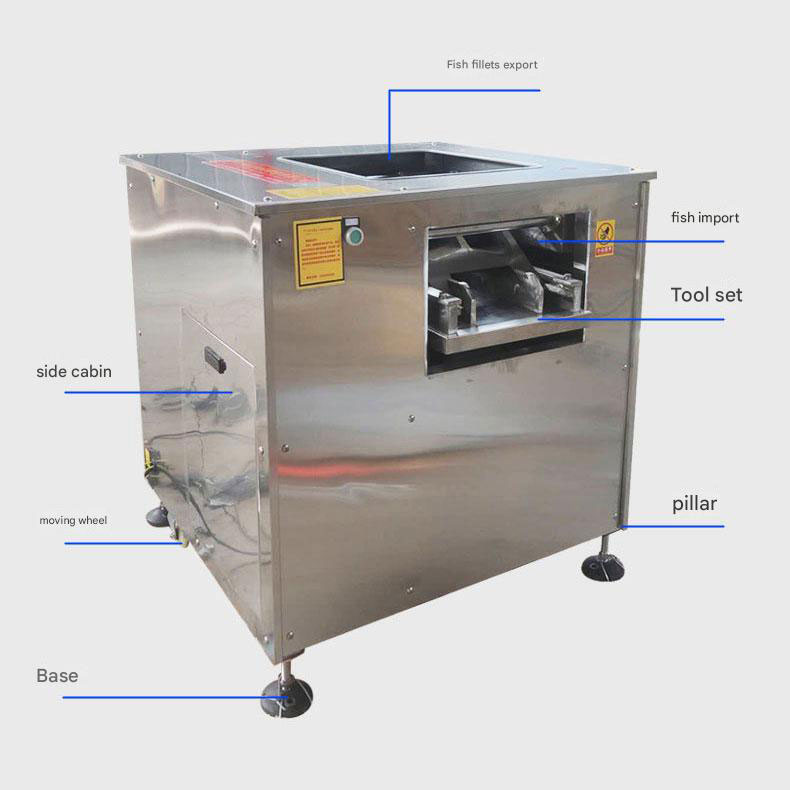
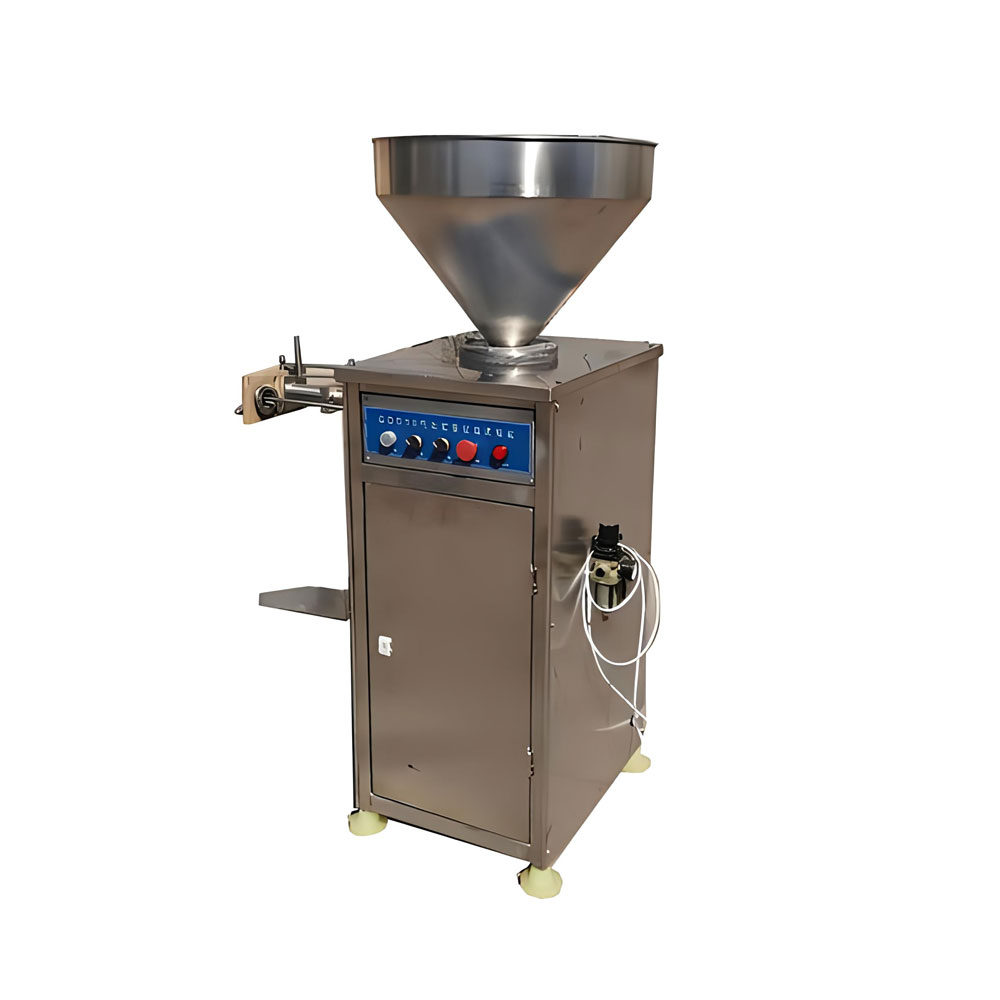
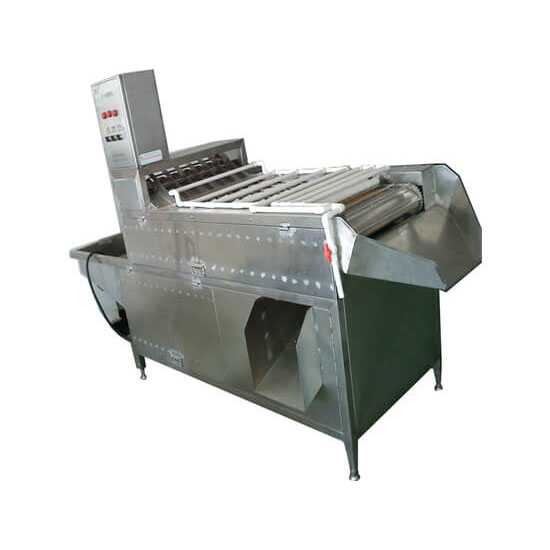
Fish processing machinery is designed to optimize the handling, cutting, and packaging of seafood in modern processing plants. These machines cover the full spectrum of operations, including cleaning, filleting, portion cutting, skinning, deboning, freezing, and packaging, ensuring efficiency, hygiene, and consistent product quality for domestic and international markets.

Constructed from high-grade stainless steel, fish processing equipment guarantees durability, corrosion resistance, and easy sanitation. Advanced automation and precision controls allow operators to maintain consistent cutting sizes, monitor temperature and processing times, and reduce waste, ensuring each batch meets strict quality standards.

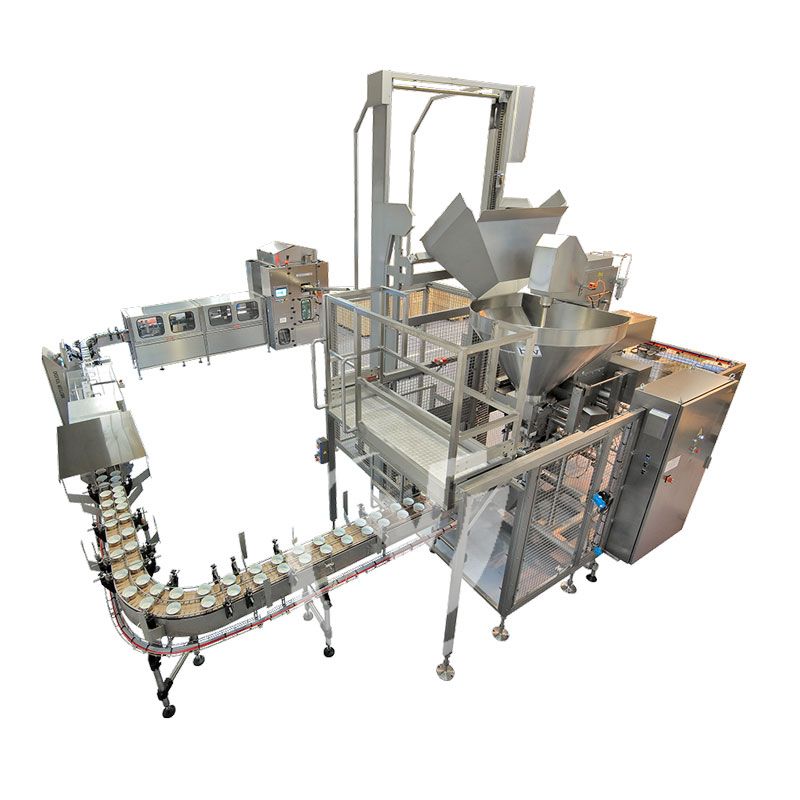
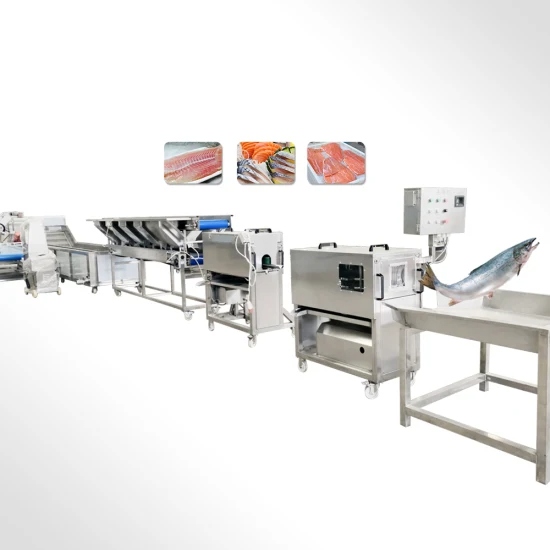
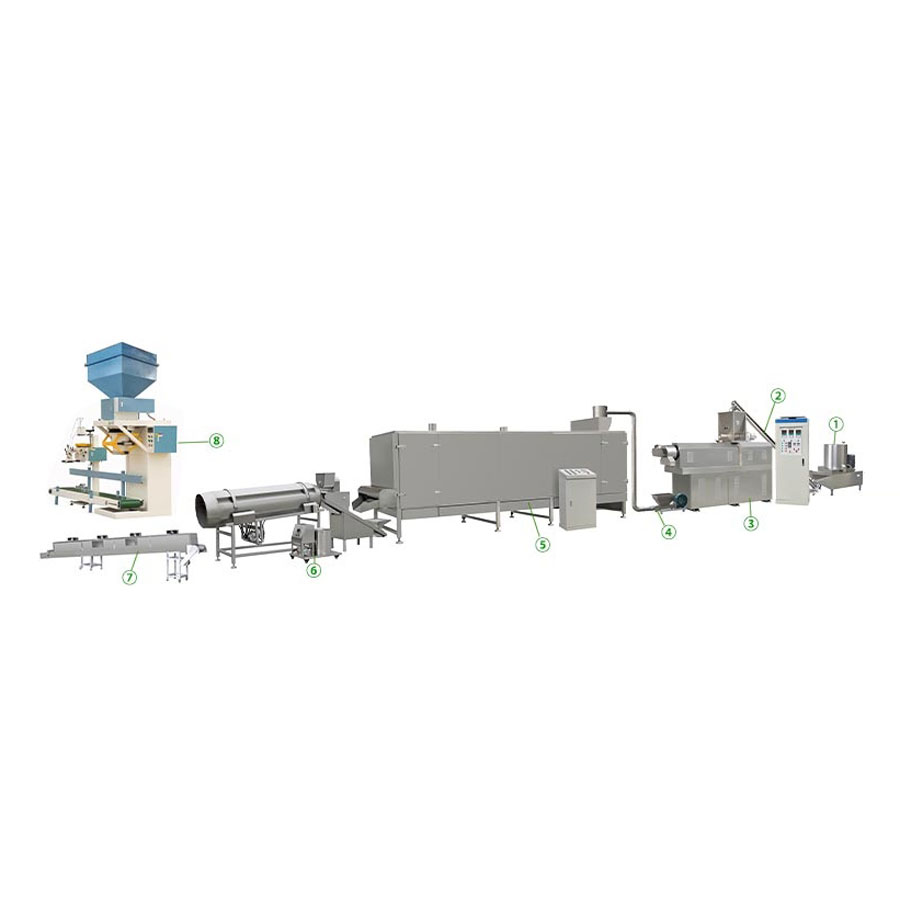
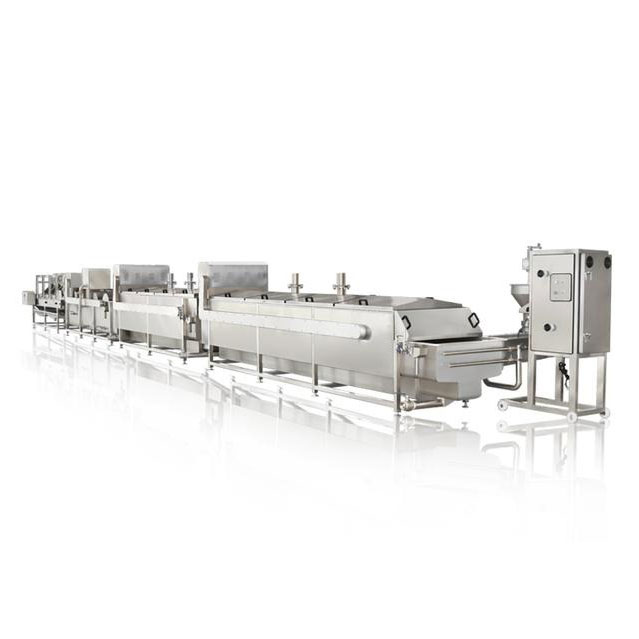
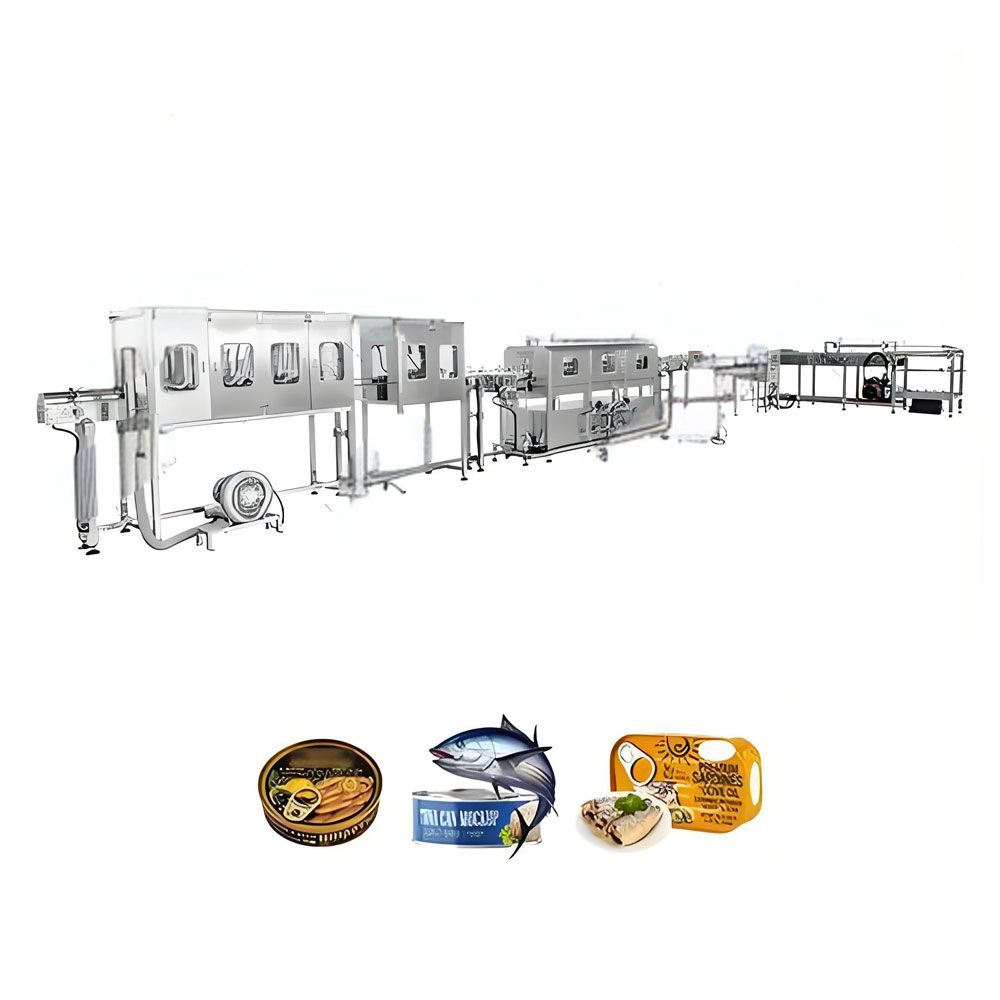
The machinery is versatile, capable of processing a variety of seafood, including fish fillets, whole fish, shrimp, and other seafood products. Integrated production lines often combine washers, filleting machines, portion cutters, ice flakers, freezing tunnels, and packaging units for fully automated operations, maximizing throughput while minimizing labor requirements.

Applications include seafood processing plants, frozen seafood factories, ready-to-eat meal producers, and canning facilities. By using high-quality fish processing machinery, manufacturers can scale production efficiently, maintain product uniformity, and comply with international food safety standards such as HACCP, ISO 22000, and CE certification.

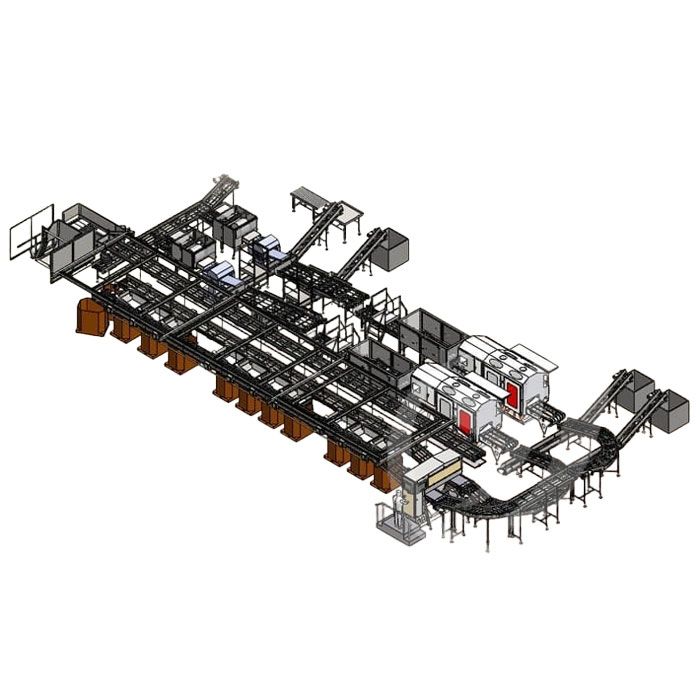
Qingdao Hongshengyuanlin Co., Ltd. provides not only standalone fish processing machines but also complete turnkey seafood processing lines. With extensive global experience, our engineering team delivers tailored solutions covering design, equipment integration, installation, training, and ongoing technical support. Our turnkey systems ensure maximum productivity, superior hygiene, and operational reliability, helping seafood manufacturers achieve efficiency, consistent product quality, and a competitive advantage in the global market.

Core Competitive Advantages

Technical Leadership & Customer Value Creation Capabilities

Technology Leadership

· 57 core patents in dynamic cutting algorithms & IoT control
· 8.5% R&D investment ratio with 3-5 new models annually

Agile Supply Chain

· 82% vertical integration of critical components
· 40% inventory turnover improvement via digital systems

Full-Lifecycle Service

· 25% lower TCO for equipment lifecycle
· 24/7 remote diagnostics support
· >95% client retention over 5 years

Green Compliance

· 35% energy consumption reduction
· Certified by CE/FDA/ISO 14064
· ≥92% material recyclability

Project Case

Learn about our efficient and reliable equipment and production line solutions tailored for various food processing industries.

Relevant News


Digital Retort Batch Records and Recipe Control: What Must Be Captured and Protected

Build digital retort batch records and recipe control: required fields, version control, alarm management, audit trail, and backup for fish canning automation c...

Risk-Based Water Reuse in Fish Processing: Where Reuse May and May Not Be Appropriate

Apply risk-based water reuse in fish processing: where reuse may and may not be appropriate, barrier types, monitoring, and water flow zoning, with Codex attach...

Histamine Sampling Plans Explained: FDA vs Codex vs EU Requirements

Compare histamine sampling plans for canned fish across FDA, Codex and EU: sample unit n, acceptance c, limits m and M, and lot disposition by export market.

OEE for a Fish Canning Line: Measuring Availability, Performance and Quality Without Hiding Food-Saf

Measure OEE for a fish canning line without hiding food-safety stops: availability, performance, quality, stop classification, ideal cycle time, and a measureme...

Water and Energy Balance per Tonne of Canned Fish: How to Build a Defensible Baseline

Build a defensible water and energy balance per tonne of canned fish: boundary definition, peak vs average consumption, per-tonne normalization, and a baseline ...

Weld Finishing, Pickling and Passivation for Fish Processing Equipment

Control weld finishing, pickling and passivation for fish processing stainless steel: heat tint, embedded iron, rough weld diagnosis, and passivation records pe...

Choosing Can Body and Internal Coating for Tuna in Oil, Brine and Sauce

Choose the right can body and internal coating for tuna in oil, brine and sauce: product-coating compatibility, pack test requirements, and damage mechanism dia...

Retort Venting and Come-Up Time: How Trapped Air Creates Cold Zones

When a retort takes too long to reach setpoint, the instinct is to check the steam supply. Often the steam is fine — the problem is air trapped in the retort th...

Vacuum, Exhausting and Headspace: What They Change Before Fish Can Seaming

Understand vacuum, exhausting and headspace in fish can seaming: how residual air changes retort pressure, paneling risk and can quality, with a causal diagnost...

Brine and Oil Dosing for Canned Fish: Controlling Salt, Drained Weight and Net Content

Control brine and oil dosing for canned fish: dosing accuracy, salt uptake, drained weight and net content compliance, with a giveaway cost model and calibratio...

Fish Canning Line Commissioning Checklist: FAT, SAT & Handover

A food factory project manager sits in a machine supplier's assembly workshop, a stack of blueprints in front of them and a signed contract in hand. The mac...

304 vs 316L Stainless Steel in a Fish Canning Line: A Zone-by-Zone Materials Map

A plant manager at a newly commissioned sardine cannery conducts a routine inspection and notices faint, reddish-brown stains forming along the corners of the b...

Contact Us

Format: +[country code][number] (e.g. +8615098926008)

Do You Have A Factory Workshop Or Layout Drawing?