
Semi-Automatic Canned Fish Production Line - Chinese Manufacturer, Factory, Supplier
We are a leading manufacturer dedicated to the design and production of semi-automatic canned fish production lines, providing reliable and cost-effective solutions for small and medium-sized seafood processing factories. Our production lines are widely used for sardines, mackerel, tuna, anchovies, and other canned fish products, helping businesses achieve stable output while maintaining product quality.
The semi-automatic line integrates key processes such as fish cleaning, cutting, filling, seaming, sterilization, and labeling, combining manual labor with automation to balance efficiency and flexibility. This solution is especially suitable for new factories or growing businesses because it requires lower initial investment, occupies less factory space, and allows for future upgrades to fully automated systems.
All equipment is manufactured using high-quality food-grade stainless steel, strictly complying with HACCP, GMP, and ISO22000 standards to ensure food hygiene and safety. Our designs focus on durability, easy maintenance, and stable performance, reducing downtime and operating costs.
With years of industry experience, we offer customized solutions based on customer production capacity, plant layout, and budget. Beyond equipment supply, we provide technical consultation, installation support, operator training, and after-sales service, helping our clients improve efficiency and compete successfully in the global canned fish market.
Our goal is to be your trusted long-term partner, delivering equipment and services that empower your business to grow steadily and profitably.
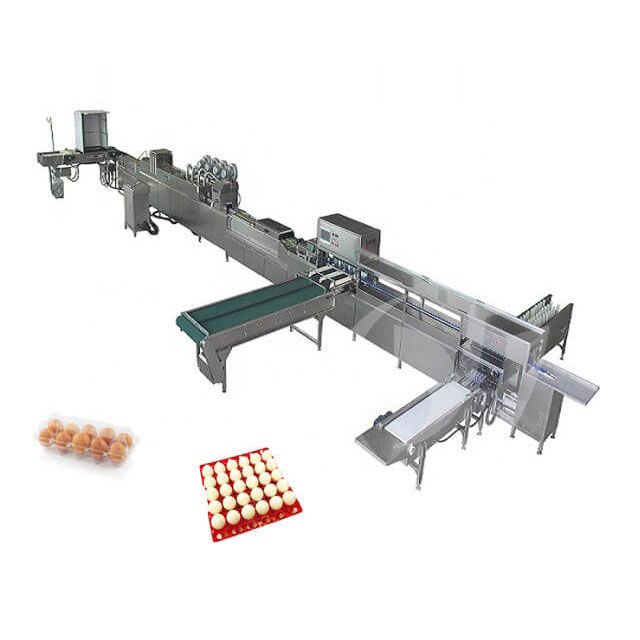 Egg Canning Production Line
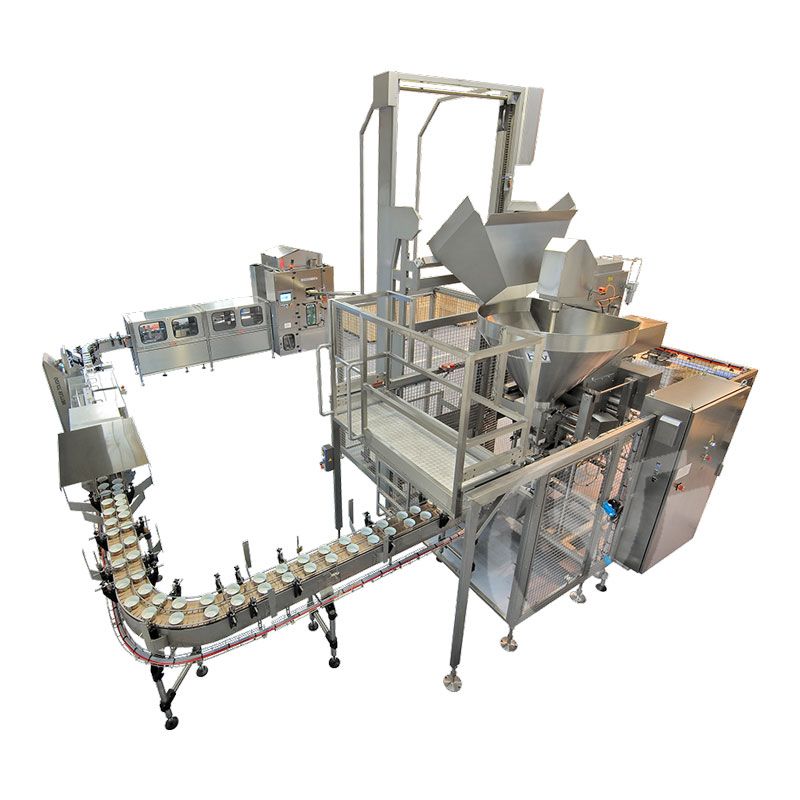 Meat Canned Food Production Line
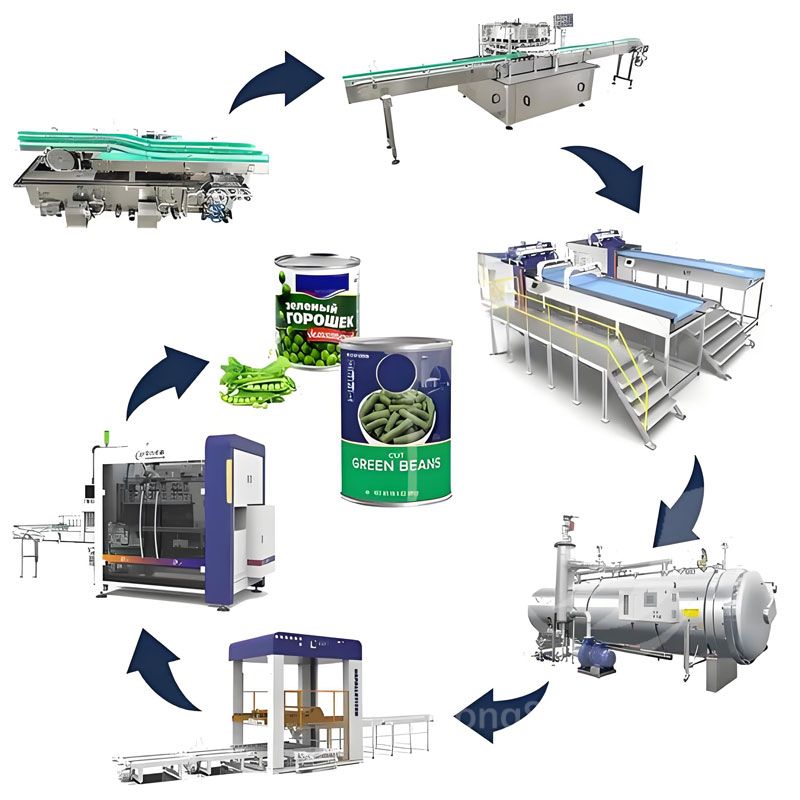 Green Bean Canned Food Production Line
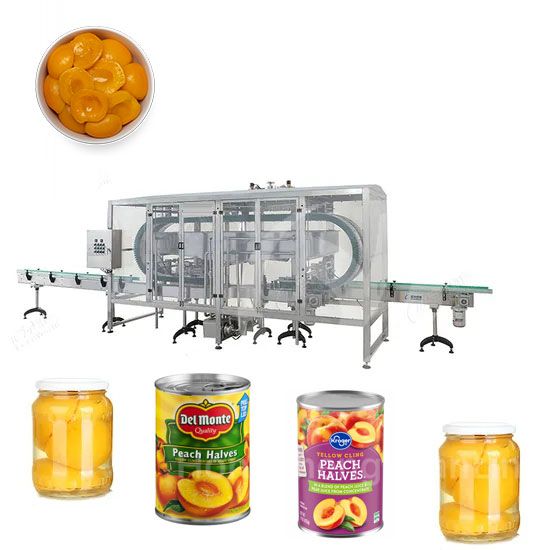 Peach Canned Food Production Line
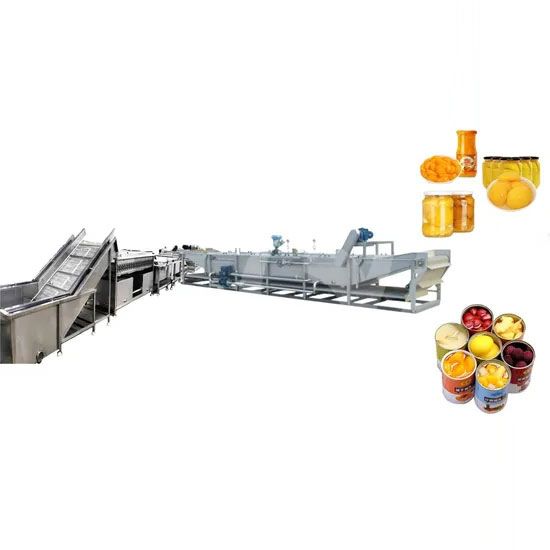 Canned Fruit Production Line Equipment
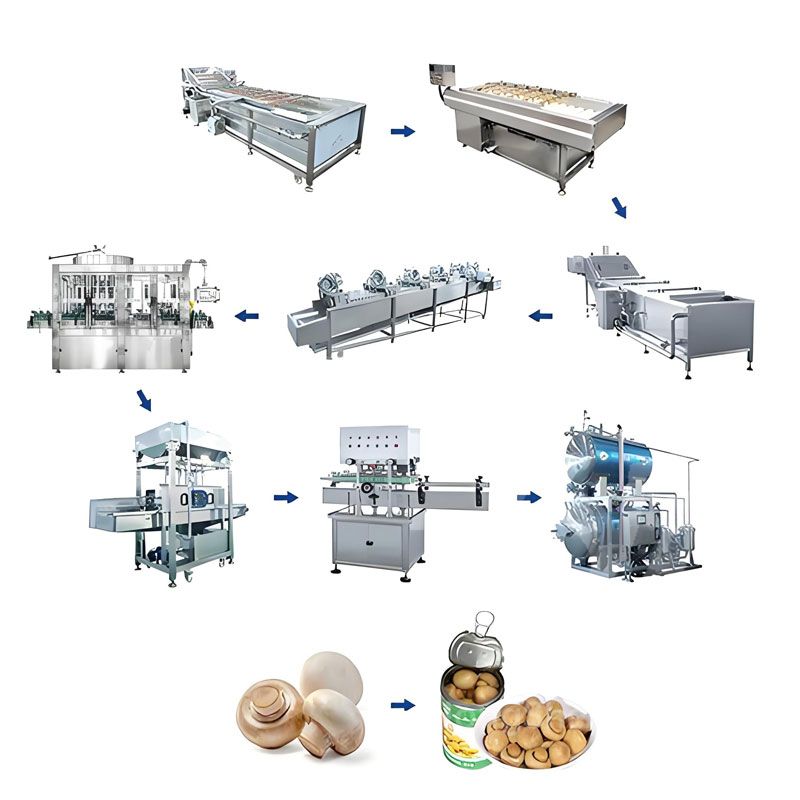 Edible Mushroom Canned Food Production Line
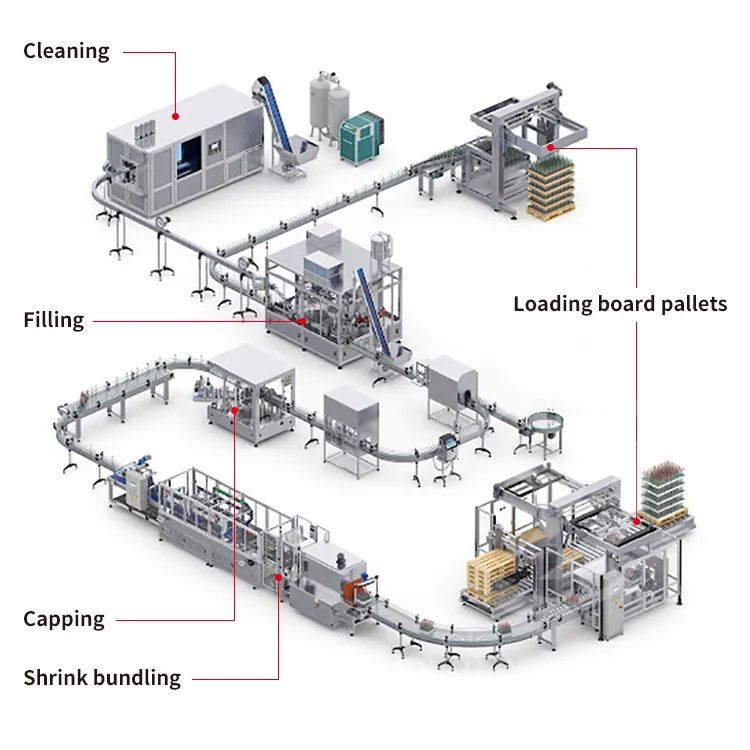 Chicken Soup Canned Production Line
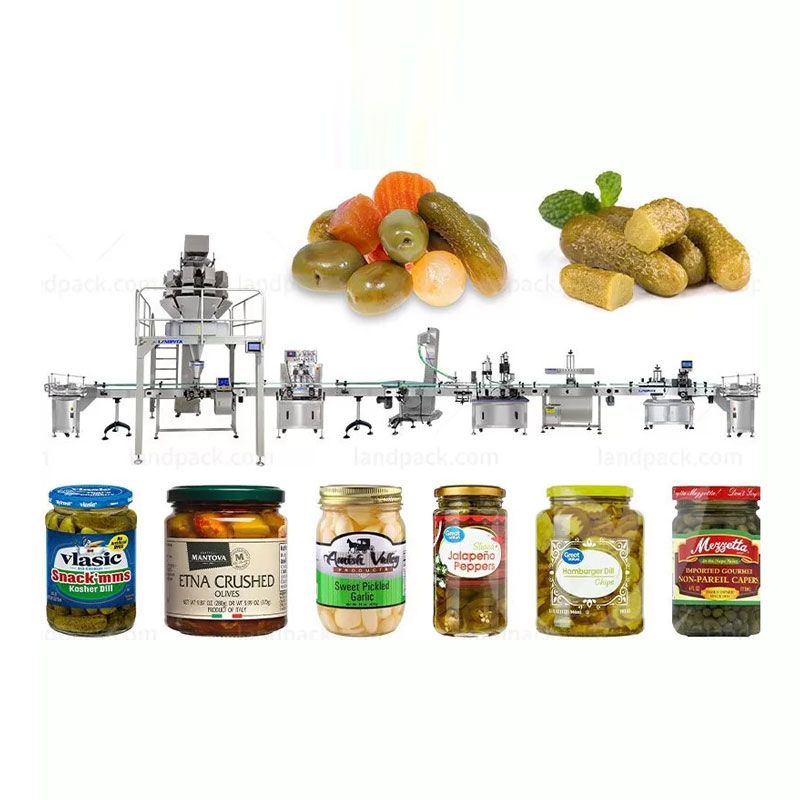 Cucumber Canned Production Line
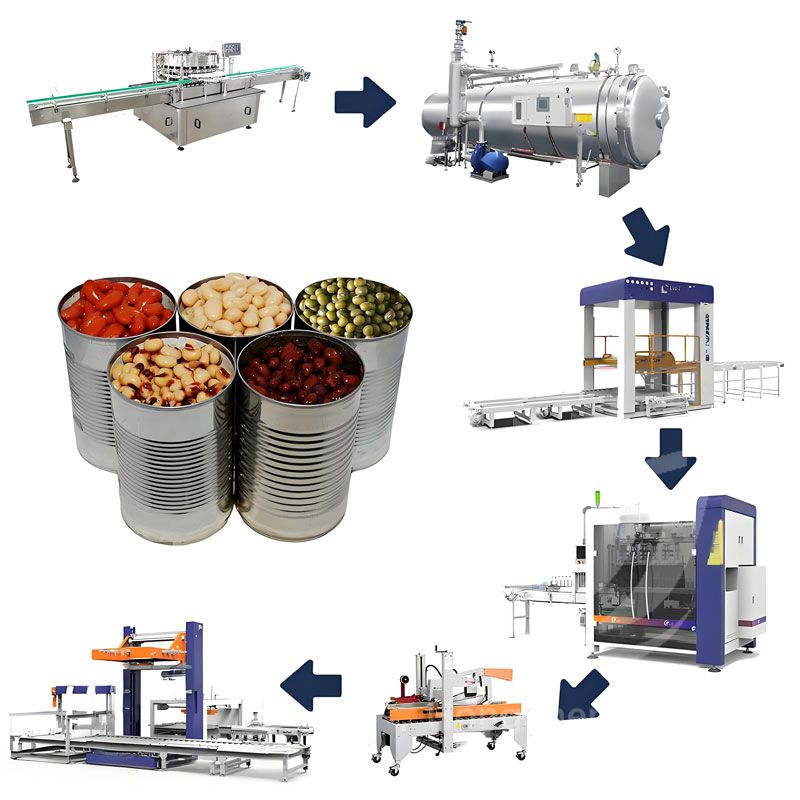 Canned Beans Production Line
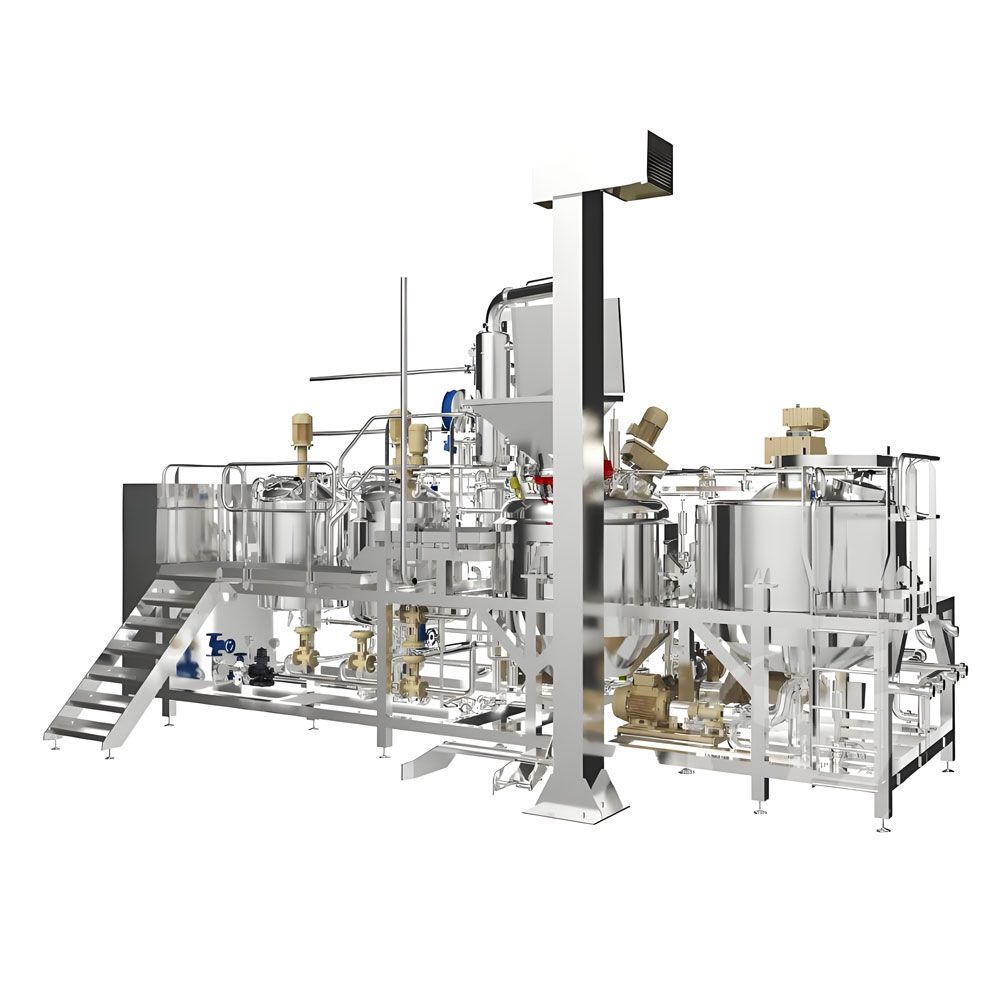 Jam Canned Production Line
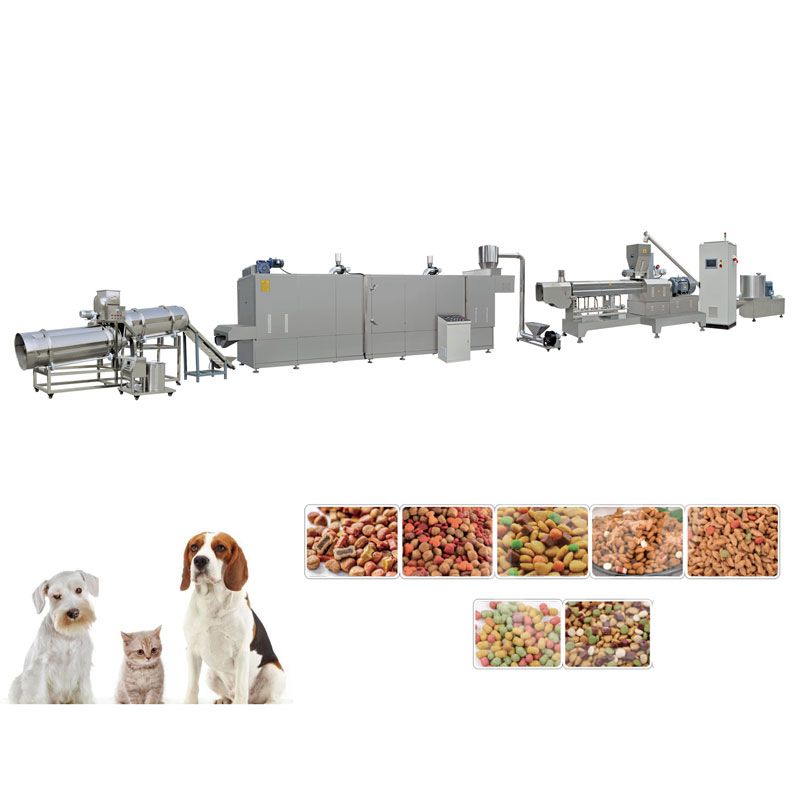 Pet Canned Food Production Line
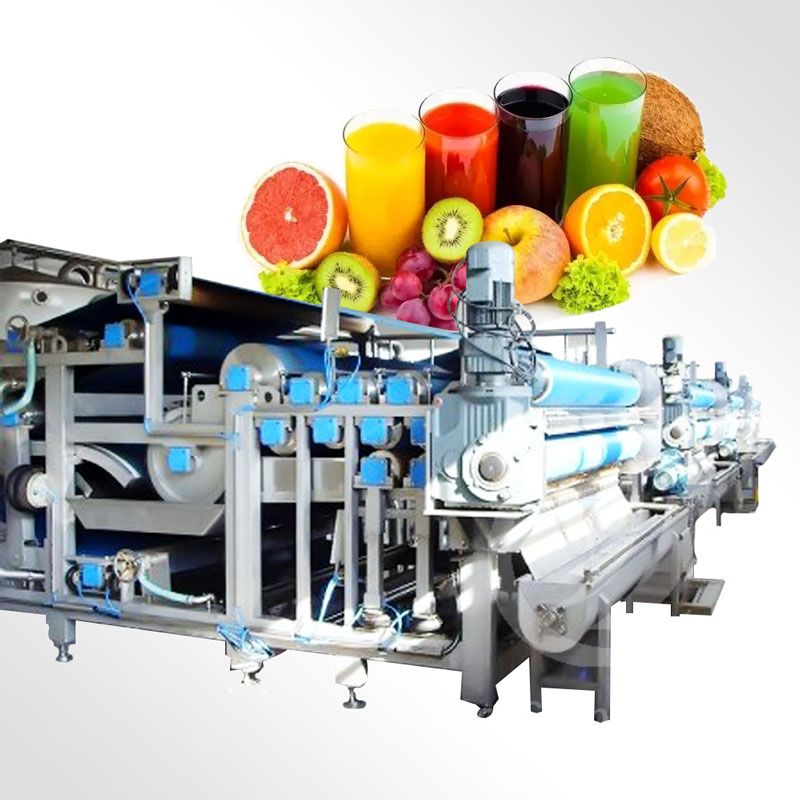 Fruit And Vegetable Canned Production Line
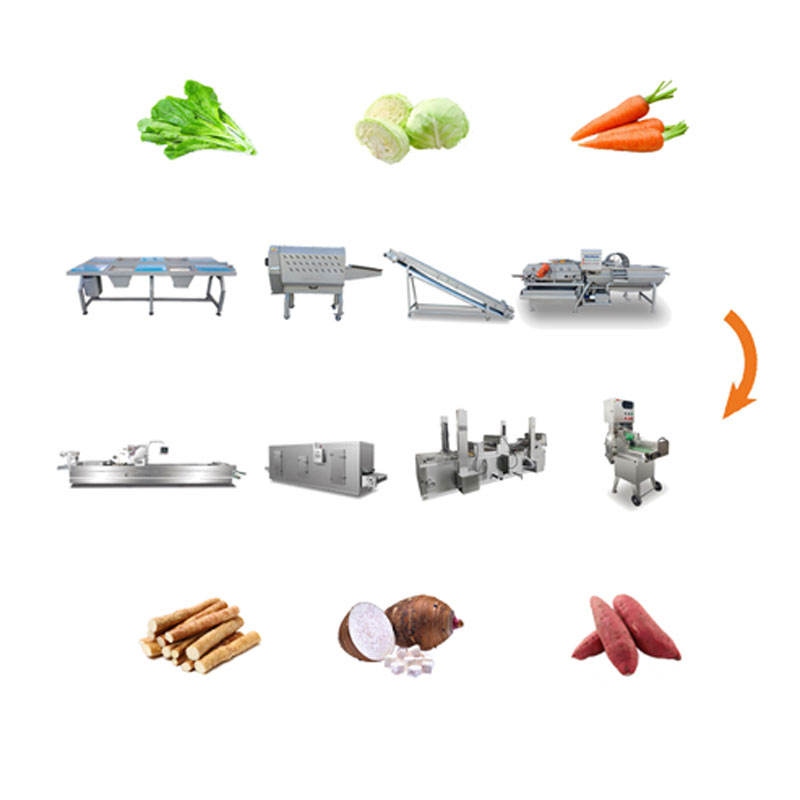 Frozen Food Production Line
 Chocolate Production Line
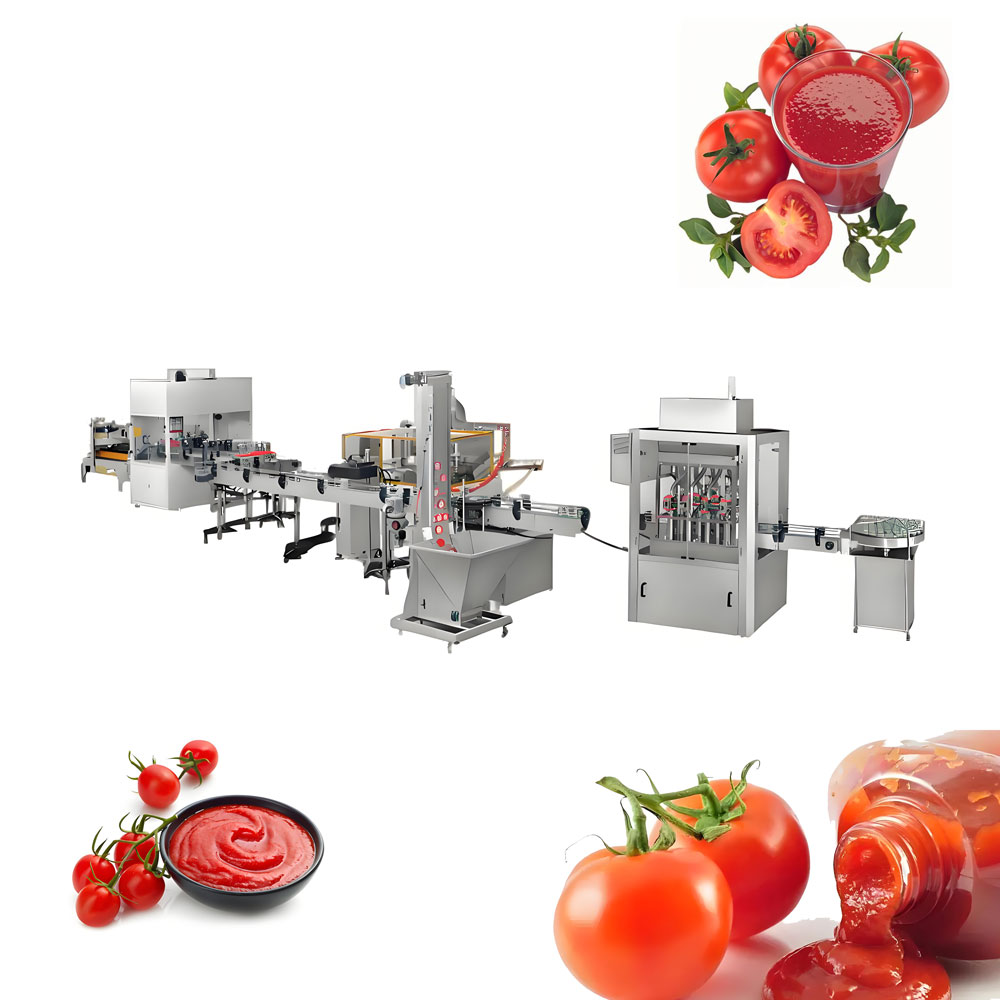 Tomato Ketchup Processing Line
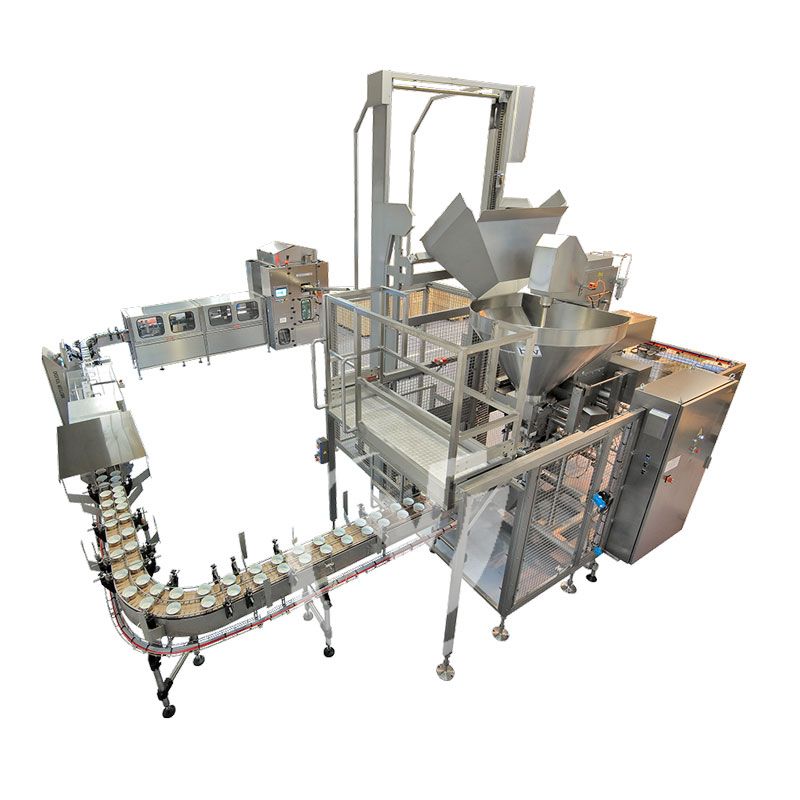 Pet Fish Meat Canning Production Line
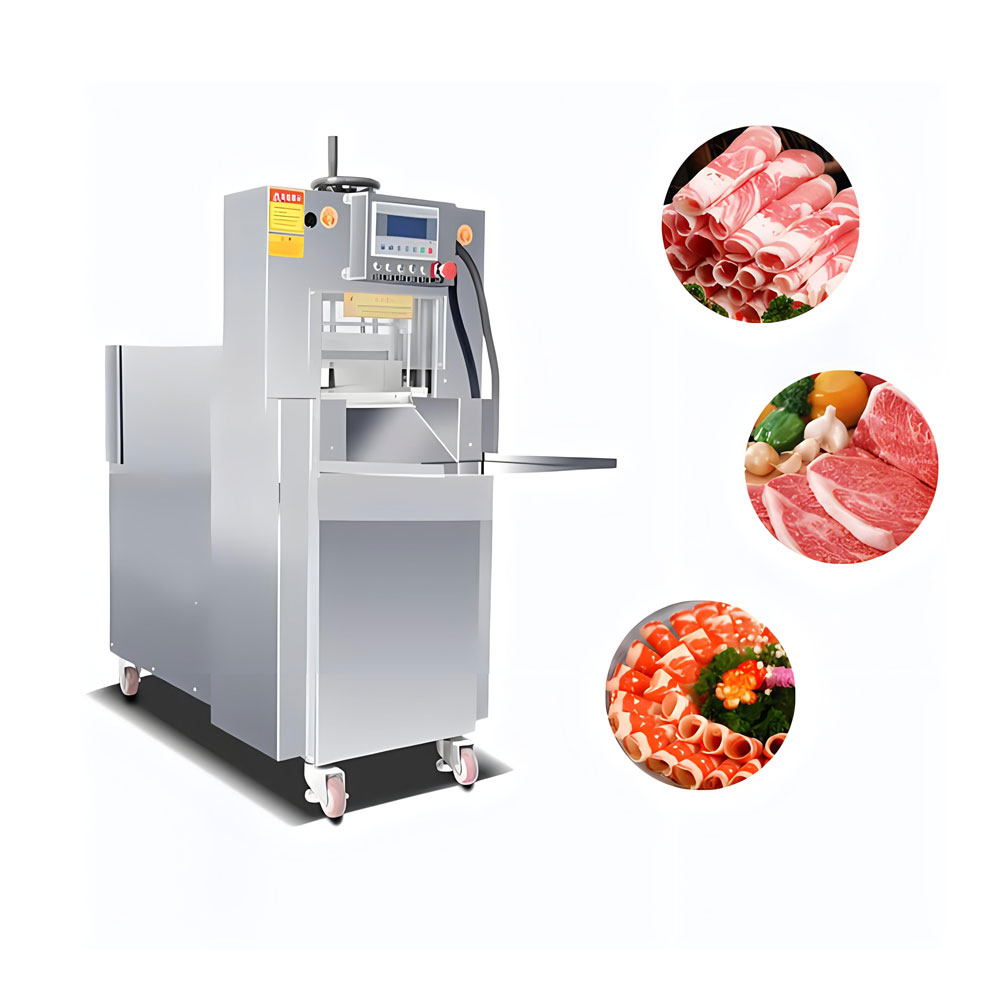 Frozen Meat Roll Cutting Machine
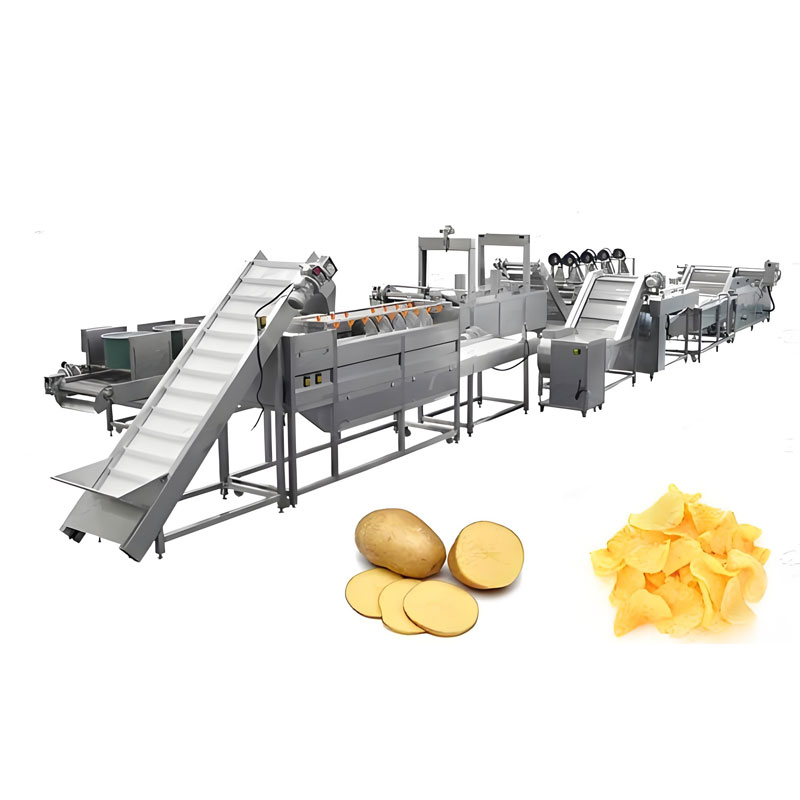 Potato Chip Line
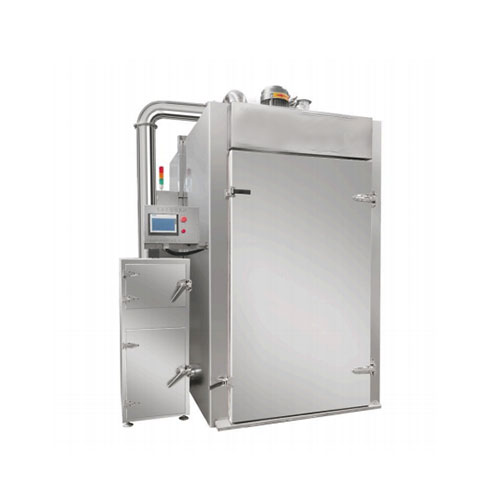 Smoked Furnace
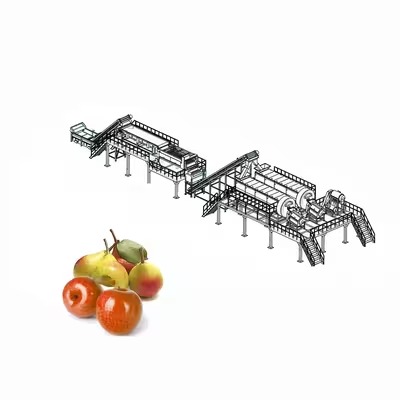 Apple Canning Production Line