
Sour Fruit Canned Production Line - Chinese Manufacturer, Factory, Supplier
🍋 A sour fruit canned production line is a fully integrated system designed to process fruits such as lemon, lime, cranberry, tamarind, and other tart fruits into safe, shelf-stable canned products. The line ensures high product quality by combining precise processing technology with strict food safety controls.
The process begins with raw material receiving and sorting, where sour fruits are inspected for freshness, acidity levels, and external defects. After selection, fruits undergo washing and grading to remove impurities and classify by size and quality. This is followed by peeling, cutting, or destoning (depending on the fruit variety), ensuring that only clean and uniform fruit portions enter the production stream.
Next comes blanching or precooking, which helps preserve color, texture, and nutrients while reducing microbial load. Once prepared, fruits are transferred into the automatic can filling machines, where they are combined with brine, syrup, or natural juice to balance acidity and flavor. Sealing machines ensure cans are airtight, maintaining product integrity.
The critical stage is retort sterilization, where high-temperature and high-pressure steam sterilizes the canned sour fruits, eliminating harmful microorganisms and extending shelf life. After sterilization, cans pass through cooling, drying, and quality inspection systems. Final steps include labeling, coding, and packaging into cartons or pallets, ready for storage and global distribution.
This production line offers multiple advantages:
Automation reduces labor costs and enhances efficiency.
Customizable design adapts to different sour fruits and packaging formats.
Compliance with HACCP, ISO, and FDA standards guarantees international food safety requirements.
Flexible capacity options suit both medium-scale and large-scale manufacturers.
By adopting a sour fruit canned production line, food processors gain the ability to produce consistent, export-ready products with extended shelf life, stable flavor profiles, and high consumer appeal. It is the ideal solution for companies expanding into global fruit processing markets.
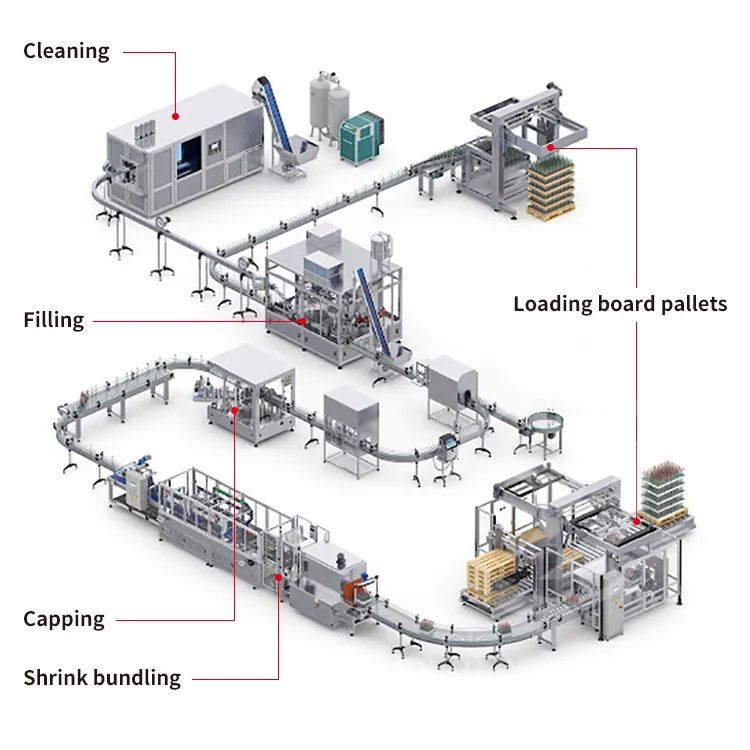 Aseptic Canning Production Line Equipment
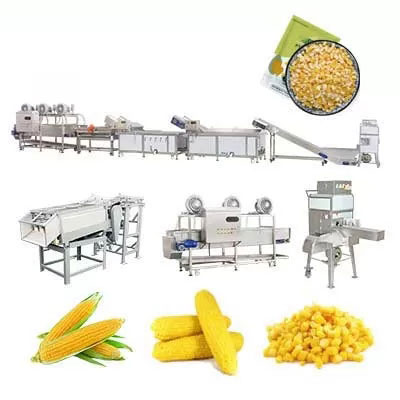 Sweet Corn Canning Production Line
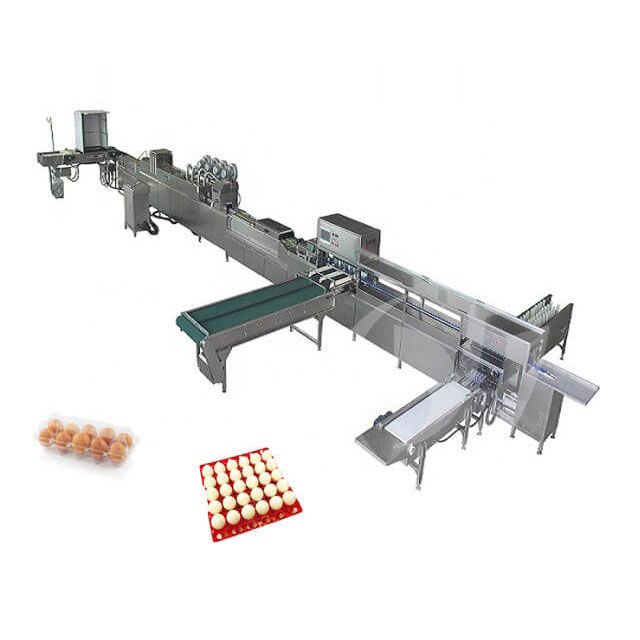 Egg Canning Production Line
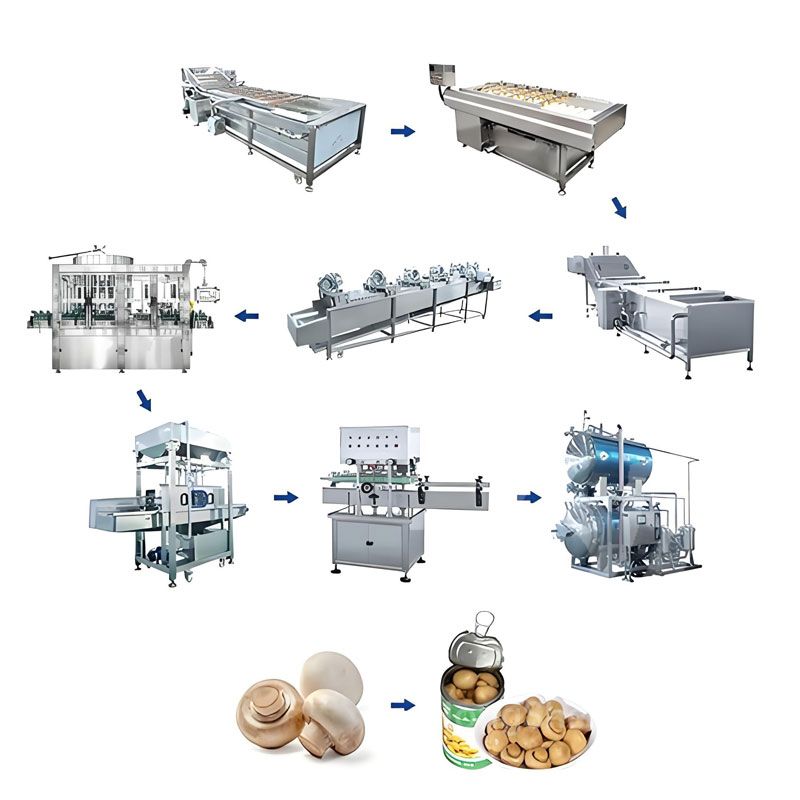 Button Mushroom Canning Production Line
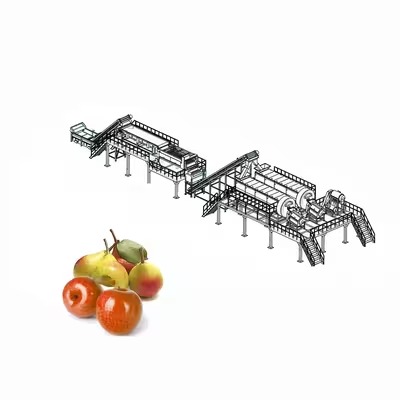 Apple Canning Production Line
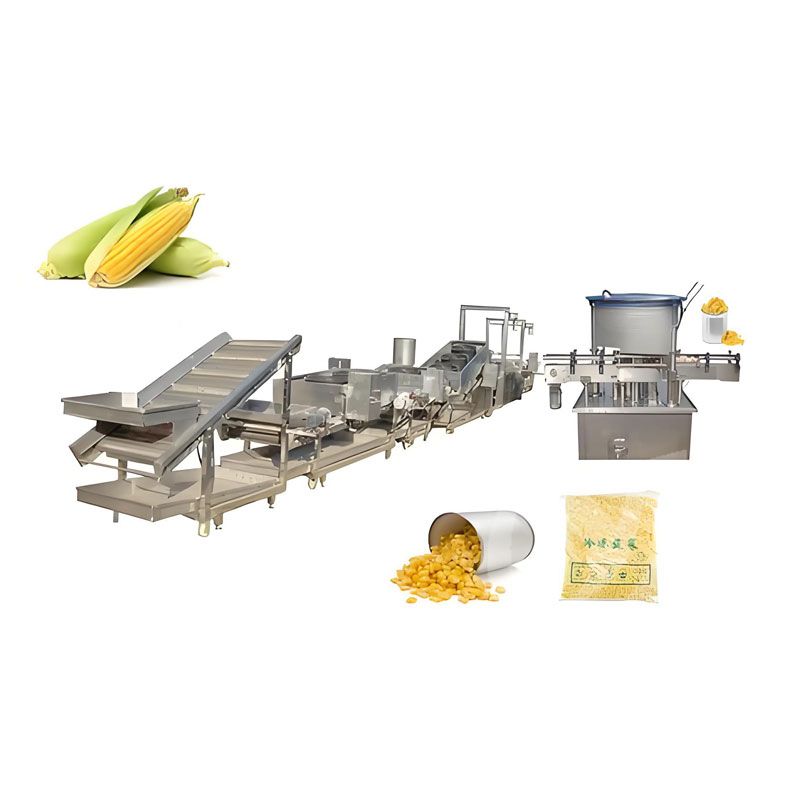 Corn Canning Production Line
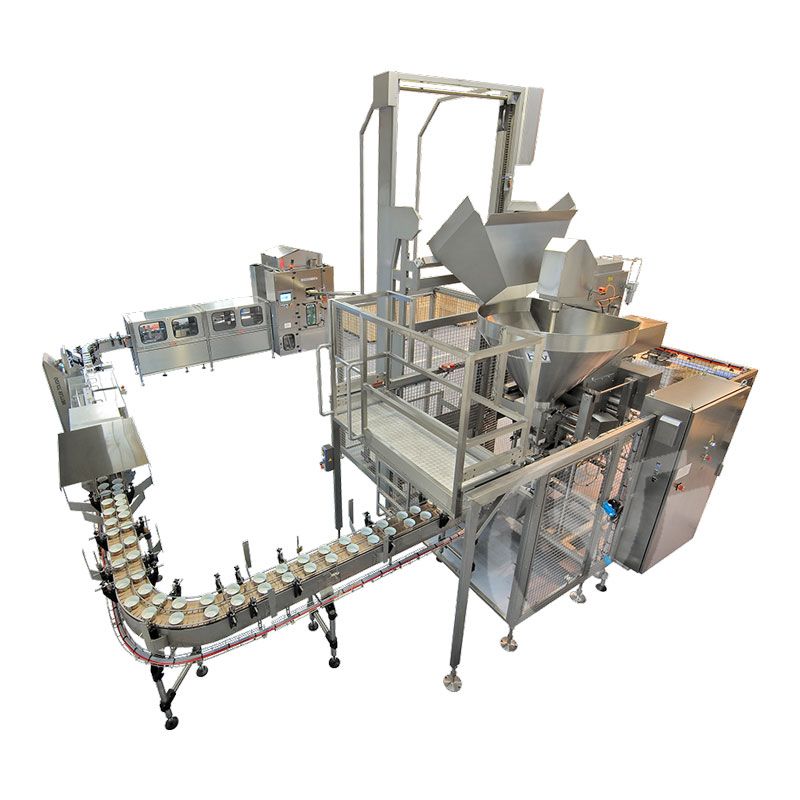 Meat Canned Food Production Line
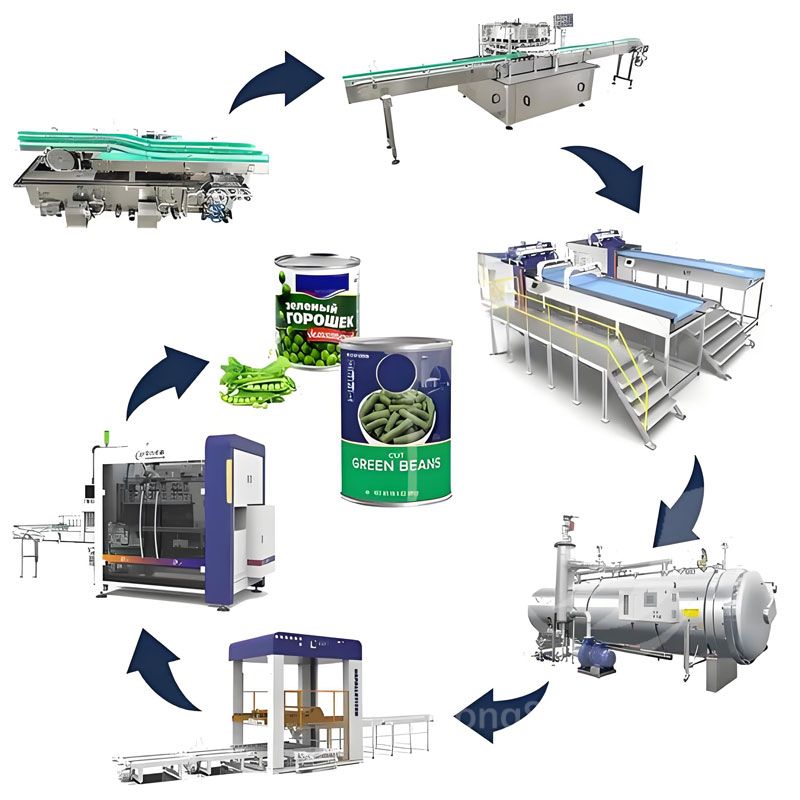 Green Bean Canned Food Production Line
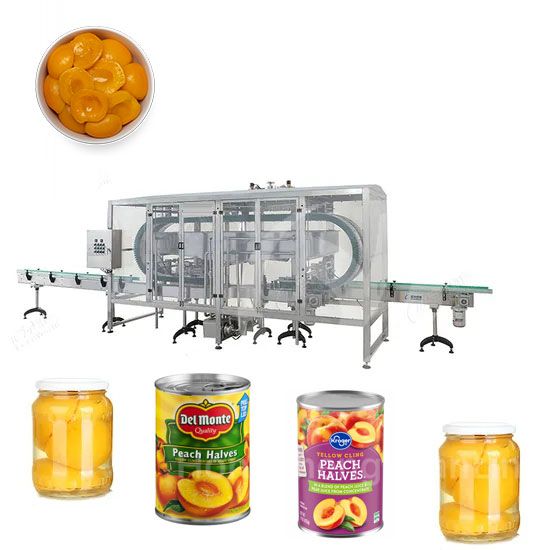 Peach Canned Food Production Line
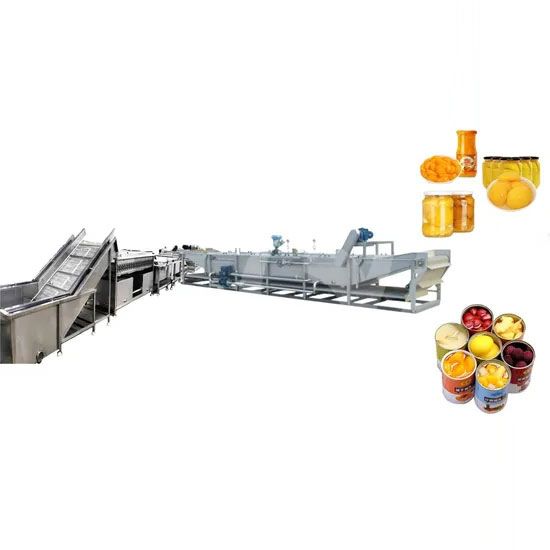 Canned Fruit Production Line Equipment
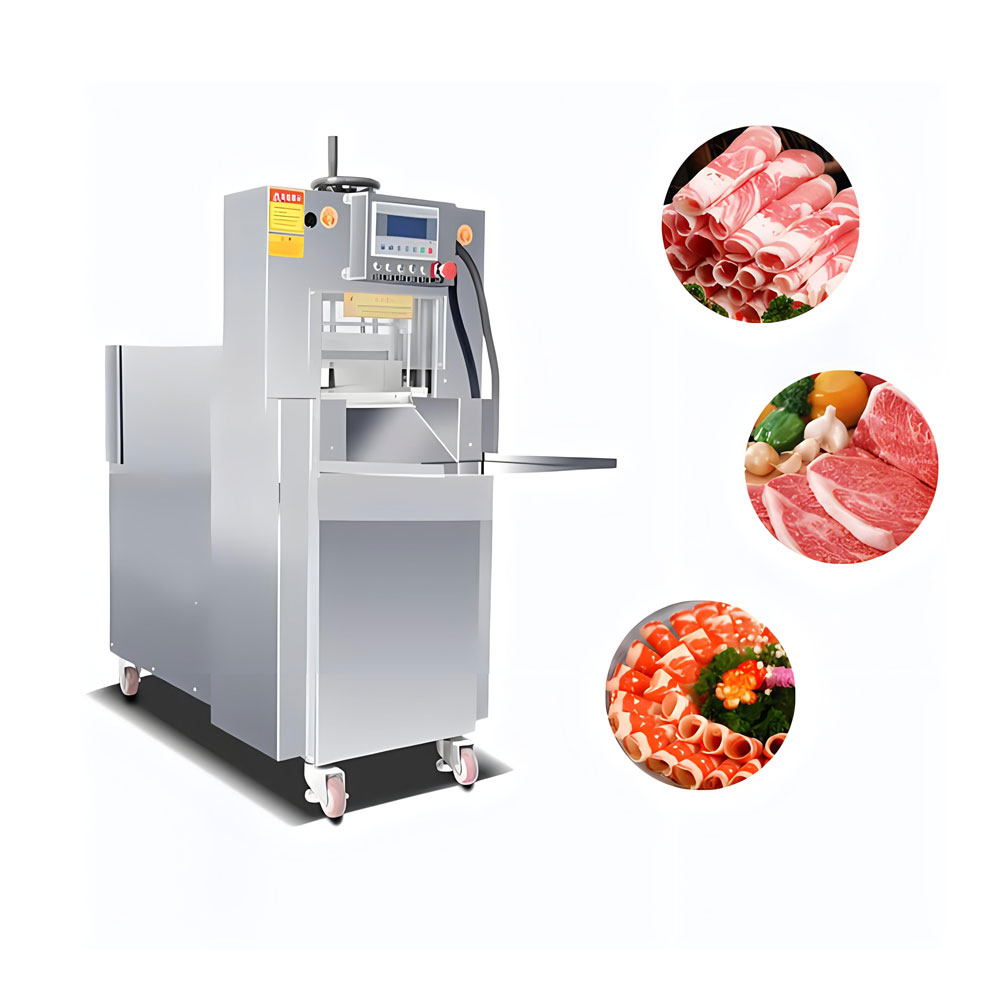 Frozen Meat Roll Cutting Machine
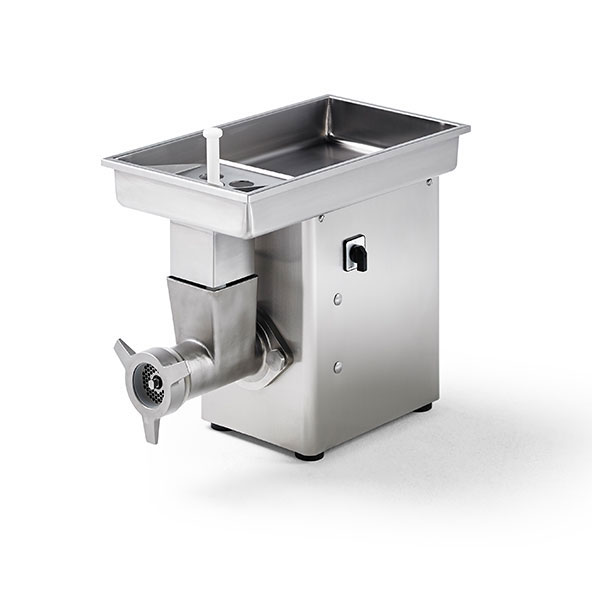 Heavy Duty Commercial Meat Grinder
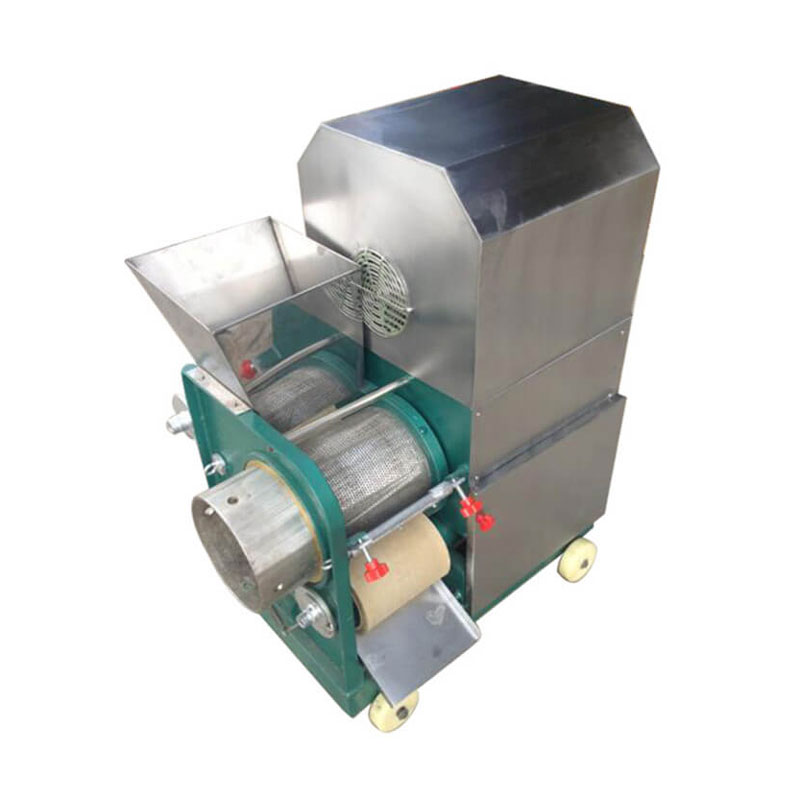 Fish Deboner Machine
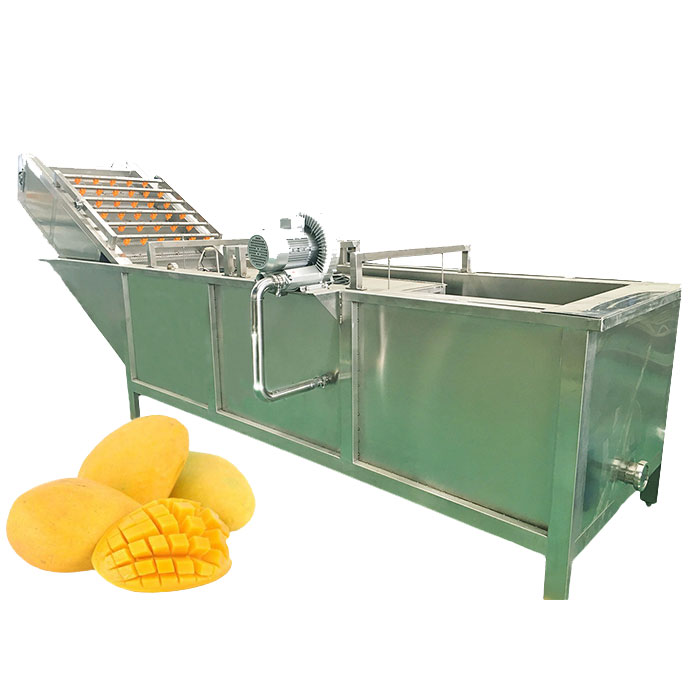 Mango Juice Processing Production Line
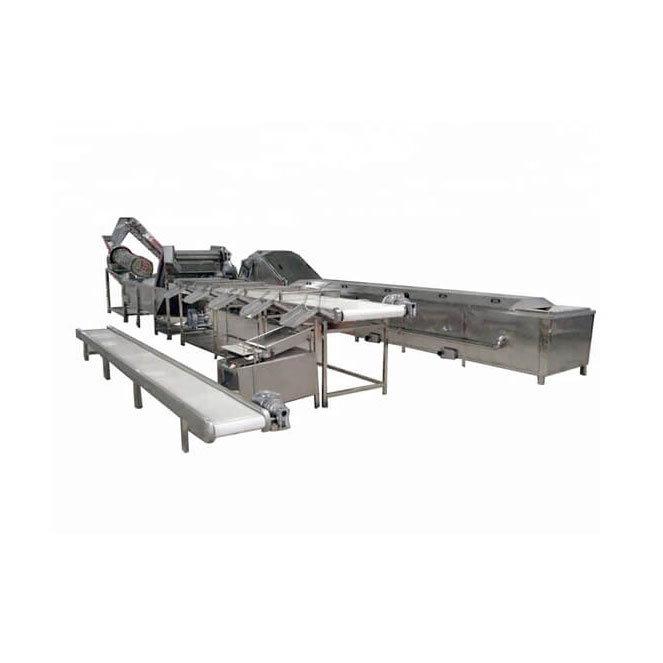 Quail Egg Processing Line
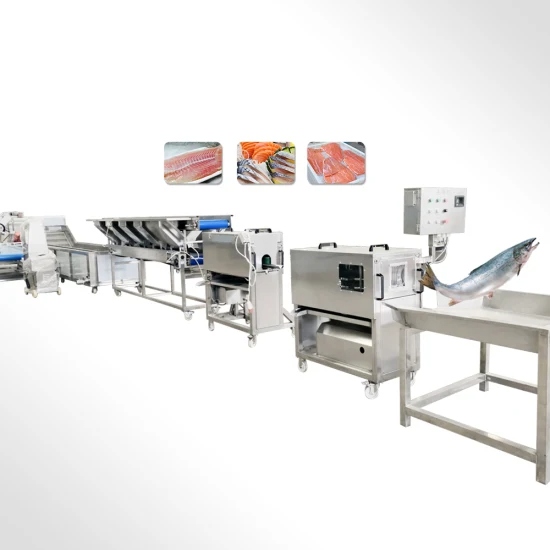 Fish Processing Line
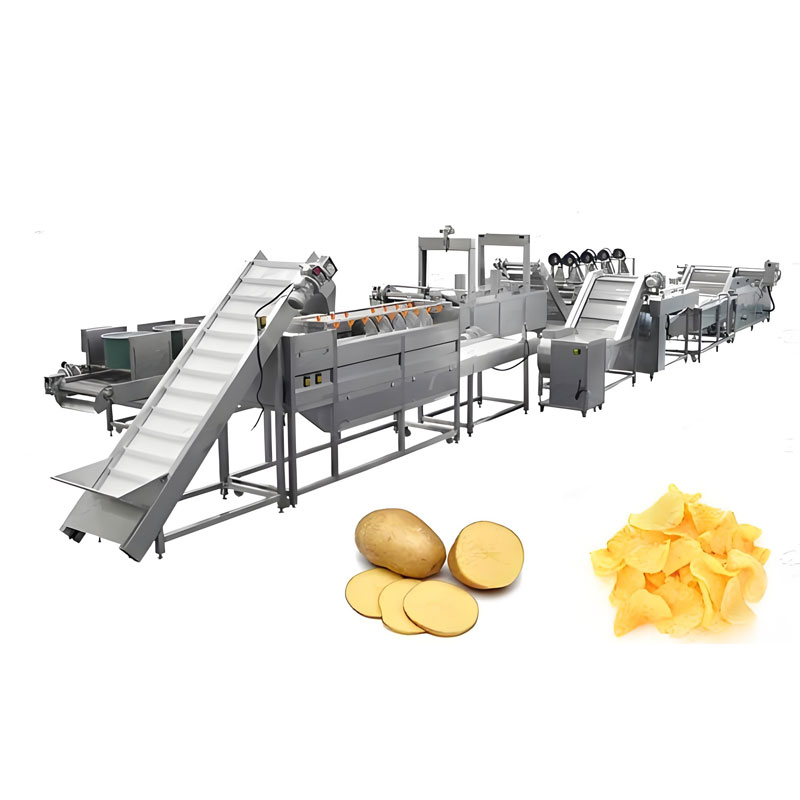 Potato Chip Line
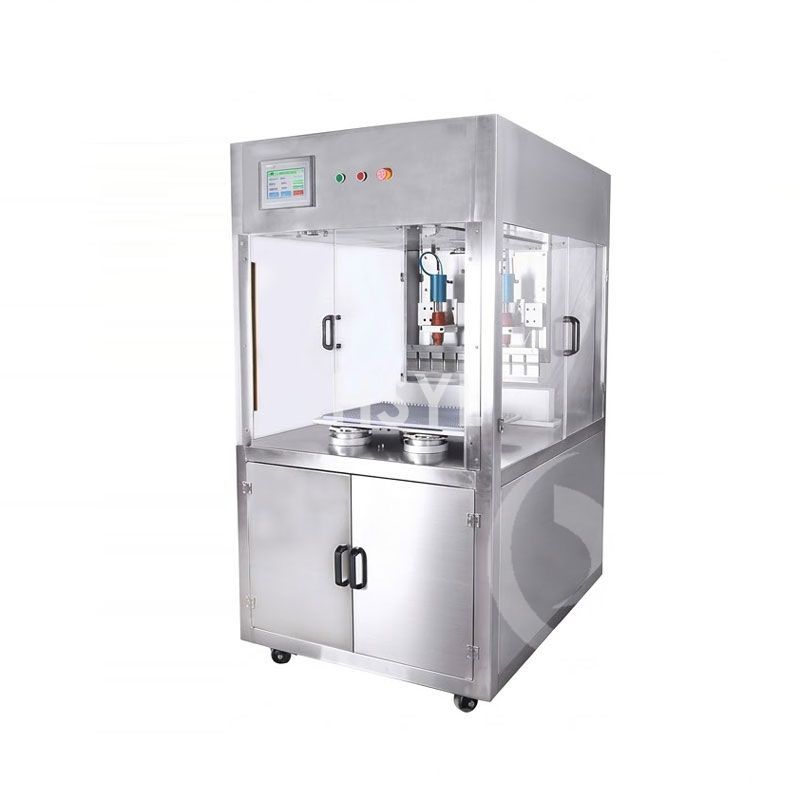 Ultrasonic Cream Sandwich Bread Cutting Machine