
Retort Utility Optimization Without Compromising the Scheduled Process
Retort utility optimization is a cost-reduction exercise with a hard constraint: the scheduled thermal process. Steam, condensate, insulation, and heat recovery can all be improved — but only if the improvement does not change the temperature, time, or critical factors that the scheduled process depends on. An optimization that saves steam by shortening come-up time is not an optimization; it is a process change that requires process-authority review. This article covers the utility optimization opportunities available without scheduled-process impact, the constraints that separate optimization from process change, and a diagnostic for identifying where utility waste is happening.
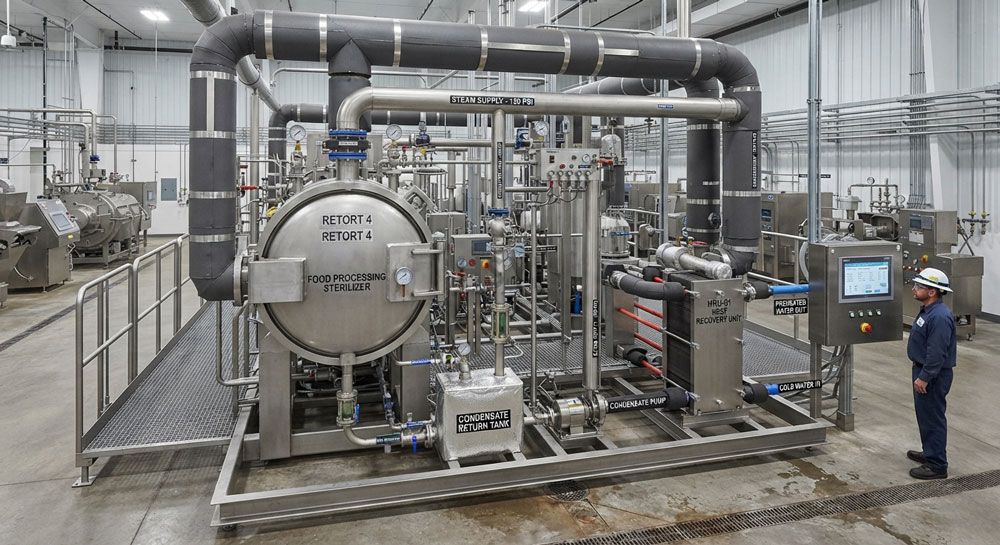
The scope covers retort utility optimization for fish canning, from steam supply through condensate and insulation. It covers opportunities, constraints, and diagnostics. It does not cover scheduled-process design, retort validation, or water and energy balance methodology. The retort sterilization equipment for fish canning page carries the equipment detail.
Optimization Opportunities
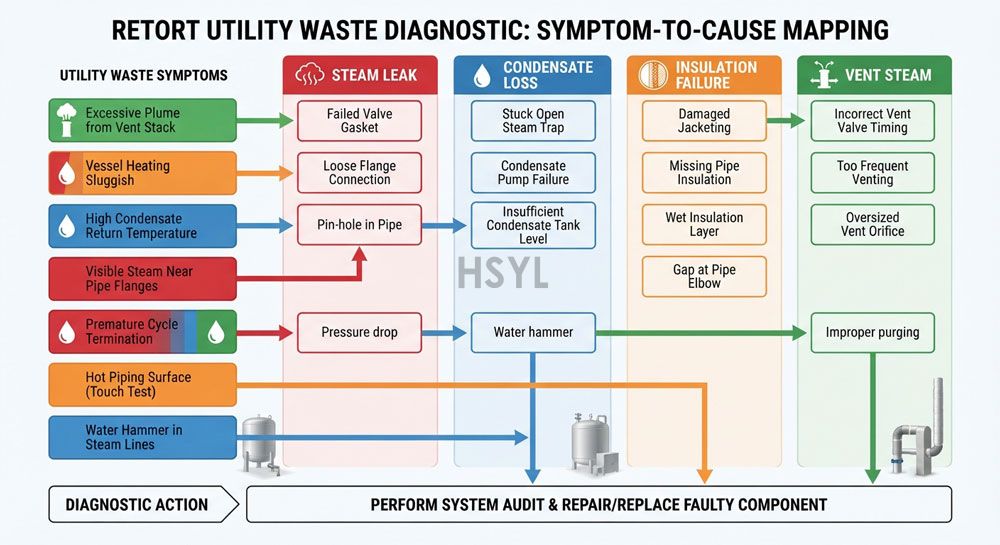
Five utility optimization opportunities are typically available on a fish canning retort without changing the scheduled process.
| Opportunity | What it saves | Scheduled-process impact |
|---|---|---|
| Steam leak repair | Continuous steam loss through valves and fittings | None — does not affect cycle |
| Condensate return | Hot condensate returned to boiler instead of drain | None — does not affect cycle |
| Insulation repair | Heat loss from retort body and piping | None — does not affect internal temperature |
| Vent steam recovery | Steam released during venting captured for hot water | None — venting schedule unchanged |
| Cooling-water reuse | Cooling water reused for CIP or washing | None — cooling schedule unchanged |
Each opportunity saves utility cost without changing the retort's temperature, time, or critical factors. The constraint is that the optimization must not change what the scheduled process assumes — and that constraint is where optimization becomes process change.
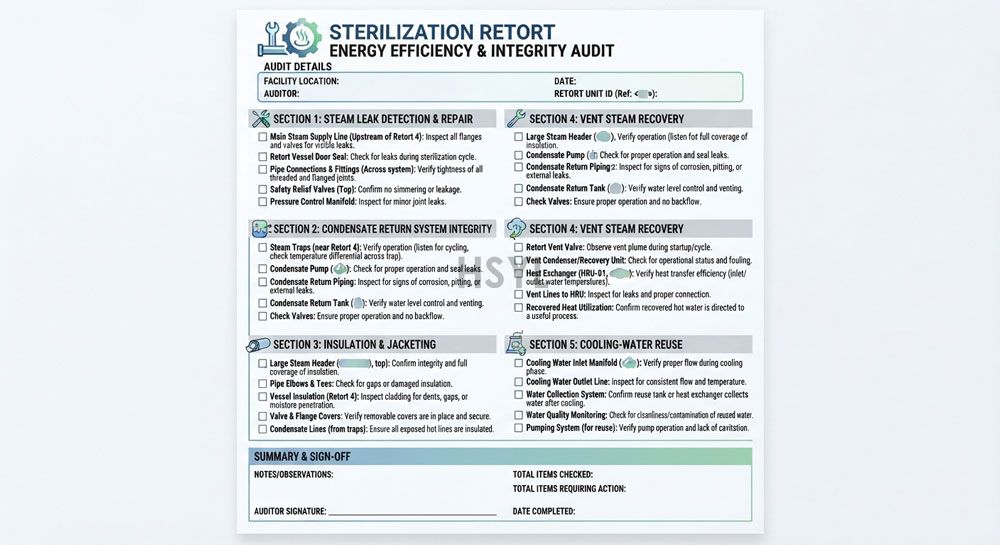
The Scheduled-Process Constraint
Some apparent optimizations are actually process changes, and they must be caught before implementation. The diagnostic question is: does this change affect the temperature at the slowest-heating point, the time at sterilizing temperature, or any critical factor in the scheduled process?
Constraint note: Shortening come-up time, reducing vent time, changing retort temperature, or changing cooling rate are process changes, not utility optimizations. They require process-authority review, a new heat penetration study if the change affects the slowest-heating point, and re-filing if the scheduled process changes. An optimization that crosses this line without review is a regulatory and safety violation.
The discipline is to separate utility-side optimization (steam supply, condensate, insulation, recovery) from process-side changes (temperature, time, critical factors). Utility-side changes that do not affect the retort's internal conditions are optimizations; process-side changes are scheduled-process changes. A turnkey canning line scope with integrated utility metering makes this separation visible — the metering shows where the savings are and whether the change affects the cycle.
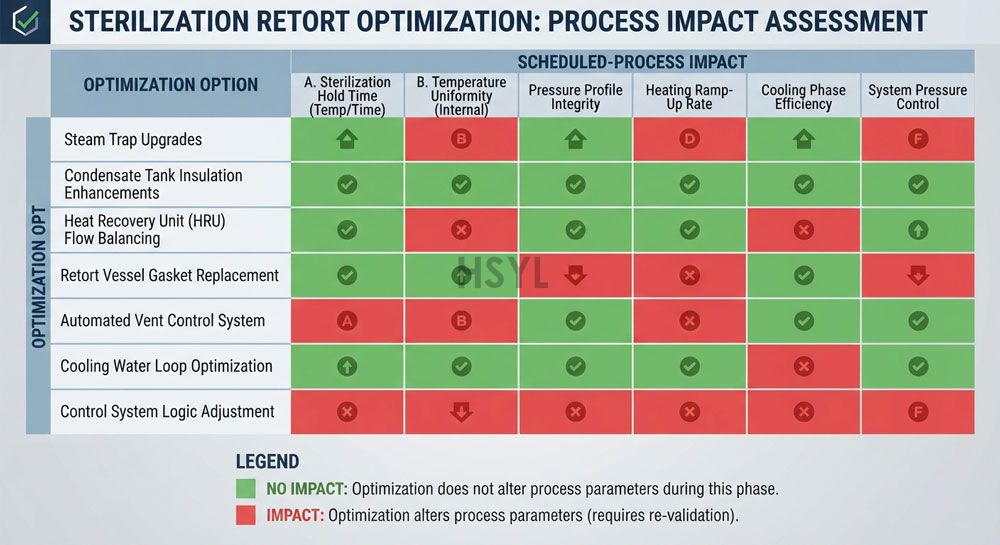
Diagnostic: Where Is the Waste?
Utility waste has visible symptoms, and each symptom points to a specific opportunity. The diagnostic is to follow the symptom to the cause.
| Symptom | Likely cause | Opportunity |
|---|---|---|
| High steam consumption per batch | Steam leaks; condensate not returned; insulation failure | Leak survey; condensate return; insulation repair |
| Visible steam at vent or bleeder outside venting period | Leaking vent or bleeder valve | Valve repair or replacement |
| Hot retort body or piping surface | Insulation degradation | Insulation inspection and repair |
| High cooling-water consumption | Single-pass cooling; no reuse | Cooling-water reuse for CIP or washing |
| Boiler make-up water high | Condensate not returned; steam leaks | Condensate return loop; leak repair |
Scope, Sources and Limitations
Scope. This article covers retort utility optimization for fish canning, from steam supply through condensate and insulation. It covers opportunities, constraints, and diagnostics. It does not cover scheduled-process design, retort validation, or balance methodology.
Limitations. All optimization descriptions and reference savings are drawn from publicly available industry and energy-efficiency material. Actual savings depend on retort type, steam system, insulation condition, and operating discipline. HSYL does not publish project-specific savings percentages without verified evidence.
Source basis. Utility optimization principles are consistent with EU BAT 2019/2031, industry energy-efficiency guidance, and 21 CFR Part 113 (for the scheduled-process constraint). Equipment-capability statements refer to HSYL equipment specifications.
Retort Utility Optimization Resources
Two resources complement this optimization content. The retort equipment page carries the sterilization system. The canning line hub carries the full line scope.
- Retort sterilization equipment for fish canning — the retort whose steam, condensate, and insulation systems are the optimization targets.
- Turnkey canning line scope — the full line scope with integrated utility metering.
Next Step: Build Your Optimization Checklist
Send HSYL your retort type, steam system layout, current condensate return status, and insulation condition. HSYL will return a pre-filled optimization checklist with the five opportunities for your setup, a scheduled-process constraint review, and a utility diagnostic worksheet for identifying where waste is happening.
Frequently Asked Questions
Can I reduce retort steam consumption without changing the scheduled process?
What is the difference between a utility optimization and a scheduled-process change?
How do I know if my retort has a steam leak?
Can I recover vent steam for hot water?
What is the constraint on retort utility optimization?
Must-Read Blogs For Chain Restaurants Owner
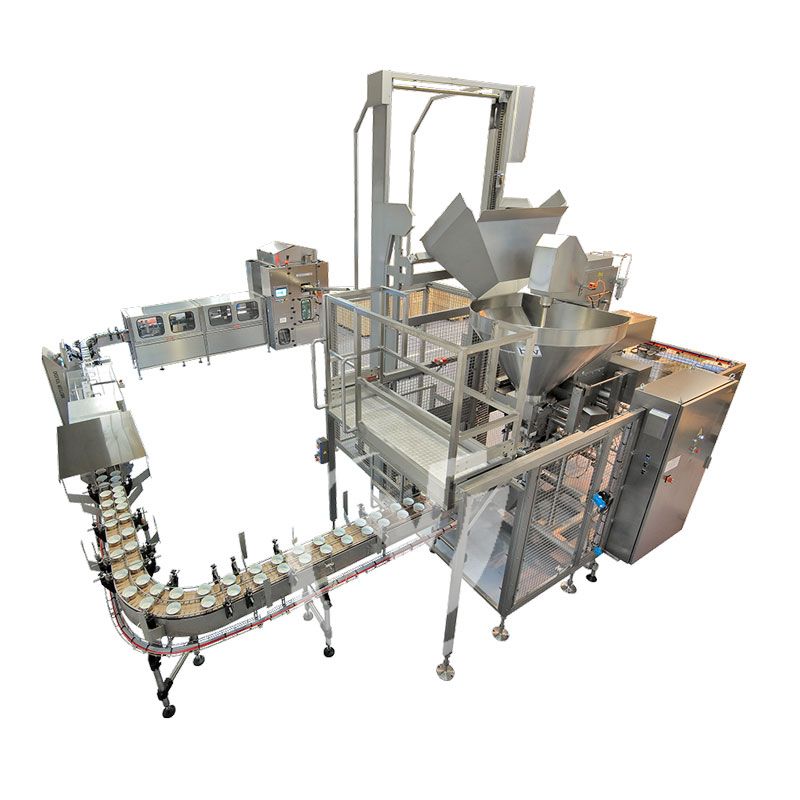

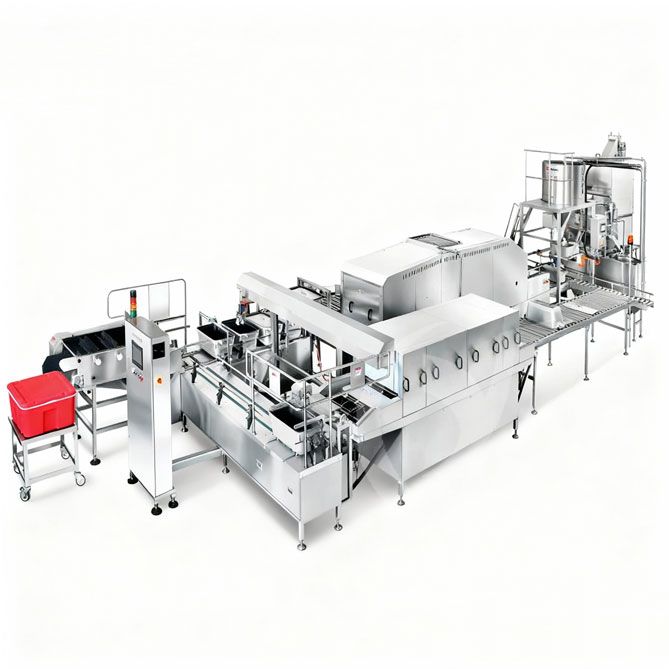
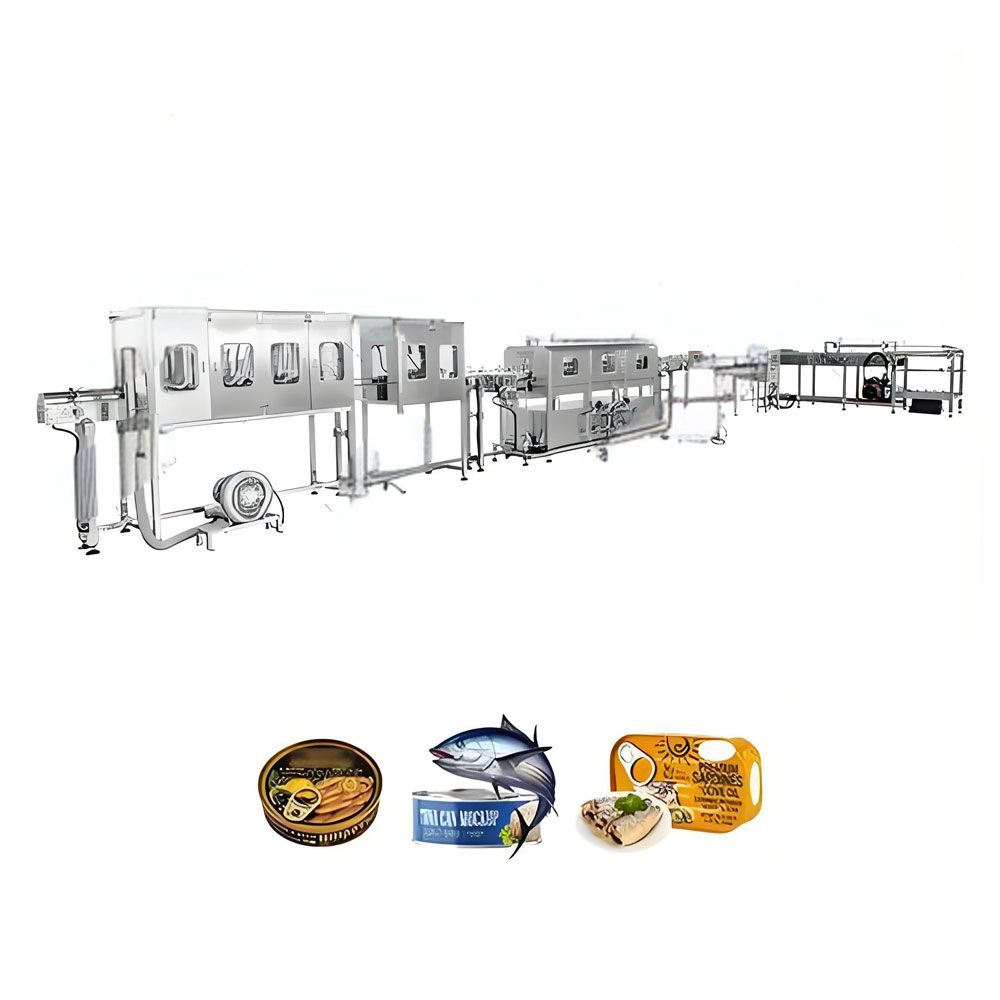 Fully Automatic Canned Tuna Processing Production Line
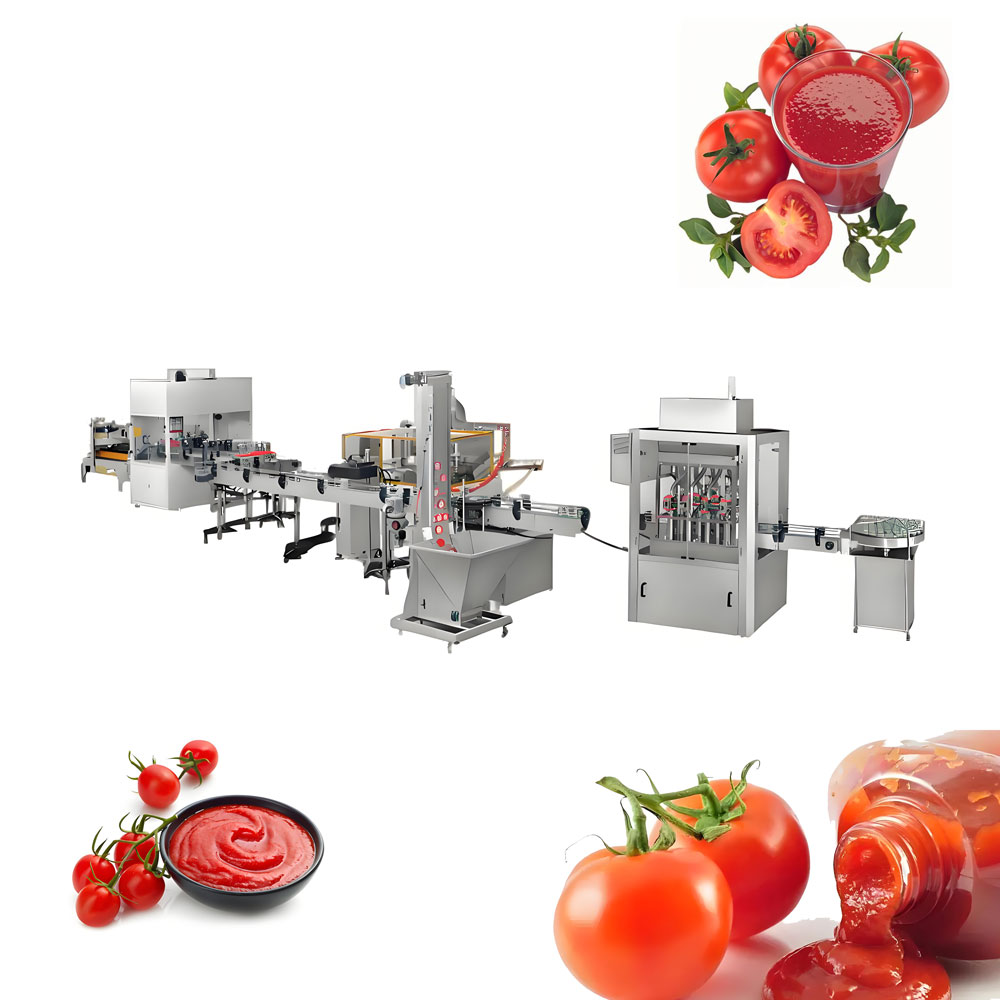 Tomato Ketchup Processing Line
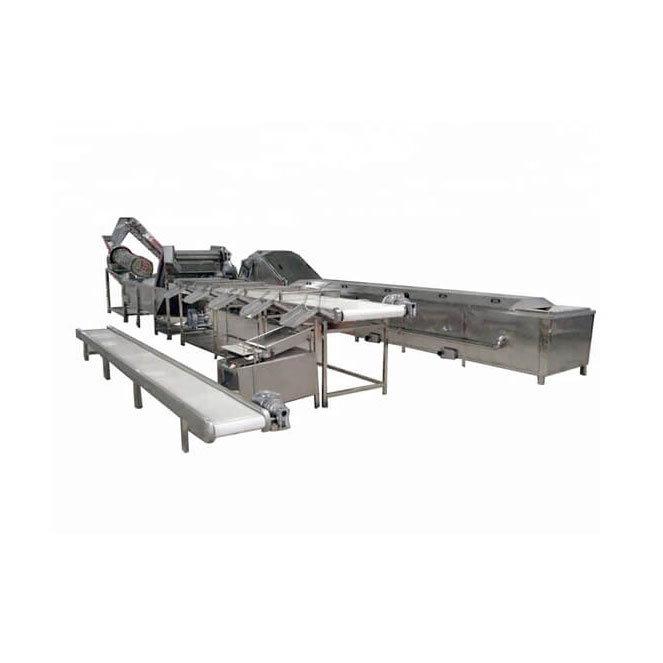 Quail Egg Processing Line
 Centrifugal Dewatering Machine
Ready to Get Started?