
Small Canned Food Production Line - Chinese Manufacturer, Factory, Supplier
The Small Canned Food Production Line is a compact, flexible, and cost-effective solution designed for small to medium-sized food processors, startups, and pilot production facilities that require efficient canning operations on a smaller scale. This production line integrates all essential processes—from raw material preparation to final packaging—ensuring high product quality, food safety compliance, and operational efficiency while maintaining a smaller production footprint.
A typical small canned food production line includes several key stages: ingredient washing and sorting, cutting or pre-cooking, filling into cans, liquid or sauce dosing, sealing, sterilization, cooling, labeling, and final packaging. Despite its smaller size, the line is engineered for professional-grade performance, using food-grade stainless steel (SUS304/316) to guarantee hygiene, corrosion resistance, and long-term durability.
This production line can handle various canned food categories, such as meat, fish, vegetables, fruits, sauces, and pet food, making it an ideal choice for businesses that produce multiple products in short runs. The modular design allows for easy configuration and scaling, so users can upgrade automation levels or add new sections (e.g., sauce dosing or automatic labeling) as their production demands grow.
Equipped with semi-automatic or fully automatic PLC control systems, the small canned food production line provides real-time monitoring, temperature control, and production data tracking to ensure product consistency and compliance with HACCP, GMP, and ISO22000 standards. The compact layout minimizes floor space requirements and energy consumption, offering an efficient solution for facilities with limited production area or budget.
For B2B buyers, investing in a small canned food production line brings multiple benefits — faster setup time, lower labor costs, reduced waste, and easier maintenance — while still delivering professional-grade canned products suitable for both domestic and export markets. It’s a strategic choice for food manufacturers seeking to test new product lines, increase flexibility, or enter the canned food industry with a reliable, scalable system.
In summary, the Small Canned Food Production Line combines efficiency, flexibility, and compliance in a compact format, helping businesses achieve industrial-level canning quality with manageable investment and operational costs.
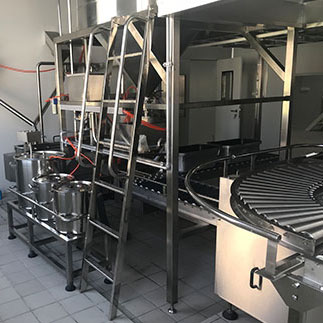 Cold Chain Rice Production Line
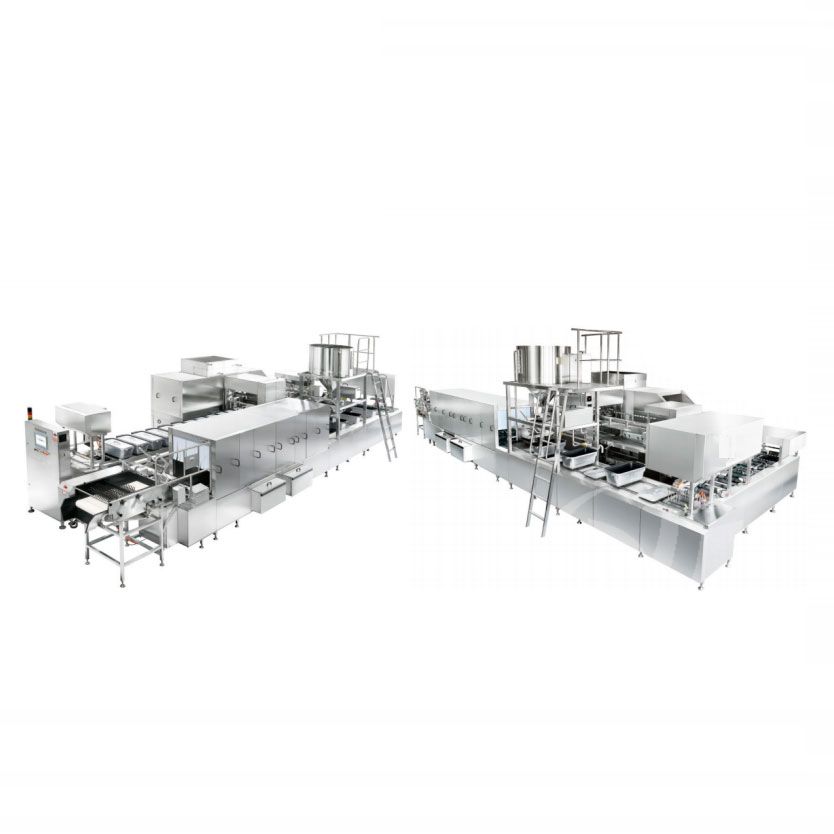 Unmanned Intelligent Rice Production Line
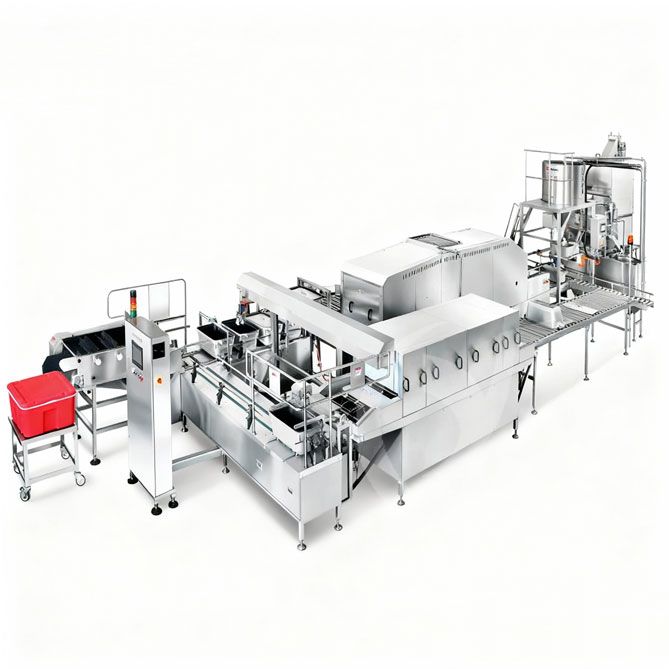 Robotic Rice Production Line
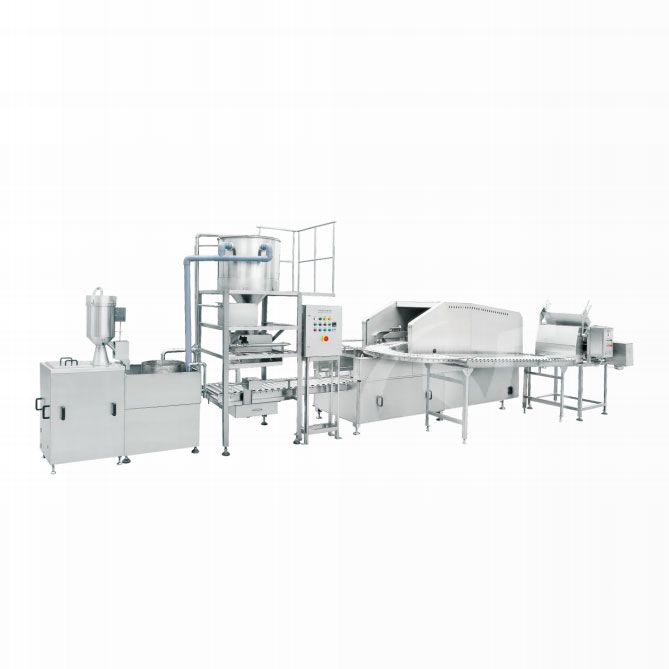 Automatic Rice Production Line
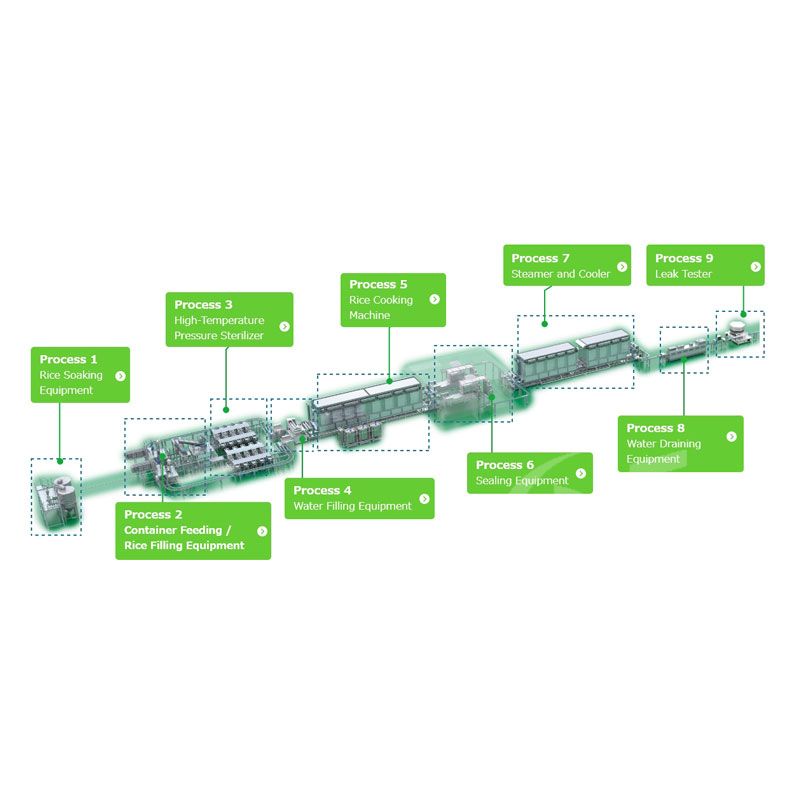 Aseptic Rice Production Line
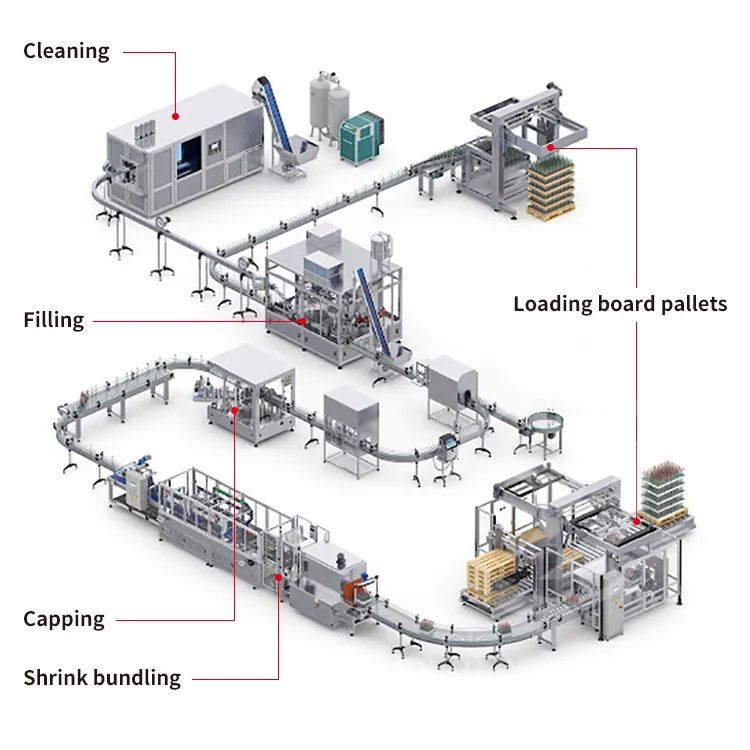 Aseptic Canning Production Line Equipment
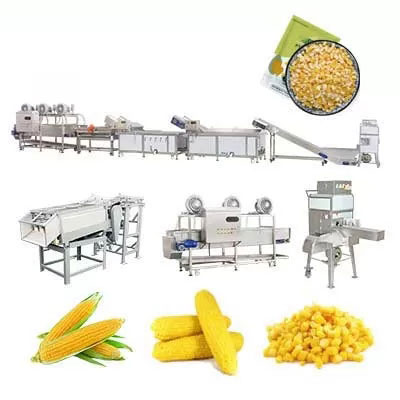 Sweet Corn Canning Production Line
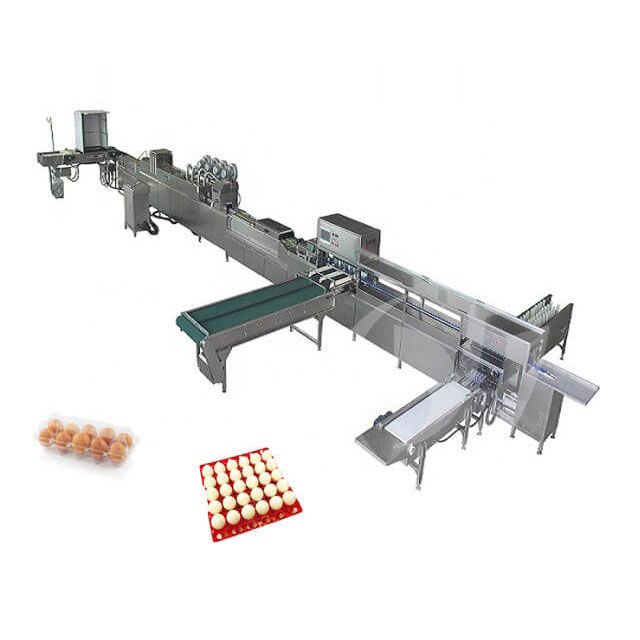 Egg Canning Production Line
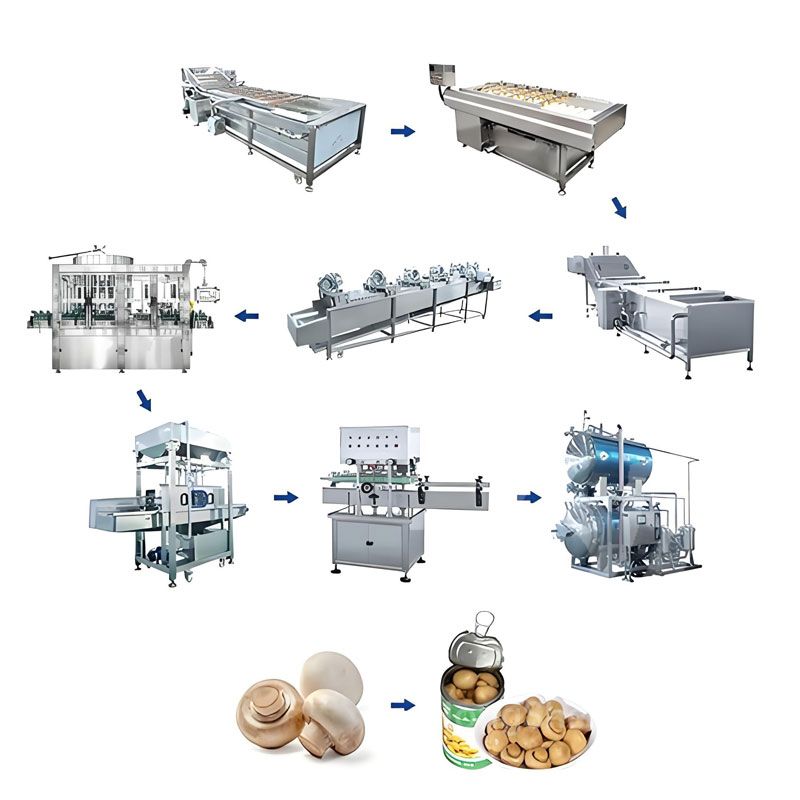 Button Mushroom Canning Production Line
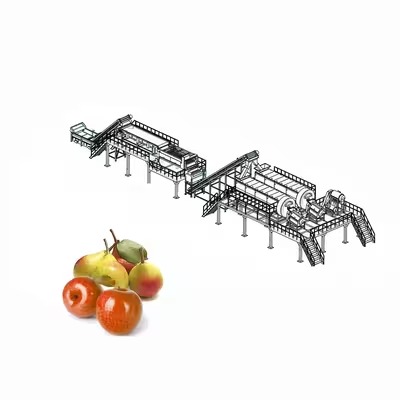 Apple Canning Production Line
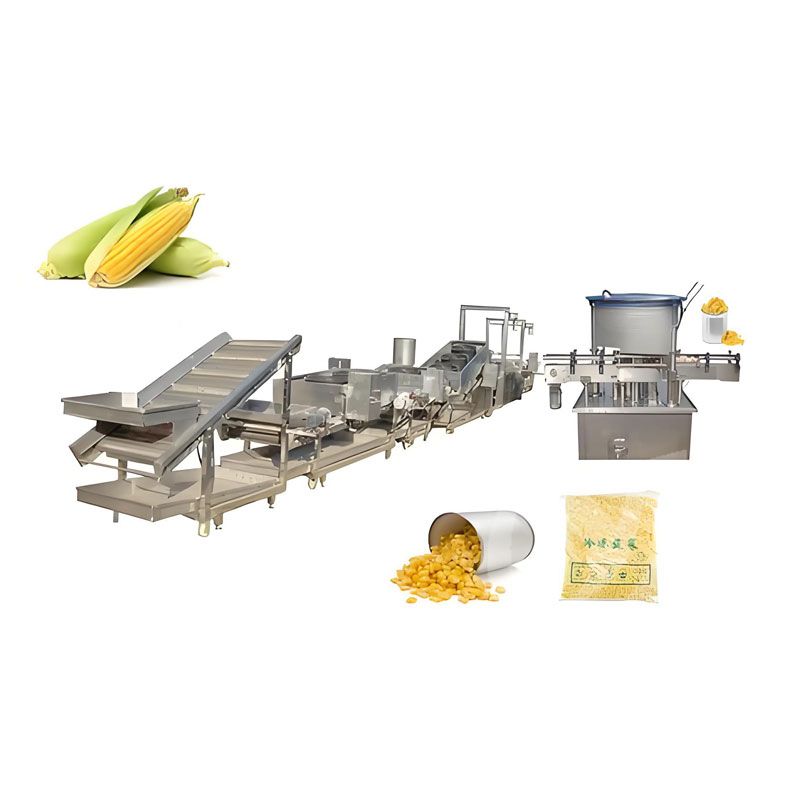 Corn Canning Production Line
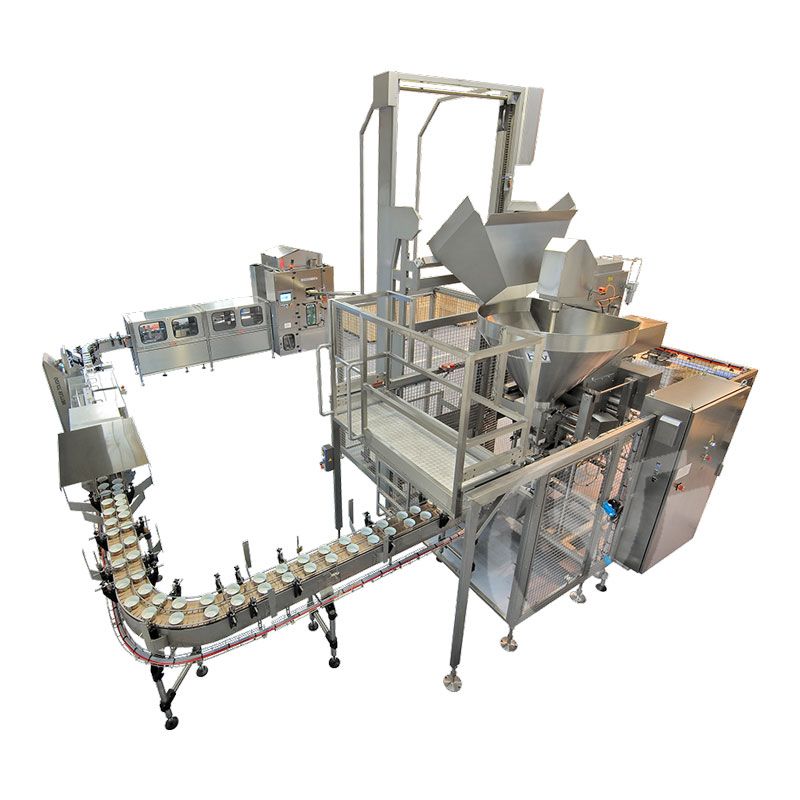 Meat Canned Food Production Line
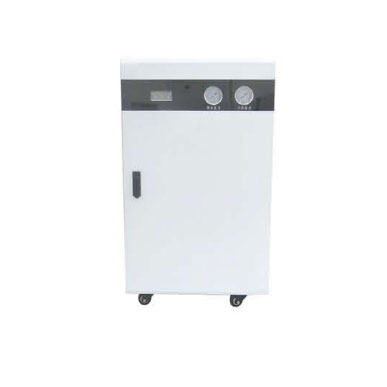 YL-W-01 Commercial Water Purification Equipment
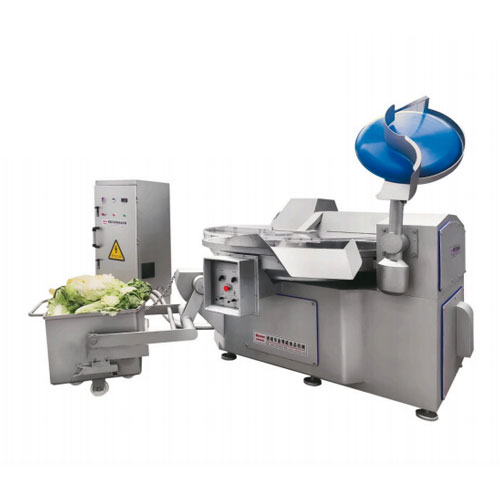 Model 330 Frequency Conversion High Speed Chopper
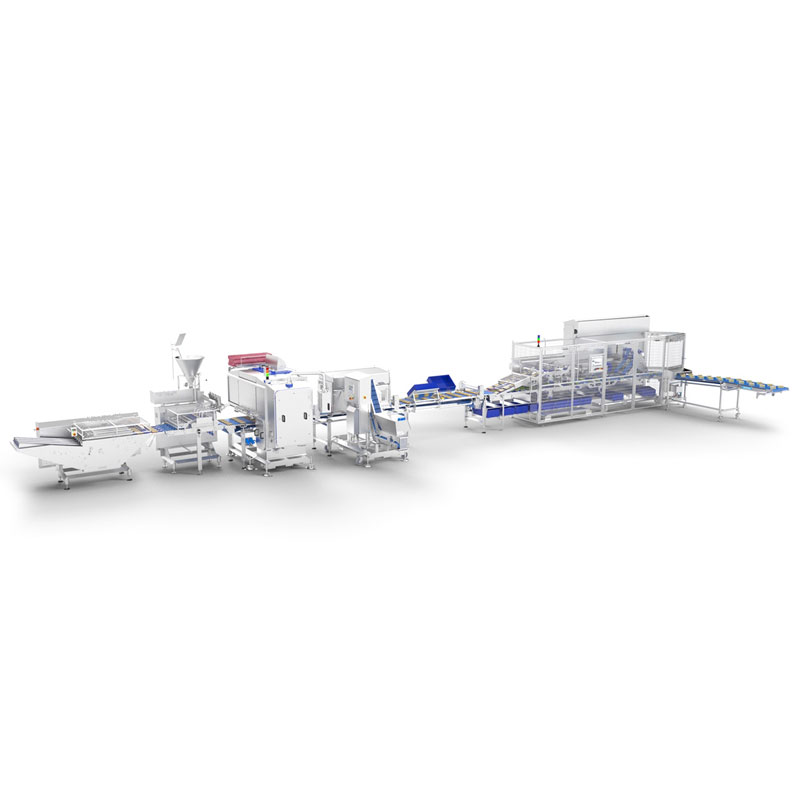 Sandwich Production Line
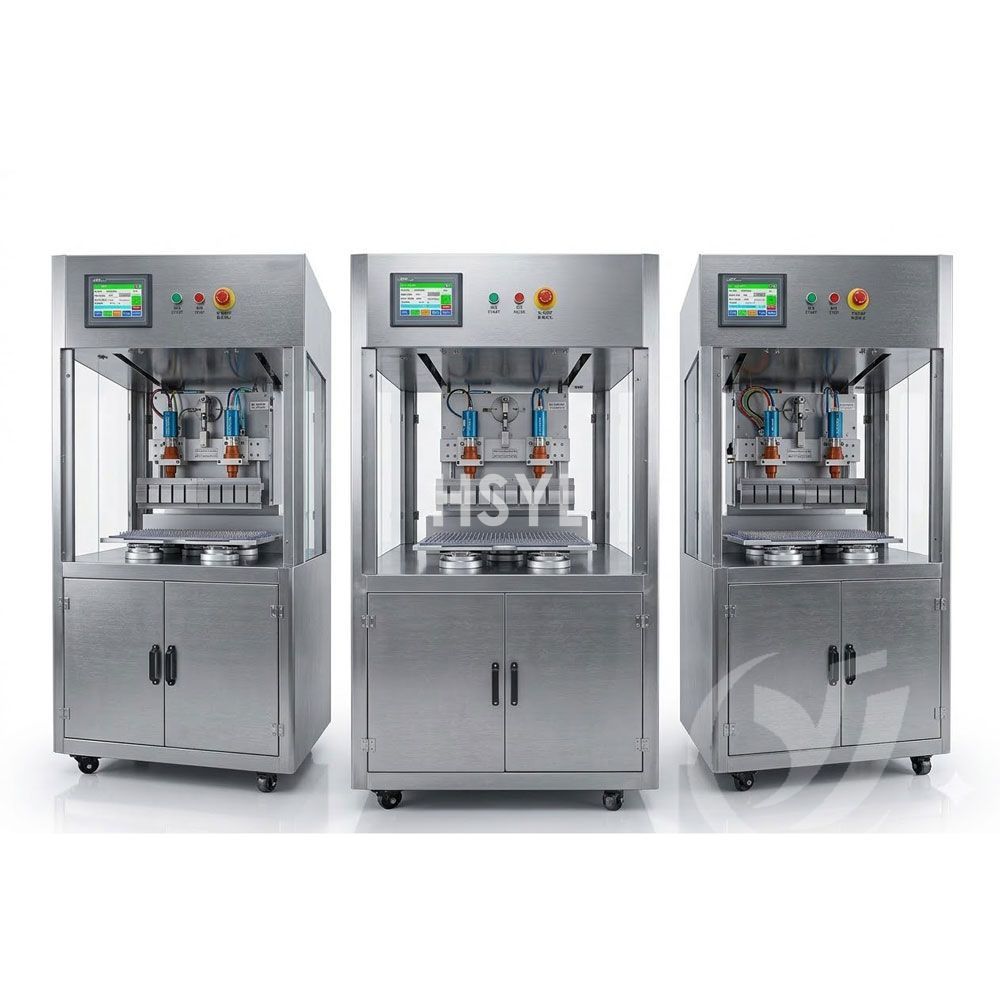 Automatic Toast Ultrasonic Cutting Machine
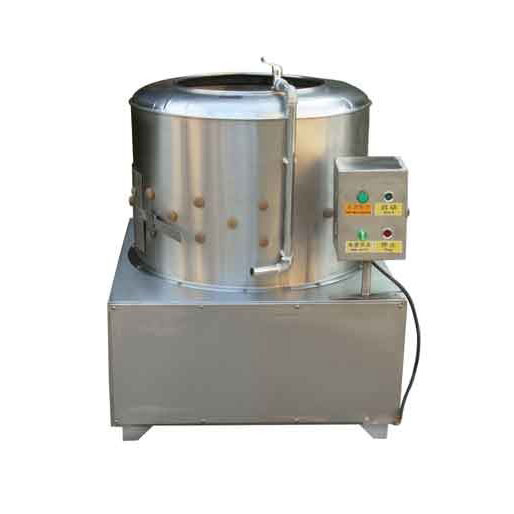 Small Chicken Feet Peeling Machine
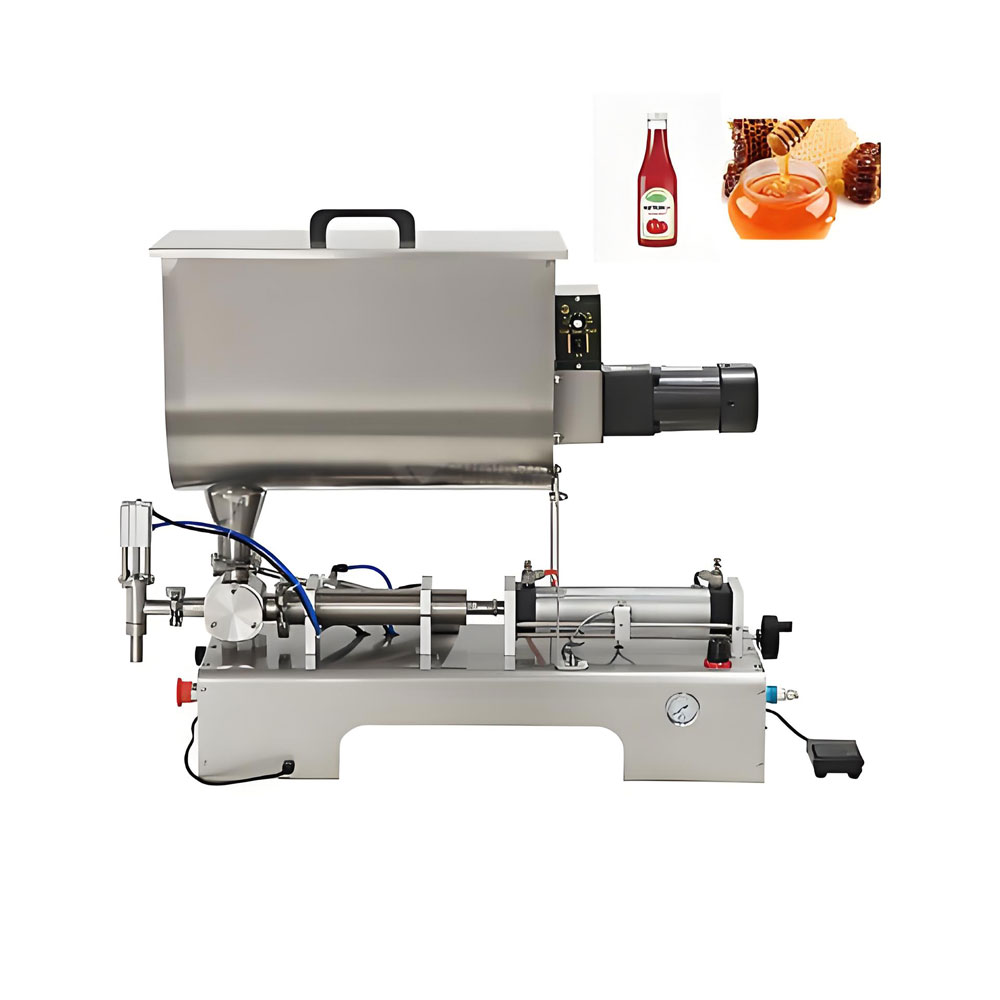 Sauce Filling Machine
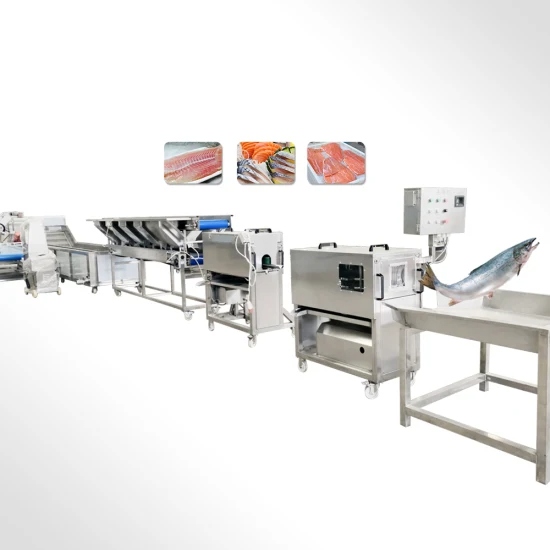 Fish Processing Line
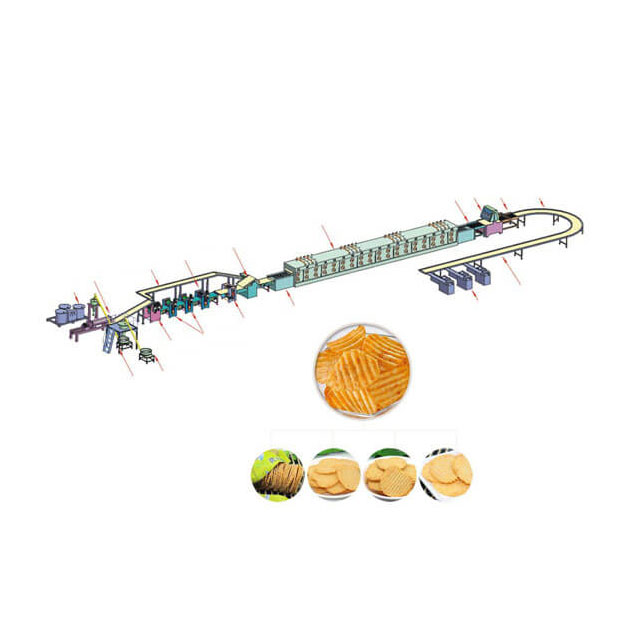 Compound Potato Chips Baking Line