
Supply Of Canned Fish Production Line Manufacturers - Chinese Manufacturer, Factory, Supplier
The supply of canned fish production line manufacturers plays a crucial role in advancing the global seafood processing industry. As consumer demand for ready-to-eat, long-shelf-life fish products continues to rise, reliable equipment suppliers are essential for delivering high-efficiency, hygienic, and fully automated canning systems. These production lines integrate every stage of the process — from fish cleaning, cutting, cooking, cooling, and filling to seaming, sterilization, labeling, and packaging — ensuring stable output and compliance with international food safety standards.
Leading manufacturers such as Qingdao Hongshengyuanlin Co., Ltd. specialize in the design and turnkey supply of complete canned fish production lines, tailored to specific species including sardines, tuna, mackerel, and anchovies. Their engineering teams provide full-cycle services covering layout design, equipment fabrication, on-site installation, operator training, and after-sales technical support. Each machine is crafted from high-grade stainless steel (SUS304/316L), equipped with PLC automatic control systems, and designed to deliver precise temperature, pressure, and timing during critical processing steps.
The company’s equipment portfolio includes steam cookers, vacuum fillers, oil/brine dosing systems, automatic seamers, retort sterilizers, cooling conveyors, and packaging units. Whether for small-scale factories or large industrial seafood plants, these integrated lines can be configured for a wide range of can sizes — such as 125g, 145g, and 185g fish cans — and production capacities exceeding 10,000 cans per hour.
With export experience across Southeast Asia, Africa, the Middle East, and South America, Qingdao Hongshengyuanlin Co., Ltd. ensures each project achieves reliable performance, cost efficiency, and long-term durability. Partnering with an experienced canned fish production line manufacturer not only guarantees consistent product quality but also enhances competitiveness in the global seafood market.
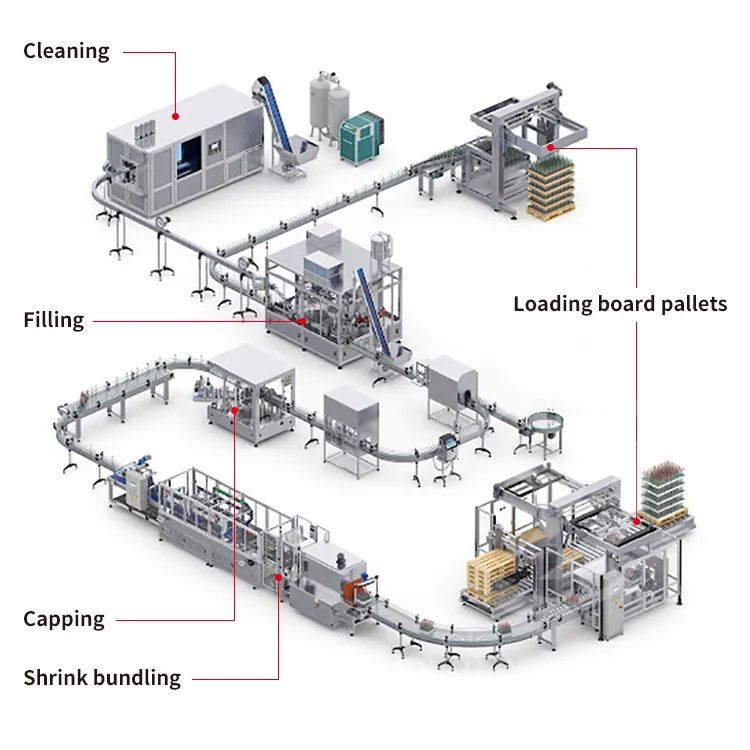 Aseptic Canning Production Line Equipment
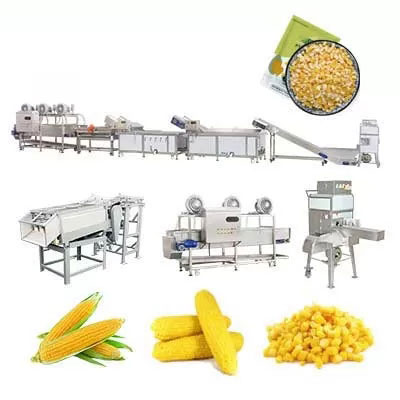 Sweet Corn Canning Production Line
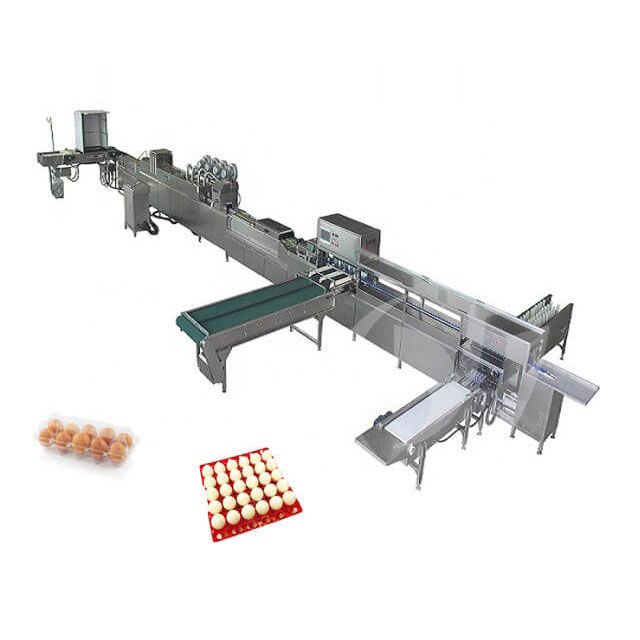 Egg Canning Production Line
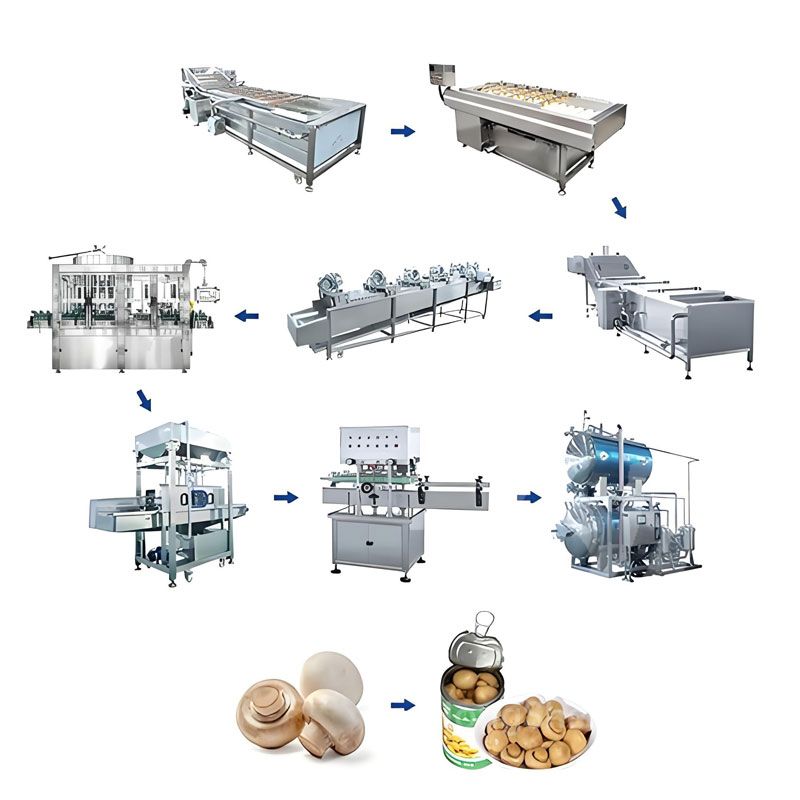 Button Mushroom Canning Production Line
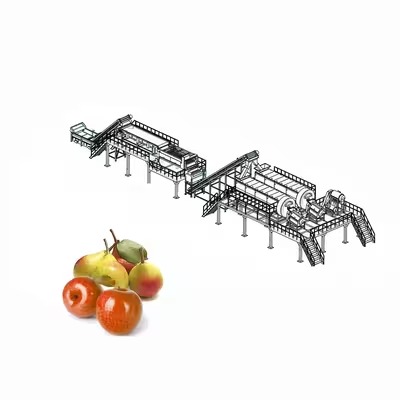 Apple Canning Production Line
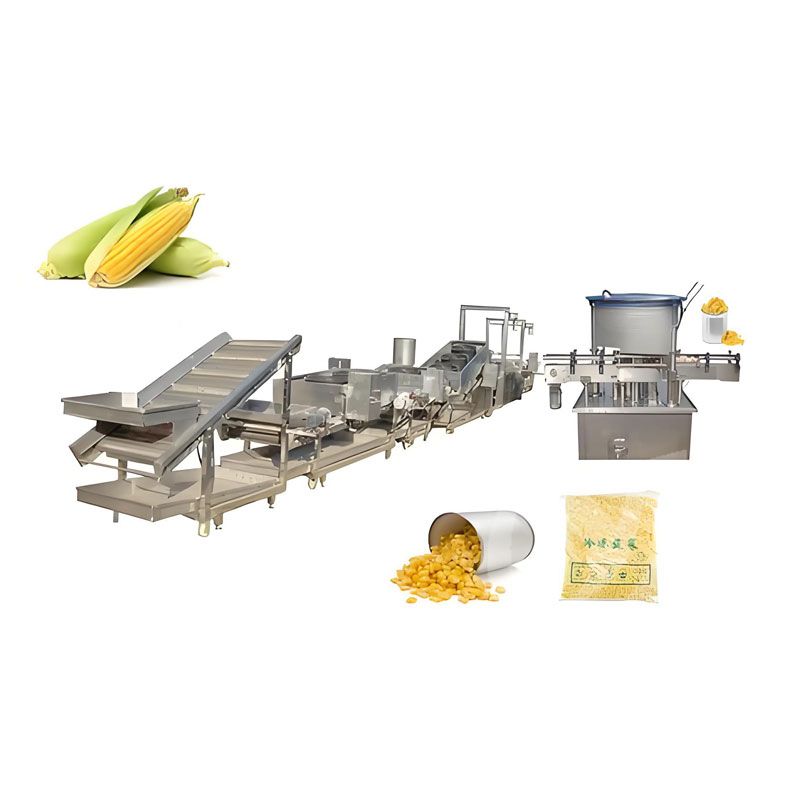 Corn Canning Production Line
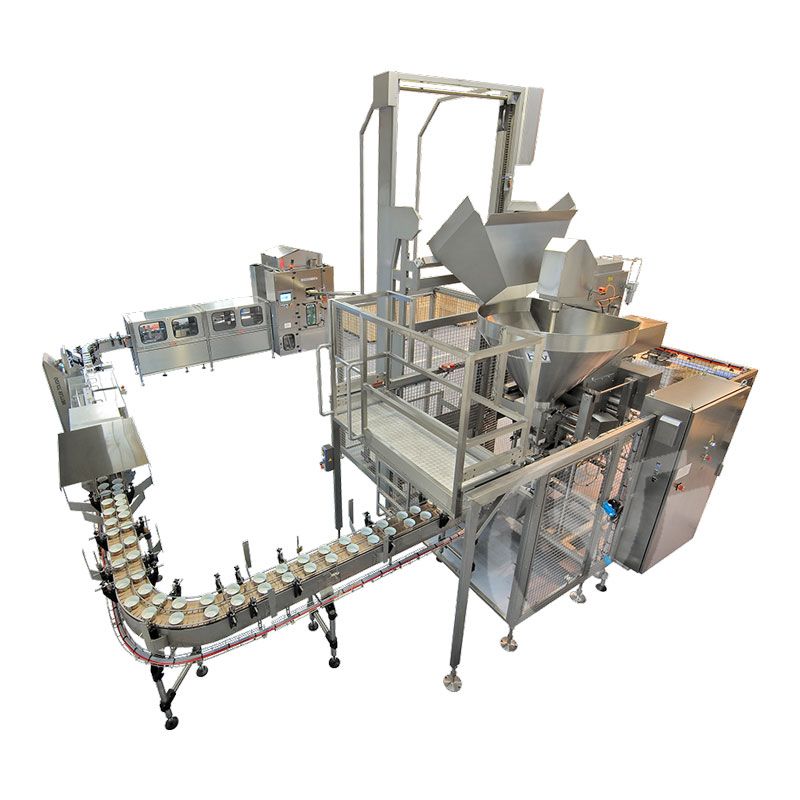 Meat Canned Food Production Line
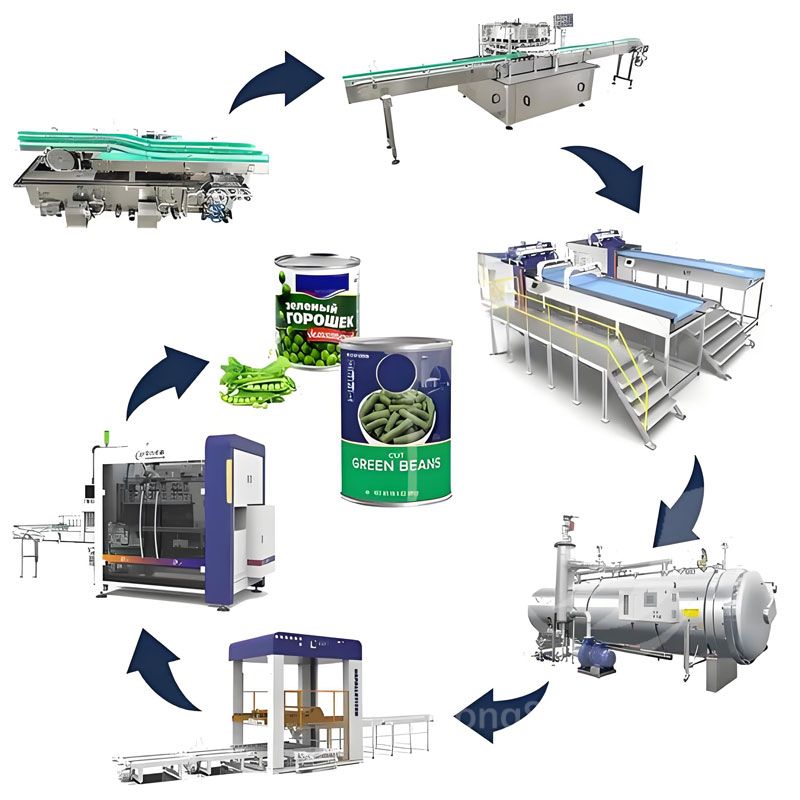 Green Bean Canned Food Production Line
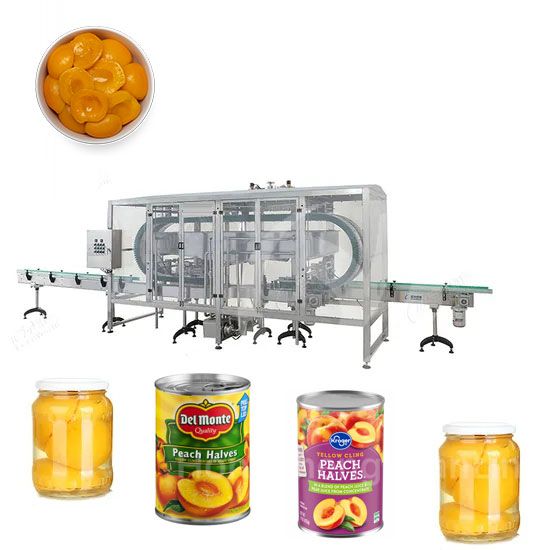 Peach Canned Food Production Line
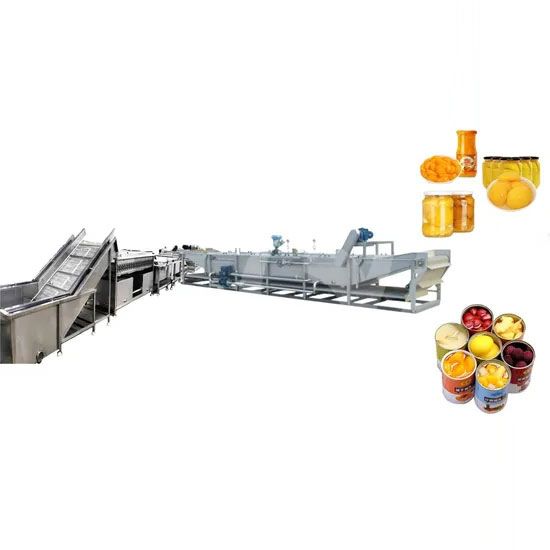 Canned Fruit Production Line Equipment
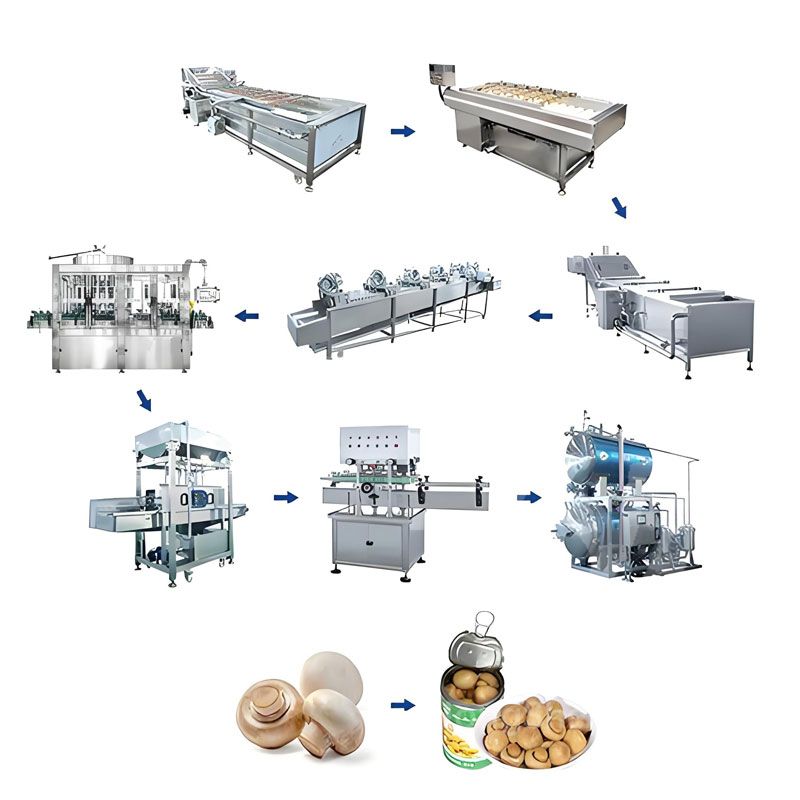 Edible Mushroom Canned Food Production Line
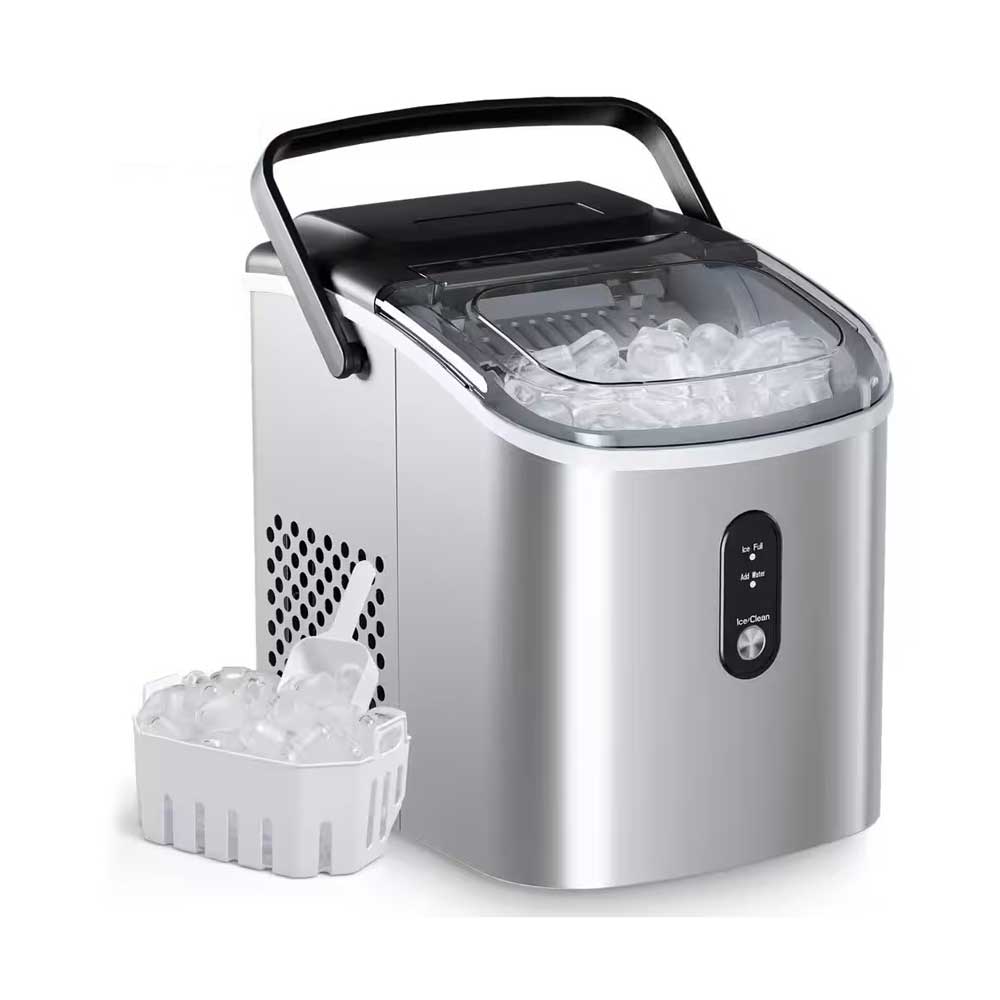 Portable Flake Ice Machine
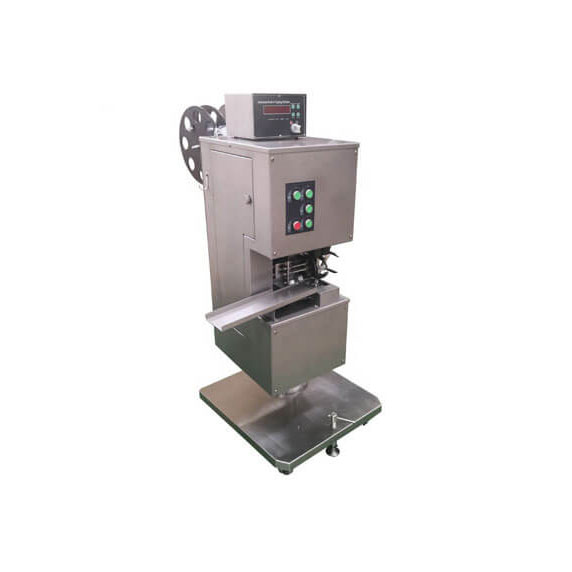 Automatic Sausage Clipper Machine
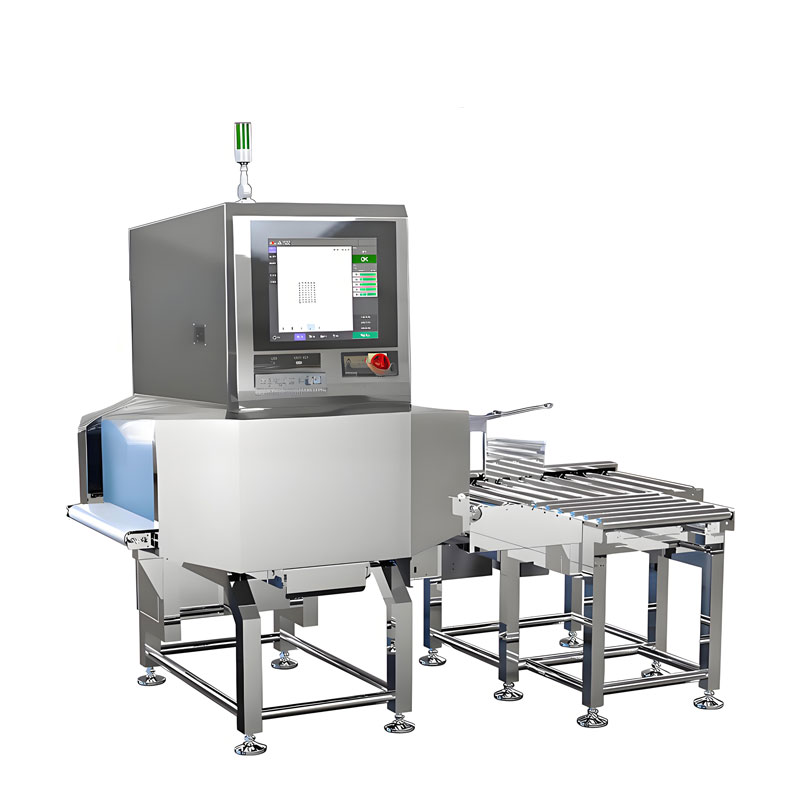 Food X-ray Foreign Object Detector
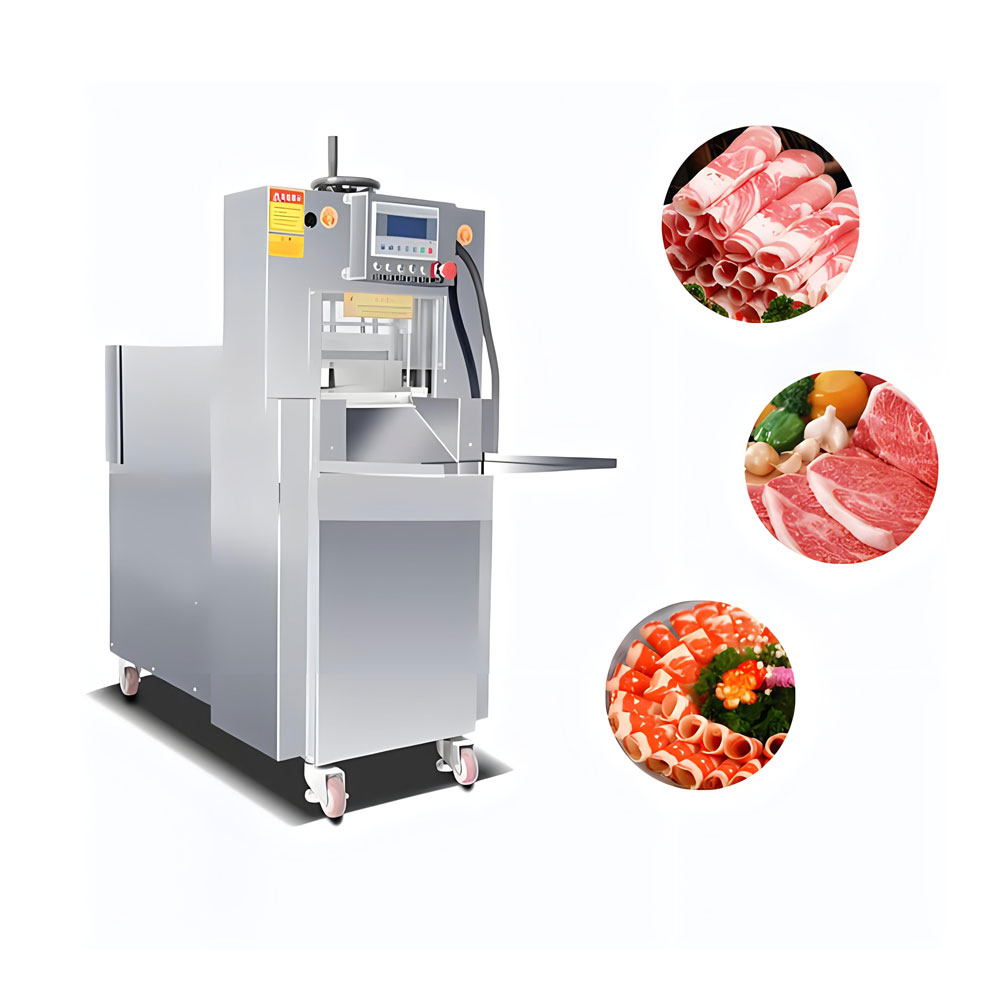 Frozen Meat Roll Cutting Machine
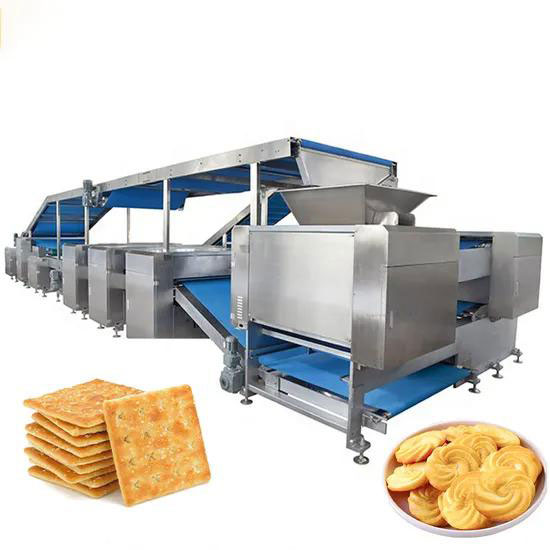 Automatic Biscuit Production Line
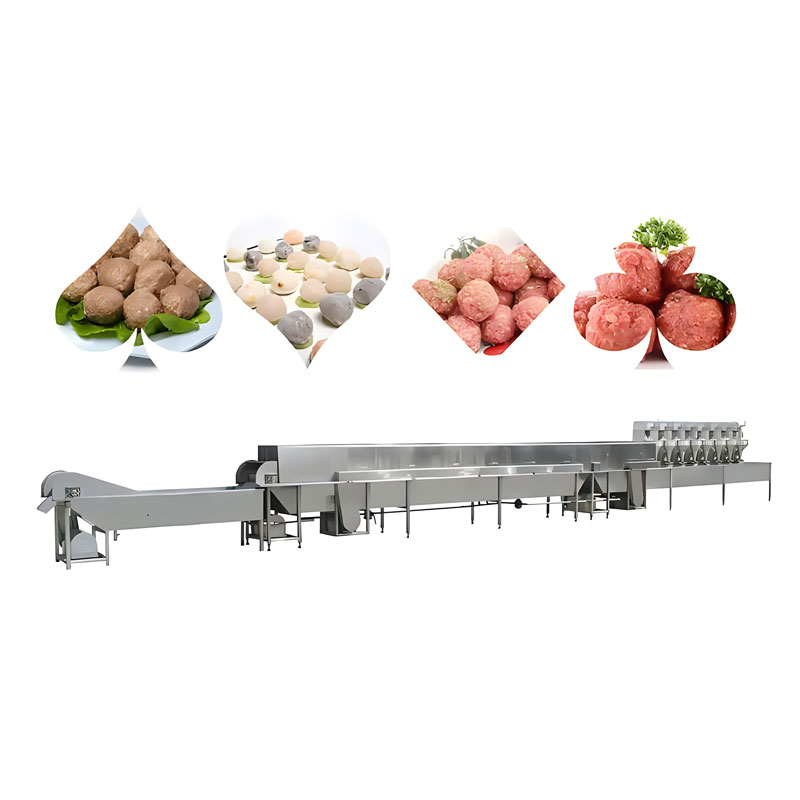 Automatic Meatball Production Line
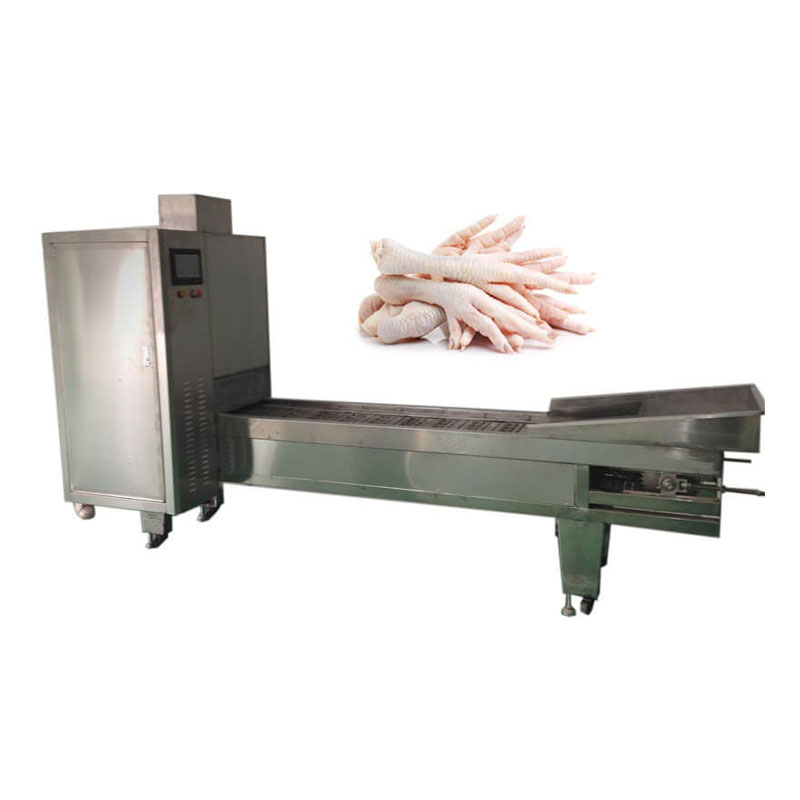 Chicken Feet Cutting Machine