From A Vacant Site To Full-Scale Production And Profitability — Achieve It All With One Trusted Partner: Hongsheng Yuanlin.

Get A Quote

Home > Ultrasonic Cream Cake Cutting Machine Manufacturers

Ultrasonic Cream Cake Cutting Machine Manufacturers - Chinese Manufacturer, Factory, Supplier

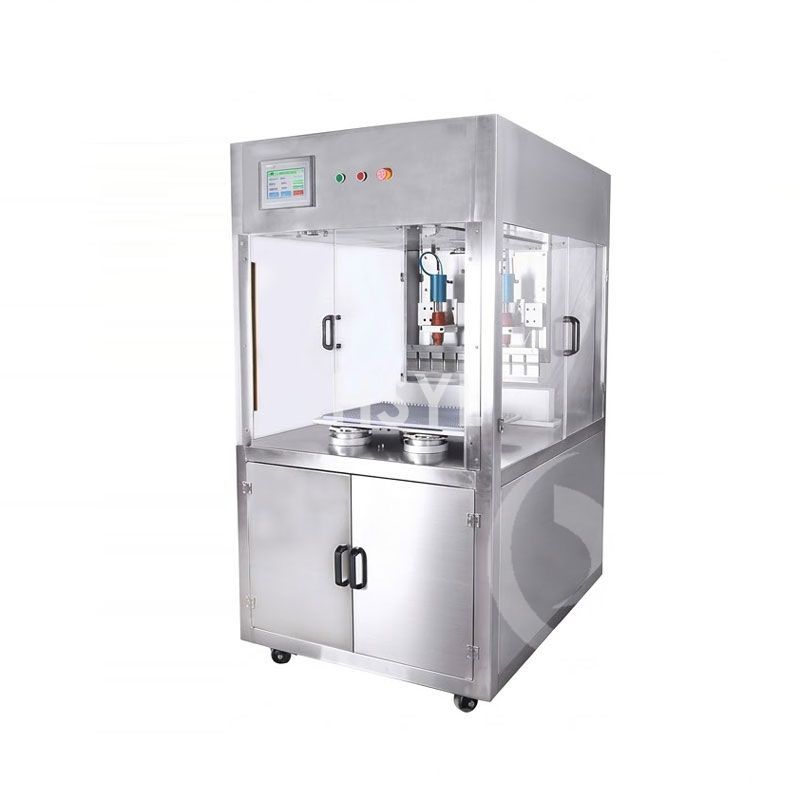
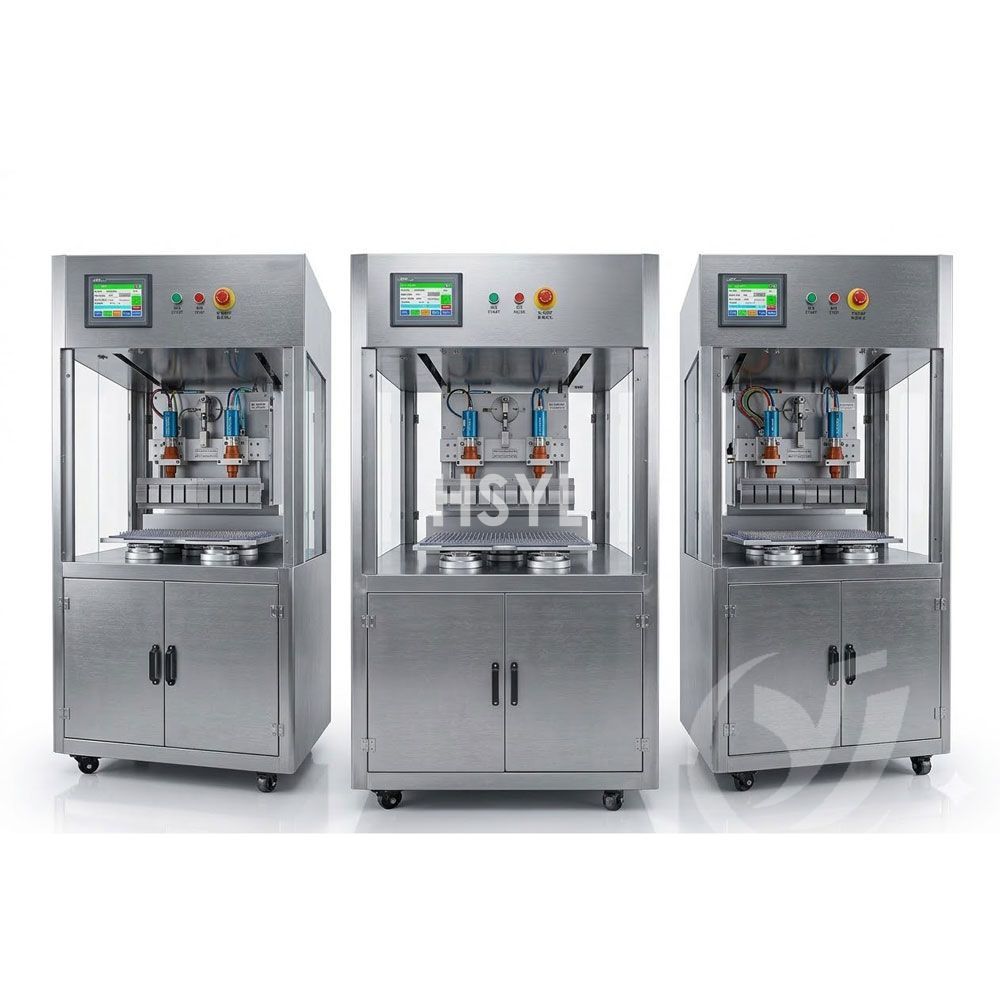
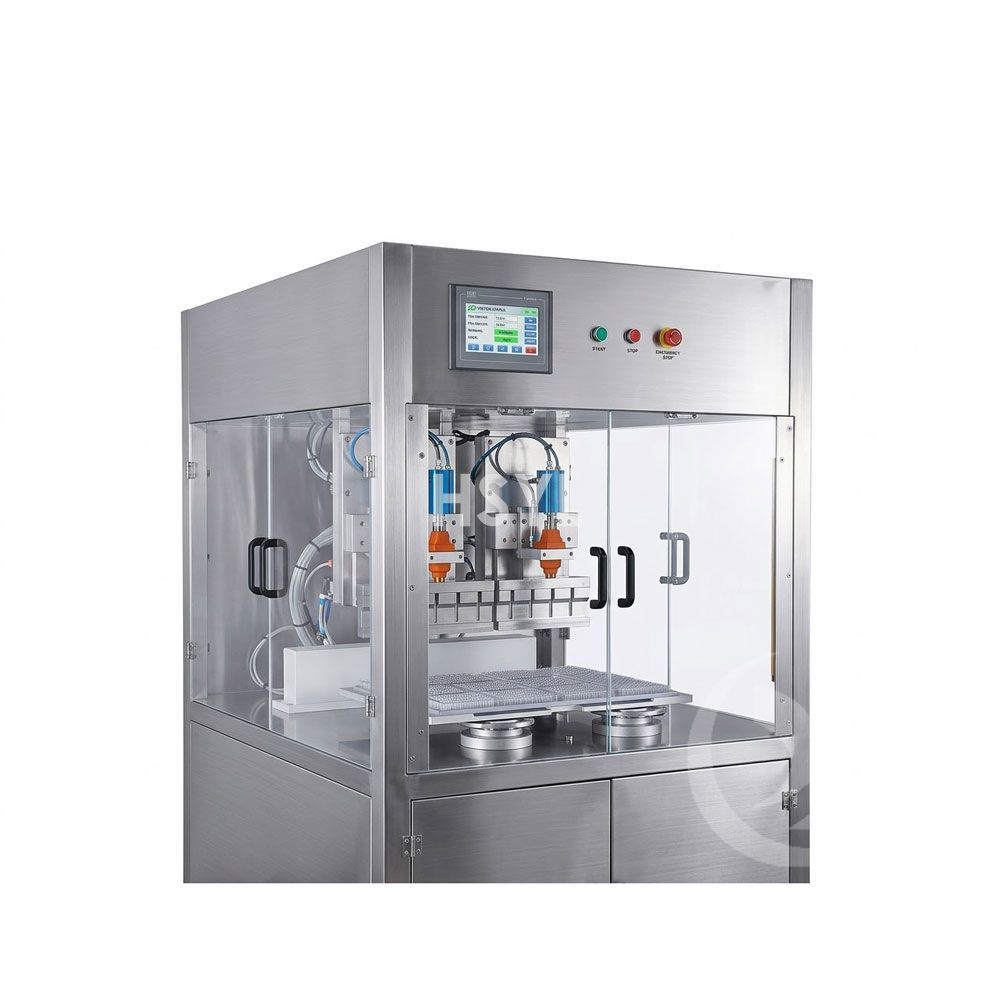
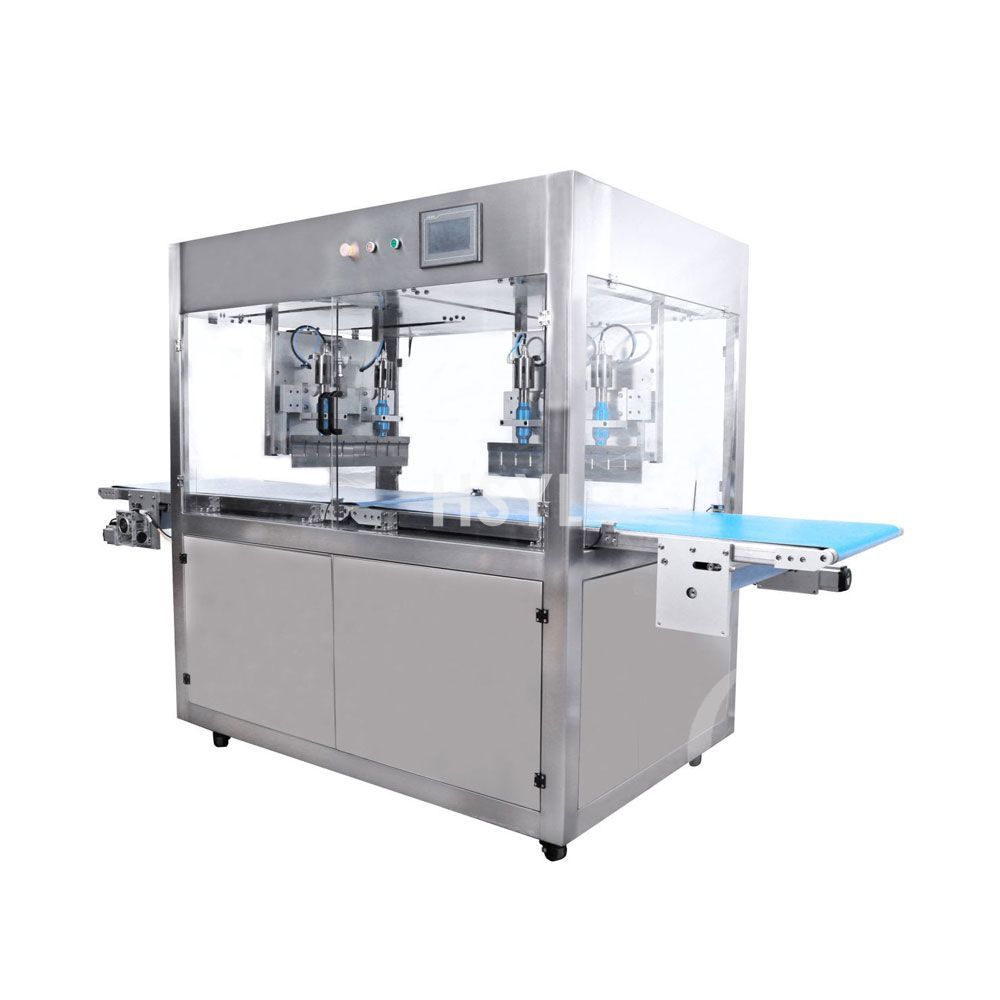
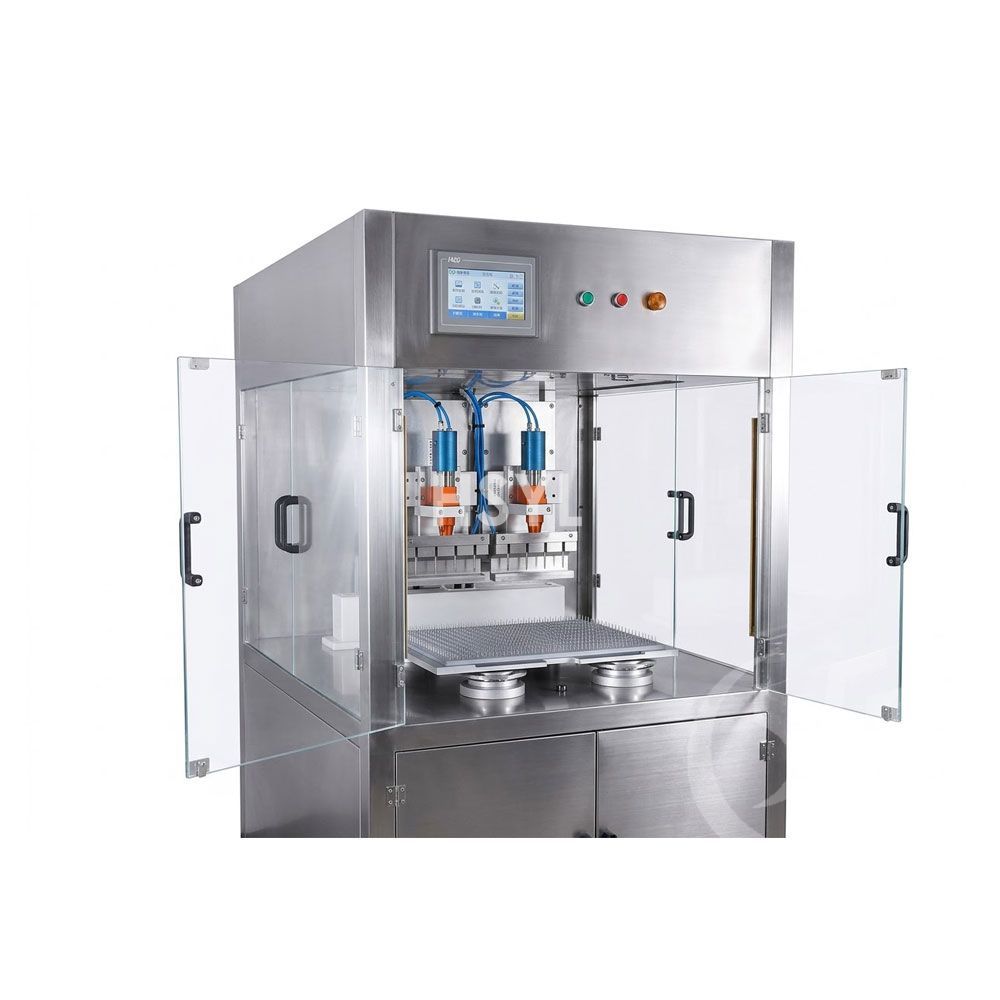
The ultrasonic cream cake cutting machine represents the pinnacle of portioning technology for high-fat, delicate confectionery products. Unlike traditional mechanical blades that suffer from product adhesion, HSYL's ultrasonic systems utilize 20kHz to 40kHz vibrations to create a nearly frictionless interface between the titanium blade and the cake surface. This engineering prevents the smearing of cream between layers, ensuring that even the most complex mousse and sponge combinations retain a "just-produced" visual appeal.

Commercial Specifications and Performance Metrics

ParameterEngineering Standard
Ultrasonic Frequency20kHz / 40kHz Auto-Tuning
Blade MaterialFood-Grade Titanium Alloy (Grade 5)
Cutting ThroughputUp to 120 slices/minute (variable)
Temperature Range-18°C (Frozen) to +25°C (Ambient)
Control SystemMulti-Axis PLC with HMI Touchscreen

Overcoming the "Cream Smear" Bottleneck

The biggest challenge for industrial bakers is the cross-contamination of layers when slicing cream-rich cakes. HSYL's equipment design mitigates this through a high-amplitude sonotrode that prevents fats and sugars from bonding to the metal.

  • Clean Slicing: Near-zero friction ensures that cream does not stick to the blade, eliminating the need for periodic downtime for water-washing.
  • Structural Integrity: Even soft Swiss rolls and delicate cheesecakes are processed without compression or deformation.
  • Waste Reduction: Precision PLC positioning reduces scrap rates by up to 15% compared to manual or low-frequency cutters.

Maintenance and Longevity in Cold-Chain Environments

Designed for durability, our machines feature a sealed titanium sonotrode and SUS304 stainless steel chassis, making them compatible with strict washdown protocols. The lack of traditional mechanical friction means the blade edges stay sharp significantly longer than steel equivalents. For factories looking to scale their output, integrating this machine within a broader bakery and cereal processing equipment solution ensures seamless upstream and downstream synchronization.

Technical Process and Core Mechanism

The core working principle involves the conversion of electrical energy into high-frequency longitudinal vibrations. This energy is amplified and transmitted through the 305mm wide titanium blade. When the blade contacts the cake, the microscopic vibrations break the molecular bonds of the cream and sponge instantly, resulting in a microscopic air-gap that prevents adhesion. This is particularly effective for an automatic cake ultrasonic cutting machine operating in high-volume environments where consistency is the primary ROI driver.
Core Competitive Advantages

Technical Leadership & Customer Value Creation Capabilities

Technology Leadership

· 57 core patents in dynamic cutting algorithms & IoT control
· 8.5% R&D investment ratio with 3-5 new models annually

Agile Supply Chain

· 82% vertical integration of critical components
· 40% inventory turnover improvement via digital systems

Full-Lifecycle Service

· 25% lower TCO for equipment lifecycle
· 24/7 remote diagnostics support
· >95% client retention over 5 years

Green Compliance

· 35% energy consumption reduction
· Certified by CE/FDA/ISO 14064
· ≥92% material recyclability

Project Case

Learn about our efficient and reliable equipment and production line solutions tailored for various food processing industries.

Relevant News


Semi vs. Fully Automatic Cake Slicers: 2026 Buying Guide

The 2026 CapEx Blueprint: Semi-Automatic vs. Fully Automatic Cake Slicing EquipmentThe Throughput Threshold: Processing beyond 3,500 portions per shift renders ...

Reduce Cake Cutting Waste by 30% | Industrial Yield Guide

The Giveaway Crisis: A 2-millimeter deviation per slice in an industrial slab cake can silently erode annual profit margins by up to 14%. ...

How to Stop Your Mousse/Cheese Cakes from Sticking and Crumbling when Cutting

The Structural Physics: How to Stop Your Mousse and Cheese Cakes from Sticking and Crumbling During Industrial Slicing Friction elimination at 20...

Meat Processing Line Solutions for Automated Pork, Beef, and Lamb Cutting & Packaging

In today's meat processing industry, rising consumer demand for quality, hygiene, consistency, and reliable supply is driving a fundamental shift. The tradi...

Customized Dicing Machines: Tailored Solutions for Your Unique Processing Needs

Standard Dicing Machines ≠ One-Size-Fits-All for Every BusinessAs the food processing industry evolves, product types, processing standards, and factory environ...

How Industrial Dicing Machines Transform Your Processing Workflow

The Efficiency Dilemma in the Food Processing IndustryIn recent years, the global food processing industry has been undergoing a profound transformation. Consum...

Effect Of Meat Dicing Machine Blade Material On Cutting Effect

Beyond Sharp: Unpacking the Secret Science of Dicer Blade MaterialsWe all know a sharp blade is essential for a good cut. It's intuitive, right? But when it...

Automatic Chicken Cutting Machine Price: A Comprehensive Guide to Understanding Costs and Value

IntroductionIn today’s fast-paced food production environment, efficiency is everything. The automatic chicken cutting machine stands at the heart of this trans...

Top 10 Meat Cutting Machine Manufacturers In China

Introduction: The Growing Demand for Meat Cutting Machines in ChinaThe global meat processing industry is experiencing rapid growth, driven by technological inn...

Meat Slicer Machine For Frozen Meat Cutting

Introduction: Why Frozen Meat Cutting Requires Specialized EquipmentCutting frozen meat may seem straightforward, but it presents unique challenges that require...

Why Investing in a Meat Cutting Machine is a Game-Changer for Your Business

Why Invest in a Commercial Meat Cutting Machine?Meat cutting is an essential process in the food industry, and whether you’re operating a small butcher shop or ...

Exploring the Evolution of Meat Cutting Tools in China: Key Features and Innovations

IntroductionThe Growing Demand for Meat Cutting Tools in ChinaAs the food processing industry continues to expand in China, the demand for high-quality meat cut...

Frequently Asked Questions

Does the cream stick to the ultrasonic blade during high-volume production?
No, the 20kHz ultrasonic vibration creates a microscopic repulsive force that prevents fats and sugars from adhering to the titanium surface, ensuring no smear between layers.
What is the difference between titanium and stainless steel blades for cake cutting?
Titanium alloy is the industry standard for ultrasonic applications due to its superior acoustic conductivity and fatigue resistance, whereas stainless steel would quickly crack under high-frequency stress.
Can this machine handle cakes at different temperatures?
Yes, our systems are engineered to provide precise cuts for products ranging from -18°C frozen mousse to +25°C room-temperature sponges without needing hardware adjustments.
How complex is the sanitization process for the cutting head?
The system is designed with a sanitary titanium sonotrode and IP65-rated enclosures, allowing for efficient cleaning-in-place (CIP) and full compliance with international HACCP food safety standards.
What shapes can the PLC control system manage?
The multi-axis PLC is pre-programmed to handle round, rectangular, triangular, and even semi-circle portions, with customizable cutting patterns stored in the HMI memory.
How long does it take for a full-line integration and installation?
For standard standalone units, we typically ship within 45 days, followed by 3-5 days of on-site calibration and staff training by our regional engineering teams.

Contact Us

Format: +[country code][number] (e.g. +8615098926008)

Do You Have A Factory Workshop Or Layout Drawing?