
Risk-Based Water Reuse in Fish Processing: Where Reuse May and May Not Be Appropriate
Water reuse in a fish cannery is not a single yes-or-no decision — it is a risk-based decision that depends on where the water came from, what it contacted, and where it is going next. Some reuse is appropriate and reduces fresh water consumption without risk; some reuse is inappropriate and creates contamination or regulatory violation. The Codex 2026 water reuse attachment is under review/consideration, which means the international standard is still forming, and the precautionary approach is to apply risk-based zoning now rather than wait for the final standard. This article maps water sources to reuse destinations, explains the barrier and monitoring requirements, and shows a zoning diagram for a fish cannery.
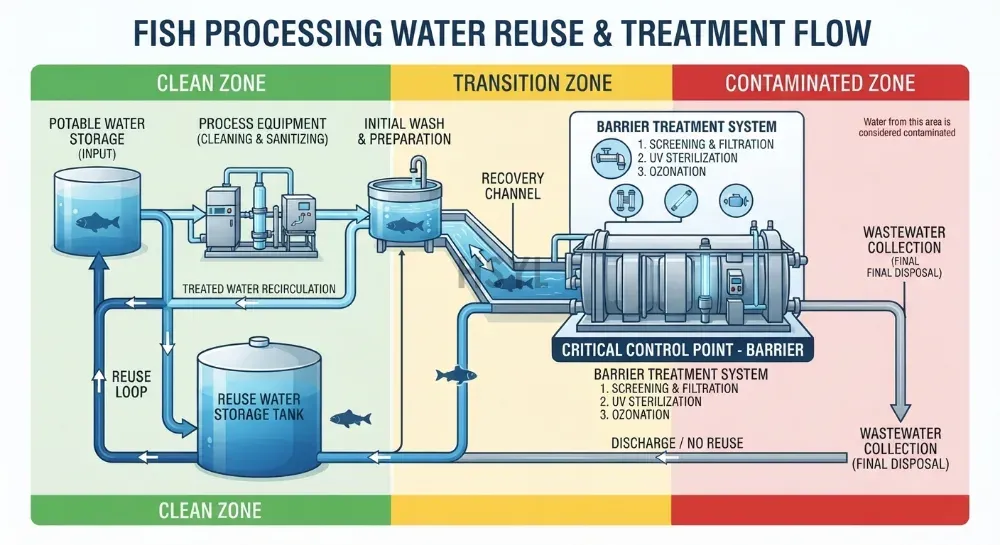
The scope covers risk-based water reuse in fish processing, from water source to reuse destination. It covers the risk-zone matrix, barriers, monitoring, and zoning. It does not cover water and energy balance (covered separately), retort utility optimization, or effluent treatment. The seafood processing equipment solutions page carries the processing scope where water reuse applies.
The Risk-Zone Reuse Matrix
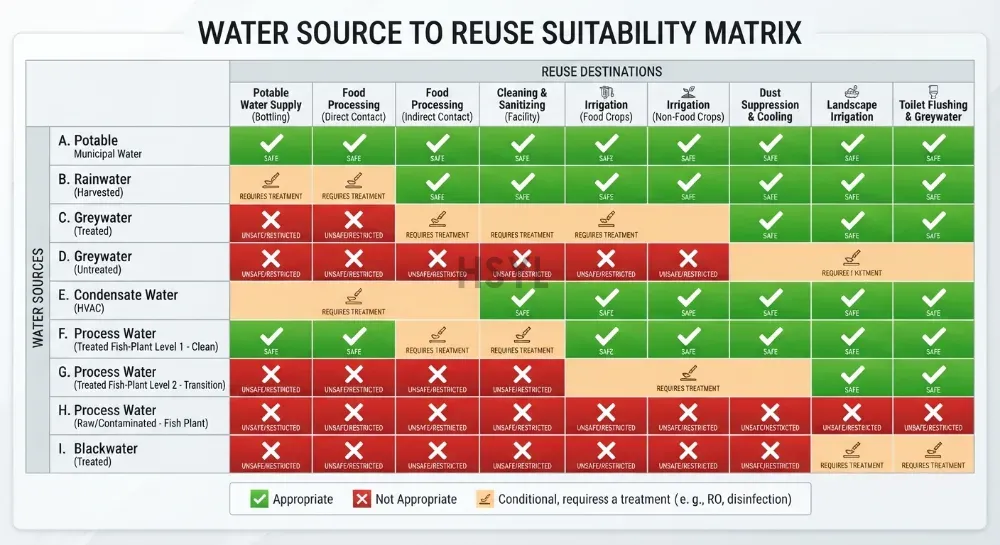
Whether water reuse is appropriate depends on the source (where the water came from) and the destination (where it is going). The matrix below shows the risk logic; the specific approval depends on the source, destination, barrier, and local regulation.
| Source → Destination | Clean water to product contact | Process water to CIP | Process water to washing | Process water to cooling |
|---|---|---|---|---|
| Fresh water (first use) | Appropriate | Appropriate | Appropriate | Appropriate |
| Cooling water (no product contact) | Not appropriate | Conditional (with barrier) | Appropriate (with barrier) | Appropriate (recirculate) |
| Wash water (raw fish contact) | Not appropriate | Not appropriate | Conditional (with barrier) | Conditional (with barrier) |
| CIP discharge | Not appropriate | Not appropriate | Not appropriate | Not appropriate |
"Conditional (with barrier)" means reuse may be appropriate if the water passes a barrier treatment (filtration, UV, membrane) and the monitoring confirms the barrier is working. "Not appropriate" means no reuse — the risk is too high regardless of barrier.
Barriers and Monitoring
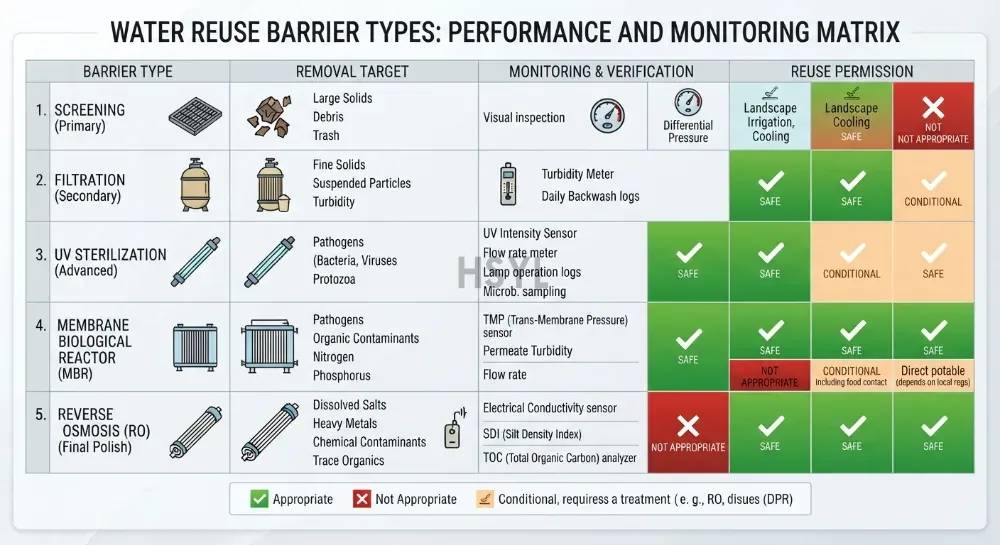
Barrier treatment is the control that makes conditional reuse possible. A barrier is a physical or chemical treatment that removes or inactivates contaminants from the water before reuse. The barrier must be matched to the contaminant, and its performance must be monitored.
| Barrier type | Removal target | Monitoring | Reuse permission |
|---|---|---|---|
| Screen | Solids, large debris | Pressure differential, visual | Cooling water to non-contact use |
| Filtration (sand, cartridge) | Suspended solids, some microbes | Pressure differential, turbidity | Cooling water to washing |
| UV | Microbes (bacteria, viruses) | UV dose, UV transmission, lamp status | Conditional reuse to washing |
| Membrane (UF, RO) | Solids, microbes, some dissolved | Pressure, permeate quality, conductivity | Conditional reuse to higher-grade use |
Compliance note: The Codex 2026 water reuse attachment is under review/consideration as of the last technical review date (2026-07-28). Until the final standard is adopted, water reuse must follow local regulation and a documented risk-based assessment. HSYL does not provide universal reuse approval — the risk-zone decision, barrier, and monitoring must be validated for your plant and your local regulation.
Water Flow Zoning
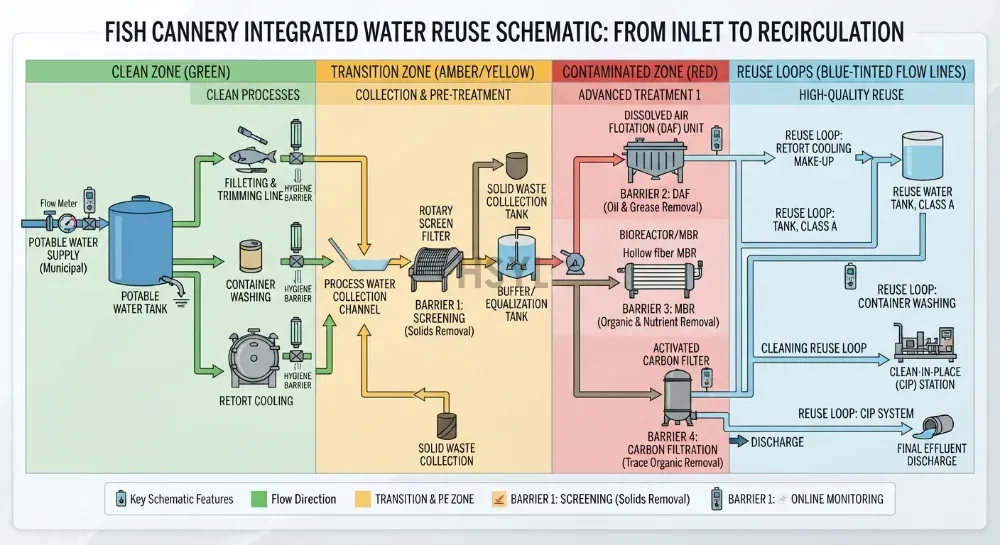
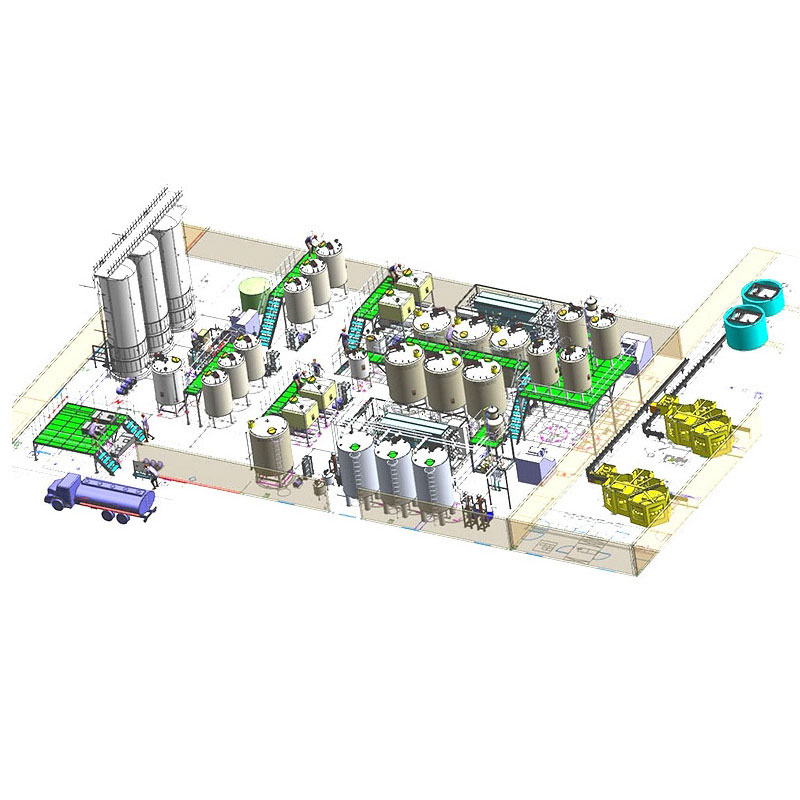
A defensible water reuse program zones the cannery water flow by risk. Clean water enters at the top of the risk hierarchy (product contact); it is reused downward (to non-contact process, then to washing, then to cooling or effluent) with barrier treatment at the zone boundaries. The zoning prevents water from moving upward in the risk hierarchy — wash water does not return to product contact; CIP discharge does not return to anything.
A canned fish production line water flow diagram should label each water source, each reuse destination, the barrier between zones, and the monitoring at each barrier. The diagram is the evidence that the zoning is risk-based — a water reuse program without a zoning diagram is a program where the risk logic is not documented.
Scope, Sources and Limitations
Scope. This article covers risk-based water reuse in fish processing, from water source to reuse destination. It covers the risk-zone matrix, barriers, monitoring, and zoning. It does not cover water and energy balance, retort utility optimization, or effluent treatment.
Limitations. All reuse principles and barrier descriptions are drawn from publicly available environmental and food-safety material. The Codex 2026 water reuse attachment is under review/consideration; the final standard may change the framework. Actual reuse approval depends on local regulation and a plant-specific risk assessment. HSYL does not publish project-specific reuse rates without verified evidence.
Source basis. Water reuse principles are consistent with FAO/WHO fish processing water guidance, Codex water reuse attachment (under review as of 2026-07-28), EU BAT 2019/2031, and industry water-management frameworks. Equipment-capability statements refer to HSYL equipment specifications.
Water Reuse and Risk Management Resources
Two resources complement this water reuse content. The seafood processing solutions page carries the processing scope where water reuse applies. The canned fish line page anchors the species-level line scope.
- Seafood processing equipment solutions — the broader seafood processing scope where water reuse zoning applies.
- Canned fish production line — the species-level line whose water flow the zoning diagram maps.
Next Step: Map Your Water Reuse Zones
Send HSYL your water sources, reuse destinations, current barrier treatments, and local regulation. HSYL will return a pre-filled risk-zone reuse matrix with the barrier and monitoring framework for your sources and destinations and a water flow zoning diagram template for your plant.
Frequently Asked Questions
Is water reuse appropriate in a fish cannery?
What is the Codex 2026 water reuse attachment and is it adopted?
What barrier treatment is needed for water reuse in fish processing?
Can wash water that contacted raw fish be reused?
Can HSYL approve a water reuse plan for my cannery?
Must-Read Blogs For Chain Restaurants Owner

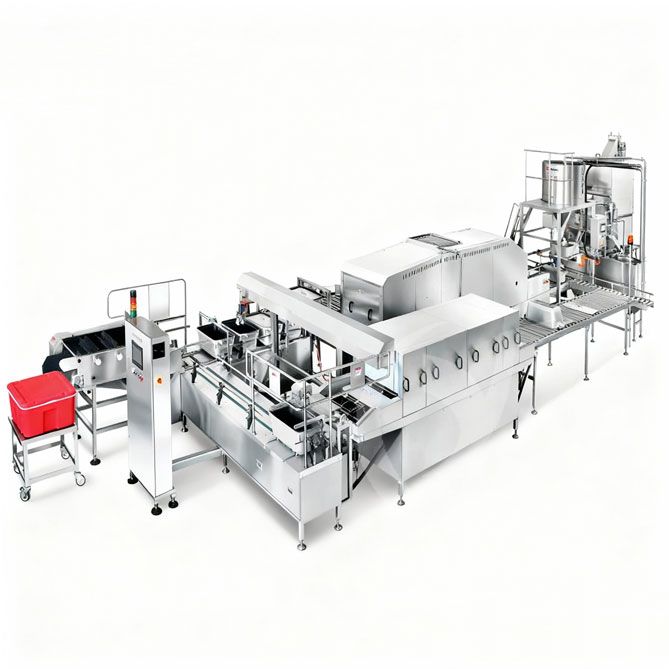
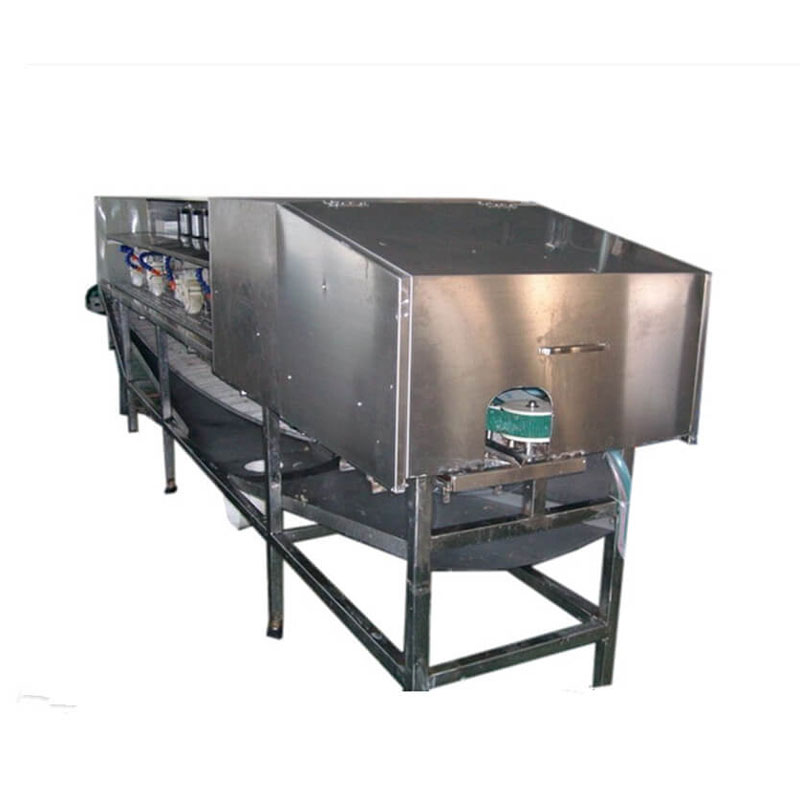 Fish Speed Cleaning Machine
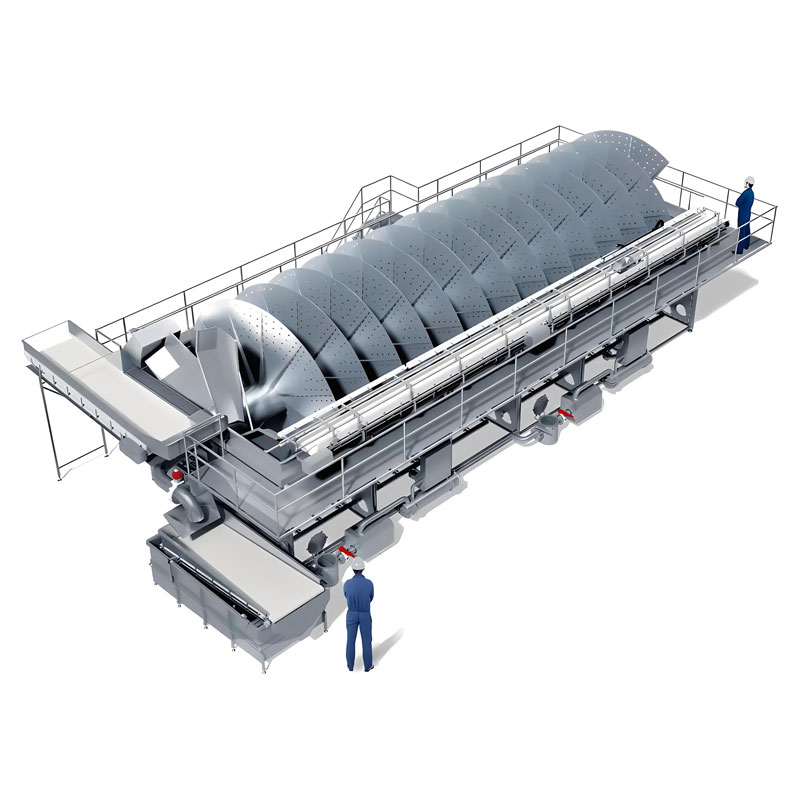 Salmon Processing Line
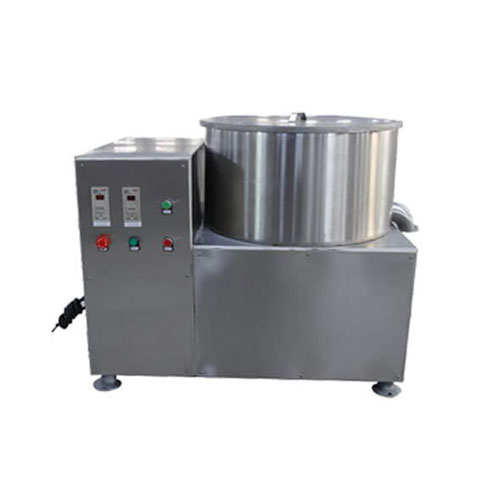 Centrifugal Dewatering Machine
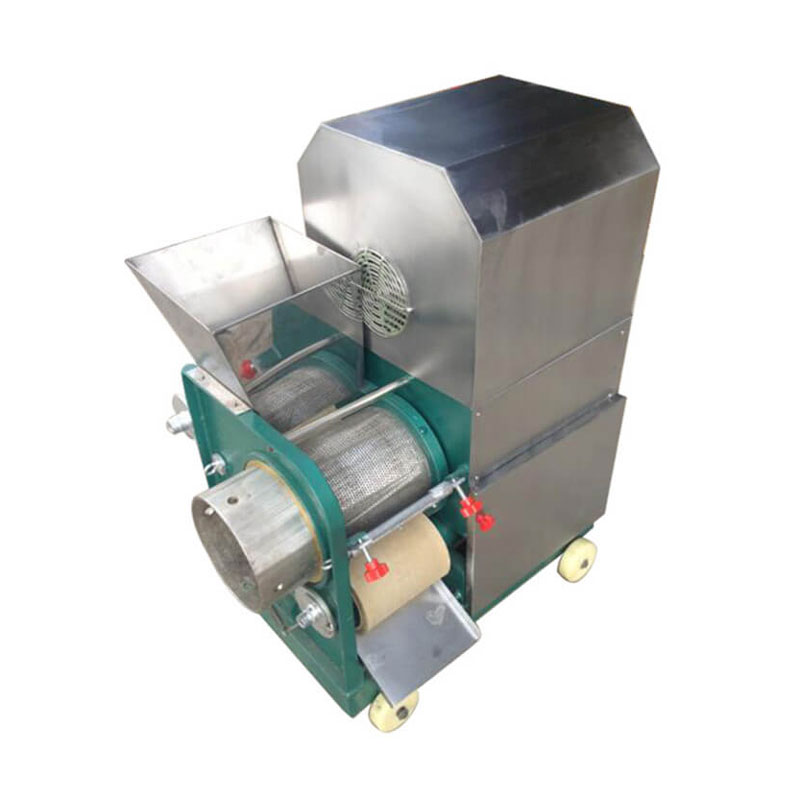 Fish Deboner Machine
Ready to Get Started?