
145g Tuna Canning Production Line - Chinese Manufacturer, Factory, Supplier
Engineering Parameters for 145g Retail Canning
| System Module | Technical Specification | Operational Advantage |
|---|---|---|
| Filling Throughput | 120 - 450 cans per minute (CPM) | Servo-Driven Synchronization |
| Filling Accuracy | +/- 2.0g per 145g Dose | Reduced Overfill Wastage |
| Thermal Process | 121°C High-Pressure Retort | Full Commercial Sterility (F0 > 6.0) |
| Material Spec | AISI 316L Contact Parts | Corrosion-Resistant Brine Handling |
145g Tuna Canning Production Line + Fixed-Weight Precision Focus
In the competitive tuna export market, the stability of the 145g solid-fill ratio is the primary determinant of profitability. Our integrated canning architecture utilizes a specialized chunk-filling mechanism that separates the tuna into precise segments before insertion into the can. This prevents the "crushing" of meat fibers associated with standard piston fillers. By integrating a high-speed automatic can sealing machine, we maintain a consistent vacuum seal at 300+ CPM, ensuring the 145g tinplate integrity is preserved during high-pressure thermal shifts.
The dosing stage for oil or brine employs magnetic flowmeters rather than timed sprayers. This allows for a dosing precision of +/- 0.5ml, which is critical when processing high-value skipjack or yellowfin. Each system is designed with a bypass loop for the cleaning cycle, ensuring that biological residues from the tuna proteins are flushed at 85°C during mandatory shift sanitation.
Overcoming Yield Gaps and Thermal Over-Processing
The biggest challenge in 145g production is preventing "honeycombing" or moisture loss during the sterilization phase. HSYL solves this through a programmed pressure-compensation retort cycle. By mapping the thermal penetration curve of the 145g chunk meat, our PLC adjusts the cooling curve to prevent the can from "peaking" while locking in the natural juices of the fish. This results in a higher drained weight recovery compared to traditional steam-only retorts.
Furthermore, the line incorporates a modular sterilization equipment for fish canning production line that can be adjusted for varying raw material textures. Whether processing oil-rich tuna or lean brine-packed flakes, the automated retort cages ensure uniform heat distribution, eliminating the "cold spot" typical in large-diameter vertical baskets.
Maintenance & Durability for Marine Environments
Operating a tuna cannery often involves high-salinity environments that rapidly degrade standard machinery. To ensure a 15-year operational lifespan, HSYL employs:
- AISI 316L Grade Stainless Steel: Specified for all filler heads and brine manifolds to resist chloride pitting.
- Sealed Bearing Housings: IP69K rated protection to prevent fish oil and saltwater ingress during high-pressure washdowns.
- Automatic Lubrication Arrays: Centralized grease distribution to all seamer spindles and starwheel shafts, reducing friction-induced seam defects.
By implementing these high-durability components, we minimize the total cost of ownership (TCO) and reduce unplanned downtime caused by salt-induced corrosion of electrical and mechanical drive systems.
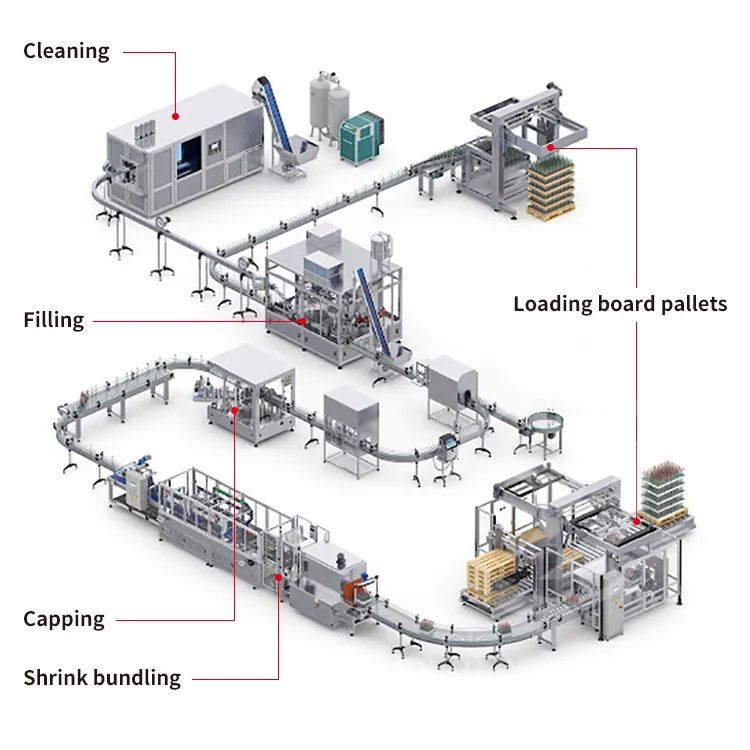 Aseptic Canning Production Line Equipment
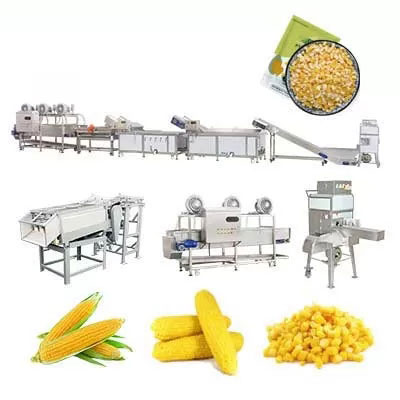 Sweet Corn Canning Production Line
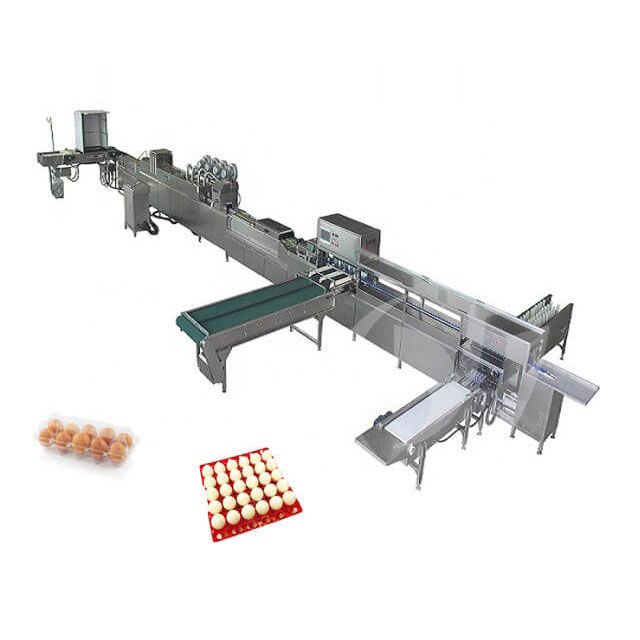 Egg Canning Production Line
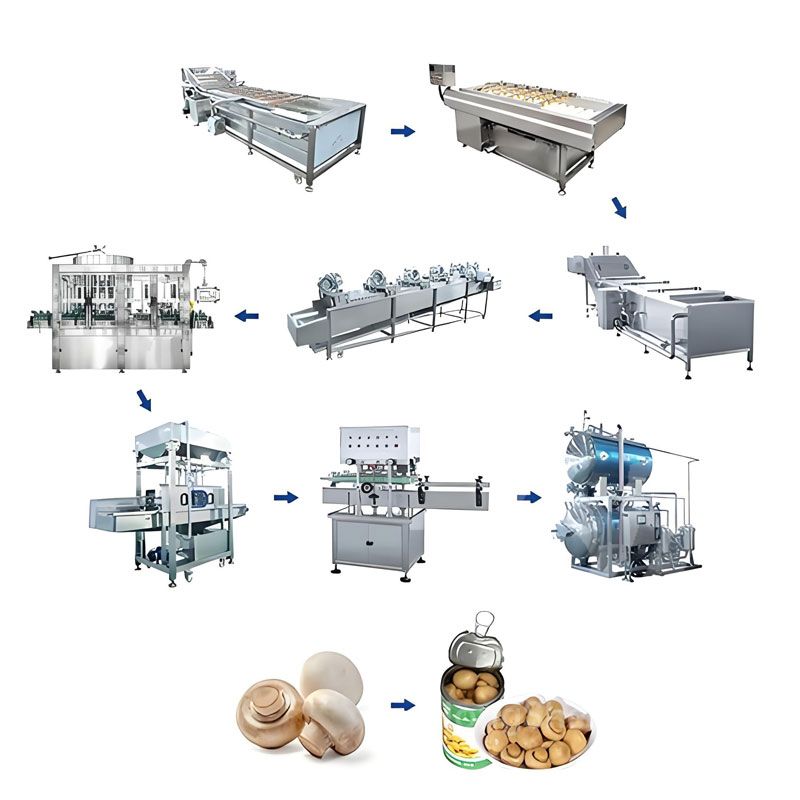 Button Mushroom Canning Production Line
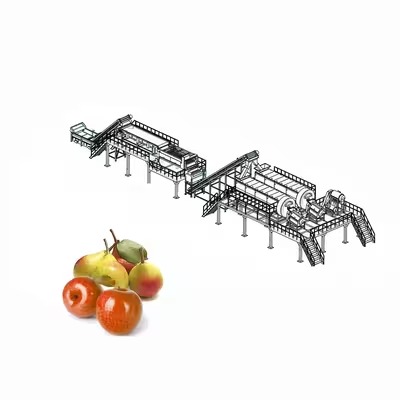 Apple Canning Production Line
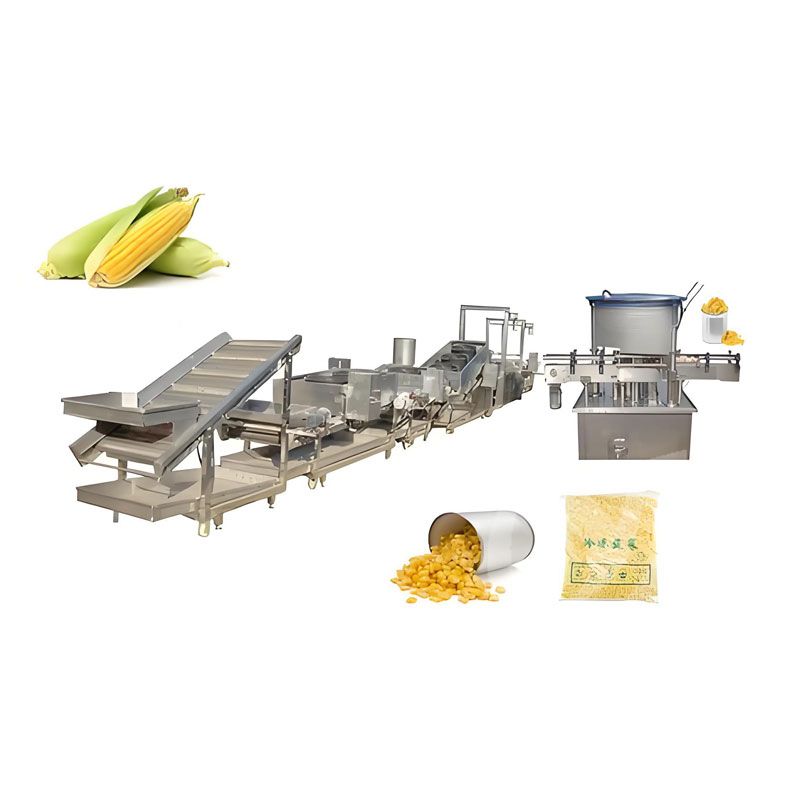 Corn Canning Production Line
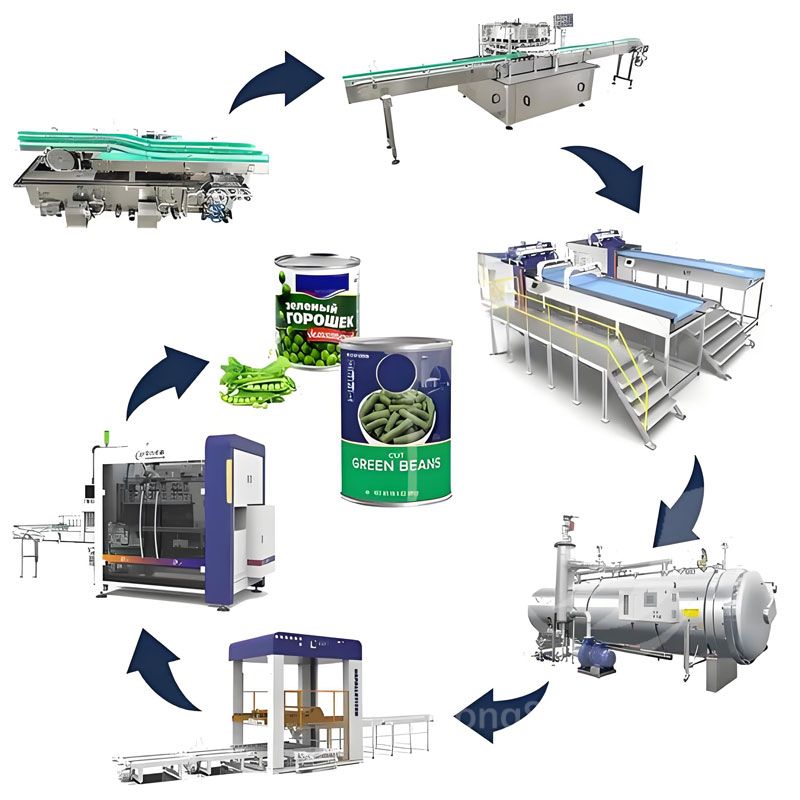 Green Bean Canned Food Production Line
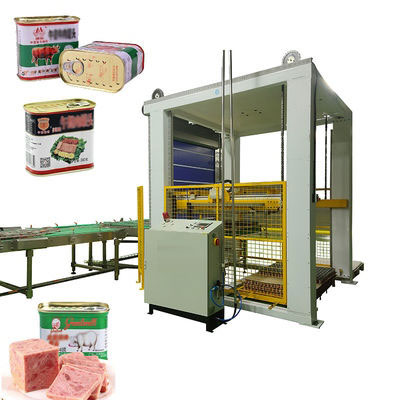 Canned Meat Production Line
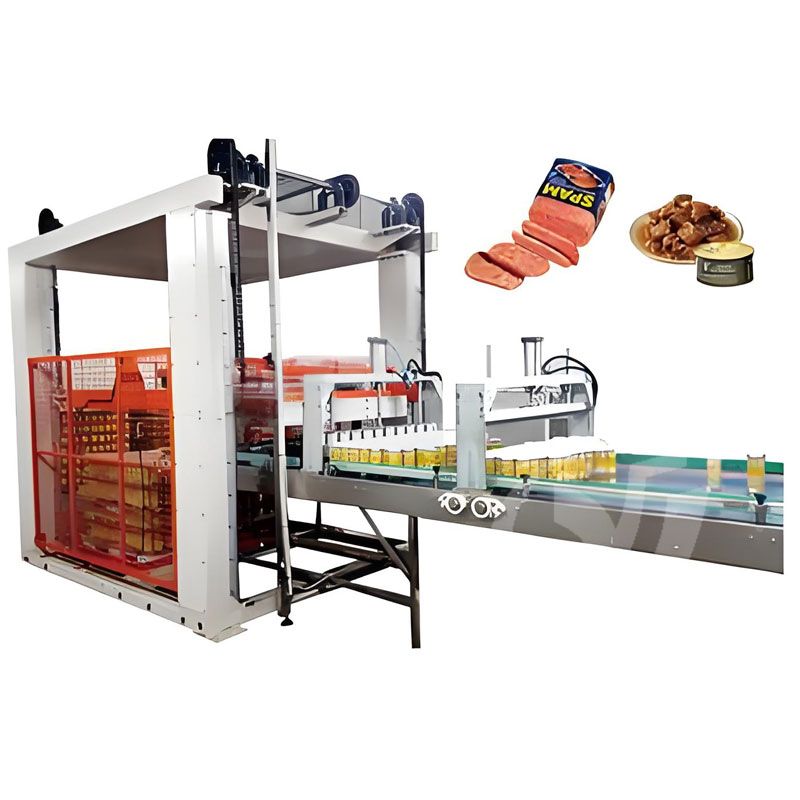 Canned Luncheon Meat Production Line
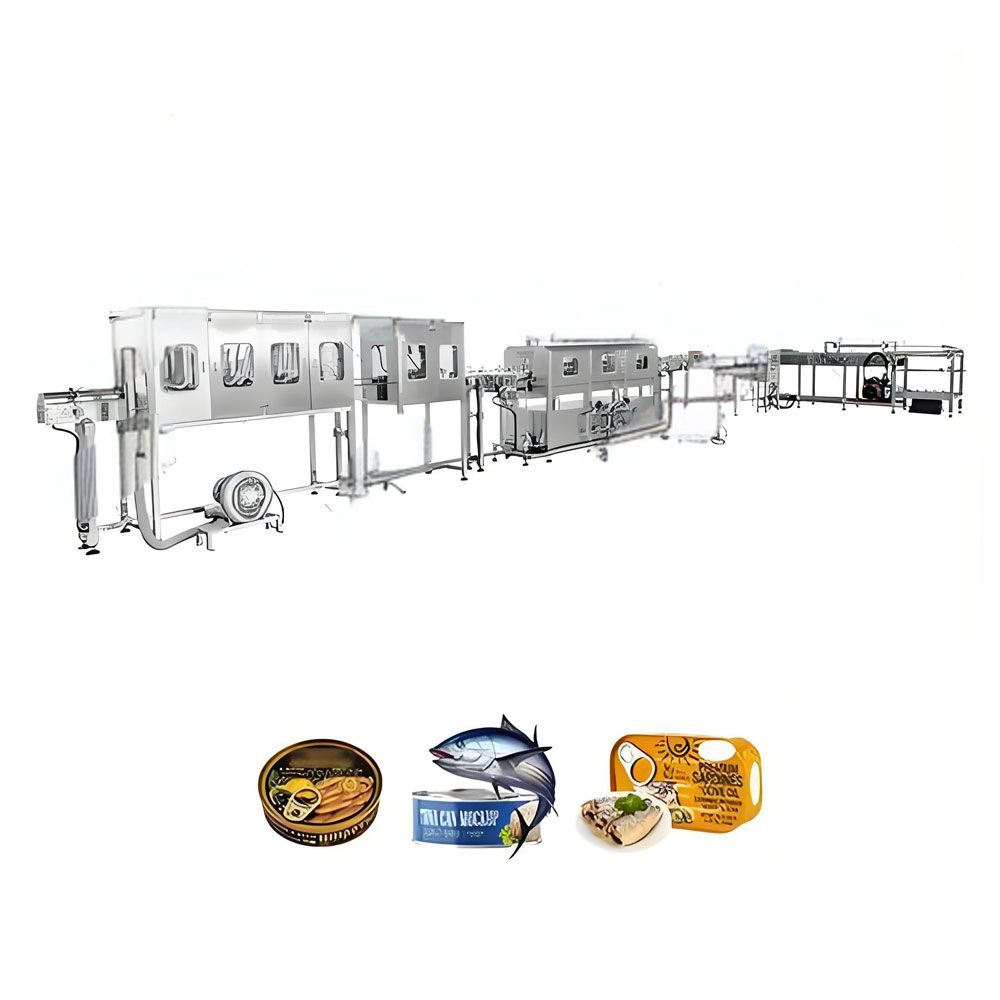 Eel Canned Food Production Line
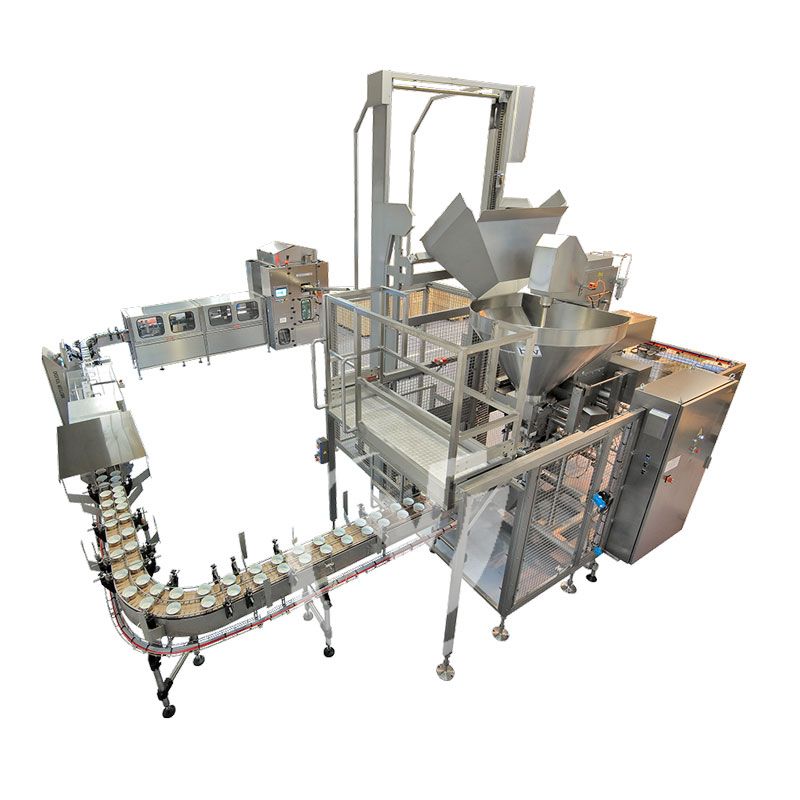 Pet Fish Meat Canning Production Line
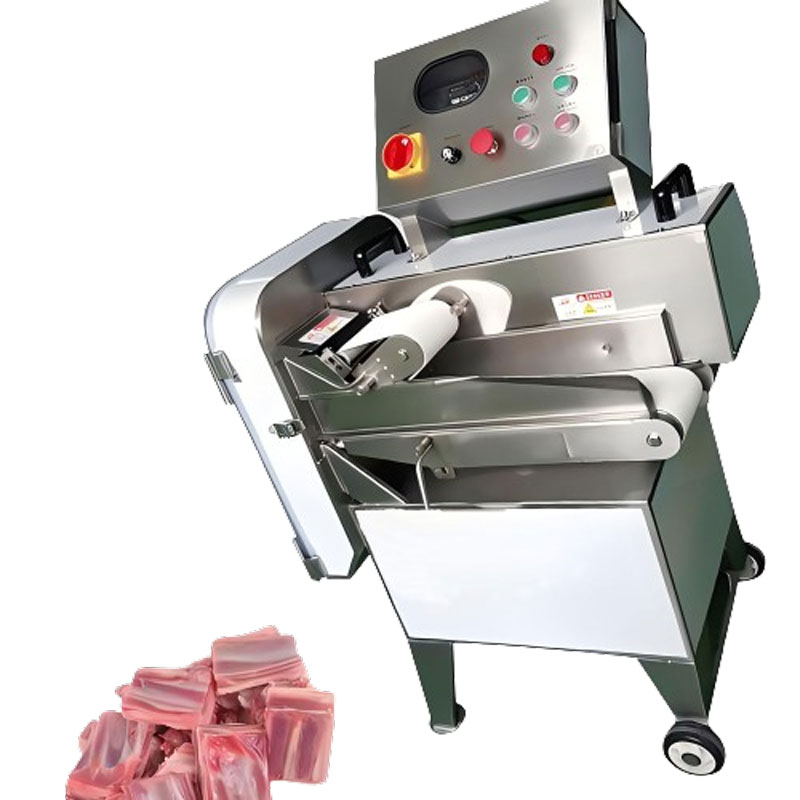 Frozen Meat Ribs Dicing Machine
 Potato Chip Line
 Chicken Nugget Processing Line
 Small Scale Tomato Sauce Making Machine
 Yogurt Making Machine
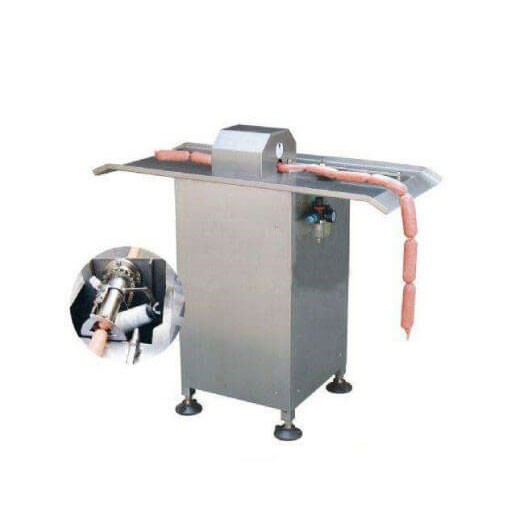 Sausage Tying Machine
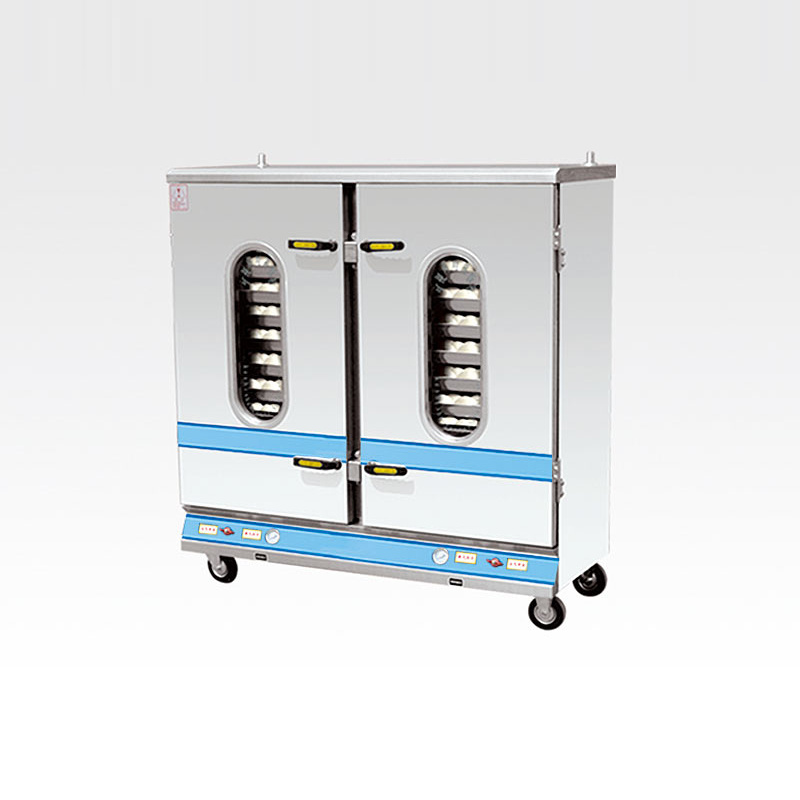 The Double-Door Steaming Cabinet With A Viewing Window