
Food Canning Line Price - Chinese Manufacturer, Factory, Supplier
The Food Canning Line is a fully automated production system designed for a wide variety of canned products, including fish, meat, vegetables, fruits, sauces, and ready-to-eat meals. Its price varies depending on production capacity, automation level, can size, product type, and optional modules, but it represents a strategic investment for manufacturers seeking efficiency, hygiene, and high output.
Factors Affecting Food Canning Line Price
Production Capacity
Lines range from small-scale systems producing a few thousand cans per hour to industrial lines capable of 30,000–50,000 cans per hour. Higher capacity requires more robust filling, sealing, and sterilization equipment.Automation Level
Semi-automatic lines are less expensive but require more labor, while fully automatic systems with PLC control, integrated conveyors, and modular equipment cost more but offer higher efficiency, consistent quality, and reduced labor costs.Product Type & Can Material
The configuration depends on whether the line processes seafood, meat, vegetables, or sauces and whether cans are tinplate, aluminum, or glass jars. Special products, such as delicate seafood or high-acid sauces, require precise temperature and sterilization control, influencing overall cost.Optional Modules
Additional features such as vacuum filling, automatic labeling, CIP (Clean-in-Place) systems, retort sterilizers, or custom can handling conveyors can affect pricing.
Typical Price Ranges
Small-Scale Lines: $50,000–$120,000 – suitable for startups or low-volume production.
Medium-Scale Lines: $120,000–$350,000 – ideal for medium-sized factories with moderate output.
Large Industrial Lines: $350,000–$1,200,000+ – fully automated, high-capacity lines for large-scale production.
Why Invest in a Professional Food Canning Line
Ensures consistent product quality and hygiene.
Reduces labor costs through automation.
Complies with HACCP, ISO22000, and CE standards.
Provides scalable solutions for future expansion.
Integrates with packaging, labeling, and logistics systems for a turnkey solution.
Turnkey Solutions & Supplier Support
Leading manufacturers like Qingdao Hongshengyuanlin Co., Ltd. provide complete turnkey canning solutions, including:
Factory layout design
Equipment installation and commissioning
Operator training and technical support
Choosing a reliable supplier ensures optimal performance, energy efficiency, and long-term operational stability. Investing in a high-quality Food Canning Line enables your factory to achieve competitive production efficiency, superior product quality, and sustainable profitability.
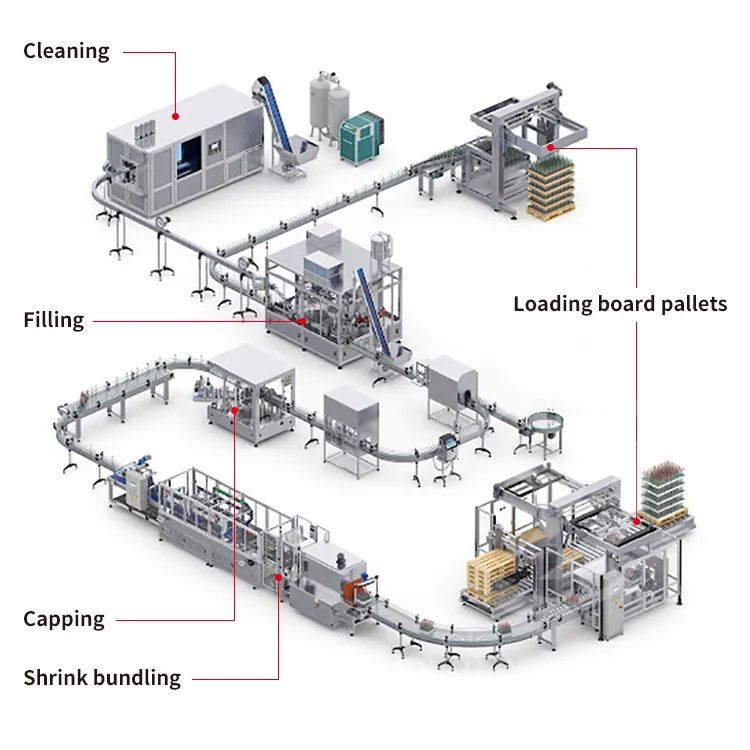 Aseptic Canning Production Line Equipment
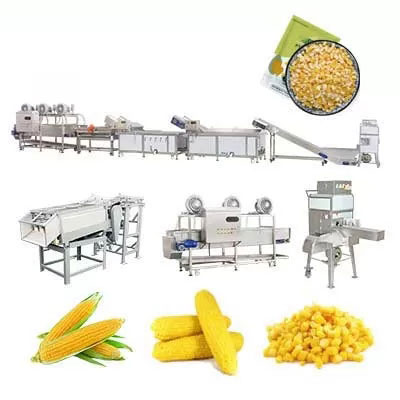 Sweet Corn Canning Production Line
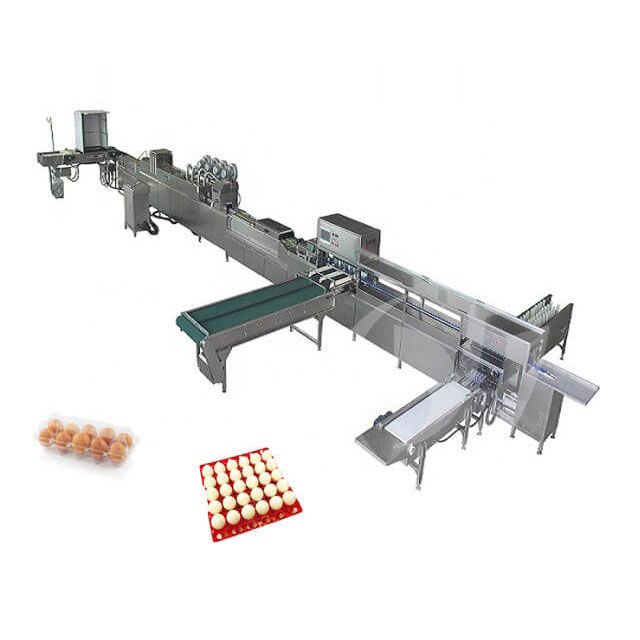 Egg Canning Production Line
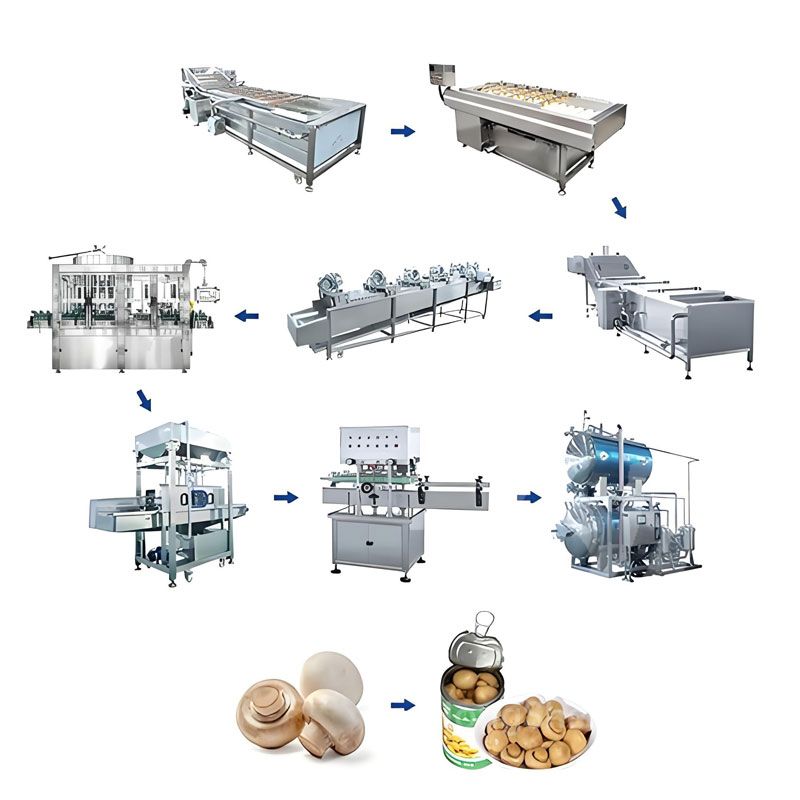 Button Mushroom Canning Production Line
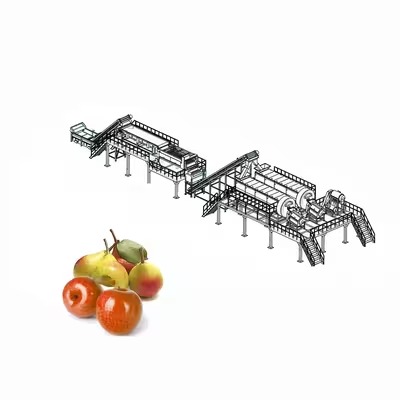 Apple Canning Production Line
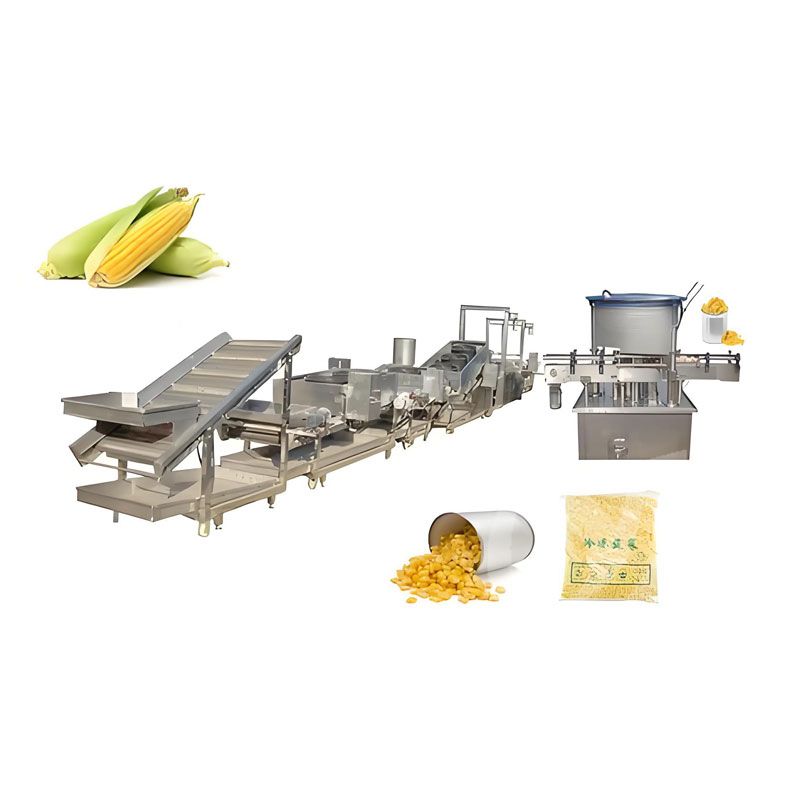 Corn Canning Production Line
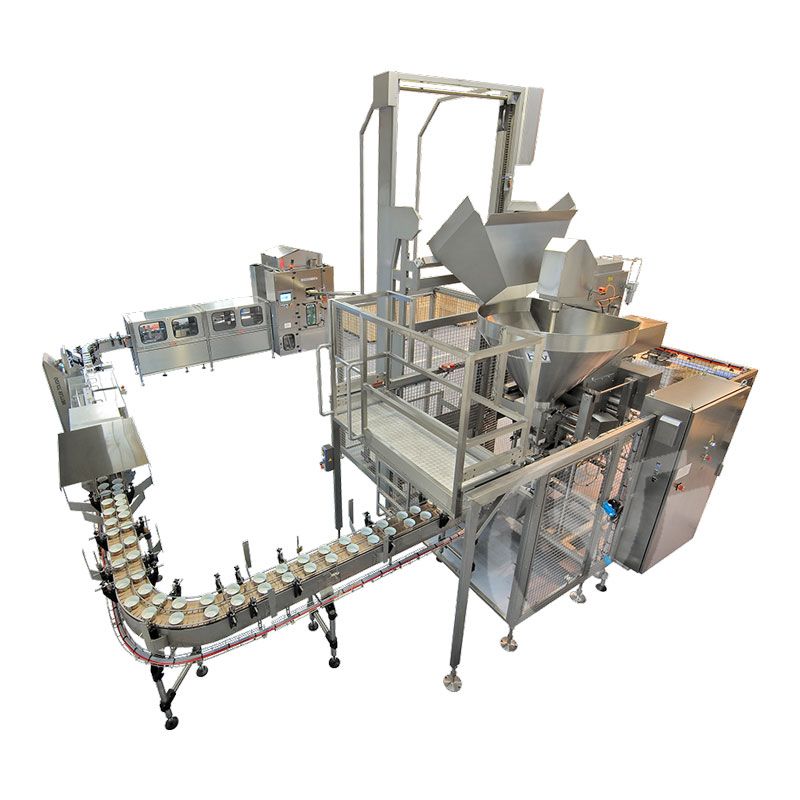 Meat Canned Food Production Line
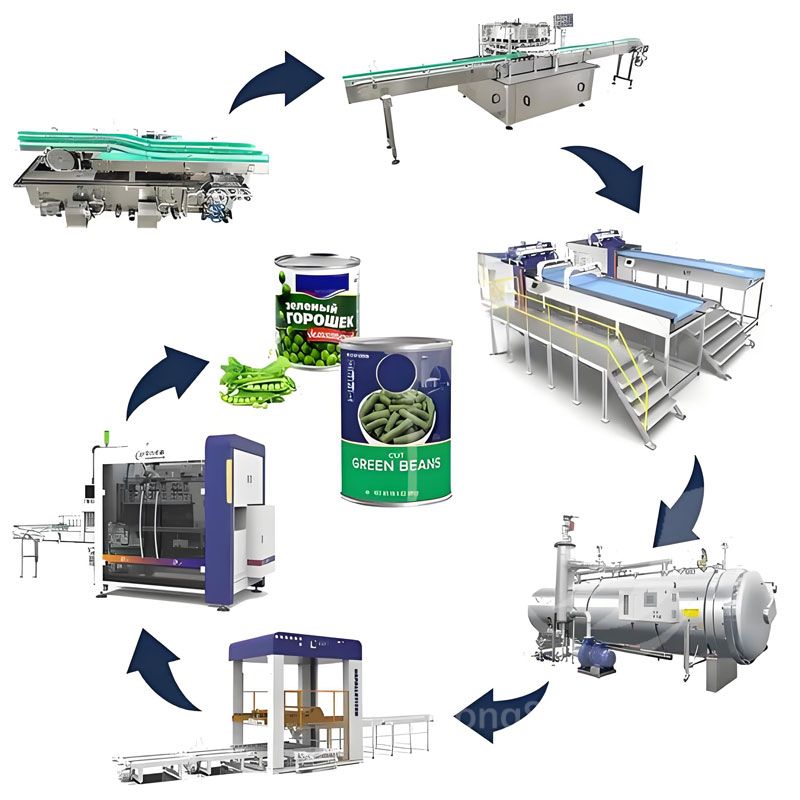 Green Bean Canned Food Production Line
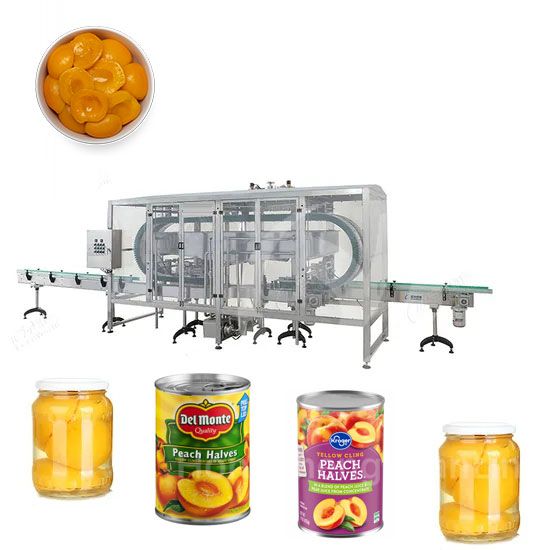 Peach Canned Food Production Line
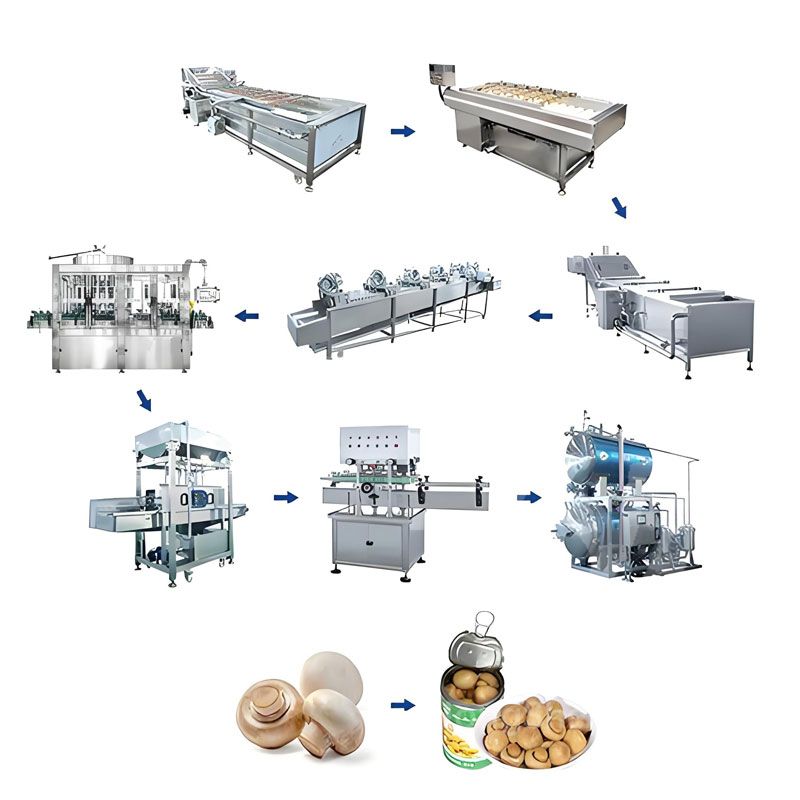 Edible Mushroom Canned Food Production Line
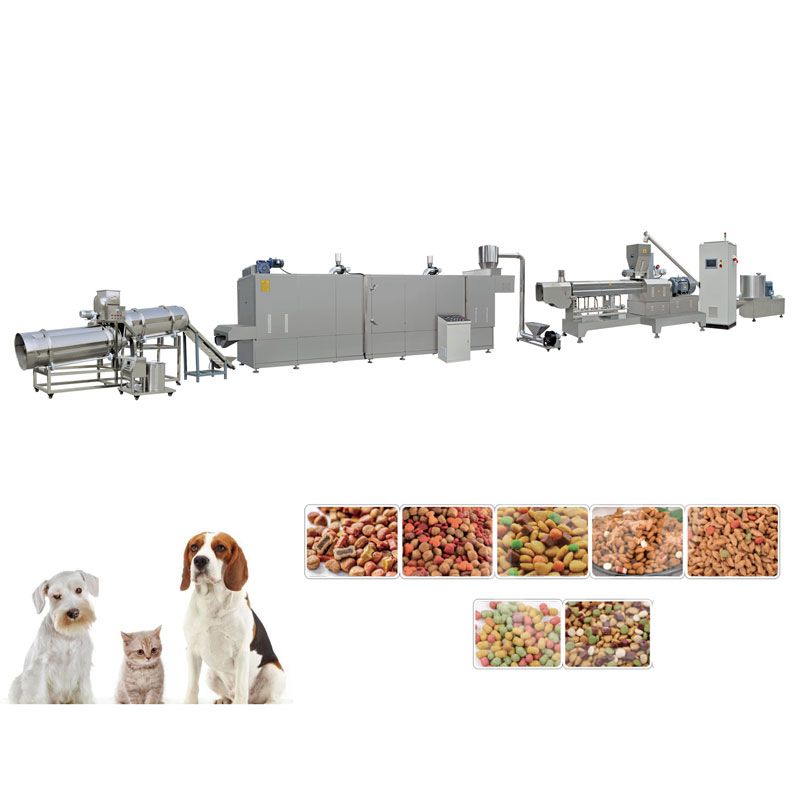 Pet Canned Food Production Line
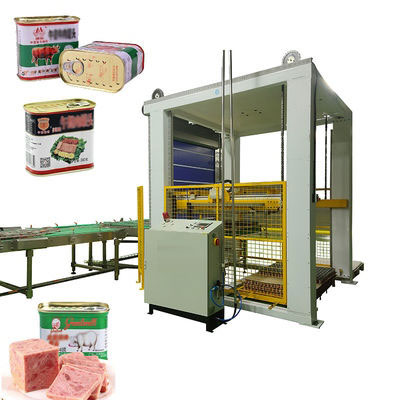 Canned Meat Production Line
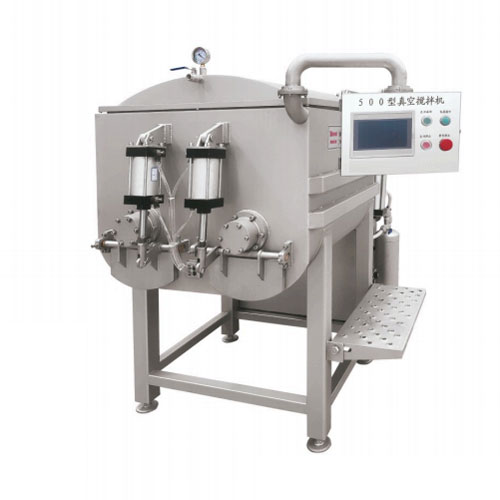 Vacuum Stuffing Machine
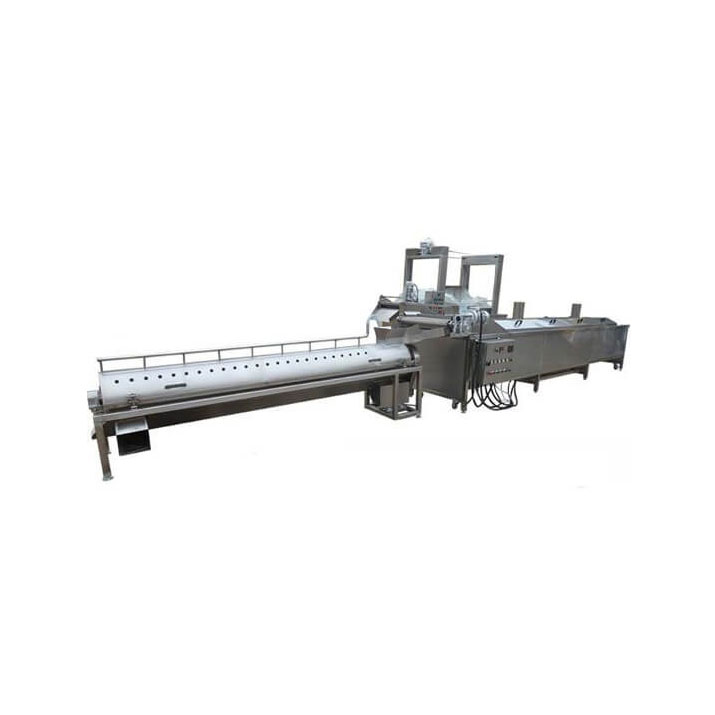 Chicken Feet Peeling Production Line
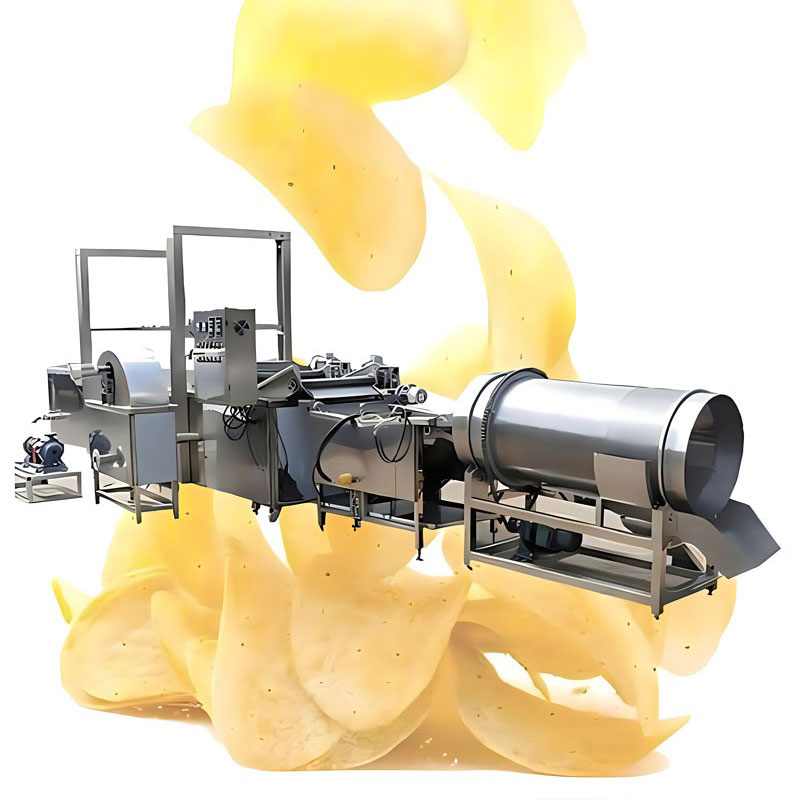 Fully Automatic Potato Chips Line
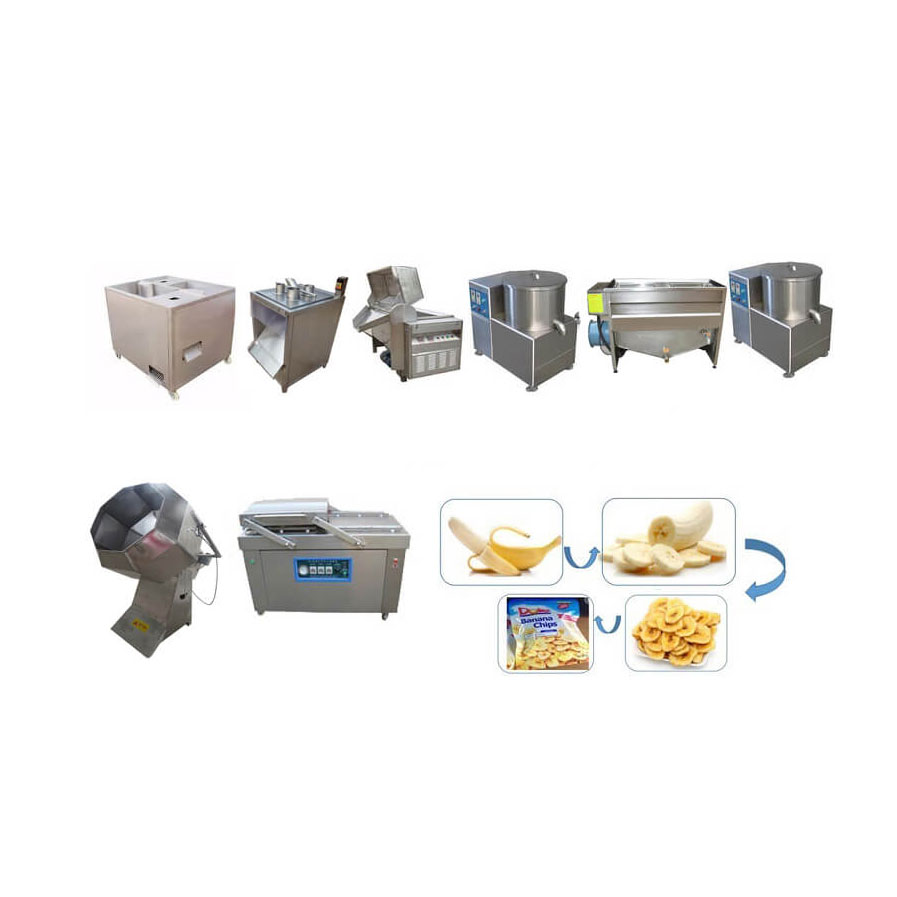 Small Scale Banana Chips Production Line
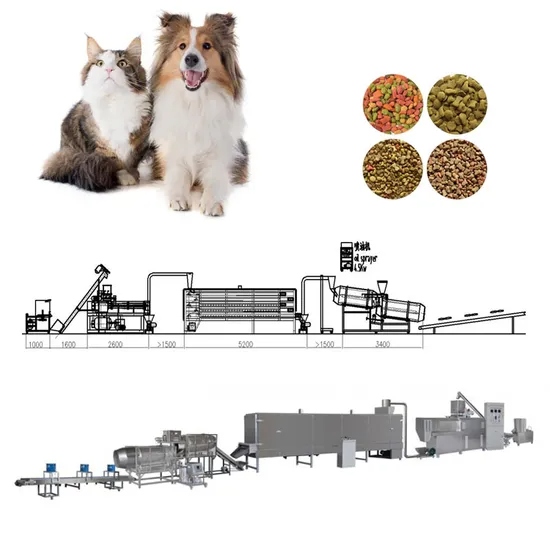 Dry Pet Food Production Line
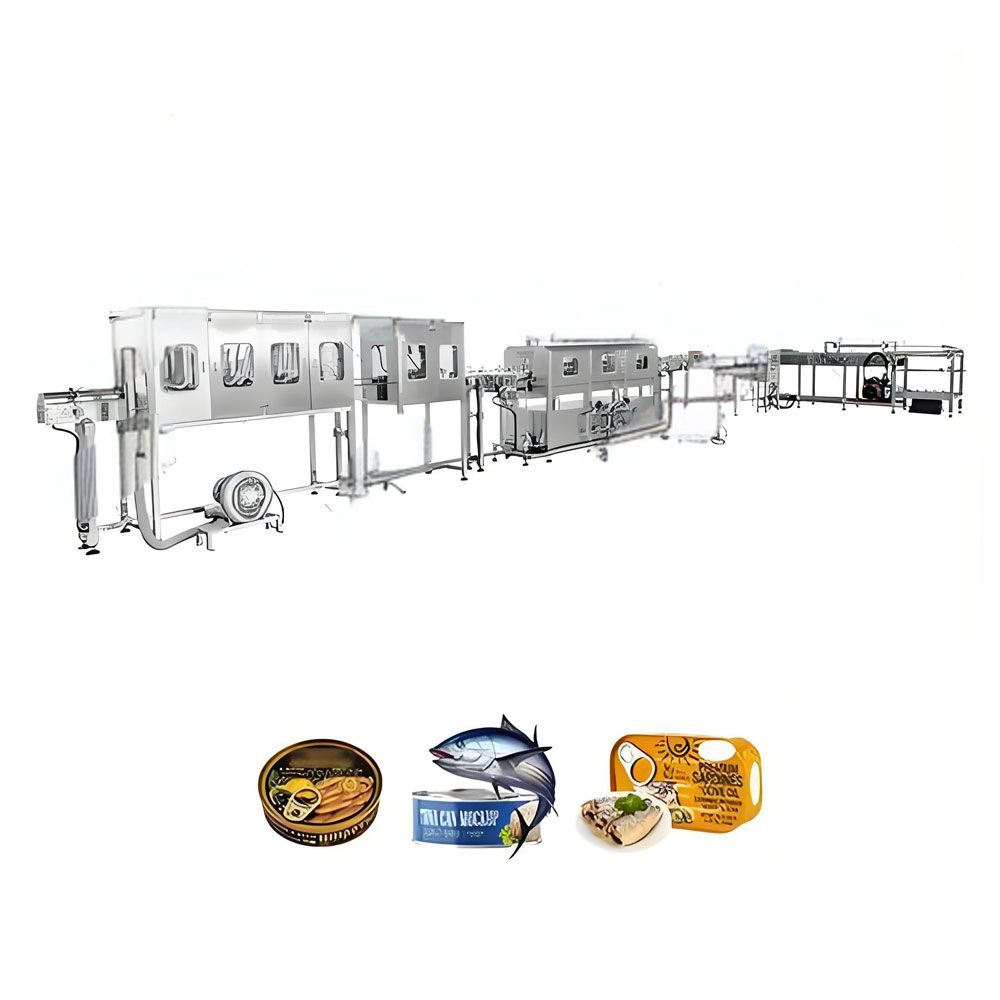 Sardine Canned Food Production Line