
Beef Canned Food Production Line - Chinese Manufacturer, Factory, Supplier
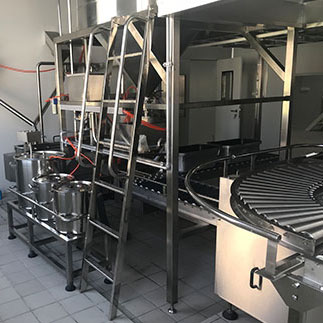
The beef Canned Food Production Line is a state-of-the-art system engineered to handle every stage of beef canning with efficiency, precision, and strict adherence to global food safety regulations. It covers an integrated process flow that begins with raw meat cutting, trimming, and weighing, followed by cooking, seasoning, and sauce preparation. Advanced filling equipment then ensures accurate dosing of beef chunks, gravy, or broth into cans or jars, after which sealing, sterilization, and rapid cooling guarantee a long shelf life without compromising flavor or nutritional value.
Designed for industrial-scale operations, the production line reduces dependency on manual labor while delivering consistent product quality. Automated sterilization systems, such as retort or autoclave technology, effectively eliminate harmful microorganisms, ensuring the safety of every batch. Precise temperature and pressure control protect the natural tenderness of beef and preserve its original taste, making the final product highly appealing to end consumers.
Flexibility is a hallmark of this production line. It can accommodate various product formats, including plain beef, beef with vegetables, or spiced beef stews, as well as diverse packaging types such as tin cans, glass jars, and retort pouches. The modular design allows manufacturers to expand or adapt their production capacity in response to changing market demand, whether for small-batch specialty foods or high-volume commercial output.
With the global demand for protein-rich, ready-to-eat meals on the rise, the beef canned food production line provides food manufacturers with a competitive edge. It ensures reliable production performance, cost efficiency through reduced waste, and compliance with HACCP, ISO, and GMP standards. By integrating cutting-edge automation, processors can improve throughput, optimize resource utilization, and achieve long-term operational sustainability.
For enterprises aiming to strengthen their position in both domestic and international markets, investing in a modern beef canned food production line is not just a technical upgrade but a strategic move toward brand credibility, product diversification, and global market expansion.
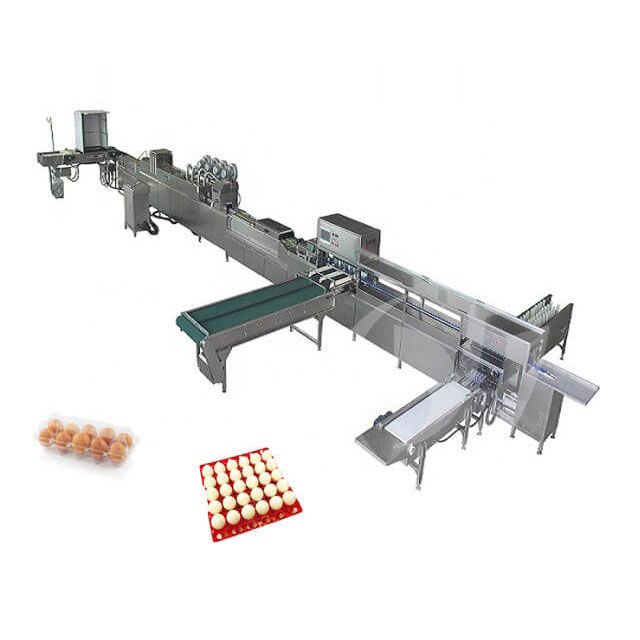 Egg Canning Production Line
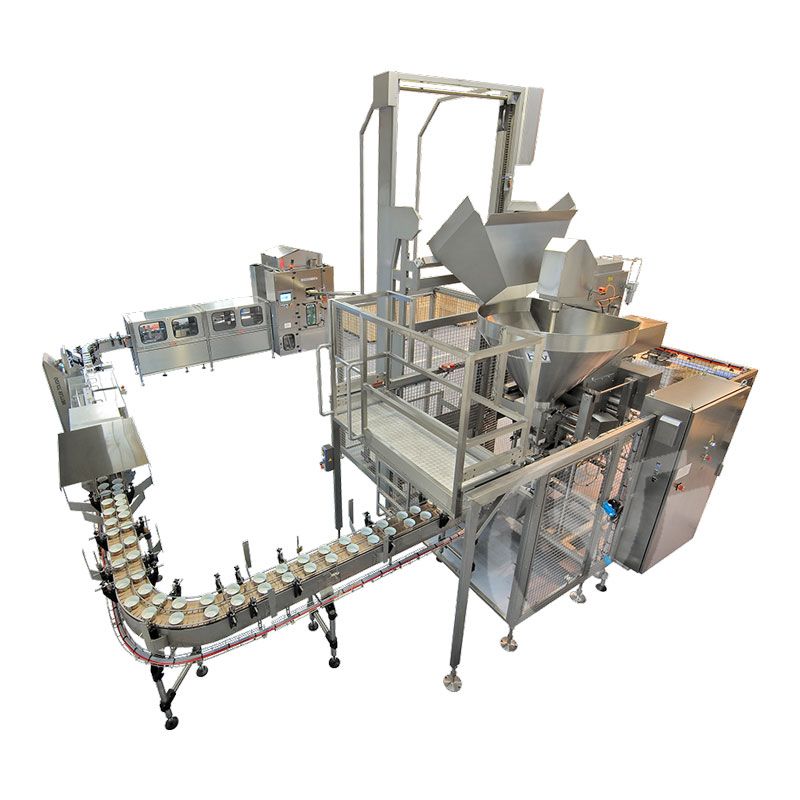 Meat Canned Food Production Line
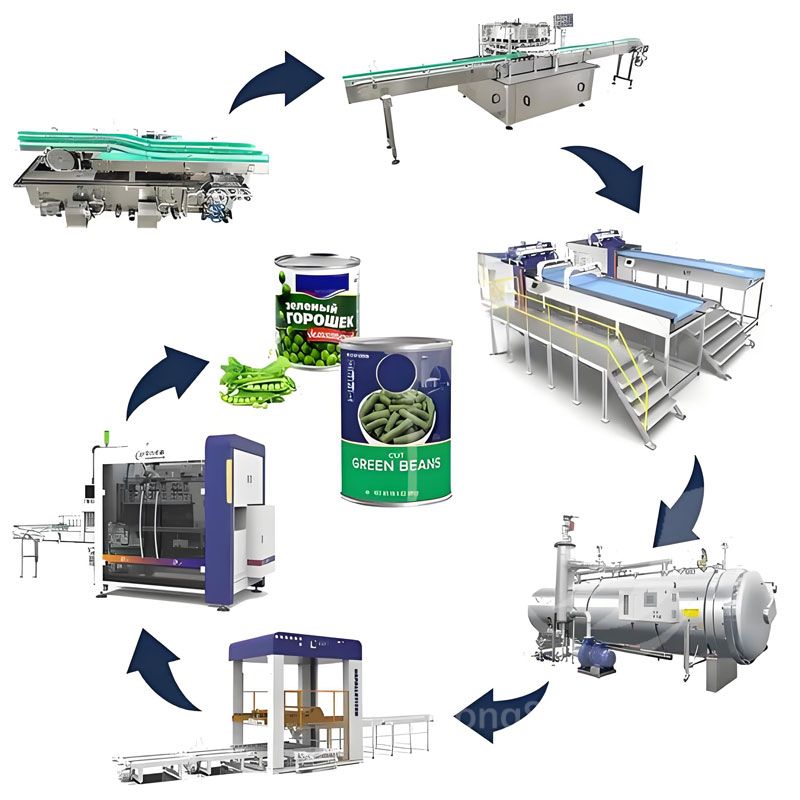 Green Bean Canned Food Production Line
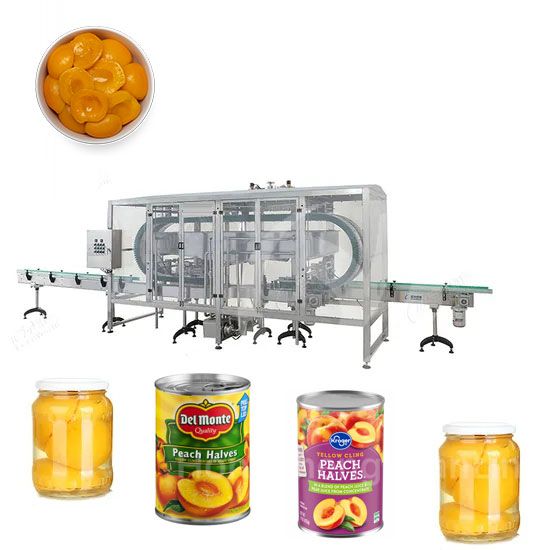 Peach Canned Food Production Line
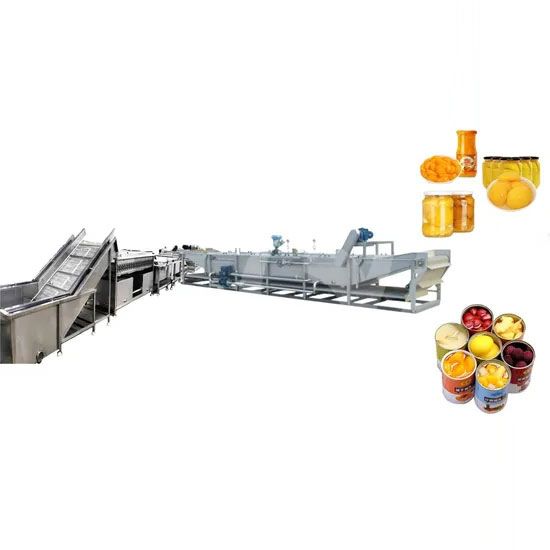 Canned Fruit Production Line Equipment
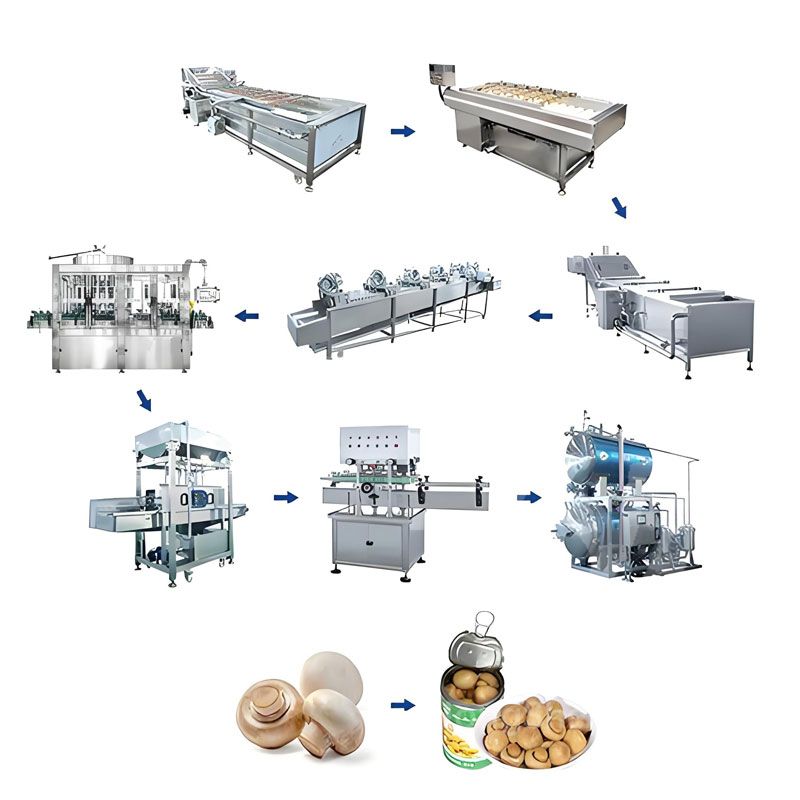 Edible Mushroom Canned Food Production Line
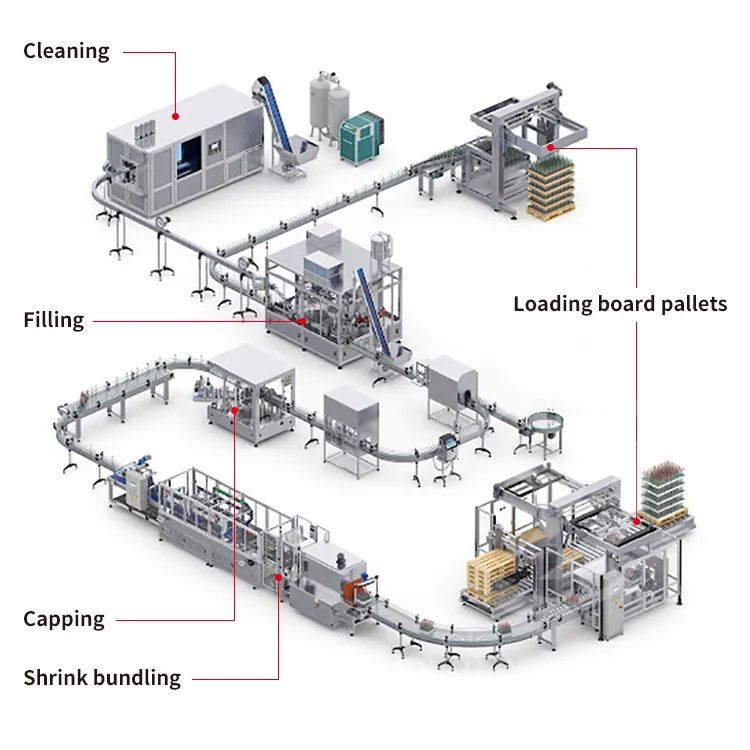 Chicken Soup Canned Production Line
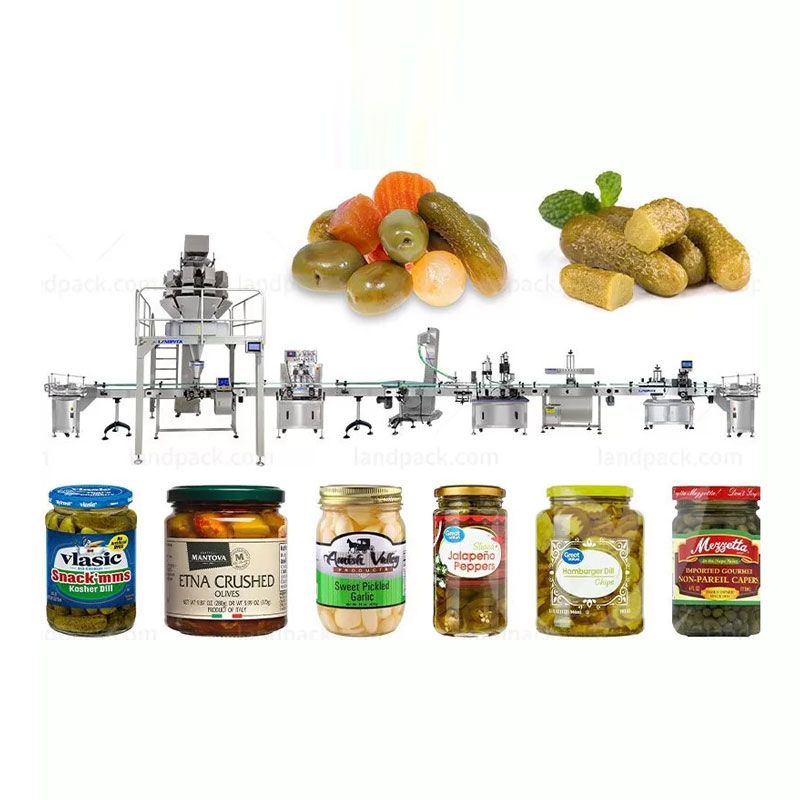 Cucumber Canned Production Line
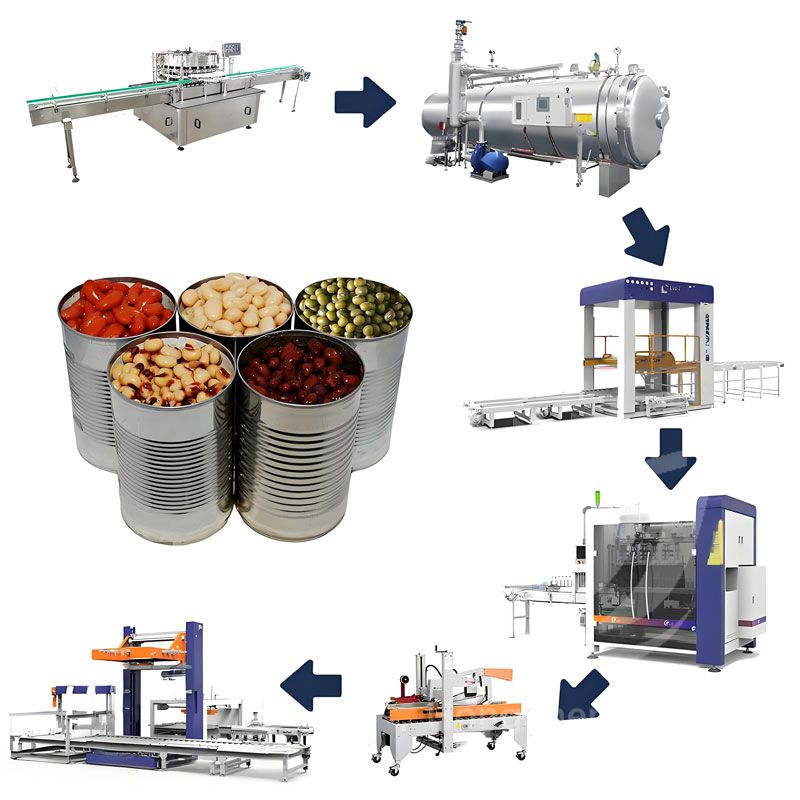 Canned Beans Production Line
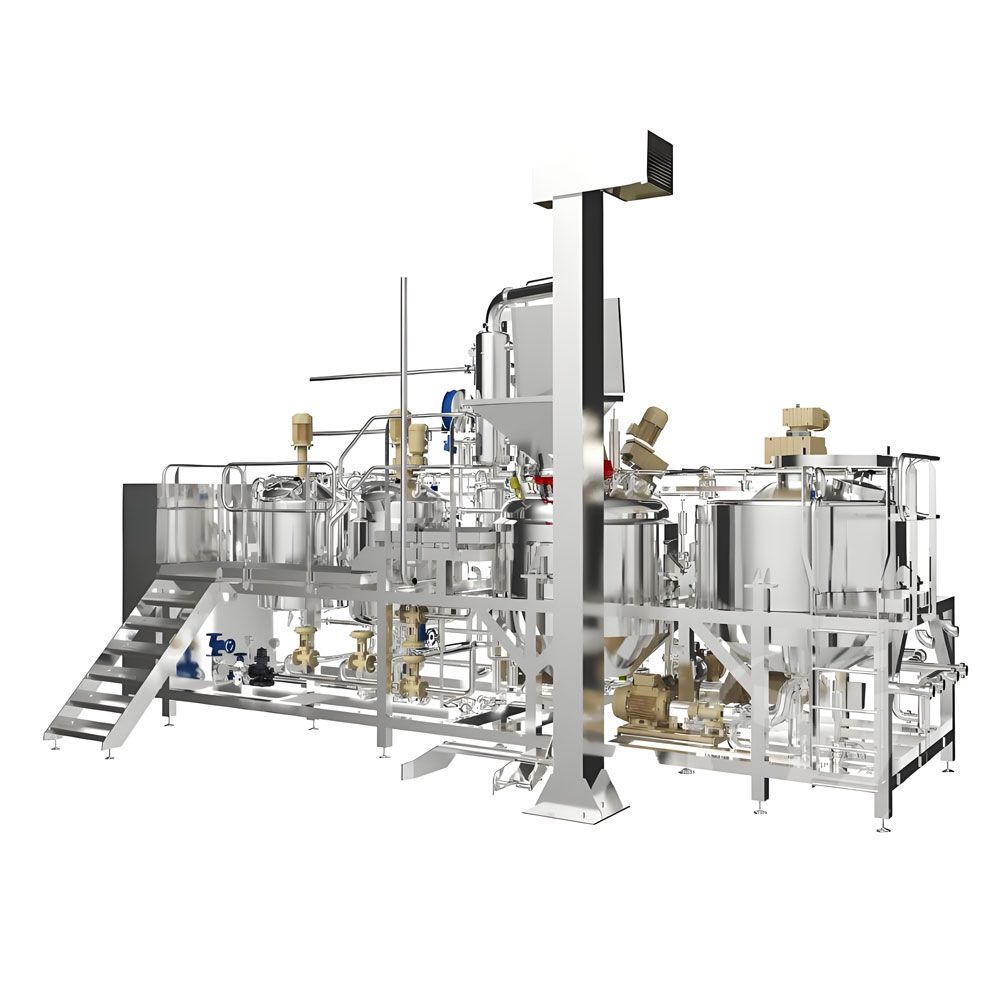 Jam Canned Production Line
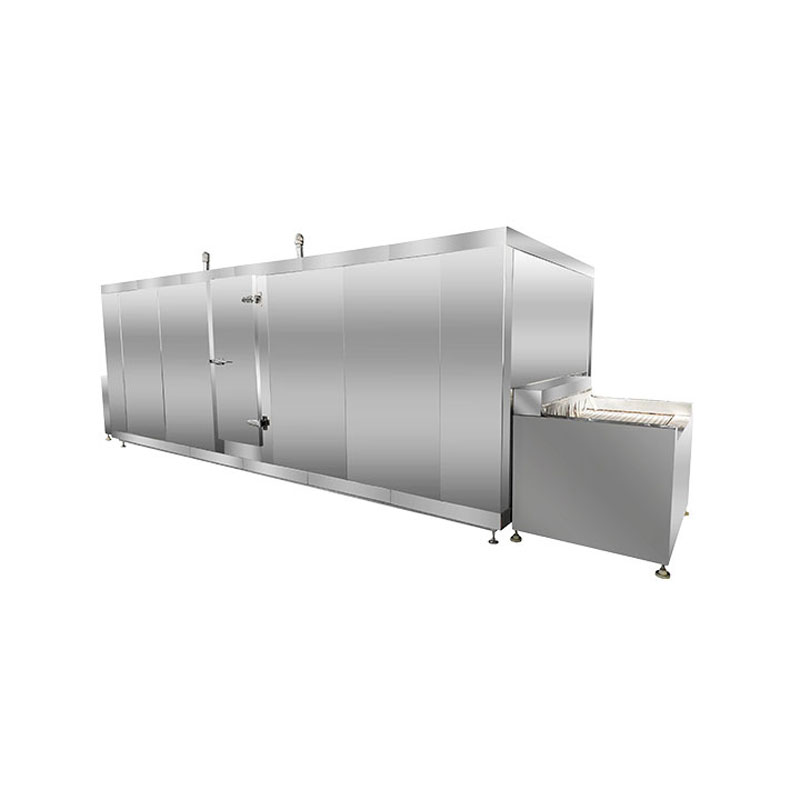 IQF Processing Line
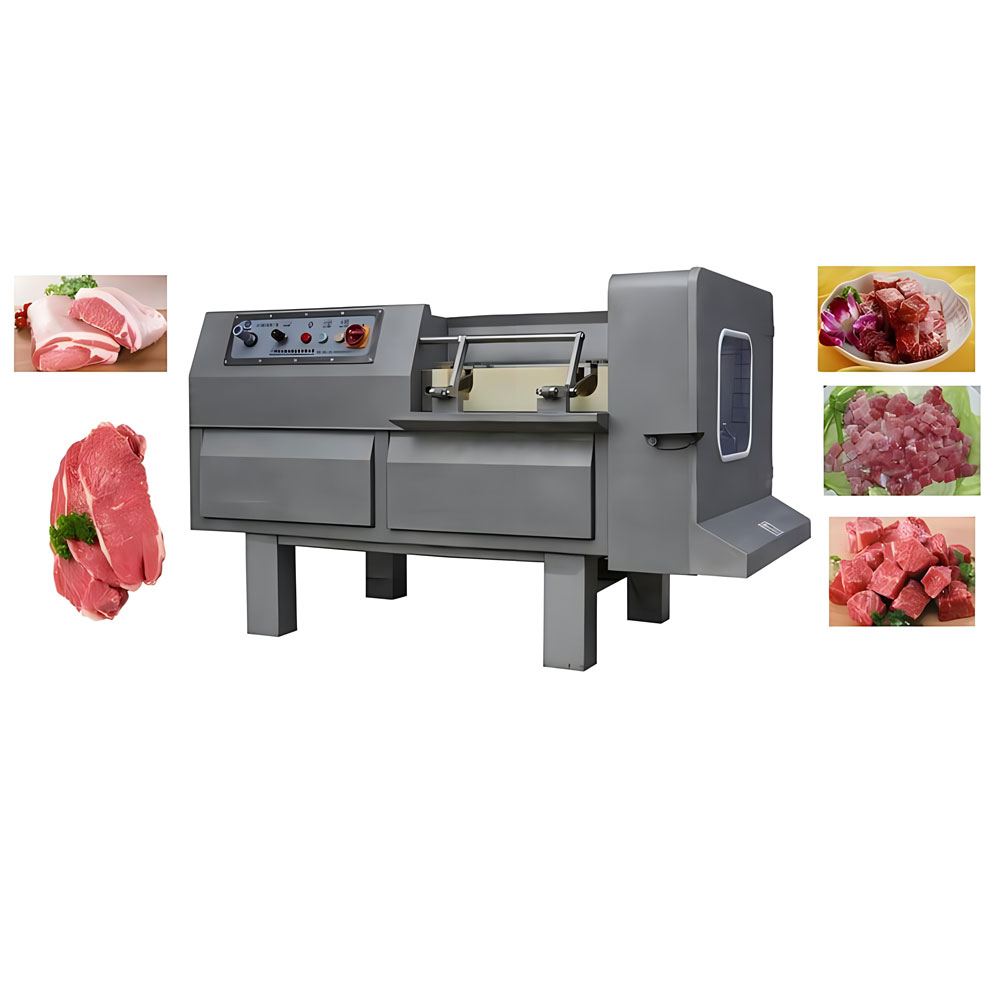 Automatic Fresh Meat Dicing Machine
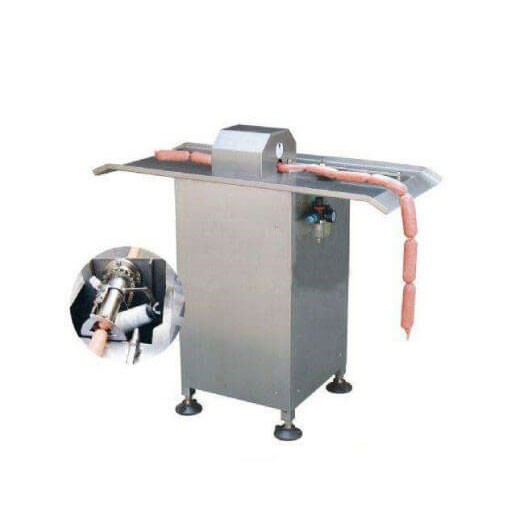 Sausage Tying Machine
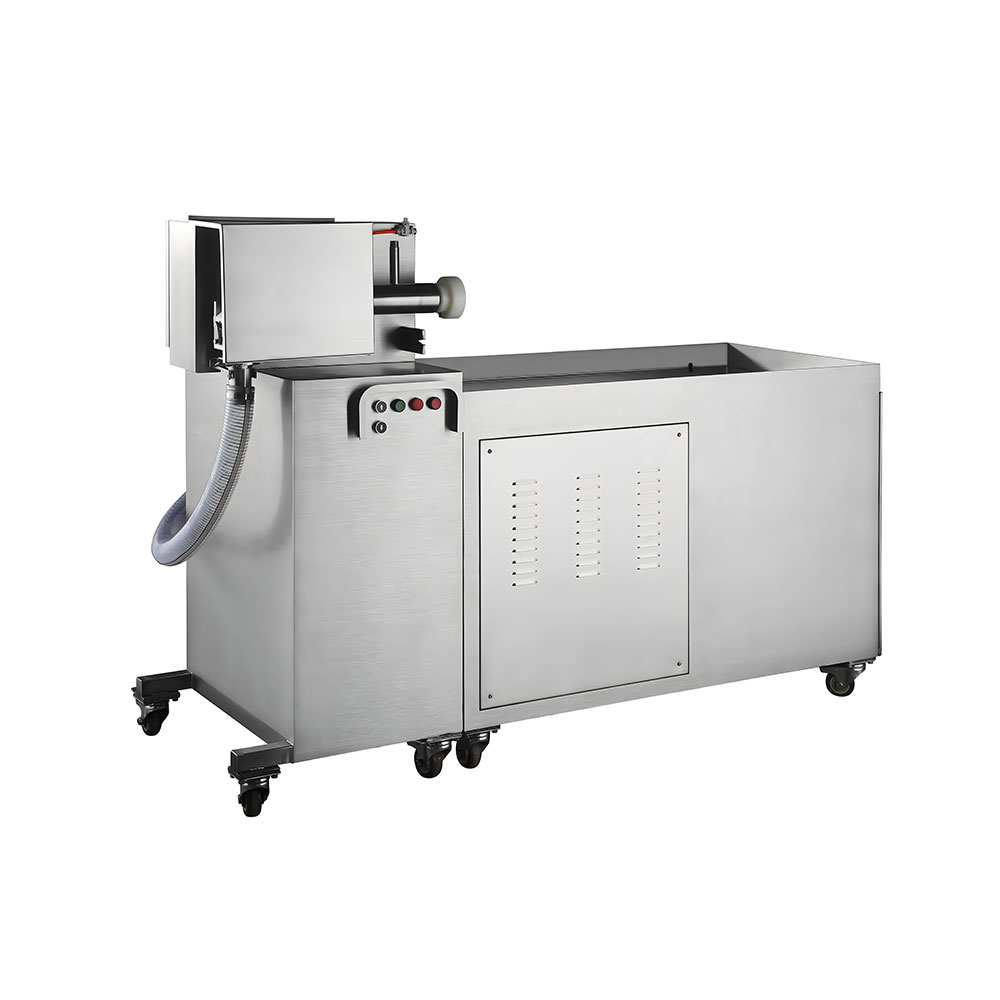 Automatic Sausage Peeling Machine
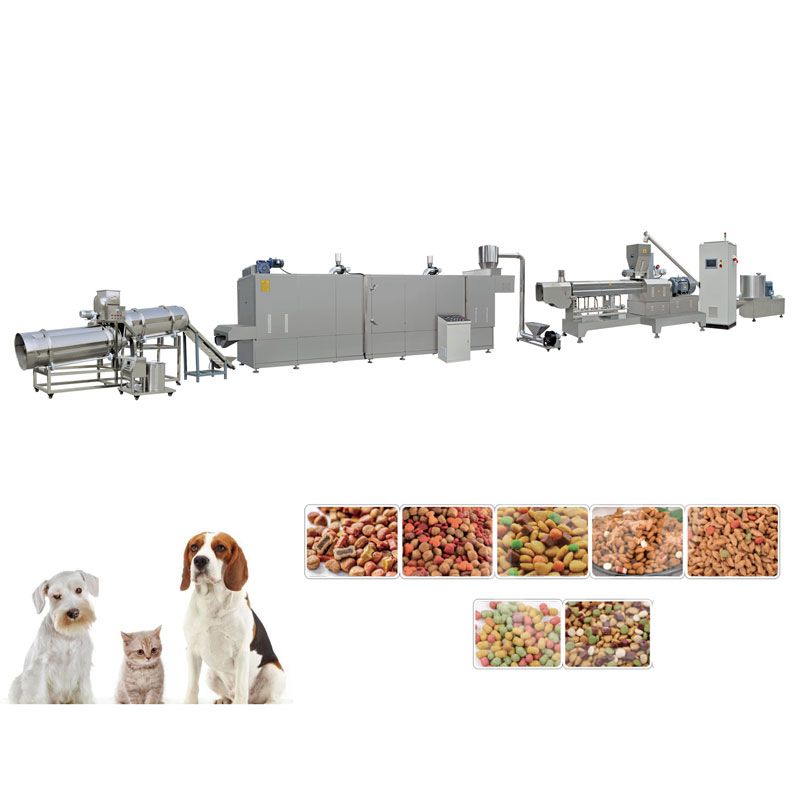 Pet Canned Food Production Line
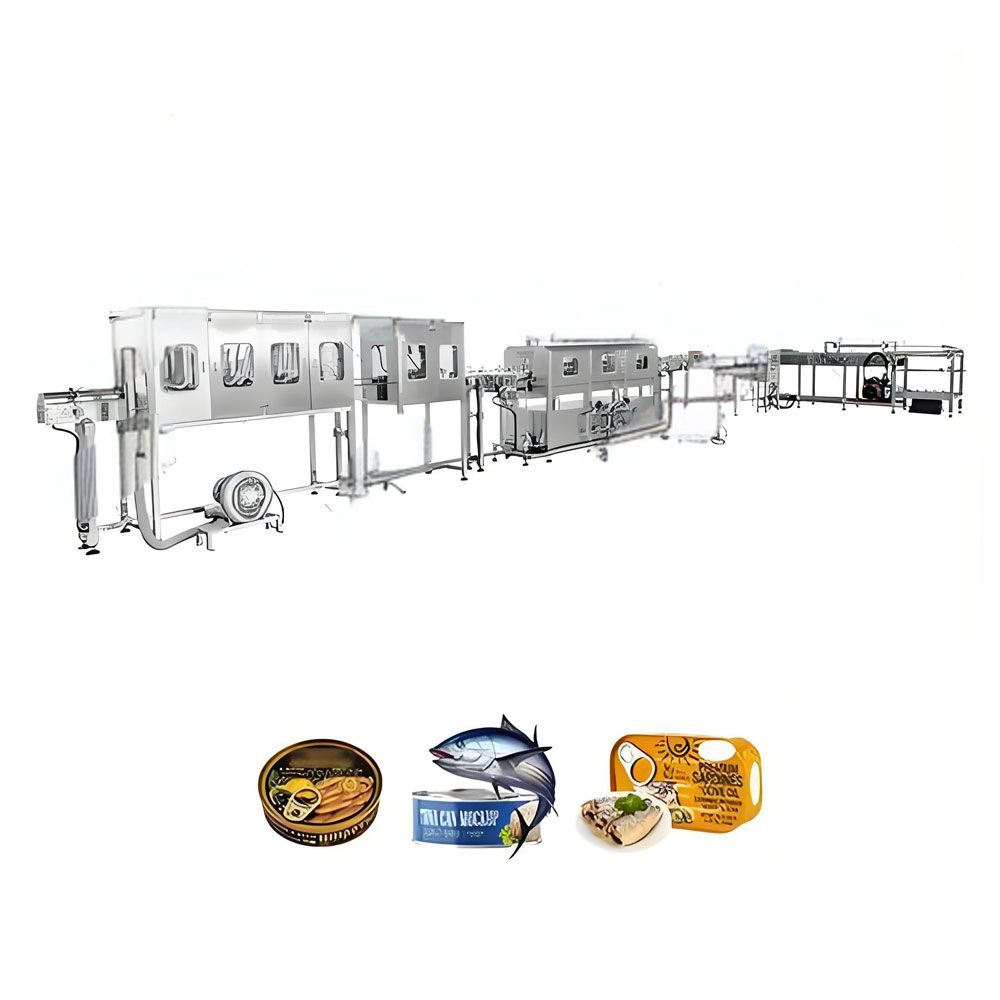 Canned Fish Production Line
 Cold Chain Rice Production Line