
Household Canned Fish Processing Equipment - Chinese Manufacturer, Factory, Supplier
We provide household-scale fish canning equipment designed for small businesses, home-based food entrepreneurs, fishermen, and local seafood processors. This type of equipment is ideal for those who need to produce small batches of canned fish products such as sardines, mackerel, tuna, and anchovies, with low investment cost and easy operation.
The household canned fish production setup includes essential processing stages:
Fish cleaning and preparation – simple cleaning tanks and cutting tools for raw fish handling.
Pre-cooking unit – a small electric or gas steaming pot for initial fish cooking.
Manual or semi-automatic filling machine – for placing fish and adding sauce or oil into cans.
Manual or tabletop seaming machine – to securely seal cans.
Compact retort sterilizer – ensuring food safety and shelf stability.
Cooling and labeling section – basic cooling trays and manual labeling tools.
All equipment is made of food-grade stainless steel, easy to clean and maintain, and compliant with basic food safety standards such as HACCP. The design focuses on small size, energy efficiency, and user-friendly operation, making it suitable for home workshops or small-scale seafood production facilities.
This type of solution is perfect for:
Fishermen or cooperatives who want to process their catch directly for added value.
Local food entrepreneurs looking to sell handmade canned fish products in farmers' markets or local stores.
Start-ups testing the market before scaling up to industrial production.
We also provide guidance on plant layout, recipe development, sterilization parameters, and regulatory compliance, ensuring that even small-scale producers can meet food safety and market requirements. With our household fish canning equipment, you can start your own canned fish business with minimal investment, flexible production, and steady growth potential.
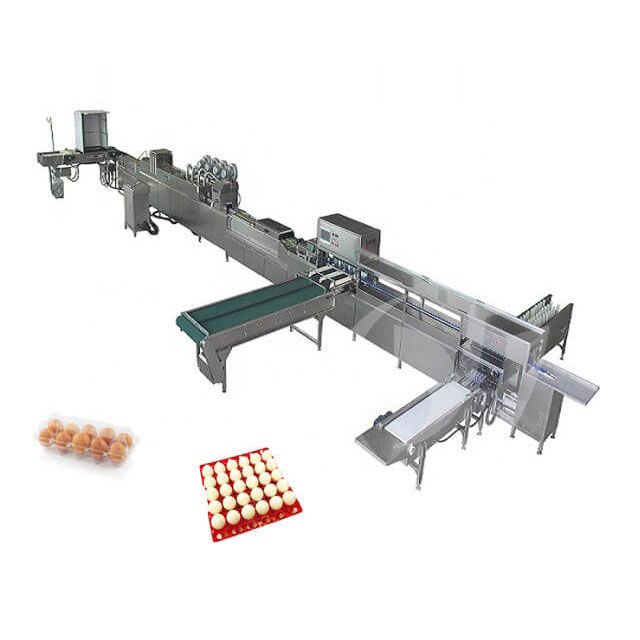 Egg Canning Production Line
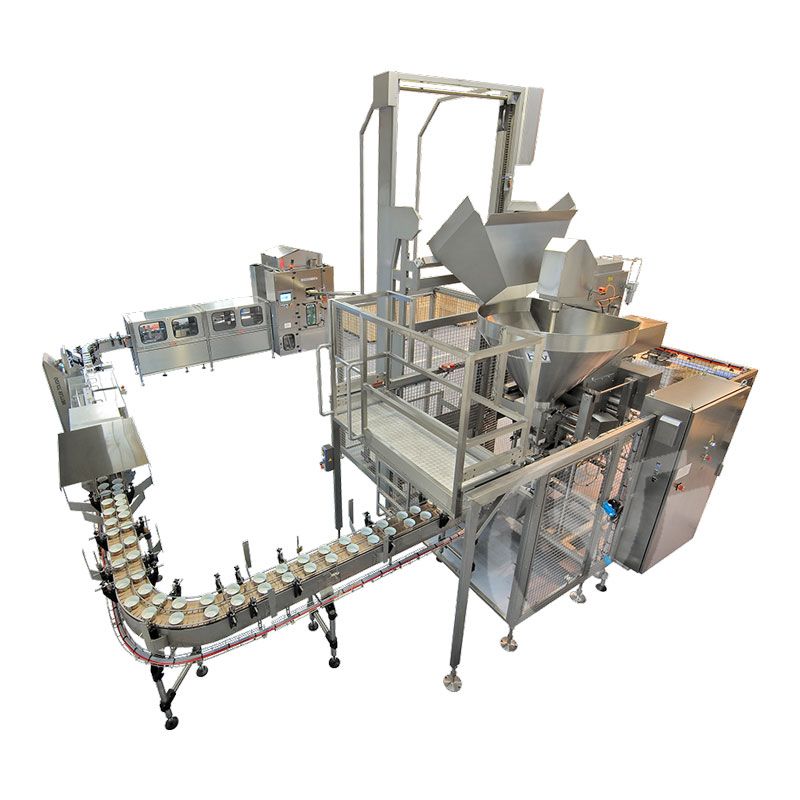 Meat Canned Food Production Line
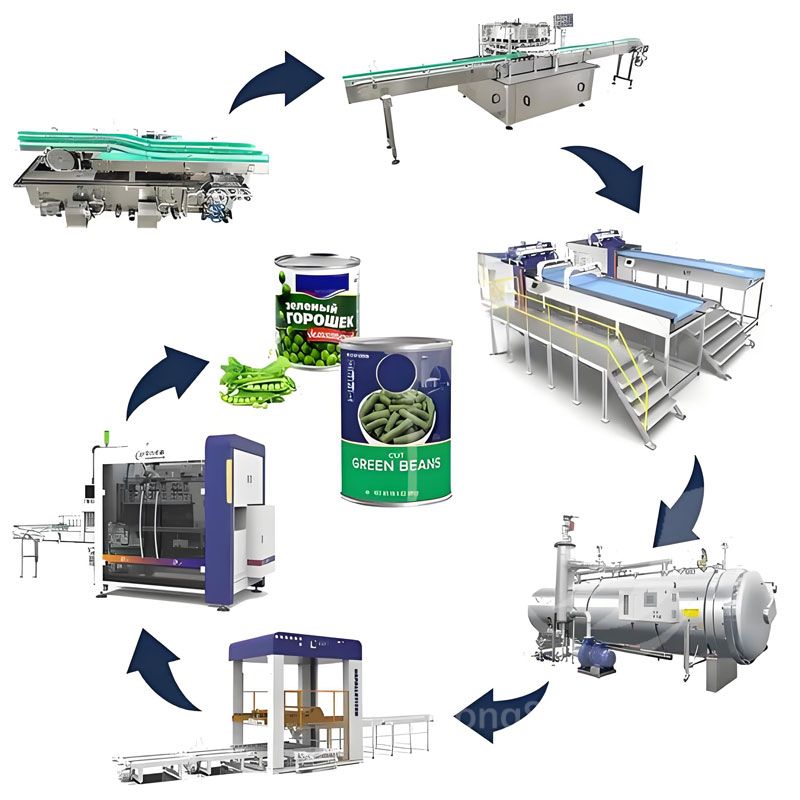 Green Bean Canned Food Production Line
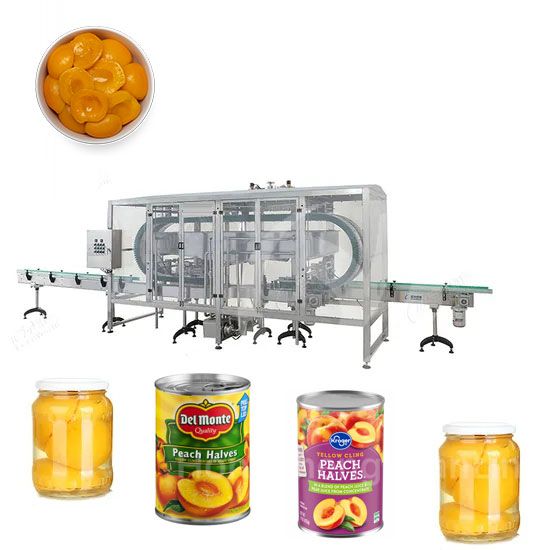 Peach Canned Food Production Line
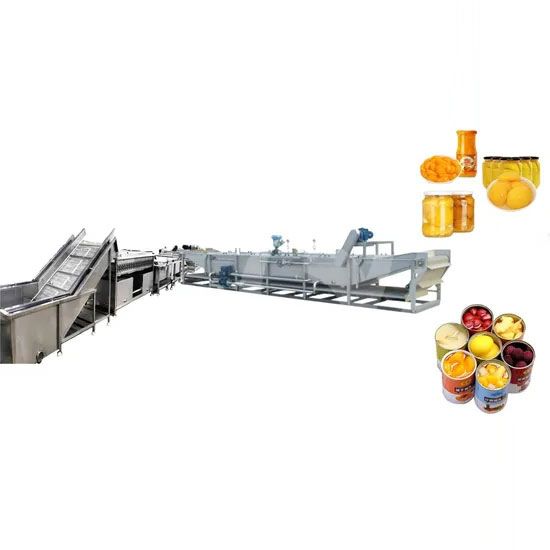 Canned Fruit Production Line Equipment
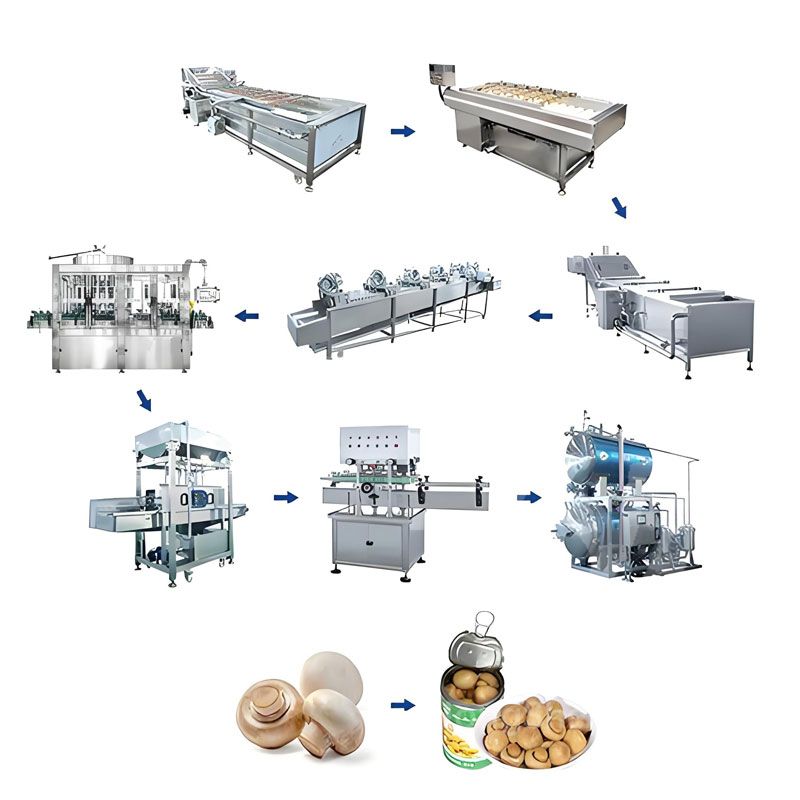 Edible Mushroom Canned Food Production Line
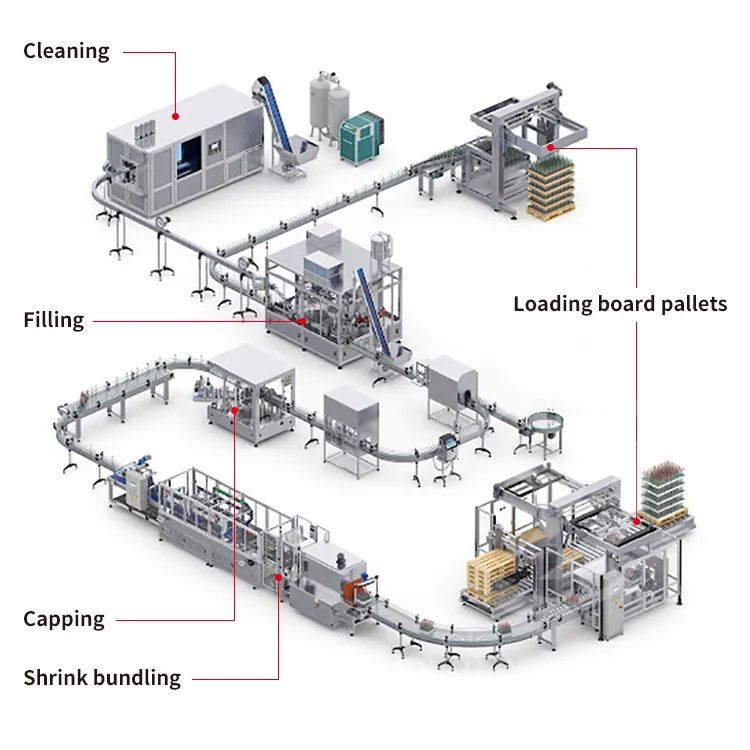 Chicken Soup Canned Production Line
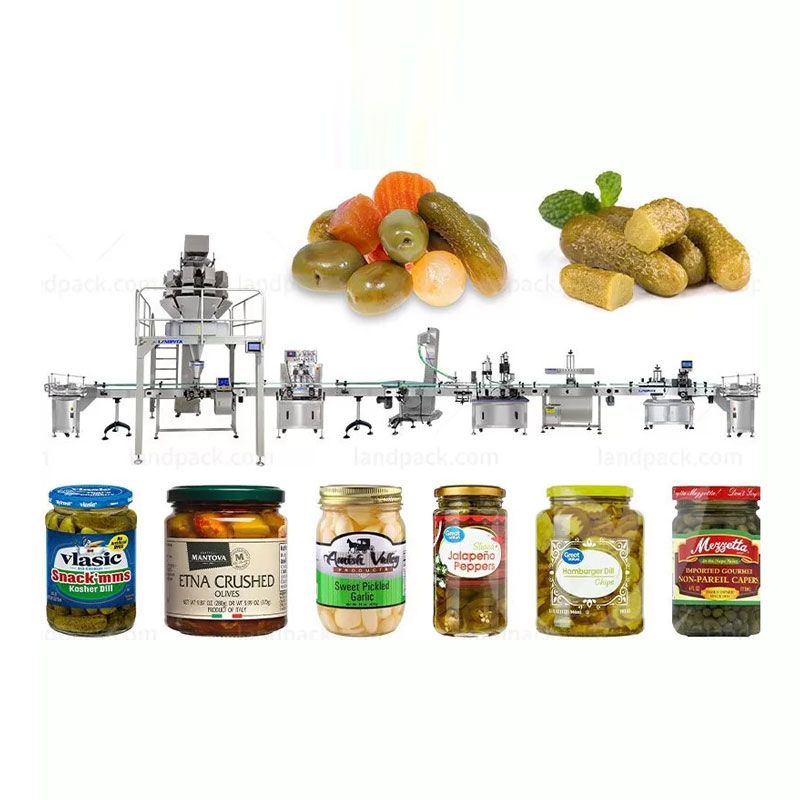 Cucumber Canned Production Line
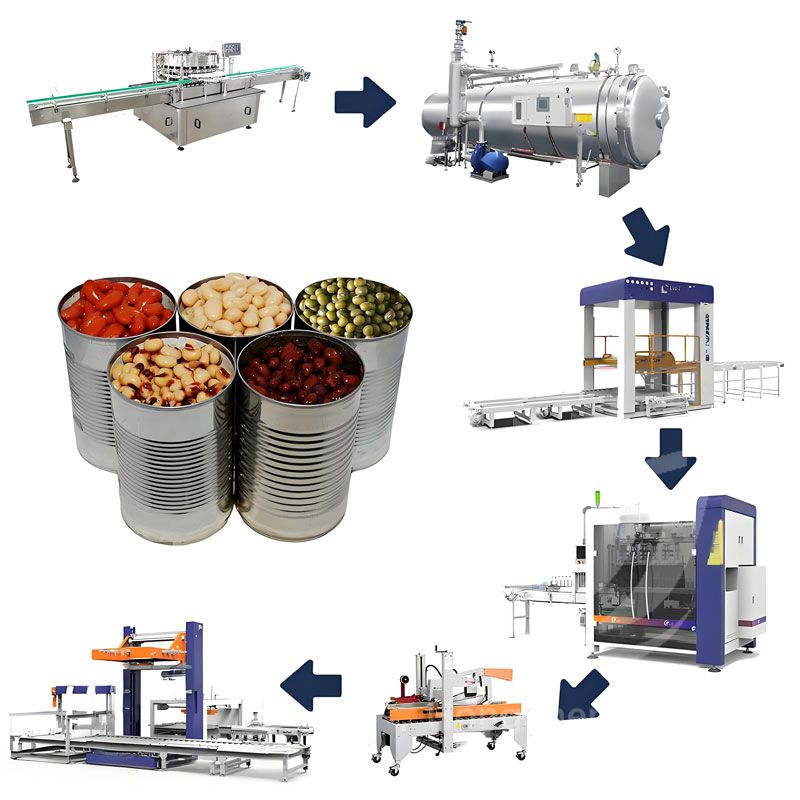 Canned Beans Production Line
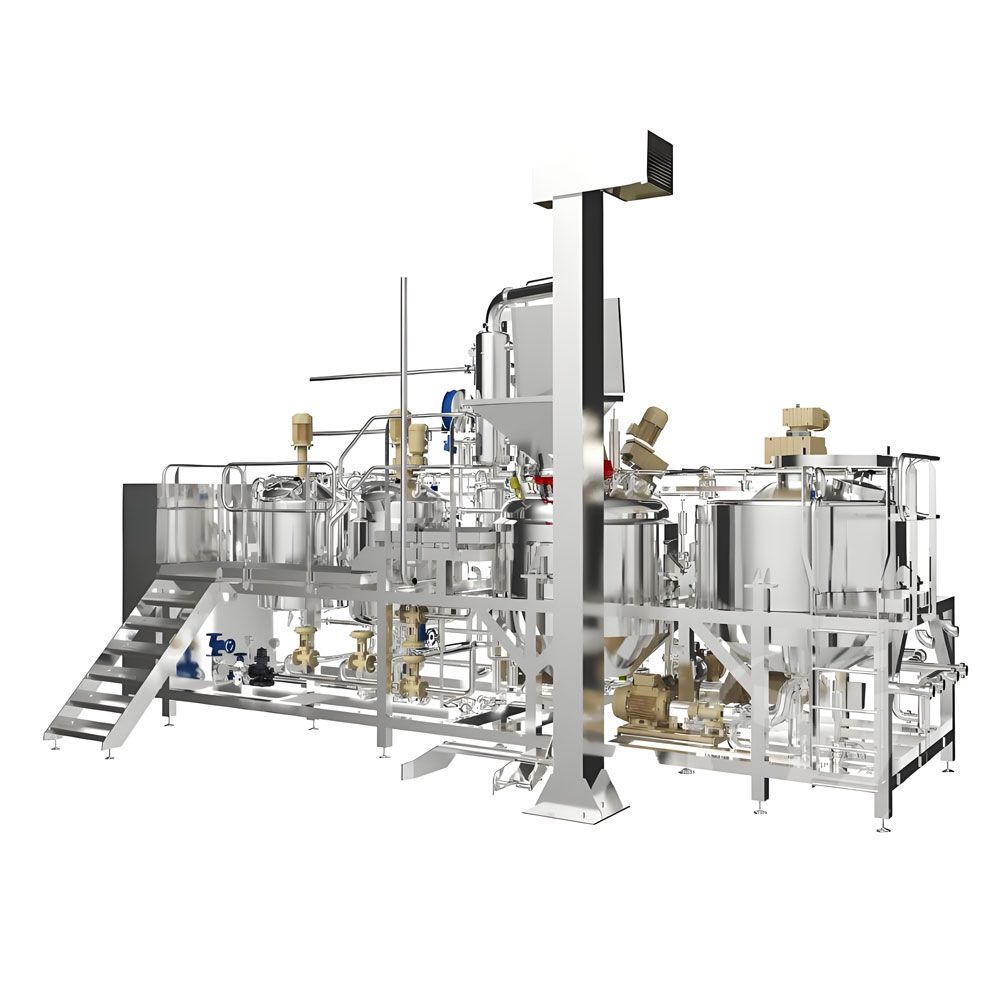 Jam Canned Production Line
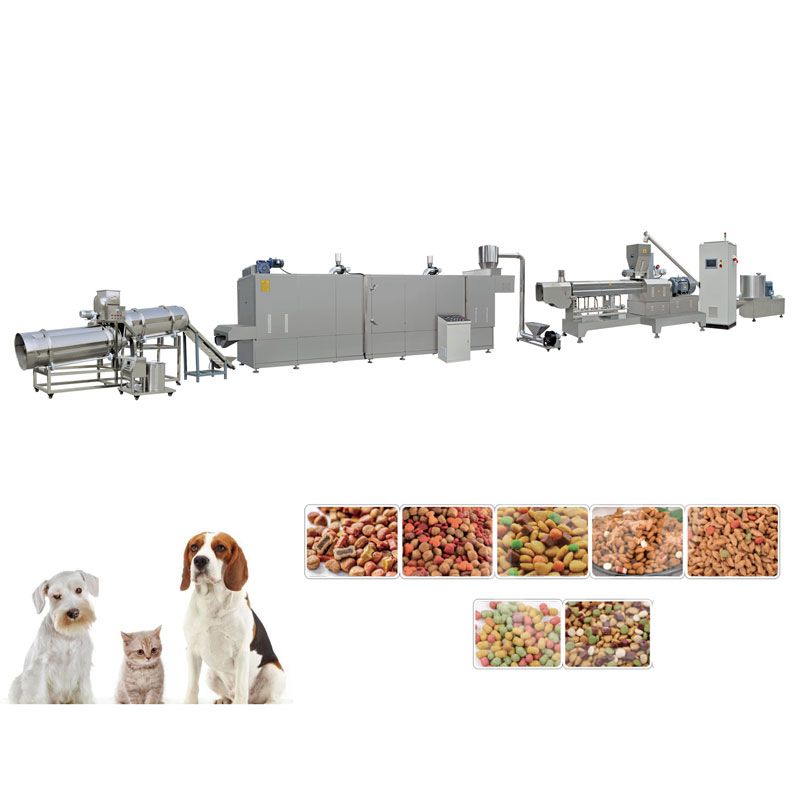 Pet Canned Food Production Line
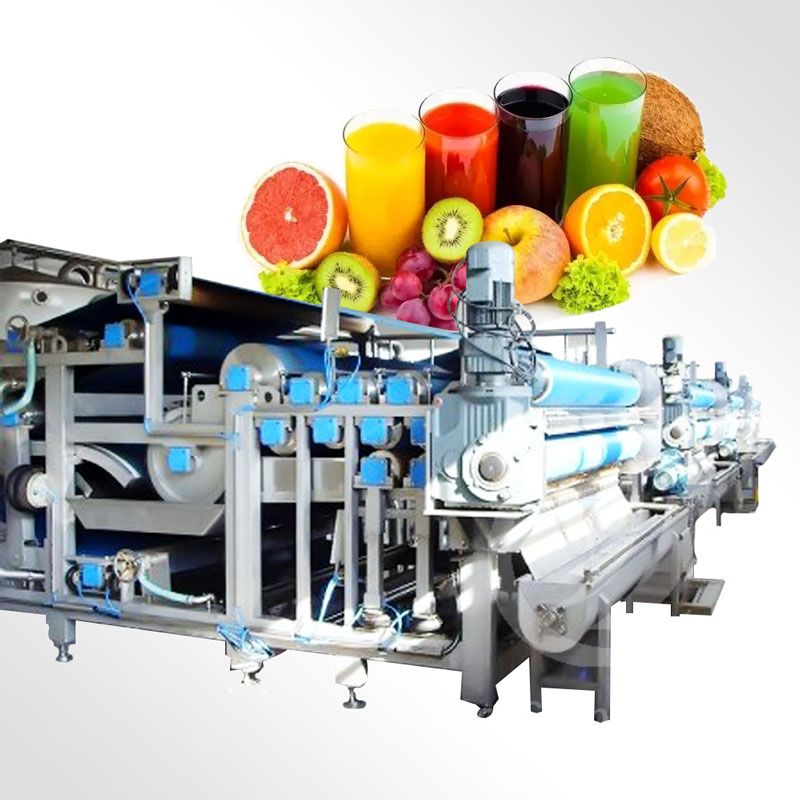 Fruit And Vegetable Canned Production Line
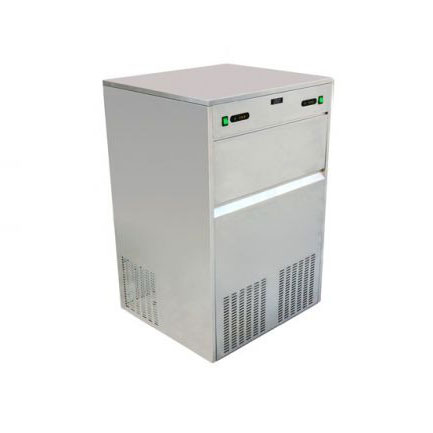 SC Series Bullet Ice Maker
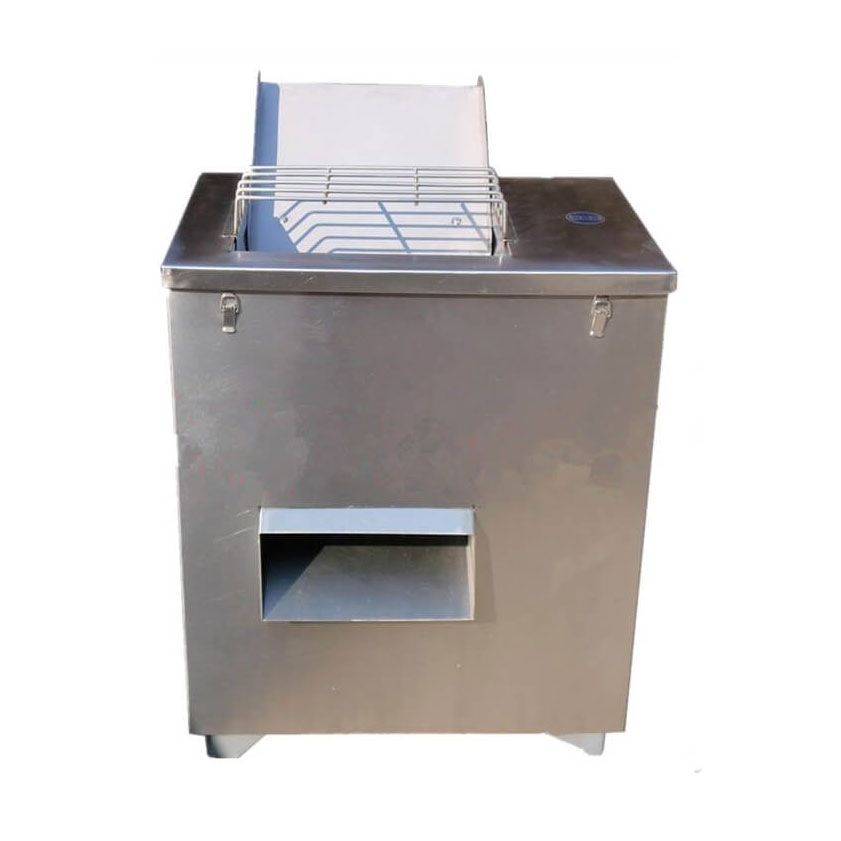 Fish Cutting Machine
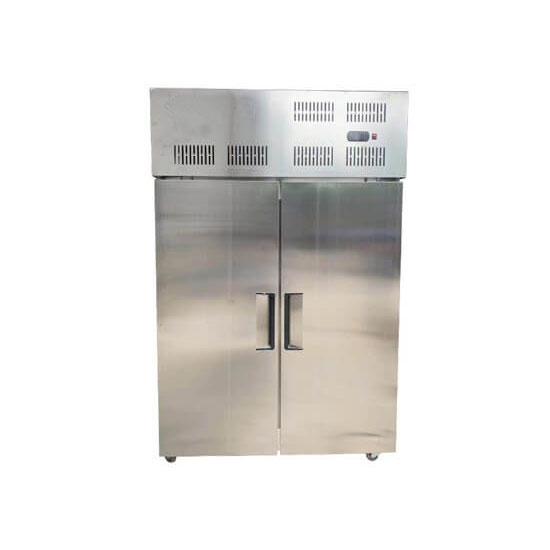 Potato Chips Instant Freezer
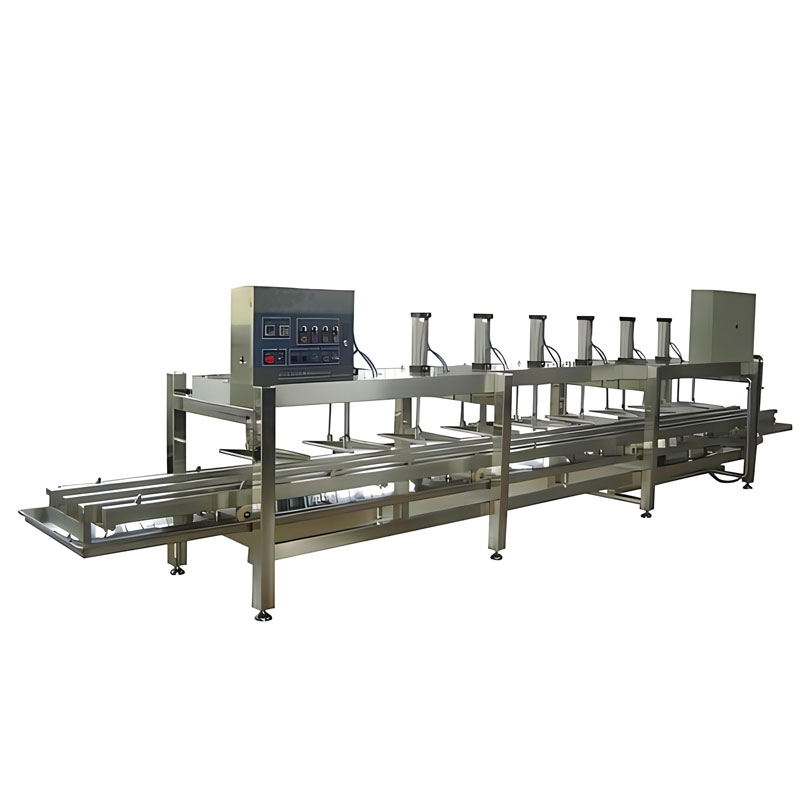 Tofu Production Line
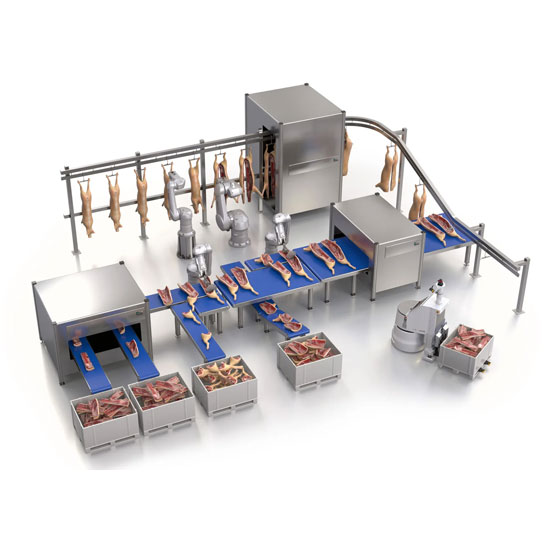 Meat Processing Line Equipment
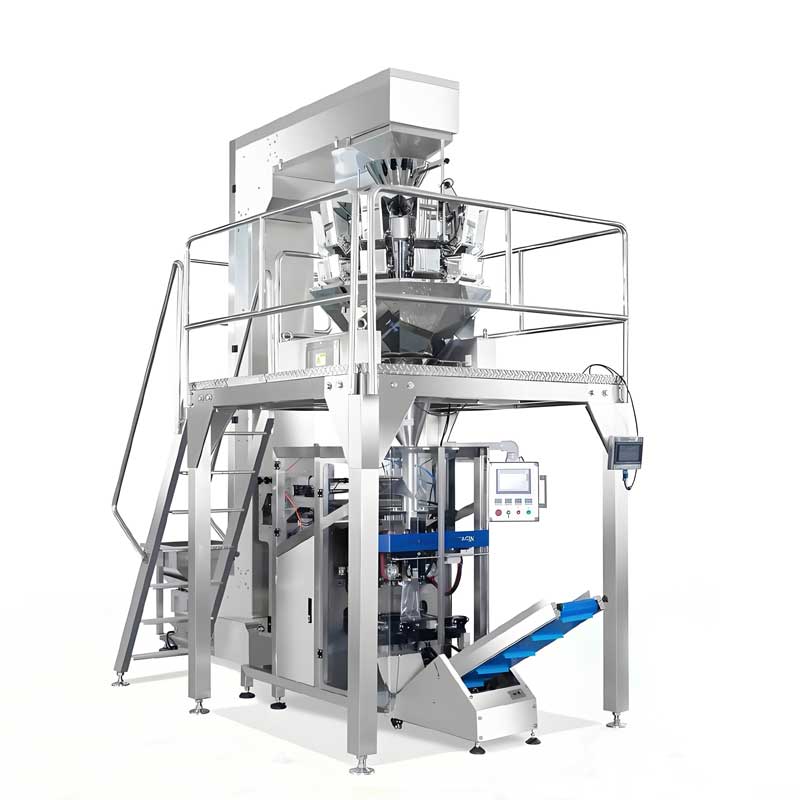 Multifunctional Food Packaging Machine
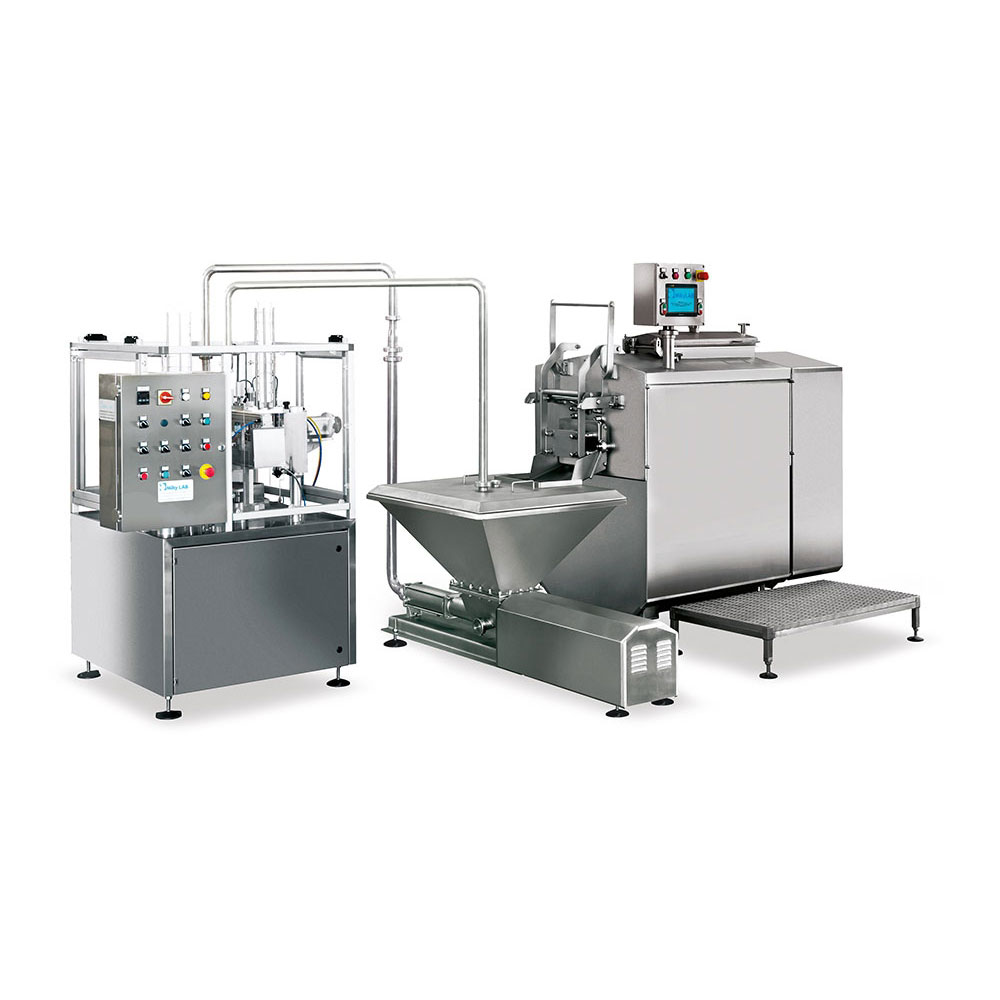 Cheese Production Line
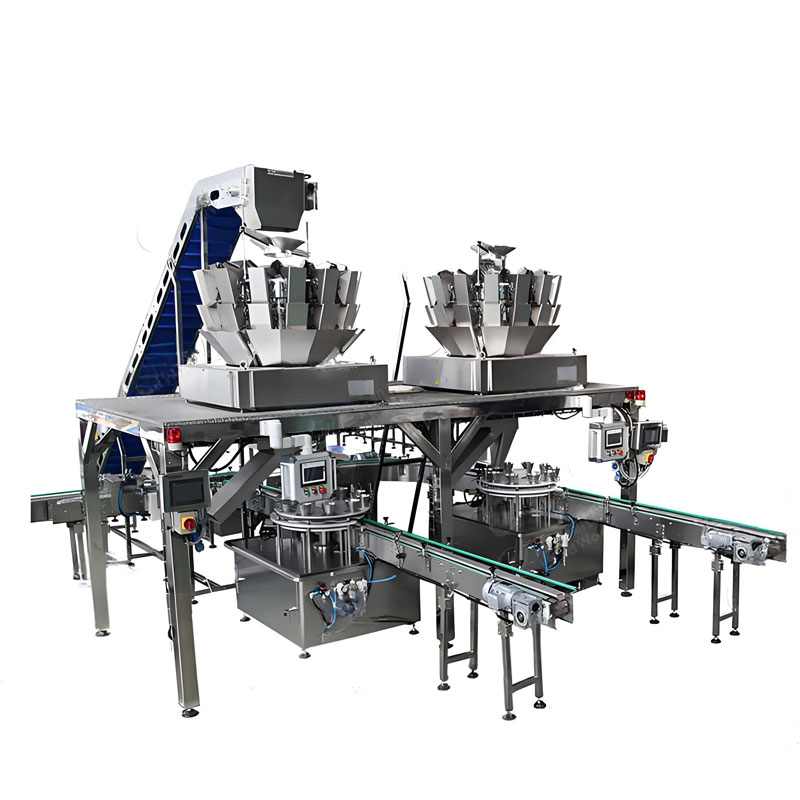 Automatic Chicken Canned Food Production Line