From A Vacant Site To Full-Scale Production And Profitability — Achieve It All With One Trusted Partner: Hongsheng Yuanlin.

Get A Quote

Home > Imported Canned Fish Production Line

Imported Canned Fish Production Line - Chinese Manufacturer, Factory, Supplier

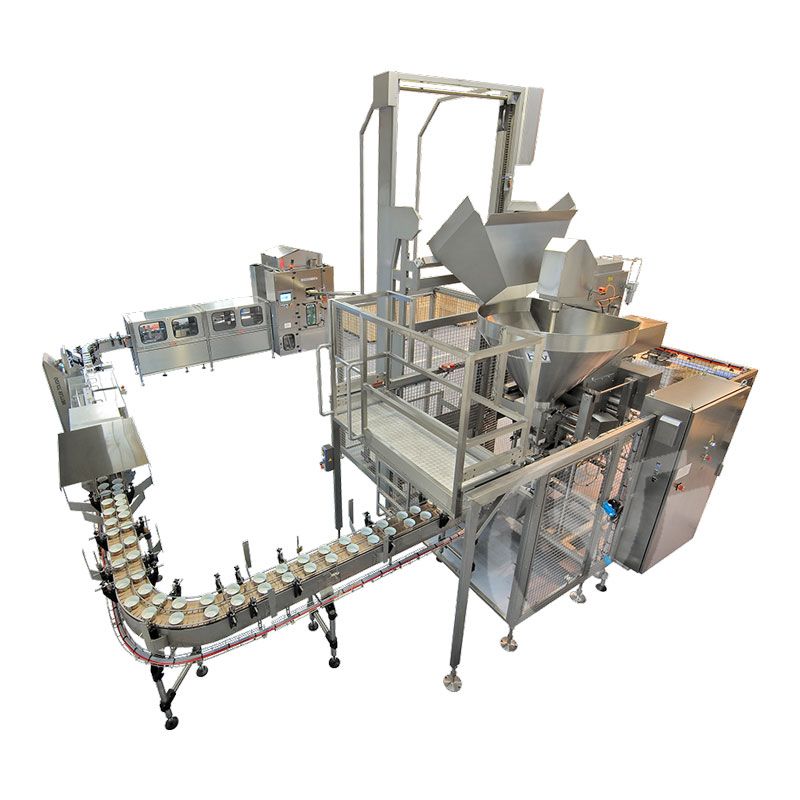
The Imported Canned Fish Production Line is a comprehensive industrial system designed for the automated processing, filling, sealing, and sterilization of various imported fish species such as tuna, mackerel, sardine, and salmon. This production line integrates advanced automation control technology, high-precision weighing systems, and hygienic stainless steel construction to ensure the final canned products meet international food safety and export standards. It is ideal for seafood canning factories, fishery processing plants, and import-export enterprises seeking high efficiency, consistent product quality, and strong market competitiveness.

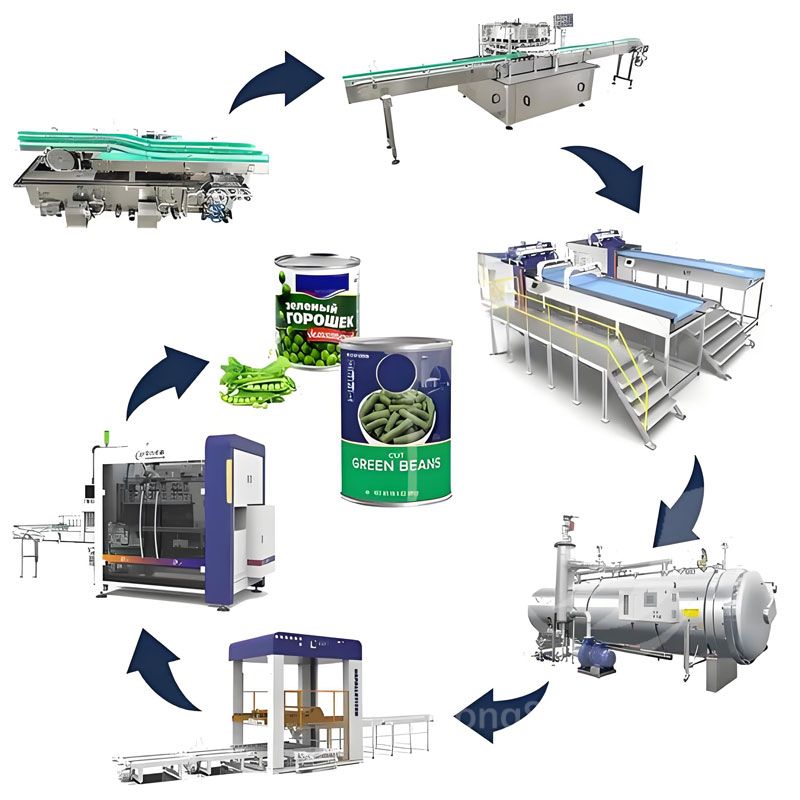
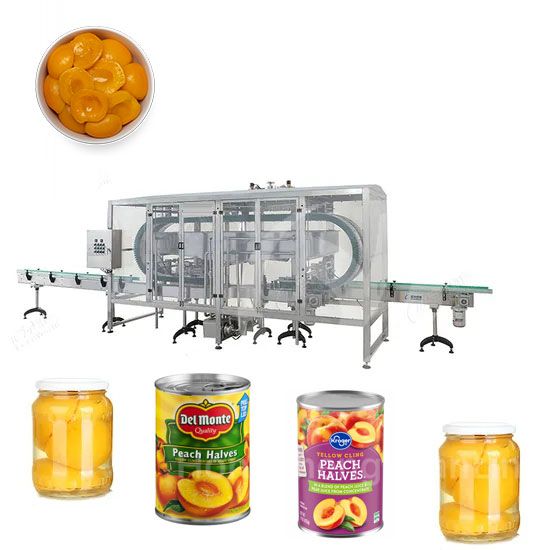
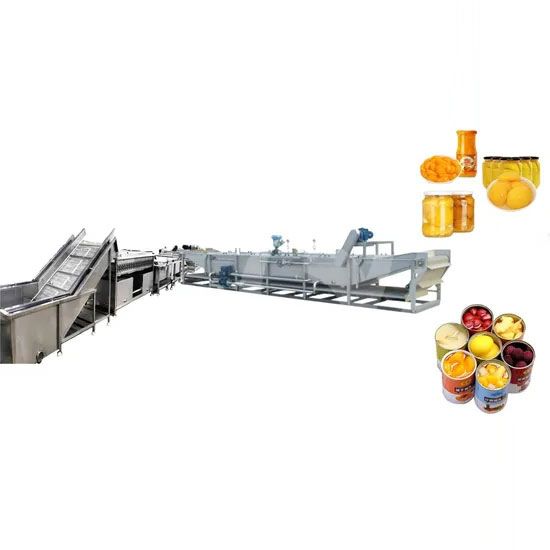
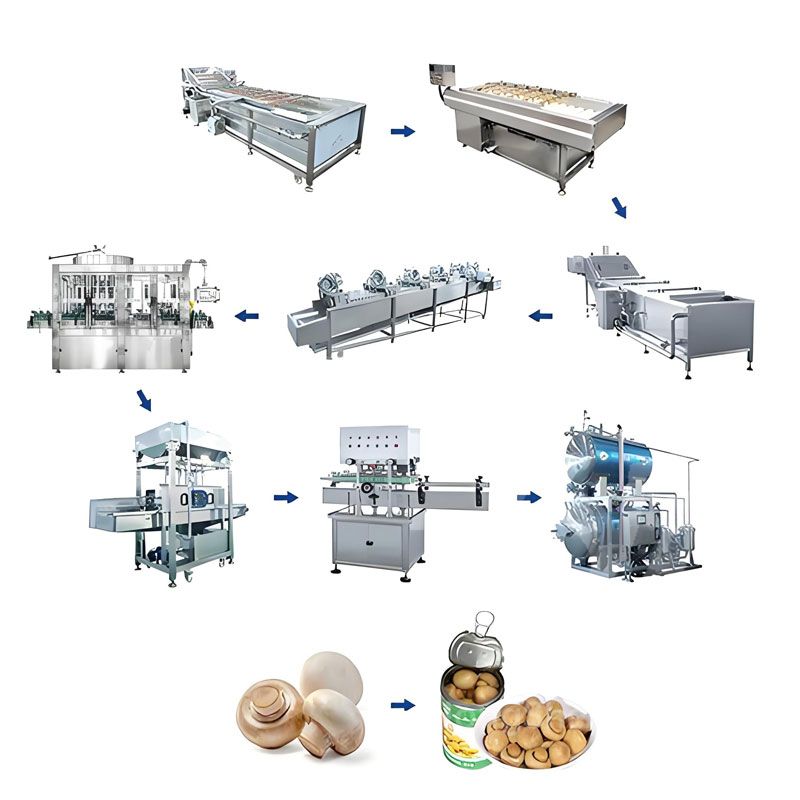
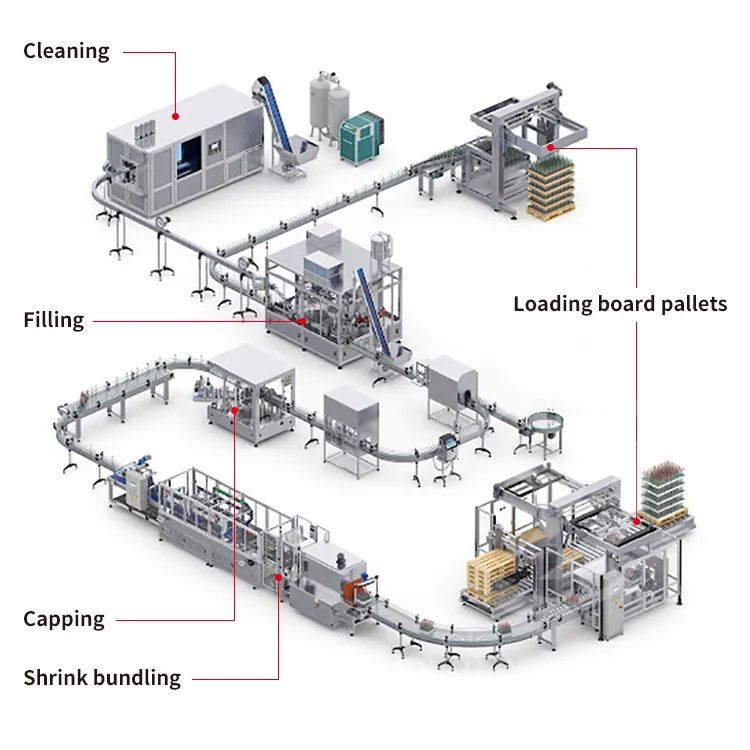
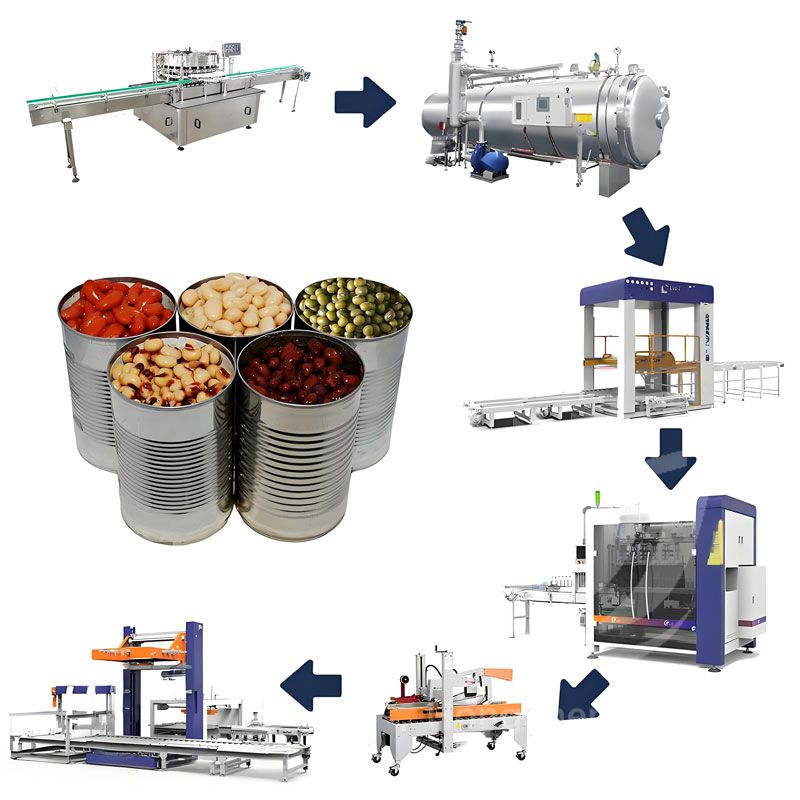
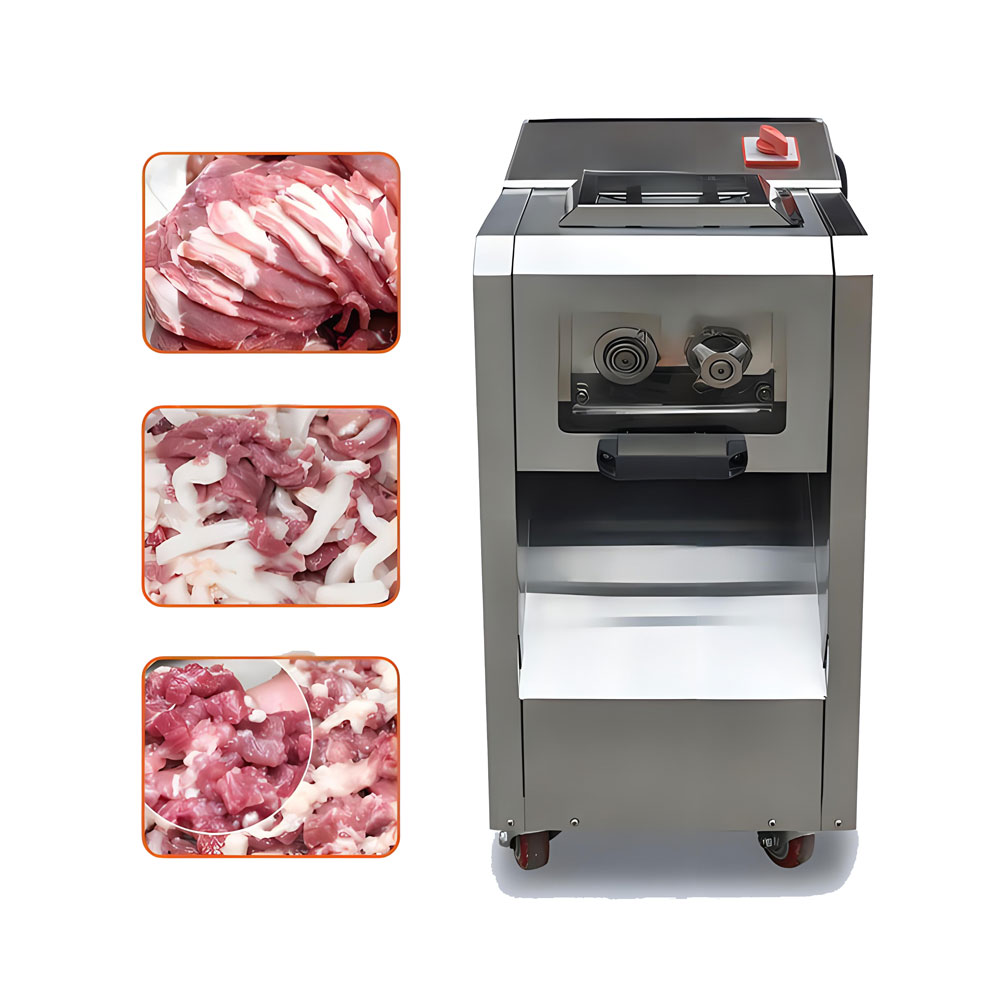
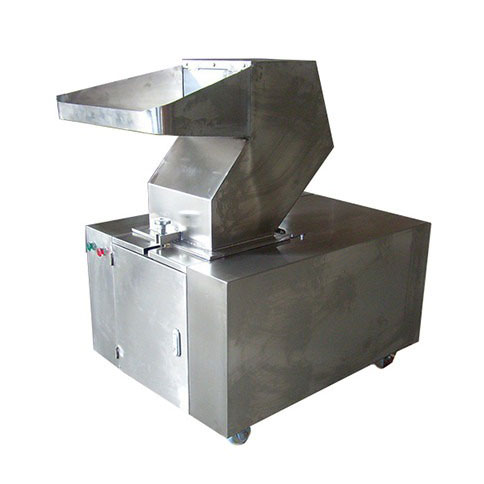
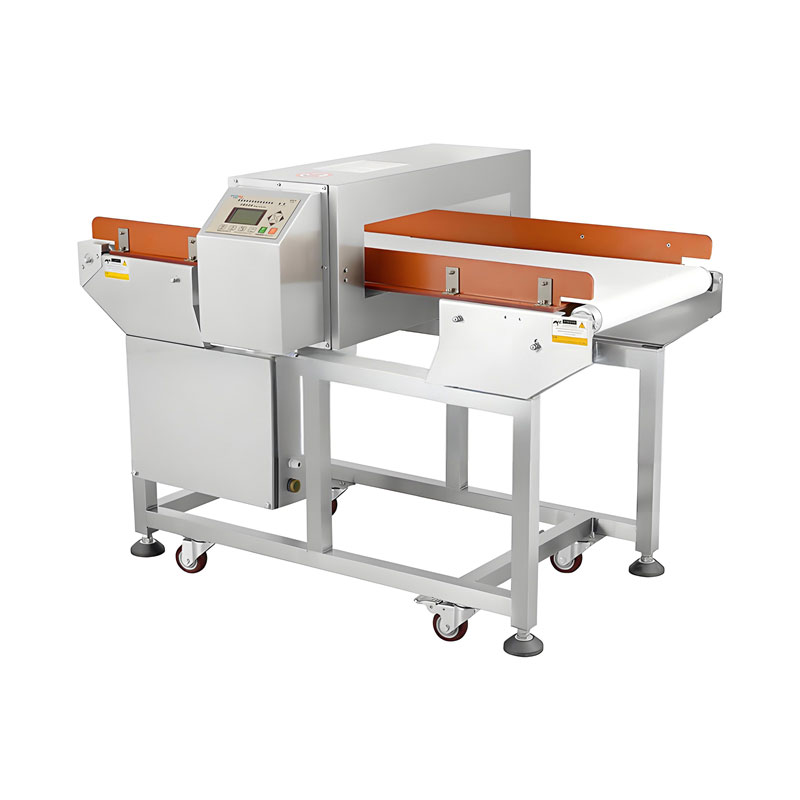
The entire line typically includes key sections such as raw material cleaning and grading, cutting and precooking, filling and weighing, can washing, automatic sealing, vacuum exhaust, sterilization and cooling, and labeling and packaging. Each unit is designed to minimize manual labor while maximizing production output and traceability. Optional modules such as automatic fish meat separators, oil or brine filling systems, and CIP (Clean-in-Place) sanitation systems can be customized according to production requirements and capacity levels.

With the increasing global demand for imported canned fish due to convenience and nutrition, this production line ensures not only efficiency but also compliance with HACCP, ISO22000, and FDA standards. The equipment adopts food-grade stainless steel materials, corrosion-resistant design, and energy-saving heating systems, ensuring long-term stability and low maintenance costs.

Our Imported Canned Fish Production Line supports production capacities ranging from small-scale batches to fully automated large-scale systems. Whether you are a seafood processing factory upgrading your current canning line or a new investor entering the canned fish market, this system offers an ideal balance of cost-effectiveness, hygiene, and automation to enhance productivity and meet export market requirements.

Core Competitive Advantages

Technical Leadership & Customer Value Creation Capabilities

Technology Leadership

· 57 core patents in dynamic cutting algorithms & IoT control
· 8.5% R&D investment ratio with 3-5 new models annually

Agile Supply Chain

· 82% vertical integration of critical components
· 40% inventory turnover improvement via digital systems

Full-Lifecycle Service

· 25% lower TCO for equipment lifecycle
· 24/7 remote diagnostics support
· >95% client retention over 5 years

Green Compliance

· 35% energy consumption reduction
· Certified by CE/FDA/ISO 14064
· ≥92% material recyclability

Project Case

Learn about our efficient and reliable equipment and production line solutions tailored for various food processing industries.

Relevant News


Canteen Pre-Cooked and Reheat: Cook-Chill for Mass Feeding

Run a canteen on pre-cooked and reheat: reconstitution methods, pre-cooked line design, and reheat quality control for mass feeding with cook-chill.

Institutional Canteen High-Volume Serving Line: Throughput Design

Design a high-volume canteen serving line: throughput by line type, station count logic, and batch-to-line balance for institutional mass feeding.

Hotel A La Carte and Batch Mix: Cooking for Speed and Volume

A hotel restaurant kitchen cooks two speeds at once: a la carte speed for individual covers and batch speed for volume items. The two require different logic — ...

Hotel Banquet Kitchen Surge Capacity: Cooking for the Peak, Not the Average

A hotel banquet kitchen does not cook for the average — it cooks for the peak. A 500-cover banquet served in 30 minutes has a peak demand many times the average...

Digital Retort Batch Records and Recipe Control: What Must Be Captured and Protected

Build digital retort batch records and recipe control: required fields, version control, alarm management, audit trail, and backup for fish canning automation c...

Risk-Based Water Reuse in Fish Processing: Where Reuse May and May Not Be Appropriate

Apply risk-based water reuse in fish processing: where reuse may and may not be appropriate, barrier types, monitoring, and water flow zoning, with Codex attach...

Histamine Sampling Plans Explained: FDA vs Codex vs EU Requirements

Compare histamine sampling plans for canned fish across FDA, Codex and EU: sample unit n, acceptance c, limits m and M, and lot disposition by export market.

Can-Size Changeover Control: Tooling, Recipes, First-Off Seam Approval and Ramp-Up Losses

Control can-size changeover on a fish canning line: tooling setup, recipe management, first-off seam approval, and ramp-up loss recording for a defensible chang...

OEE for a Fish Canning Line: Measuring Availability, Performance and Quality Without Hiding Food-Saf

Measure OEE for a fish canning line without hiding food-safety stops: availability, performance, quality, stop classification, ideal cycle time, and a measureme...

Water and Energy Balance per Tonne of Canned Fish: How to Build a Defensible Baseline

Build a defensible water and energy balance per tonne of canned fish: boundary definition, peak vs average consumption, per-tonne normalization, and a baseline ...

Weld Finishing, Pickling and Passivation for Fish Processing Equipment

Control weld finishing, pickling and passivation for fish processing stainless steel: heat tint, embedded iron, rough weld diagnosis, and passivation records pe...

Choosing Can Body and Internal Coating for Tuna in Oil, Brine and Sauce

Choose the right can body and internal coating for tuna in oil, brine and sauce: product-coating compatibility, pack test requirements, and damage mechanism dia...

Frequently Asked Questions

What types of fish can an imported canned fish production line process?
Most imported lines handle tuna, mackerel, sardines, and yellow croaker. They’re designed for flexibility across oily and white-fleshed fish species.
Are imported canned fish lines made of food-grade materials?
Yes. Reputable imported lines use SUS304 or SUS316 stainless steel throughout, ensuring corrosion resistance, hygiene compliance, and long service life.
What’s the typical capacity of an imported canned fish line?
Capacity ranges from 500 to 5,000 cans/hour, depending on automation level and model. High-end lines support 24/7 operation with minimal manual intervention.
Does the line include sterilization and sealing?
Yes. Complete lines integrate washing, filling, double-seaming, steam sterilization, cooling, labeling, and packing—critical for safety and shelf life.
Can I customize the line for specific can sizes or formats?
Most suppliers offer modular customization for can diameter (e.g., 85g–200g), shapes (round, oval), and fill types (in oil, brine, sauce) .
What’s the lead time and after-sales support for imported lines?
Lead time is typically 60–90 days. Reliable manufacturers provide installation guidance, operator training, and spare parts—often via remote or on-site support .

Contact Us

Format: +[country code][number] (e.g. +8615098926008)

Do You Have A Factory Workshop Or Layout Drawing?