
Meat Product Canned Food Production Line - Chinese Manufacturer, Factory, Supplier
The Meat Product Canned Food Production Line is a comprehensive, automated system engineered for the large-scale production of various canned meat products, including beef, pork, chicken, duck, lamb, luncheon meat, and mixed meat recipes. It integrates the entire canning process—from raw meat preparation to sterilized, ready-to-ship products—ensuring high productivity, consistent quality, and full compliance with international food safety standards such as HACCP, ISO22000, and FDA.
A complete Meat Canned Food Production Line typically includes several core stages: raw meat receiving and trimming, cutting and grinding, mixing or marinating, pre-cooking, automatic weighing and filling, sauce or gravy dosing, vacuum can sealing, sterilization, cooling, labeling, and packaging. Each component of the line is made from high-grade stainless steel (SUS304/316) for durability, hygiene, and corrosion resistance, meeting the stringent sanitation requirements of meat processing environments.
Modern meat canning production lines are equipped with PLC-based control systems for real-time monitoring, temperature regulation, and data recording. These systems enable full automation, reduce manual labor, and improve production accuracy. Advanced sterilization retorts ensure that the canned meat is microbiologically safe and shelf-stable without compromising on taste, texture, or nutritional value.
Customization is a major advantage of this production line. Equipment configurations can be tailored to accommodate different can sizes, meat types, recipes, and packaging formats (such as tin cans, aluminum cans, or vacuum-sealed pouches). The line can also integrate optional systems such as automatic meat portioning, vacuum filling, and CIP (Clean-In-Place) sanitation modules, helping processors enhance productivity and hygiene simultaneously.
For B2B buyers and meat processing factories, investing in a meat product canned food production line delivers measurable ROI benefits — including lower labor costs, improved efficiency, consistent product standards, and faster market response. Whether for domestic sales or international exports, the system provides a reliable, scalable, and food-safety-compliant solution that supports long-term business growth.
In summary, the Meat Product Canned Food Production Line represents a modern, integrated approach to canned meat manufacturing — combining automation, hygiene, flexibility, and efficiency to help food manufacturers stay competitive in the global canned meat industry.
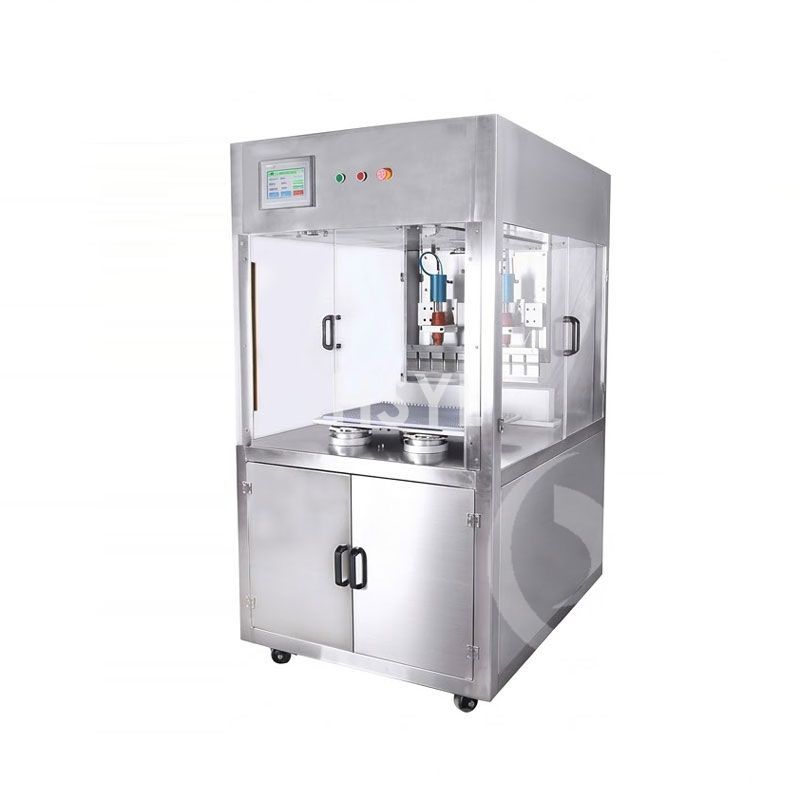 Bakery Ultrasonic Peanut Candy Cutting Machine
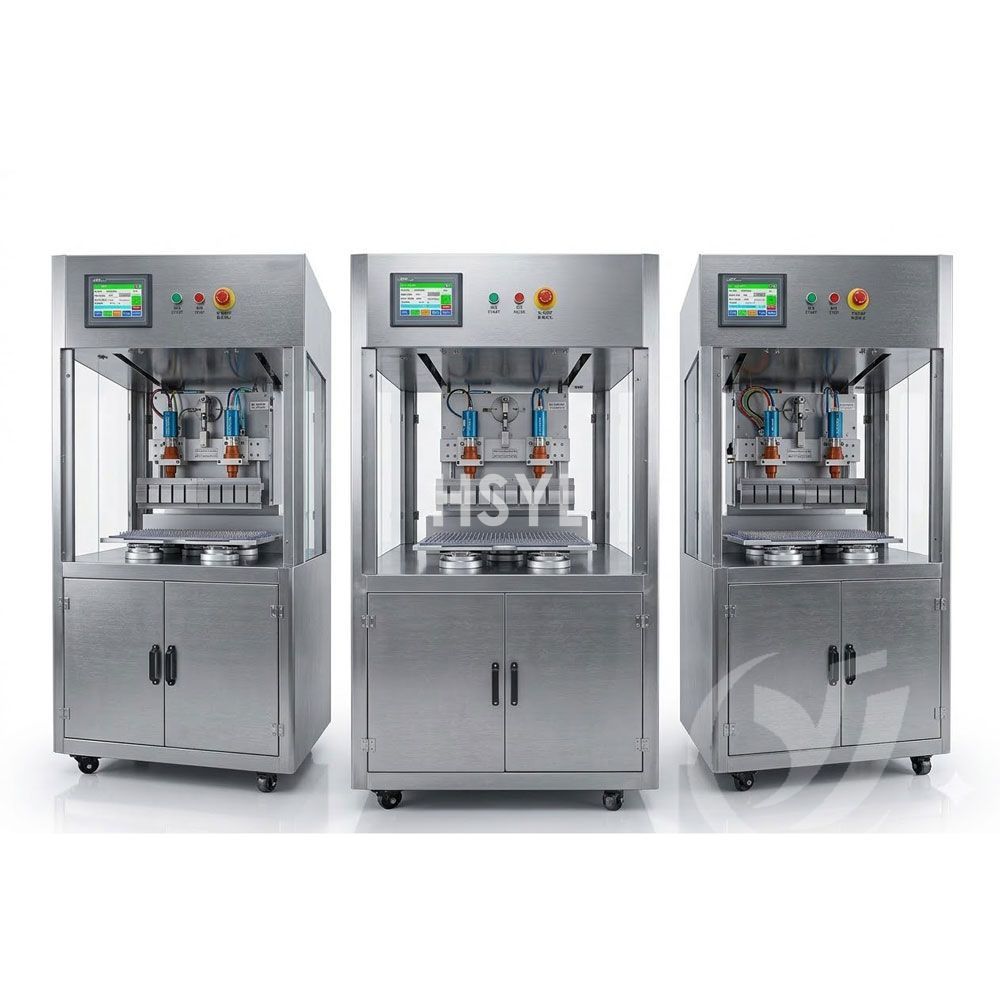 Bakery Ultrasonic Automatic Candy Cutting Machine
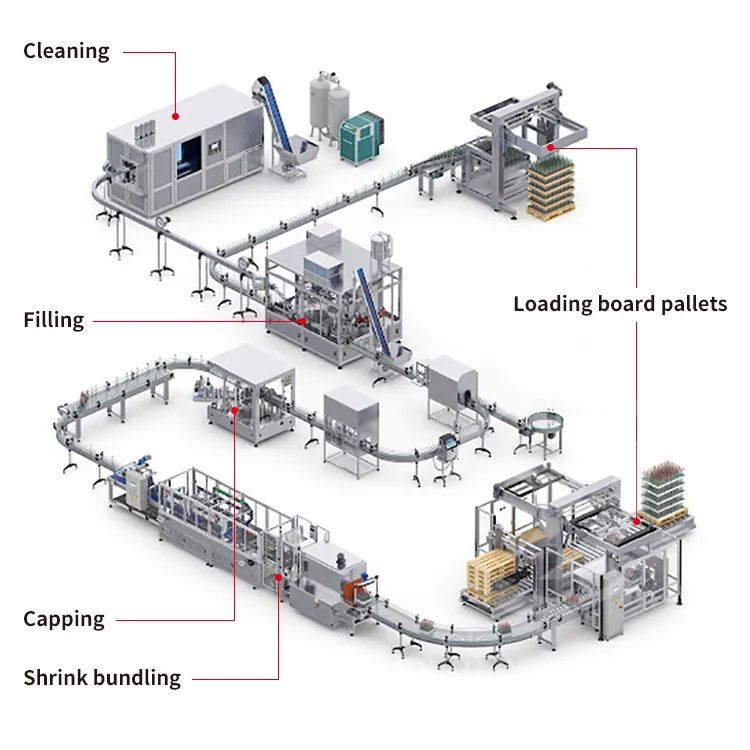 Aseptic Canning Production Line Equipment
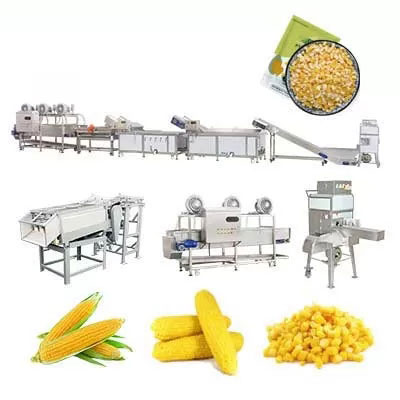 Sweet Corn Canning Production Line
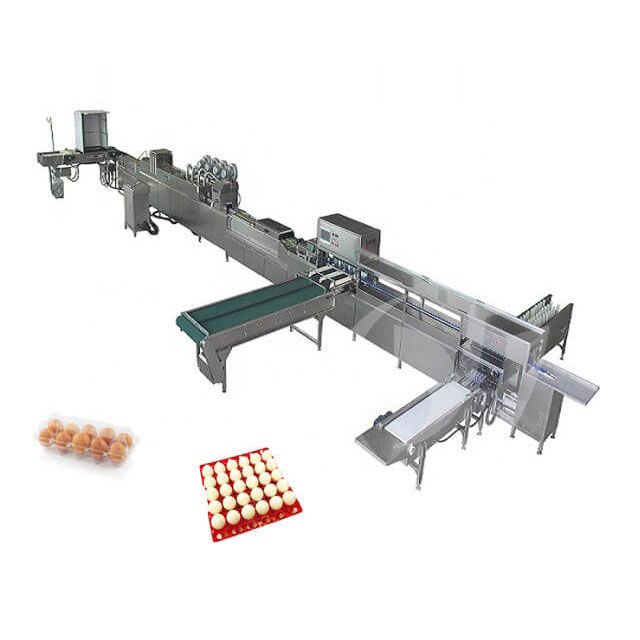 Egg Canning Production Line
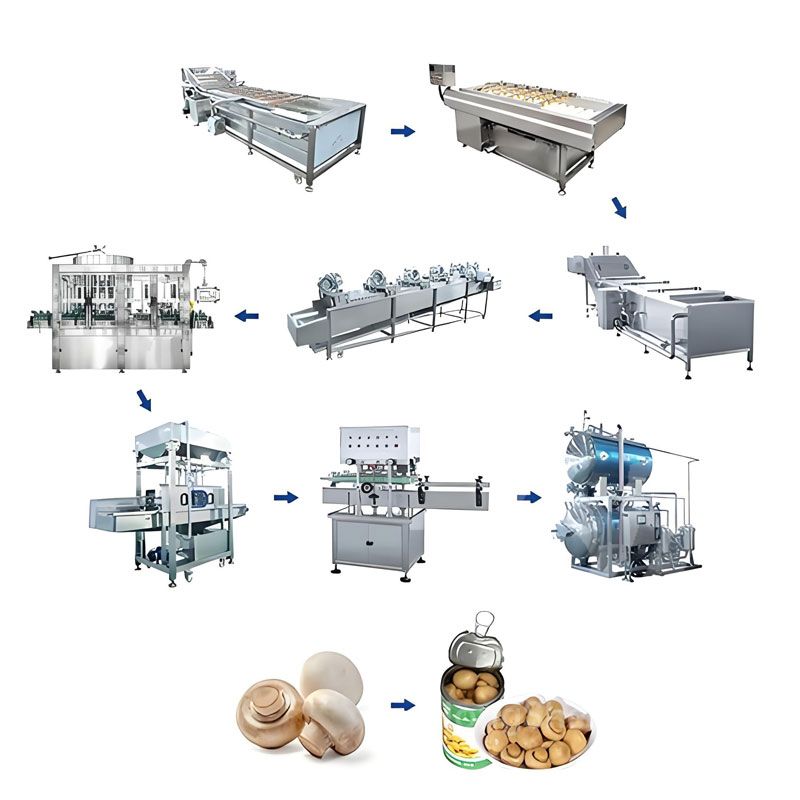 Button Mushroom Canning Production Line
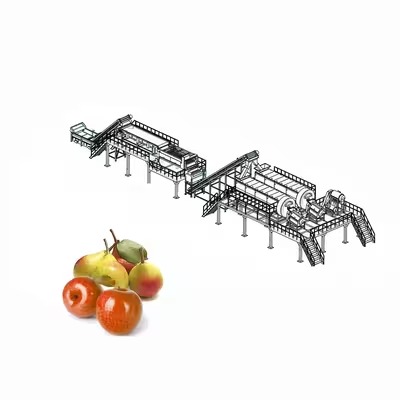 Apple Canning Production Line
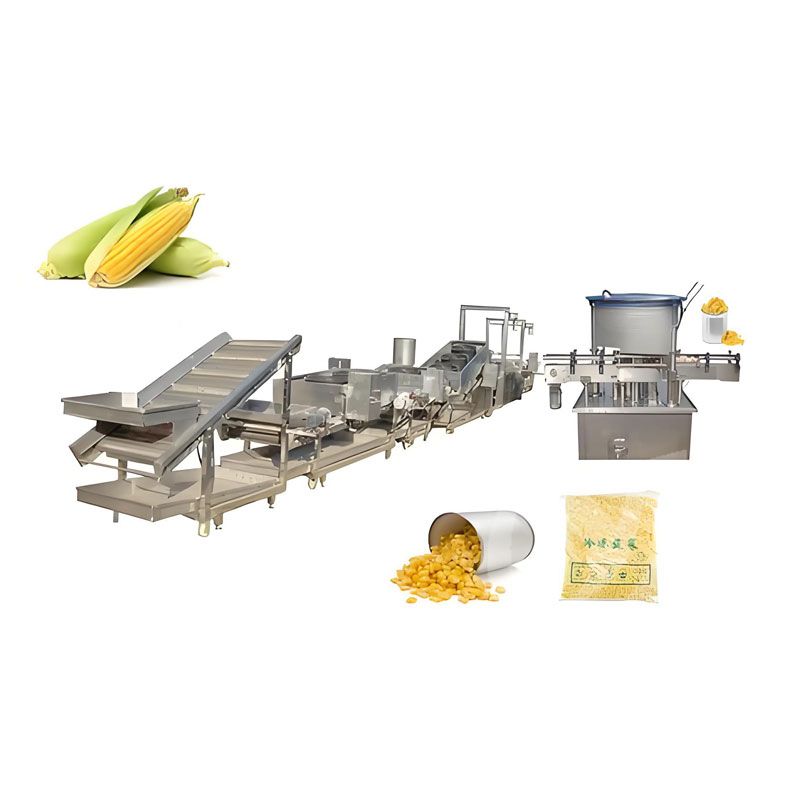 Corn Canning Production Line
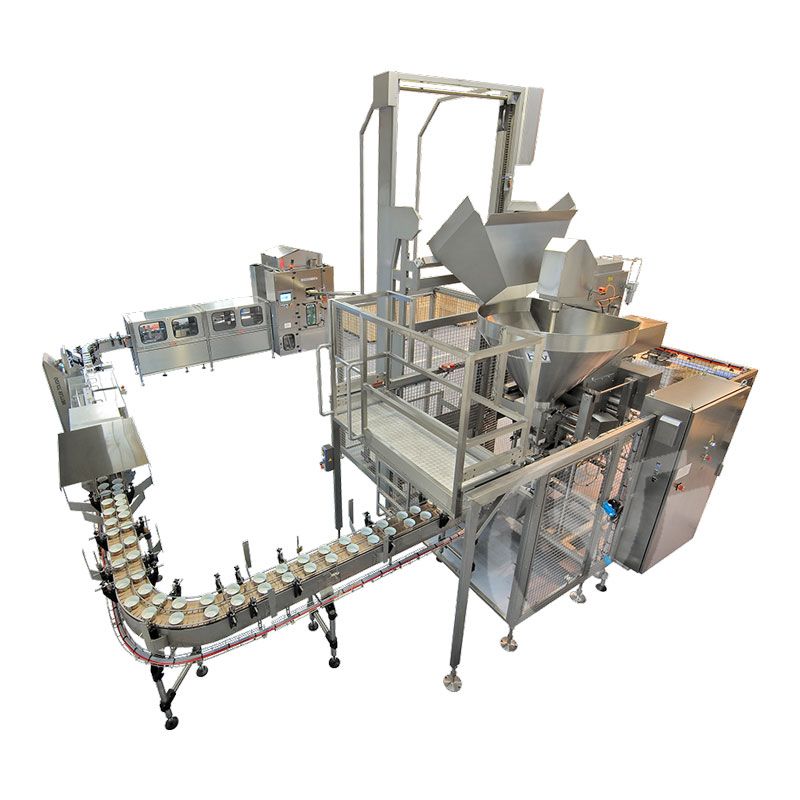 Meat Canned Food Production Line
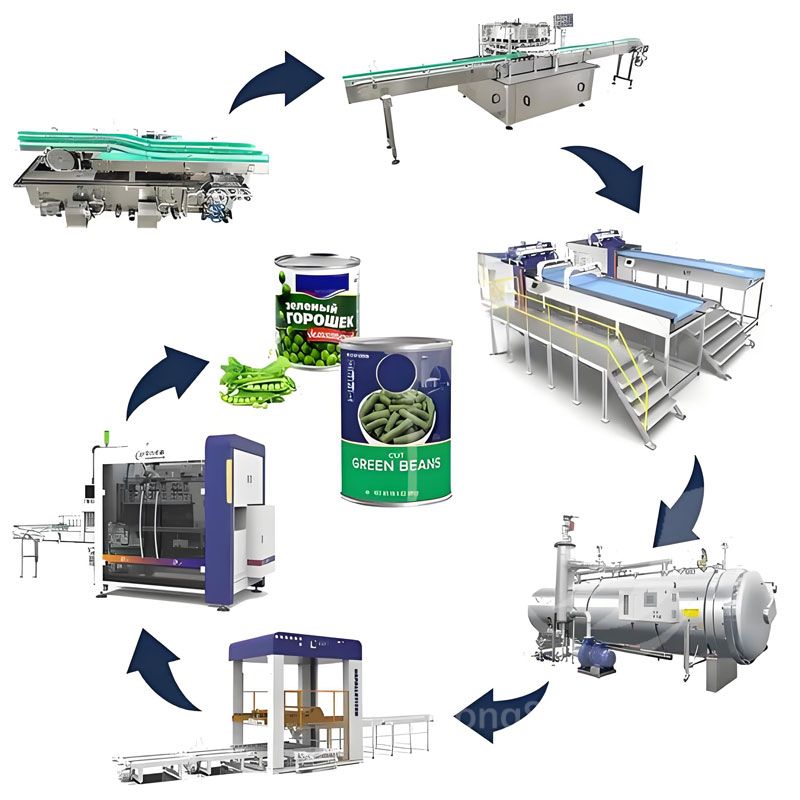 Green Bean Canned Food Production Line
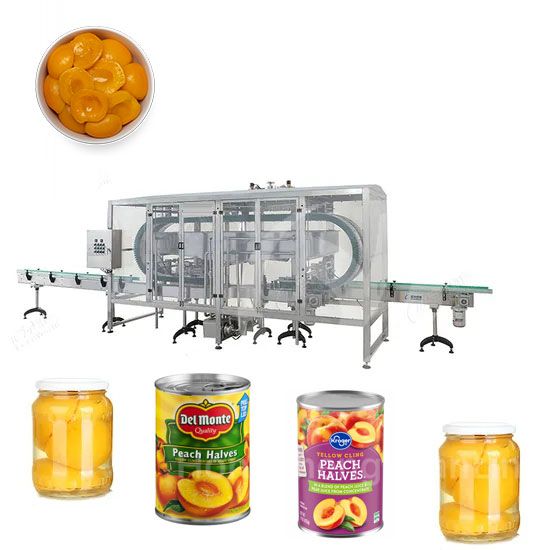 Peach Canned Food Production Line
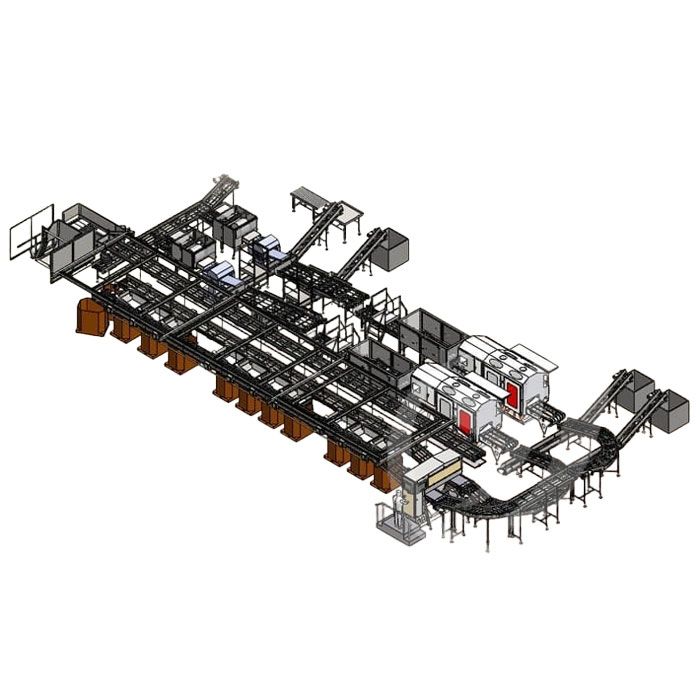 Braised Pork Belly Can Production Line
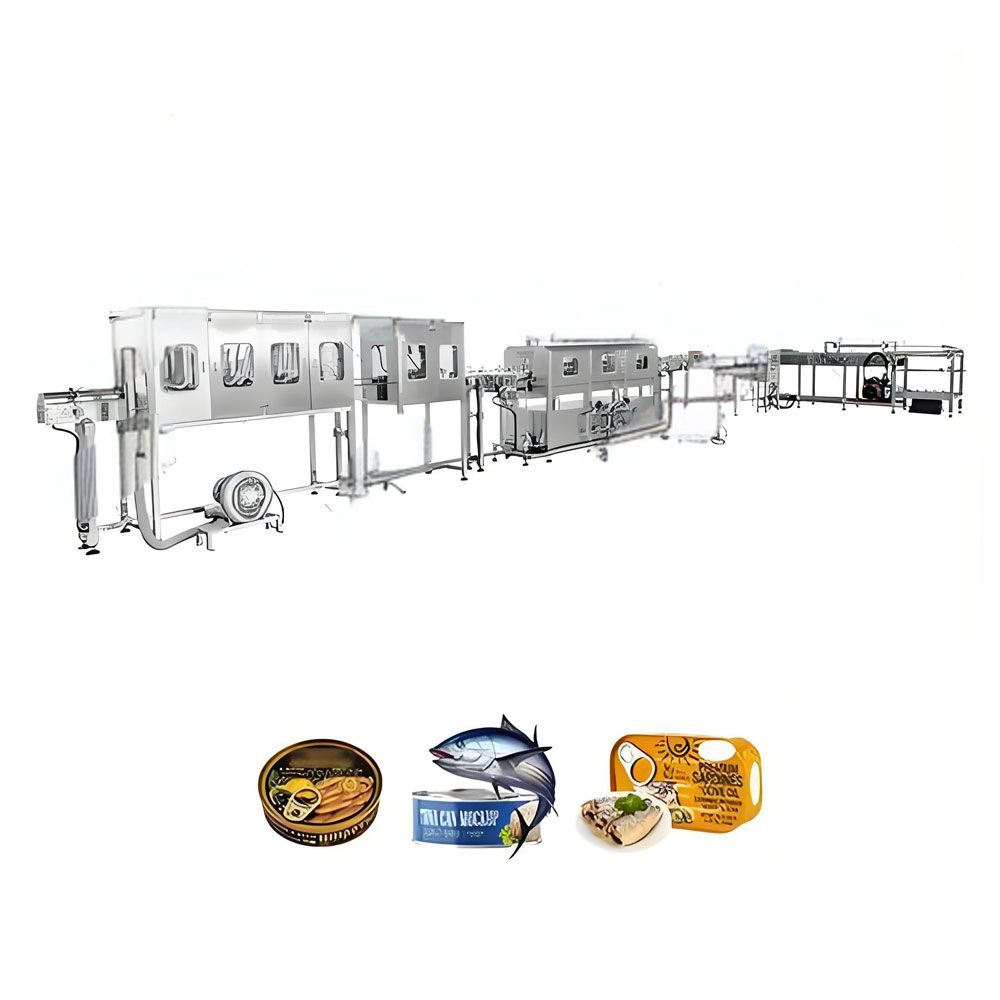 Canned Fish Production Line
 YL-W-04 Commercial Water Purification Equipment
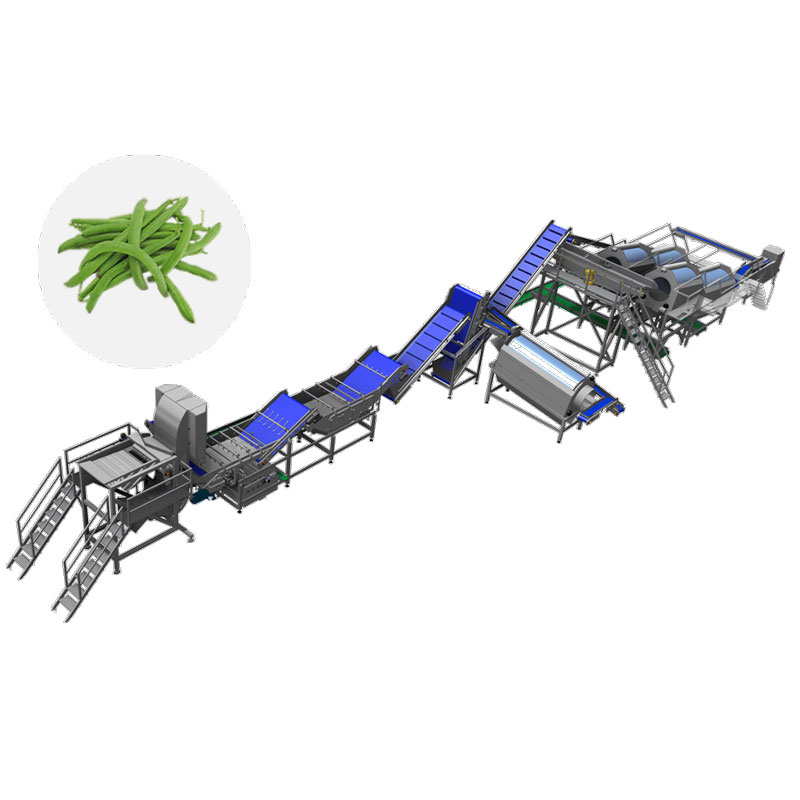 Spinach Canned Canned Food Canning Production Line
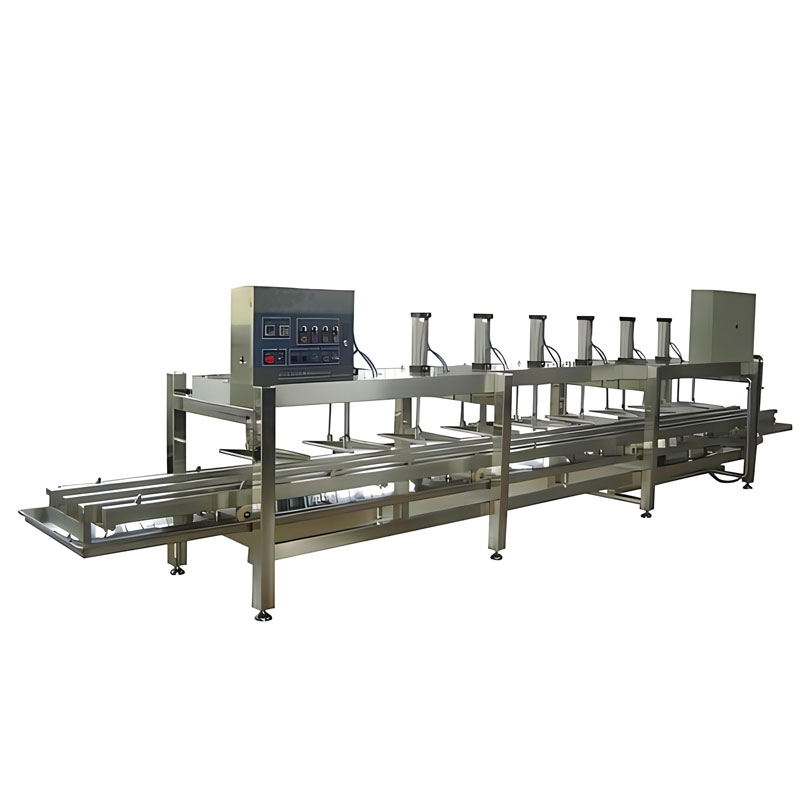 Tofu Production Line
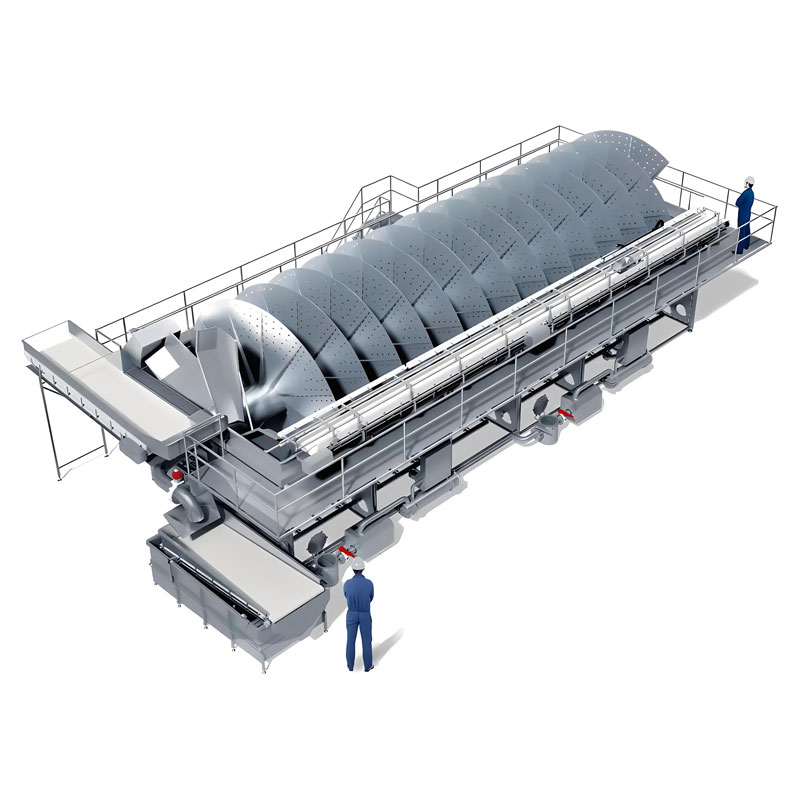 Salmon Processing Line
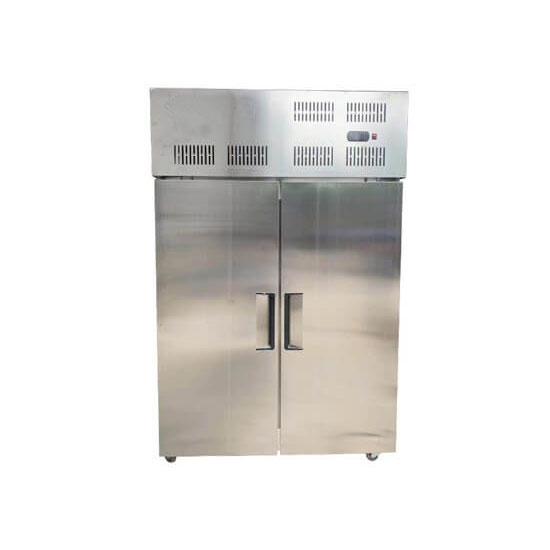 Potato Chips Instant Freezer
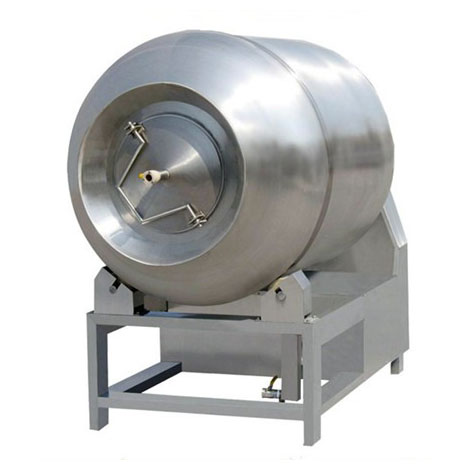 Vacuum Meat Tumbler
 Cake Production Line