
Sardine Canning Production Line Manufacturer - Chinese Manufacturer, Factory, Supplier
Engineering Parameters for High-Precision Seafood Canning
| Parameter Category | Technical Specification |
|---|---|
| Standard Throughput | 1,000 - 8,000 CPH (Cans Per Hour) |
| Material Grade | High-Corrosion Resistance SUS316L Stainless Steel |
| Filling Mediums | Vegetable Oil, Brine, Tomato Sauce, or Spicy Gravy |
| Control System | Advanced PLC with Centralized HMI Monitoring |
| Sterilization Capability | High-Pressure Autoclave/Retort (Up to 121°C) |
The Core Mechanism: Advanced Evisceration & Hermetic Sealing
The HSYL sardine canning production line is a specialized engineering marvel designed to protect the structural integrity of delicate small fish. The process begins with an automated heading and gutting module that utilizes precision-calibrated cutting blades to minimize tissue damage. This ensures that the sardines maintain their premium appearance and texture throughout the high-speed throughput.
Once the fish are cleaned, they transition to the filling and sealing stage. The system employs precision dosing pumps to inject specific volumes of oil or sauce, followed by a high-torque vacuum seaming process. This stage is vital for creating a hermetic seal that prevents oxidation, making it an essential component for manufacturers utilizing fish processing equipment to achieve long-term shelf stability without preservatives.
Overcoming Seafood Industry Bottlenecks
One of the biggest headaches for seafood processors is the rapid degradation of equipment due to the highly corrosive nature of salt and moisture. HSYL mitigates this by utilizing exclusively high-grade SUS316L stainless steel and specialized waterproof seals throughout the mechanical assembly. This design significantly extends the lifespan of the machinery and reduces unplanned downtime in high-humidity environments.
Additionally, our system addresses the challenge of product consistency. The integration of intelligent sensors allows the line to adjust for variations in fish size and weight, ensuring that every can meets strict commercial standards for both weight and fill-level, even at peak capacities of 5 tons per hour.
Hygiene & Automation Synergy
To maintain strict compliance with HACCP and FDA standards, our production lines feature a comprehensive CIP (Clean-In-Place) architecture. The system is designed with zero-dead-angle geometry, allowing for automated high-pressure washing and chemical sanitation of all internal components. This reduces human contact with the product and ensures the highest level of food safety.
The entire operation is governed by a centralized Industrial PLC system, providing real-time data on sterilization temperatures, pressure gradients, and filling accuracy, allowing for total transparency in your production logs.
Final Configurations & Commercial ROI
Our turnkey solutions are highly adaptable to diverse market demands. The production line can be quickly reconfigured to output various high-value commercial products, including:
- Canned Sardines in Oil: Optimized for high-speed oil filling and vacuum stability.
- Spicy Sauce Formats: Specialized handling for viscous sauces and chili-based liquids.
- Brine-Based Seafood: High-efficiency processing for salt-water preserved products.
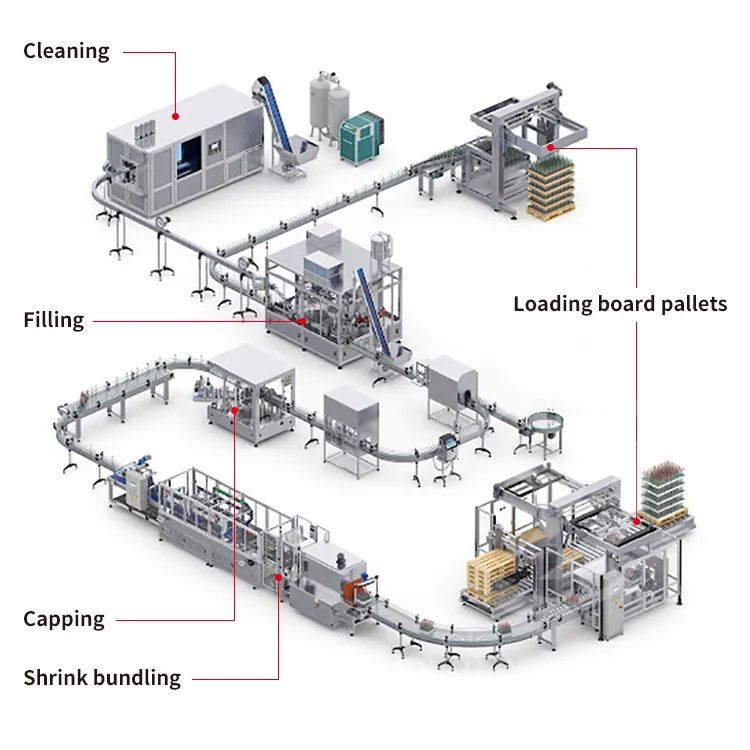 Aseptic Canning Production Line Equipment
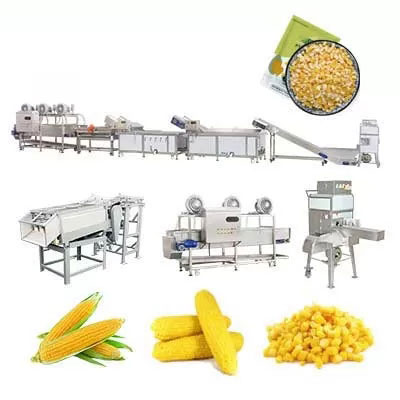 Sweet Corn Canning Production Line
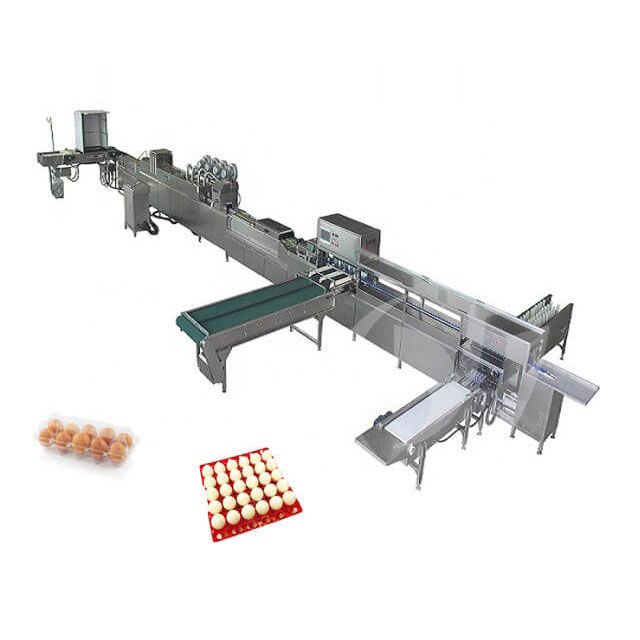 Egg Canning Production Line
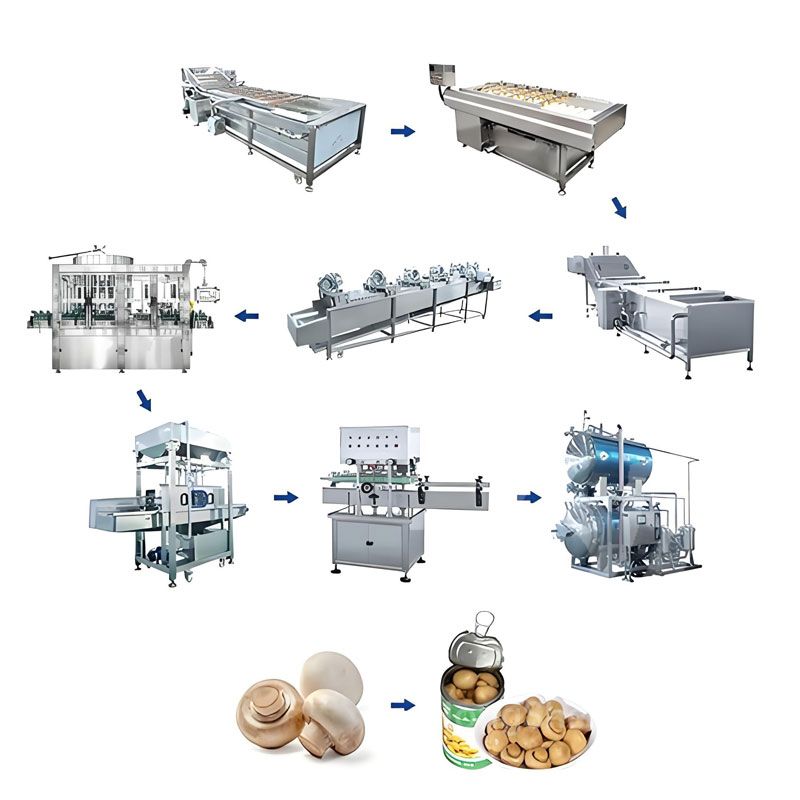 Button Mushroom Canning Production Line
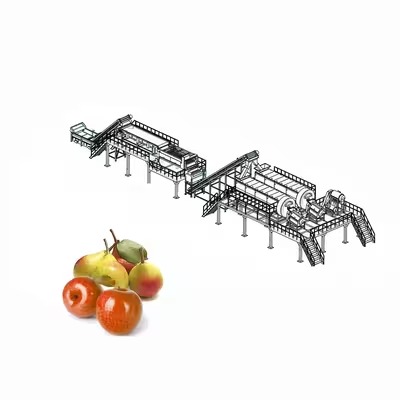 Apple Canning Production Line
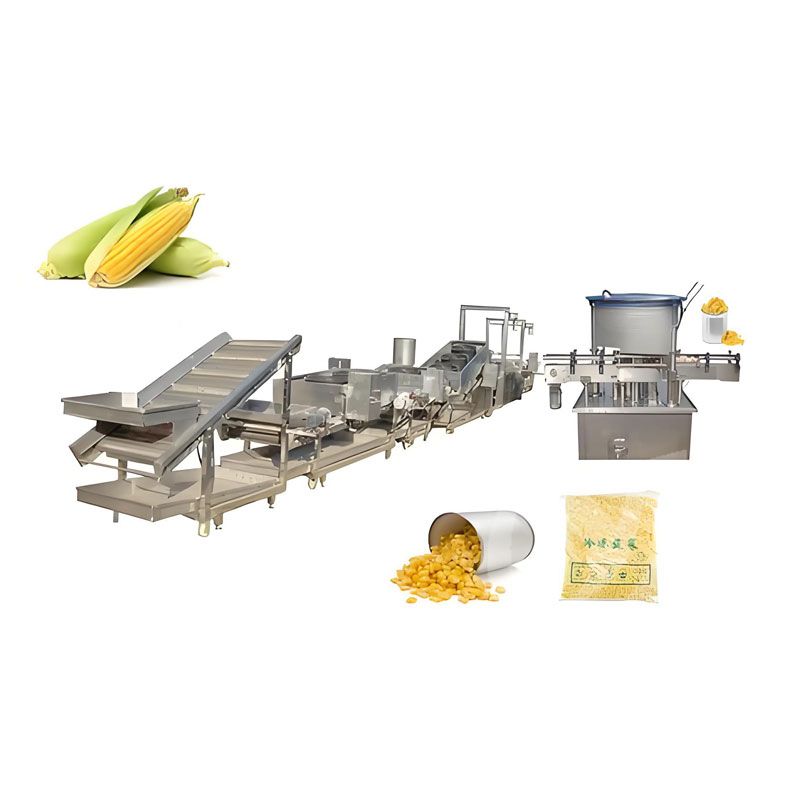 Corn Canning Production Line
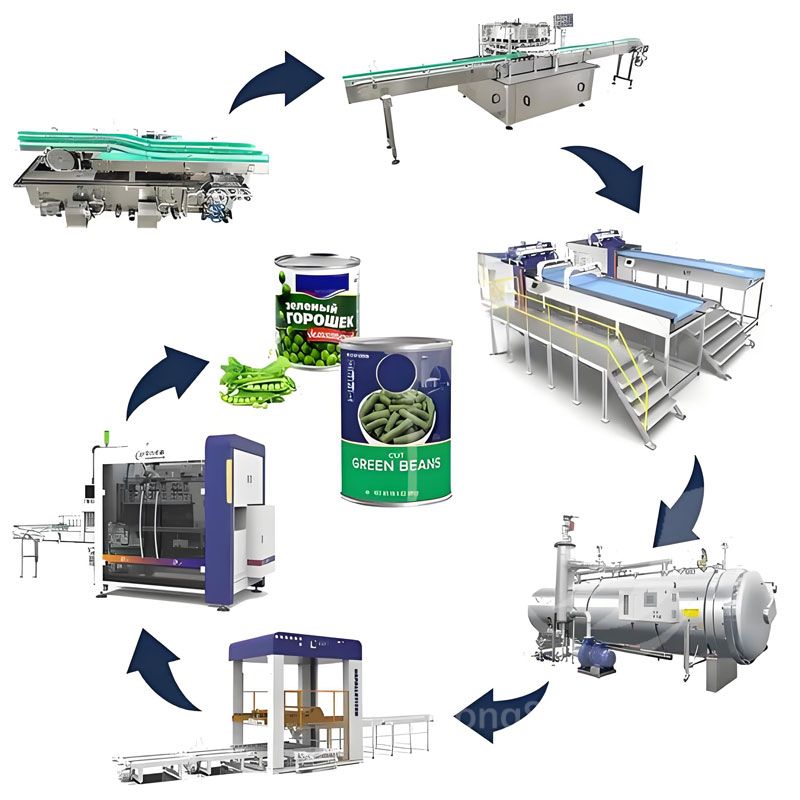 Green Bean Canned Food Production Line
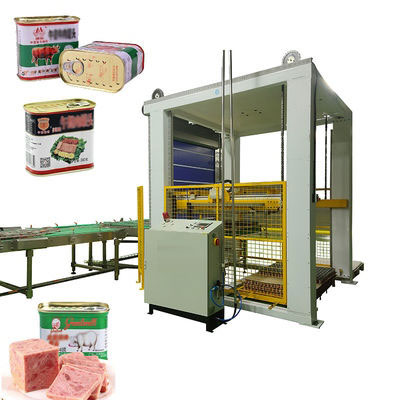 Canned Meat Production Line
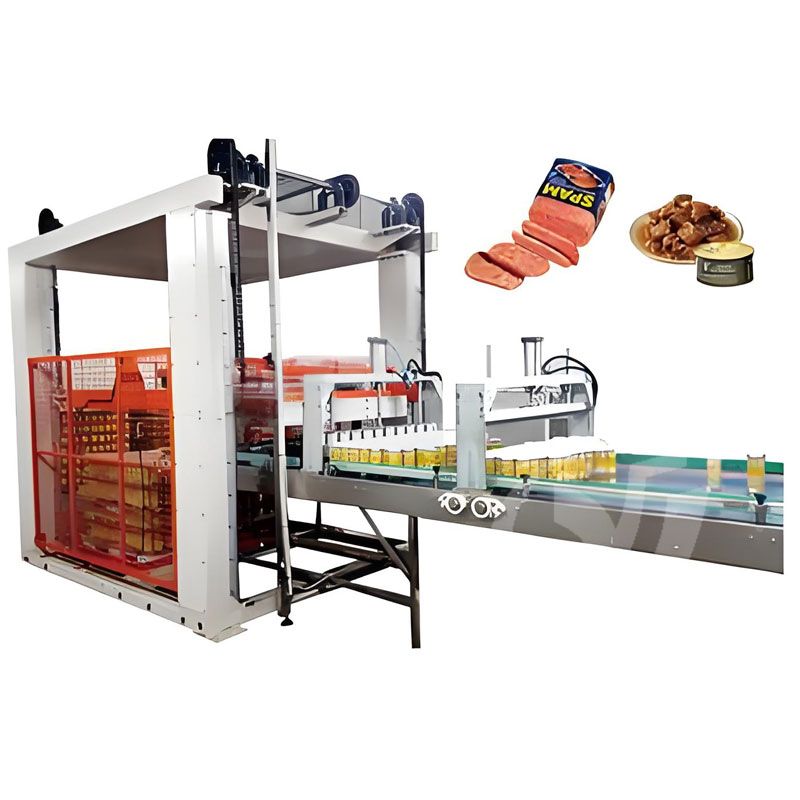 Canned Luncheon Meat Production Line
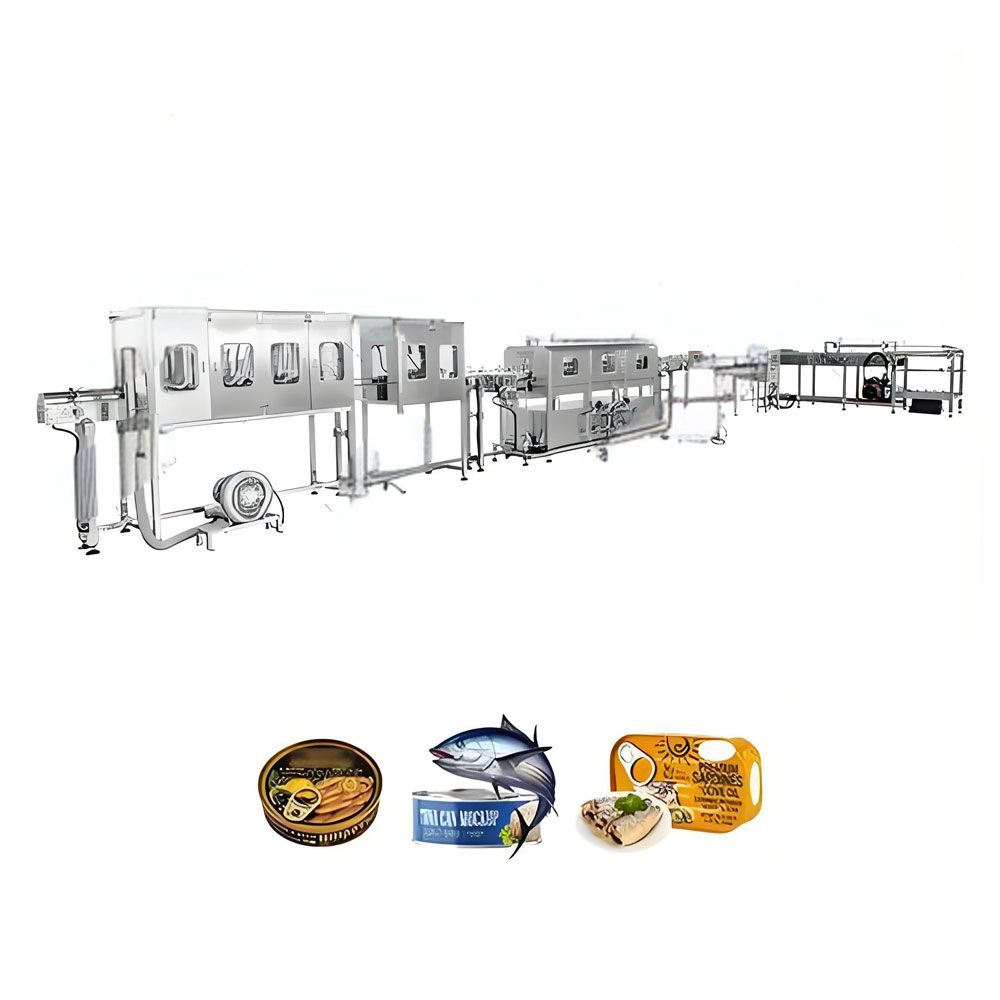 Eel Canned Food Production Line
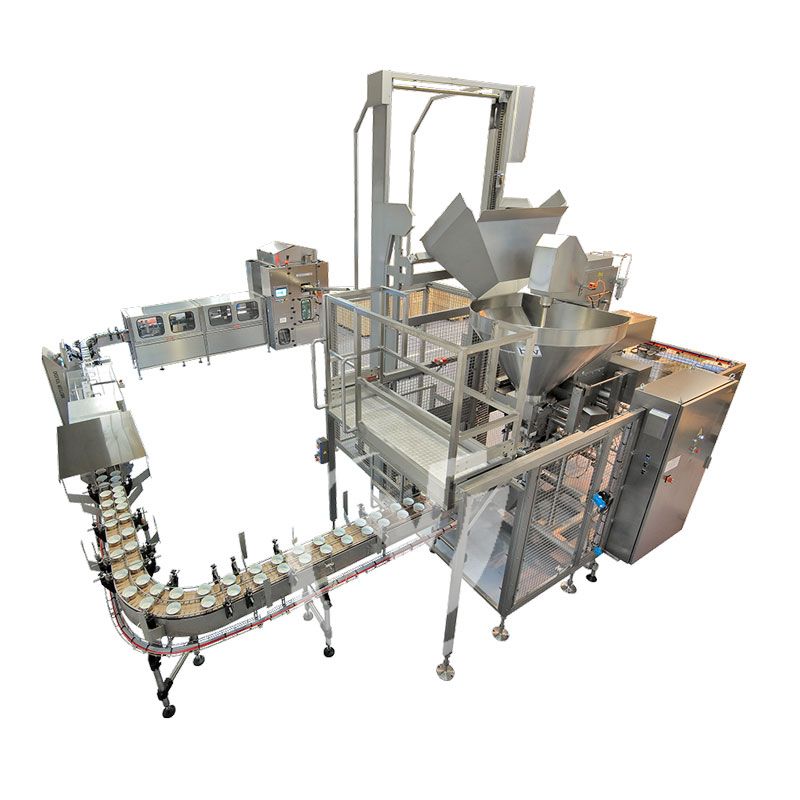 Pet Fish Meat Canning Production Line
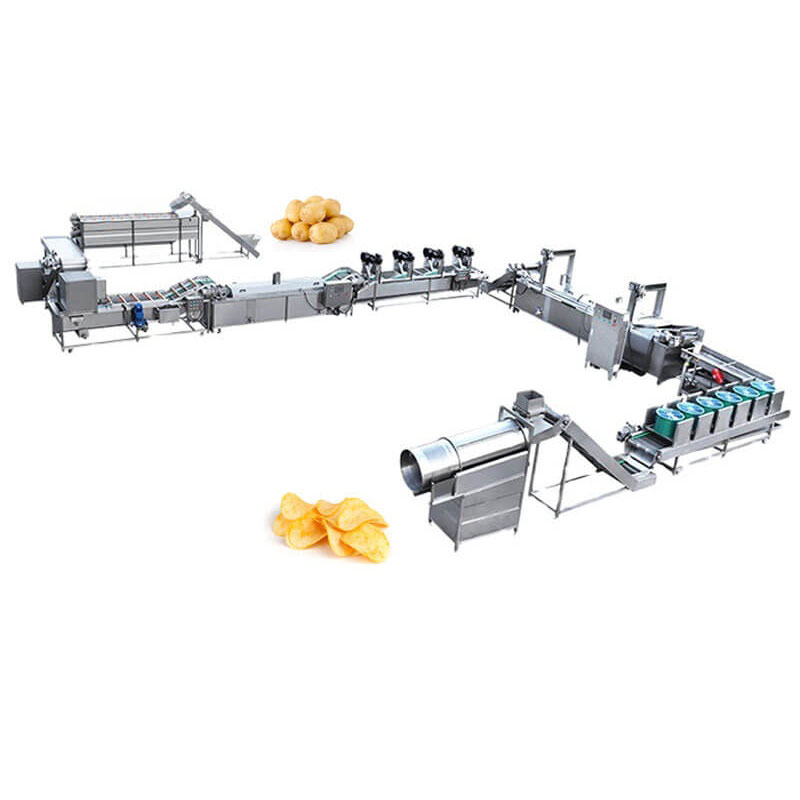 Crisp Production Line
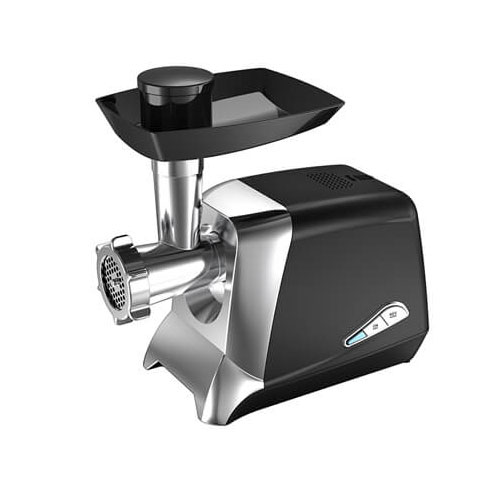 Household Meat Grinder
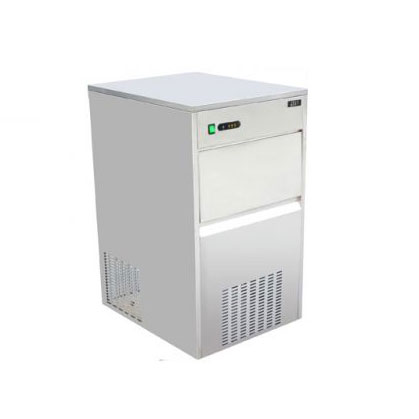 AF Series Flake Pellet Ice Machine
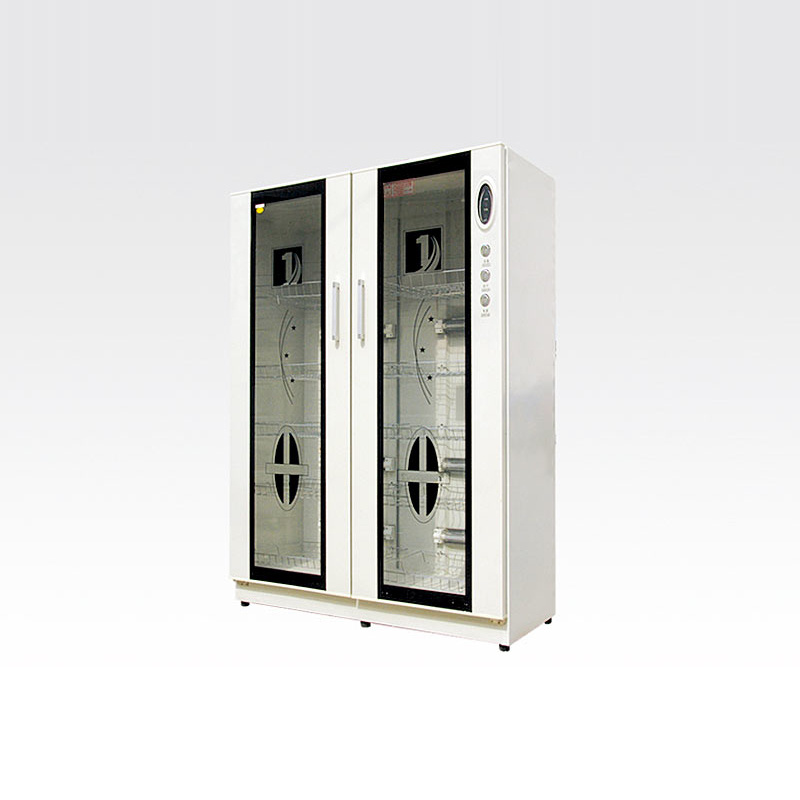 Double-Door Sterilizer
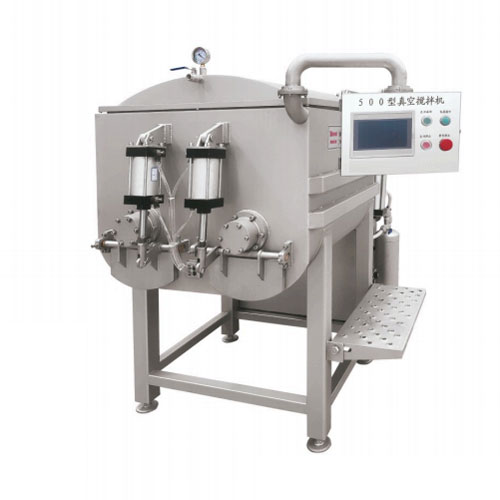 Vacuum Stuffing Machine
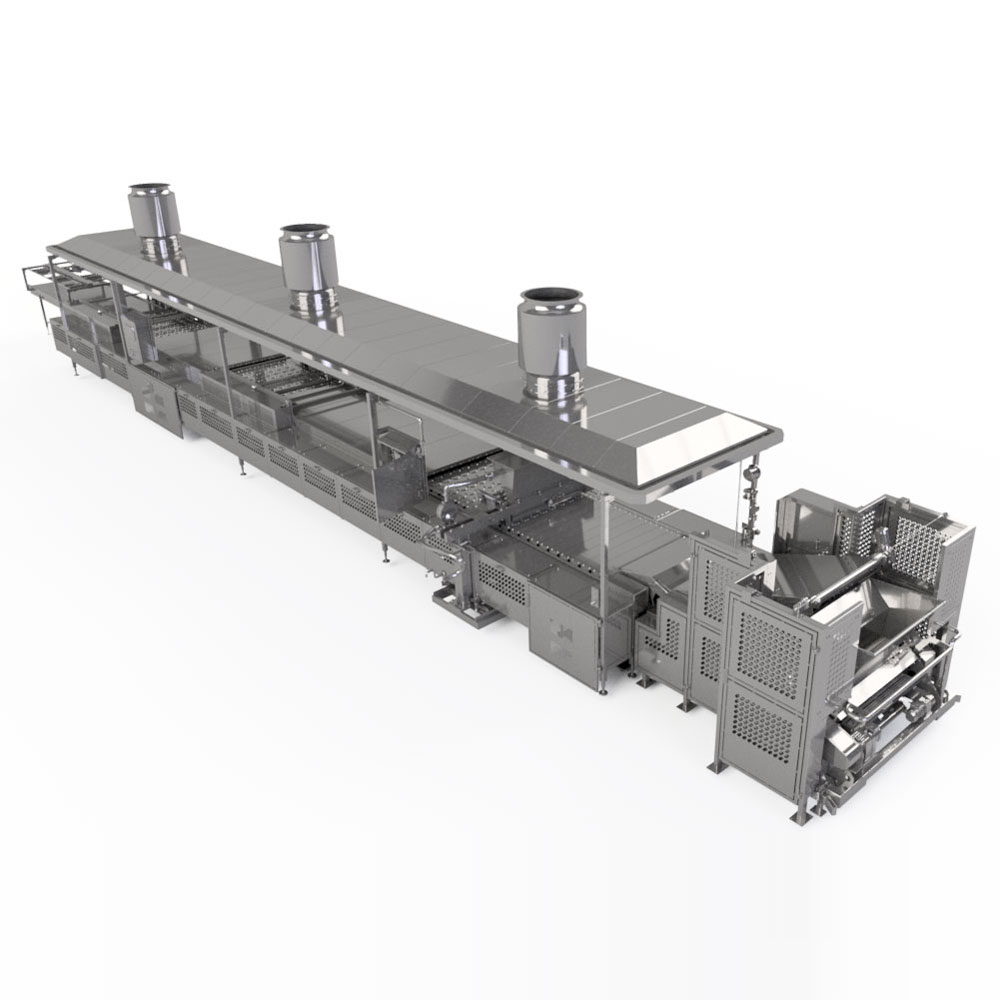 Pancake Production Line
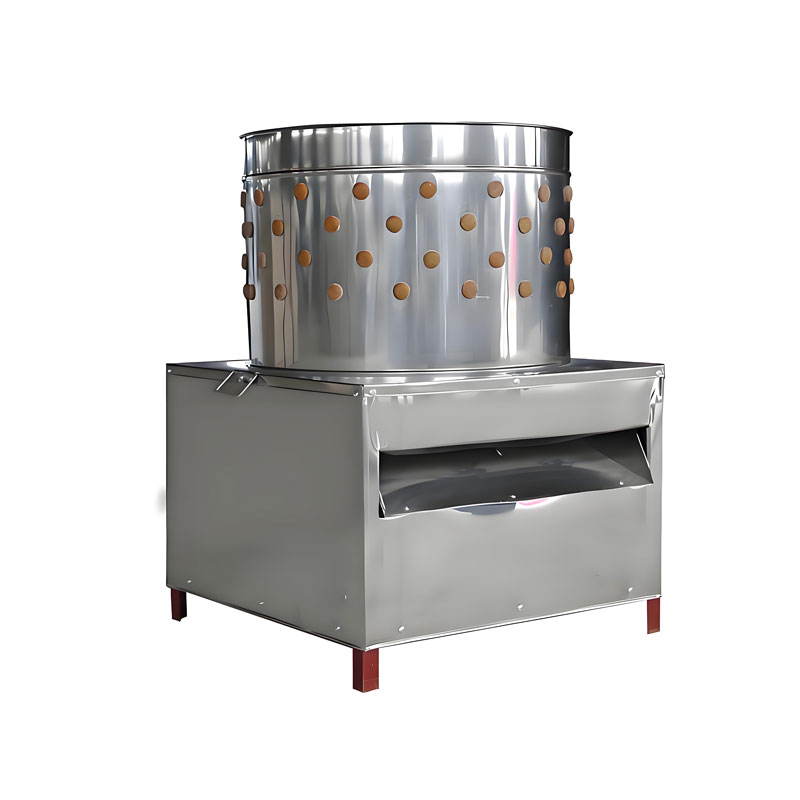 Chicken Plucker Machine
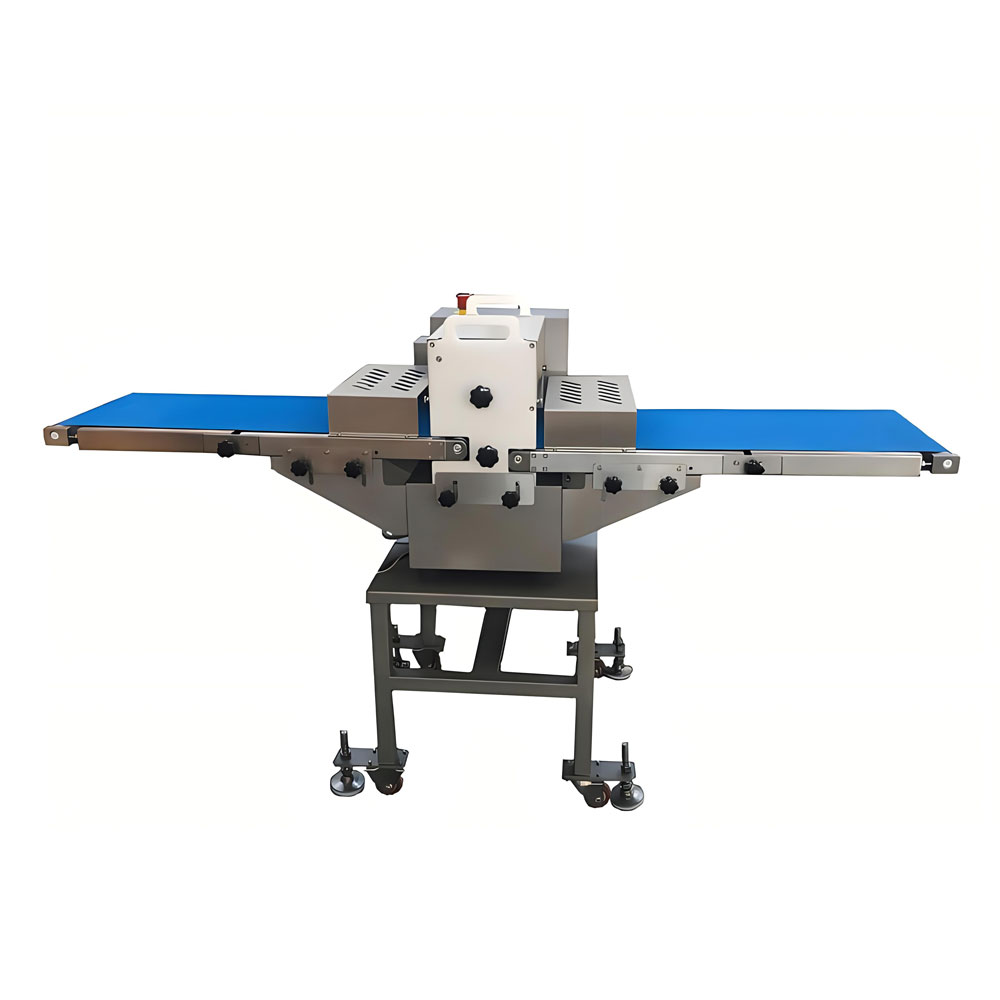 Fresh Meat Slicing Portioning Machine