
Canned Fish Machinery - Chinese Manufacturer, Factory, Supplier
Canned fish machinery is engineered to streamline the entire fish canning process, from cleaning and cutting to cooking, filling, sealing, sterilizing, and packaging. This equipment ensures high efficiency, hygiene, and consistent product quality, making it indispensable for modern seafood processing factories producing sardines, mackerel, tuna, salmon, and other canned fish products.
Built with high-grade stainless steel, the machinery guarantees durability, corrosion resistance, and easy cleaning, meeting international food safety standards such as HACCP, ISO 22000, and CE certification. Automated systems allow precise control over cooking temperature, filling volume, and sealing pressure, ensuring uniformity and extended shelf life while minimizing waste.
The equipment is highly versatile, capable of handling different can sizes and fish types. Complete production lines can include automatic washers, filleting machines, cutting machines, filling systems, can seamers, sterilizers, and packaging units, enabling fully automated operation for high-volume production.
Applications of canned fish machinery extend to seafood canning factories, ready-to-eat meal producers, and export-oriented seafood processing plants. By using advanced machinery, manufacturers can increase productivity, maintain consistent quality, and comply with strict hygiene regulations.
Qingdao Hongshengyuanlin Co., Ltd. offers not only standalone canned fish machines but also fully integrated turnkey production lines. With extensive global experience in designing, exporting, and installing seafood processing systems, the company provides customized solutions covering factory layout, equipment integration, installation supervision, operator training, and long-term technical support. Our turnkey solutions help clients maximize efficiency, maintain product quality, and strengthen competitiveness in the international seafood market.
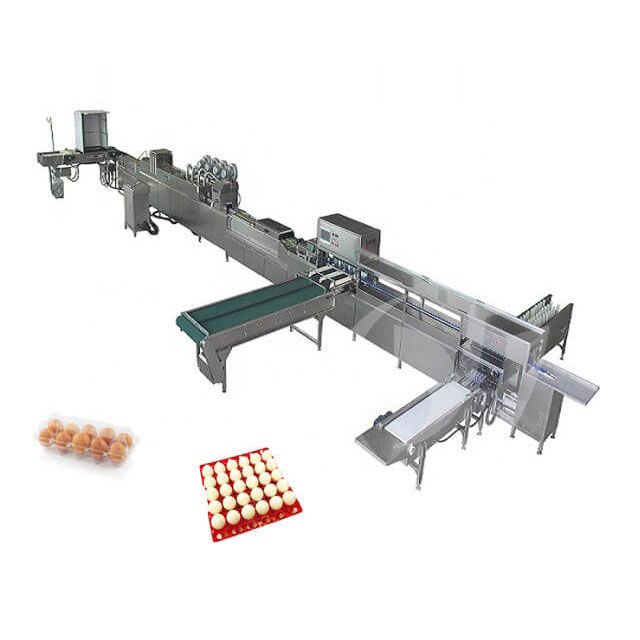 Egg Canning Production Line
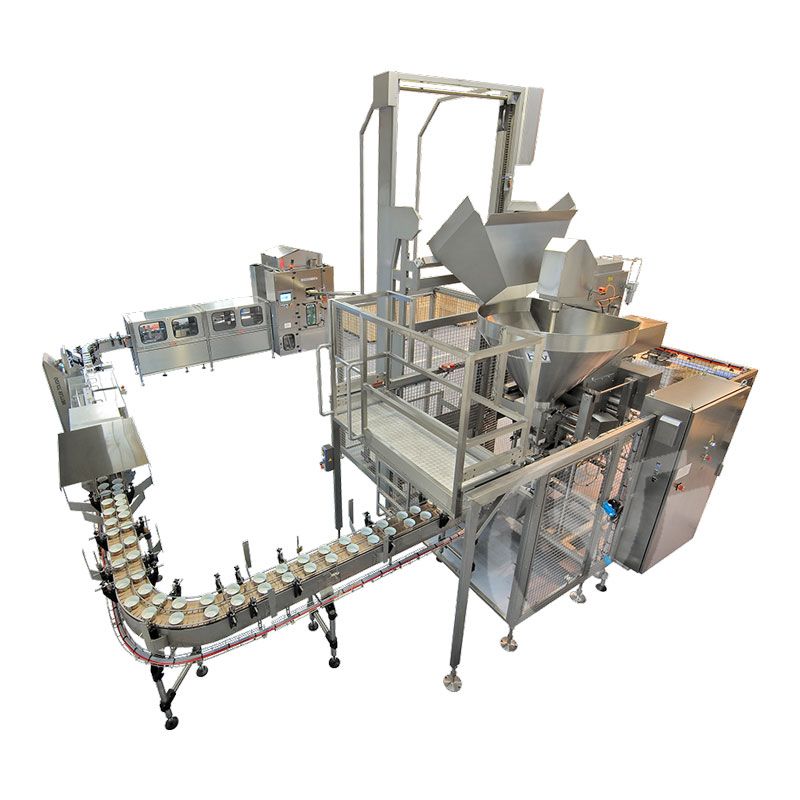 Meat Canned Food Production Line
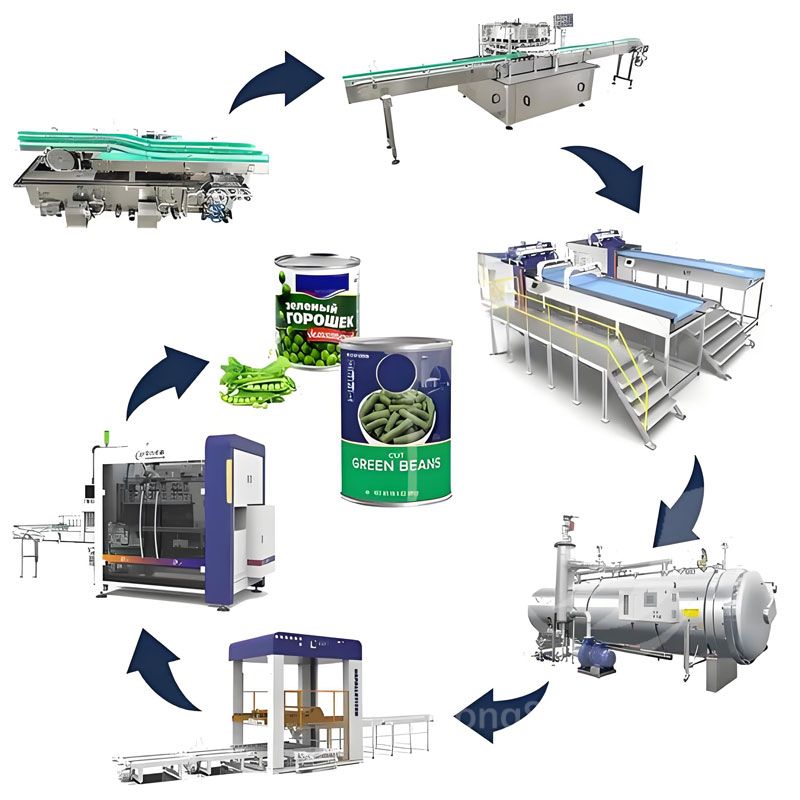 Green Bean Canned Food Production Line
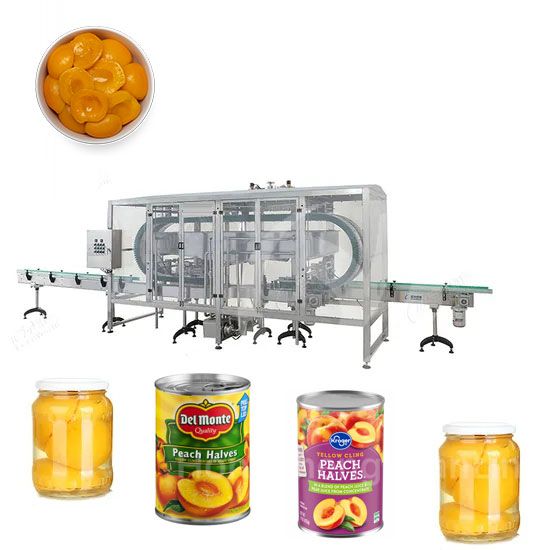 Peach Canned Food Production Line
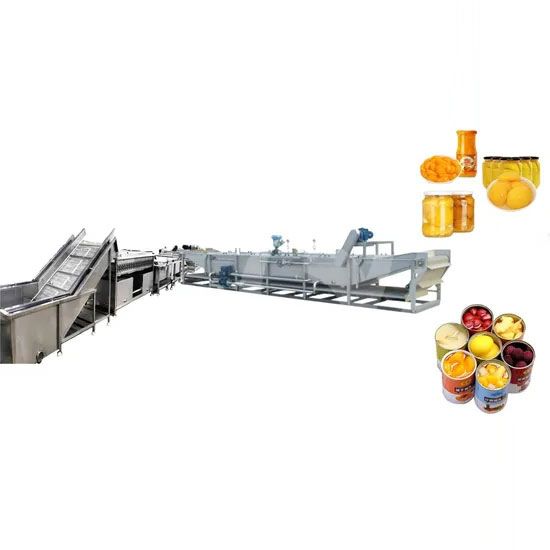 Canned Fruit Production Line Equipment
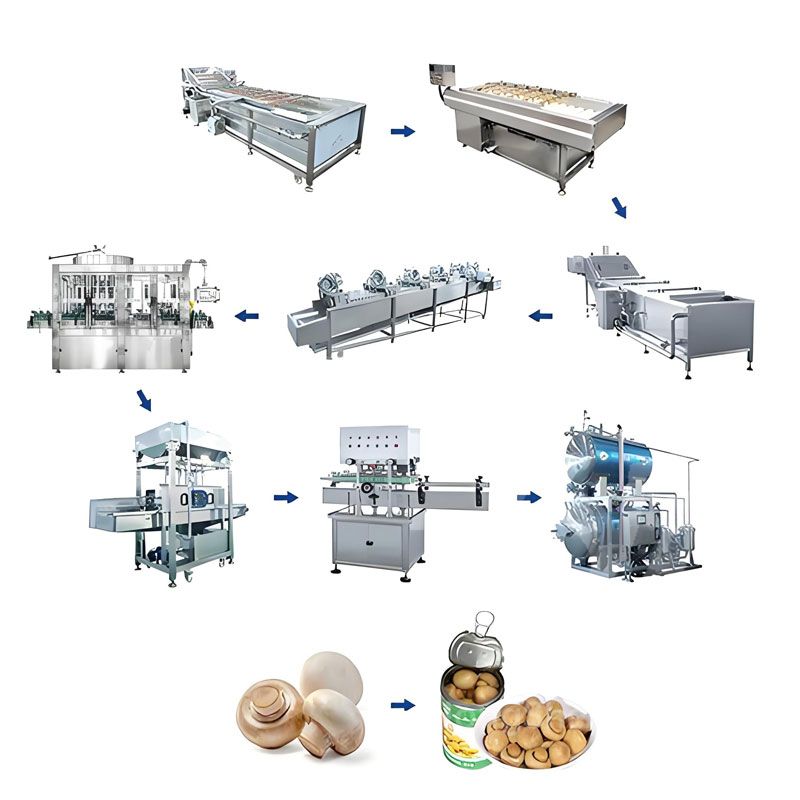 Edible Mushroom Canned Food Production Line
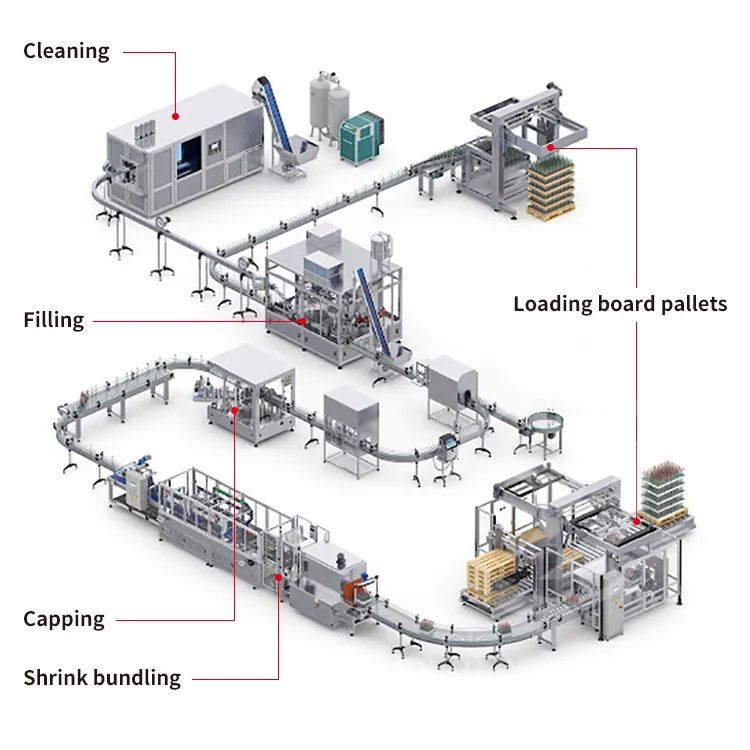 Chicken Soup Canned Production Line
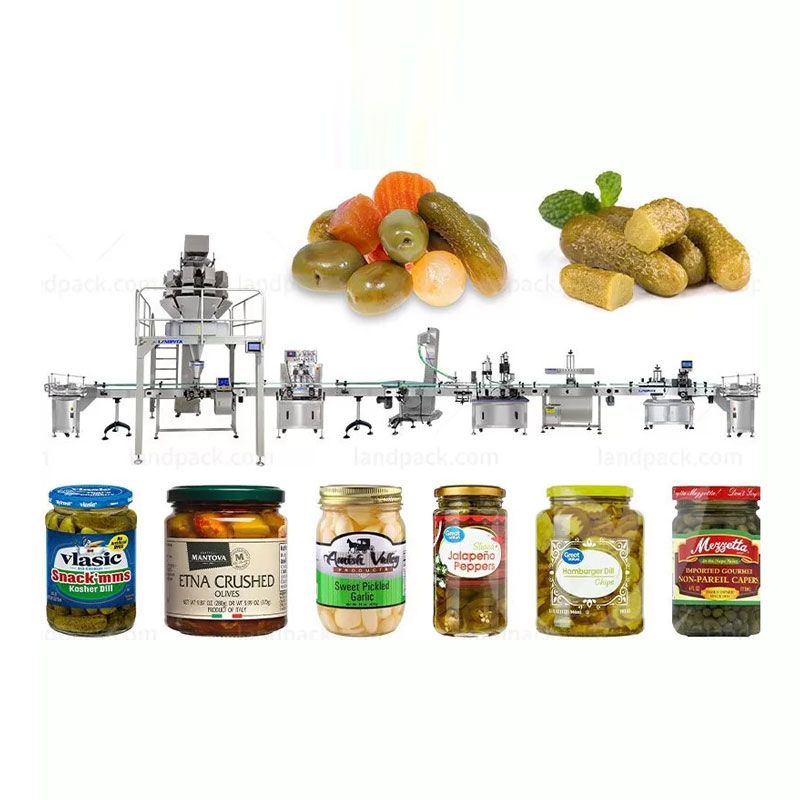 Cucumber Canned Production Line
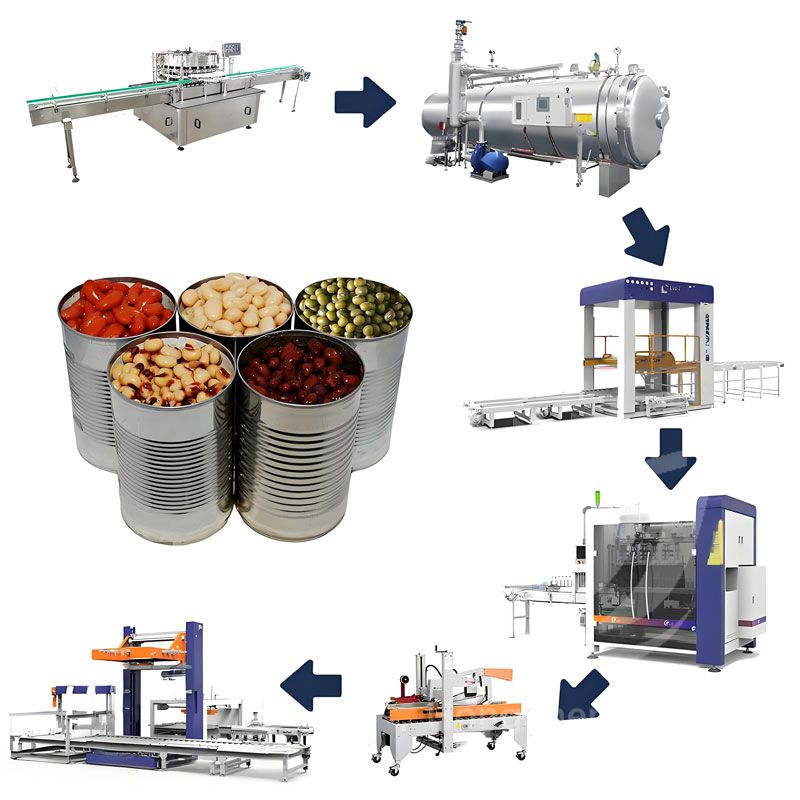 Canned Beans Production Line
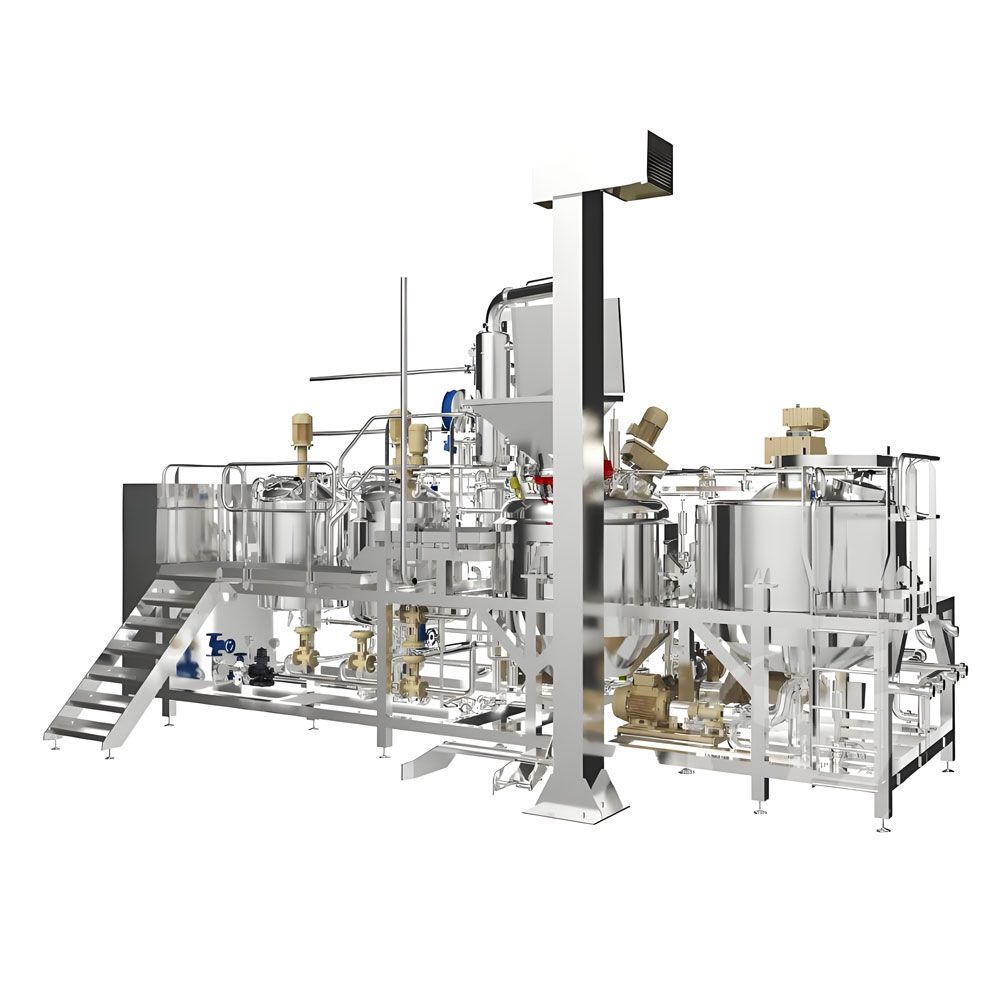 Jam Canned Production Line
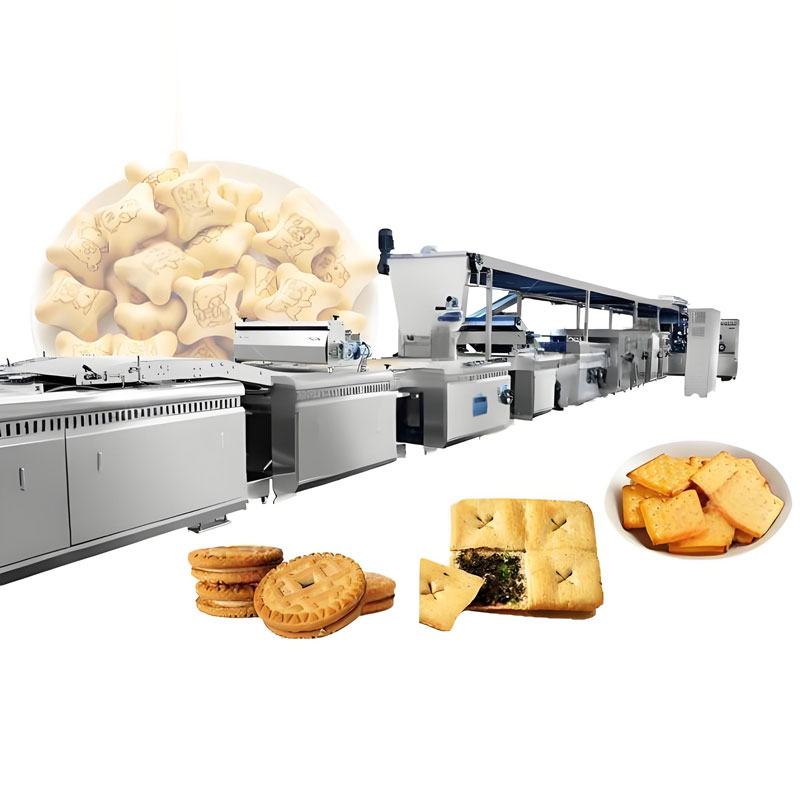 Biscuit Line
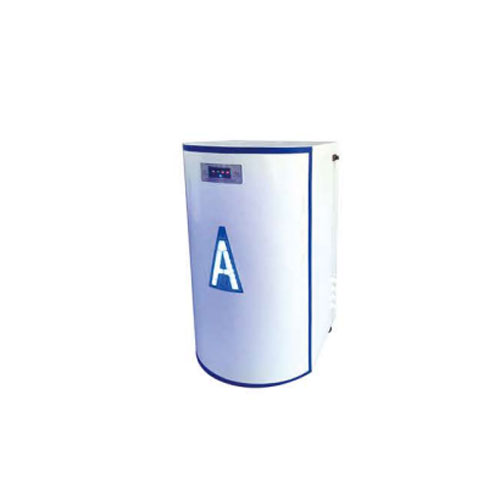 YL-W-04 Commercial Water Purification Equipment
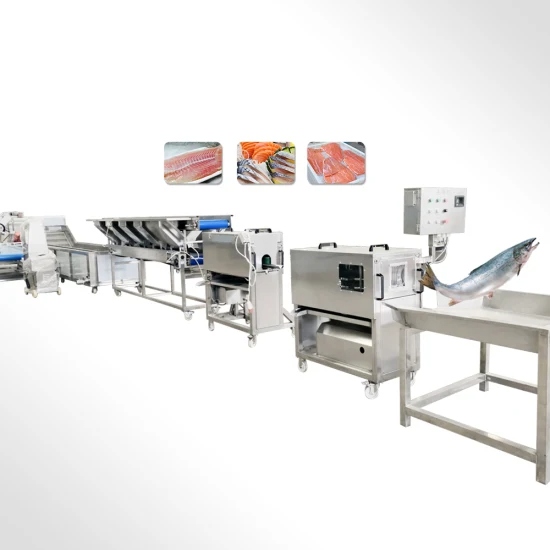 Fish Processing Line
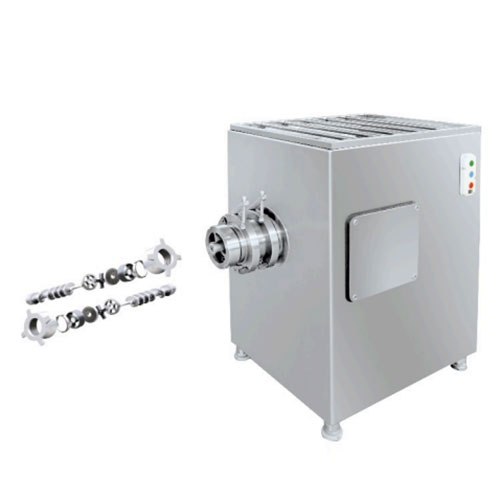 Frozen Meat Grinder
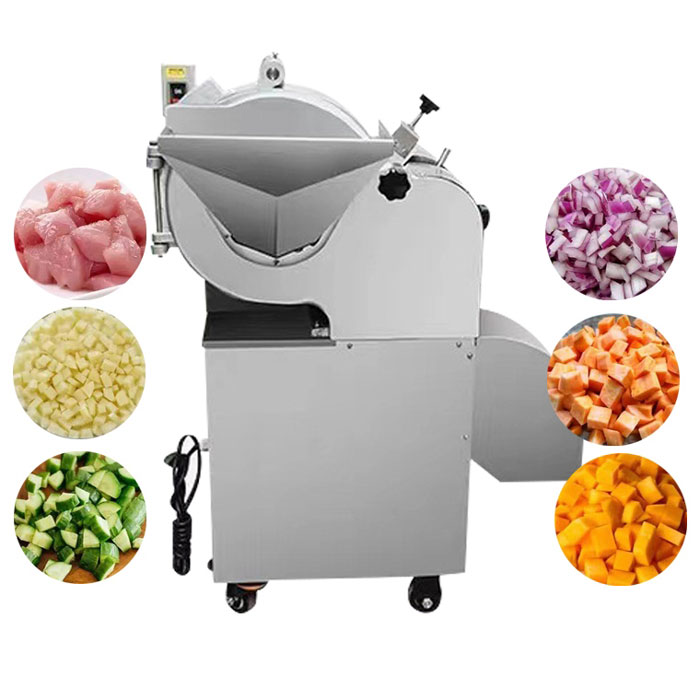 Vegetable Dicing Machine
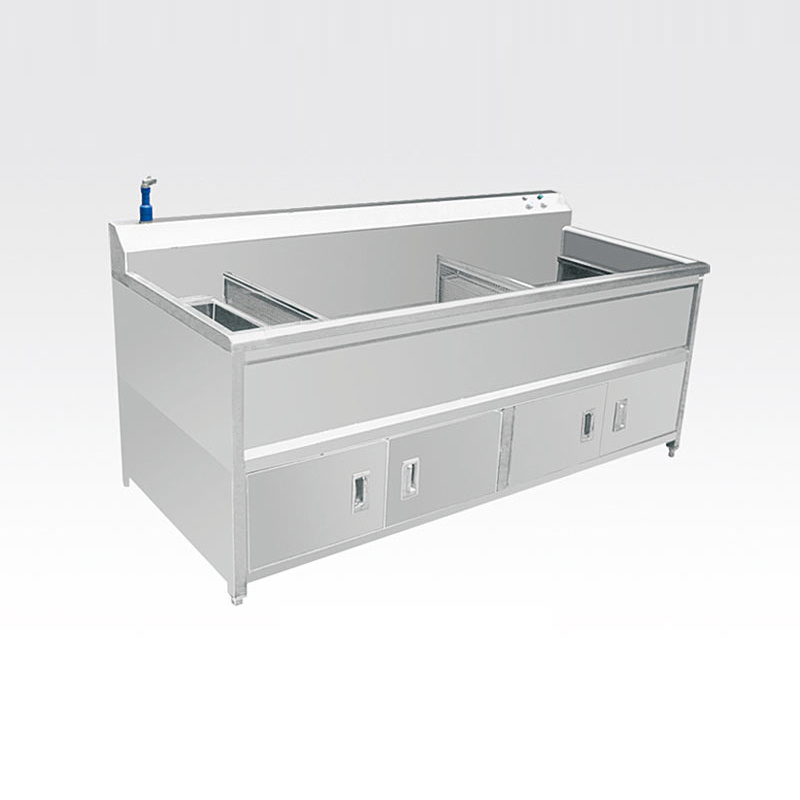 Double-Tank Vegetable Washing Machine