
Supply Of Fish Canning Production Lines - Chinese Manufacturer, Factory, Supplier
The supply of fish canning production lines is essential for modern seafood processing industries that aim to achieve high efficiency, consistent product quality, and compliance with international hygiene standards. A complete fish canning line integrates multiple stages — including fish cleaning, cutting, cooking, cooling, filling, sealing, sterilization, and labeling — into a seamless automated workflow. These systems are designed to handle a wide variety of fish species such as sardines, tuna, mackerel, and anchovies, with flexible configurations to accommodate different can sizes and production capacities.
Each production line is composed of key machines like steam cookers, automatic fillers, oil or brine dosing systems, vacuum seamers, retort sterilizers, cooling conveyors, and labeling units. The advanced PLC control system ensures precise temperature, time, and pressure control during critical steps, improving food safety while reducing human error. The equipment is built from high-grade stainless steel (SUS304/316L) to guarantee durability, corrosion resistance, and easy sanitation — essential features for seafood processing environments.
As one of the reliable suppliers in China, Qingdao Hongshengyuanlin Co., Ltd. provides turnkey fish canning production lines tailored to each client’s specific needs. From layout design and engineering to installation, commissioning, and training, the company delivers complete automation and integrated process solutions. Their systems have been widely exported to Southeast Asia, Africa, the Middle East, and South America, supporting global seafood manufacturers in achieving large-scale, standardized production.
By choosing a professional supplier of fish canning production lines, food processors can modernize their facilities, reduce operational costs, and ensure compliance with HACCP, ISO, and CE food safety standards. Whether for 125g sardine cans or 1kg tuna products, these automated lines help achieve higher productivity and consistent product excellence.
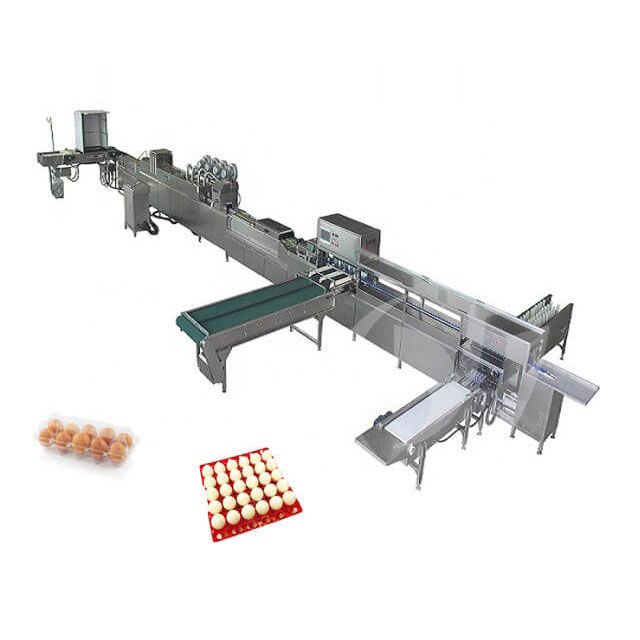 Egg Canning Production Line
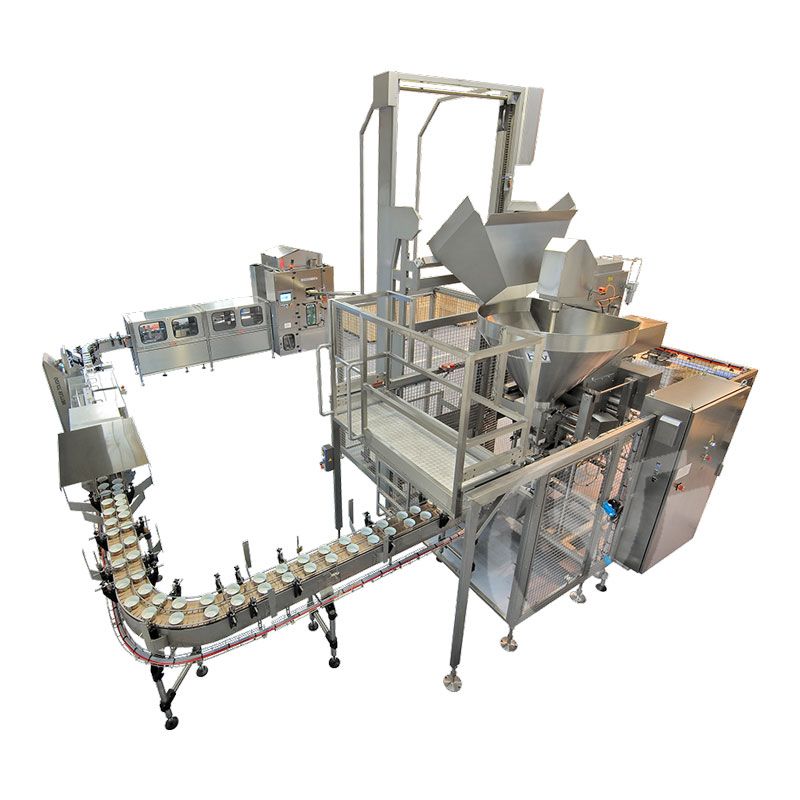 Meat Canned Food Production Line
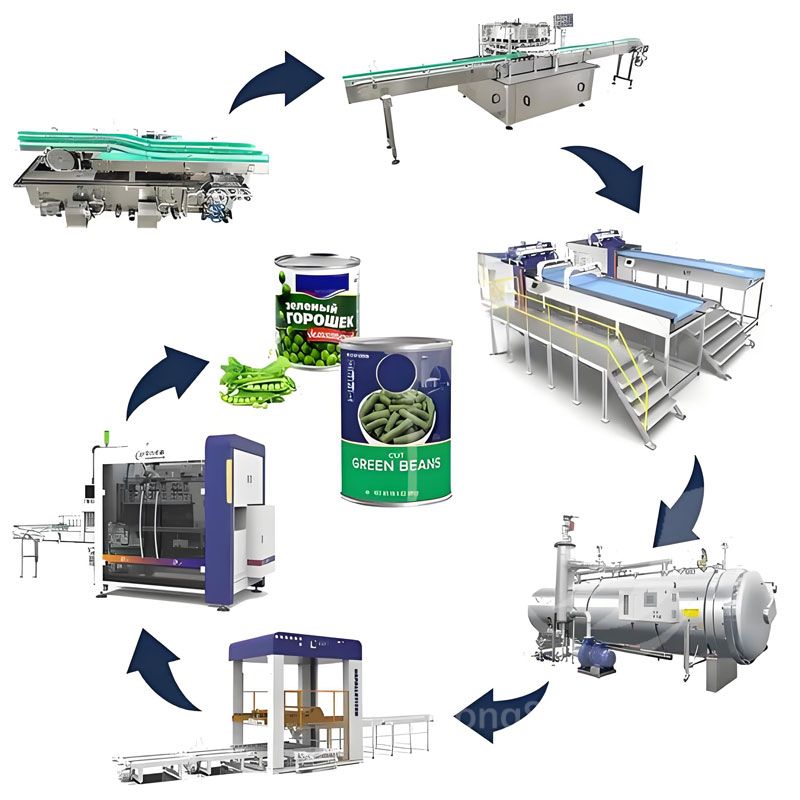 Green Bean Canned Food Production Line
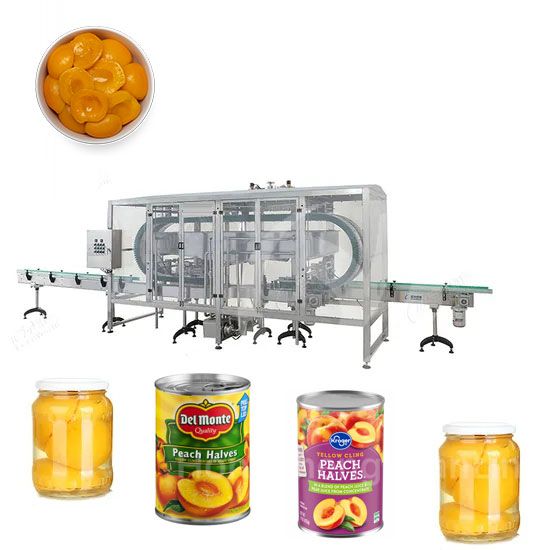 Peach Canned Food Production Line
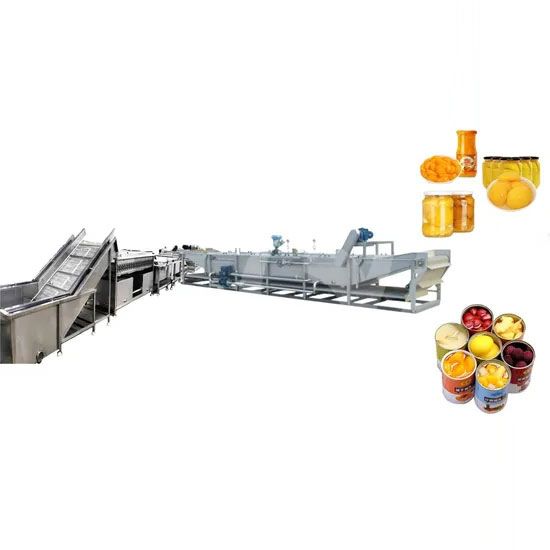 Canned Fruit Production Line Equipment
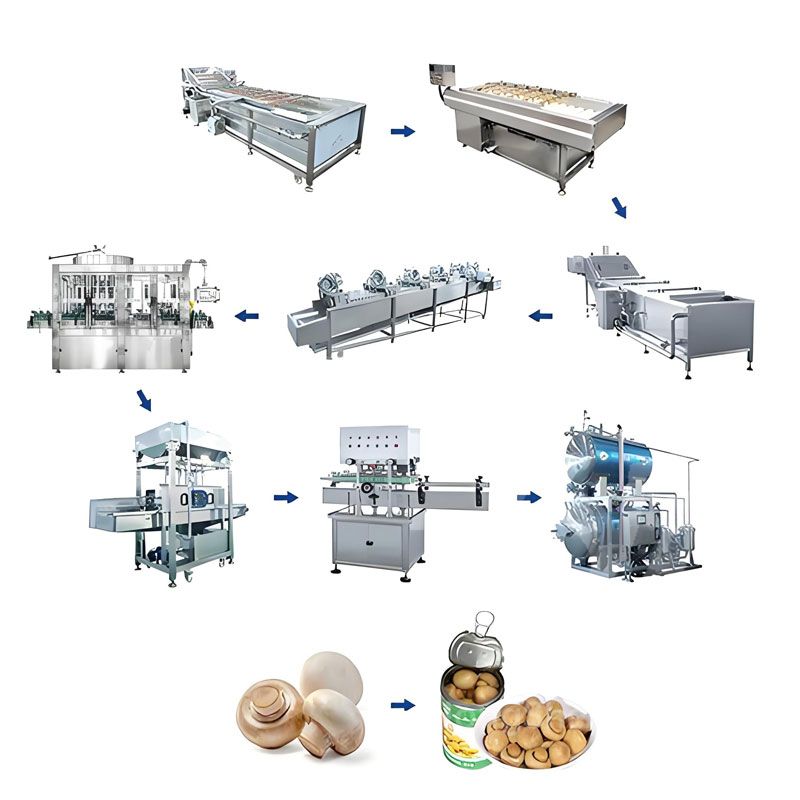 Edible Mushroom Canned Food Production Line
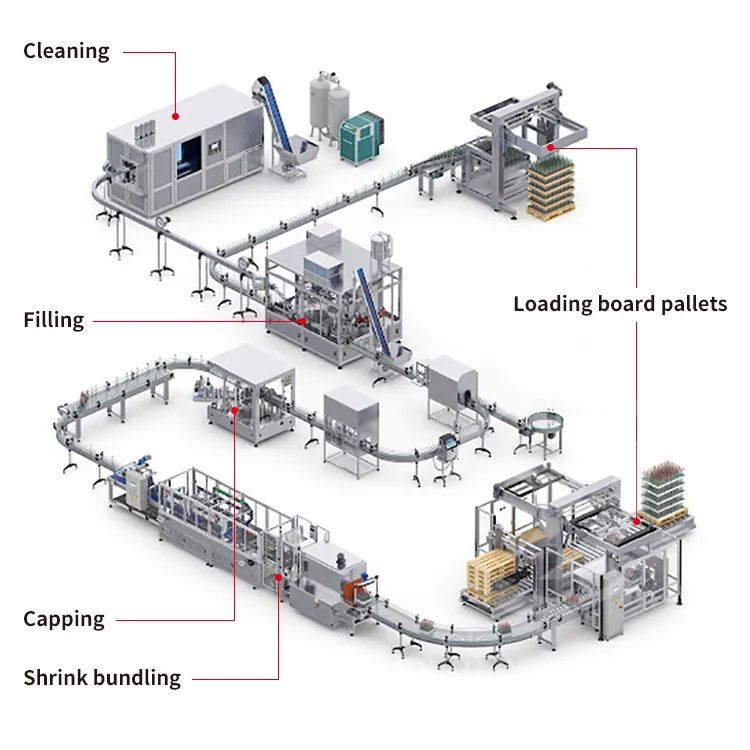 Chicken Soup Canned Production Line
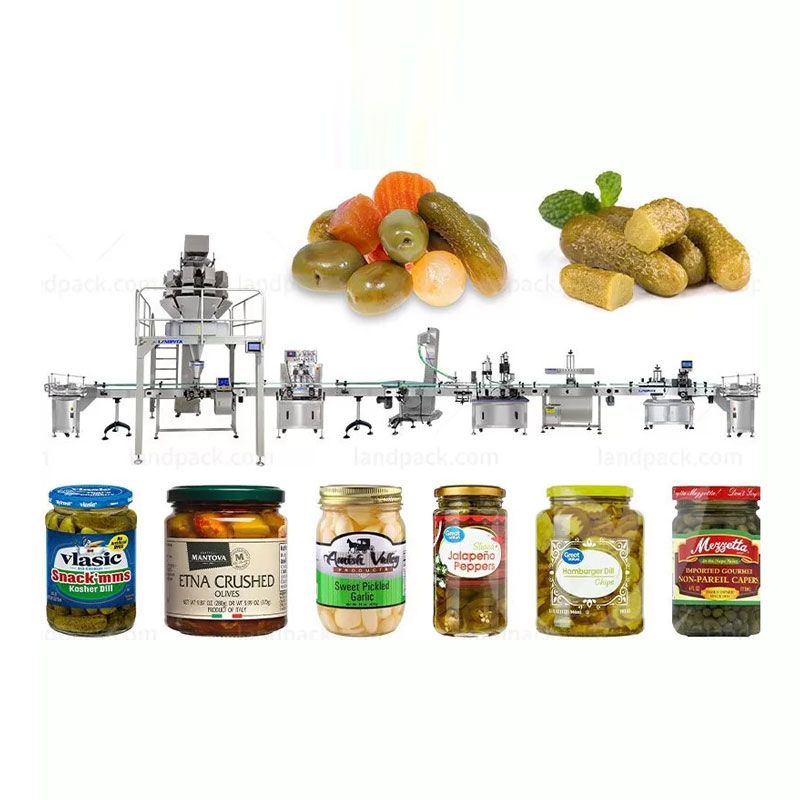 Cucumber Canned Production Line
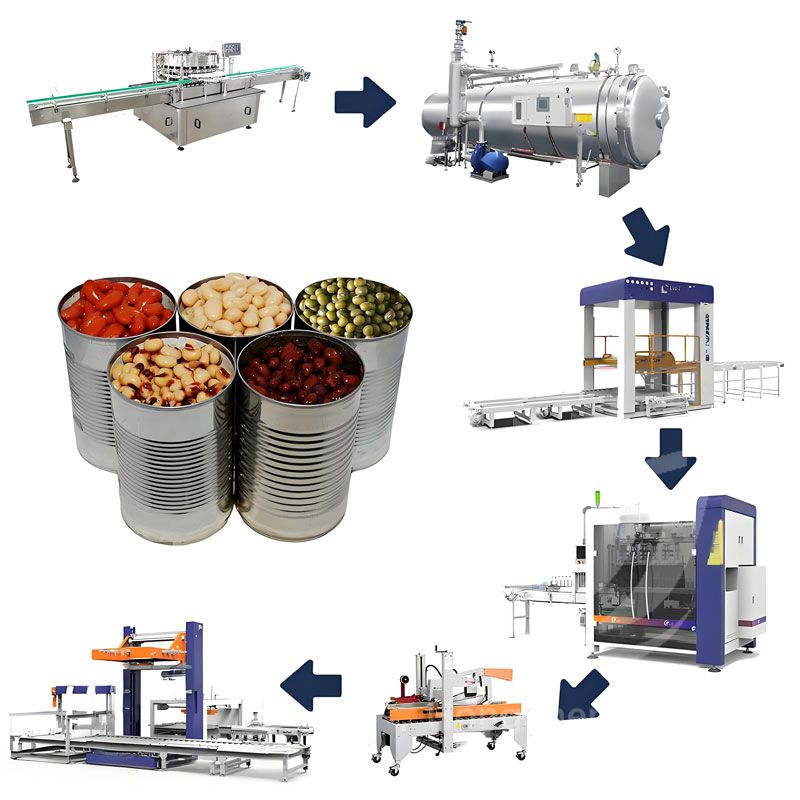 Canned Beans Production Line
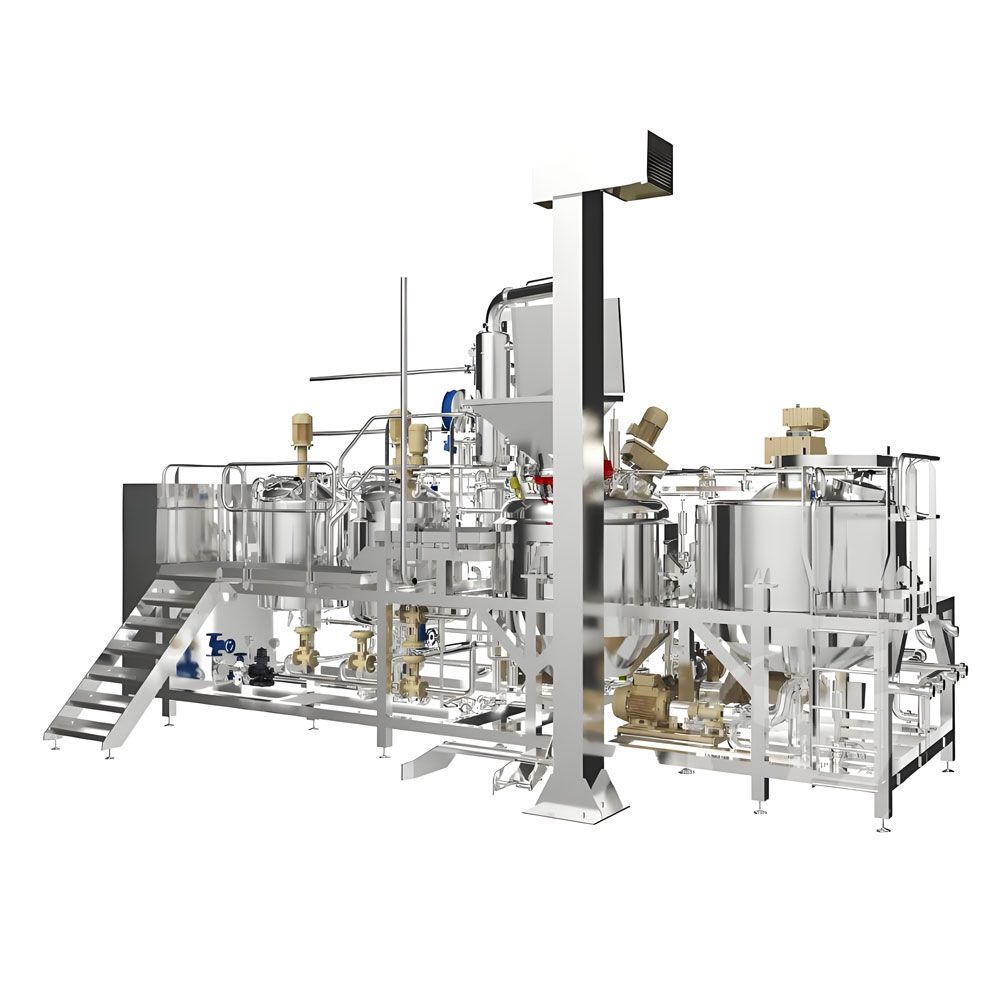 Jam Canned Production Line
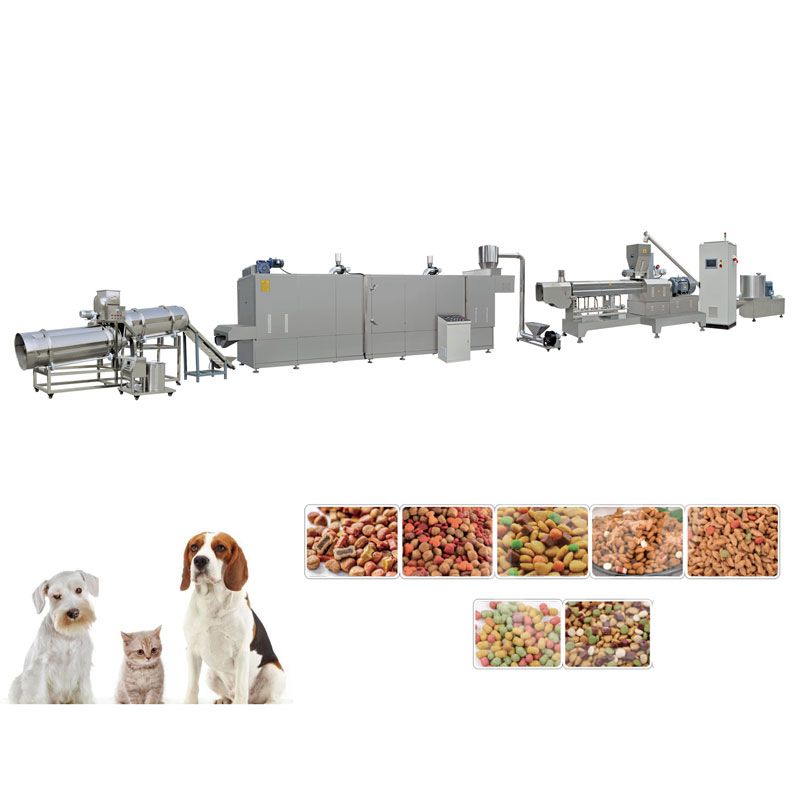 Pet Canned Food Production Line
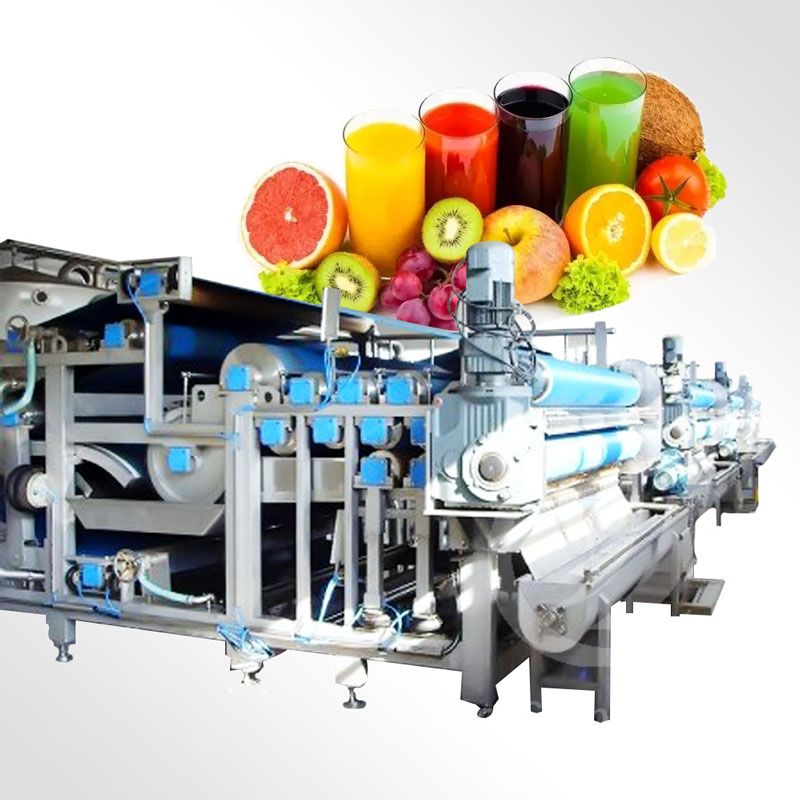 Fruit And Vegetable Canned Production Line
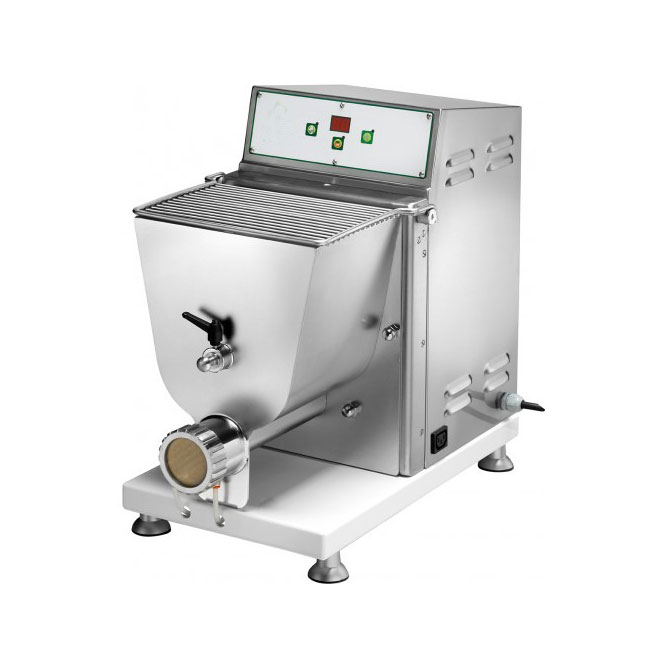 Pasta Machine
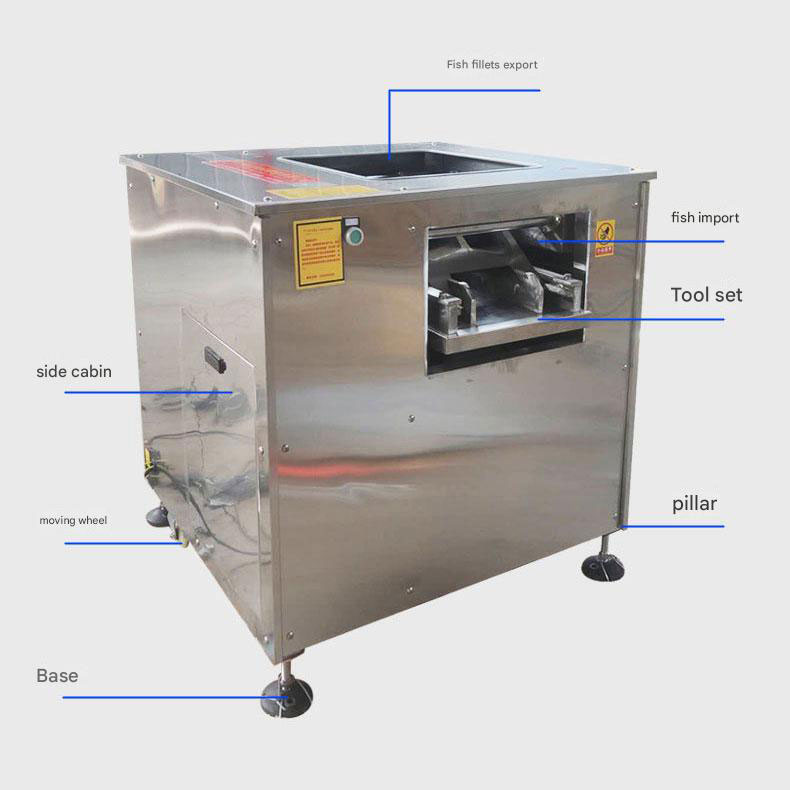 Fish Slicer Machine
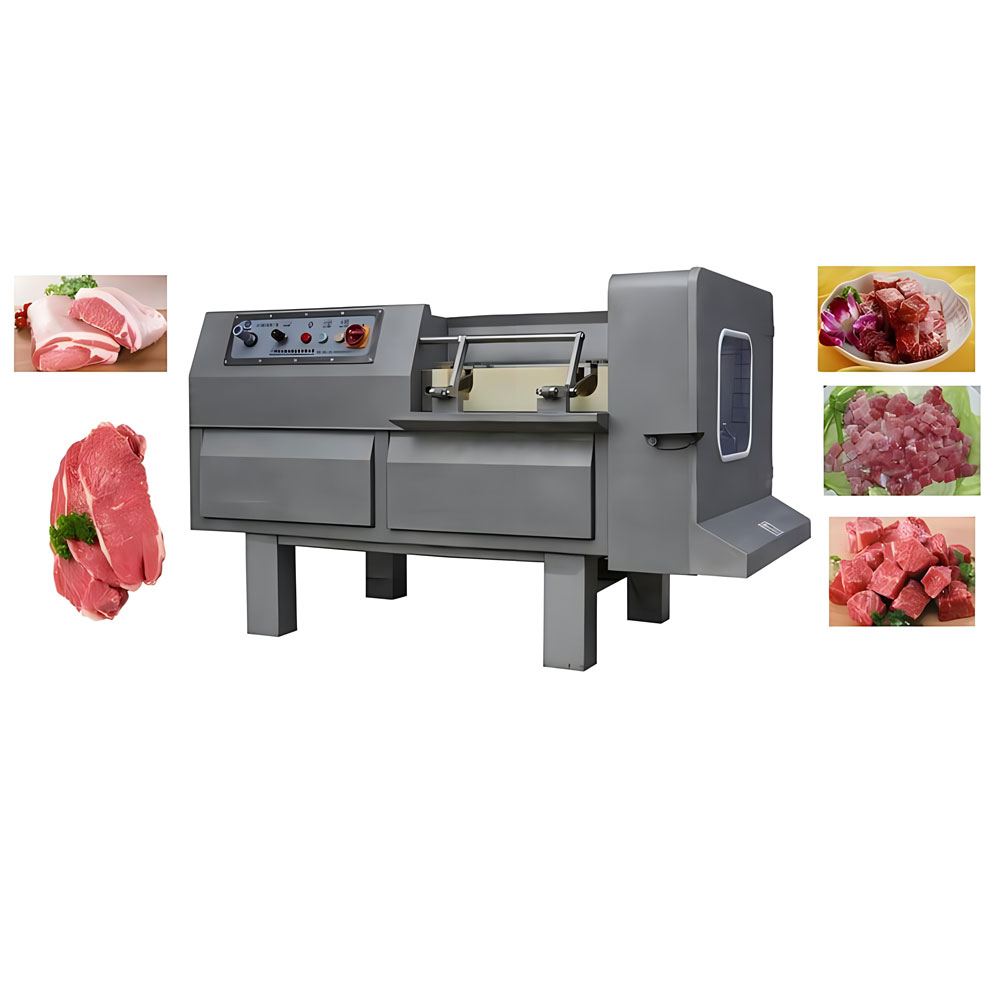 Automatic Fresh Meat Dicing Machine
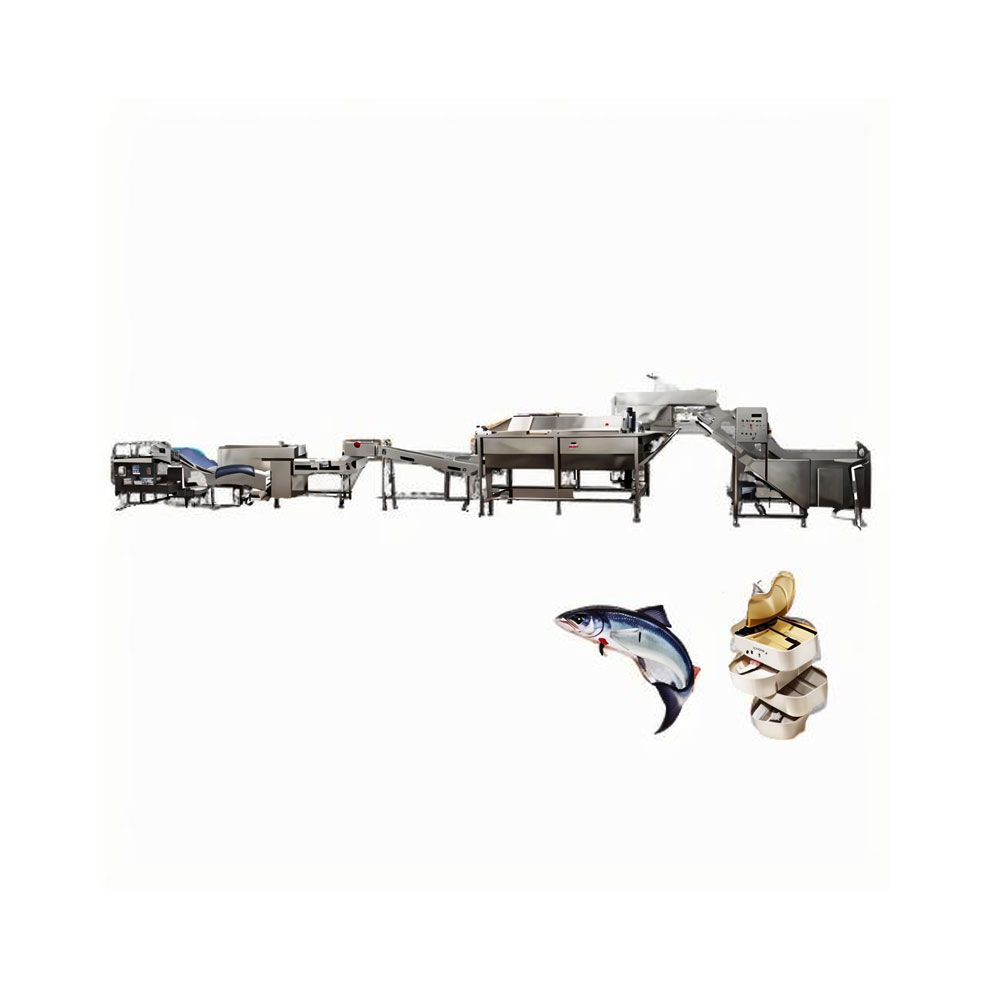 Automatic Sardine Canning Line Equipment
  Cake Production Line
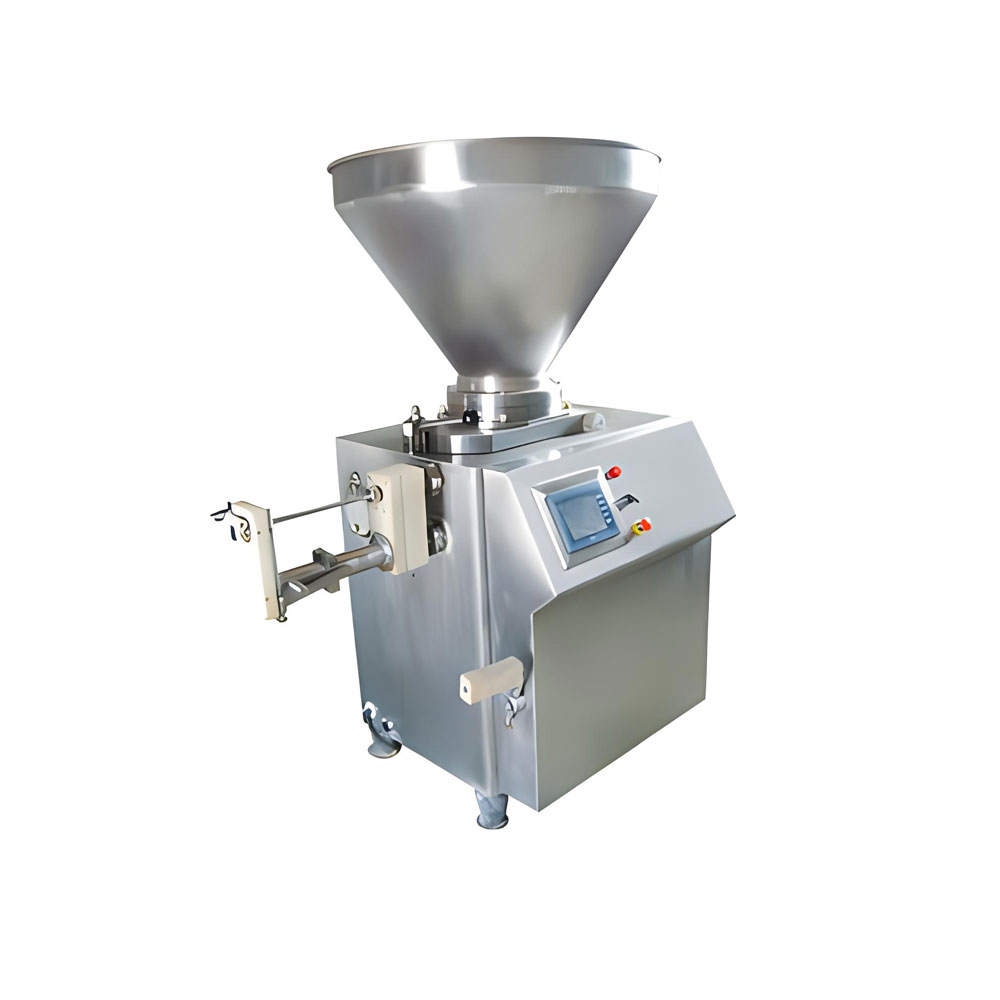 Quantitative Vacuum Sausage Filler
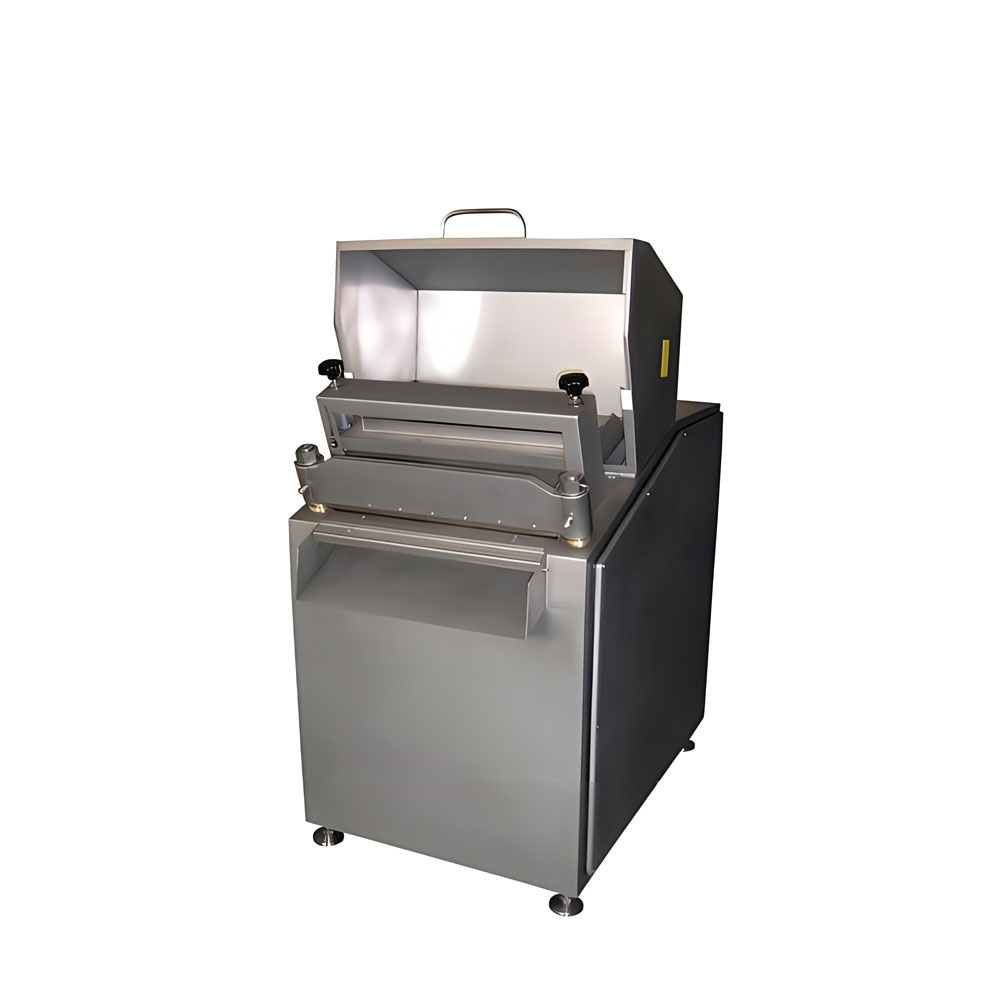 Frozen Meat Cube Cutting Machine