
Customized Canned Food Production Lines With Various Can Specifications - Chinese Manufacturer, Factory, Supplier
Modern food processors face a highly diverse global market where consumer preferences and retail requirements vary widely. To remain competitive, manufacturers are turning to customized Canned Food Production Lines with various can specifications, enabling them to meet different market standards, product types, and packaging demands with efficiency and precision.
These production lines are engineered to adapt seamlessly to multiple can sizes and formats, from small single-serve cans (70g–100g) to standard retail packs (145g, 155g, 400g) and large bulk cans (up to 5L). The flexibility lies in modular machine design, where filling, sealing, sterilization, and packaging units can be adjusted or swapped to accommodate changing product specifications. This adaptability allows food producers to diversify product portfolios without investing in separate dedicated lines for each can size.
The process begins with raw material preparation tailored to the food category—be it seafood, meat, beans, fruit, or pet food. Automated systems ensure consistent cleaning, trimming, or pre-cooking of raw materials, followed by precise filling operations. Advanced volumetric or weight-controlled fillers guarantee accuracy, no matter the can dimensions. For lines requiring sauces, oils, or brines, liquid filling systems integrate smoothly with solid portioning equipment to achieve perfect balance inside every can.
Hermetic sealing technology is essential for maintaining product integrity. High-speed seamers equipped with quick-change tooling are designed to handle various can diameters and heights. Once sealed, cans undergo thermal sterilization in retort systems, ensuring food safety and extended shelf life across different product categories. Cooling, drying, and labeling units follow, each built for high-speed operation and adaptability to diverse can specifications.
Hygiene and safety are prioritized through the use of food-grade stainless steel, streamlined surfaces, and easy-to-clean machine components. Compliance with HACCP, ISO, and FDA standards ensures that processors can confidently export canned goods to international markets. The modular nature of these lines also makes scaling straightforward—whether starting with a semi-automatic setup or expanding to a fully automated industrial facility capable of producing thousands of cans per hour.
Manufacturers such as Qingdao Hongshengyuanlin Co., Ltd., established in 2014, specialize in providing turnkey solutions for customized canned food production lines with various can specifications. Their expertise covers installation, operator training, after-sales service, and integration with upstream and downstream systems, enabling clients to achieve maximum productivity and return on investment.
By investing in such flexible production solutions, food companies not only enhance efficiency but also future-proof their operations, ensuring they can respond quickly to changing consumer trends and global market requirements.
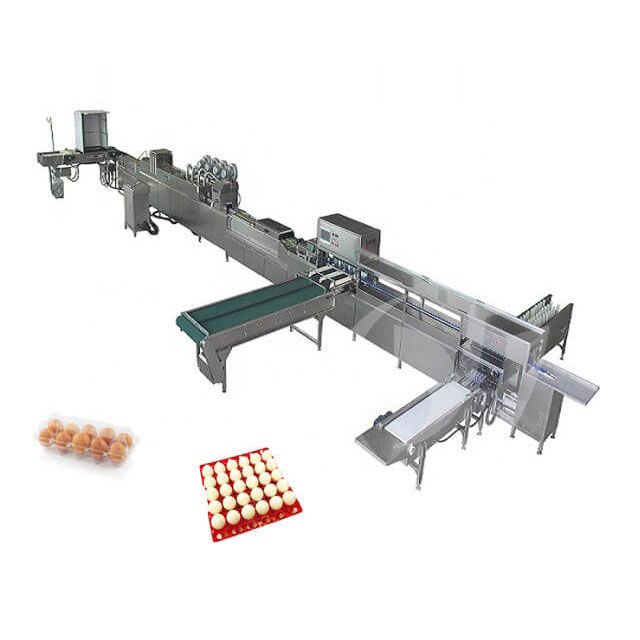 Egg Canning Production Line
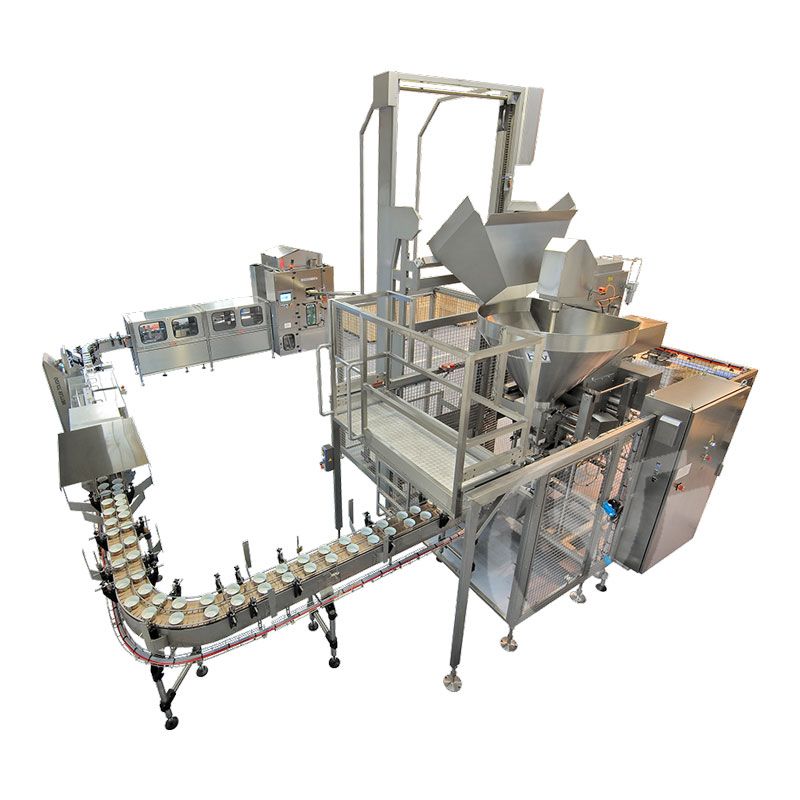 Meat Canned Food Production Line
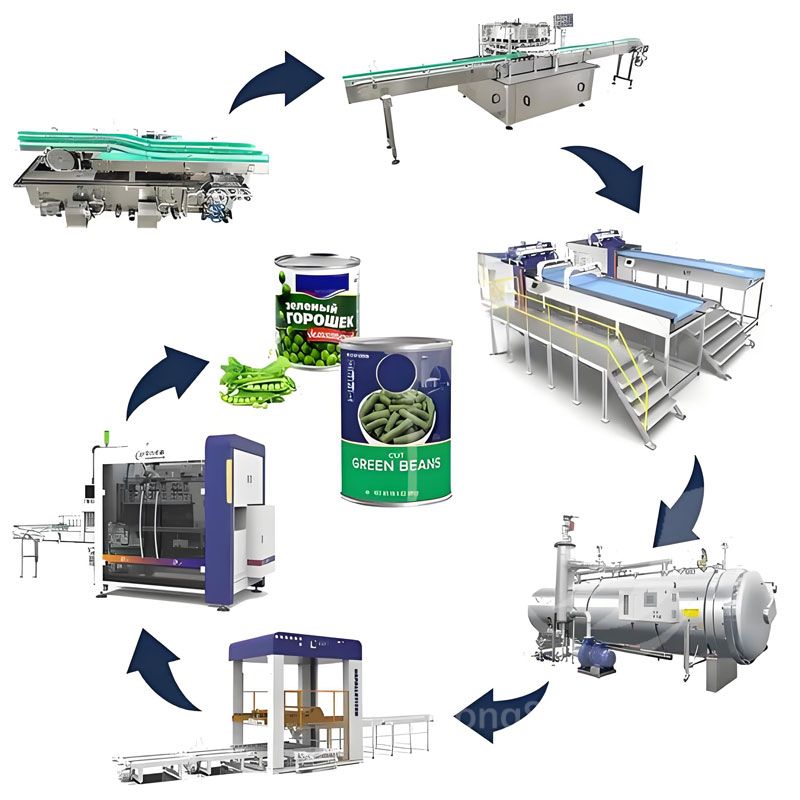 Green Bean Canned Food Production Line
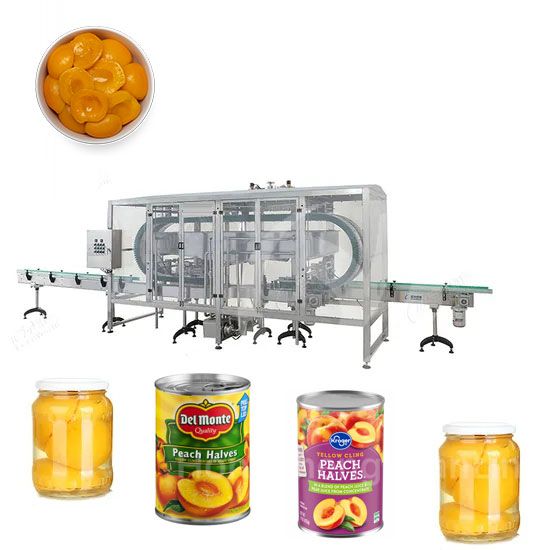 Peach Canned Food Production Line
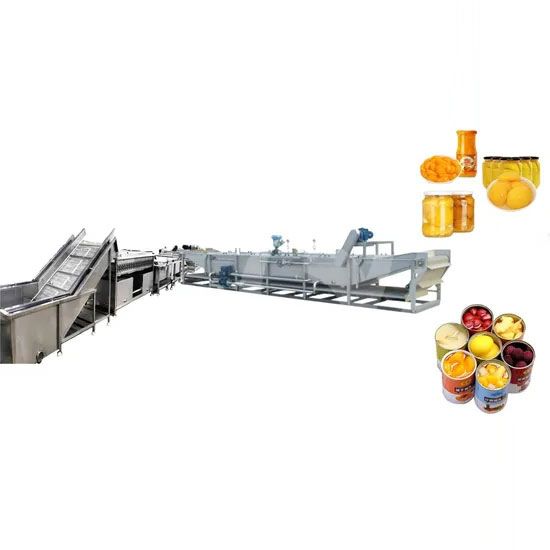 Canned Fruit Production Line Equipment
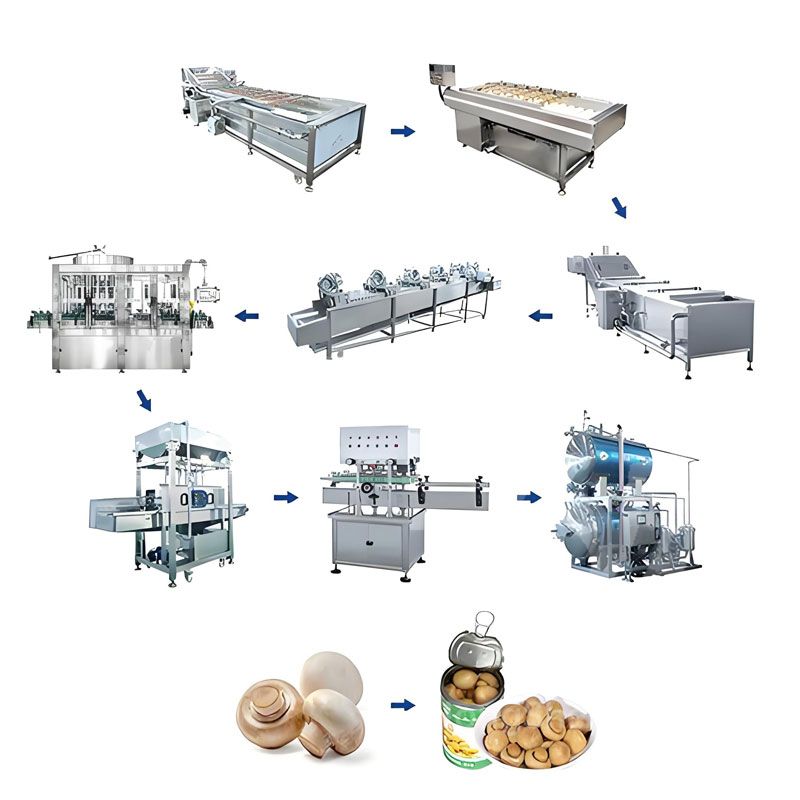 Edible Mushroom Canned Food Production Line
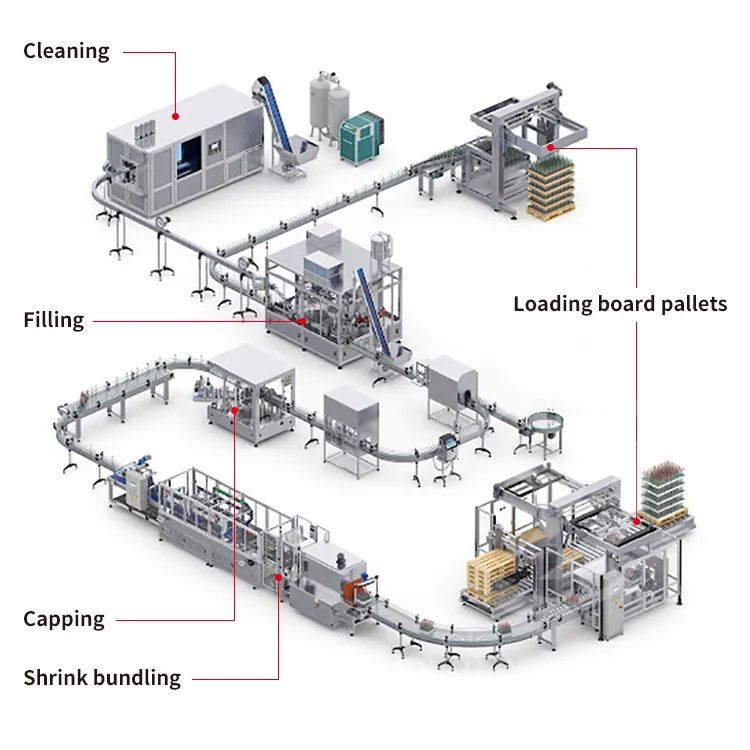 Chicken Soup Canned Production Line
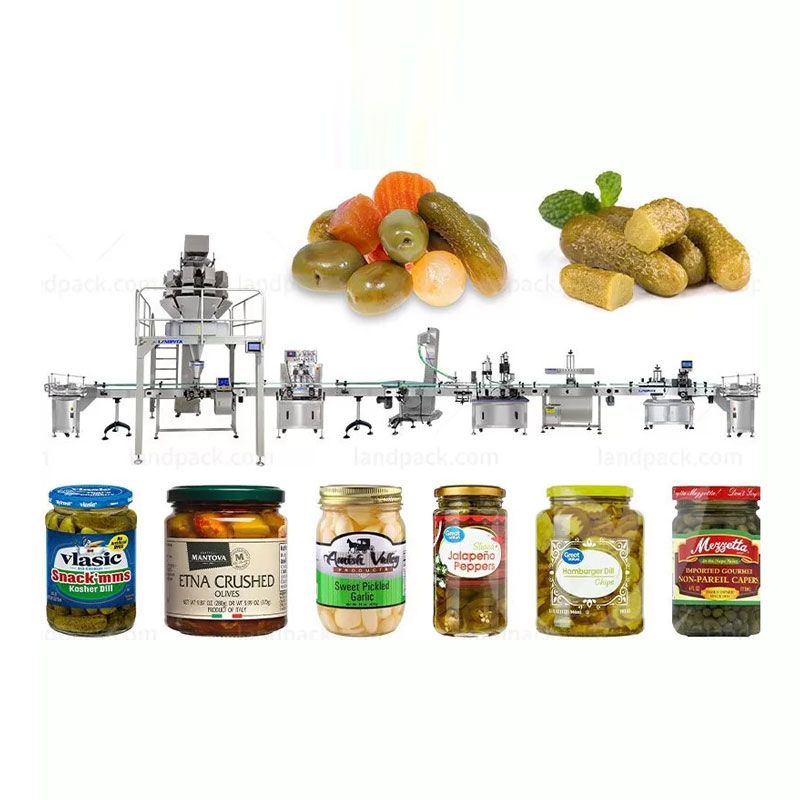 Cucumber Canned Production Line
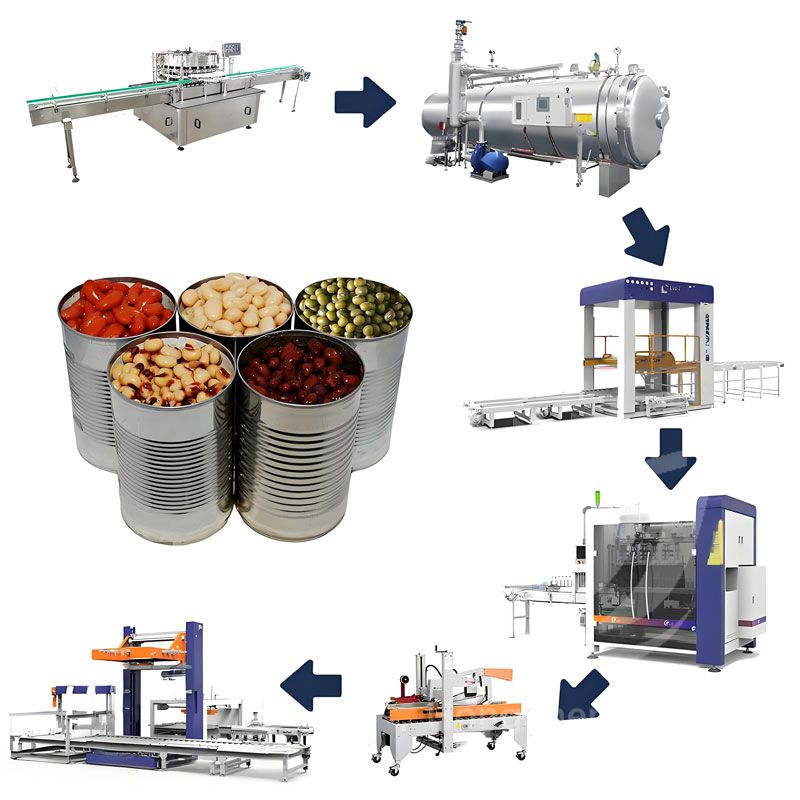 Canned Beans Production Line
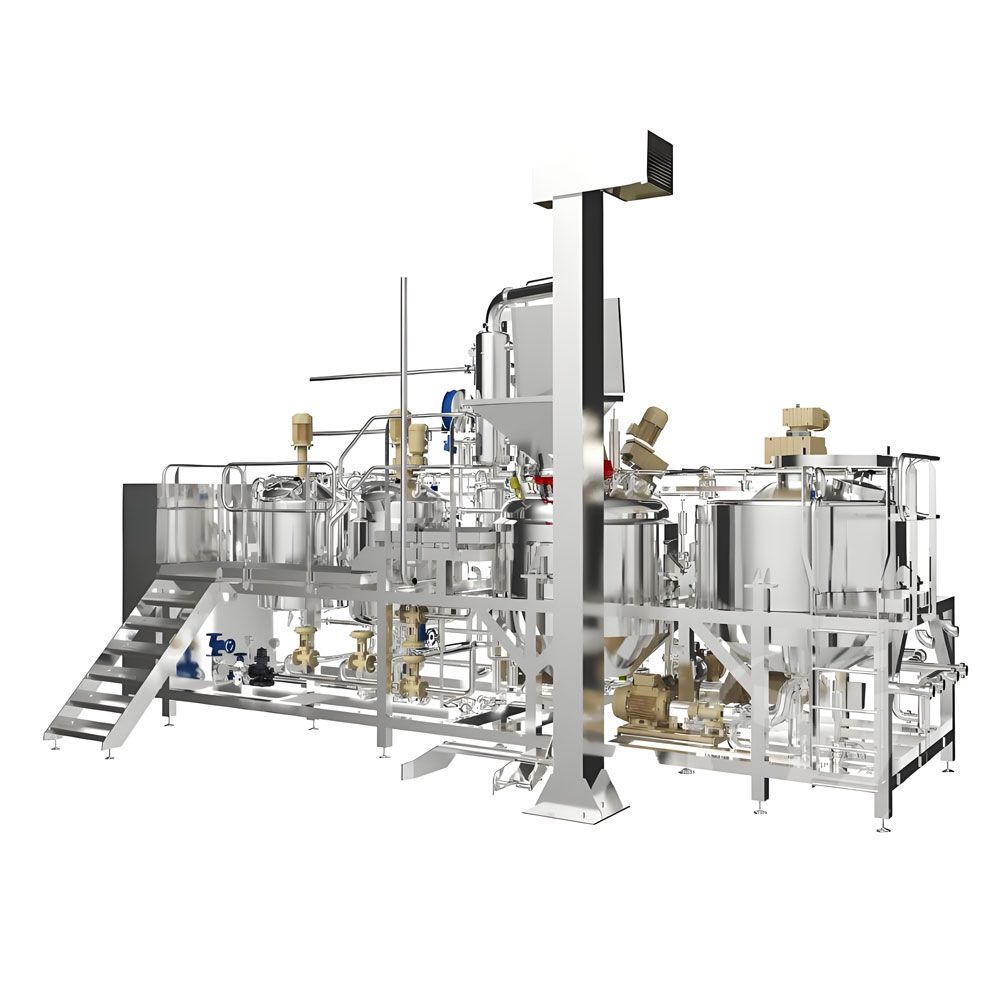 Jam Canned Production Line
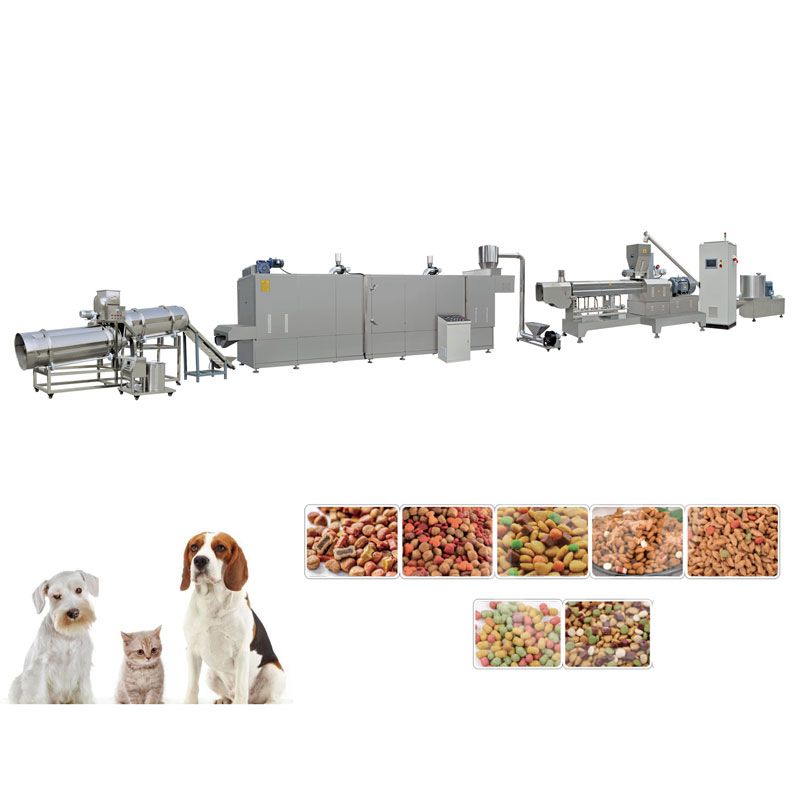 Pet Canned Food Production Line
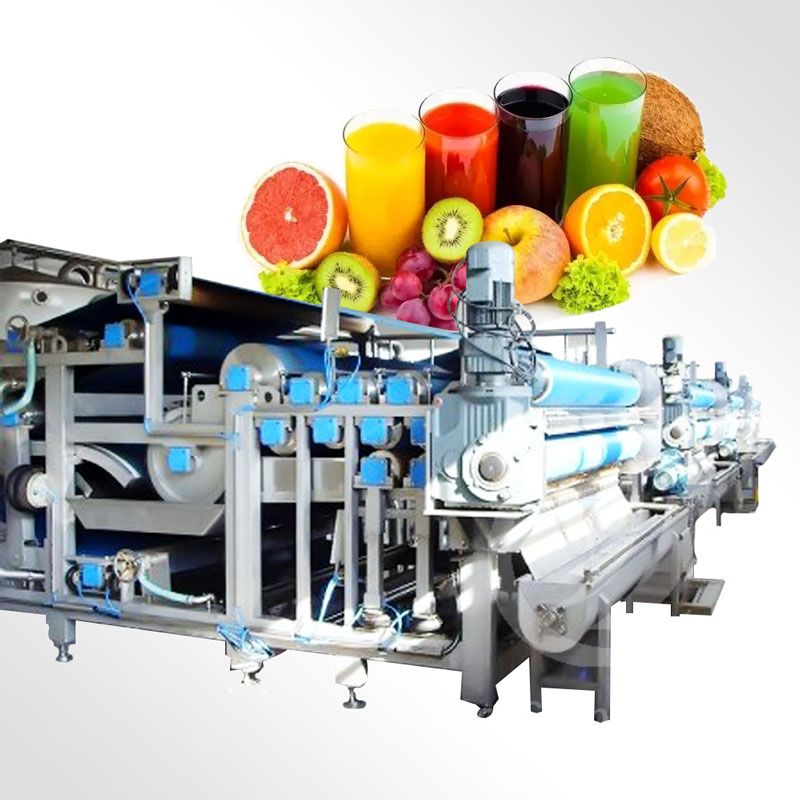 Fruit And Vegetable Canned Production Line
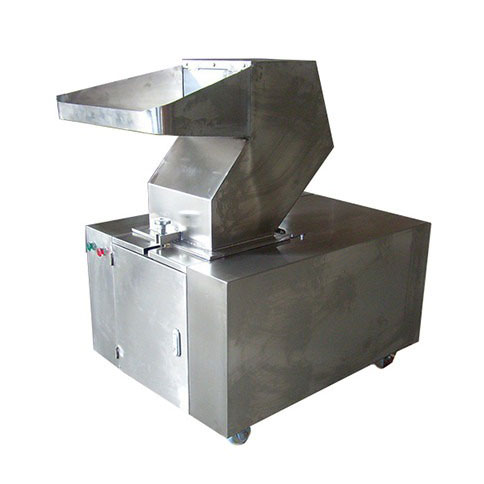 Bone Crusher Machine
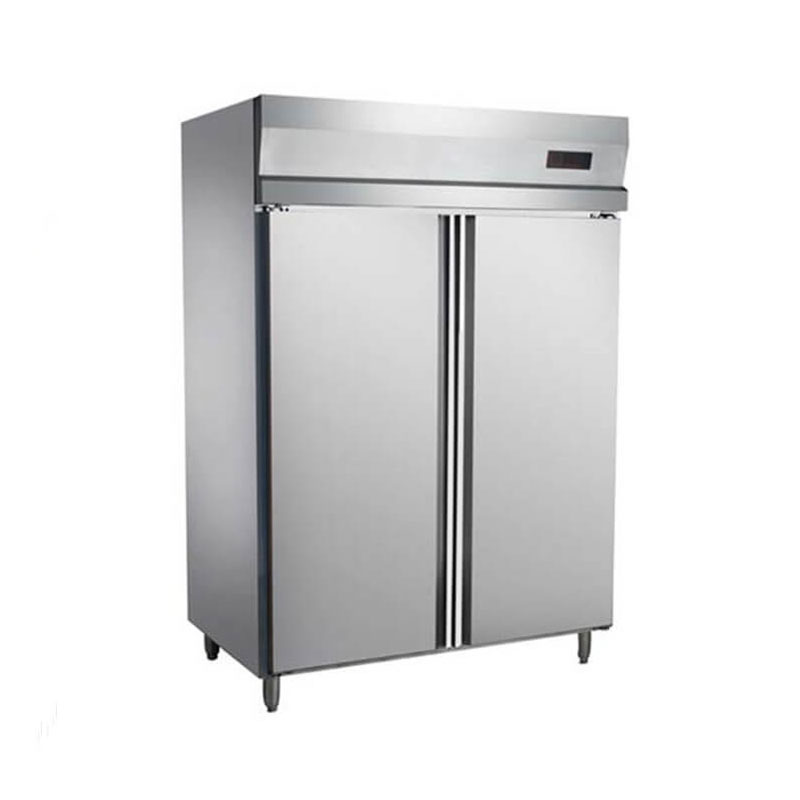 Blast Freezer
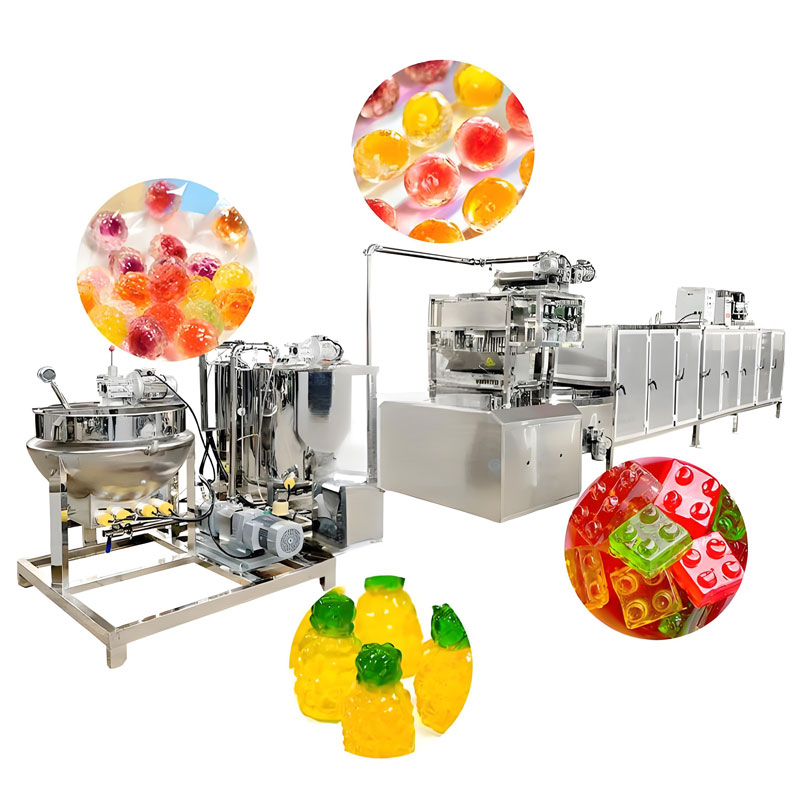 Jelly Candy Production Line
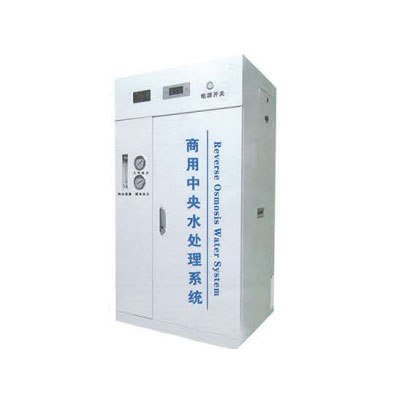 YL-W-03 Commercial Water Purification Equipment
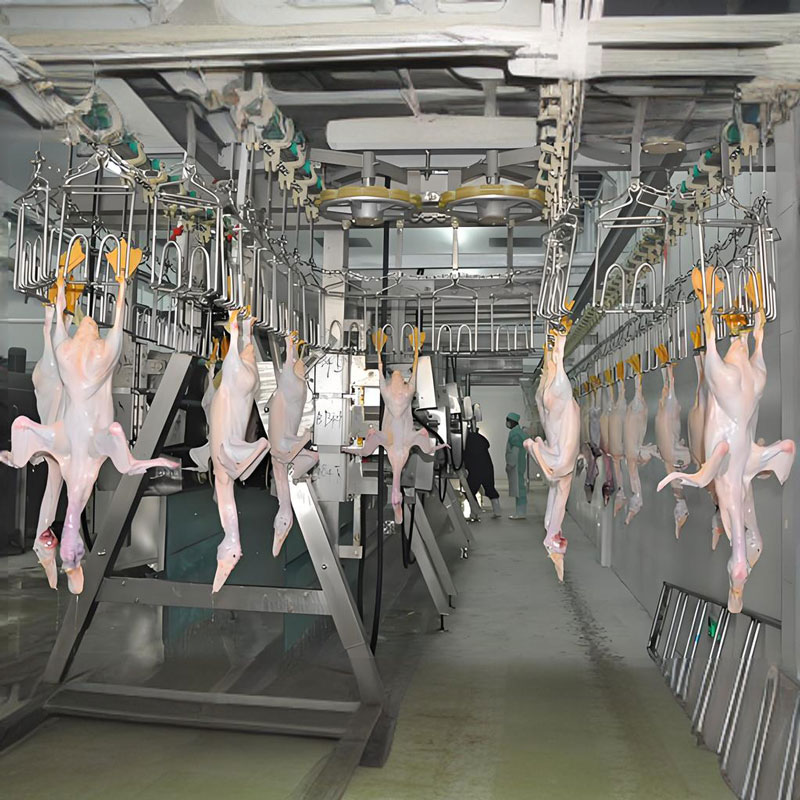 Poultry Slaughtering Line
 Chocolate Production Line
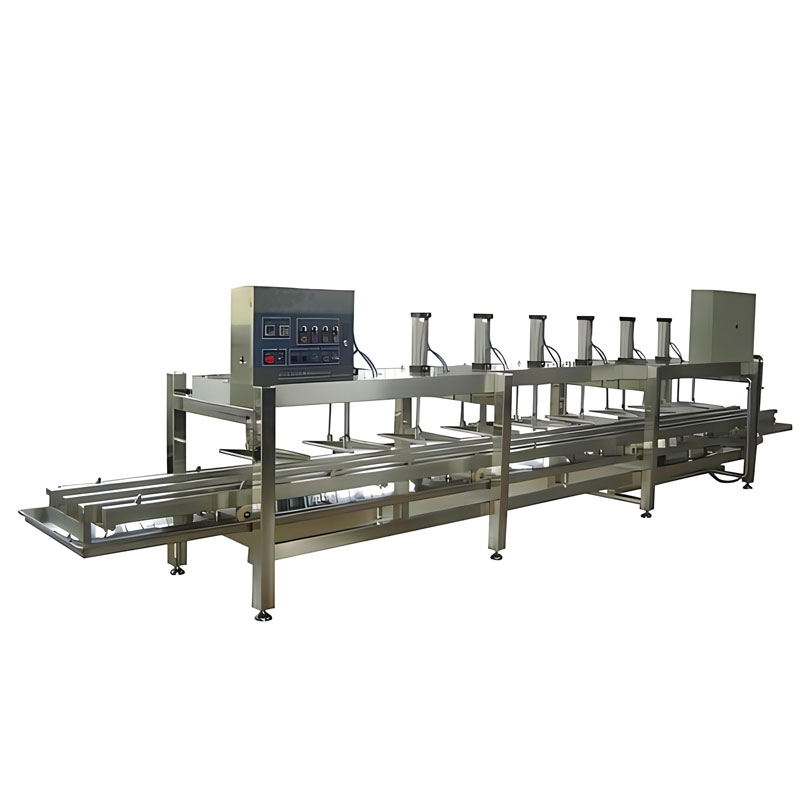 Tofu Production Line
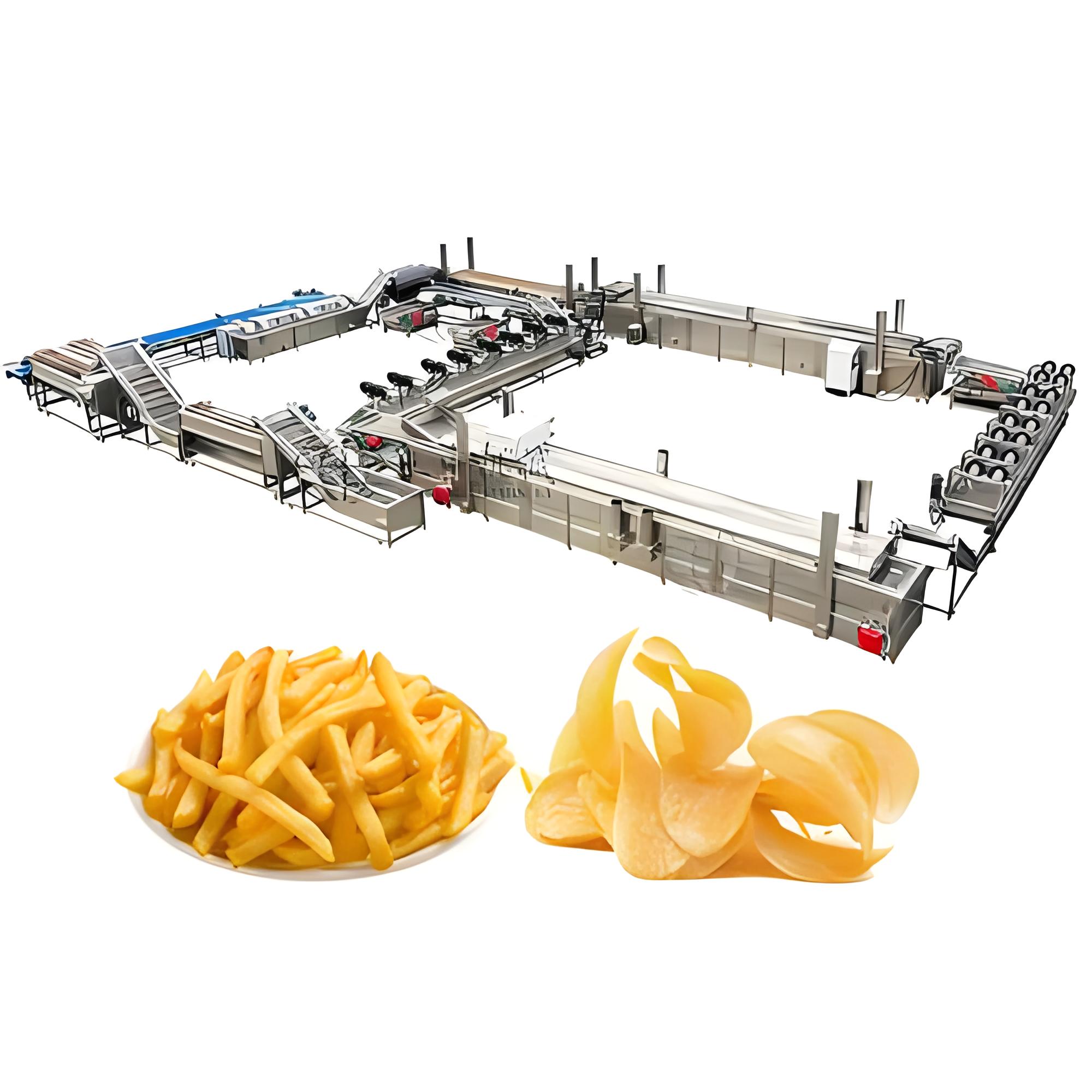 French Fries Production Line